
 DE
DE  EN
EN  FR
FR  TH
TH 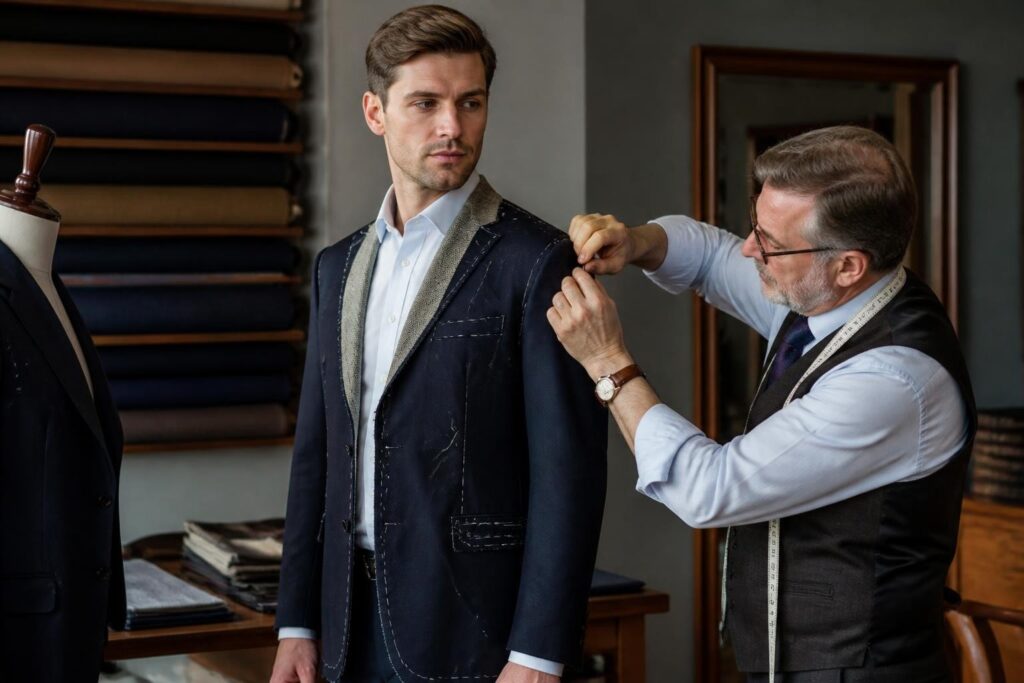
The art of wearing perfectly fitted clothing has never gone out of style, and custom made tailored suits represent the pinnacle of men's fashion excellence. Unlike off-the-rack alternatives, a bespoke suit crafted specifically for your body transforms not only your appearance but also your confidence. In an era where personal branding matters more than ever, investing in garments that reflect your unique proportions and style preferences has become essential for professionals, entrepreneurs, and anyone who values quality craftsmanship. Whether you're preparing for important business meetings, special occasions, or simply building a wardrobe that truly fits, understanding the world of custom tailoring opens doors to sartorial perfection that mass-produced clothing simply cannot match.
Understanding the Different Levels of Custom Tailoring
The world of custom suits can seem confusing with terms like bespoke, made-to-measure, and custom thrown around interchangeably. However, significant differences exist between these categories that affect price, fit, and overall quality.
Bespoke tailoring represents the highest level of customization available. According to Wikipedia’s comprehensive overview of bespoke tailoring, true bespoke suits involve creating a unique pattern from scratch based on individual measurements. This process typically requires multiple fittings and adjustments, with skilled craftsmen cutting and sewing the garment entirely by hand or with minimal machine assistance.
Made-to-measure suits occupy the middle ground between off-the-rack and bespoke options. These garments start with a standard pattern that gets adjusted to accommodate your specific measurements. While less expensive than fully bespoke options, made-to-measure suits still offer superior fit compared to ready-made alternatives.
The True Bespoke Experience
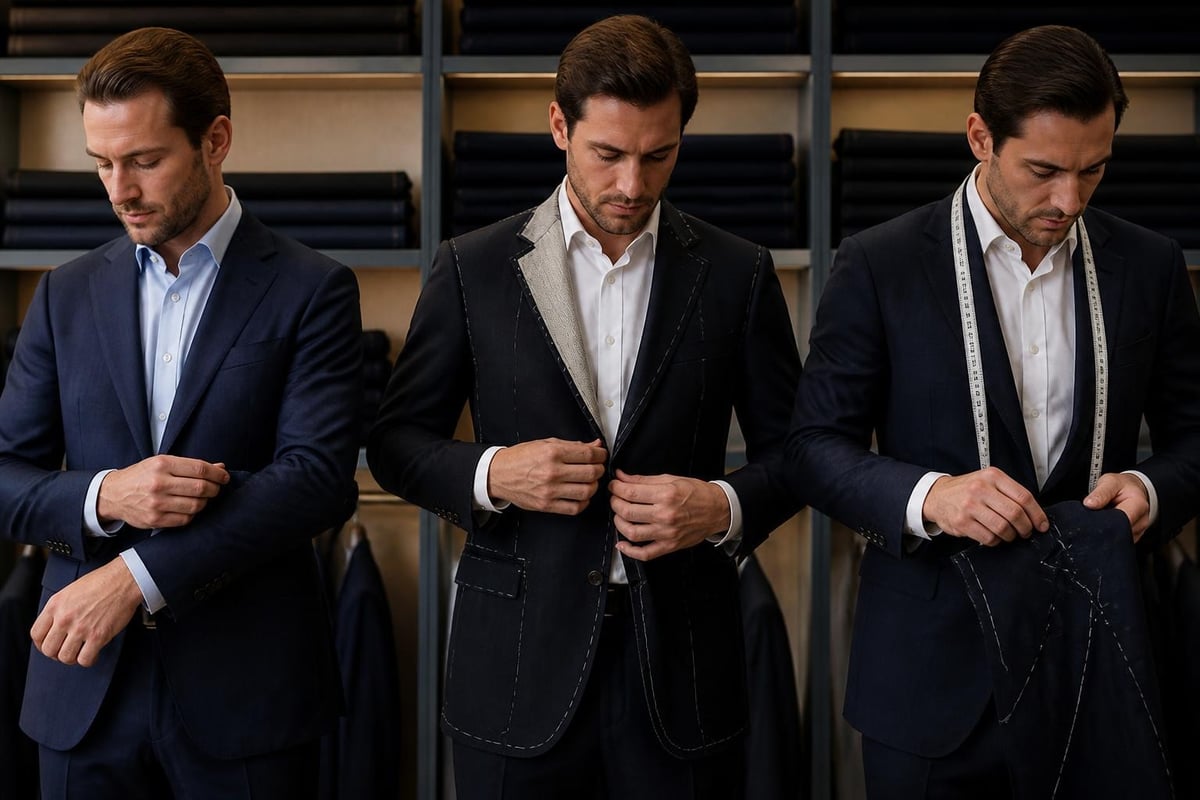
Creating custom made tailored suits through the bespoke process involves an intimate collaboration between client and tailor. The journey begins with an extensive consultation where your tailor discusses lifestyle, preferences, and intended use for the garment. This conversation informs fabric selection, style choices, and functional details.
Key stages of bespoke suit creation include:
- Initial measurements and posture assessment
- Fabric and style selection consultation
- Pattern drafting specific to your body
- First basting fitting with temporary stitches
- Adjustment and refinement phase
- Second fitting for final tweaks
- Completion and delivery
The expertise required for true bespoke work takes decades to master. Tailors must understand how fabric behaves, how bodies move, and how to compensate for posture variations and asymmetries that everyone possesses. This knowledge separates exceptional custom made tailored suits from merely adequate ones.
Selecting the Right Fabric for Your Custom Suit
Fabric choice fundamentally impacts how your suit looks, feels, and performs. The world of suiting fabrics offers overwhelming variety, from lightweight tropical wools to heavy tweeds, each serving different purposes and climates.
Wool remains the gold standard for suit construction due to its breathability, durability, and natural wrinkle resistance. Super numbers (Super 100s, Super 150s, etc.) indicate fiber fineness, with higher numbers meaning softer, more luxurious fabric. However, finer wools are more delicate and less durable for daily wear.
| Stoff Typ | Am besten für | Dauerhaftigkeit | Preisspanne |
|---|---|---|---|
| Super 100s-120s Wool | Year-round wear, daily use | Hoch | Mäßig |
| Super 150s+ Wool | Special occasions, luxury | Medium | Hoch |
| Wool-Silk Blend | Formal events, sheen desired | Medium-Low | Hoch |
| Leinen | Summer, tropical climates | Low | Mäßig |
| Wool-Cashmere | Winter, soft hand feel | Medium | Very High |
For those in tropical locations like Krabi, Thailand, lighter-weight fabrics with good breathability become essential. Tropical wool blends designed for warm climates maintain professional appearance while ensuring comfort in heat and humidity.
Understanding Fabric Weight and Weave
Beyond fiber content, fabric weight and weave pattern dramatically affect suit performance. Weight is measured in ounces per yard, with 9-11 oz fabrics suitable for year-round wear in most climates.
Common weave patterns include:
- Plain weave – Tight, durable, formal appearance
- Twill weave – Diagonal pattern, wrinkle-resistant, versatile
- Herringbone – Distinctive V-pattern, textured, sophisticated
- Hopsack – Looser weave, breathable, casual
The weave affects not only appearance but also how the fabric drapes and breathes. Looser weaves like hopsack allow better air circulation, making them ideal for warm weather custom made tailored suits.
Achieving Perfect Fit Through Proper Measurements
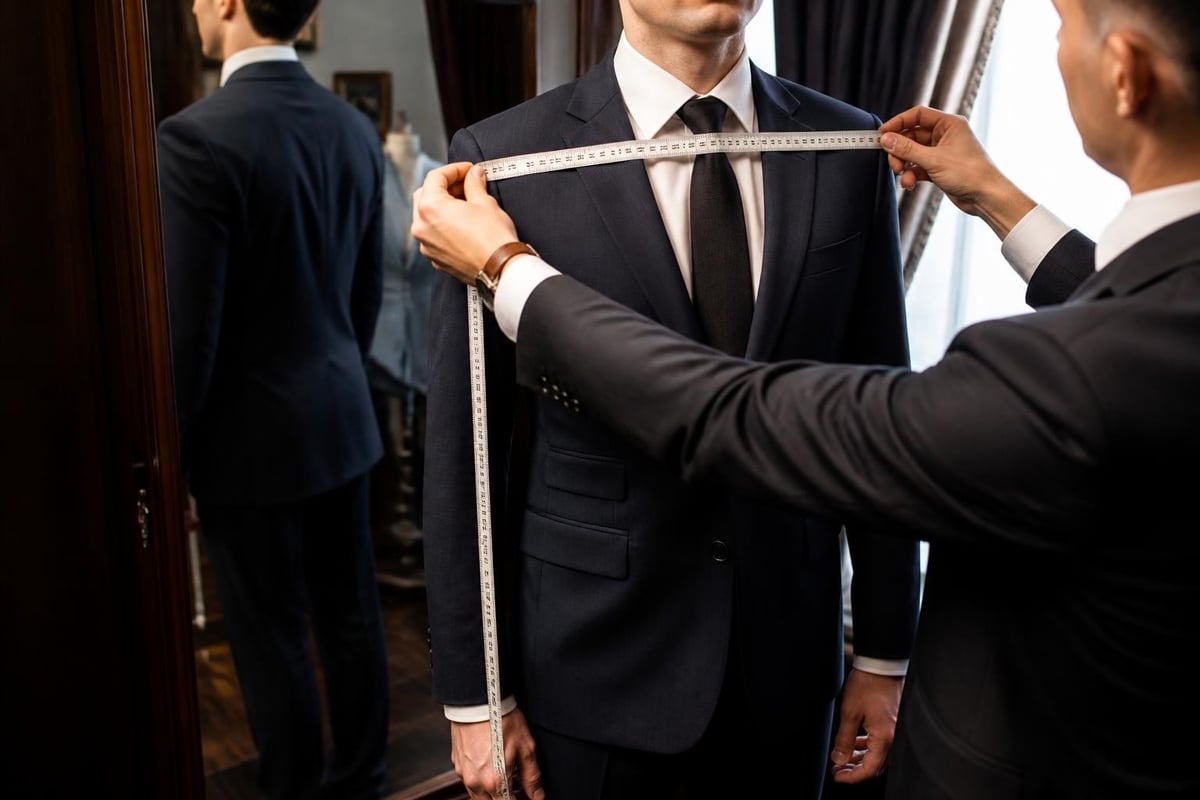
The hallmark of custom made tailored suits lies in their impeccable fit, which begins with accurate measurements. Professional tailors take dozens of measurements beyond the basic chest, waist, and inseam numbers used for off-the-rack sizing.
A comprehensive measurement session captures shoulder slope, back width, arm length from multiple reference points, neck circumference, and posture characteristics. Experienced tailors also observe how you stand naturally, noting whether one shoulder sits higher, if you have a forward lean, or other individual characteristics.
Finding a suit that complements your specific body type requires understanding how different cuts and proportions work with your frame. A skilled tailor adjusts lapel width, button placement, pocket positioning, and trouser rise to create balanced, flattering proportions.
Common Fit Issues and Corrections
Even with precise measurements, the first fitting of custom made tailored suits typically reveals areas needing adjustment. Bodies are three-dimensional and dynamic, making it impossible to achieve perfection from measurements alone.
Typical adjustments include:
- Shoulder seam positioning for comfort and drape
- Chest suppression for athletic builds
- Sleeve pitch to accommodate arm rotation
- Back balance for posture variations
- Trouser seat shape for comfort when sitting
The ability to make these refinements distinguishes expert tailors from novices. Each adjustment affects how the garment hangs and moves, requiring deep understanding of garment construction and body mechanics.
Style Choices That Define Your Suit
Beyond fit and fabric, numerous style decisions shape the character of custom made tailored suits. These choices should reflect personal taste while considering appropriate contexts for wearing the garment.
Jacket style elements include:
- Lapel type (notch, peak, shawl) and width
- Button configuration (single-breasted, double-breasted)
- Vent style (no vent, single, double)
- Pocket type (flap, jetted, patch)
- Lining options (full, half, contrast colors)
Lapel width should generally correspond with tie width and body type, with wider lapels suiting larger frames and narrower ones appearing more contemporary. The resurgence of bespoke suiting has brought renewed attention to classic details while incorporating modern proportions.
Trouser Design Considerations
Trouser styling deserves equal attention to jacket details. The rise (distance from crotch to waistband) affects comfort and how the trousers sit on your body. Higher rises provide better coverage when sitting and create a classic silhouette, while lower rises offer a more contemporary look.
| Trouser Feature | Traditional | Modern |
|---|---|---|
| Rise | High (sits at natural waist) | Medium to low |
| Leg Opening | Wider, cuffed | Narrower, no cuff |
| Pleats | Single or double pleats | Flat front |
| Break | Full break | Minimal or no break |
Cuffs add weight to trouser hems, helping them hang properly, but work best with fuller leg cuts. Slim trousers typically look cleaner without cuffs. Your tailor can guide these decisions based on your body type and style preferences.
The Investment Value of Custom Made Tailored Suits
Custom made tailored suits represent a significant financial investment compared to ready-made alternatives. Understanding the value proposition helps justify the expense and ensures you make informed decisions.
A well-constructed bespoke suit, properly maintained, can last decades. The superior construction techniques, quality materials, and perfect fit mean these garments resist wear better and remain stylish longer than mass-produced options. When calculated as cost-per-wear over years of use, custom suits often prove more economical than repeatedly purchasing cheaper alternatives.
Practical advice on ordering a custom-made suit emphasizes researching tailors thoroughly, understanding their experience level, and viewing examples of completed work. For those exploring tailored clothing options, establishments with decades of experience demonstrate consistent quality and refined techniques.
Pricing Factors and Budget Considerations
Several factors influence the final price of custom made tailored suits:
- Tailor expertise and reputation – Master tailors command premium prices
- Fabric selection – Luxury fabrics significantly increase costs
- Construction method – Fully hand-sewn garments cost more than machine-finished
- Detail complexity – Intricate features require more time and skill
- Number of fittings – More refinement sessions increase labor costs
Setting a realistic budget requires honest conversation with your tailor about priorities. Sometimes compromising on fabric luxury while maintaining construction quality makes sense, or vice versa depending on your needs.
Working With Your Tailor for Best Results
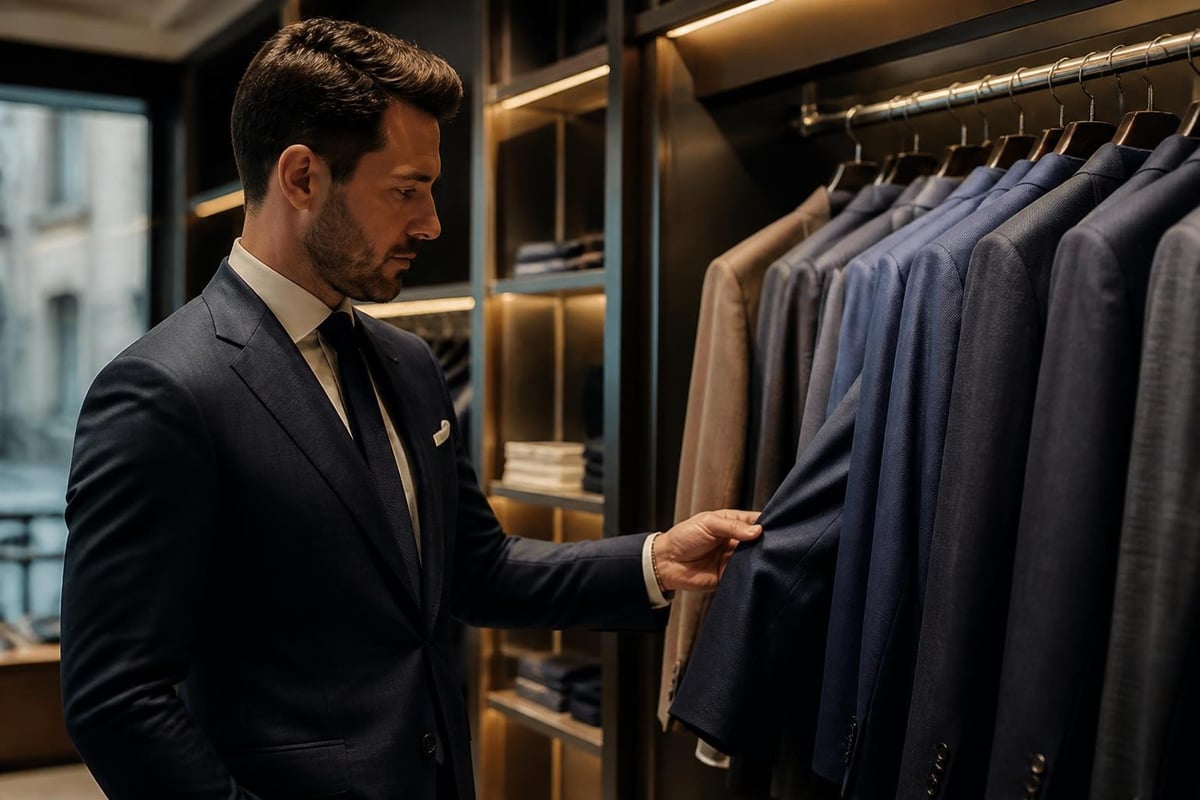
The relationship between client and tailor fundamentally affects the outcome of custom made tailored suits. This partnership thrives on clear communication, realistic expectations, and mutual respect.
Effective collaboration requires:
- Articulating your preferences and intended use clearly
- Bringing reference images for style inspiration
- Being honest about budget constraints upfront
- Trusting professional guidance on technical matters
- Scheduling adequate time for fittings without rushing
Professional tailors balance client desires with practical construction realities. When a requested feature won't work with your body type or chosen fabric, experienced craftsmen explain why and suggest alternatives that achieve your goals effectively.
The Fitting Process and Timeline
Understanding the typical timeline for creating custom made tailored suits helps manage expectations. Rush orders rarely produce optimal results, as proper construction requires time for each stage.
A standard bespoke suit timeline spans 6-12 weeks:
- Week 1-2: Initial consultation, measurements, fabric selection
- Week 3-5: Pattern creation and cutting
- Week 6: First fitting with basted garment
- Week 7-9: Adjustments and construction continuation
- Week 10: Second fitting for refinement
- Week 11-12: Final details, pressing, completion
Some tailors require fewer fittings, particularly for made-to-measure suits using proven patterns. However, true bespoke work benefits from multiple adjustment opportunities to achieve perfection.
Caring for Your Custom Suit Investment
Proper maintenance extends the life of custom made tailored suits significantly. Quality construction deserves quality care to preserve appearance and structural integrity.
Essential suit care practices include:
- Hanging suits on proper wooden hangers with shaped shoulders
- Allowing 24-48 hours rest between wearings for fabric recovery
- Brushing suits after each wear to remove surface dirt
- Spot-cleaning minor stains rather than full cleaning
- Professional dry cleaning only when truly necessary (2-3 times per year maximum)
Over-cleaning damages suit fabrics and construction. The natural oils in wool fibers provide some stain resistance, and proper brushing removes most dirt without chemical intervention. Steam rather than ironing refreshes the fabric and removes wrinkles gently.
Storage and Seasonal Rotation
Seasonal rotation and proper storage protect custom made tailored suits during off-months. Heavier wool suits need breathable garment bags in climate-controlled environments to prevent moth damage and mildew.
Before storing suits long-term, ensure they're clean and completely dry. Cedar accessories help deter moths naturally without chemical mothballs that leave unpleasant odors. Proper storage maintains fabric integrity and ensures your investment looks fresh when you retrieve it next season.
Special Considerations for Destination Tailoring
Travelers to tailoring destinations like Thailand, Hong Kong, or Vietnam often seek custom made tailored suits during their visits. This approach offers access to skilled craftsmen at competitive prices but requires careful planning.
Research tailor reputations thoroughly through recent reviews and recommendations. Avoid touts at tourist areas who work on commission. Established tailors with decades of experience, like those found through reputable tailoring establishments, provide better results than newcomers promising impossibly low prices.
Schedule adequate time for multiple fittings. While some tailors advertise 24-hour suits, quality work requires proper construction time. Plan your trip allowing at least 3-5 days between initial measurements and final pickup, preferably longer.
Managing International Purchases
When commissioning custom made tailored suits abroad, clarify what happens if alterations are needed after returning home. Some tailors offer limited warranties or maintain relationships with tailors in major cities worldwide who can make minor adjustments.
Shipping suits internationally requires careful packaging to prevent crushing or damage. If carrying suits in luggage, use a suit carrier and pack strategically to minimize wrinkling. Many experienced travelers wear one custom suit during their return flight, both to save luggage space and ensure at least one garment arrives in perfect condition.
Building a Custom Suit Wardrobe
Strategic planning creates a versatile custom suit wardrobe that serves multiple purposes without unnecessary redundancy. Rather than purchasing many similar suits, thoughtful selection provides maximum flexibility.
A foundational three-suit wardrobe includes:
- Navy suit – Most versatile, appropriate for business and formal occasions
- Charcoal gray suit – Professional alternative, equally versatile
- Lighter gray or tan suit – Summer option, business casual flexibility
This foundation handles virtually any professional or formal situation. Subsequent additions might include patterned suits (windowpane, pinstripe) or seasonal fabrics (linen, flannel) based on specific needs.
Each custom made tailored suit should serve distinct purposes rather than duplicating existing garments. Consider your lifestyle, climate, and actual wearing occasions when planning additions to your wardrobe.
Investing in custom made tailored suits transforms your wardrobe from adequate to exceptional, providing unmatched fit, quality, and personal expression. The process requires time, research, and partnership with skilled craftsmen who understand both traditional techniques and individual needs. For those seeking world-class bespoke tailoring with over three decades of expertise in creating perfectly fitted garments for men, women, and children, Alex’s Fashion in Ao Nang, Krabi offers the craftsmanship and attention to detail that elevates custom clothing from simple garments to wearable art. Whether you're building your first custom suit or expanding an existing collection, working with experienced tailors ensures your investment delivers lasting value and timeless style.