
 DE
DE  EN
EN  FR
FR  TH
TH 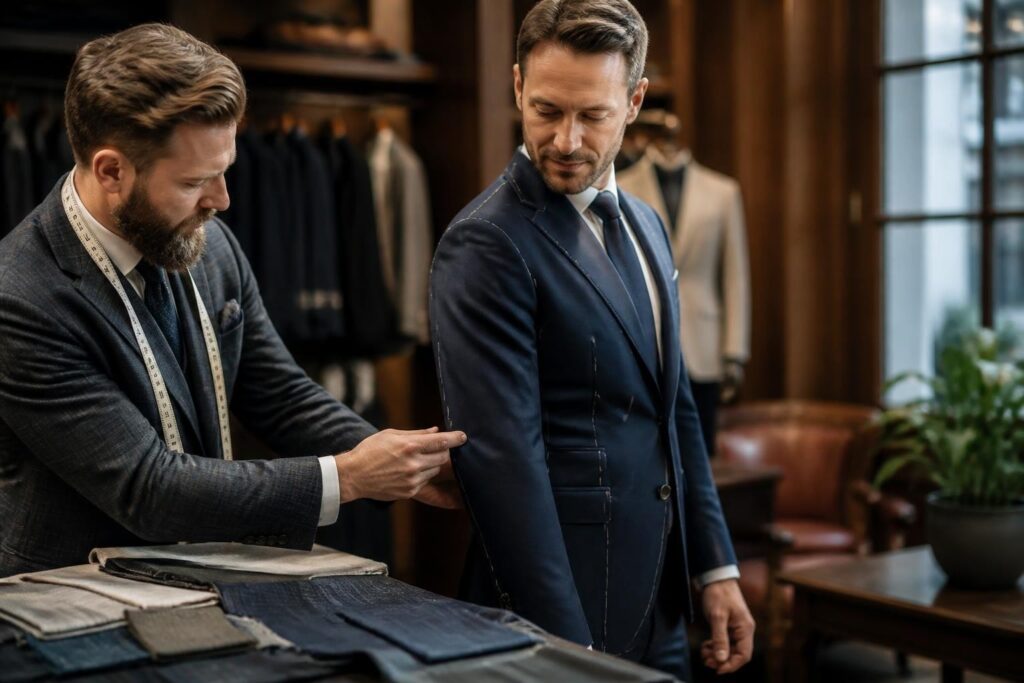
The tradition of bespoke tailoring represents one of the oldest and most respected crafts in the fashion industry, where skilled artisans transform premium fabrics into perfectly fitted garments. The term "mr tailor" has become synonymous with expert craftsmanship, personalized service, and attention to detail that mass-produced clothing simply cannot replicate. As we navigate 2026, the demand for custom tailoring continues to grow, with discerning clients seeking garments that reflect their individual style, body shape, and personal preferences. This resurgence in bespoke services reflects a broader shift toward quality over quantity, sustainability over disposability, and individuality over conformity.
The Evolution of Bespoke Tailoring Services
The tailoring profession has undergone significant transformation over recent decades, yet the core principles remain unchanged. A skilled mr tailor combines traditional techniques passed down through generations with modern innovations in fabric technology and fitting methods. According to market analysis projecting industry growth, the bespoke tailor suit market is expected to reach USD 6.2 billion by 2033, up from USD 3.8 billion in 2024.
This remarkable growth trajectory demonstrates that consumers increasingly value personalized experiences and garments crafted specifically for their bodies. The modern mr tailor must balance respect for heritage techniques with awareness of contemporary style trends and client expectations.
Traditional Craftsmanship Meets Modern Demands
Today's bespoke tailoring shops serve a diverse clientele with varying needs and preferences. Whether creating a classic three-piece suit for a wedding, designing business attire for corporate professionals, or crafting casual wear with a custom fit, the mr tailor approach emphasizes consultation, precision, and satisfaction.
Key aspects that define quality tailoring include:
- Multiple fitting sessions to ensure perfect proportions
- Hand-stitched details on critical stress points
- Premium fabric selection from renowned mills worldwide
- Personalized design consultations addressing style preferences
- Expert alterations to accommodate body changes over time
The relationship between a client and their mr tailor often extends beyond single transactions. Many customers return repeatedly, building trust and understanding that produces increasingly refined results with each garment.
Understanding the Bespoke Tailoring Process
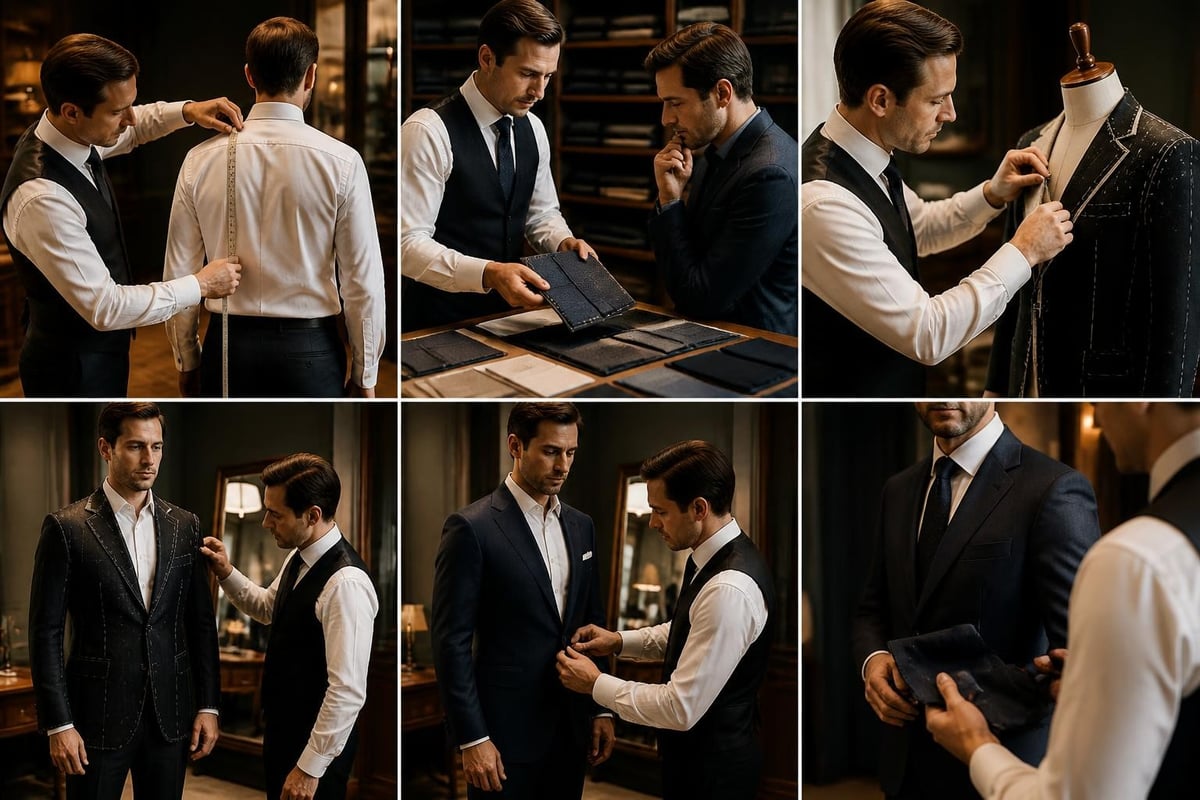
Creating a custom garment involves considerably more complexity than selecting ready-to-wear options. When you work with a mr tailor, you embark on a collaborative journey where your vision becomes reality through skilled hands and experienced eyes.
Step-by-Step Creation Journey
The typical bespoke tailoring process follows these stages:
- Erstkonsultation – Discussion of occasion, style preferences, and budget parameters
- Auswahl des Stoffes – Choosing materials based on season, purpose, and desired aesthetics
- Measurement Taking – Comprehensive body measurements capturing unique proportions
- Pattern Creation – Drafting a unique pattern specific to your measurements
- First Fitting – Trying the basted garment to identify adjustment needs
- Refinement – Making necessary alterations based on first fitting feedback
- Final Fitting – Ensuring perfect fit before completion
- Lieferung – Receiving your finished garment with care instructions
Each stage requires expertise, patience, and communication. The mr tailor must interpret not just physical measurements but also lifestyle needs, personal taste, and how garments will be worn and maintained.
| Process Stage | Timeline | Customer Involvement |
|---|---|---|
| Konsultation | 30-60 minutes | High – decision making |
| Auswahl des Stoffes | 15-30 minutes | High – choosing materials |
| Measurements | 20-40 minutes | Medium – standing for measurements |
| Pattern & Cutting | 2-3 days | None – technical work |
| First Fitting | 20-30 minutes | High – feedback crucial |
| Adjustments | 2-4 days | None – technical work |
| Final Fitting | 15-20 minutes | Medium – final approval |
This structured approach ensures nothing gets overlooked. The mr tailor methodology prioritizes accuracy at each checkpoint, preventing costly mistakes and ensuring customer satisfaction.
Quality Indicators in Custom Tailoring
Distinguishing exceptional tailoring from mediocre work requires understanding what separates true craftsmanship from simple alterations. When evaluating a mr tailor's work, several quality markers reveal the level of expertise and attention invested in each garment.
Construction Details That Matter
Superior tailoring exhibits these characteristics:
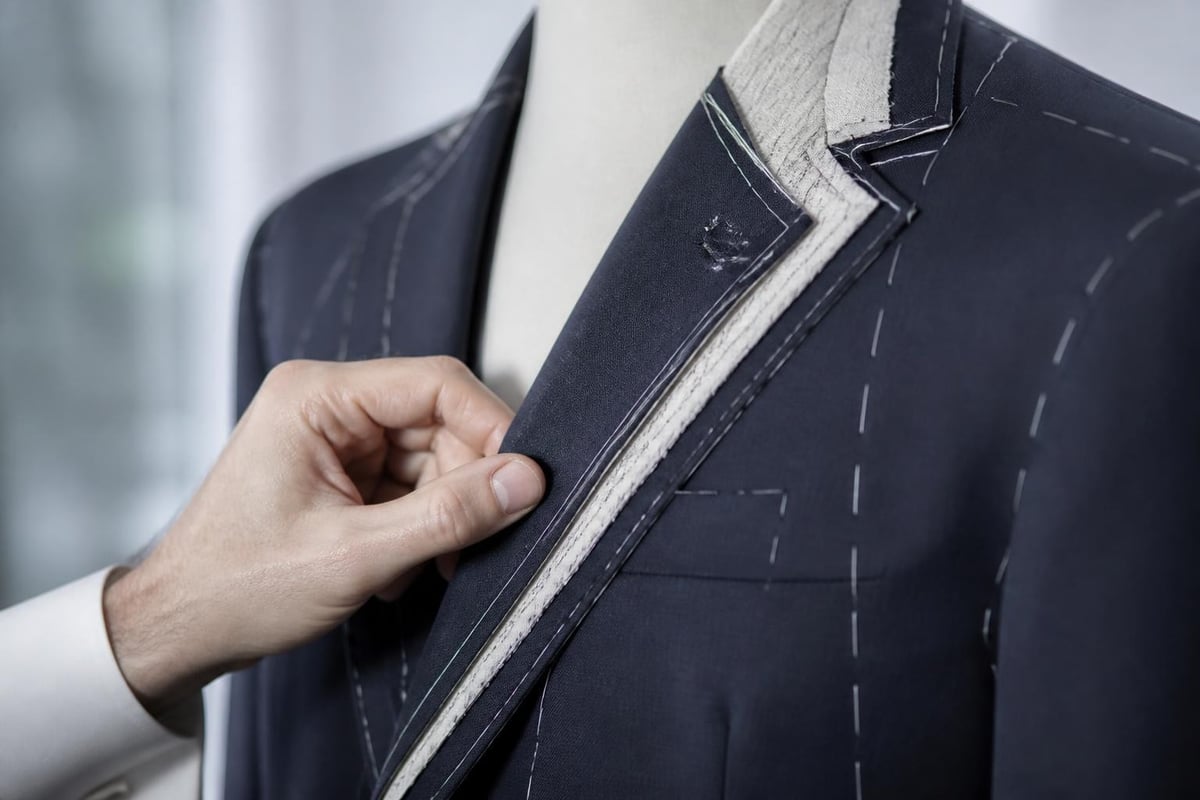
- Canvas Construction – Floating canvas allows the garment to mold to your body naturally over time
- Hand-Picked Lapels – Visible hand stitching along lapel edges demonstrates attention to detail
- Functional Buttonholes – Working sleeve buttons indicate bespoke construction rather than off-the-rack
- Abgleich von Mustern – Stripes and patterns align perfectly at seams and pockets
- Balanced Shoulders – Natural shoulder line without puckering or pulling
The mr tailor approach involves checking these details repeatedly during construction. Even minor imperfections receive correction before the garment progresses to the next stage.
Contemporary clients also value sustainability and longevity. Statistics show growing demand for sustainable, perfectly fitted clothing that lasts years rather than seasons. A well-constructed bespoke garment can serve its owner for decades with proper care and occasional alterations.
Fabric Selection and Material Expertise
One distinguishing characteristic of an experienced mr tailor lies in their fabric knowledge. Understanding how different materials drape, wear, and age allows tailors to guide clients toward choices that will perform well for intended purposes.
Navigating Fabric Options
The world of suiting fabrics encompasses numerous options, each with distinct properties:
- Worsted Wool – Smooth, durable, ideal for business suits
- Flannel – Soft, textured, excellent for autumn and winter
- Leinen – Breathable, lightweight, perfect for tropical climates
- Baumwolle – Versatile, comfortable, suitable for casual tailoring
- Mischungen – Combining fiber benefits for specific performance characteristics
When clients visit Alex’s Fashion, they encounter fabrics sourced from world-class mills, each offering unique benefits. The mr tailor's role includes explaining these differences in practical terms that help clients make informed decisions.
Seasonal and Climate Considerations
Location significantly influences fabric recommendations. In tropical environments like Krabi, Thailand, breathability and heat management become paramount. The knowledgeable mr tailor adjusts recommendations based on where garments will primarily be worn.
| Climate Type | Recommended Fabrics | Weight Range |
|---|---|---|
| Tropical Year-Round | Linen, Tropical Wool, Cotton | 7-10 oz |
| Temperate Summer | Lightweight Wool, Cotton Blends | 9-11 oz |
| Temperate Winter | Flannel, Mid-Weight Wool | 12-14 oz |
| Cold Climate | Heavy Flannel, Tweed | 14-16 oz |
These guidelines help ensure comfort and appropriate appearance across various settings. The experienced mr tailor considers not just climate but also indoor air conditioning, travel schedules, and specific event requirements when advising on fabric choices.
The Business of Bespoke Tailoring in 2026
The tailoring industry faces both opportunities and challenges as we progress through 2026. While demand for custom clothing alterations grows, the pool of skilled tailors continues shrinking in many markets. This dynamic creates advantages for established operations with proven track records and trained staff.
Market Trends Shaping the Industry
Several significant trends influence how the modern mr tailor operates:
Growing demand drivers include:
- Increased consumer awareness of sustainability issues
- Desire for unique personal style distinct from mass fashion
- Professional dress code requirements in certain industries
- Special occasion needs including weddings and formal events
- Body positivity movement emphasizing proper fit for all shapes
The evolving world of bespoke tailoring shows a return to traditional craftsmanship while expanding service offerings to meet contemporary client needs. This balance between heritage and innovation defines successful modern tailoring businesses.
Building Long-Term Client Relationships
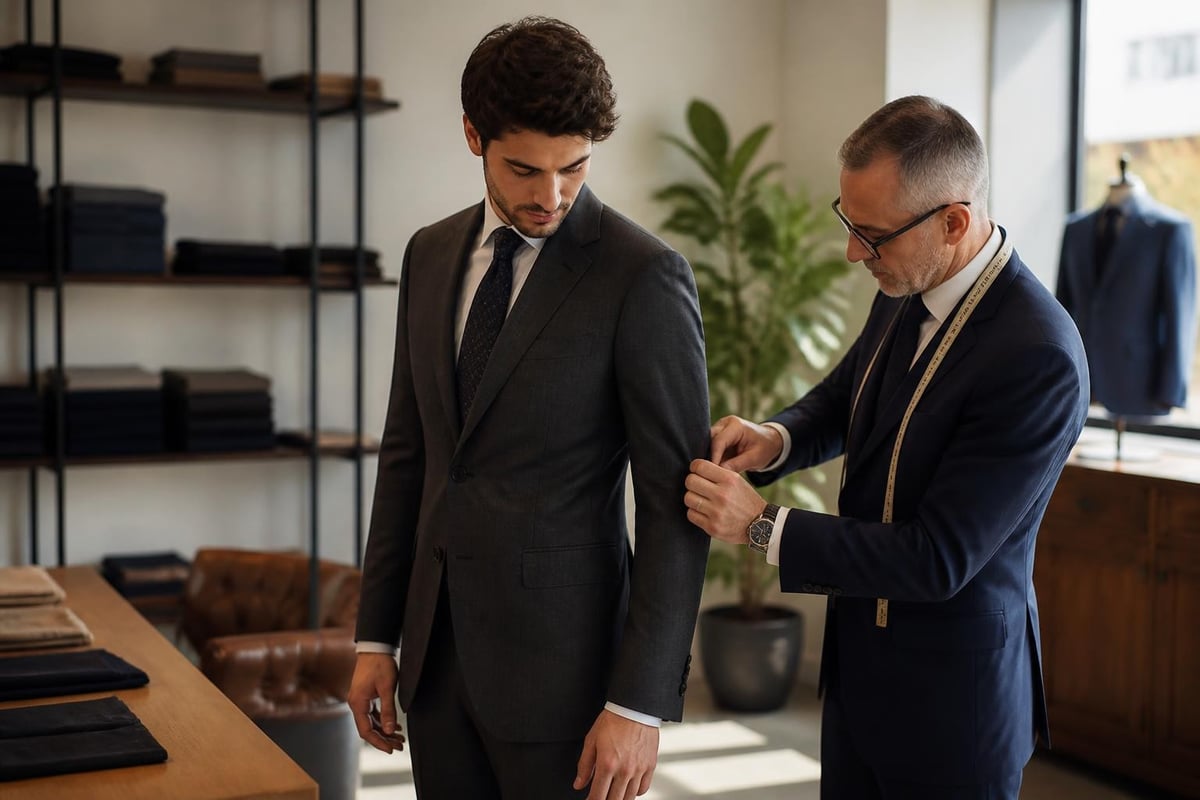
Unlike retail transactions, bespoke tailoring thrives on relationship development. The mr tailor who invests time understanding client preferences, lifestyle changes, and evolving needs creates loyal customers who return for wardrobes built over years.
This relationship-focused approach yields multiple benefits:
- Reduced fitting time as body measurements become established
- Better style recommendations based on past preferences
- Opportunities for wardrobe coordination across multiple garments
- Referrals from satisfied clients to their professional and social networks
- Predictable revenue from repeat business
Many successful tailoring businesses operate primarily through referrals and repeat clients rather than constant new customer acquisition. This model rewards quality work, excellent service, and genuine care for client satisfaction.
Specialized Services Beyond Suits
While suits remain central to bespoke tailoring, the modern mr tailor often provides diverse services addressing various wardrobe needs. Expanding beyond traditional boundaries allows tailoring businesses to serve clients more comprehensively.
Comprehensive Wardrobe Solutions
Services commonly offered include:
- Custom dress shirts with personalized collar and cuff styles
- Bespoke trousers and casual pants in various fabrics
- Tailored jackets and blazers for different occasions
- Wedding party attire for entire bridal parties
- Children's formal wear sized for growing bodies
- Alterations and repairs for existing garments
This diversification proves particularly valuable for families seeking consistent quality across all members' wardrobes. Parents appreciate finding a trusted mr tailor who can outfit children for special occasions while maintaining the same standards applied to adult garments.
The Role of Experience and Training
Expertise in tailoring develops over years, not weeks or months. The designation of mr tailor implies not just technical skill but accumulated wisdom about fit, style, and client service that only time provides.
Apprenticeship and Skill Development
Traditional tailoring training involved lengthy apprenticeships where novices learned through observation, practice, and correction. While modern training programs may accelerate certain aspects, nothing replaces hands-on experience creating garments for diverse body types and style preferences.
Key competencies developed over time:
- Pattern drafting adapted to individual proportions
- Fabric behavior prediction for different materials
- Problem-solving for unusual fitting challenges
- Style consultation drawing on extensive reference knowledge
- Hand-sewing techniques for invisible repairs and adjustments
Businesses like Alex’s Fashion benefit from teams with decades of combined experience. This depth of knowledge ensures consistent results and creative solutions when standard approaches prove insufficient.
Continuous Learning and Adaptation
The best tailors never stop learning. Fashion evolves, new fabrics emerge, and client expectations shift. The mr tailor committed to excellence stays informed about industry developments while maintaining mastery of timeless fundamentals.
Craftsmanship in fashion remains valued precisely because it represents human skill, attention, and care that machines cannot replicate. This human element creates emotional connections between clients and their garments that transcend simple functionality.
Price Considerations and Value Propositions
Custom tailoring represents an investment that raises natural questions about cost versus value. Understanding what drives bespoke pricing helps clients make informed decisions and appreciate the difference between a mr tailor's work and mass-produced alternatives.
Factors Influencing Tailoring Costs
Multiple variables affect final pricing:
| Cost Factor | Impact Level | Explanation |
|---|---|---|
| Fabric Quality | Hoch | Premium materials command premium prices |
| Complexity | Medium | Intricate designs require more labor hours |
| Labor Expertise | Hoch | Skilled craftsmanship justifies higher rates |
| Fitting Sessions | Low-Medium | Multiple fittings add time but ensure results |
| Customization Details | Medium | Unique requests increase production complexity |
While bespoke garments cost more initially than ready-to-wear options, they typically last significantly longer and fit better throughout their lifespan. The cost-per-wear calculation often favors custom tailoring, especially for frequently worn items like business suits.
Investment Versus Expense Mindset
Approaching tailoring as an investment rather than an expense shifts perspective. A well-made suit from a skilled mr tailor can serve professionally for 10-15 years with proper care, while mass-produced suits may need replacement every 2-3 years due to fit issues or wear.
Additionally, the confidence boost from perfectly fitted, personally designed clothing yields intangible benefits that enhance professional presence and self-assurance during important occasions.
Cultural Significance of Tailoring
Beyond practical function, tailoring carries cultural weight across societies. The relationship between a client and their mr tailor often reflects broader values about craftsmanship, personal presentation, and respect for tradition.
Tailoring as Cultural Heritage
In many cultures, custom clothing marks significant life events. Wedding attire, coming-of-age ceremonies, and professional milestones often involve commissioning special garments. The mr tailor becomes part of these important moments, creating tangible memories that last beyond the events themselves.
This cultural dimension adds meaning to the craft. Tailors don't merely construct clothing; they participate in their clients' stories, creating garments that commemorate achievements, celebrate relationships, and mark transitions.
Regional Specializations and Styles
Different regions developed distinct tailoring traditions reflecting local aesthetics, climate needs, and cultural preferences. The mr tailor operating internationally must understand these variations to serve diverse clientele effectively.
Regional tailoring characteristics include:
- British Tailoring – Structured shoulders, defined waist suppression
- Italian Tailoring – Softer construction, lighter fabrics, relaxed silhouette
- American Tailoring – Natural shoulder line, minimal padding
- Asian Tailoring – Often blends techniques while accommodating different body proportions
Understanding these traditions allows tailors to execute specific style requests authentically while adapting them to individual client needs.
Technology's Role in Traditional Craftsmanship
While tailoring remains fundamentally hands-on, technology increasingly supports various aspects of the mr tailor's work. These tools enhance precision and efficiency without replacing human expertise.
Digital Measurement and Pattern Systems
Some modern tailoring operations employ digital measurement tools that capture body dimensions with extreme accuracy. These systems create comprehensive profiles that inform pattern drafting while maintaining records for future orders.
However, technology serves as a tool, not a replacement. The experienced mr tailor interprets data, makes adjustments based on observation, and applies judgment that algorithms cannot replicate.
Communication and Client Management
Technology most significantly impacts client communication and business management. Online scheduling, digital fabric catalogues, and progress updates keep clients informed and engaged throughout the creation process.
These improvements enhance service quality without altering the fundamental craft. The garment creation itself still requires skilled hands, experienced eyes, and patient attention to detail.
Global Perspectives on Luxury and Craftsmanship
The 2025 luxury market trends indicate shifting consumer priorities toward nostalgia, craftsmanship, and authenticity. These preferences align perfectly with what the mr tailor approach offers: genuine skill, personalized attention, and products built to last.
Sustainability Through Quality
Fast fashion's environmental impact drives conscious consumers toward sustainable alternatives. Bespoke tailoring inherently supports sustainability through:
- Garment longevity reducing replacement frequency
- Made-to-order production eliminating excess inventory
- Quality construction enabling repairs rather than disposal
- Timeless styling transcending seasonal trend cycles
The mr tailor model represents fashion's original sustainable approach: creating exactly what's needed, building it to last, and maintaining it over time.
The enduring appeal of bespoke tailoring lies in its combination of personal service, expert craftsmanship, and garments that truly fit. As the industry continues evolving, the fundamental relationship between skilled tailors and discerning clients remains unchanged. Whether you're seeking the perfect suit for a milestone occasion or building a wardrobe of perfectly fitted essentials, working with experienced professionals ensures results that ready-to-wear simply cannot match. Alex’s Fashion brings over three decades of tailoring expertise to clients in Ao Nang and beyond, creating custom garments for men, women, and children using world-class fabrics and meticulous attention to detail.