
 EN
EN  FR
FR  DE
DE  TH
TH 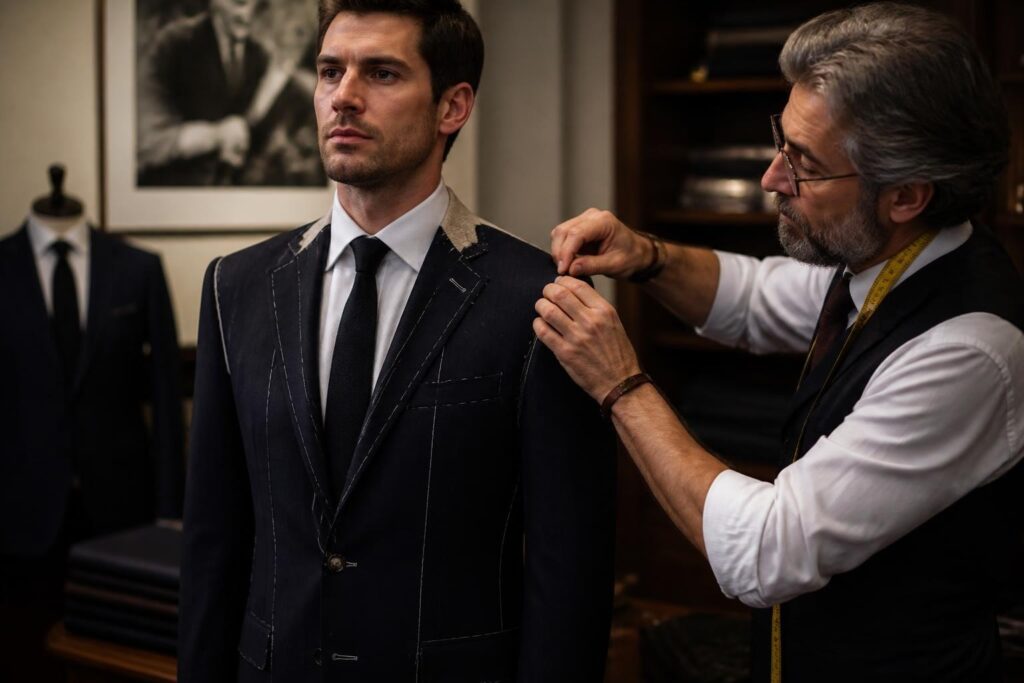
Finding expert services for tailor measurements near me has become essential for anyone seeking garments that truly fit their unique body shape. Whether you're preparing for a special occasion, building a professional wardrobe, or simply tired of ill-fitting off-the-rack clothing, understanding the measurement process helps you achieve superior results. Professional tailors use decades of refined techniques to capture dozens of precise measurements, ensuring every garment flatters your body while providing comfort and style. The difference between a good fit and a perfect fit often lies in the skill and attention to detail of the tailor taking your measurements.
Understanding Professional Tailor Measurements
Professional tailoring measurements go far beyond the simple chest, waist, and hip numbers you find on ready-to-wear clothing labels. When you search for tailor measurements near me, you're seeking craftspeople who understand that the human body is three-dimensional and requires comprehensive data points to create garments that drape properly.
A skilled tailor typically takes between 15 to 40 different measurements depending on the garment type. These measurements account for shoulder slope, arm length variations, posture differences, and body asymmetries that everyone possesses. The top body measurements every tailor should master form the foundation of exceptional bespoke clothing.
Why Accurate Measurements Matter
The precision of your measurements directly impacts the final garment's fit, comfort, and appearance. Even a quarter-inch discrepancy can result in sleeves that bunch awkwardly, trousers that pull at the crotch, or jackets that strain across the back.
Key benefits of professional measurements include:
- Garments that complement your natural posture and movement
- Elimination of common fit issues like gaping buttons or tight armholes
- Proper fabric drape that enhances your silhouette
- Increased comfort throughout the day
- Longer garment lifespan due to reduced stress on seams
Professional tailors also account for your dominant hand, standing posture, and even breathing patterns. These subtle factors significantly impact how clothing sits on your body during normal activities.
Essential Measurements for Different Garments
Different clothing types require specific measurement sets. Understanding what your tailor needs helps you prepare for your appointment and ensures nothing gets overlooked during the measurement session.
Suit Jacket and Shirt Measurements
For tailored jackets and shirts, tailors focus on upper body proportions and arm characteristics. These garments require exceptional precision since they're prominently displayed and subject to constant movement.
| Measurement | Purpose | Common Adjustments |
|---|---|---|
| Chest circumference | Overall jacket size | Accounting for breathing room |
| Shoulder width | Proper jacket structure | Matching natural shoulder line |
| Sleeve length | Arm coverage and proportion | Adjusting for arm posture |
| Neck circumference | Collar comfort | Adding ease for movement |
| Back width | Mobility and drape | Preventing pulling across shoulders |
| Waist suppression | Jacket silhouette | Creating flattering taper |
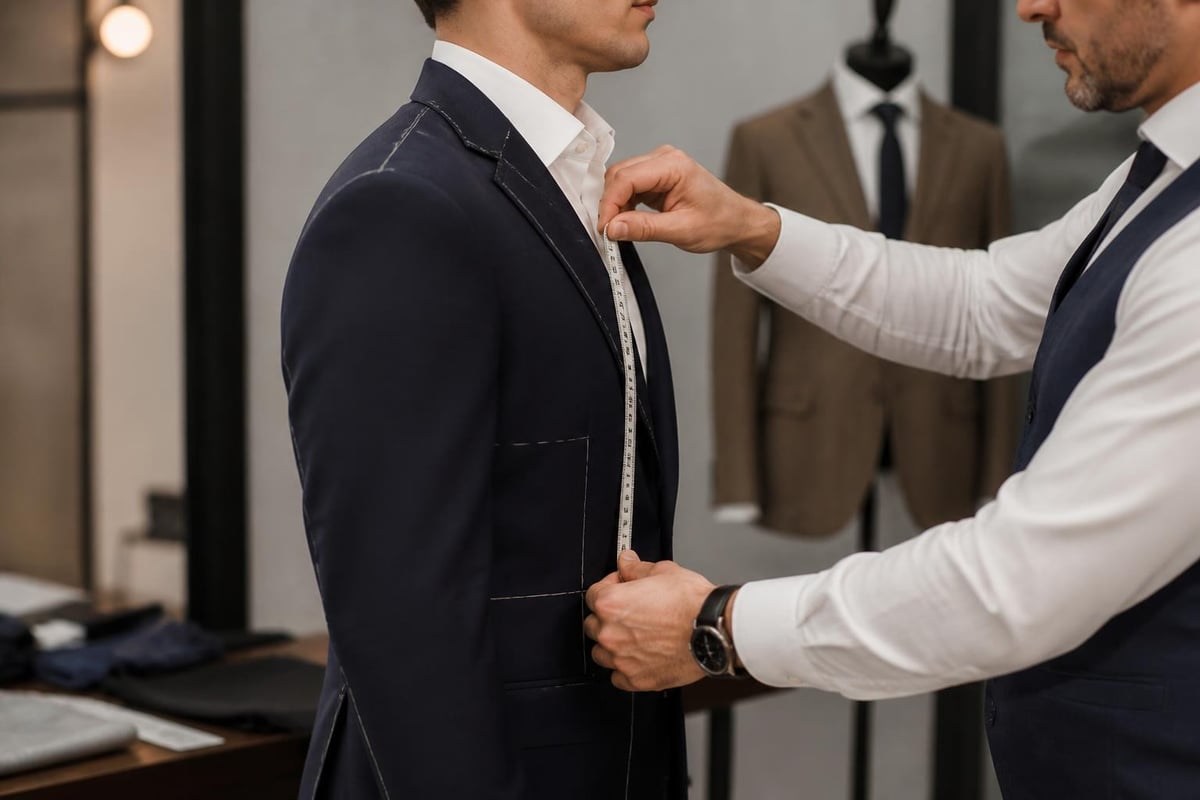
The comprehensive measurement guide demonstrates how each measurement contributes to the final garment's success. Experienced tailors often take additional measurements like armhole depth, which dramatically affects comfort and range of motion.
Trouser and Pant Measurements
Trousers present unique challenges because they must accommodate sitting, walking, and bending while maintaining a clean silhouette. When seeking tailor measurements near me for pants, expect your tailor to focus on lower body proportions and leg shape.
Critical trouser measurements include:
- Waist circumference – Taken at your natural waistline or preferred wearing position
- Hip measurement – Ensures adequate room through the seat
- Rise – Distance from crotch seam to waistband, affecting comfort when sitting
- Inseam – Inside leg length from crotch to desired hem
- Outseam – Outside leg length for overall proportion
- Thigh circumference – Determines leg opening and mobility
- Knee width – Affects trouser taper and silhouette
- Leg opening – Final width at the ankle or hem
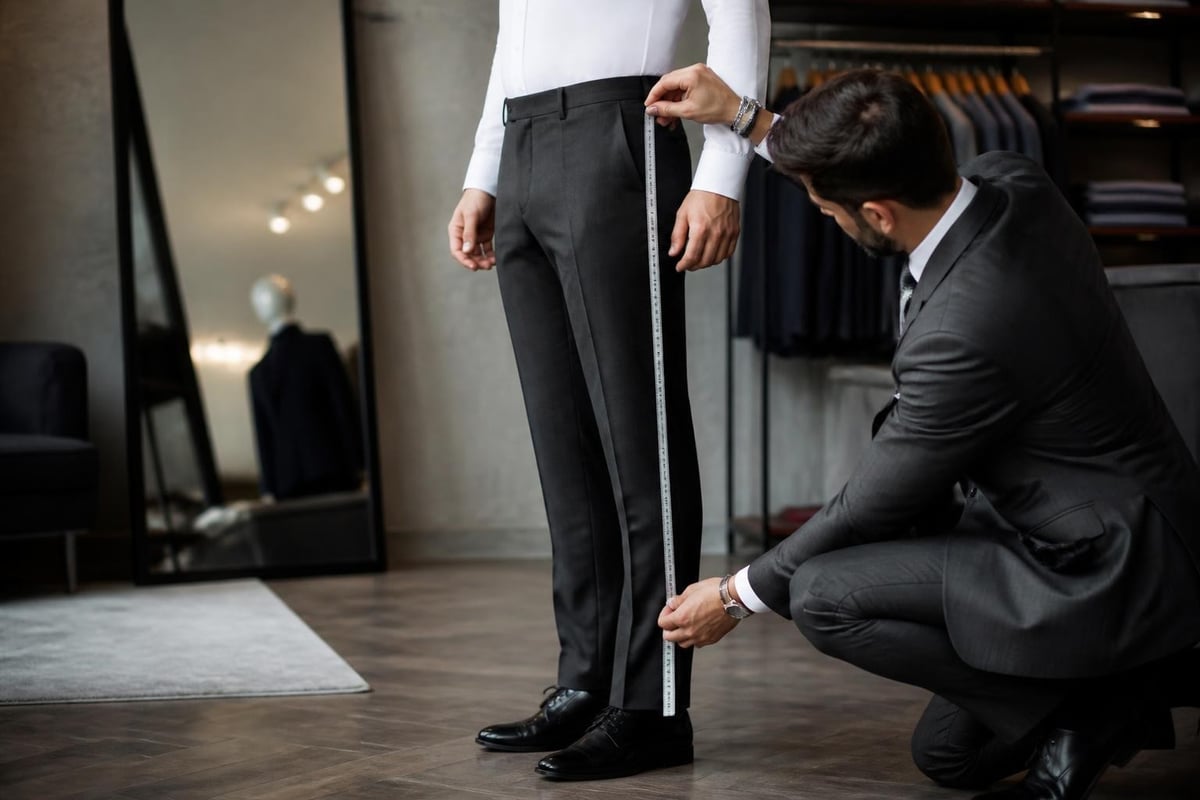
The detailed pants measurement guide provides visual references that help you understand each measurement's role. Proper rise measurement is particularly crucial, as it affects both comfort and appearance throughout your day.
The Professional Measurement Process
When you visit a tailor for measurements, understanding the process helps you prepare and ensures accurate results. Professional tailors follow systematic approaches refined over decades of practice.
Preparing for Your Measurement Appointment
Arriving properly prepared maximizes measurement accuracy and efficiency. Wear close-fitting undergarments similar to what you'll wear with the finished garment. Avoid bulky clothing that adds artificial inches to your measurements.
Before your appointment:
- Wear appropriate undergarments
- Bring shoes with the heel height you'll wear with the garment
- Remove items from pockets
- Stand naturally without artificial posture
- Communicate any body sensitivities or preferences
Many tailors appreciate when clients bring reference images or existing garments they love. This visual communication supplements numerical measurements and helps the tailor understand your style preferences.
What Happens During Measurement
Professional measurement sessions typically last 20 to 45 minutes depending on garment complexity. Your tailor will ask you to stand naturally while they work systematically through required measurements.
The tailor uses a flexible measuring tape, working from top to bottom or in sections depending on their methodology. They'll often take measurements twice to verify accuracy, particularly for critical dimensions like sleeve length or trouser inseam.
Understanding bespoke tailoring standards helps you appreciate the craftsmanship involved. Many experienced tailors also observe your posture, shoulder slope, and body asymmetries, making mental notes that inform pattern adjustments beyond the raw numbers.
Body Measurements and Individual Variations
No two bodies are identical, and professional tailors excel at accommodating individual variations. When searching for tailor measurements near me, you're seeking professionals who understand these nuances and adjust accordingly.
Common Body Asymmetries
Most people have measurable differences between their left and right sides. One shoulder may sit higher, one arm may be slightly longer, or your posture may favor one direction. Skilled tailors measure both sides separately for critical measurements.
| Asymmetry Type | Tailoring Solution | Impact on Garment |
|---|---|---|
| Shoulder height difference | Adjust shoulder pad thickness | Maintains level jacket silhouette |
| Arm length variation | Individual sleeve measurements | Ensures equal cuff positioning |
| Posture lean | Pattern adjustment for balance | Prevents jacket twisting |
| Hip unevenness | Trouser waist compensation | Maintains level waistband |
Professional tailors at Alex’s Fashion use these observations to create garments that look balanced even when your body has natural asymmetries.
Accounting for Movement and Comfort
Static measurements capture your body at rest, but garments must accommodate movement. Experienced tailors add strategic ease to measurements based on fabric type, garment style, and your activity level.
Ease varies by location and purpose. Jackets need ease across the chest and shoulders for arm movement. Trousers require ease through the seat and thighs for sitting and walking. The amount of ease also depends on whether you prefer a closer, modern fit or a more relaxed, traditional silhouette.
Standard Measurement Systems and References
Professional tailoring relies on standardized measurement systems that ensure consistency across the industry. These standards help tailors communicate effectively and maintain quality across different garment types.
The ASTM body measurement standards provide reference tables that inform pattern making and sizing systems. While bespoke tailoring creates truly custom garments, these standards offer baseline data that experienced tailors use as reference points.
International Measurement Differences
Measurement conventions vary internationally, particularly for trouser waist and inseam specifications. Understanding these differences helps if you're working with tailors in different countries or referencing international sizing.
Common variations include:
- American measurements – Often use inches exclusively
- European measurements – Typically use centimeters
- British measurements – May use inches or a combination system
- Asian measurements – Commonly use centimeters with different body proportion assumptions
When seeking tailor measurements near me in international destinations, clarify which measurement system your tailor uses. This becomes particularly important in locations like Ao Nang, Krabi, where tailors serve clients from diverse international backgrounds.
Taking Your Own Measurements
While professional measurements yield the best results, understanding how to take basic measurements at home helps you prepare for tailor appointments or communicate your needs remotely.
Essential Tools and Techniques
Accurate self-measurement requires proper tools and methodology. You'll need a flexible measuring tape, a mirror, and ideally an assistant for hard-to-reach measurements.
Self-measurement best practices:
- Use a soft measuring tape designed for fabric, not rigid carpenter's tape
- Keep the tape parallel to the floor for circumference measurements
- Measure over lightweight clothing similar to your undergarments
- Take measurements at the same time of day (bodies fluctuate)
- Record measurements immediately to avoid confusion
- Measure twice, especially for critical dimensions
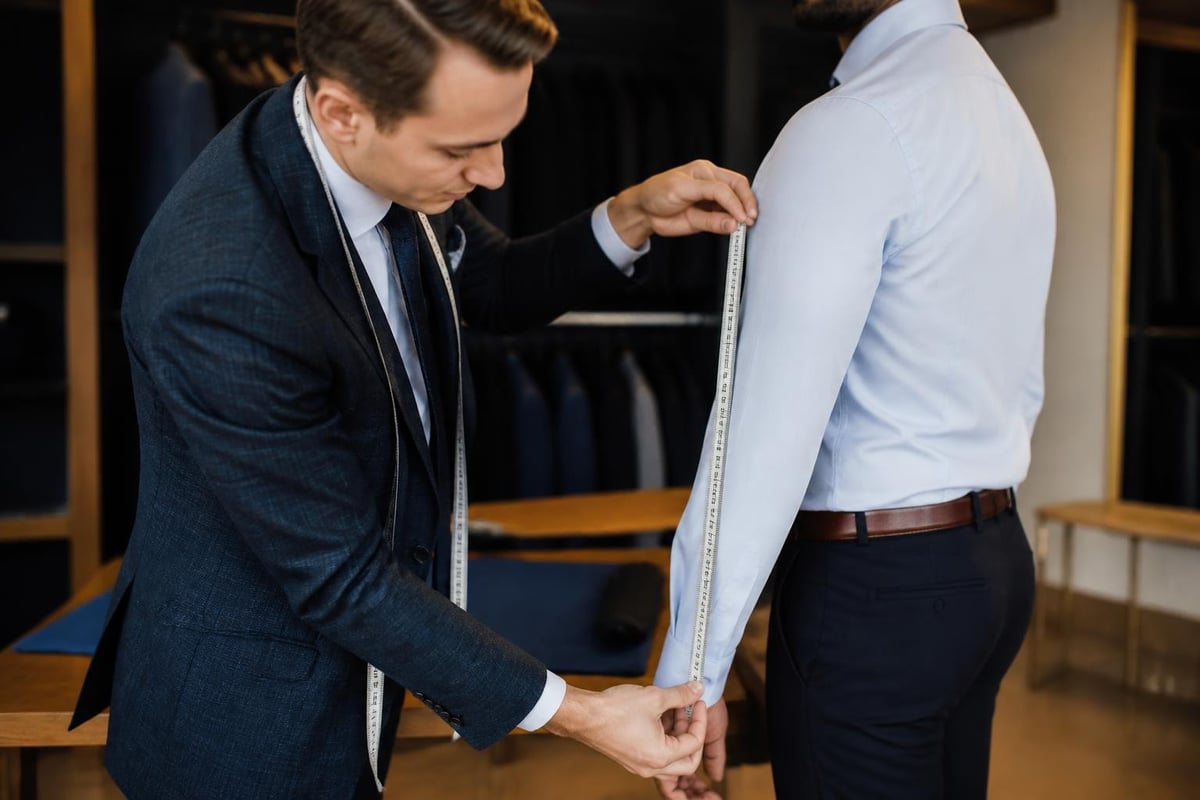
The comprehensive guide for taking measurements offers detailed instructions for home measurement. However, professional tailors still provide superior accuracy due to their experience identifying correct measurement positions.
Limitations of Self-Measurement
Even careful self-measurement has inherent limitations. Reaching around your own back, maintaining proper posture while measuring, and identifying precise anatomical landmarks proves challenging without assistance.
Professional tailors also assess factors beyond simple numbers. They observe how you stand, where your weight distributes, and how your body moves. These observations inform pattern adjustments that raw measurements alone cannot capture.
How Tailors Use Your Measurements
Once measurements are complete, tailors transform these numbers into patterns and garments through skilled craftsmanship. Understanding this process helps you appreciate the value of accurate measurements.
Pattern Development
Tailors use your measurements to create or modify patterns that serve as templates for cutting fabric. Master tailors often draft patterns by hand, using mathematical formulas and geometric principles refined over centuries.
Modern tailoring increasingly incorporates technology, but the fundamental principles remain unchanged. Each measurement informs specific pattern dimensions, and the relationships between measurements determine how pattern pieces connect and drape.
Fitting Sessions
Even with perfect measurements, bespoke garments typically require multiple fittings. The first fitting occurs when the garment is partially constructed, allowing the tailor to verify fit and make adjustments before completing the piece.
| Fitting Stage | Purpose | Typical Adjustments |
|---|---|---|
| First fitting | Verify basic fit and proportions | Sleeve length, jacket length, overall ease |
| Second fitting | Refine details and comfort | Collar position, button placement, trouser break |
| Final fitting | Confirm completion | Minor tweaks, pressing, finishing details |
These sessions ensure that theoretical measurements translate perfectly into practical comfort and appearance. The services at Alex’s Fashion exemplify this comprehensive approach to bespoke tailoring.
Finding Quality Tailoring Services
When searching for tailor measurements near me, several factors indicate professional quality and expertise. Not all tailors possess equal skill levels, and choosing the right professional significantly impacts your results.
Evaluating Tailor Expertise
Experienced tailors demonstrate their knowledge through conversation, portfolio work, and methodology. Ask about their training, experience with your desired garment type, and approach to handling body variations.
Signs of quality tailoring services:
- Systematic measurement process with detailed record-keeping
- Questions about garment purpose and wearing preferences
- Discussion of fabric choices and their impact on fit
- Clear timeline and fitting schedule
- Portfolio showcasing diverse body types and styles
- Established business with client testimonials
Quality tailors also maintain measurement records for future orders, making replacements or additional garments easier. This long-term relationship building reflects professionalism and customer service commitment.
What to Expect During Your Visit
Professional tailoring establishments create welcoming environments where measurements happen privately and comfortably. Expect your tailor to explain each measurement and answer questions about the process.
The initial consultation should cover garment purpose, style preferences, fabric options, timeline, and budget. This comprehensive discussion ensures everyone shares the same vision before work begins.
Special Considerations for Different Body Types
Professional tailors excel at creating flattering garments for all body types. When seeking tailor measurements near me, find tailors who demonstrate expertise with your specific proportions and needs.
Athletic Builds
Athletic bodies with developed shoulders, chests, and thighs require careful measurement and pattern adjustments. Standard sizing rarely accommodates the shoulder-to-waist ratio found in athletic builds.
Skilled tailors add extra ease through the shoulders and chest while maintaining definition at the waist. They also account for larger thigh measurements in trousers while keeping a clean silhouette.
Plus-Size Tailoring
Quality plus-size tailoring requires understanding weight distribution, proper support structures, and flattering proportions. Measurements must account for fuller bodies while creating balanced, comfortable garments.
Professional tailors use strategic seaming, appropriate ease, and careful fabric selection to ensure garments drape beautifully regardless of size.
Petite and Tall Proportions
Extreme height variations require specialized measurement attention. Petite individuals need proportional adjustments beyond simple shortening, while tall clients require careful attention to rise, sleeve length, and overall garment proportions.
Understanding accurate body measurement techniques helps tailors address these proportion challenges effectively. The best tailors make adjustments that maintain visual balance while accommodating unusual height or limb length ratios.
Maintaining Your Measurements
Your body measurements change over time due to fitness, aging, and lifestyle factors. Keeping current measurements helps ensure consistently well-fitting garments.
When to Update Measurements
Schedule new measurement sessions whenever significant body changes occur. Weight fluctuations of ten pounds or more, major fitness transformations, or posture changes all warrant remeasurement.
Recommended remeasurement schedule:
- After weight changes exceeding 10-15 pounds
- Following significant fitness program completion
- Every 2-3 years for adults under 50
- Annually for individuals over 50
- After pregnancy or major health changes
- When existing garments no longer fit properly
Professional tailors often recommend annual measurement updates for clients who regularly commission new garments. This ensures pattern records remain current and accurate.
Working with Your Tailor Long-Term
Building relationships with skilled tailors creates efficiency and consistency. Tailors who know your body, preferences, and lifestyle create better garments with less trial and error.
Long-term tailor relationships also mean your measurement history is preserved, allowing easier ordering and better fit consistency across multiple garments. This relationship becomes particularly valuable when seeking tailor measurements near me in your local area.
Accurate professional measurements form the foundation of exceptional bespoke clothing that fits perfectly and flatters your unique body. Understanding the measurement process, preparation steps, and what to expect helps you achieve superior results from your tailoring experience. With over 30 years of expertise in bespoke tailoring, Alex’s Fashion provides comprehensive measurement services and creates custom garments for men, women, and children using world-class fabrics and meticulous attention to detail. Visit their Ao Nang location to experience professional tailoring that transforms precise measurements into perfectly fitted clothing crafted specifically for you.