
 EN
EN  FR
FR  DE
DE  TH
TH 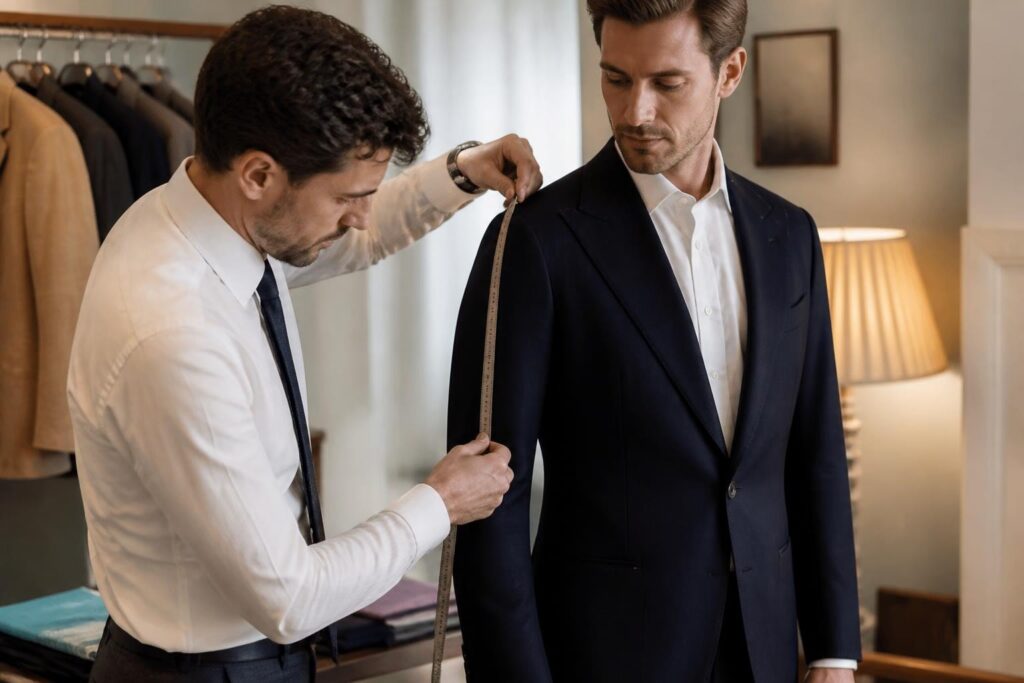
In an era where personalization drives consumer decisions, made to measure clothing represents the ideal balance between affordability and perfect fit. Unlike mass-produced garments that force bodies to conform to standardized sizes, this approach creates pieces specifically designed for individual measurements and preferences. For discerning customers seeking garments that enhance their appearance while reflecting personal style, understanding the intricacies of this tailoring method opens doors to a wardrobe that truly fits.
Understanding Made to Measure Clothing
Made to measure clothing occupies a distinctive position in the spectrum of garment production. Made-to-measure garments begin with pre-existing patterns that tailors adjust based on precise body measurements, creating personalized pieces without starting from scratch.
This method differs fundamentally from ready-to-wear clothing available in retail stores. Standard sizes follow general population averages, leaving many individuals struggling with sleeves that are too long, waists that gap, or shoulders that pull uncomfortably. Made to measure addresses these frustrations by modifying established patterns to accommodate individual proportions.
The Technical Process
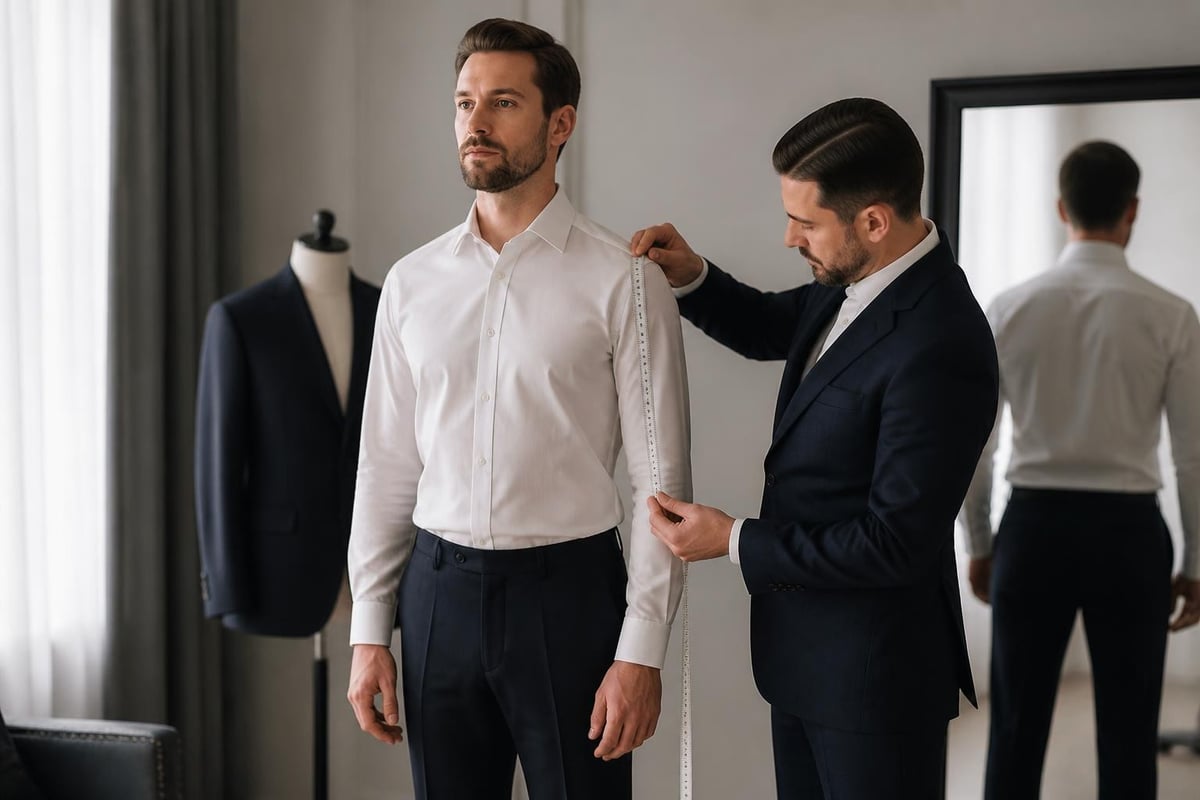
The creation process involves several critical stages. Clients first consult with experienced tailors who record comprehensive measurements including chest, waist, hip, sleeve length, shoulder width, and inseam. These measurements form the foundation for pattern adjustments.
Tailors then modify base patterns according to these specifications. Modern technology often assists this stage, with digital systems calculating optimal adjustments. However, experienced craftspeople understand that measurements alone don't capture posture variations, shoulder slopes, or other nuances that affect fit.
Key measurements typically include:
- Shoulder width and slope
- Chest circumference at fullest point
- Natural waist measurement
- Hip circumference
- Sleeve length from shoulder to wrist
- Inseam and outseam for trousers
- Neck circumference for shirts
- Back length from neck to waist
Comparing Tailoring Methods
Understanding where made to measure clothing fits among tailoring options helps clients make informed decisions. The three primary categories each serve different needs and budgets.
| Method | Starting Point | Customization Level | Fittings | Price Range | Timeline |
|---|---|---|---|---|---|
| Ready-to-Wear | Finished garments | Minimal alterations | 0-1 | $ | Immediate |
| Made-to-Measure | Adjusted patterns | Moderate personalization | 1-2 | $$ | 2-4 weeks |
| Bespoke | Hand-drafted patterns | Complete customization | 3-5 | $$$ | 8-12 weeks |
The distinctions between made-to-measure versus bespoke tailoring significantly impact both cost and final results. Bespoke garments involve hand-cutting patterns from blank fabric, multiple fittings with a half-finished garment, and extensive handwork throughout construction. This labor-intensive process produces exceptional results but requires substantial investment.
Made to measure provides excellent fit through efficient pattern modification. While not offering the unlimited customization of bespoke work, it addresses most fit challenges at accessible price points. For many clients, especially those building versatile wardrobes, this approach delivers outstanding value.
Time Considerations
Production timelines vary based on fabric availability, workshop capacity, and garment complexity. Simple shirts typically require two weeks, while suits demand three to four weeks. Rush services may be available for urgent occasions, though quality should never be compromised for speed.
International clients visiting Thailand often appreciate that skilled tailors can complete made to measure clothing efficiently during vacation stays. This convenience makes destinations like Krabi popular for acquiring custom wardrobes while enjoying tropical settings.
The Fitting Experience
Proper fittings distinguish exceptional made to measure clothing from mediocre results. The initial consultation establishes preferences regarding fit style, from trim contemporary cuts to relaxed traditional proportions.
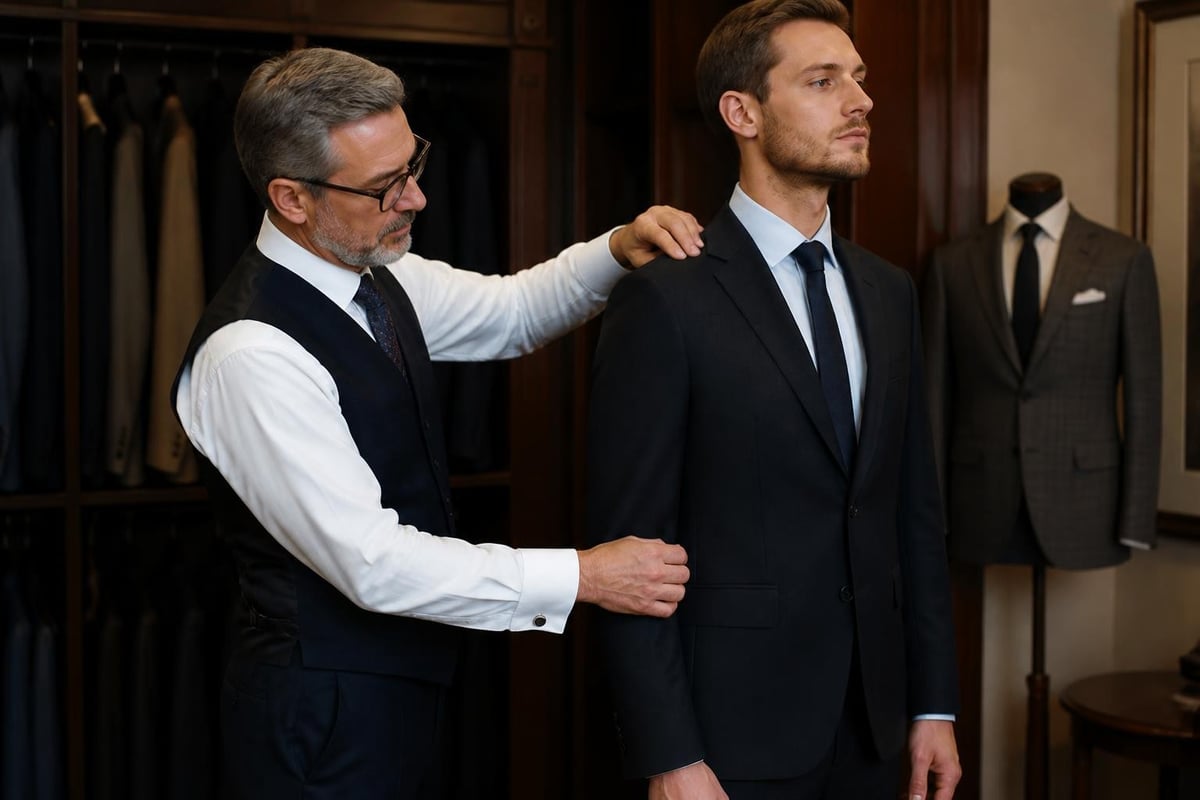
During measurement sessions, professional tailors assess not just dimensions but also posture and movement patterns. Does the client stand with one shoulder higher? Do they have a forward head position from desk work? These observations inform adjustments that standard measurements miss.
First fitting typically addresses:
- Overall garment length and proportions
- Shoulder positioning and sleeve attachment
- Chest and waist suppression
- Sleeve length and armhole comfort
- Collar height and button placement for shirts
- Trouser rise and leg width
Clients should wear appropriate undergarments and shoes during fittings. The right foundation garments and footwear height significantly affect how clothing hangs and feels. Honest feedback during this stage prevents disappointment later.
Fabric Selection and Quality
Fabric choices profoundly impact the final garment's appearance, comfort, and longevity. Made to measure clothing allows access to premium materials often unavailable in ready-to-wear shops.
Understanding Fabric Weights
Different occasions and climates demand specific fabric characteristics. Tropical weights (7-9 oz for wool) provide breathability in humid environments, perfect for Thailand's climate. Year-round weights (10-12 oz) offer versatility, while winter weights (13+ oz) suit cooler regions.
Linen and cotton blends excel in hot weather, offering natural breathability and crisp appearance. Pure wool maintains its position as the premier suiting fabric, with Super numbers indicating fiber fineness. Higher Super numbers (120s, 150s) create smoother, lighter fabrics, though durability decreases with extreme fineness.
Popular fabric categories include:
- Wool worsted: Smooth finish, excellent drape, professional appearance
- Wool flannel: Soft texture, warm hand, ideal for cooler weather
- Linen: Breathable, casual elegance, natural texture
- Cotton: Versatile, comfortable, perfect for shirts and casual wear
- Silk blends: Luxurious sheen, smooth drape, special occasions
The complete process of creating a made-to-measure suit emphasizes fabric selection as foundational to success. Experienced tailors guide clients through options, explaining how weaves, weights, and fiber contents affect performance.
Personalization Options
Beyond fit, made to measure clothing offers extensive style customization. These details transform garments from well-fitted to distinctly personal.
Suit Customization
Lapel width and style set the garment's visual tone. Notch lapels suit business environments, while peak lapels add formality and visual interest. Shawl collars create distinctive evening wear. Button configurations ranging from one to four buttons affect proportion and style.
Pocket styles include flap, patch, or jetted options. Ticket pockets add British flair, while slanted pockets create subtle visual movement. Vent choices (single, double, or none) affect both appearance and comfort when sitting.
| Element | Options | Style Impact |
|---|---|---|
| Lapels | Notch, Peak, Shawl | Formality level |
| Buttons | 1-4 buttons | Proportion adjustment |
| Pockets | Flap, Patch, Jetted | Casual to formal |
| Vents | None, Single, Double | Movement and tradition |
| Lining | Full, Half, Unlined | Weight and luxury |
Shirt Personalization
Collar styles dramatically affect appearance. Spread collars accommodate modern tie knots and create contemporary looks, while point collars offer timeless versatility. Button-down collars suit casual settings, and cutaway collars make bold statements.
Cuff styles range from button cuffs for everyday wear to French cuffs for formal occasions requiring cufflinks. Monogramming adds personal touches, positioned on cuffs, chest pockets, or shirt tails. Contrast collar and cuff fabrics create distinctive designer details.
Benefits Beyond Fit
Made to measure clothing delivers advantages extending beyond superior fit. These garments represent investments in appearance, confidence, and wardrobe longevity.
Primary benefits include:
- Perfect proportions: Garments complement individual body types rather than forcing conformity
- Posture accommodation: Adjustments address rounded shoulders, forward lean, or asymmetries
- Fabric choice: Access to premium materials suited to specific needs and climates
- Style personalization: Details reflecting personal taste and professional requirements
- Longevity: Quality construction and proper fit extend garment lifespan
- Confidence: Clothes that fit perfectly enhance self-assurance in professional and social settings
The psychological impact of well-fitted clothing shouldn't be underestimated. When garments fit correctly, individuals stand taller, feel more comfortable, and project confidence naturally. This effect influences professional success, social interactions, and personal satisfaction.
Investment Considerations
Evaluating made to measure clothing requires examining cost against value. While initial prices exceed ready-to-wear alternatives, the calculation changes when considering longevity and versatility.
A properly constructed suit with excellent fit serves years rather than seasons. Quality fabrics maintain appearance through numerous wearings, while precise fit ensures garments remain comfortable and flattering throughout their lifespan. Dividing total cost by anticipated wearings often reveals favorable per-use economics.
Building a Versatile Wardrobe
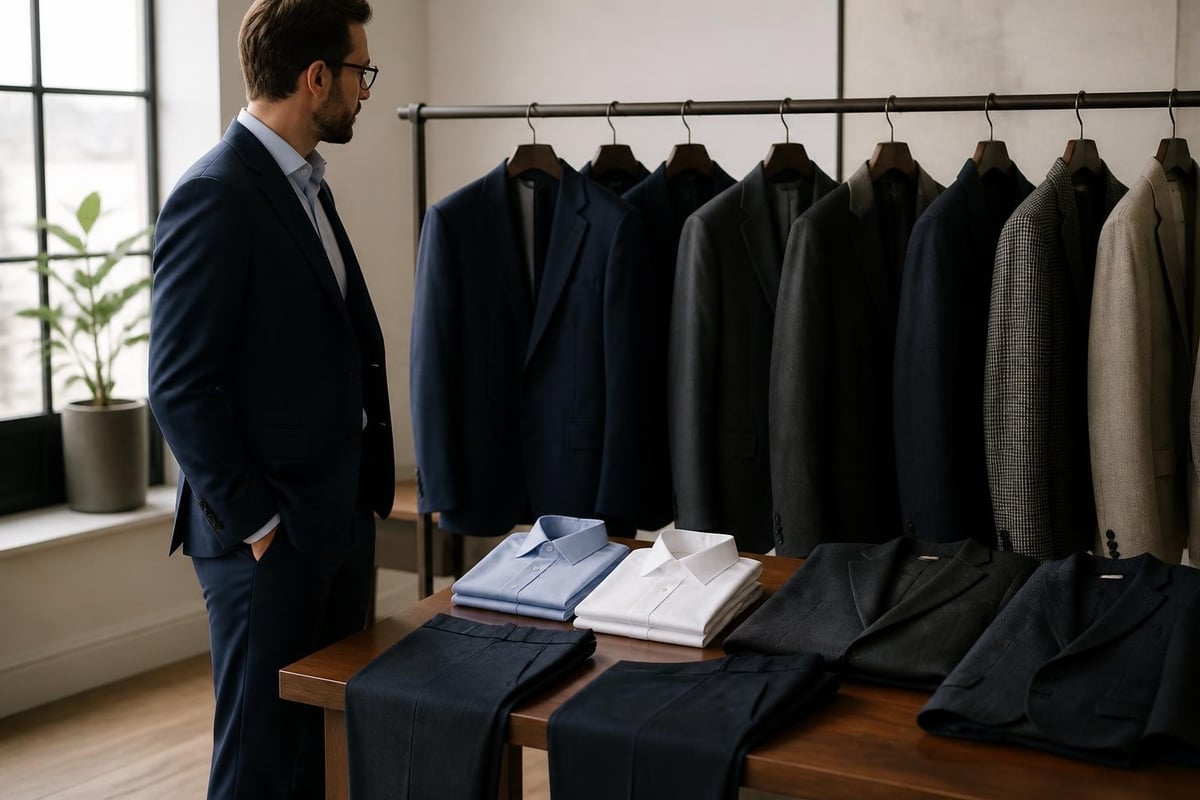
Strategic investment in core pieces maximizes wardrobe flexibility. Navy and charcoal suits provide foundations for business wardrobes, while sport jackets in complementary colors expand outfit combinations. Quality dress shirts in white, light blue, and subtle patterns coordinate across multiple suits.
Understanding the made-to-measure process helps clients plan budgets and timelines effectively. Many tailoring businesses offer package pricing for multiple garments, improving value while ensuring coordinated wardrobes.
Choosing the Right Tailor
Selecting a skilled tailor critically impacts results. Experience, attention to detail, and communication skills separate exceptional craftspeople from adequate practitioners.
Evaluation Criteria
Examining previous work provides insight into quality standards and style aesthetics. Request to see completed garments or review portfolios showcasing diverse projects. Notice construction details like even stitching, properly aligned patterns, and clean finishing.
Communication style matters significantly. Effective tailors listen carefully to preferences, ask clarifying questions, and explain options clearly. They balance honoring client wishes with providing expert guidance based on experience.
Questions to ask prospective tailors:
- How long have you specialized in made to measure clothing?
- What is your fitting process, and how many fittings are included?
- Where do you source fabrics, and can I see samples?
- What is your typical production timeline?
- Do you offer alterations if fit issues arise after completion?
- Can you provide references from previous clients?
Reputation within local and traveling communities offers valuable information. Online reviews, testimonials, and word-of-mouth recommendations reveal consistency in quality and service. Establishments like Alex’s Fashion build reputations over decades through consistently excellent results.
Care and Maintenance
Proper care extends the life of made to measure clothing significantly. These investments deserve attention that preserves their appearance and structure.
Cleaning and Storage
Professional dry cleaning should be limited to genuine necessity. Excessive cleaning damages fabric fibers and shortens garment lifespan. Instead, allow suits to air between wearings, hanging them properly shaped to restore fabric memory.
Use quality wooden hangers that support shoulder structure. Wire hangers distort shapes, while padded hangers maintain proper form. Store garments in breathable garment bags that protect from dust while allowing air circulation.
Rotate garments regularly rather than wearing favorites exclusively. This practice distributes wear evenly and allows fabrics to recover between uses. Spot clean minor marks promptly to prevent setting, using appropriate methods for specific fabrics.
Seasonal Considerations
Climate variations require different care approaches. In humid environments like Thailand, proper ventilation prevents mildew. Cedar accessories deter insects while adding pleasant fragrance. Store seasonal garments clean and properly protected during off-seasons.
Wool garments benefit from occasional steaming to refresh appearance and remove wrinkles. Professional pressing maintains crisp lines but should be performed carefully to avoid shine or flattening of fabric texture.
Modern Technology Integration
Contemporary made to measure clothing increasingly incorporates technology while maintaining traditional craftsmanship values. Digital measurement systems improve accuracy, while 3D visualization helps clients preview finished garments before production begins.
Some advanced workshops utilize research in virtual fitting and garment generation to refine pattern modifications and predict fit outcomes. These tools complement rather than replace skilled human judgment, enhancing precision while preserving the personal touch that defines quality tailoring.
The detailed five-step process many contemporary tailors follow demonstrates how systematic approaches ensure consistency without sacrificing personalization. From initial consultation through final delivery, each stage receives appropriate attention and expertise.
Cultural and Historical Context
Made to measure clothing carries rich traditions spanning centuries. Before industrialization made ready-to-wear clothing accessible, all garments were created individually for specific wearers. This personal approach ensured proper fit and reflected the wearer's status and taste.
Modern revival of interest in quality tailoring partly reflects reaction against disposable fashion culture. Consumers increasingly value durability, proper fit, and personal connection to garment creation. Historic tailors appealing to new generations demonstrate how traditional craftsmanship remains relevant in contemporary contexts.
International tailoring destinations offer unique opportunities to acquire quality made to measure clothing while experiencing different cultures. Thailand's reputation for skilled craftsmanship at accessible prices attracts global clientele seeking both wardrobe enhancement and memorable experiences.
Occasions and Applications
Made to measure clothing suits diverse occasions and purposes. Understanding appropriate applications helps clients make strategic wardrobe investments.
Professional settings benefit enormously from properly fitted business attire. Suits that fit correctly project competence and attention to detail. Conservative styling ensures appropriate appearance across industries, while subtle personalization adds individual character.
Special events including weddings, galas, and formal celebrations warrant investment in exceptional attire. Garments created specifically for important occasions ensure memorable appearance and lasting photographic appeal. Custom tuxedos and formal wear represent worthwhile investments for those attending regular formal events.
Travel wardrobes assembled from made to measure pieces offer superior packability and versatility. Quality fabrics resist wrinkles better than budget alternatives, while perfect fit ensures polished appearance throughout journeys. Coordinated separates maximize outfit combinations from minimal pieces.
Casual wear increasingly incorporates made to measure approaches. Custom sport jackets, casual trousers, and quality shirts elevate everyday appearance while providing comfortable fit. This application demonstrates how the methodology extends beyond formal business attire.
The Client Journey
Engaging with made to measure clothing for the first time involves discovery and collaboration. Understanding what to expect helps clients approach the process confidently and enjoy the experience fully.
Initial consultations establish relationships and set expectations. Discuss lifestyle needs, style preferences, and budget considerations openly. Experienced tailors appreciate honest communication and use this information to recommend optimal approaches.
Throughout the measurement and fitting process, remain engaged and provide feedback. This collaboration ensures results align with expectations. Don't hesitate to ask questions about construction techniques, fabric properties, or style recommendations.
The final delivery represents an exciting moment. Inspect garments carefully, checking fit, finishing quality, and alignment with discussed specifications. Reputable tailors stand behind their work and address any concerns promptly.
Made to measure clothing offers an exceptional balance of personalization, quality, and value for those seeking garments that fit perfectly and reflect individual style. The process combines traditional craftsmanship with modern efficiency, creating pieces that enhance appearance and confidence across professional and personal settings. Whether you're building a professional wardrobe, preparing for special occasions, or simply seeking clothes that fit properly, Alex’s Fashion brings over 30 years of expertise to every garment, ensuring your satisfaction through meticulous attention to detail and world-class fabrics tailored precisely to your measurements.