
 EN
EN  FR
FR  DE
DE  TH
TH 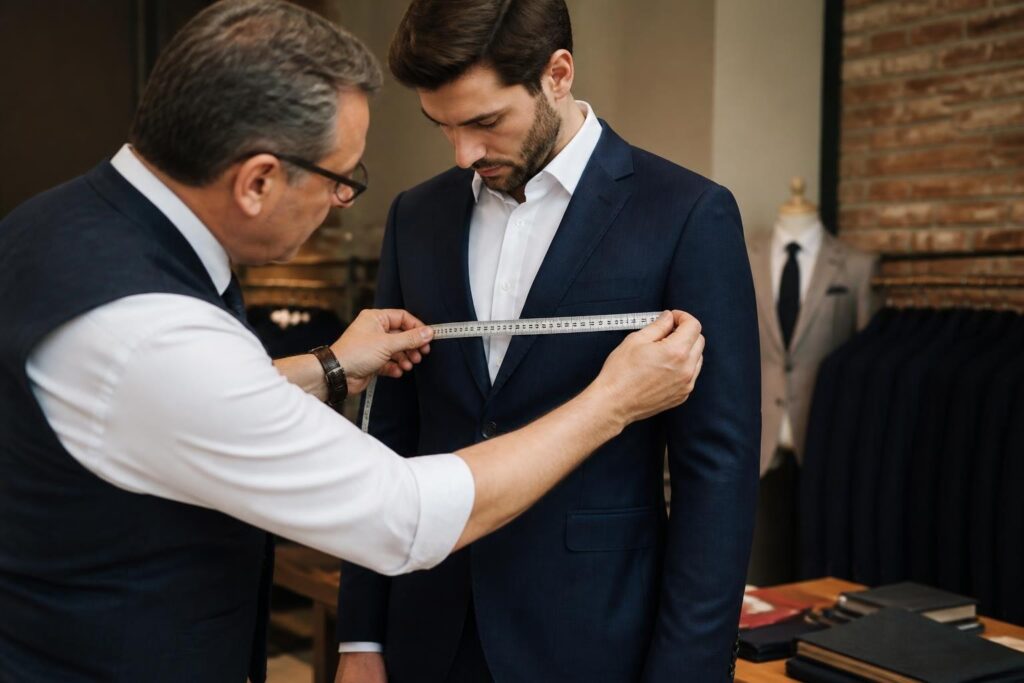
Your wedding day represents one of the most significant moments in your life, and your attire should reflect the importance of this occasion. While off-the-rack suits may seem convenient, tailor made wedding suits offer an unparalleled level of personalization, fit, and quality that transforms grooms from well-dressed to impeccably styled. The investment in bespoke tailoring ensures you look and feel confident as you stand at the altar, with every detail crafted specifically for your body, preferences, and wedding vision. Understanding the process, options, and benefits of custom wedding attire empowers you to make informed decisions that result in a suit you'll treasure in photographs for decades to come.
The Distinctive Advantages of Custom Wedding Attire
Choosing tailor made wedding suits over ready-to-wear options provides benefits that extend far beyond simple aesthetics. The most immediate advantage lies in the precision fit that bespoke tailoring delivers. Unlike mass-produced garments designed for average body types, custom suits accommodate your unique proportions, ensuring perfect shoulder alignment, sleeve length, jacket taper, and trouser break.
Key benefits of bespoke wedding suits include:
- Perfect proportions that complement your specific body shape and height
- Fabric selection from premium materials unavailable in retail stores
- Design freedom to incorporate personal style preferences and wedding themes
- Long-term value through superior construction and timeless design
- Comfort assurance for extended wear throughout your wedding day
The construction quality of tailor made wedding suits significantly surpasses factory-produced alternatives. Skilled tailors employ traditional techniques including hand-stitched buttonholes, floating canvas construction, and reinforced stress points that enhance durability. These garments maintain their shape through multiple wearings and can be adjusted over time as your body changes.
Beyond the wedding day itself, a well-crafted bespoke suit serves multiple occasions throughout your life. The investment pays dividends when you wear the suit to future formal events, business meetings, or special celebrations. This versatility makes custom tailoring financially sensible despite the higher initial cost compared to rental or off-the-rack options.
Understanding Fabric Choices and Quality
The foundation of any exceptional suit begins with fabric selection, and this decision dramatically impacts the garment's appearance, comfort, and longevity. Natural fibers dominate the world of premium suiting, with wool leading the category due to its breathability, wrinkle resistance, and year-round versatility. Super numbers (Super 100s, Super 150s) indicate fiber fineness, with higher numbers representing softer, more luxurious fabrics.
| Fabric Type | Best Season | Key Characteristics | Price Range |
|---|---|---|---|
| Wool | Year-round | Durable, breathable, wrinkle-resistant | Medium-High |
| Wool-Silk Blend | Spring/Summer | Lustrous finish, lightweight, elegant drape | High |
| Linen | Summer | Extremely breathable, natural texture, casual elegance | Medium |
| Wool-Cashmere | Fall/Winter | Soft hand feel, excellent insulation, luxurious | Very High |
For destination weddings in tropical climates like Thailand, lightweight tropical wool or linen blends offer optimal comfort without sacrificing formality. These fabrics allow air circulation while maintaining the structured appearance essential for wedding photography. The contemporary suit trends for 2025 emphasize versatile fabric choices that balance tradition with modern functionality.
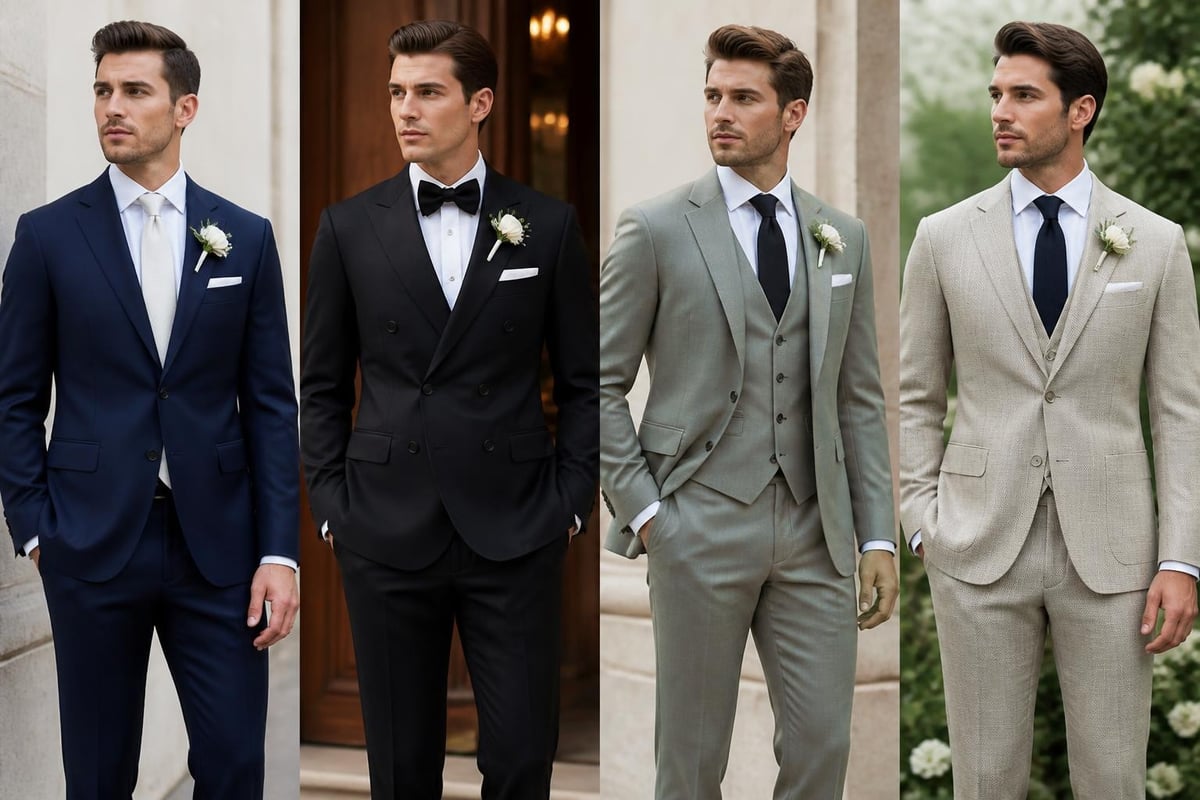
Color selection extends beyond traditional black and navy. Contemporary grooms increasingly embrace sophisticated alternatives including charcoal gray, deep burgundy, forest green, and even powder blue for daytime celebrations. The fabric's weave pattern-whether solid, subtle herringbone, windowpane check, or pinstripe-adds visual interest without overwhelming the overall aesthetic.
Seasonal Considerations for Wedding Suit Fabrics
Climate plays a crucial role in fabric selection, particularly for outdoor ceremonies or destination weddings. Summer weddings demand lightweight fabrics with breathable properties that prevent overheating during extended outdoor photography sessions. Winter celebrations allow heavier fabrics that provide warmth and create a more substantial silhouette.
Humidity levels deserve special attention when selecting materials for tropical locations. Fabrics with moisture-wicking properties and natural breathability ensure comfort throughout the day. Linen-wool blends strike an excellent balance, offering linen's cooling properties while incorporating wool's wrinkle resistance and structure.
Current Style Trends in Wedding Suit Design
The landscape of men's wedding fashion continues evolving, with 2025-2026 wedding suit trends reflecting a sophisticated blend of classic elegance and contemporary innovation. Slim-fit silhouettes remain popular, though the extreme skinny cuts of previous years have moderated toward more comfortable, tailored proportions that accommodate natural movement.
Popular style elements for 2026 weddings include:
- Elevated casualization with unstructured jackets and softer shoulder lines
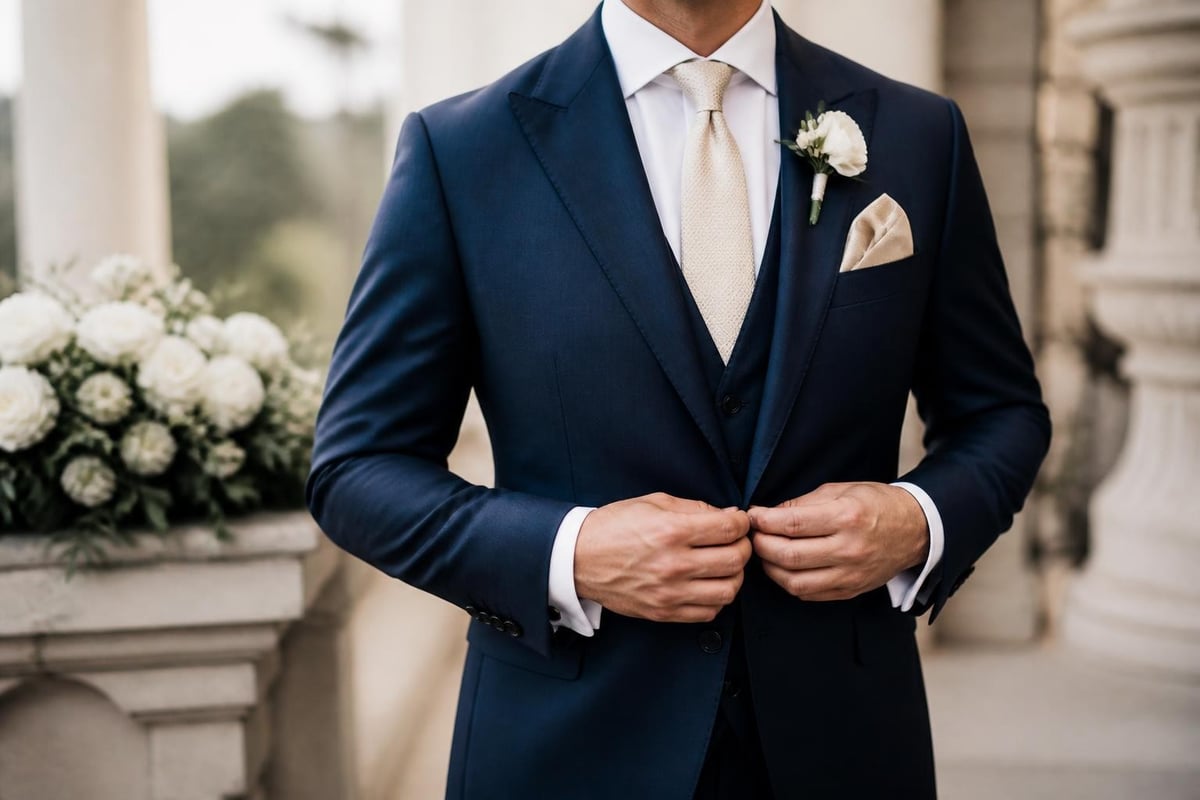
- Statement lapels featuring peak or shawl collar designs for added formality
- Textured fabrics incorporating subtle patterns and weaves
- Monochromatic styling with suit, shirt, and tie in complementary tones
- Personalized details including custom linings, contrasting buttons, and embroidered initials
Double-breasted jackets have experienced a significant resurgence, offering a commanding presence ideal for formal wedding settings. This style requires expert tailoring to achieve proper button placement and lapel roll, making it particularly well-suited for bespoke construction. The wedding suit trends for men demonstrate how traditional elements gain fresh relevance through modern interpretation.
Three-piece suits featuring matching waistcoats provide versatility and visual interest. Grooms can wear the full ensemble during the ceremony, then remove the jacket for reception dancing while maintaining a polished appearance. This configuration works exceptionally well for outdoor weddings where temperature fluctuations occur throughout the day.
The Bespoke Tailoring Process Timeline
Creating tailor made wedding suits requires adequate planning, with the complete process typically spanning six to twelve weeks from initial consultation to final delivery. This timeline accommodates multiple fittings, fabric sourcing, and meticulous construction that defines quality bespoke work. Rushing the process compromises fit quality and detail execution.
Initial Consultation and Design Selection
The journey begins with an in-depth consultation where skilled tailors discuss your vision, wedding details, and style preferences. This conversation covers formality level, venue characteristics, wedding colors, and personal comfort priorities. Experienced tailors like those at Alex’s Fashion guide clients through options while respecting individual preferences and budget parameters.
Fabric selection occurs during this initial meeting, with tailors presenting swatches and explaining each material's properties. They consider wedding season, location climate, and your typical temperature sensitivity when recommending options. Design elements including lapel style, button configuration, pocket types, and trouser pleating receive careful attention.
Measurement and First Fitting
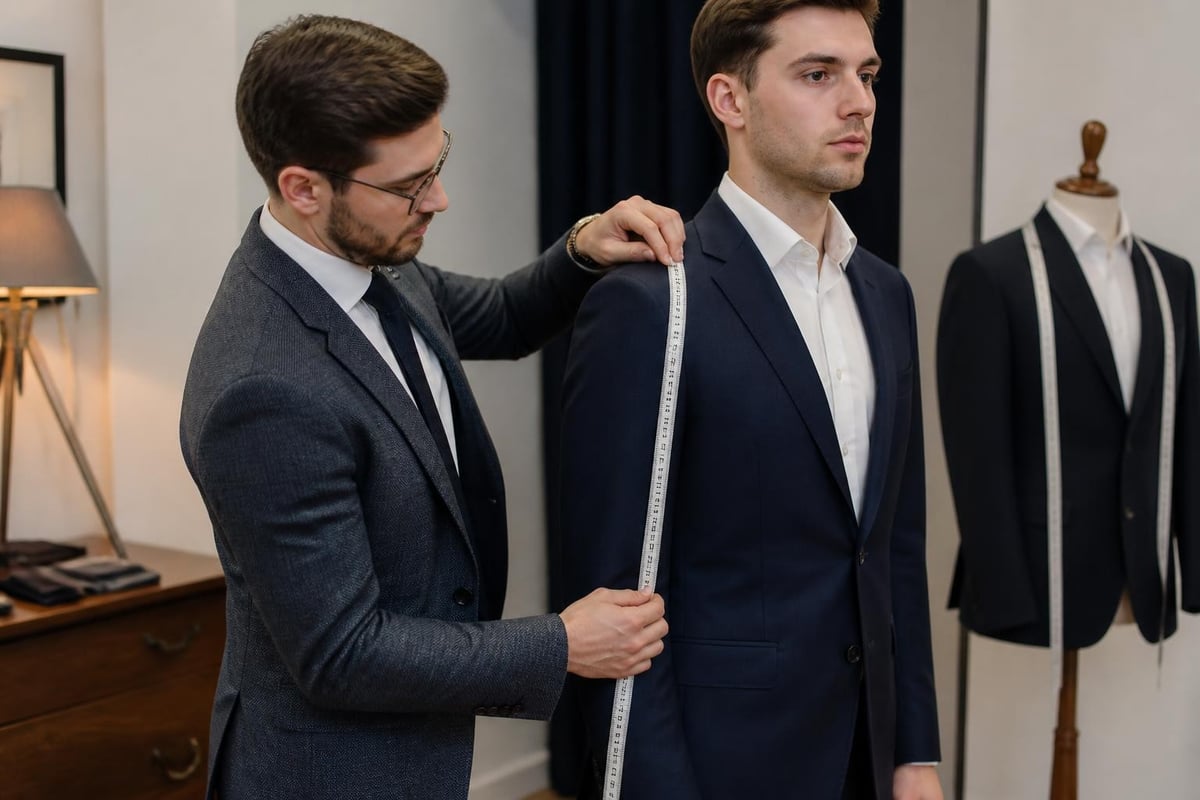
Comprehensive measurements form the foundation of excellent fit. Professional tailors take dozens of measurements capturing not only standard dimensions but also posture characteristics, shoulder slopes, and asymmetries common in all human bodies. These measurements inform pattern creation customized to your unique proportions.
The first fitting typically occurs two to three weeks after the initial consultation, once the suit has been partially constructed. This "basted fitting" allows adjustments before final stitching, ensuring optimal fit across shoulders, chest, waist, and hips. Sleeve length and trouser break receive particular attention during this session.
Subsequent Fittings and Final Delivery
Most bespoke suits require at least two fittings, with some clients benefiting from three sessions for absolute precision. The second fitting addresses refinements identified during the initial try-on, with adjustments to sleeve pitch, collar gap, or trouser taper. Final details including button placement and finishing touches occur at this stage.
The completed suit arrives two to four weeks before the wedding, allowing time for a final try-on and any minor tweaks. This buffer period prevents last-minute stress and ensures absolute confidence in your wedding day appearance. The tailor-made suit trends for 2025 emphasize the importance of this thorough process in achieving exceptional results.
Coordinating Your Suit with Wedding Aesthetics
Tailor made wedding suits should harmonize with your overall wedding design while allowing your personality to shine through. This coordination extends beyond matching the bride's dress color to encompassing venue atmosphere, time of day, and seasonal context. A beach ceremony calls for lighter fabrics and relaxed styling compared to a formal evening ballroom celebration.
| Wedding Style | Recommended Suit Approach | Key Details |
|---|---|---|
| Black Tie | Traditional tuxedo or midnight blue dinner jacket | Satin lapels, formal studs |
| Formal Garden | Light gray or blue suit in tropical wool | Peak lapels, sophisticated accessories |
| Rustic Barn | Earth tones in textured fabrics | Less structure, natural fibers |
| Beach Destination | Linen or lightweight wool in cream or tan | Unlined jacket, relaxed fit |
Color psychology influences how you appear in photographs and how guests perceive the ceremony's tone. Navy communicates confidence and tradition, while lighter shades create an approachable, joyful atmosphere. Burgundy and forest green offer richness without the severity of black, particularly effective for autumn and winter weddings.
Accessory coordination completes the look, with ties, pocket squares, shoes, and cufflinks requiring thoughtful selection. These elements provide opportunities for incorporating wedding colors or adding personal touches that reflect your interests or heritage. The 2025 wedding planning trends emphasize personalization across all wedding elements, including groom attire.
Budgeting for Custom Wedding Attire
Financial planning for tailor made wedding suits requires understanding the investment's components and long-term value. Prices vary significantly based on fabric quality, construction complexity, and tailor expertise, with entry-level bespoke suits starting around $800 and premium options exceeding $3,000. This range reflects differences in materials, handwork extent, and brand positioning.
Cost factors to consider:
- Base suit construction including pattern creation and labor
- Fabric selection with premium materials commanding higher prices
- Additional garments such as waistcoats or extra trousers
- Customization details including hand-stitching and special finishes
- Alterations if body changes occur before the wedding
Comparing bespoke suit costs against rental fees plus the purchase of ill-fitting off-the-rack alternatives reveals favorable economics. A quality custom suit worn multiple times throughout your life provides better value than single-use rentals costing $200-400 that never fit properly. The men’s wedding suit trends demonstrate how investment in quality tailoring transcends temporary fashion.
Budget-conscious grooms can optimize costs by selecting versatile fabrics and classic styles that remain wearable for business and formal occasions beyond the wedding. Prioritizing fit perfection over excessive hand-finishing allows you to access bespoke tailoring at more accessible price points while still enjoying superior results compared to ready-to-wear options.
Caring for Your Bespoke Suit
Proper maintenance extends the life of tailor made wedding suits, preserving your investment and ensuring the garment remains ready for future wear. Professional dry cleaning should occur sparingly, only when necessary, as excessive chemical treatment degrades natural fibers. Instead, spot-clean minor stains and allow the suit to air between wearings.
Storage practices significantly impact garment longevity. Always use wide, contoured wooden hangers that support the jacket's shoulders without creating stress points. Store the suit in a breathable garment bag that protects against dust while preventing moisture accumulation that promotes mildew. Avoid plastic bags that trap humidity and damage fabric.
Post-Wedding Suit Preservation
After your wedding day, have the suit professionally cleaned to remove any stains before they set permanently. This cleaning addresses perspiration, food splatters, and environmental dirt accumulated during the celebration. Once cleaned, store the suit properly or continue wearing it regularly, as natural fibers benefit from occasional use that prevents moth damage.
Consider having your tailor perform an annual inspection and minor adjustment session. Bodies change over time, and small alterations maintain optimal fit while preventing seam stress that could cause damage. This preventive maintenance costs far less than major repairs and keeps your suit looking as impressive as it did on your wedding day.
Selecting the Right Tailor for Your Wedding Suit
The tailor's expertise directly determines your suit's quality, making this selection among your most important wedding planning decisions. Research potential tailors by examining their portfolios, reading client reviews, and visiting their establishments to assess professionalism and communication style. Experienced wedding suit specialists understand the unique pressures and timeline requirements of matrimonial attire.
During initial consultations, evaluate how well the tailor listens to your preferences versus imposing their own aesthetic. The best craftspeople balance expert guidance with respect for client vision, offering suggestions while ultimately creating the suit you desire. Ask about their experience with wedding suits specifically, as this niche requires understanding of ceremony formality and photographic considerations.
Request references from recent wedding clients and examine completed suit examples in person when possible. Quality indicators include precise stitching, clean finishing on interior seams, properly aligned patterns at seams, and functional buttonholes. The tailor should confidently explain their construction methods and timeline while addressing any concerns you raise.
Establishments like Alex’s Fashion bring decades of experience creating custom wedding attire, with reputations built on consistent quality and client satisfaction. This track record provides assurance that your suit will meet expectations and arrive on schedule. The 2026 bridal fashion trends emphasize personal expression, a principle equally applicable to groom attire through bespoke tailoring.
Destination Wedding Considerations
Destination weddings present unique challenges and opportunities for tailor made wedding suits. When planning nuptials away from home, initiate the tailoring process earlier to accommodate shipping timelines or schedule fittings during preliminary venue visits. Some grooms choose to work with tailors in their destination location, particularly in regions known for exceptional craftsmanship like Thailand.
Fabric selection becomes crucial for destination ceremonies, as climate conditions may differ dramatically from your home environment. Research historical weather data for your wedding date and location, then select materials that provide comfort in those conditions. Lightweight, breathable fabrics prevent overheating during tropical celebrations, while destination weddings in cooler climates require appropriate insulation.
Travel considerations include packing techniques that minimize wrinkling and damage. Roll trousers carefully and use garment bags designed for suit jackets. Many hotels offer pressing services that can refresh your suit upon arrival. Alternatively, hang the suit in a steamy bathroom to release minor wrinkles naturally without risking damage from unfamiliar irons.
Involving Groomsmen in Tailor Made Attire
While bespoke suits for entire wedding parties represent significant investment, coordinating groomsmen attire with your custom suit creates cohesive visual impact. Options range from having all groomsmen wear tailor made wedding suits to dressing yourself in bespoke while groomsmen wear coordinated ready-to-wear pieces. This tiered approach balances budget with aesthetics.
Groomsmen coordination strategies:
- Full bespoke with identical or complementary custom suits for the entire party
- Groom-only custom with groomsmen in matching off-the-rack suits
- Mix-and-match using same fabric in custom and ready-to-wear construction
- Accent differentiation through unique ties, pocket squares, or boutonnières
When budgets allow full wedding party bespoke tailoring, group measurements and fittings create bonding experiences while ensuring everyone looks their absolute best. This approach works particularly well for intimate weddings with small wedding parties or when groomsmen live near the tailor. The trending wedding suit designs provide inspiration for coordinated group aesthetics.
Communication with groomsmen about timeline expectations and financial responsibilities prevents misunderstandings. If asking groomsmen to invest in custom suits, provide clear pricing information early in the planning process and remain flexible for those facing financial constraints. Alternative solutions maintain group cohesion while respecting individual budgets.
Making the Most of Your Wedding Suit Investment
Maximizing value from tailor made wedding suits extends beyond the wedding day itself. Classic styling choices ensure the suit remains fashionable for years, serving multiple occasions including job interviews, business meetings, formal events, and future celebrations. This versatility transforms what might seem like a single-use purchase into a wardrobe cornerstone.
Versatility begins with fabric and color selection. Navy and charcoal gray suits transition seamlessly from weddings to professional environments, while lighter colors or bold patterns limit future wearing opportunities. Conservative styling with quality construction provides decades of service, making the cost-per-wear remarkably economical compared to trendy alternatives.
Consider ordering additional trousers during the initial construction process. Trousers wear out faster than jackets due to friction and stress, so having a second pair extends the suit's overall lifespan significantly. This addition costs less when completed during initial construction than ordering replacement trousers later.
Tailor made wedding suits represent an investment in quality, fit, and personal expression that elevates your wedding day appearance while providing lasting value. The process of working with skilled tailors to create a garment perfectly suited to your body, preferences, and wedding vision transforms getting dressed from routine to meaningful. With over 30 years of experience crafting bespoke clothing, Alex’s Fashion brings expert guidance and meticulous craftsmanship to every wedding suit project, ensuring you look exceptional as you begin your married life. Schedule your consultation today to begin creating a suit as unique and memorable as your wedding day itself.