
 EN
EN  FR
FR  DE
DE  TH
TH 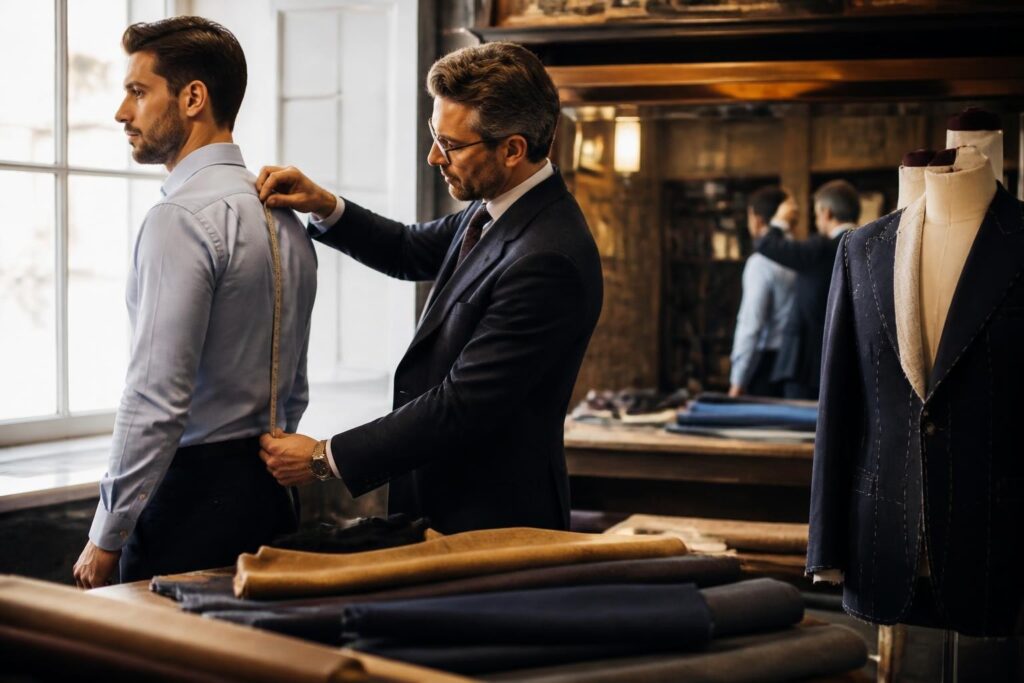
Investing in quality mens tailored clothes represents more than just updating your wardrobe; it signifies a commitment to presenting your best self in every professional and social setting. Custom-tailored garments offer an unparalleled fit, superior construction, and timeless style that off-the-rack alternatives simply cannot match. Whether you're building a capsule wardrobe or seeking a statement piece for special occasions, understanding the nuances of bespoke tailoring empowers you to make informed decisions that will serve you for years to come. With the right knowledge and a skilled tailor, you can create a collection of garments that truly reflects your personal style and professional ambitions.
Understanding the Fundamentals of Tailored Menswear
The distinction between ready-to-wear and mens tailored clothes lies in both construction methodology and final fit. Bespoke tailoring creates garments specifically for your body's unique proportions, accounting for posture variations, shoulder slopes, and individual preferences that mass production cannot accommodate.
True bespoke tailoring involves multiple fittings and adjustments:
- Initial consultation to discuss style preferences and requirements
- Precise body measurements taken at numerous points
- Pattern creation based on individual measurements
- First fitting using a prototype garment (basted fitting)
- Second fitting for refinement and final adjustments
- Final delivery with lifetime alteration privileges
These steps ensure that each piece fits perfectly across the shoulders, drapes naturally through the torso, and moves comfortably with your body. According to Gentleman’s Gazette, proper fit remains the single most important factor in achieving a distinguished appearance, regardless of fabric quality or price point.
The Investment Value of Custom Tailoring
While mens tailored clothes require a higher initial investment compared to department store alternatives, the cost-per-wear calculation reveals their true value. A well-constructed bespoke suit typically lasts fifteen to twenty years with proper care, whereas ready-to-wear suits often show significant wear within three to five years.
| Garment Type | Initial Cost | Expected Lifespan | Annual Cost |
|---|---|---|---|
| Ready-to-Wear Suit | $400-800 | 3-5 years | $80-267 |
| Made-to-Measure Suit | $800-1,500 | 8-12 years | $67-188 |
| Bespoke Suit | $2,000-5,000 | 15-20 years | $100-333 |
This comparison demonstrates that quality bespoke tailoring offers competitive long-term value while providing superior comfort and appearance throughout the garment's lifetime.
Essential Components of a Tailored Wardrobe
Building a comprehensive collection of mens tailored clothes requires strategic planning and prioritization. Start with versatile foundation pieces that work across multiple contexts before expanding into specialized garments.
The Core Suit Collection
Every gentleman needs at least two well-fitted suits as wardrobe anchors. A navy suit serves as the most versatile option, appropriate for business meetings, weddings, and formal dinners. Charcoal gray follows as the second essential, offering slightly more formality while remaining suitable for diverse occasions.
Medium gray represents an excellent third choice, bridging the gap between navy and charcoal while introducing subtle variation. These three colors form the foundation upon which you can build more adventurous choices like lighter summer fabrics or patterned options.
GQ’s comprehensive guide to the best men’s suits showcases how contemporary tailoring balances traditional construction with modern silhouettes, providing inspiration for your own tailored wardrobe development.
Dress Shirts and Formal Wear
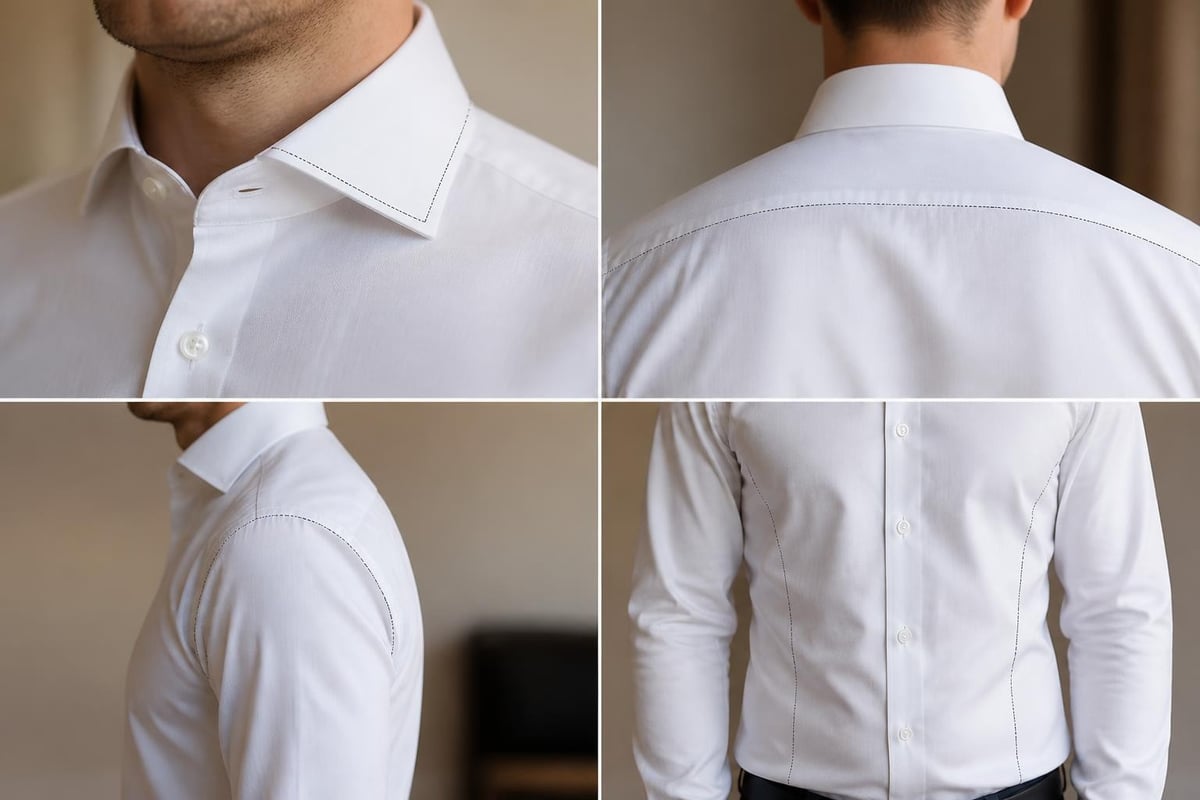
Custom dress shirts constitute the second pillar of mens tailored clothes. Proper shirt fit ensures comfort throughout long workdays while creating clean lines under suit jackets. Collar style, cuff design, and fabric selection all contribute to the overall aesthetic and functionality.
Essential shirt considerations include:
- Collar height and spread matched to face shape and tie preferences
- Sleeve length allowing for proper cuff exposure beyond jacket sleeves
- Body fit that allows movement without excess fabric bunching
- Fabric weight appropriate for climate and intended use
- Button placement and spacing for clean closure without gaping
White and light blue shirts provide the foundation, with each gentleman needing at least four to six shirts for regular rotation. From there, expand into subtle patterns, textures, and seasonal variations.
Fabric Selection for Longevity and Style
The fabric you choose for mens tailored clothes dramatically impacts both appearance and durability. Understanding fiber content, weight measurements, and weave patterns enables informed decisions aligned with your lifestyle requirements.
Natural Fiber Advantages
Wool remains the gold standard for tailored suiting, offering natural breathability, resilience, and wrinkle resistance. Super numbers (Super 100s, Super 150s) indicate fiber fineness, with higher numbers representing softer, more luxurious fabrics that require more careful handling.
For tropical climates like Krabi, Thailand, lightweight wool blends or tropical wool fabrics provide comfort without sacrificing professional appearance. These fabrics typically weigh between 240-280 grams, compared to standard suiting weights of 310-360 grams.
Cotton works beautifully for casual tailored pieces and summer suits, though it wrinkles more readily than wool. Linen offers exceptional breathability but requires acceptance of its characteristic rumpled appearance. Many tailors recommend linen blends that capture the fiber's cooling properties while reducing excessive wrinkling.
Seasonal Fabric Considerations
Strategic fabric selection allows your mens tailored clothes to perform optimally throughout the year. The following guide helps match fabrics to climate conditions:
| Season | Recommended Fabrics | Weight Range | Best Applications |
|---|---|---|---|
| Winter | Flannel, Tweed, Heavyweight Wool | 340-450g | Business suits, overcoats |
| Spring | Worsted Wool, Cotton Blends | 280-320g | Suits, blazers, trousers |
| Summer | Tropical Wool, Linen, Cotton | 240-280g | Lightweight suits, separates |
| Fall | Medium Wool, Wool-Cashmere | 310-360g | Suits, sport coats |
This strategic approach ensures comfort and appropriate formality regardless of weather conditions or seasonal transitions.
The Fitting Process and What to Expect
Understanding the fitting process demystifies bespoke tailoring and helps you communicate effectively with your tailor. The journey from initial consultation to finished garment involves collaboration, patience, and attention to detail.
Initial Consultation and Measurement
Your first appointment establishes the foundation for all future mens tailored clothes. A skilled tailor asks about your lifestyle, profession, style preferences, and specific occasions requiring formal attire. This conversation informs fabric recommendations, style suggestions, and construction priorities.
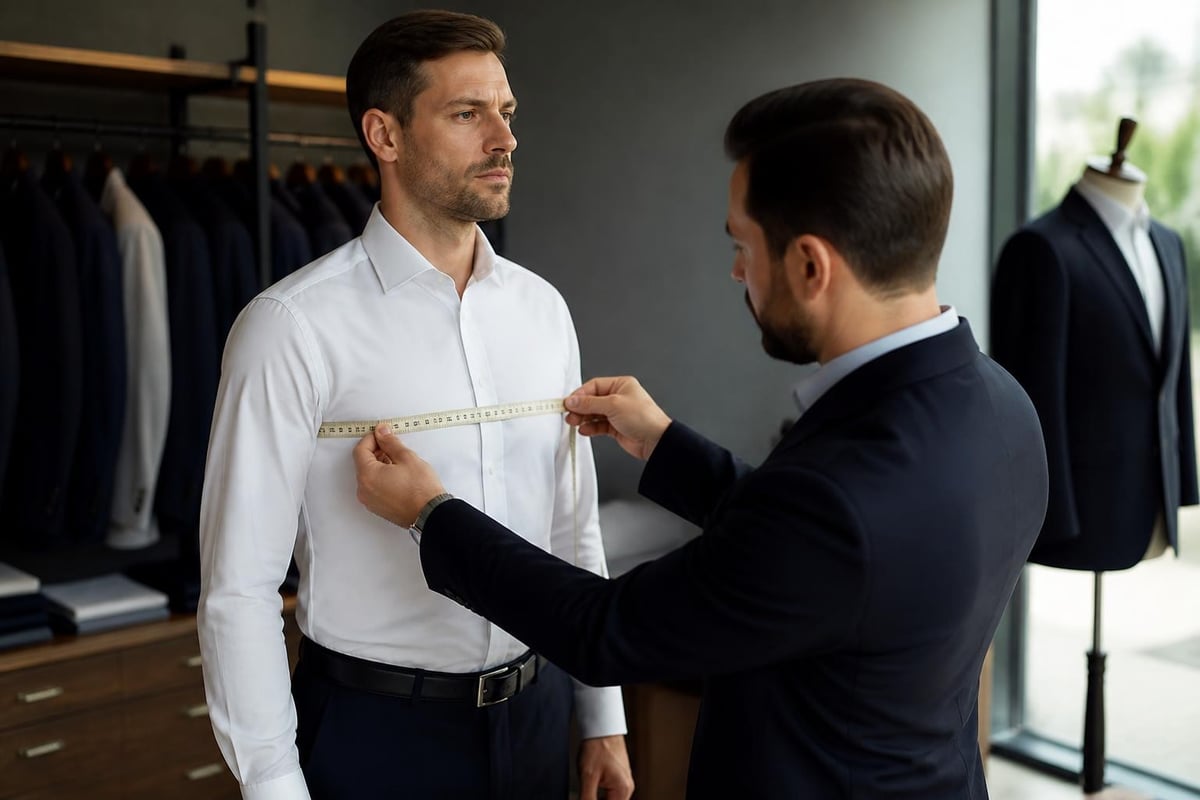
Measurement sessions capture dozens of data points beyond standard chest, waist, and inseam dimensions. Shoulder slope, back length, arm pitch, and posture variations all influence pattern creation. Experienced tailors also note asymmetries, which most people possess to varying degrees.
Alan Flusser’s approach to dressing well emphasizes understanding body proportions and using tailoring to create visual balance, principles that remain relevant decades after publication.
Subsequent Fittings and Adjustments
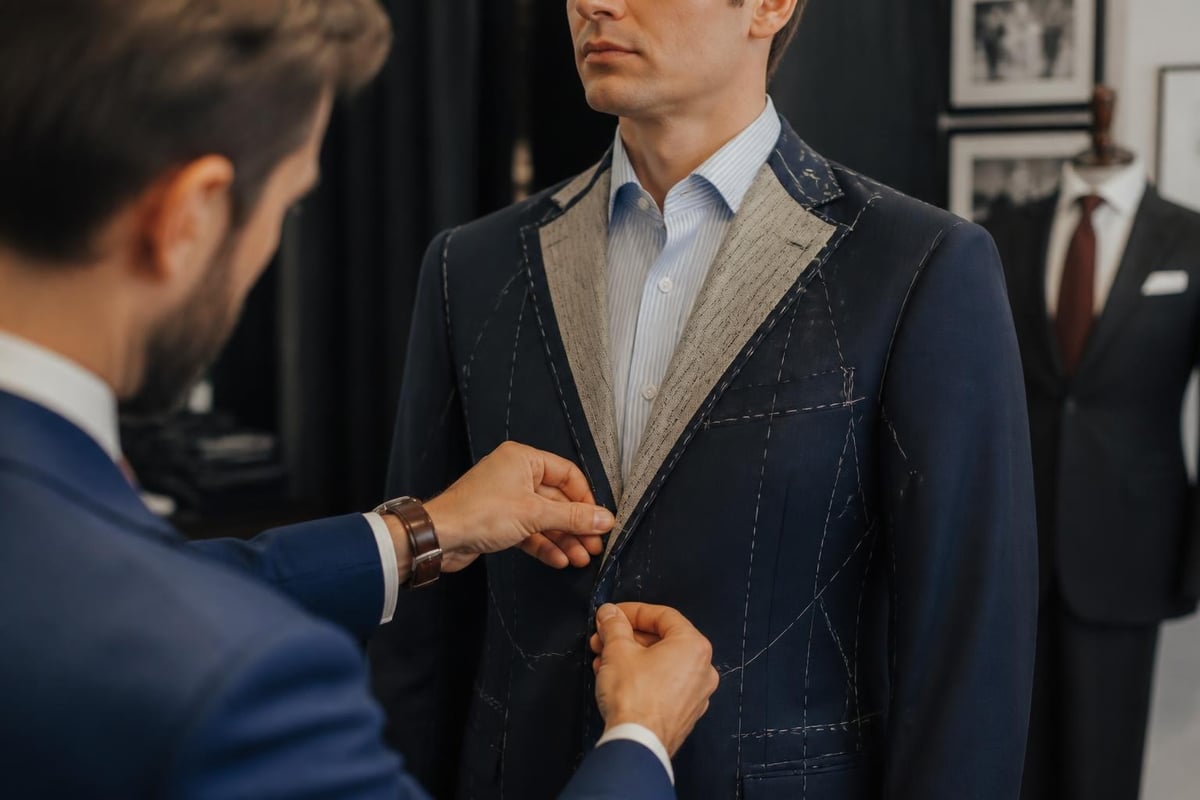
The first fitting typically occurs when the garment exists in basted form, allowing significant adjustments before final construction. This stage reveals how fabric drapes on your body, where adjustments improve comfort, and whether the overall silhouette meets expectations.
Common first fitting adjustments include:
- Shoulder seam repositioning for optimal jacket balance
- Sleeve length and armhole refinement for unrestricted movement
- Jacket length adjustments to complement body proportions
- Waist suppression to create desired silhouette
- Trouser rise and seat modifications for comfort
Second fittings address finer details and verify that previous adjustments achieved desired results. By this stage, the garment should feel comfortable and look proportionally correct, requiring only minor tweaks before completion.
Style Elements That Define Tailored Excellence
Beyond fit and fabric, numerous style choices distinguish mens tailored clothes and allow personal expression. Understanding these options empowers you to create garments that authentically represent your aesthetic preferences.
Lapel Styles and Jacket Silhouettes
Lapel width should balance with tie width and overall body proportions. Standard notch lapels work for most business situations, while peak lapels add formality and visual interest. Shawl collars remain exclusive to dinner jackets and smoking jackets in traditional tailoring.
Contemporary jacket silhouettes tend toward slimmer cuts with higher button stances compared to 1990s styles. However, trends should never override proper fit. A well-fitted jacket allows comfortable movement, sits smoothly across the shoulders, and creates a clean line from shoulder to hem.
Esquire’s comprehensive style handbook provides extensive guidance on navigating style choices while maintaining timeless elegance, helping you avoid trendy details that quickly date garments.
Trouser Details and Proportions
Trouser fit proves equally important as jacket construction in creating cohesive mens tailored clothes. The rise (distance from crotch seam to waistband) dramatically affects both comfort and appearance, with higher rises generally providing better proportions for tailored suits.
Pleats versus flat front represents a personal preference influenced by body type and style goals. Pleats offer additional comfort and work well for fuller figures, while flat fronts create cleaner lines for slimmer builds. Both options can look distinguished when properly executed.
Break refers to how trouser hems rest on shoes. No break creates a modern, streamlined appearance but requires precise length. A slight break remains most versatile, while full breaks risk appearing dated or unkempt.
Maintaining Your Tailored Investment
Proper care extends the lifespan of mens tailored clothes significantly. Understanding maintenance requirements protects your investment and preserves garment appearance through years of wear.
Daily Care and Storage Practices
After wearing suits or sport coats, allow them to air on proper wooden hangers for at least 24 hours before returning to closets. This practice permits moisture evaporation and allows fabric fibers to recover their natural shape. Cedar hangers offer the additional benefit of natural moth deterrence.
Brush garments after each wearing using a soft-bristled clothes brush, working downward to remove surface dust and debris. This simple practice prevents particle accumulation that can degrade fabric over time.
Storage best practices include:
- Using wide, shaped hangers that support shoulder construction
- Maintaining adequate space between garments for air circulation
- Storing in breathable garment bags for seasonal items
- Keeping storage areas clean, dry, and temperature-controlled
- Using cedar blocks or lavender sachets for natural freshener and pest control
Professional Cleaning and Alterations
Dry clean mens tailored clothes only when necessary, as chemicals and pressing equipment gradually wear fabrics. Most suits require cleaning only three to four times annually with proper care between wearings. Spot cleaning handles minor stains without subjecting entire garments to chemical processes.
Establish a relationship with a skilled alterations specialist who can adjust garments as your body changes or repair minor damage before it worsens. Small investments in timely repairs prevent complete garment loss and maintain professional appearance.
Building Relationships with Tailoring Professionals
The relationship between client and tailor represents a partnership built on trust, communication, and mutual respect. Finding the right tailoring professional creates opportunities for wardrobe development aligned with your evolving needs and style maturation.
Communicating Your Vision Effectively
Bring reference images showing styles you admire, but understand that exact replication may not suit your body type or lifestyle. Skilled tailors help translate inspiration into wearable reality customized for your specific requirements.
Be honest about budget constraints, wearing contexts, and timeline expectations. This transparency allows tailors to recommend appropriate fabrics, construction methods, and realistic delivery schedules. The historical evolution of men’s fashion demonstrates how tailoring traditions have always balanced individual expression with practical considerations.
Long-Term Wardrobe Development
Rather than purchasing entire wardrobes at once, develop your collection of mens tailored clothes gradually. This approach allows you to refine preferences, spread costs over time, and build garments around specific needs as they arise.
Many clients begin with essential business pieces before expanding into casual tailored items, evening wear, and seasonal variations. This methodical development creates cohesive wardrobes where pieces work together seamlessly.
Visiting Alex’s Fashion allows you to explore the full range of possibilities in bespoke tailoring, from initial consultations through final fittings, ensuring each garment meets exacting standards.
Understanding Construction Methods and Quality Indicators
Recognizing quality construction helps you evaluate mens tailored clothes and understand what you're purchasing. These details separate exceptional tailoring from adequate work, justifying price differences and influencing garment longevity.
Canvas and Interior Construction
Full canvas construction uses horsehair interlining that floats between outer fabric and lining, creating structure while allowing natural draping. This method requires extensive hand-stitching and produces the most sophisticated results, improving with age as the canvas molds to your body.
Half-canvas construction applies floating canvas through the chest and lapels while using fused sections in lower portions. This compromise reduces cost and construction time while maintaining superior appearance in visible areas.
Fused construction bonds interlining directly to outer fabric using heat-activated adhesive. While budget-friendly, this method creates stiff, less breathable garments prone to bubbling after cleaning.
| Construction Type | Durability | Drape Quality | Price Range | Best For |
|---|---|---|---|---|
| Full Canvas | Excellent | Superior | $$$$ | Investment pieces |
| Half Canvas | Very Good | Good | $$$ | Versatile wardrobe |
| Fused | Fair | Moderate | $$ | Occasional wear |
Hand-Stitched Details
Hand-stitching in lapels, buttonholes, and hems indicates superior craftsmanship in mens tailored clothes. These details create subtle texture variations and demonstrate the time investment required for exceptional work.
Functional sleeve buttonholes (working cuffs) allow sleeve adjustments and signal bespoke construction. While purely aesthetic in function, they represent a tailor's confidence in achieving proper sleeve length during fitting.
Pick stitching along lapel edges creates a refined detail that catches light subtly. This hand-worked edge treatment requires significant time but produces an unmistakable mark of quality.
Adapting Tailored Clothes for Different Contexts
Understanding when and how to wear specific mens tailored clothes ensures appropriate formality across various situations. This knowledge prevents both underdressing and appearing overly formal, supporting professional success and social confidence.
Business and Professional Settings
Conservative industries like finance, law, and consulting require traditional mens tailored clothes in neutral colors with minimal pattern variation. Navy and charcoal suits paired with white or light blue shirts create appropriate foundations for these environments.
Creative industries allow more flexibility in color, pattern, and styling choices. Sport coats with tailored trousers, textured fabrics, and bolder shirt selections often work well while maintaining professional appearance.
Business casual contexts benefit from tailored separates rather than full suits. Well-fitted sport coats, dress trousers, and quality shirts create polished looks without suit formality.
Social and Formal Occasions
Weddings, galas, and formal dinners require attention to dress codes while allowing personal style expression. Understanding terminology like "black tie," "creative black tie," and "cocktail attire" guides appropriate garment selection.
Vogue’s historical perspective on menswear illustrates how tailored clothing has evolved to accommodate changing social norms while maintaining core principles of proper fit and appropriate formality.
Destination events in tropical locations present unique challenges for mens tailored clothes. Lightweight fabrics, lighter colors, and breathable constructions maintain formal appearance while providing essential comfort in warm climates.
Investing in quality mens tailored clothes transforms not only your appearance but also your confidence and professional presence. The combination of perfect fit, quality materials, and expert craftsmanship creates garments that serve you reliably for decades. Whether you're building your first bespoke wardrobe or expanding an existing collection, Alex’s Fashion brings over thirty years of tailoring expertise to every garment, ensuring each piece meets the highest standards of construction and fit while reflecting your unique style preferences.