
 FR
FR  EN
EN  DE
DE  TH
TH 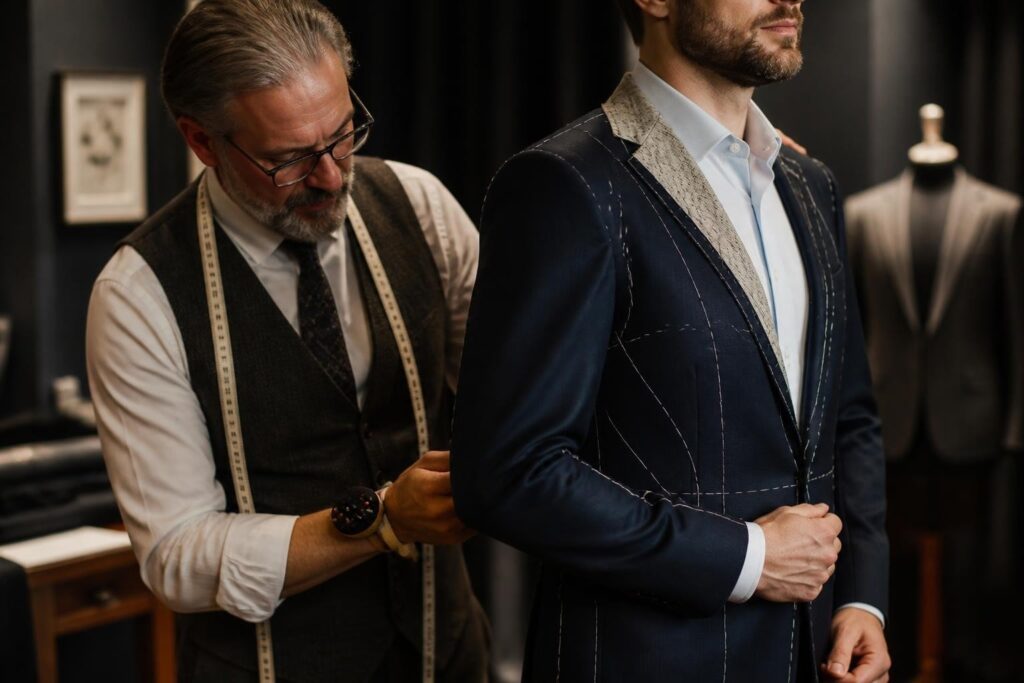
The world of bespoke clothing represents a level of craftsmanship and personalization that ready-made garments simply cannot match. A tailoring house serves as the cornerstone of this tradition, offering clients the opportunity to own clothing designed specifically for their unique measurements, preferences, and lifestyle needs. Whether you're seeking a perfectly fitted suit for a special occasion or building a wardrobe of custom pieces, understanding what distinguishes an exceptional tailoring house helps you make informed decisions about your clothing investments.
Understanding the Traditional Tailoring House
A tailoring house represents more than just a place where clothes are made. It embodies decades or even centuries of accumulated knowledge, refined techniques, and dedication to the craft of garment construction. These establishments maintain strict standards for quality, employing skilled artisans who understand the nuances of fabric behavior, body proportions, and construction methods that create garments with superior fit and longevity.
The foundation of any reputable tailoring house rests on its ability to translate a client's vision into reality. This process begins with comprehensive consultations where tailors assess not only physical measurements but also lifestyle requirements, style preferences, and specific garment functions. Professional tailors understand that each client presents unique challenges, from posture variations to asymmetrical features that require careful accommodation.
Heritage and Craftsmanship Standards
The American Tailors and Sewing Association (ATSA) plays a vital role in maintaining professional standards across the industry. These organizations establish benchmarks for fitting accuracy, construction quality, and alteration execution that separate master tailors from basic seamstresses. A tailoring house that adheres to such standards demonstrates commitment to excellence that extends beyond individual projects.
Traditional craftsmanship encompasses multiple specialized skills:
- Pattern drafting tailored to individual body shapes and proportions
- Hand-stitching techniques that create stronger, more flexible seams
- Canvas construction for structured garments like suits and blazers
- Finishing details including hand-sewn buttonholes and properly set sleeves
The Bespoke Fitting Process
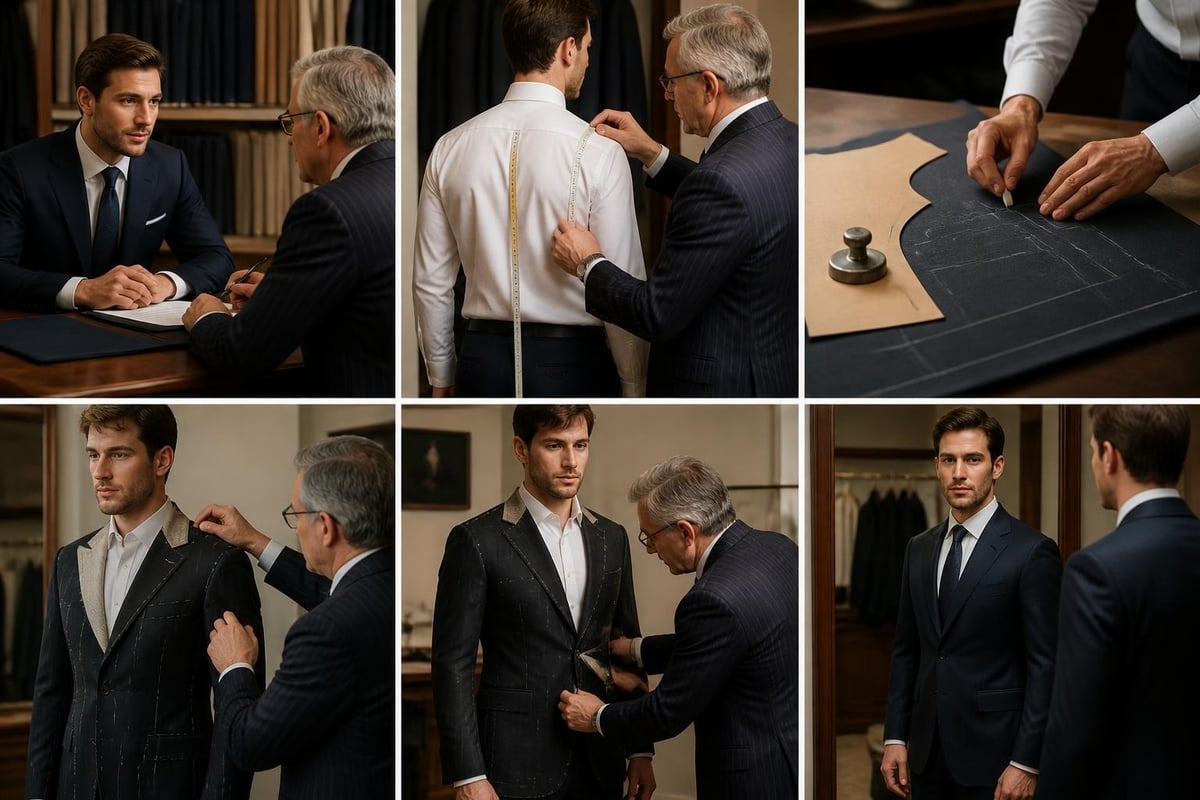
The fitting process distinguishes a true tailoring house from alteration services or made-to-measure operations. Bespoke tailoring involves creating patterns from scratch based on comprehensive measurements, typically requiring multiple fittings to achieve perfection. This meticulous approach ensures every aspect of the garment complements the wearer's physique.
Initial Consultation and Measurement
During the first meeting, experienced tailors gather extensive information beyond basic measurements. They observe posture, shoulder slopes, arm positions at rest, and movement patterns. These observations inform pattern adjustments that accommodate natural body mechanics, ensuring comfort throughout daily activities.
Key measurements include:
| Measurement Type | Purpose | Special Considerations |
|---|---|---|
| Chest and Waist | Overall fit and silhouette | Account for breathing room and movement |
| Shoulder Width | Proper jacket structure | Natural vs. extended shoulder styles |
| Sleeve Length | Arm coverage and cuff position | Account for watch wearing and preferred break |
| Rise and Inseam | Trouser comfort and drape | Consider sitting position and stride length |
| Neck Circumference | Collar comfort | Allow proper shirt collar clearance |
Multiple Fitting Sessions
Professional bespoke work requires patience from both tailor and client. The first fitting typically occurs with a basted garment, allowing substantial adjustments before final construction. Subsequent fittings refine details, ensuring sleeves hang correctly, collars sit properly, and all elements work harmoniously.
Fabric Selection and Quality Materials
The fabric choices available through a tailoring house significantly impact the final garment's appearance, comfort, and durability. Experienced tailors guide clients through extensive fabric libraries, explaining the characteristics and appropriate applications for different materials. This expertise prevents costly mistakes and ensures satisfaction with finished pieces.
Quality fabrics sourced from renowned mills demonstrate superior performance characteristics:
- Wool worsted for year-round suits with excellent drape and resilience
- Linen blends for tropical-weight garments that resist wrinkling
- Egyptian cotton for shirts with exceptional softness and breathability
- Cashmere blends for luxurious outerwear with superior insulation
Understanding Fabric Grades and Origins
Not all fabrics marketed as premium actually deliver exceptional quality. A knowledgeable tailoring house educates clients about thread counts, fabric weights measured in ounces, and weave patterns that affect durability and appearance. World-class tailoring establishments maintain relationships with top mills, ensuring access to the finest materials available.
Modern Tailoring House Operations
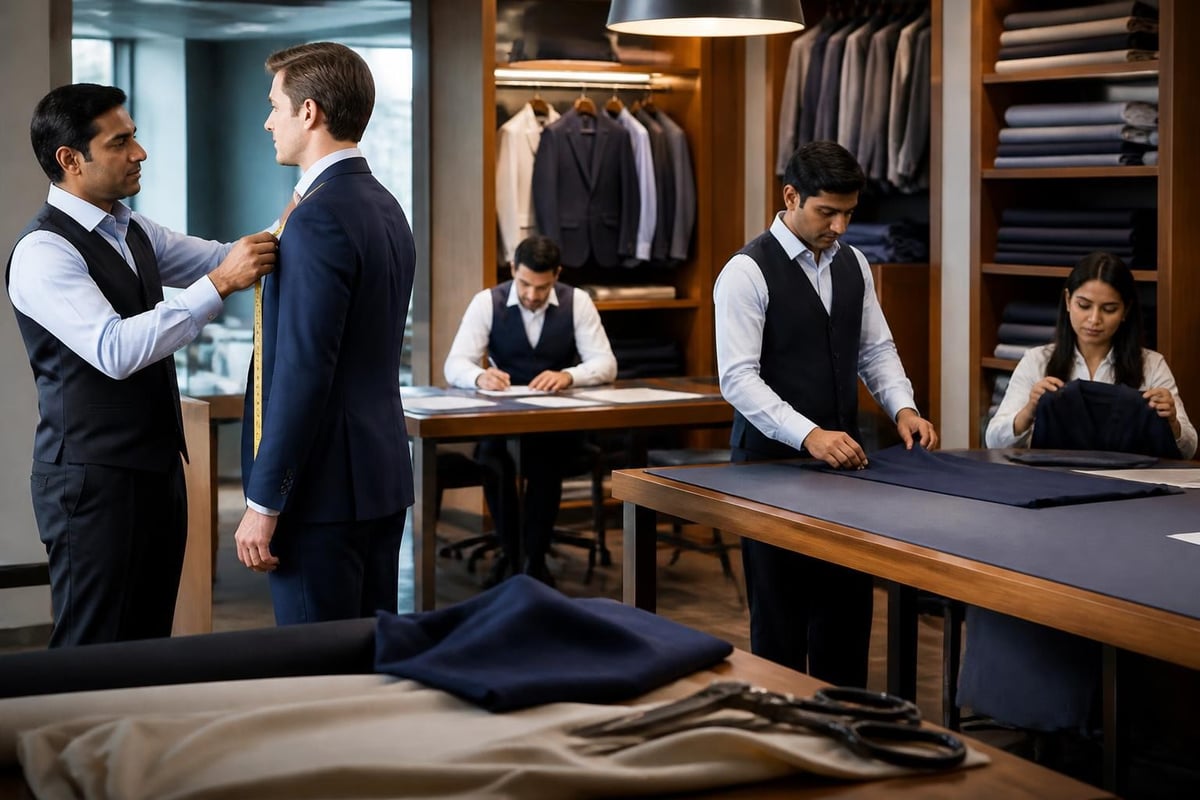
Contemporary tailoring houses balance traditional craftsmanship with operational efficiency. While hand-sewing and careful construction remain non-negotiable, many establishments now embrace technology for measurement management, order tracking, and customer relationship management. This integration enhances service quality without compromising the artisanal nature of the work.
Digital transformation helps tailoring businesses manage complex operations more effectively. Modern tailoring software solutions integrate order management, customer measurements, production tracking, and billing into unified platforms. These systems prevent errors, streamline communication, and maintain detailed customer histories that improve service with each subsequent visit.
Technology Supporting Traditional Craft
The digitization of tailor shop workflows addresses longstanding operational challenges. Traditional paper-based systems create risks of lost orders, measurement errors, and scheduling conflicts. Digital platforms eliminate these issues while preserving the personal touch that defines exceptional service.
Benefits of integrated systems include:
- Accurate measurement storage and retrieval across multiple orders
- Production timeline tracking to ensure on-time delivery
- Automated appointment scheduling and client communication
- Inventory management preventing fabric shortages mid-project
- Financial reporting providing business performance insights
Specialization and Service Range
Different tailoring houses develop expertise in specific garment categories or customer segments. Some focus exclusively on men's formalwear, while others offer comprehensive services for entire families. Understanding a tailoring house's specializations helps clients select the right partner for their specific needs.
Men's Tailoring Specialties
Traditional men's tailoring encompasses suits, sport coats, dress trousers, and formal shirts. Each category requires distinct expertise:
| Type de vêtement | Key Considerations | Construction Time |
|---|---|---|
| Business Suits | Professional appearance, durability, classic styling | 4-6 weeks |
| Dress Shirts | Collar styles, cuff preferences, body fit | 2-3 weeks |
| Formal Wear | Traditional details, occasion-appropriate fabrics | 6-8 weeks |
| Casual Wear | Comfortable construction, versatile styling | 3-4 weeks |
Women's and Children's Tailoring
A full-service tailoring house extends expertise beyond menswear. Women's garments require different fitting approaches, accommodating varied silhouettes and style preferences. Children's tailoring presents unique challenges, as growing bodies demand construction techniques that allow future alterations.
Building Long-Term Client Relationships
Exceptional tailoring houses view each customer interaction as the beginning of an ongoing relationship rather than a single transaction. They maintain detailed records of measurements, preferences, and past orders, enabling increasingly personalized service over time. This institutional memory becomes invaluable as clients' wardrobes evolve and their style preferences mature.

Regular clients benefit from accumulated knowledge about their lifestyle, professional requirements, and aesthetic sensibilities. Tailors who understand these factors proactively suggest appropriate garments, fabrics, and styling details without requiring extensive explanation during each visit. This efficiency and personalization represent significant value beyond the garments themselves.
Communication and Expectation Management
Transparent communication distinguishes professional establishments from amateur operations. Quality tailoring houses provide realistic timelines, explain construction processes, and set appropriate expectations about what bespoke garments can and cannot achieve. They educate clients about proper garment care, explaining how maintenance affects longevity and appearance.
Investment Value and Cost Considerations
Bespoke garments from a reputable tailoring house represent significant financial investments compared to ready-made alternatives. However, this premium pricing reflects superior materials, extensive labor, and construction quality that extends garment lifespan considerably. Understanding the value proposition helps clients make informed decisions aligned with their priorities.
Cost factors in bespoke tailoring:
- Fabric quality and origin (premium mills command higher prices)
- Construction complexity and hand-finishing extent
- Number of fittings required for perfect results
- Tailoring house reputation and artisan expertise
- Garment type and detail requirements
A well-constructed bespoke suit, properly maintained, can remain serviceable for ten to twenty years or more. When calculated across this extended timeframe, the cost per wearing often compares favorably to replacing multiple off-the-rack garments that wear out or lose relevance more quickly. Additionally, the perfect fit and personalized details provide intangible benefits that enhance confidence and professional presentation.
Selecting the Right Tailoring House
Choosing a tailoring partner requires careful evaluation of multiple factors beyond price alone. Prospective clients should assess the establishment's experience, review portfolios of completed work, and speak with existing customers when possible. The chemistry between client and tailor significantly impacts satisfaction, as effective communication ensures accurate translation of vision into reality.
Questions to ask when evaluating options:
- How many years has the tailoring house operated?
- What specific expertise does the team possess?
- Can they provide references or examples of similar projects?
- What is the typical timeline from consultation to delivery?
- How do they handle adjustments if initial results require modification?
- What fabric options and quality levels do they offer?
- Do they maintain measurement records for future orders?
Trial Orders and Risk Mitigation
New clients uncertain about committing to major projects might start with smaller items like dress shirts or trousers. These introductory pieces demonstrate the tailoring house's capabilities while limiting financial exposure. Successful completion builds confidence for larger investments in suits, formal wear, or comprehensive wardrobe development.
Regional Considerations and Travel Tailoring
Location significantly influences tailoring house operations and pricing structures. Establishments in major metropolitan areas typically charge premium rates reflecting higher overhead costs. Conversely, tailoring houses in destinations known for craftsmanship, particularly throughout Asia, often provide exceptional quality at more accessible price points.
Many travelers specifically seek tailoring services while visiting regions with strong sartorial traditions. Thailand, Hong Kong, India, and Vietnam host numerous tailoring houses catering to international clientele. These businesses accommodate compressed timelines, completing multiple fittings within brief vacation periods. You can explore comprehensive tailoring services at Alex’s Fashion, which offers the flexibility international visitors require.
Quality Assurance Across Borders
Distance creates challenges for post-delivery adjustments, making initial accuracy critical. Reputable travel-focused tailoring houses invest extra attention during fitting sessions, ensuring garments arrive home requiring minimal or no alterations. They also provide detailed care instructions and sometimes offer alteration services through partner locations in client home cities.
Caring for Bespoke Garments
Proper maintenance extends the lifespan of tailored clothing significantly. A quality tailoring house provides guidance on cleaning, storage, and repair, helping clients protect their investments. Understanding these care requirements before purchasing ensures clients can commit to the necessary maintenance routines.
Essential garment care practices:
- Professional dry cleaning only, avoiding excessive frequency that damages fibers
- Proper hanging on shaped hangers that maintain shoulder structure
- Seasonal storage with appropriate moth protection for wool garments
- Immediate attention to minor repairs preventing larger damage
- Regular pressing to maintain crisp appearance
The Future of Traditional Tailoring
Despite ready-made clothing domination of modern markets, demand for bespoke tailoring continues growing among discerning consumers. This resurgence reflects appreciation for quality craftsmanship, perfect fit, and personalized service that mass production cannot replicate. Forward-thinking tailoring houses adapt to changing preferences while maintaining core standards that define the craft.
Younger generations increasingly value sustainability and longevity over disposable fashion. Bespoke garments align with these values, offering timeless style and extended wearability that reduces overall consumption. This shift in consumer consciousness positions traditional tailoring houses as relevant, responsible alternatives to fast fashion culture.
Innovation Within Tradition
Progressive establishments explore new fabrics incorporating technical performance features while maintaining classic aesthetics. They also expand service offerings to include wardrobe consulting, personal shopping, and style development beyond garment construction alone. These value-added services deepen client relationships and address broader lifestyle needs, ensuring continued relevance as markets evolve. Resources like the business category information demonstrate how modern tailoring operations organize comprehensive service offerings.
Selecting a tailoring house represents an important decision that impacts wardrobe quality, personal presentation, and long-term clothing satisfaction. The combination of skilled craftsmanship, quality materials, and personalized service creates garments that enhance confidence while providing exceptional value over time. Whether you're preparing for a significant life event or simply elevating your everyday appearance, Alex’s Fashion brings over three decades of bespoke tailoring expertise to clients in Krabi, Thailand, creating custom garments for men, women, and children with meticulous attention to detail and commitment to your complete satisfaction.