
 FR
FR  EN
EN  DE
DE  TH
TH 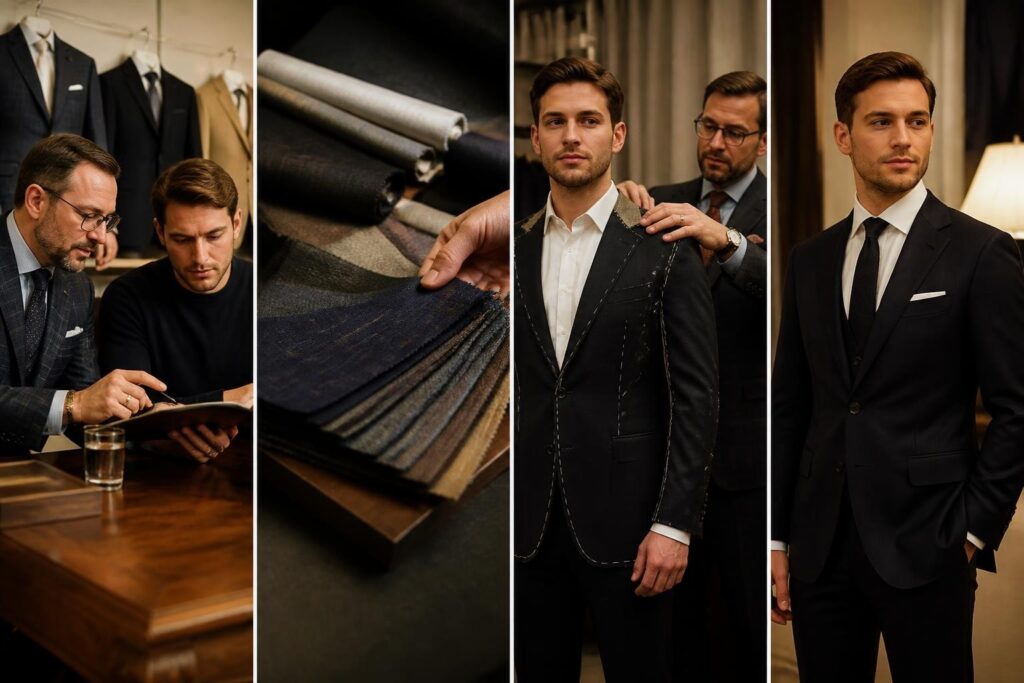
Your wedding day represents one of the most significant moments in your life, and what you wear should reflect the importance of the occasion. While ready-to-wear options line the racks of countless stores, tailored wedding suits offer something no off-the-rack garment can provide: a perfect fit designed specifically for your body, your style, and your celebration. The difference between a standard suit and one crafted by expert hands becomes immediately apparent the moment you see yourself in the mirror. With over three decades of experience in bespoke tailoring, we understand that creating the ideal wedding suit requires attention to detail, quality craftsmanship, and a deep understanding of what makes each groom unique.
Understanding the Tailored Wedding Suit Difference
The distinction between tailored wedding suits and their mass-produced counterparts extends far beyond price point. When you commission a bespoke suit, you're investing in a garment constructed around your exact measurements, accounting for every aspect of your physique. Standard suits are manufactured to fit an idealized body shape that rarely exists in reality, leading to compromises in fit around the shoulders, chest, waist, and inseam.
The Craftsmanship Behind Custom Wedding Attire
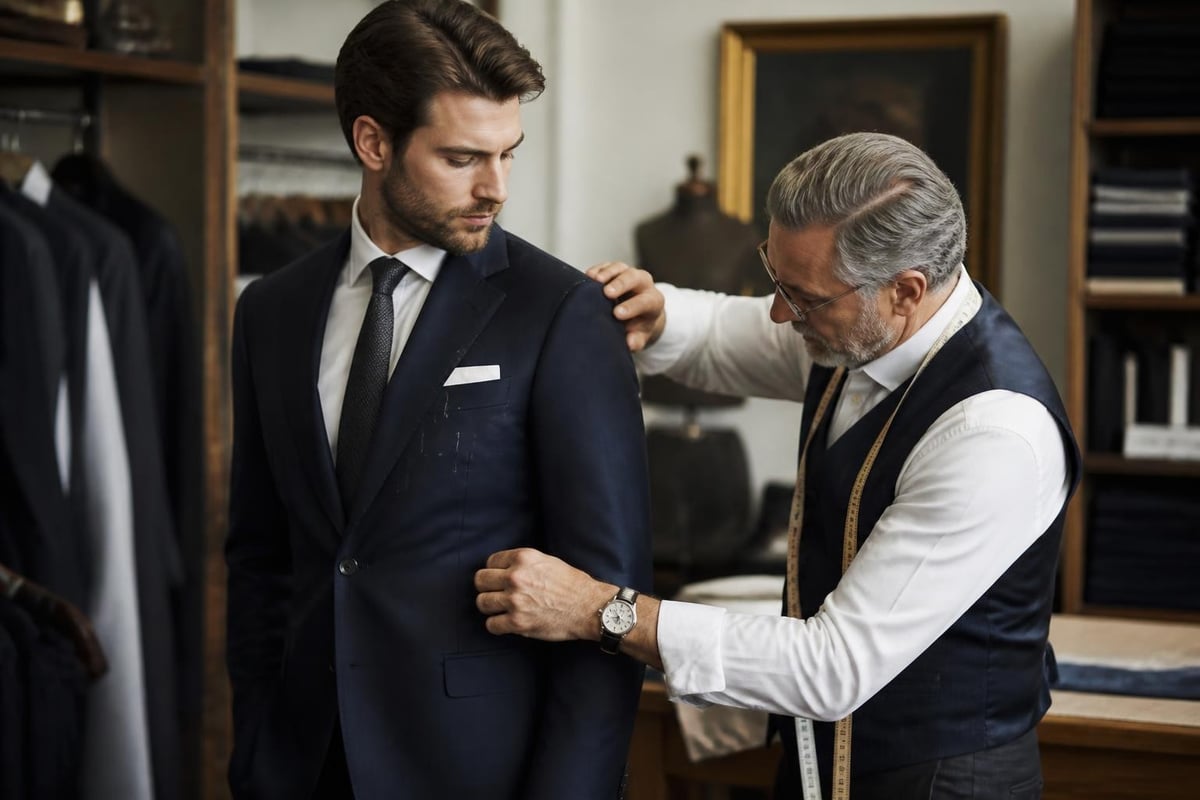
Every tailored wedding suit begins with a comprehensive consultation where your tailor assesses your body type, posture, and style preferences. This initial meeting sets the foundation for everything that follows. Your tailor takes dozens of precise measurements, noting not just the obvious dimensions but also subtle details like shoulder slope, arm positioning, and torso length.
The construction process involves multiple fittings to ensure perfection. According to Vogue’s expert guide on wedding suits, personalization and fit remain the cornerstone of exceptional wedding attire. Each fitting reveals how the fabric drapes, where adjustments are needed, and how the suit moves with your body.
| Aspect | Ready-to-Wear | Tailored Wedding Suits |
|---|---|---|
| Measurements | Standard sizing | Individual measurements |
| Sélection des tissus | Limited options | Extensive catalog |
| Adjustability | Minor alterations only | Complete customization |
| Construction Quality | Machine-made | Hand-finished details |
| Timeline | Immediate | 6-12 weeks |
| Longévité | 2-5 years | 10+ years with care |
Selecting the Perfect Fabric for Your Wedding
Fabric choice profoundly impacts the final appearance, comfort, and longevity of your suit. World-class fabrics from renowned mills offer superior drape, breathability, and durability compared to standard materials. Your wedding date, venue, and climate should all influence your fabric decision.
For summer weddings or tropical destinations like Krabi, lightweight wools and linen blends provide breathability while maintaining structure. Winter celebrations call for heavier weight wools that offer warmth without bulk. The fabric's weave pattern also matters significantly.
Popular Fabric Options for Wedding Suits
Wool Varieties:
- Super 100s to Super 150s wool for year-round wear
- Tropical weight wool for warm weather
- Flannel for autumn and winter weddings
- Wool-silk blends for added sheen and luxury
Alternative Materials:
- Linen for beach or casual weddings
- Cotton for summer garden celebrations
- Mohair blends for formal evening events
- Cashmere blends for ultimate luxury
The color and pattern you choose sets the tone for your entire wedding aesthetic. Navy and charcoal remain timeless choices that photograph beautifully and work across various wedding styles. Lighter tones like tan, light gray, or even cream suit daytime outdoor ceremonies perfectly.
Style Considerations for Modern Grooms
Commonwealth Proper’s wedding guide emphasizes how your suit should reflect your personality while honoring the occasion's formality. The style options for tailored wedding suits have expanded significantly in recent years, moving beyond traditional formats to embrace contemporary preferences.
Single-Breasted Versus Double-Breasted
Single-breasted suits with notch lapels remain the most versatile choice, appropriate for virtually any wedding style. They're comfortable, classic, and photograph exceptionally well. Double-breasted suits make a bold statement, conveying confidence and formality. They work particularly well for black-tie adjacent celebrations.
Key Style Elements to Consider:
- Lapel width (typically 3 to 4 inches for balanced proportions)
- Button stance (higher stances elongate the torso)
- Pocket style (flap pockets for traditional, patch for casual)
- Vent options (center vent, side vents, or no vent)
- Trouser style (pleated or flat front, cuffed or plain hem)
The Three-Piece Question
Adding a waistcoat transforms your look significantly. Three-piece wedding suits provide additional formality and visual interest, particularly for photographs where you'll remove your jacket. They also offer practical benefits, allowing you to stay comfortable while maintaining a polished appearance if temperatures rise.
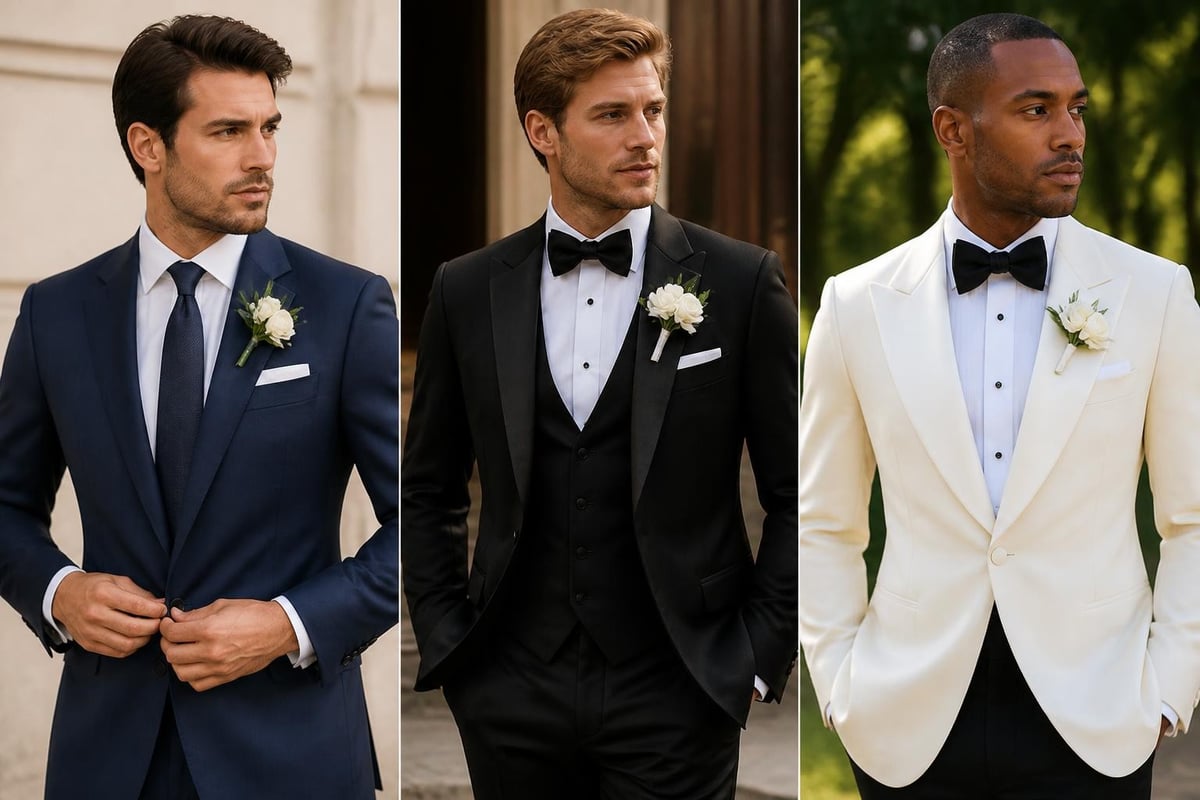
Waistcoats work especially well for:
- Traditional church ceremonies
- Formal evening receptions
- Grooms who want visual separation from groomsmen
- Adding color or pattern contrast to the ensemble
The Fitting Process Timeline
Understanding the timeline for creating tailored wedding suits prevents last-minute stress and ensures optimal results. Tailored Society recommends beginning the bespoke journey at least six months before your wedding date, though experienced tailors can sometimes accommodate shorter timeframes.
Standard Timeline Breakdown
- Initial Consultation (6 months out): Meet with your tailor, discuss vision, select fabrics, and take measurements
- First Fitting (4-5 months out): Try the basted suit, assess fit, make initial adjustments
- Second Fitting (3 months out): Review refinements, check proportions, finalize details
- Final Fitting (4-6 weeks out): Minor adjustments, ensure perfect fit
- Pickup (2 weeks before wedding): Collect finished suit, verify everything is perfect
Important Timeline Considerations:
- Holiday seasons may extend production times
- Destination weddings require earlier completion
- Weight fluctuations affect fit (maintain stable weight during the process)
- Fabric availability can impact scheduling
- Rush orders are possible but may incur additional fees
Coordinating Your Wedding Party
When you choose tailored wedding suits for yourself, you'll need to decide how your groomsmen's attire relates to your look. Creating visual cohesion without making everyone identical requires thoughtful planning.
| Coordination Approach | Description | Meilleur pour |
|---|---|---|
| Identical Suits | Everyone wears matching tailored suits | Small wedding parties, formal events |
| Groom Differentiation | Groom has unique details (fabric, vest, lapels) | Medium to large parties |
| Complementary Colors | Same style, different colors within palette | Creative, modern weddings |
| Mix and Match | Same color, different styles (2-piece vs 3-piece) | Casual, relaxed celebrations |
The expertise available at Alex’s Fashion extends to outfitting entire wedding parties, ensuring consistency in quality and style while accommodating individual preferences and body types.
Budget Considerations and Value
The investment in tailored wedding suits varies based on fabric selection, construction complexity, and detailing. Common questions about custom wedding suit pricing reveal that grooms typically invest between $800 and $3,000 for their wedding suit, with the average around $1,500.
What Influences Your Investment
Higher-End Factors:
- Luxury fabrics from prestigious mills
- Hand-stitched details throughout
- Complex patterns requiring precise matching
- Rush production timelines
- Multiple garments (additional trousers, waistcoats)
Value Optimization Strategies:
- Choose versatile colors and styles for post-wedding wear
- Consider fabric options at different price points
- Plan ahead to avoid rush fees
- Investir dans la qualité plutôt que dans la quantité
- Prioritize fit over embellishments
Remember that your tailored suit serves beyond the wedding day. Unlike bridesmaid dresses that rarely see second use, a well-crafted suit becomes a wardrobe staple for years. Interviews, formal events, and celebrations all provide opportunities to wear your investment again.
Customization Details That Matter
The beauty of tailored wedding suits lies in personalization options unavailable with ready-made garments. These details distinguish your suit as truly yours, reflecting personal style and creating meaningful touches.
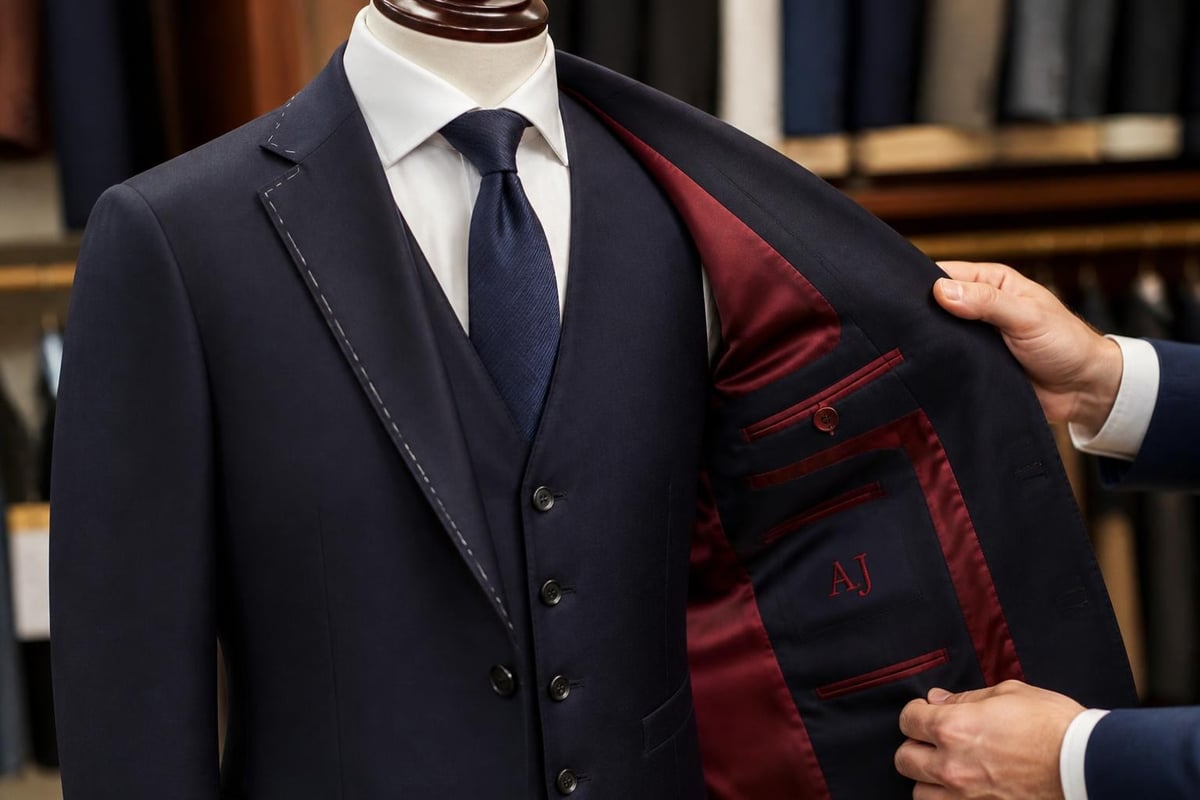
Interior Customization
- Lining Choices: Vibrant patterns, wedding date embroidery, or meaningful quotes
- Monogramming: Initials on the interior pocket, cuffs, or waistband
- Pocket Details: Functional ticket pockets, interior pockets for specific items
- Suspender Buttons: For traditionalists who prefer braces over belts
Exterior Personalization
- Button Selection: Horn, mother-of-pearl, or specialty materials
- Lapel Details: Contrasting buttonholes, custom width, unique shapes
- Contrast Stitching: Subtle or bold thread colors on edges
- Working Buttonholes: Functional sleeve buttons for authenticity
Bespoke Ensemble’s approach to wedding suits demonstrates how these details combine to create garments that tell your story while maintaining sophistication.
Caring for Your Tailored Wedding Suit
Your investment deserves proper maintenance to ensure it remains pristine for the wedding day and years beyond. Proper care begins before you even wear the suit and continues throughout its lifetime.
Pre-Wedding Care
Store your completed suit in a breathable garment bag, never plastic, in a cool, dry location. Hang it on proper suit hangers with wide shoulders to maintain shape. Avoid cramped closets where fabrics might wrinkle or develop creases.
Day-of Preparations:
- Steam the suit 24 hours before the wedding, allowing it to rest
- Check all buttons and ensure they're secure
- Verify pockets are empty and free of tissue paper
- Prepare a small emergency kit (needle, thread, stain remover)
Long-Term Maintenance
Professional cleaning should occur after the wedding, but avoid excessive dry cleaning that can damage fibers over time. Brush your suit after wearing to remove dust and debris. Address stains immediately with appropriate spot treatments.
Between wears, allow the suit to air out for at least 24 hours before returning it to the closet. Natural fibers need time to release moisture and recover their shape. For long-term storage, consider climate-controlled options that prevent moth damage and fabric deterioration.
Destination Wedding Considerations
For grooms marrying in tropical locations like Krabi or traveling internationally for their ceremony, tailored wedding suits require special planning. The climate, travel logistics, and local customs all influence decisions.
Fabric Selection for Tropical Climates
Lightweight fabrics become essential for comfort in warm, humid environments. Linen blends, tropical weight wools, and breathable cotton options prevent overheating while maintaining structure. The expertise found at bespoke tailoring establishments familiar with tropical climates proves invaluable for these selections.
Travel Tips for Tailored Suits:
- Invest in a quality garment bag designed for travel
- Carry your suit on the plane rather than checking it
- Arrive several days early to address any last-minute adjustments
- Research local tailoring services for emergency repairs
- Consider shipping the suit ahead to your destination
Modern Trends in Wedding Suits
The landscape of men's wedding fashion continues evolving, with contemporary approaches to custom wedding attire embracing both classic elements and fresh perspectives. Understanding current trends helps you create a look that feels both timely and timeless.
Color Evolution
While navy and charcoal remain popular, 2026 has seen increased interest in warmer tones. Sage green, dusty blue, and terracotta have emerged as sophisticated alternatives for spring and summer weddings. These colors photograph beautifully in natural light and complement popular wedding palettes.
Texture and Pattern
Subtle textures like herringbone, birdseye, and micro-patterns add visual interest without overwhelming. These details create depth in photographs and distinguish your suit from basic solid fabrics. For the adventurous, windowpane checks or subtle plaids make bold statements while remaining appropriate for formal occasions.
Current Style Preferences:
- Slightly shorter jacket lengths for modern proportions
- Higher trouser rises for comfort and classic styling
- Slimmer (but not skinny) silhouettes with room to move
- Peak lapels gaining popularity for added formality
- Textured fabrics over plain weaves
International Quality Standards
The craftsmanship behind exceptional tailored wedding suits draws from centuries of tradition while incorporating modern techniques. Understanding these quality markers helps you evaluate your tailor's work and appreciate the artistry involved.
Construction Techniques
Half-canvas and full-canvas construction separate superior suits from fused alternatives. Canvas provides structure while allowing the fabric to mold to your body over time, creating an increasingly personalized fit. Hand-stitching at stress points ensures durability, while machine work expedites less critical seams.
| Construction Element | Quality Indicator | Pourquoi c'est important |
|---|---|---|
| Canvas | Half or full floating canvas | Shapes to body, improves drape |
| Stitching | Hand-sewn lapels and buttonholes | Durability and flexibility |
| Lining | Bemberg or silk | Breathability and longevity |
| Buttons | Horn or mother-of-pearl | Appearance and durability |
| Seams | Clean finishing, proper allowances | Alteration potential, strength |
The world-class fabrics available through established tailoring houses ensure your suit maintains its appearance through countless wears. These materials resist wrinkles better, hold their color longer, and provide superior comfort compared to lesser quality alternatives.
Accessorizing Your Tailored Suit
Your suit provides the foundation, but accessories complete the look. The choices you make regarding ties, pocket squares, shoes, and other details should complement rather than compete with your carefully crafted tailored wedding suit.
Essential Accessories
Neckwear Options:
- Traditional silk ties in complementary colors
- Bow ties for formal black-tie adjacent events
- Knit ties for textural interest
- Going without a tie for casual celebrations
Footwear Coordination:
- Oxford shoes for maximum formality
- Derby shoes for versatility
- Loafers for beach or casual weddings
- Monk straps for contemporary style
Pocket squares add personality and color without overwhelming your look. The fold style and fabric create different effects, from the crisp presidential fold to the more relaxed puff. Coordinate but don't match your pocket square to your tie, creating harmony without appearing overly coordinated.
Regional Considerations for Thailand Weddings
For couples celebrating in Thailand, particularly in beautiful locations like Ao Nang, understanding how local climate and culture influence tailored wedding suits enhances both comfort and appropriateness. The tropical environment requires specific fabric and style choices.
Climate-Appropriate Styling
Thailand's warm temperatures and high humidity demand breathable fabrics and relaxed fits. Lightweight linen blends, cotton, and tropical weight wools perform exceptionally in these conditions. Consider lighter colors that reflect rather than absorb heat, particularly for daytime ceremonies.
The detailed resources available through Alex’s Fashion’s comprehensive services demonstrate deep understanding of creating elegant tailored wedding suits that function beautifully in tropical environments. Three decades of experience in Krabi provides insight into what works best for beach ceremonies, garden receptions, and resort celebrations.
Thailand-Specific Recommendations:
- Light colors for daytime (cream, light gray, tan)
- Breathable linings to prevent overheating
- Shorter jacket lengths for reduced fabric weight
- Unstructured or partially structured shoulders
- Natural fibers over synthetics
Choosing tailored wedding suits represents an investment in quality, fit, and lasting memories captured in every photograph. The perfect suit enhances your confidence, ensures comfort throughout your celebration, and creates an heirloom piece you'll treasure for decades. With over 30 years of expertise in bespoke tailoring, Alex’s Fashion combines traditional craftsmanship with modern techniques to create wedding suits that exceed expectations. Whether you're planning an intimate beach ceremony in Ao Nang or a grand celebration, our team ensures your suit reflects your style, fits perfectly, and stands the test of time.