
 FR
FR  EN
EN  DE
DE  TH
TH 
The art of bespoke clothing creation requires a unique blend of technical expertise, artistic vision, and customer understanding. A tailoring designer stands at the intersection of traditional craftsmanship and contemporary fashion, translating individual preferences into perfectly fitted garments. Whether crafting a business suit for a professional presentation or an elegant dress for a special occasion, these skilled artisans combine decades of experience with modern techniques to deliver clothing that reflects personal style while ensuring exceptional comfort and durability. In tropical destinations like Ao Nang, Krabi, the role becomes even more nuanced, as designers must balance style preferences with climate considerations and fabric choices.
Understanding the Role of a Tailoring Designer
A tailoring designer performs far more than simple alterations or standard measurements. This professional serves as a style consultant, technical expert, and creative collaborator throughout the garment creation process. The relationship begins with understanding the client's lifestyle, preferences, and specific needs for the garment.
Core Responsibilities and Skills
The modern tailoring designer must master multiple disciplines simultaneously. Technical measurement skills ensure precise fit, while fabric knowledge guides appropriate material selection for different climates and occasions. Pattern making requires mathematical precision and spatial reasoning, transforming two-dimensional fabric into three-dimensional wearable art.
Essential competencies include:
- Advanced measurement techniques for different body types
- Comprehensive fabric knowledge spanning natural and synthetic materials
- Pattern drafting and modification expertise
- Understanding of garment construction methods
- Color theory and style coordination
- Customer communication and consultation skills
Beyond technical abilities, successful tailoring designers develop an intuitive sense for proportion and balance. They recognize how different fabrics drape on various body types and can visualize the finished garment before the first cut is made.
The Consultation Process
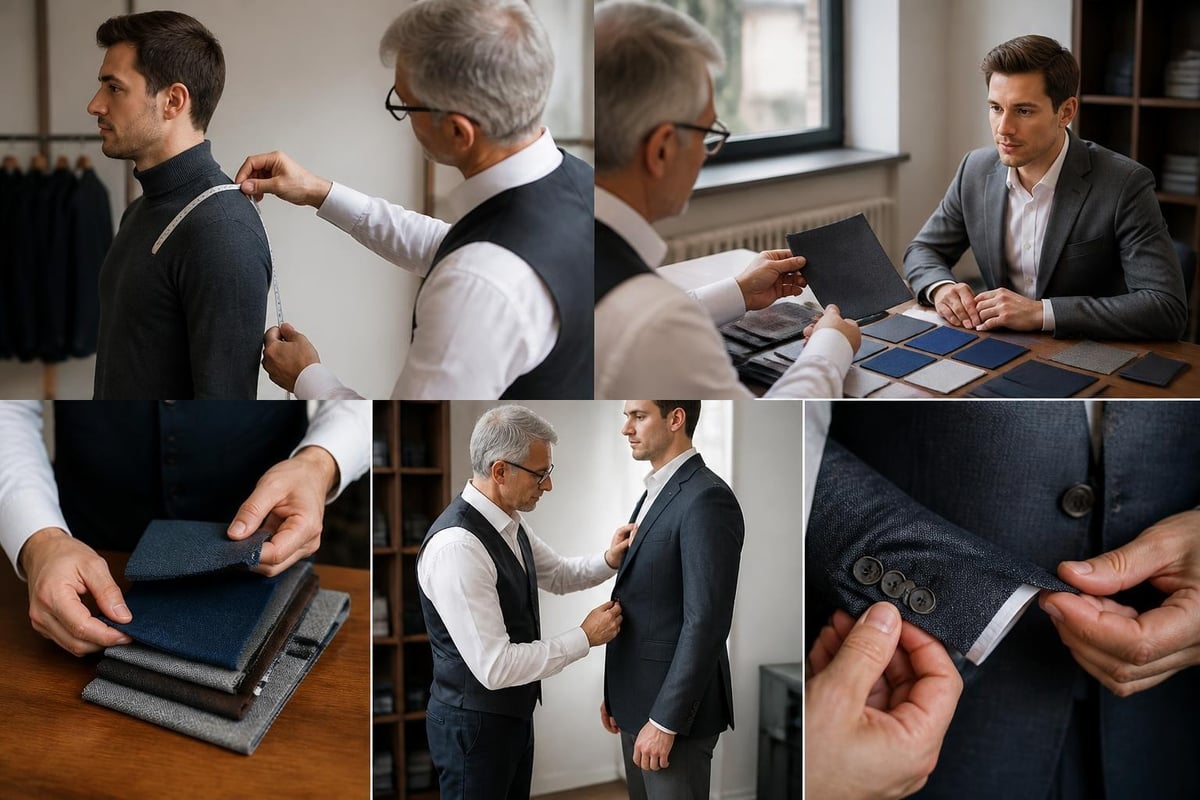
The initial consultation distinguishes exceptional tailoring designers from average practitioners. During this critical phase, the designer asks targeted questions about garment usage, preferred fit, style inspirations, and budget parameters. A skilled professional observes posture, body proportions, and movement patterns to anticipate fitting challenges.
Climate considerations play a significant role, particularly in tropical environments. Designers must recommend breathable fabrics and construction techniques that maintain professional appearance while ensuring comfort in humid conditions. This expertise proves invaluable for clients seeking business attire suitable for Thailand's climate.
Fabric Selection and Quality Considerations
The relationship between a tailoring designer and fabric suppliers defines garment quality. Experienced professionals maintain relationships with reputable mills worldwide, accessing materials that combine durability, appearance, and appropriate weight for different applications.
| Type de tissu | Best Applications | Climate Suitability | Exigences en matière de soins |
|---|---|---|---|
| Tropical Wool | Business suits, formal wear | Excellent for warm climates | Dry clean recommended |
| Lin | Casual suits, summer jackets | Superior breathability | Requires pressing |
| Cotton Blends | Shirts, casual trousers | Good year-round | Lavable en machine |
| Soie | Formal shirts, evening wear | Modéré | Gentle cleaning |
Sourcing World-Class Materials
Professional tailoring designers recognize that fabric quality directly impacts garment longevity and appearance. They educate clients on thread counts, weave patterns, and fiber characteristics. This knowledge helps customers make informed decisions aligned with their needs and budget.
The evolution of modern tailoring has introduced sustainable fabric options without compromising quality. Designers now incorporate eco-friendly materials that maintain the luxury feel expected in bespoke garments while addressing environmental concerns.
Natural fibers generally provide superior comfort in tropical climates. A tailoring designer might recommend lightweight wool blends for suits, as these materials resist wrinkles while allowing air circulation. For shirts, high-thread-count cotton provides professional appearance with practical washability.
Technical Expertise in Pattern Making
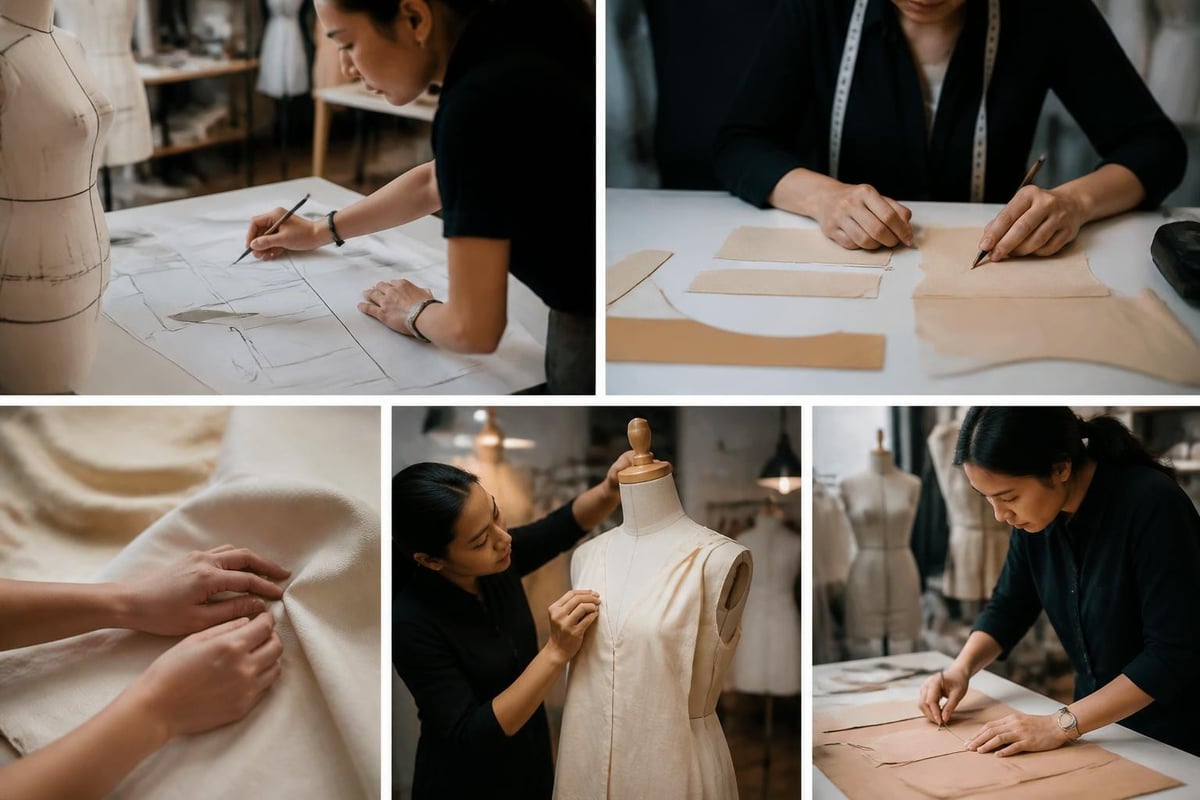
Pattern creation represents the technical foundation of bespoke tailoring. Unlike ready-to-wear clothing produced from standard patterns, custom garments require individual pattern development based on precise measurements and style specifications.
Measurement Precision
A tailoring designer takes numerous measurements beyond basic chest, waist, and inseam dimensions. Shoulder slope, back length, arm pitch, and dozens of other data points ensure the finished garment moves naturally with the wearer's body. These measurements account for posture variations, asymmetries, and personal preferences regarding fit tightness.
Critical measurement areas include:
- Shoulder width and slope angle
- Chest expansion for movement allowance
- Waist position and natural curve
- Hip measurement at fullest point
- Sleeve length including arm bend
- Rise measurement for trouser comfort
- Neck circumference and collar preference
Experienced professionals understand that measurements represent starting points rather than final specifications. They incorporate ease allowances appropriate to fabric type and garment style, ensuring comfort without sacrificing the fitted appearance that defines quality tailoring.
Style Guidance and Contemporary Trends
While respecting traditional tailoring principles, modern tailoring designers stay current with fashion trends and adapt techniques accordingly. The resurgence of classic tailoring demonstrates renewed appreciation for structured, well-fitted garments across demographics.
Balancing Timeless and Trending
Skilled designers guide clients toward choices that provide longevity while incorporating contemporary details. A classic suit silhouette might feature modern lapel width or current button stance. This approach ensures garments remain stylish beyond a single season while reflecting personal taste.
Recent developments highlight sharp tailoring and structural elements gaining prominence in fashion capitals. However, a tailoring designer adapts these trends to individual client needs rather than forcing unsuitable styles. Someone seeking business attire requires different guidance than a client planning wardrobes for social events.
The growing interest from younger generations in personalized clothing creates opportunities for designers to educate new customers about bespoke benefits. These clients often seek unique pieces that express individuality while appreciating the craftsmanship narrative.
Regional Style Considerations
Location influences style recommendations significantly. In tropical destinations, a tailoring designer must balance international business standards with practical comfort. Lighter fabrics, strategic lining choices, and construction techniques that promote ventilation become essential considerations.
Cultural awareness also shapes recommendations. Designers working with international clientele understand different style preferences and professional dress codes across cultures, ensuring garments meet expectations in various contexts.
The Fitting Process and Adjustments
Multiple fittings distinguish bespoke tailoring from off-the-rack purchases. A tailoring designer schedules progressive fittings that refine the garment at different construction stages, addressing issues before they become irreversible.
First Fitting: The Foundation
Initial fittings typically occur with garments partially constructed, allowing major adjustments to pattern and structure. The designer evaluates:
- Overall proportion and silhouette
- Shoulder fit and collar position
- Sleeve length and armhole comfort
- Body length and waist suppression
- Balance and drape
This fitting reveals how fabric behaves on the specific body, showing areas requiring modification. The tailoring designer marks adjustments directly on the garment, noting changes for pattern revision.
Subsequent Fittings and Refinement
Second and sometimes third fittings address progressively smaller details. Button placement, hem length, and minor comfort adjustments occur at these stages. The designer ensures the client can move naturally, sit comfortably, and achieve desired appearance from all angles.
Final fitting checklist:
| Element | Verification Point |
|---|---|
| Collar | Sits smoothly without gaping |
| Épaules | Natural slope without dimples |
| Chest | Adequate room without excess fabric |
| Taille | Defines shape without pulling |
| Sleeves | Proper length with arm movement |
| Trousers | Comfortable rise and leg drape |
This iterative process demonstrates the value proposition of bespoke tailoring. Each adjustment brings the garment closer to perfection, creating clothing that feels custom-made rather than merely altered.
Building Long-Term Client Relationships
Successful tailoring designers cultivate lasting relationships with clients, developing comprehensive understanding of preferences, body changes, and wardrobe needs over time. This continuity improves efficiency and results while building trust.
Record Keeping and Pattern Libraries
Professional operations maintain detailed client records including measurements, fabric preferences, style choices, and adjustment notes. This documentation allows the tailoring designer to recreate successful garments or suggest variations based on established preferences.
Pattern libraries specific to individual clients enable faster production for repeat orders. If a client returns for additional shirts in a proven style, the designer references existing patterns rather than starting from scratch, reducing time and ensuring consistency.
Wardrobe Planning Services
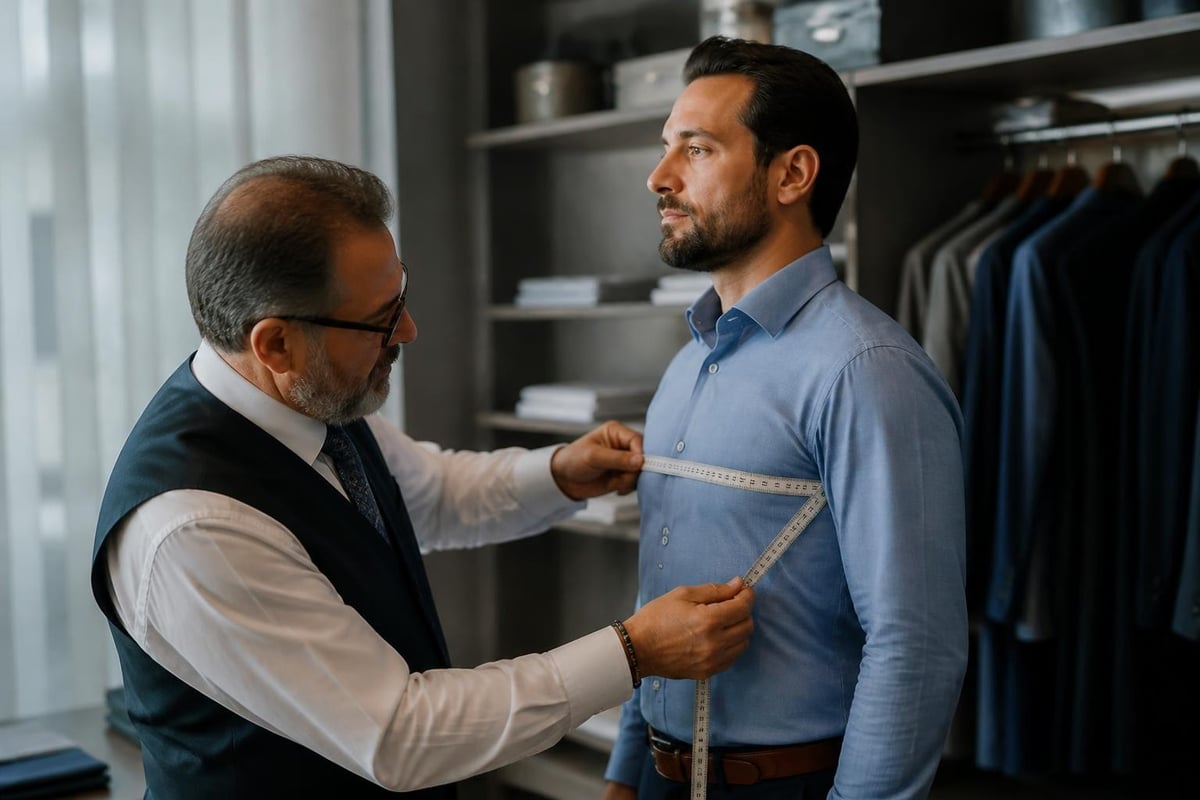
Advanced tailoring designers offer comprehensive wardrobe consultation, helping clients build versatile, coordinated clothing collections. This service proves particularly valuable for professionals relocating to different climates or transitioning career stages requiring new dress codes.
The designer might recommend foundation pieces that coordinate with multiple items, maximizing wardrobe versatility while minimizing redundancy. This strategic approach delivers better value than random garment purchases.
Technology Integration in Modern Tailoring
Contemporary tailoring designers increasingly incorporate technology while maintaining traditional craftsmanship. Digital tools enhance precision and efficiency without replacing the human expertise that defines bespoke quality.
Digital Measurement and Visualization
Some establishments use 3D body scanning for initial measurements, capturing data points beyond manual measurement capabilities. However, experienced tailoring designers recognize technology as a tool rather than replacement for trained observation and tactile fabric assessment.
Digital pattern making software allows rapid adjustments and accurate scaling. These systems maintain measurement databases and generate patterns faster than manual drafting, though skilled professionals still oversee final pattern approval.
Communication and Client Management
Technology facilitates improved client communication through appointment scheduling, progress updates, and style inspiration sharing. Clients can review fabric samples photographically before visiting, streamlining selection during consultations.
The tailor-made suits market continues evolving with digital innovations enhancing customer experiences while preserving craft traditions. Forward-thinking designers embrace helpful technologies while maintaining the personal touch that distinguishes bespoke service.
Training and Professional Development
Becoming an accomplished tailoring designer requires years of dedicated study and practice. Traditional apprenticeship models remain valuable, though formal education programs increasingly complement hands-on training.
Skill Acquisition Path
Aspiring professionals typically begin with basic sewing techniques before progressing to pattern making, fitting, and design elements. Understanding garment construction from foundation to finish ensures designers recognize how modifications impact overall integrity.
Progressive learning stages:
- Basic hand-sewing and machine operation techniques
- Fabric identification and handling methods
- Fundamental pattern drafting principles
- Garment construction sequencing
- Advanced fitting and alteration strategies
- Style consultation and customer communication
- Business management and client relationship skills
Experienced tailoring designers continue learning throughout careers, studying new fabrics, updating style knowledge, and refining techniques. The craft evolves continuously, requiring commitment to ongoing professional development.
Mentorship and Knowledge Transfer
The relationship between master tailors and developing designers preserves specialized knowledge while allowing innovation. Senior professionals share insights gained through decades of practice, teaching subtle techniques not captured in textbooks.
This mentorship tradition ensures quality standards maintain consistency across generations while allowing each tailoring designer to develop personal style and approach within established frameworks.
Specialty Garments and Occasions
While everyday business attire forms the foundation of many tailoring practices, specialty garments demonstrate designer versatility and technical mastery. Wedding attire, formal evening wear, and ceremonial clothing require additional expertise and attention to detail.
Wedding and Formal Wear
Creating wedding suits or formal dresses demands understanding of special occasion requirements. Fabrics must photograph well, withstand extended wear during lengthy events, and create desired impressions. A tailoring designer guides clients through these considerations while managing emotional significance attached to these garments.
Timing becomes critical for wedding projects. Designers schedule multiple fittings around client availability while ensuring completion before event dates. Buffer time accommodates unexpected adjustments or last-minute changes.
Children's Custom Clothing
Tailoring for children presents unique challenges including rapid growth, active movement requirements, and often-limited cooperation during fittings. Skilled tailoring designers create attractive, durable garments with strategic sizing that accommodates several months of growth without appearing oversized initially.
Parents appreciate quality children's clothing for special events, family portraits, or cultural ceremonies. The designer balances style preferences with practical considerations like washability and comfort for young wearers.
Cultural Significance and Heritage
Bespoke tailoring represents more than commercial service; it embodies cultural heritage and craftsmanship preservation. The Met Gala’s 2025 theme highlighting tailoring's cultural significance demonstrates how custom clothing intersects with identity, history, and artistic expression.
Preserving Traditional Techniques
A tailoring designer serves as guardian of techniques refined over centuries. Hand-stitched buttonholes, canvas chest pieces, and other traditional construction methods distinguish bespoke garments from mass-produced alternatives. These elements require significantly more time but deliver superior quality and longevity.
Modern designers face decisions about which traditions to maintain versus contemporary methods that improve efficiency. The best practitioners selectively embrace innovation while preserving techniques that genuinely enhance garment quality.
Adapting Heritage to Contemporary Context
Understanding fashion history informs current practice without constraining innovation. A tailoring designer might reference classic menswear proportions when creating women's suits or adapt traditional construction for modern performance fabrics. This blend of heritage and innovation keeps bespoke tailoring relevant across generations.
The long-term vision demonstrated by leading fashion houses shows how respecting heritage while embracing modernity creates enduring value. This philosophy applies equally to independent tailoring designers building sustainable practices.
Business Considerations for Tailoring Designers
Operating a successful bespoke tailoring business requires balancing artistic vision with practical business management. Pricing strategies must reflect true garment value while remaining accessible to target markets. Quality materials, skilled labor, and time investment demand appropriate compensation.
Pricing Bespoke Services
Determining fair pricing challenges many tailoring designers. Underpricing devalues craftsmanship and creates unsustainable business models. However, excessive pricing limits accessibility and market size. Transparent pricing that itemizes materials, labor, and expertise helps clients understand value proposition.
Different garment types require different pricing structures. Simple shirts demand less time than multi-piece suits. Complex designs, extensive customization, or rush timelines justify premium pricing. Clear communication about pricing factors prevents misunderstandings and builds trust.
Marketing and Client Acquisition
Despite providing superior products, tailoring designers must actively market services. Word-of-mouth referrals remain valuable but require supplementation with digital presence and strategic networking. Quality photography showcasing finished garments demonstrates capabilities to prospective clients.
Local engagement builds community presence. Participating in business events, partnering with complementary services like luxury hotels, and maintaining visibility in target markets creates opportunities for Alex’s Fashion and similar establishments.
The accessibility of quality tailoring expands market potential beyond ultra-luxury segments. Designers offering multiple service tiers can serve diverse clientele while maintaining quality standards across price points.
The tailoring designer profession combines artistic sensitivity, technical precision, and customer service excellence to create garments that elevate personal style and confidence. As fashion trends continue emphasizing personalization and quality craftsmanship, the value of bespoke tailoring grows across demographics. Whether you're seeking a perfectly fitted business suit for tropical climates, custom wedding attire, or a versatile wardrobe built on quality foundations, Alex’s Fashion brings over 30 years of tailoring expertise to every garment, ensuring your clothing reflects your individual style while delivering exceptional fit and lasting quality.