
 FR
FR  EN
EN  DE
DE  TH
TH 
The intersection of fashion design and traditional tailoring represents one of the most refined skills in the apparel industry. A fashion designer tailor combines artistic vision with technical expertise to create garments that transcend ordinary clothing, delivering pieces that reflect individual style while maintaining impeccable construction standards. This unique blend of creativity and precision craftsmanship has become increasingly valuable as consumers seek personalized alternatives to mass-produced fashion.
Understanding the Fashion Designer Tailor Role
A fashion designer tailor occupies a specialized position in the clothing industry, merging two distinct skill sets into one comprehensive service. Unlike designers who create concepts for mass production or tailors who work exclusively from existing patterns, these professionals design original garments and execute them with meticulous attention to construction details.
The expertise required encompasses multiple disciplines. Pattern making forms the foundation, requiring spatial reasoning and mathematical precision to translate two-dimensional drawings into three-dimensional garments. Fabric knowledge extends beyond simple texture preferences to understanding drape, weight, stretch recovery, and how different materials respond to various construction techniques. The growing demand for skilled tailors reflects the industry's need for professionals who master these combined competencies.
Technical Skills That Define Excellence
Mastery of garment construction separates exceptional fashion designer tailors from average practitioners. This encompasses:
- Hand-sewing techniques including pad stitching, fell stitching, and blind hemming
- Pattern drafting from measurements without relying on commercial templates
- Fabric manipulation methods such as darting, pleating, and gathering
- Pressing techniques that shape fabric into curves and structured forms
- Fitting adjustments that address individual body characteristics
Each skill requires years of practice to perfect. Hand-sewing alone involves dozens of stitch variations, each serving specific purposes in garment construction. The ability to evaluate fabric behavior before cutting determines whether a design will succeed or fail in execution.
The Bespoke Process in Fashion Design Tailoring
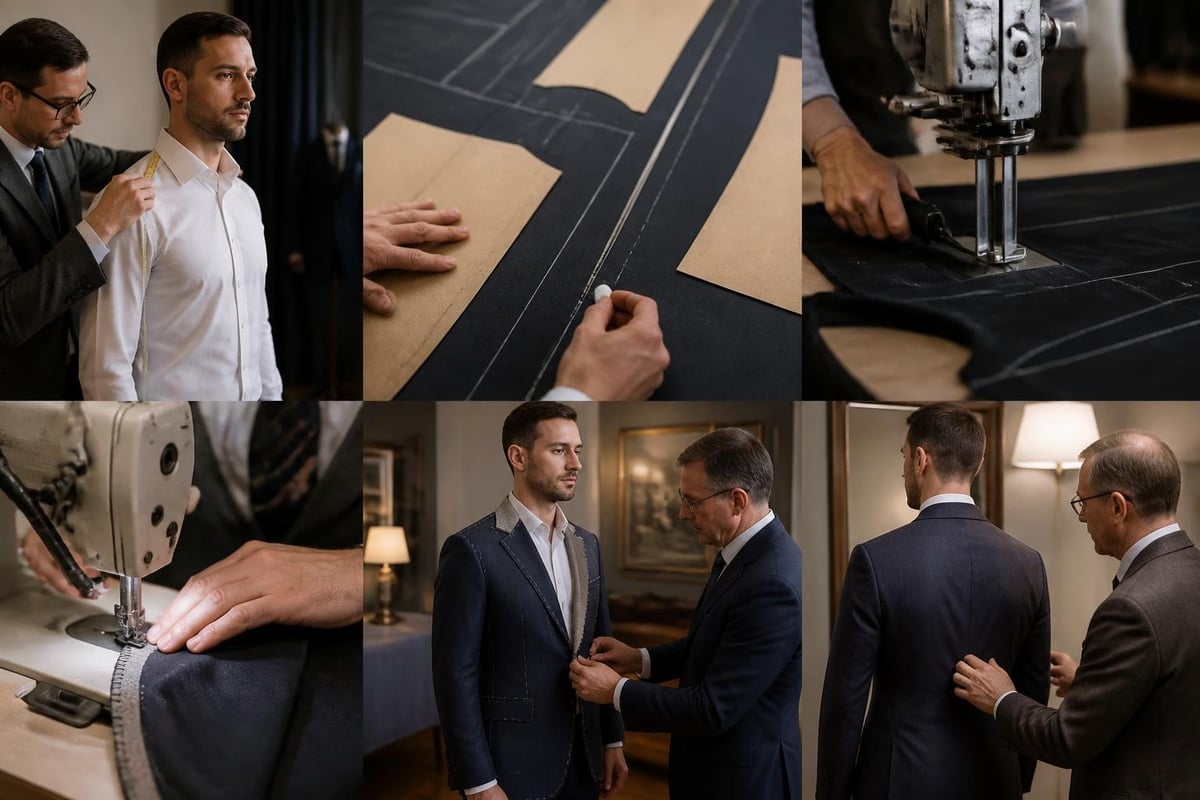
Creating custom garments follows a systematic approach that balances creativity with precision. The process begins with comprehensive client consultations that explore style preferences, lifestyle requirements, and specific fit concerns. This conversation informs every subsequent decision, from fabric selection to construction methods.
Initial Consultation and Design Development
Understanding client needs extends beyond simple measurements. A skilled fashion designer tailor investigates how garments will be worn, what occasions they'll serve, and which existing wardrobe pieces they'll complement. Climate considerations matter significantly, especially in tropical locations where breathability and moisture management become essential fabric characteristics.
Design development translates these requirements into tangible concepts. Sketches communicate proposed silhouettes, detail placements, and proportions. Fabric swatches demonstrate color relationships and texture combinations. This collaborative phase ensures alignment between designer vision and client expectations before any cutting begins.
| Consultation Element | Purpose | Time Investment |
|---|---|---|
| Measurement Taking | Capture precise body dimensions | 30-45 minutes |
| Style Discussion | Identify preferences and requirements | 20-30 minutes |
| Sélection des tissus | Choose appropriate materials | 30-60 minutes |
| Design Finalization | Confirm all details and specifications | 15-20 minutes |
Pattern Creation and First Fitting
Pattern development represents the most technically demanding phase. A fashion designer tailor drafts patterns based on individual measurements, incorporating ease allowances that permit comfortable movement while maintaining desired silhouettes. This requires understanding how different body areas require different ease amounts-shoulders need minimal ease for structure, while elbow areas need sufficient room for bending.
The first fitting reveals how theoretical patterns perform on actual bodies. Fabric behavior often differs from predictions, particularly with unconventional materials or complex designs. Adjustments address issues like:
- Sleeve pitch alignment with natural arm hang
- Shoulder seam placement relative to bone structure
- Waist suppression that flatters without constraining
- Length proportions that balance overall silhouette
These modifications demonstrate why bespoke tailoring surpasses made-to-measure services. Each adjustment responds to unique characteristics rather than forcing bodies into predetermined size categories.
Fabric Selection and Material Expertise
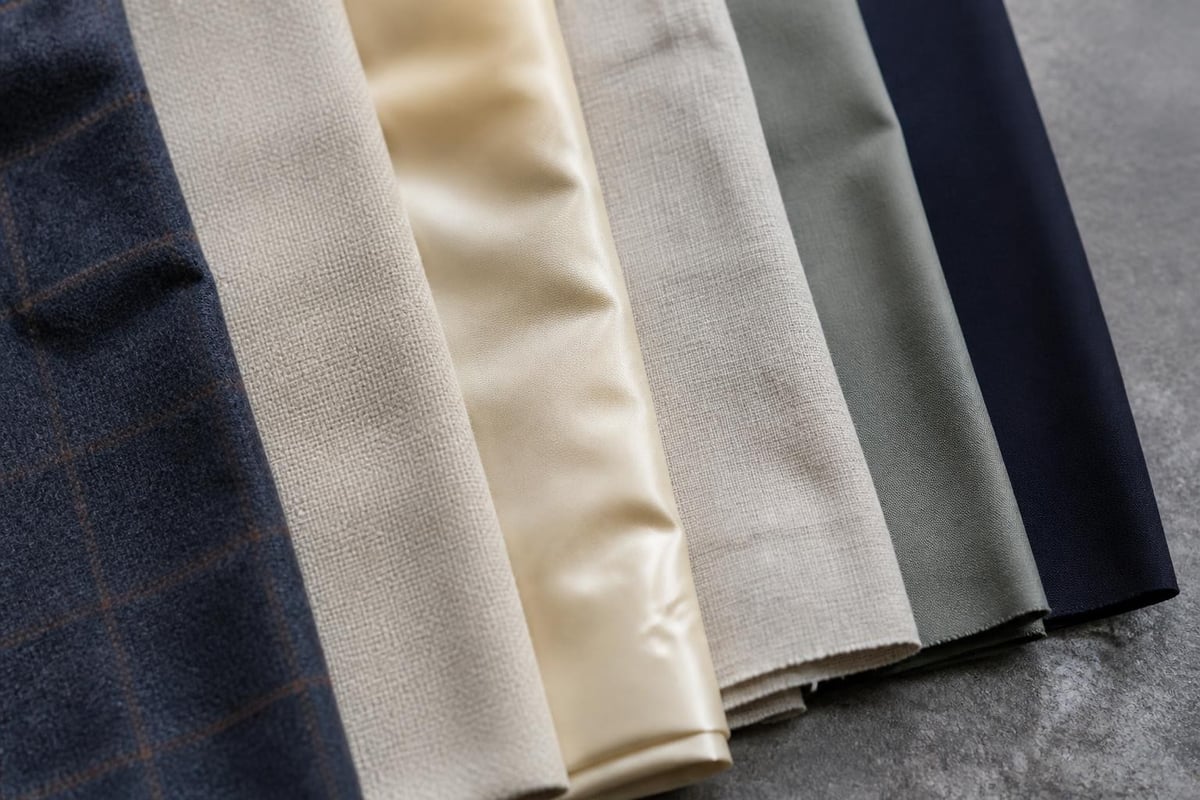
Material knowledge distinguishes competent fashion designer tailors from exceptional ones. Fabric selection influences everything from construction methods to garment longevity. Natural fibers like wool, cotton, silk, and linen each possess distinct characteristics that determine their suitability for specific applications.
Understanding Fabric Properties
Wool's resilience makes it ideal for structured garments because it holds shapes created through pressing and steam. Different wool weights serve different purposes-tropical weights around 240-280 grams provide comfort in warm climates, while heavier flannels suit cooler environments. The fiber's natural elasticity allows garments to conform to body movements before returning to original shapes.
Cotton breathability makes it essential for warm-weather garments, though its tendency to wrinkle requires consideration in style selection. Blends combining cotton with synthetic fibers reduce wrinkling while maintaining breathability, creating practical options for travel clothing. Silk adds luxury through its distinctive hand and luster, though its delicate nature requires careful construction techniques.
Contemporary fashion designer tailors increasingly incorporate technical fabrics that offer performance benefits. Moisture-wicking materials, stretch fabrics with recovery, and treated textiles that resist staining expand creative possibilities while addressing practical concerns.
Construction Techniques in Bespoke Tailoring
The construction methods employed by a fashion designer tailor determine garment quality and longevity. Hand-tailoring techniques, though time-intensive, create superior results compared to industrial sewing methods. Canvas interfacing shaped through pad stitching provides structure that molds to body contours over time, creating increasingly personalized fit through wear.
Traditional vs. Modern Approaches
Traditional tailoring emphasizes hand-sewing for critical structural elements while using machines for long seams. This hybrid approach balances efficiency with quality, reserving hand work for areas where it provides distinct advantages. Lapels receive pad stitching to create permanent roll lines. Buttonholes are hand-sewn for durability and refined appearance. Hems are blind-stitched to remain invisible from garment exteriors.
Modern innovations complement traditional methods rather than replacing them. Fusible interfacings offer consistency in casual garments where full canvas construction would be excessive. Computer-aided design tools streamline pattern modifications. However, the fundamental principles governing fit and construction remain constant, much like how historic tailors continue appealing to new generations through timeless craftsmanship.
| Construction Method | Best Application | Durability | Cost Factor |
|---|---|---|---|
| Full Canvas | Suits, blazers, formal wear | Excellent | Haut |
| Half Canvas | Sport coats, casual jackets | Very Good | Medium |
| Fused | Casual separates, lightweight pieces | Good | Faible |
| Unstructured | Shirts, casual wear, summer pieces | Variable | Medium |
Developing Personal Style Through Custom Design
A fashion designer tailor serves as both technical expert and style consultant. This dual role helps clients develop cohesive wardrobes that express individual aesthetics while flattering their specific body types. Style guidance extends beyond trend following to cultivate timeless elegance that transcends seasonal fluctuations.
Body Type Considerations
Understanding how different silhouettes interact with various body proportions enables tailors to recommend flattering options. High-waisted trousers elongate shorter legs. Strategic shoulder padding balances broader hip measurements. Vertical design elements create height illusions. These principles apply regardless of current fashion trends, providing enduring value.
Color consultation considers skin undertones, hair color, and eye color to identify palettes that enhance natural coloring. Fabric patterns require scale considerations-larger individuals can wear bolder patterns while smaller frames suit subtler designs. Texture mixing adds visual interest without relying on color contrast, creating sophisticated monochromatic combinations.
The expertise offered by businesses like Alex’s Fashion demonstrates how experienced professionals guide clients through these complex decisions, ensuring final garments align with both aesthetic preferences and practical requirements.
Quality Indicators in Bespoke Tailoring
Discerning quality in custom garments requires understanding specific construction details and finishing standards. These indicators separate exceptional work from adequate execution, justifying premium pricing for superior craftsmanship.
Visible Quality Markers
Pattern matching at seams demonstrates careful cutting and construction planning. Stripes and plaids should align perfectly across closures and at major seam intersections. This requires additional fabric and meticulous planning but creates visual harmony that elevates finished garments.
Button placement follows proportional spacing rules rather than arbitrary measurements. Functional buttonholes show clean, tight stitching without loose threads or irregular spacing. Hand-sewn buttonholes display consistent stitch density and precise corners that machine work cannot replicate.
Lining installation reveals construction philosophy. Properly installed linings hang independently from outer fabrics, preventing pulling or distortion. Hem allowances maintain consistency around entire garment circumferences. These details remain invisible during wear but indicate overall construction standards.
- Stitches per inch consistency throughout garment
- Seam allowances finished to prevent fraying
- Pressing that creates crisp edges without shine marks
- Interfacing that remains invisible from exterior
- Buttonhole sizing appropriate for button dimensions
The Business of Fashion Design Tailoring
Operating successfully as a fashion designer tailor requires business acumen alongside technical skills. Pricing strategies must reflect labor investment while remaining competitive within target markets. Client relationship management ensures repeat business and referral generation. Inventory management balances fabric selection breadth against capital requirements.
Building a Sustainable Client Base
Exceptional service creates loyal clients who return for multiple garments and refer friends and family. This relationship-building begins with initial consultations and extends through after-sales support. Offering minor alterations or adjustments demonstrates commitment to long-term satisfaction rather than transactional interactions.
Marketing for bespoke tailoring differs from mass-market fashion promotion. Word-of-mouth referrals provide the most valuable leads, as satisfied clients enthusiastically recommend skilled tailors to their networks. Digital presence supports discovery, with portfolio images showcasing work quality and range. Location considerations matter significantly-tourist destinations offer opportunities to serve international clients seeking unique souvenirs that transcend typical vacation purchases.
Educational content establishes expertise and helps potential clients understand bespoke value propositions. Explaining construction processes, fabric differences, and fit principles builds appreciation for craftsmanship that justifies premium pricing.

Trends Shaping Modern Bespoke Tailoring
The fashion designer tailor profession continues evolving as technology and changing consumer preferences reshape industry dynamics. Sustainability concerns drive interest in made-to-order production that eliminates waste inherent in mass manufacturing. Clients increasingly value transparency regarding material sourcing and production conditions.
Technology Integration
Digital tools enhance traditional processes without replacing core skills. 3D body scanning captures measurements with exceptional precision, though experienced tailors still verify results through manual measurement. Computer-aided pattern drafting accelerates modifications while maintaining accuracy. These technologies reduce time investment in repetitive tasks, allowing tailors to focus on creative and technical aspects that machines cannot replicate.
Research into AI-driven fashion design systems demonstrates how technology assists creative processes, though human judgment remains essential for interpreting individual client needs and preferences. The balance between technological efficiency and handcrafted quality defines contemporary bespoke tailoring.
Virtual consultations expand geographic reach, enabling tailors to serve clients across distances. Remote fittings present challenges but prove feasible for clients with established measurement records or those willing to work with local representatives who facilitate fittings under designer guidance.
Training and Skill Development
Becoming a proficient fashion designer tailor requires extensive training combining formal education with practical apprenticeship. Fashion design programs teach creative development, trend analysis, and technical illustration. Tailoring education emphasizes construction techniques, fitting theory, and pattern manipulation. The most comprehensive preparation combines both disciplines.
Apprenticeship Value
Working under experienced professionals provides insights that classroom instruction cannot replicate. Apprentices observe how masters solve fitting challenges, handle difficult fabrics, and manage client relationships. This mentorship transmission preserves techniques and standards across generations, ensuring craft continuity.
Self-directed learning supplements formal training through specialized workshops, online courses, and professional literature. Industry publications showcase emerging techniques and design innovations. Professional organizations facilitate networking and continuing education opportunities that support career-long skill development.
The challenges facing the tailoring workforce highlight the importance of training initiatives that prepare new professionals to maintain craft standards while adapting to contemporary business environments.
Cultural Influences on Tailoring Traditions
Regional tailoring traditions reflect cultural aesthetic preferences and practical climate considerations. Italian tailoring emphasizes soft, unstructured construction with natural shoulder lines. British tailoring favors more structured garments with defined waist suppression. Asian tailoring often incorporates lighter fabrics and modified silhouettes suited to tropical climates.
A fashion designer tailor working in Thailand must understand how to adapt classic construction methods for hot, humid conditions. Fabric selection prioritizes breathability and moisture management. Unlined or partially lined construction reduces weight and improves comfort. These adaptations maintain tailoring principles while acknowledging environmental realities.
Cross-cultural influences enrich contemporary bespoke tailoring. Western clients visiting tropical destinations often commission garments featuring local fabrics like Thai silk, combining international style sensibilities with regional materials. This fusion creates unique pieces that carry personal significance beyond simple functionality.
Mastering the combined disciplines of fashion design and precision tailoring creates professionals capable of delivering truly personalized garments that enhance individual style while ensuring impeccable fit and construction. Whether you're seeking sophisticated business attire, elegant special occasion wear, or refined casual pieces, Alex’s Fashion brings over three decades of expertise to every custom garment, ensuring each piece reflects your unique preferences while meeting the highest standards of bespoke tailoring craftsmanship.