
 FR
FR  EN
EN  DE
DE  TH
TH 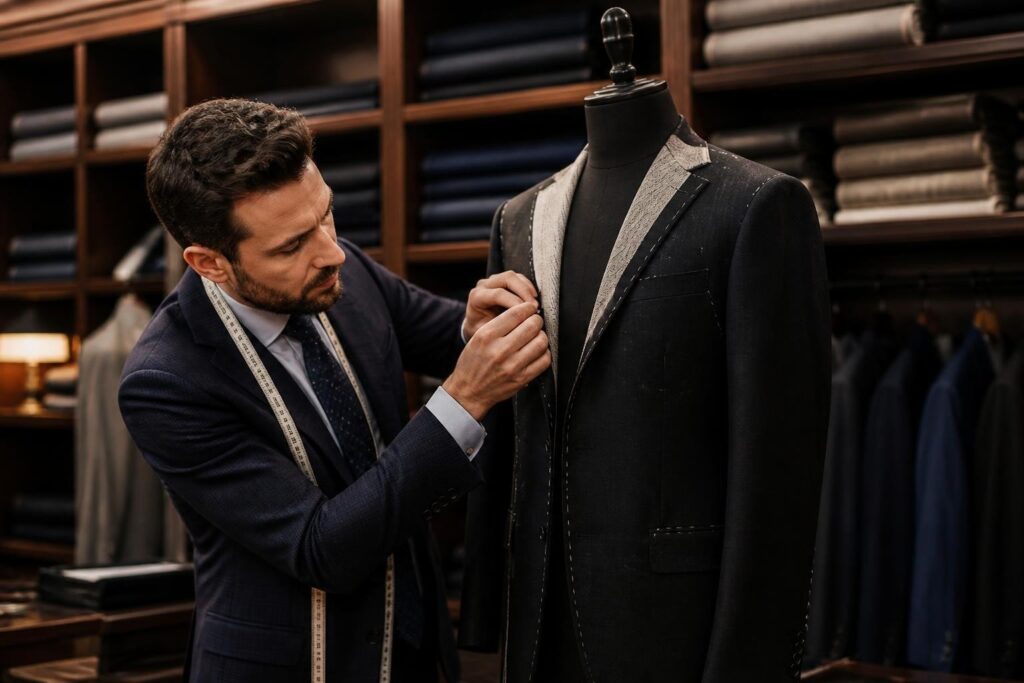
Finding the best tailor transforms your wardrobe from ordinary to extraordinary. Whether you need a perfectly fitted suit for a special occasion, custom shirts that complement your body type, or elegant dresses tailored to your exact measurements, the right tailoring professional makes all the difference. With countless options available, knowing what separates exceptional craftsmanship from mediocre work helps you make informed decisions about your custom clothing investments. This comprehensive guide explores the essential factors that define superior tailoring, from traditional techniques to modern customer service standards.
Understanding What Makes a Tailor Exceptional
The best tailor combines technical skill with artistic vision and genuine care for client satisfaction. Years of experience matter significantly in this craft, as master tailors develop an intuitive understanding of how fabrics drape, how bodies move, and how garments should fit across different occasions and climates.
Technical expertise forms the foundation of superior tailoring. A skilled professional understands pattern drafting, knows how to adjust measurements for perfect proportions, and can work with various fabric types from lightweight linens to heavy wools. They recognize that a well-constructed garment requires precision at every stage, from initial measurements through final pressing.
Craftsmanship and Construction Quality
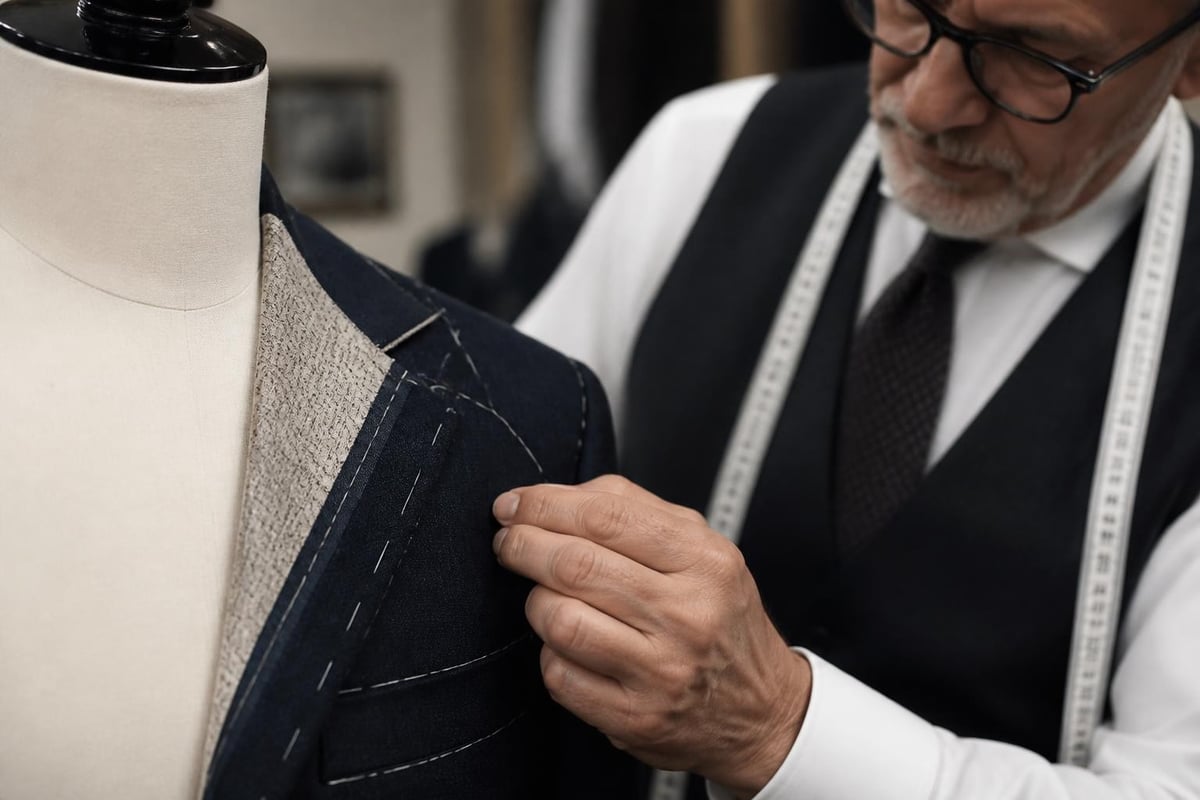
When evaluating tailoring services, examine the construction methods used. High-quality bespoke tailoring involves hand-stitched elements that machines cannot replicate with the same precision and durability.
Key construction elements include:
- Hand-sewn buttonholes that resist wear better than machine alternatives
- Floating canvas in jacket construction for superior draping
- Pick stitching along lapels and edges for refined finishing
- Properly aligned patterns at seams and pockets
- Reinforced stress points for longevity
These details separate garments that last decades from those requiring replacement after a few seasons. According to experts in high-quality suit making, craftsmanship directly impacts both the appearance and durability of custom clothing.
Evaluating Fabric Selection and Quality
The best tailor offers access to premium fabrics while guiding clients toward appropriate choices for their needs. Fabric quality dramatically affects how garments look, feel, and perform over time.
World-class materials come from established mills with reputations for consistency and excellence. Italian and British fabrics often represent the gold standard for suiting materials, while specialty fabrics from other regions excel for specific applications like tropical-weight suits or performance blends.
Fabric Characteristics to Consider
| Type de tissu | Best Applications | Principaux avantages | Climate Suitability |
|---|---|---|---|
| Super 100s-120s Wool | Business suits, formal wear | Durability, sharp draping | Moderate to cool |
| Tropical Weight Wool | Warm climate suits | Breathability, lightweight | Hot and humid |
| Linen Blends | Summer jackets, casual wear | Natural cooling, texture | Tropical regions |
| Cotton Shirting | Dress shirts, casual shirts | Comfort, easy care | All climates |
A knowledgeable tailor explains these distinctions and recommends fabrics based on your lifestyle, climate, and intended use. They understand that the finest fabric poorly suited to your needs delivers less satisfaction than a more practical choice perfectly matched to your requirements.
The Fitting Process and Attention to Detail
Superior fitting separates adequate tailoring from truly exceptional work. The best tailor conducts multiple fittings to ensure perfect results, recognizing that bodies have unique characteristics requiring individual attention.
During initial consultations, experienced professionals ask about your preferences, lifestyle, and how you plan to wear each garment. This conversation informs every subsequent decision about cut, style, and construction methods.
Multiple Fitting Stages
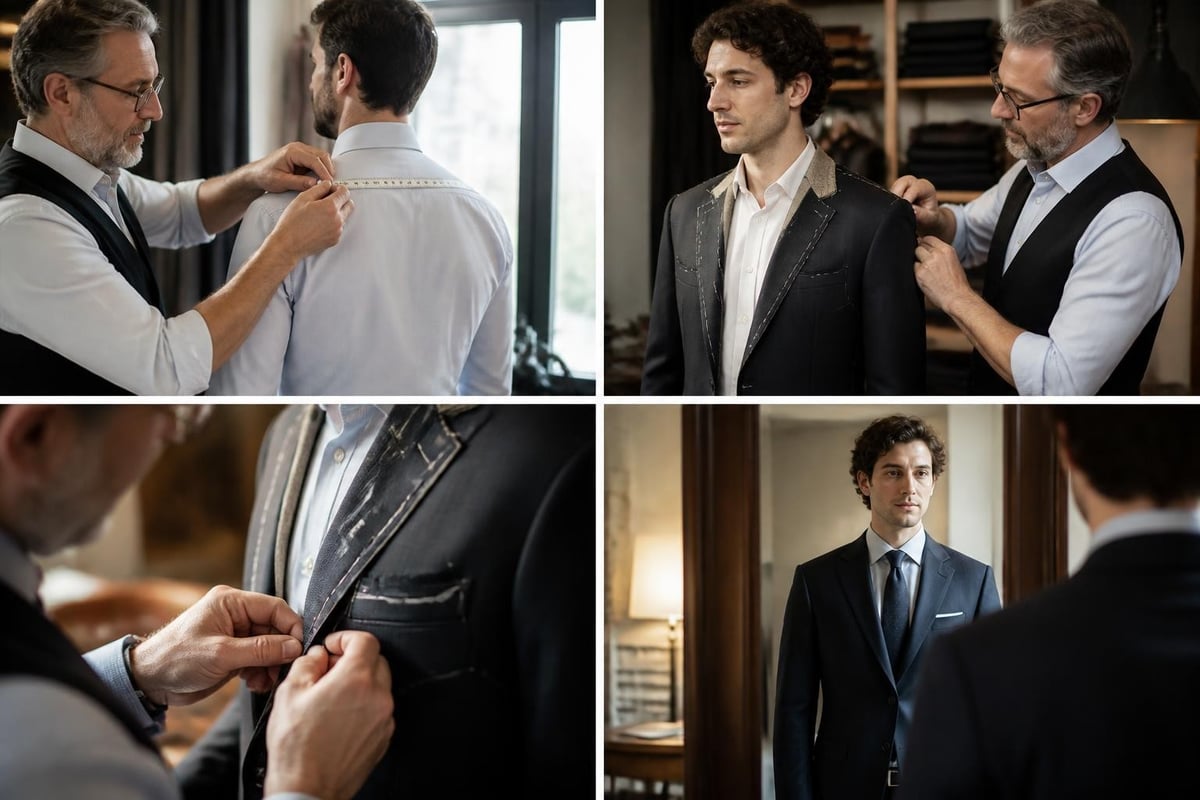
Professional bespoke tailoring typically involves three to four fittings:
- Initial measurement and consultation where the tailor records detailed measurements and discusses design preferences
- First fitting with basted garment allowing assessment of basic fit and proportions
- Second fitting with refined construction checking details like sleeve length, shoulder slope, and trouser break
- Final fitting and adjustments ensuring every element meets exacting standards
This iterative process allows for refinement at each stage. As communication experts note, clear dialogue during fittings ensures your vision translates into the finished garment.
Service Standards and Customer Care
Exceptional tailors prioritize customer satisfaction throughout the entire process. This commitment manifests in responsiveness, patience with questions, and willingness to make adjustments until clients feel completely satisfied.
Communication quality indicates how seriously a tailor takes their work. Professionals who listen carefully, explain processes clearly, and set realistic expectations typically deliver superior results. They understand that creating custom clothing involves collaboration between tailor and client.
Red Flags and Positive Indicators
Watch for these warning signs when selecting a tailor:
- Rushing through consultations or fittings
- Reluctance to show previous work or fabric options
- Unclear pricing or hidden fees
- Limited availability for fittings
- Dismissive attitude toward your preferences
Conversely, positive indicators include:
- Detailed consultations with thoughtful questions
- Portfolio demonstrating range and quality
- Transparent pricing structures
- Flexible scheduling for fittings
- Genuine enthusiasm for the craft
The process of finding a trustworthy tailor often starts with simple alterations to test service quality before committing to major custom projects.
Experience and Specialization
Years in business reflect accumulated knowledge and refined techniques. The best tailor often has decades of experience, having worked with thousands of clients and countless fabric types across various styles and occasions.
Specialization matters depending on your needs. Some tailors excel at formal menswear, others at bridal and evening wear, while versatile professionals handle everything from casual shirts to sophisticated suits for entire families.
Assessing Expertise
| Experience Level | Typical Skills | Project Complexity |
|---|---|---|
| 5-10 years | Basic alterations, standard patterns | Simple modifications |
| 10-20 years | Custom patterns, multiple styles | Full custom garments |
| 20-30 years | Advanced techniques, specialty items | Complex designs, difficult fabrics |
| 30+ years | Master-level craftsmanship, innovation | Heirloom-quality pieces |
Businesses with multi-generational experience often maintain traditional techniques while incorporating modern improvements. This blend of old and new produces garments combining timeless quality with contemporary comfort.
Location and Accessibility Considerations
Finding a convenient location makes the fitting process more manageable, especially for projects requiring multiple appointments. However, the best tailor may justify traveling farther if local options fail to meet quality standards.
Tropical destinations like Krabi, Thailand, offer unique advantages for custom tailoring. The combination of skilled craftsmanship, competitive pricing, and vacation timing allows visitors to obtain high-quality custom clothing while enjoying their travels. Many international travelers specifically plan wardrobes around tailoring appointments in renowned tailoring destinations.
Making Distance Work
For clients traveling to their tailor, efficiency becomes crucial:
- Schedule all fittings during a single visit when possible
- Communicate measurements and preferences before arrival
- Allow extra time for unexpected adjustments
- Coordinate shipping for final delivery if needed
This approach works particularly well for destination tailoring, where vacation timing aligns with the creation of custom wardrobes. Learn more about specialized tailoring services that accommodate various scheduling needs.
Price Versus Value in Custom Tailoring
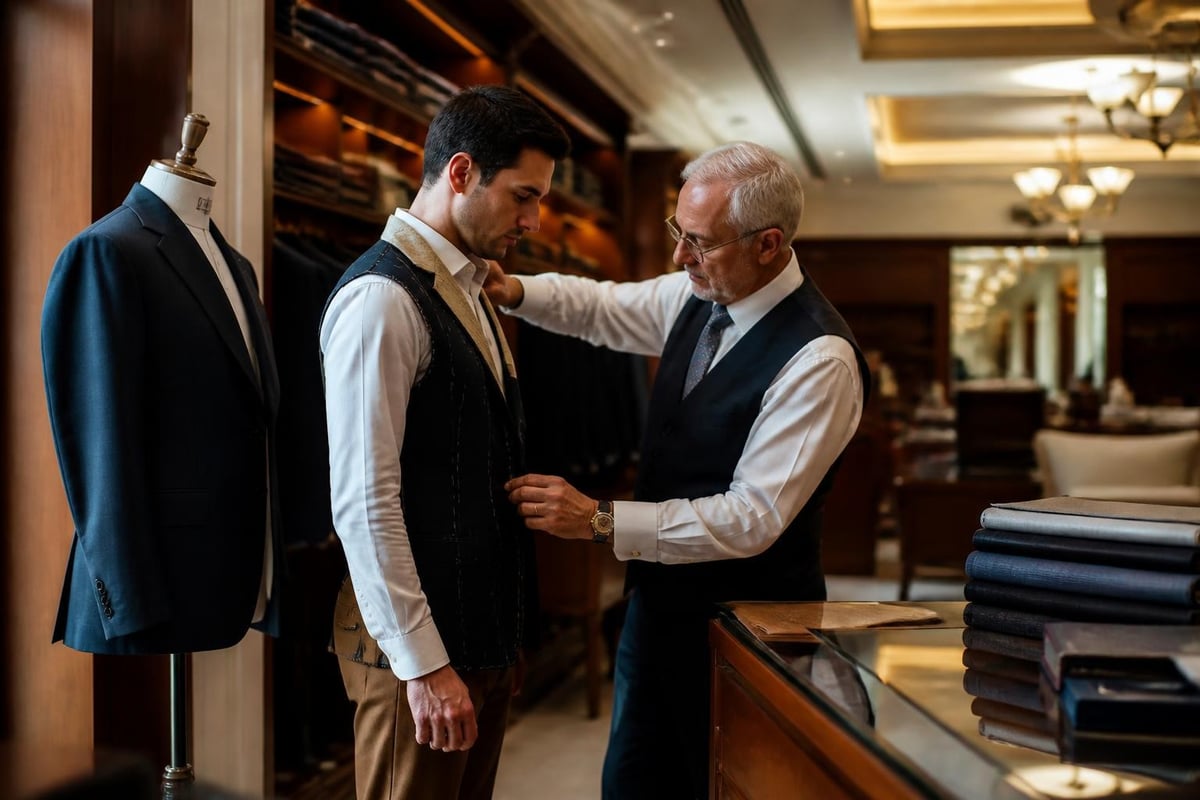
Cost considerations influence every purchasing decision, but focusing solely on price overlooks the long-term value proposition of quality tailoring. The best tailor delivers garments that last for years, maintain their appearance through countless wearings, and provide superior comfort compared to ready-made alternatives.
Initial investment for bespoke clothing exceeds off-the-rack purchases, but cost-per-wearing calculations often favor custom pieces. A well-made suit worn regularly for a decade costs less annually than cheaper alternatives requiring frequent replacement.
Comprendre les structures de prix
Bespoke tailoring costs vary based on multiple factors:
- Fabric selection and quality grade
- Construction method (fully bespoke versus made-to-measure)
- Design complexity and special details
- Number of fittings included
- Rush service or standard timeline
Transparent pricing builds trust between tailor and client. Professionals should clearly explain what each service level includes and where additional costs might arise. This transparency allows informed decisions aligned with your budget and expectations.
When selecting a custom tailor, understanding the relationship between price and craftsmanship helps set appropriate expectations for different budget levels.
Wardrobe Versatility and Family Services
The best tailor serves diverse needs across age groups and occasions. Families benefit tremendously from finding a single source capable of creating everything from children's formal wear to professional business attire for adults and elegant evening dresses for special occasions.
This versatility requires broad expertise and extensive pattern libraries. Tailors serving entire families must understand how growing children need room for adjustments, how professional wardrobes require durability, and how special occasion garments demand extra attention to detail.
Comprehensive Tailoring Services
A full-service tailoring business typically offers:
- Men's formal and casual wear: suits, blazers, trousers, shirts
- Women's clothing: dresses, suits, blouses, skirts
- Children's garments: scaled-down versions with growth accommodation
- Special occasion items: wedding attire, evening wear, traditional garments
- Alterations and repairs: maintaining existing wardrobes
This breadth of service creates convenient one-stop solutions for complete wardrobe needs. Explore the range of offerings available through comprehensive tailoring services.
Building Long-Term Relationships
The relationship between client and tailor deepens over time as preferences become understood and trust develops. Returning to the same professional creates efficiency in subsequent projects since measurements remain on file and style preferences are already documented.
Consistency in quality and service determines whether first-time customers become lifelong clients. The best tailor maintains exacting standards across every project, whether creating a simple shirt or an elaborate wedding ensemble.
Repeat business often brings benefits like priority scheduling, insights into new fabric collections, and adjustments to evolving preferences. These relationships transform transactions into partnerships focused on helping clients look and feel their best across all life occasions.
Regional Expertise and Climate Considerations
Tailors working in specific climates develop specialized knowledge about fabric performance in local conditions. Those in tropical regions understand which materials breathe effectively in humidity, how to construct garments that remain comfortable in heat, and which styles work best for warm-weather formal occasions.
This regional expertise proves invaluable when creating wardrobes for specific environments. A tailor experienced with tropical tailoring knows that lightweight construction, natural fibers, and particular styling details make garments more wearable in challenging climates.
Climate-Appropriate Tailoring Features
Different environments demand specific approaches:
- Tropical climates: Unlined or half-lined jackets, breathable fabrics, moisture-wicking materials
- Temperate regions: Seasonal wardrobes, versatile mid-weight fabrics, layering options
- Cold climates: Heavier fabrics, full lining, insulated options
Understanding these distinctions helps tailors recommend appropriate solutions. Finding the right tailor means locating someone who understands your specific environmental needs.
Technology and Traditional Craftsmanship
Modern tailoring balances time-honored techniques with contemporary tools. The best tailor incorporates technology where it enhances quality without sacrificing the handcrafted elements that define bespoke work.
Digital measurement systems can improve accuracy, while traditional hand-sewing remains superior for critical construction elements. Computer-aided design helps visualize garments, yet experienced eyes still judge fit better than any software.
This integration of old and new represents the evolution of craftsmanship rather than its abandonment. Traditional skills remain central to exceptional tailoring, enhanced rather than replaced by modern innovations.
Reviews, Referrals, and Reputation
Client testimonials provide valuable insights into service quality and reliability. The best tailor accumulates positive reviews over years of consistent excellence, with satisfied customers enthusiastically recommending their services.
When researching tailors, look beyond star ratings to read detailed experiences. Comments about communication, fitting processes, problem resolution, and final satisfaction reveal more than numerical scores alone.
Personal referrals often prove most reliable, as recommendations from trusted sources carry weight. Friends, colleagues, and family members with direct experience can provide honest assessments of quality, service, and value.
Finding exceptional tailoring requires evaluating craftsmanship, service quality, and specialized expertise that matches your specific needs. The combination of technical skill, quality materials, and genuine customer care separates adequate work from truly superior custom clothing. Whether you need a complete wardrobe refresh or specific garments for special occasions, Alex’s Fashion brings over three decades of bespoke tailoring experience to clients in Ao Nang, Krabi, Thailand, creating perfectly fitted custom clothing for men, women, and children using world-class fabrics and time-honored techniques.