
 FR
FR  EN
EN  DE
DE  TH
TH 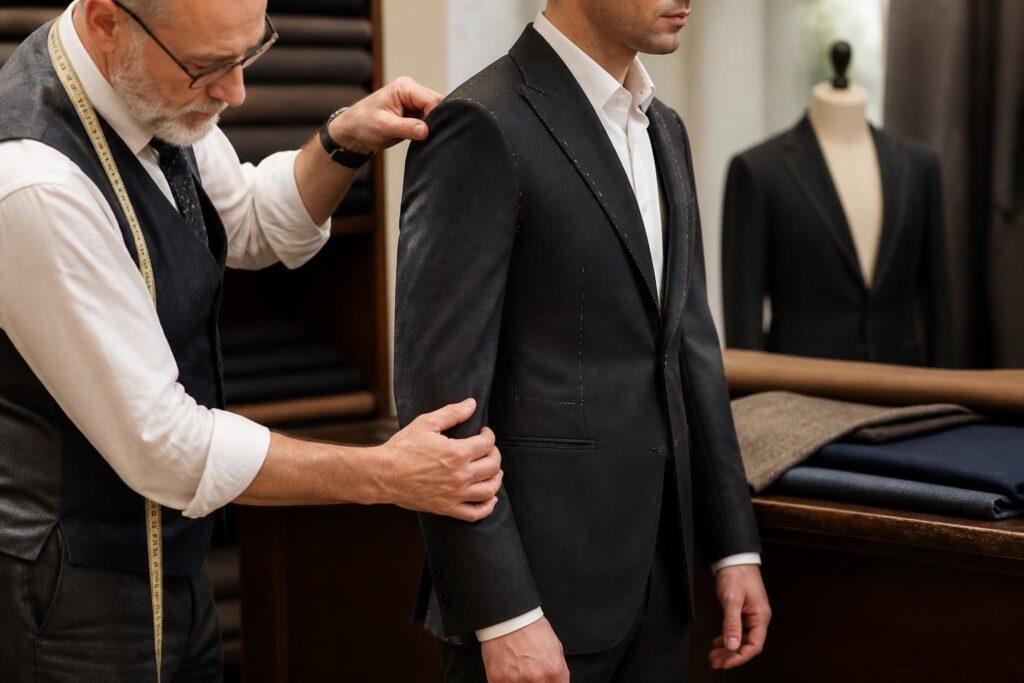
The world of men's fashion is witnessing a remarkable transformation as discerning gentlemen increasingly seek personalized clothing solutions. The phrase "tailor men" represents more than just custom-fitted garments; it embodies a commitment to quality, individual style, and exceptional craftsmanship that mass-produced clothing simply cannot match. As we progress through 2026, the demand for bespoke tailoring services continues to surge, driven by professionals returning to offices, special occasions requiring impeccable attire, and a growing appreciation for sustainable fashion choices. Understanding what sets exceptional tailoring apart helps men make informed decisions about their wardrobe investments.
The Renaissance of Custom Menswear
The bespoke tailoring industry is experiencing unprecedented growth in 2026. Retailers are witnessing a significant surge in demand for men’s tailoring as more professionals return to office environments, creating a renewed need for sharp, well-fitted business attire.
Professional tailors who specialize in menswear bring decades of experience to every garment they create. This expertise ensures that each piece not only fits perfectly but also reflects the wearer's personality and lifestyle needs.
Why Men Choose Bespoke Tailoring
Several compelling factors drive men toward custom tailoring services:
- Perfect fit: Off-the-rack clothing rarely accommodates individual body proportions
- Quality fabrics: Access to premium materials unavailable in retail stores
- Personal style: Complete customization of design elements and details
- Longévité: Superior construction methods ensure garments last for years
- Confidence: Properly fitted clothing enhances posture and professional presence
The investment in bespoke tailoring pays dividends through garments that maintain their appearance and fit over time. Unlike mass-produced alternatives, custom pieces can be adjusted and maintained throughout their lifetime.
Understanding the Craft Behind Tailor Men Services
Professional tailors employ time-honored techniques combined with modern innovations to create exceptional menswear. The process begins with understanding the client's needs, lifestyle, and aesthetic preferences before a single measurement is taken.
| Stage | Durée de l'accord | Key Activities |
|---|---|---|
| Consultation | 30-45 minutes | Discuss style, fabric, purpose, and design preferences |
| Measurement | 20-30 minutes | Precise body measurements and posture assessment |
| First Fitting | 15-20 minutes | Check initial construction and make adjustments |
| Final Fitting | 10-15 minutes | Verify perfect fit and make minor refinements |
The Measurement Process
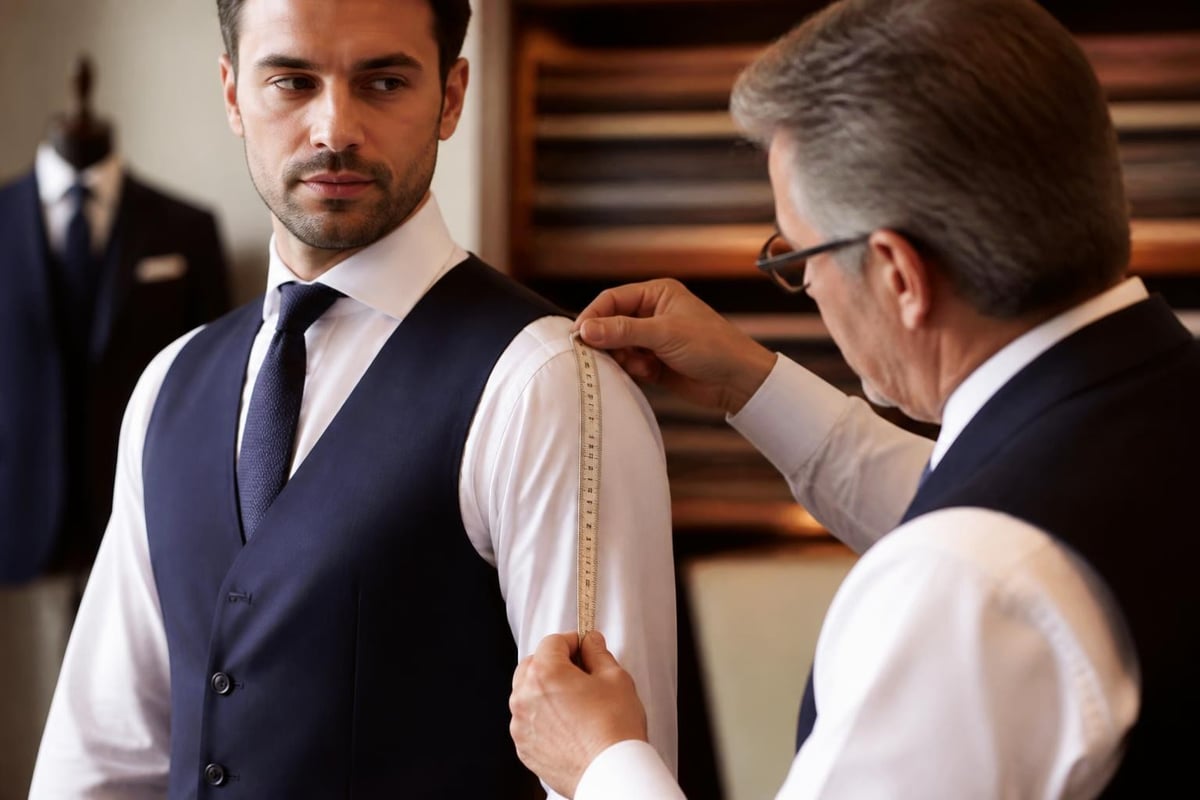
Expert tailors take numerous measurements to ensure garments fit perfectly. This process goes far beyond simple chest and waist measurements, accounting for shoulder slope, arm length variations, and postural considerations.
Skilled professionals recognize that the human body is asymmetrical. They account for these natural variations, ensuring balanced garments that look harmonious when worn. This attention to detail distinguishes true bespoke work from made-to-measure alternatives.
Critical measurement points include:
- Chest circumference at multiple heights
- Shoulder width and slope angle
- Sleeve length with arm bent and straight
- Back length from neck to waist
- Trouser rise and leg length
- Waist and hip circumference
- Neck size and collar preference
Fabric Selection and Quality Standards
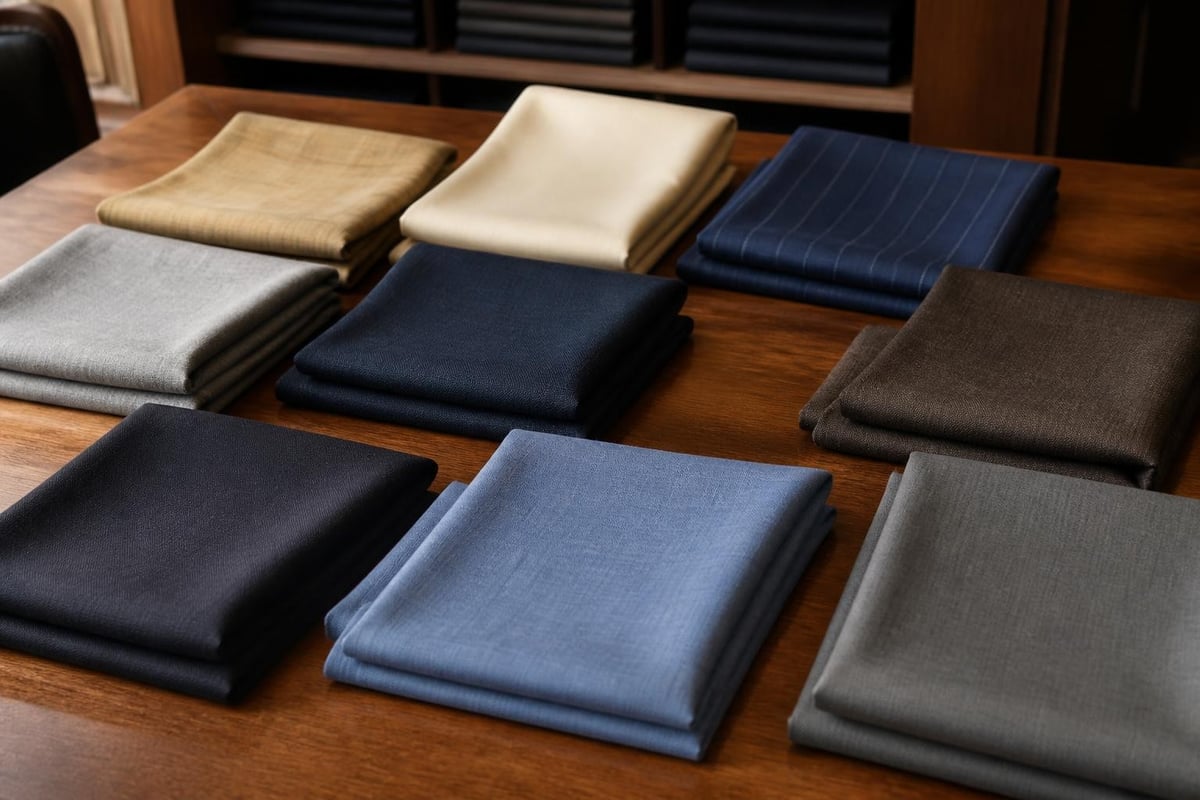
The foundation of exceptional tailored menswear lies in fabric quality. Professional tailors maintain relationships with premier mills worldwide, offering clients access to materials that combine beauty with durability.
Understanding fabric weights, weaves, and compositions helps men select appropriate materials for their climate and intended use. Tropical-weight wools suit warm environments like Krabi, Thailand, while heavier fabrics serve cooler climates.
Popular Fabric Choices for Men
Different occasions and seasons demand specific fabric characteristics. Experienced tailors guide clients toward selections that balance comfort, appearance, and practicality.
Business Suits:
- Super 100s to 150s wool for year-round wear
- Wool-mohair blends for sharp drape and durability
- Tropical-weight wool for warm climates
Casual Wear:
- Linen for breathability and relaxed elegance
- Cotton and cotton-blend fabrics for versatility
- Performance fabrics incorporating modern technology
The evolution from bespoke to hybrid tailoring models reflects changing consumer expectations while maintaining traditional quality standards.
Style Trends Shaping Tailor Men Fashion
Contemporary menswear balances classic tailoring principles with modern aesthetic sensibilities. Paris Men’s Fashion Week 2026 showcased the industry's shift toward functionality and structural innovation while maintaining refined elegance.
Discerning gentlemen increasingly request garments that transition seamlessly between professional and social settings. This versatility requires thoughtful design choices that maintain appropriate formality while allowing personal expression.
Classic Elements with Modern Interpretations
Traditional tailoring features remain relevant when updated with contemporary proportions and details. Skilled tailors adapt classic designs to current preferences without sacrificing timeless appeal.
Jacket silhouettes have evolved toward slightly relaxed shoulders with maintained structure. This creates a comfortable, natural line that appears less rigid than traditional business wear while preserving professional polish.
Trouser styles now offer more options beyond traditional cuts:
- Tapered legs with clean breaks
- Slightly wider cuts echoing vintage proportions
- Modern flat-front designs with strategic darting
- Adjustable waistbands for comfort without suspenders
The Business Case for Custom Tailoring
Investment in bespoke tailoring delivers measurable returns through longevity, versatility, and professional impact. Quality custom garments outlast multiple cycles of ready-to-wear purchases while maintaining superior appearance.
| Comparison Factor | Ready-to-Wear | Tailleurs sur mesure |
|---|---|---|
| Initial Cost | $300-800 | $800-3000 |
| Durée de vie | 2-4 years | 10-20 years |
| Qualité de l'ajustement | Approximate | Precise |
| Fabric Quality | Standard | Premium |
| Personnalisation | Limitée | Complete |
| Repairs/Alterations | Often impossible | Fully supported |
Cost Per Wear Analysis
When evaluated through cost-per-wear metrics, bespoke tailoring often proves more economical than frequent ready-to-wear purchases. A well-made suit worn regularly for a decade provides exceptional value.
Professional appearances directly impact career opportunities and business relationships. The confidence and polish from properly fitted clothing creates measurable advantages in competitive environments.
The growing demand for men’s suit customization reflects consumers' recognition of these benefits, driving industry growth across multiple market segments.
Choosing the Right Tailor Men Service
Selecting an appropriate tailor requires evaluating multiple factors beyond proximity and price. The relationship between tailor and client often spans years, making initial selection crucial for long-term satisfaction.
Experience stands as the paramount consideration when choosing a tailor. Decades of practice develop the intuition and skills necessary for exceptional results. Established tailoring businesses demonstrate their ability to satisfy clients consistently.
Evaluation Criteria
Essential qualities to seek:
- Demonstrated experience with similar garments
- Portfolio showing range and quality
- Clear communication about process and timeline
- Transparent pricing without hidden fees
- Willingness to make adjustments until satisfaction
- Knowledge of current and classic styles
- Access to quality fabric selections
Client testimonials and referrals provide valuable insights into a tailor's reliability and quality standards. Established businesses with loyal clientele demonstrate their commitment to excellence.
The Technical Aspects of Construction
Superior construction techniques distinguish exceptional bespoke work from adequate tailoring. These methods remain largely invisible yet determine how garments wear and age.
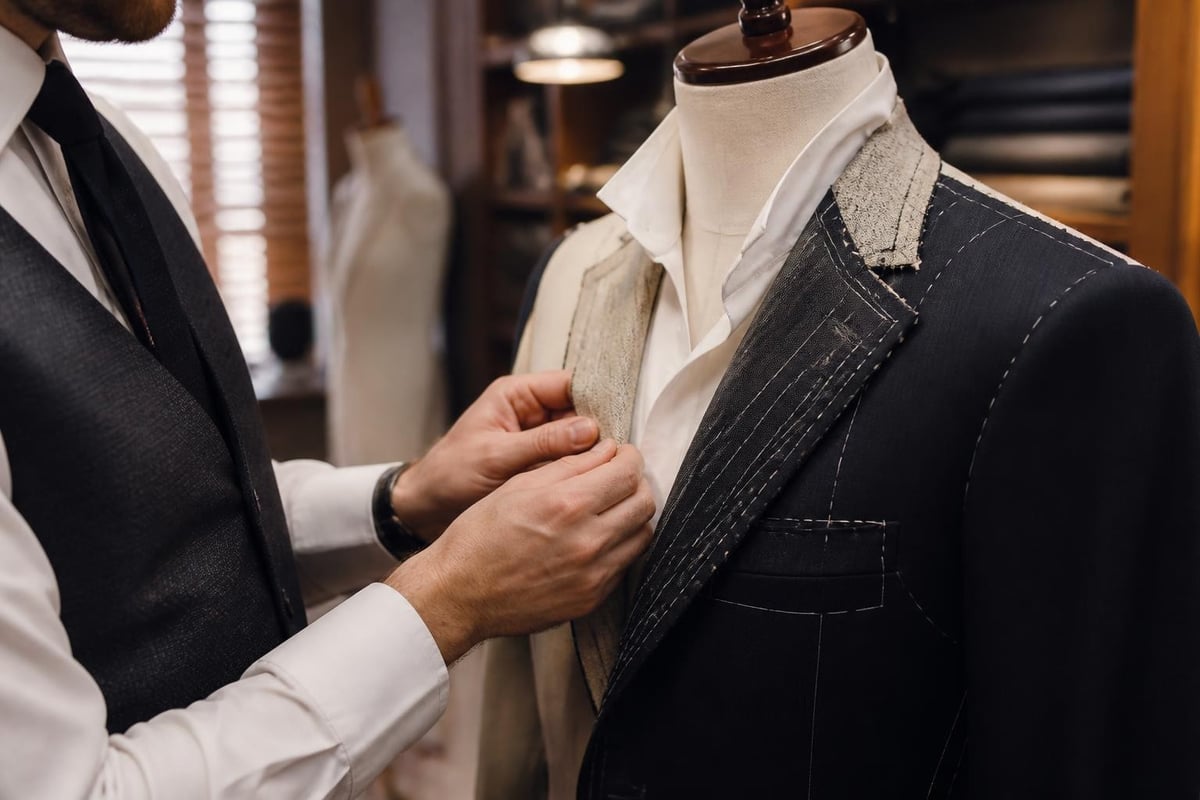
Canvas construction provides the foundation for quality jackets and coats. Floating canvas allows garments to mold to the wearer's body over time, creating increasingly personalized fit and comfort.
Hand Work Versus Machine Construction
Strategic hand stitching at stress points and visible areas ensures durability and refined finishing. While machines handle certain construction phases efficiently, hand work remains essential for details that define quality.
Critical hand-worked elements:
- Lapel attachment and roll
- Collar setting and shape
- Buttonholes with proper threading
- Sleeve attachment for natural movement
- Trouser waistband construction
- Hem finishing for proper hang
Professional tailors balance efficiency with craftsmanship, using machines where appropriate while reserving hand work for areas where it provides superior results.
Wardrobe Planning for Different Occasions
Strategic wardrobe development requires thoughtful planning to maximize versatility while ensuring appropriate attire for various situations. Expert tailors guide clients through building collections that serve multiple purposes.
A well-planned custom wardrobe begins with foundational pieces in versatile colors and patterns. These anchor pieces combine with subsequent additions to create numerous outfit combinations.
Building a Core Collection
Essential first pieces for most men:
- Navy or charcoal business suit
- Light gray or tan casual sport coat
- White and light blue dress shirts
- Versatile trousers in complementary colors
- Quality casual shirts for relaxed occasions
Additional pieces expand options while maintaining cohesion. Coordinating colors and patterns ensures maximum mixing potential across the collection.
Seasonal considerations influence fabric choices and garment weights. Men in tropical climates prioritize breathable materials, while those in temperate regions require broader seasonal variety.
Care and Maintenance of Tailored Garments
Proper care extends the lifespan of custom clothing significantly. Quality tailoring deserves appropriate maintenance to preserve appearance and structural integrity.
Professional cleaning services specializing in fine garments provide superior results compared to standard dry cleaners. These specialists understand delicate fabrics and construction methods requiring special handling.
Daily Care Practices
Maintaining tailored clothing between cleanings:
- Allow garments to rest 24-48 hours between wears
- Use proper wooden hangers that support shoulder shape
- Brush fabric gently after wear to remove surface dirt
- Address small spots immediately before they set
- Store in breathable garment bags, never plastic
- Rotate pieces regularly to distribute wear
Minor repairs should be addressed promptly by qualified tailors. Small issues like loose buttons or minor seam separation become major problems when neglected.
The Cultural Significance of Bespoke Tailoring
Custom tailoring traditions span centuries and cultures, representing more than mere clothing production. The relationship between tailor and client embodies personal service and mutual respect that transcends commercial transactions.
Historical tailoring centers like London’s Savile Row established standards that continue influencing modern practices worldwide. These traditions adapt to contemporary contexts while maintaining core quality principles.
In Thailand, tailoring traditions blend international influences with local craftsmanship, creating unique offerings that serve both residents and visitors. This cultural fusion produces distinctive results that honor multiple tailoring heritages.
Technology's Role in Modern Tailoring
Contemporary tailor men services increasingly incorporate technology while preserving traditional craftsmanship. Advanced modeling systems demonstrate how digital tools can enhance precision without replacing human expertise.
Digital measurement systems complement traditional techniques, providing consistent data storage and retrieval. These systems prove particularly valuable for clients who order multiple garments over time or maintain wardrobes across different locations.
Technological enhancements in modern tailoring:
- Digital pattern storage for consistent reproduction
- Virtual fabric visualization before ordering
- Online consultation capabilities for remote clients
- Precision cutting equipment for efficiency
- Customer relationship management systems
- Digital fitting records for future reference
However, technology serves craftsmen rather than replacing them. The human judgment required for proper fit assessment, style guidance, and quality control remains irreplaceable.
Investing in professional tailor men services delivers unmatched quality, fit, and personal style that off-the-rack clothing cannot provide. Whether building a professional wardrobe, preparing for special occasions, or simply appreciating fine craftsmanship, bespoke tailoring offers lasting value and satisfaction. Alex’s Fashion brings over three decades of expertise to every garment, creating custom clothing that reflects your unique style and ensures perfect fit through meticulous attention to detail and world-class fabrics.