
 FR
FR  EN
EN  DE
DE  TH
TH 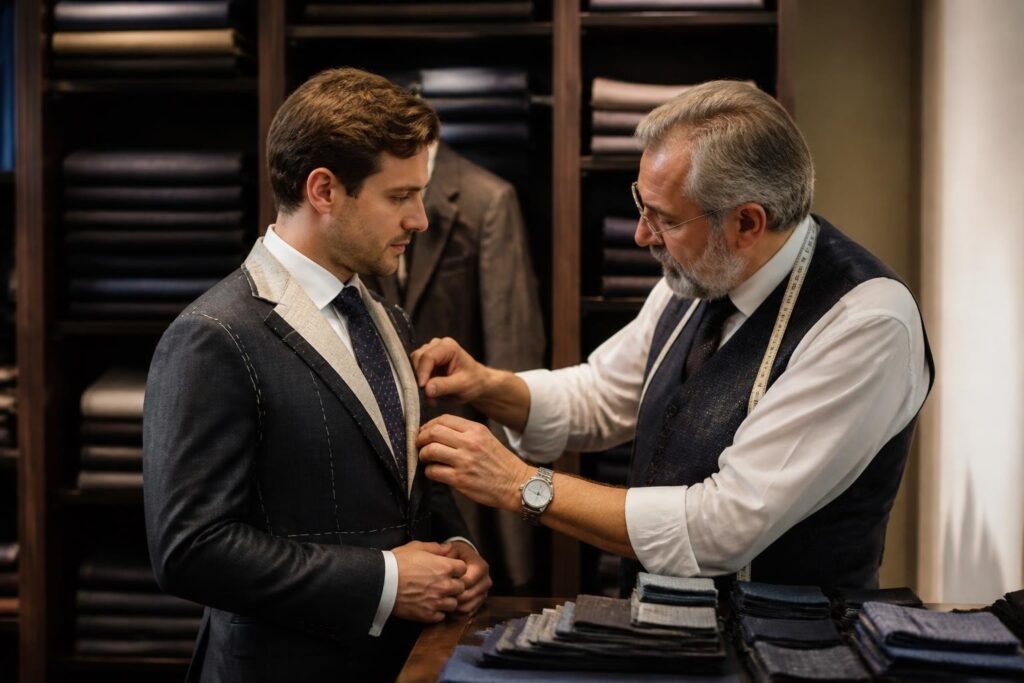
Understanding tailor cost is essential whether you're seeking custom-made garments or simple alterations to existing pieces. The investment in professional tailoring services varies significantly based on factors including garment complexity, fabric selection, geographic location, and the tailor's expertise. In 2026, consumers have more options than ever, from local alteration shops to premier bespoke tailoring establishments, each offering different price points and service levels. This comprehensive guide explores what influences tailor cost and helps you make informed decisions about your clothing investments.
What Influences Tailor Cost in 2026
The pricing structure for tailoring services depends on multiple interconnected factors that determine the final investment required. Understanding these elements helps you anticipate costs and budget appropriately for your wardrobe needs.
Garment complexity stands as the primary driver of tailor cost. A simple hem adjustment requires minimal time and expertise compared to constructing a fully bespoke suit from scratch. Custom garments involve pattern creation, multiple fittings, hand-finishing techniques, and hours of skilled labor that reflect in the final price.
Fabric quality and selection significantly impacts overall expenses. Premium materials such as Italian wool, Egyptian cotton, or silk command higher prices than standard fabrics. Additionally, certain materials require specialized handling techniques that increase labor costs.
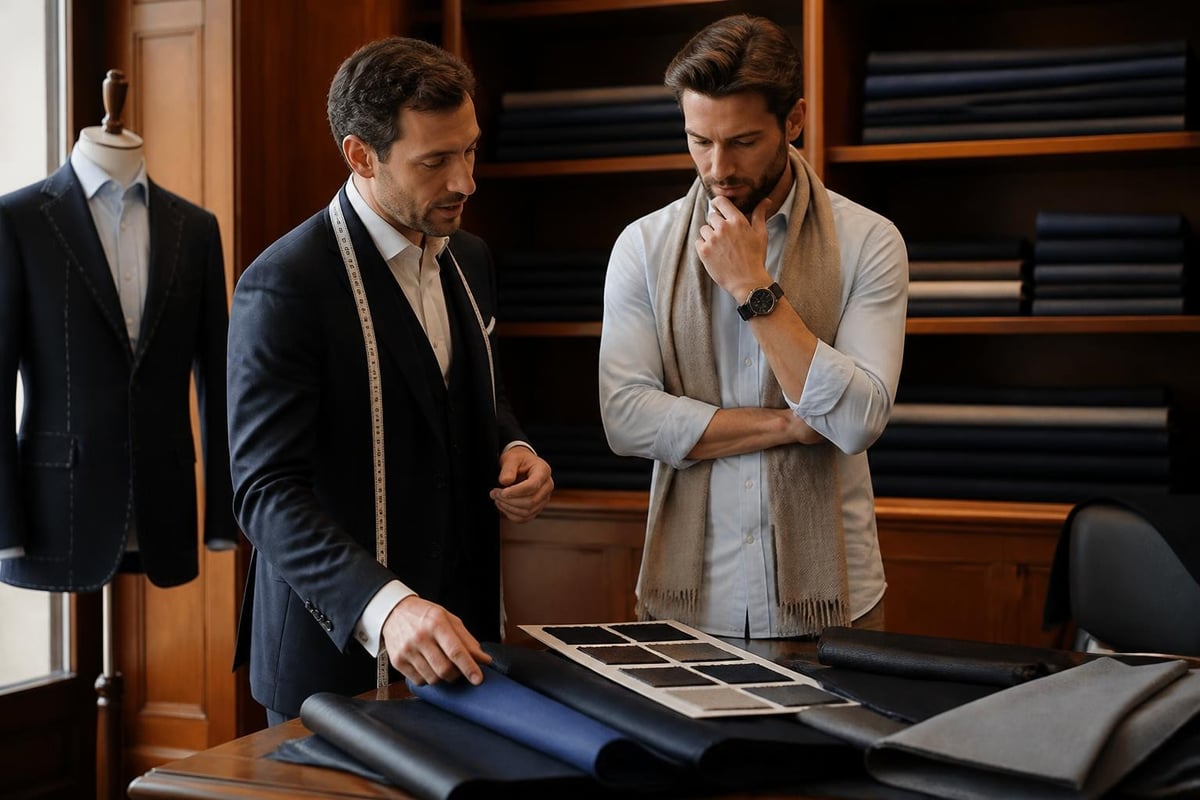
Geographic location creates substantial price variations. Tailoring services in major metropolitan areas typically cost more than those in smaller cities or international destinations. For instance, bespoke tailoring in Thailand often provides exceptional value compared to equivalent services in New York or London, without compromising quality.
Experience and Reputation
The tailor's skill level and business reputation directly correlate with pricing. Master tailors with decades of experience charge premium rates reflecting their expertise, precision, and ability to handle complex requests. Newer tailors or basic alteration services offer more budget-friendly options.
Consider these experience-based pricing tiers:
- Entry-level alterations: Basic shops offering standard services
- Mid-range tailoring: Experienced professionals with established clienteles
- Premium bespoke services: Master tailors with 20+ years specializing in custom garments
- Luxury couture houses: High-end establishments with international recognition
Breaking Down Tailor Cost by Service Type
Understanding specific price ranges for different services helps you plan your clothing budget effectively. According to national tailoring cost averages, standard alteration prices have evolved considerably in recent years.
Simple Alterations
Basic alterations represent the most affordable tailoring services. These quick adjustments require minimal time and expertise but deliver significant improvements to garment fit.
| Alteration Type | Typical Price Range | Time Required |
|---|---|---|
| Hem pants | $15 – $30 | 30-60 minutes |
| Shorten sleeves | $20 – $35 | 45-75 minutes |
| Take in waist | $25 – $45 | 60-90 minutes |
| Replace zipper | $20 – $40 | 45-90 minutes |
These standard services form the foundation of most tailoring businesses and provide accessible options for maintaining your existing wardrobe.
Complex Alterations
More intricate alterations demand advanced skills and considerably more time, justifying higher tailor cost. Structural modifications require understanding garment construction and often involve partially deconstructing and rebuilding pieces.
Advanced alteration services include:
- Restructuring jacket shoulders: $75 – $150
- Tapering jacket body: $60 – $120
- Converting garment styles: $80 – $200
- Extensive resizing: $100 – $250
According to information on alterations cost factors, these complex services require specialized expertise that justifies premium pricing.
Custom Garment Tailor Cost
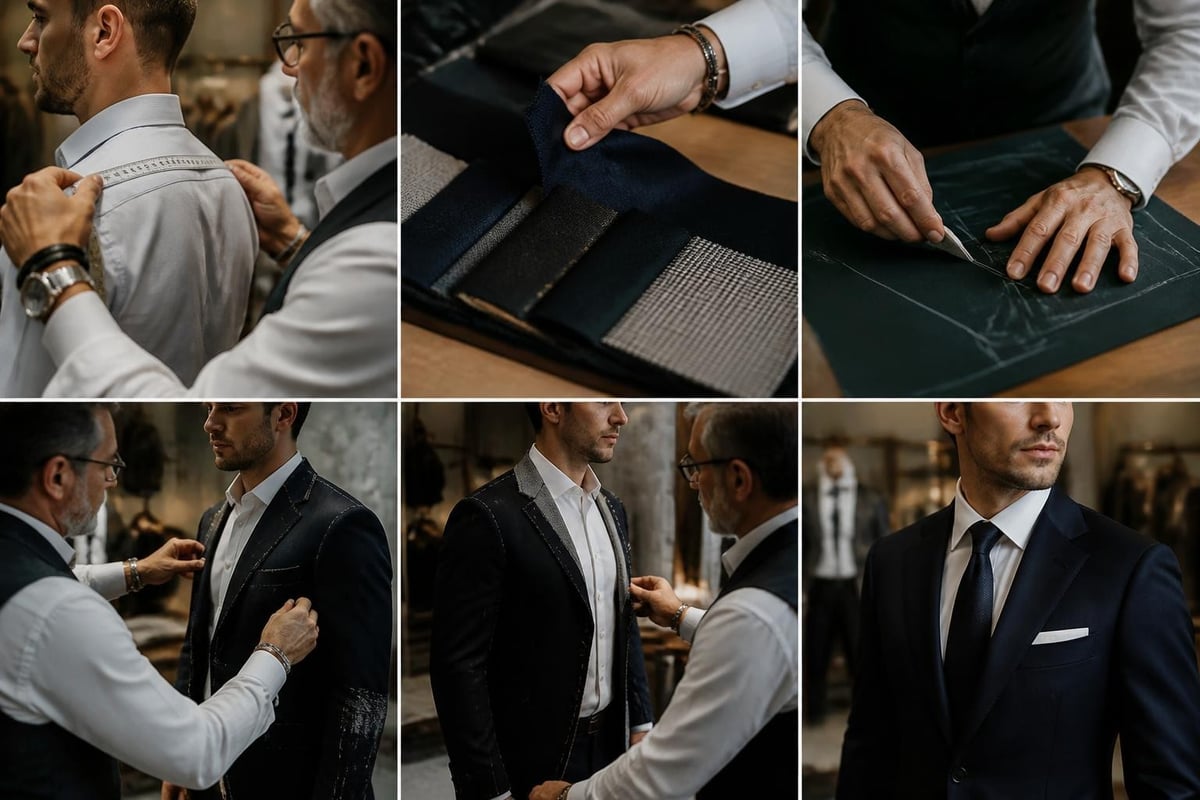
Bespoke tailoring represents the pinnacle of personalized clothing and commands significantly different pricing than alterations. Creating garments from scratch involves comprehensive consultations, precise measurements, pattern drafting, and multiple fittings.
Men's Custom Clothing
Custom menswear remains a popular choice for professionals and special occasions. The investment reflects the personalized attention and superior fit achieved through the bespoke process.
Custom shirts typically range from $80 to $300 depending on fabric choice and detailing. Premium cotton, specific collar styles, monogramming, and special buttons all influence the final price. A well-constructed custom shirt lasts significantly longer than off-the-rack alternatives, providing excellent long-term value.
Bespoke suits represent a substantial investment, generally ranging from $800 to $5,000 or more. This wide range reflects variations in fabric quality, construction methods, and tailor expertise. A mid-range bespoke suit from an experienced tailor typically costs $1,500 to $2,500, offering exceptional fit and durability.
Women's Custom Clothing
Women's bespoke tailoring encompasses diverse garment types, each with unique construction challenges and pricing considerations.
Custom dresses vary enormously in tailor cost based on design complexity, fabric selection, and embellishment requirements. Simple day dresses start around $150, while elaborate evening gowns can exceed $2,000. Wedding dresses represent a special category, often ranging from $1,000 to $5,000 for fully custom creations.
Tailored blouses and skirts offer accessible entry points into custom clothing. Prices typically range from $100 to $350, providing perfect fit and personalized styling at moderate investment levels.
International Pricing Variations
Global differences in tailor cost create opportunities for savvy consumers. Understanding these variations helps you maximize value while accessing high-quality services.
Tailoring in Southeast Asia
Thailand, Vietnam, and other Southeast Asian countries have established reputations for excellent tailoring at competitive prices. Lower operating costs and skilled craftspeople create favorable pricing without compromising quality.
In Thailand's popular tourist destinations, bespoke suits range from $300 to $800, including premium fabrics and expert construction. Custom shirts average $40 to $80, while alterations cost 30-50% less than Western equivalents. According to recent tailoring service cost data, these savings attract international clientele seeking value.
Benefits of international tailoring destinations:
- Significantly lower labor costs
- Access to quality fabrics at competitive prices
- Experienced craftspeople specializing in tourist clientele
- Quick turnaround times to accommodate travel schedules
- Established reputations built over decades
Western Market Pricing
North American and European tailoring services command premium prices reflecting higher operating costs, labor rates, and market expectations. These regions offer convenience and accessibility but at substantially higher investment levels.
| Service Category | U.S. Average | Thailand Average | Potential Savings |
|---|---|---|---|
| Costume sur mesure | $2,000-$4,000 | $400-$800 | 60-80% |
| Chemise personnalisée | $150-$300 | $50-$100 | 50-70% |
| Pants Hemming | $25-$40 | $8-$15 | 60-70% |
| Jacket Alteration | $80-$150 | $30-$60 | 55-65% |
Maximizing Value for Your Tailor Cost Investment
Strategic approaches help you optimize your tailoring budget while achieving excellent results. Smart planning ensures you receive maximum value regardless of service type.
Timing Your Projects
Scheduling flexibility often reduces tailor cost. Many tailoring businesses experience seasonal fluctuations, with slower periods offering negotiation opportunities or promotional pricing. Planning ahead allows you to avoid rush charges that can add 20-50% to standard prices.
Consider these timing strategies:
- Book during off-peak seasons when tailors have lighter schedules
- Allow generous timeframes to avoid rush fees
- Combine multiple services to negotiate package pricing
- Build relationships with tailors for loyal customer benefits
Selecting Appropriate Service Levels
Matching service complexity to actual needs prevents overspending. Not every garment requires premium bespoke treatment, while certain pieces justify maximum investment.
Invest heavily in: Foundation wardrobe pieces, special occasion wear, garments worn frequently, items requiring perfect fit for professional appearances.
Consider budget options for: Trendy pieces with limited lifespan, casual wear, children's clothing that will be outgrown, experimental styles.
Quality Indicators Beyond Price
While tailor cost provides general guidance, several quality indicators help assess whether pricing represents fair value for services rendered.
Construction Techniques
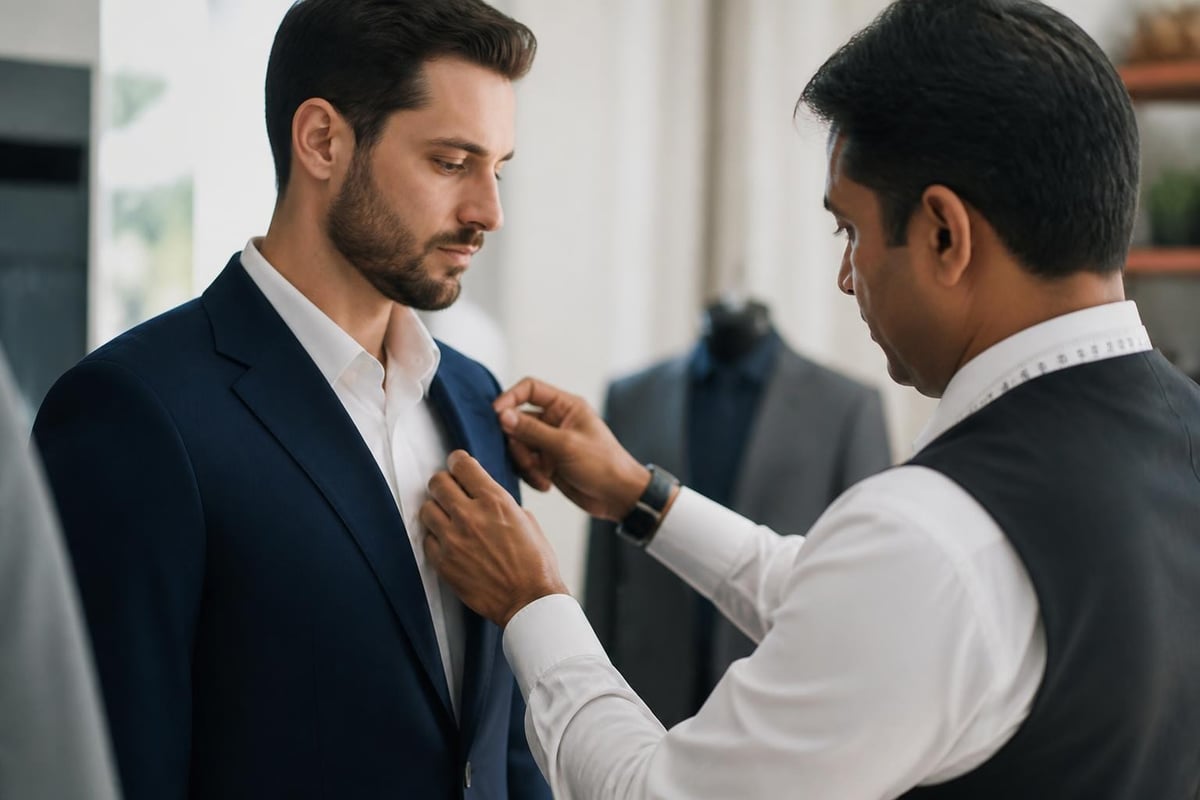
Superior tailoring exhibits specific construction hallmarks regardless of price point. Hand-finished buttonholes, properly aligned patterns, secure reinforcement stitching, and clean interior finishing all indicate quality workmanship.
Examine these quality markers:
- Seam construction: Even, secure stitching without puckering
- Button attachment: Properly secured with thread shanks
- Lining installation: Smooth without pulling or bunching
- Pattern matching: Stripes and plaids aligned at seams
- Hand-finishing: Evidence of hand-sewn details where appropriate
Fabric Knowledge
Experienced tailors demonstrate comprehensive fabric knowledge, guiding customers toward appropriate materials for intended uses. They understand how different textiles drape, wear, and perform, preventing costly mistakes.
Professional tailors should explain:
- Fabric composition and characteristics
- Appropriate uses for different materials
- Care requirements and longevity expectations
- How fabrics will behave in finished garments
- Value propositions across price points
Understanding Consultation and Fitting Processes
The consultation and fitting process significantly impacts final tailor cost and satisfaction levels. Comprehensive fittings ensure proper fit while minimizing costly adjustments later.
Initial Consultations
Professional tailors invest substantial time in initial consultations, discussing preferences, taking measurements, reviewing fabric options, and establishing realistic expectations. This upfront investment prevents misunderstandings and ensures alignment between customer vision and final product.
Quality consultations address:
- Lifestyle and wearing occasions
- Style preferences and inspiration sources
- Budget parameters and value expectations
- Timeline requirements and flexibility
- Specific fit challenges or preferences
Multiple Fittings
Bespoke garments typically require two to three fittings, each serving specific purposes in the creation process. While these appointments increase tailor cost through additional labor, they ensure superior final results that justify the investment.
Fitting progression typically follows this structure:
- First fitting: Verify measurements using muslin or fabric draft
- Second fitting: Assess partially constructed garment for adjustments
- Final fitting: Make minor refinements before completion
Long-Term Value Considerations
Evaluating tailor cost requires considering long-term value rather than initial price alone. Well-constructed garments deliver years of service, making per-wear costs remarkably economical.
Durability and Longevity
Custom garments constructed from quality materials with proper techniques easily last five to ten years with appropriate care. This longevity contrasts sharply with fast-fashion alternatives requiring frequent replacement.
Calculate true cost by dividing total investment by expected wears. A $1,500 custom suit worn 100 times yearly for five years costs just $3 per wear, while a $300 off-the-rack suit worn 50 times over two years costs $3 per wear but provides inferior fit and quality.
Alteration Costs Over Time
Custom garments accommodate minor weight fluctuations through alterations, extending usable life. According to 2026 alteration cost insights, strategic adjustments preserve significant wardrobe investments.
Budget approximately 10-15% of original garment cost for potential alterations over its lifetime. This modest investment maintains perfect fit and extends service life substantially.
Specialty Services and Premium Options
Beyond standard tailoring, specialty services command premium pricing reflecting unique expertise or materials. Understanding these options helps you evaluate whether additional tailor cost delivers proportional value.
Luxury Fabric Selections
Premium fabrics from renowned mills significantly increase project costs but deliver superior performance and aesthetics. Italian Super 150s wool, Sea Island cotton, and silk blends offer exceptional comfort and appearance justifying price premiums.
Fabric upgrades typically add:
- 20-40% for premium mid-range materials
- 50-100% for luxury designer fabrics
- 100%+ for rare or exclusive textiles
Specialized Construction Methods
Certain construction techniques require exceptional skill and time investment. Hand-padded lapels, full canvas construction, and hand-sewn buttonholes exemplify premium methods that enhance garment quality and longevity.
These techniques justify higher tailor cost through:
- Superior drape and movement
- Enhanced durability and shape retention
- Luxury tactile qualities
- Traditional craftsmanship preservation
Understanding tailor cost empowers you to make informed decisions about clothing investments, whether seeking simple alterations or comprehensive bespoke services. The factors influencing pricing-from garment complexity and fabric selection to geographic location and tailor expertise-all contribute to the final investment required. For travelers visiting Thailand or those seeking exceptional value in bespoke tailoring, Alex’s Fashion offers over 30 years of experience creating custom garments for men, women, and children using world-class fabrics and meticulous attention to detail. Their Ao Nang location provides accessible, professional tailoring services that deliver outstanding quality at competitive prices.