
 DE
DE  EN
EN  FR
FR  TH
TH 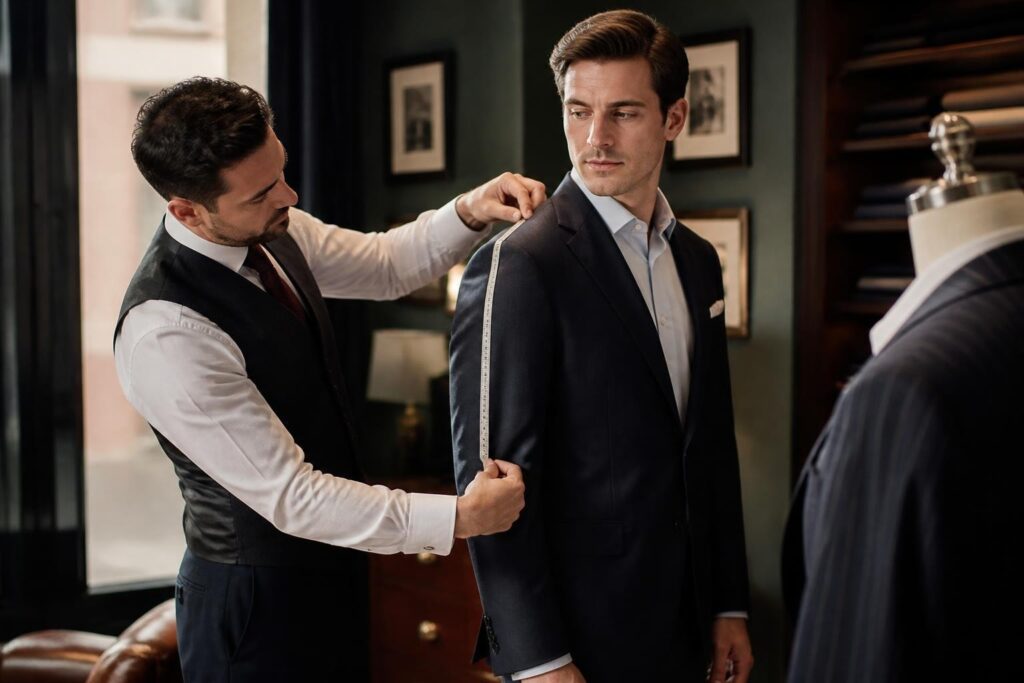
The modern shop tailor represents a time-honored craft that continues to thrive in 2026, offering personalized clothing solutions that stand in stark contrast to mass-produced fashion. As consumers increasingly prioritize quality, fit, and individuality, the role of professional tailors has evolved from simple alterations to comprehensive wardrobe consulting and custom garment creation. Whether you're seeking a perfectly fitted suit for a special occasion or building a timeless wardrobe that reflects your personal style, understanding what a shop tailor can offer makes all the difference in achieving clothing that truly fits your body and lifestyle.
Understanding the Shop Tailor Profession
A shop tailor is a skilled craftsperson who specializes in creating, altering, and repairing garments to achieve perfect fit and exceptional quality. Unlike ready-to-wear clothing that follows standardized sizing, a professional tailor works directly with individual measurements and preferences to deliver customized results.
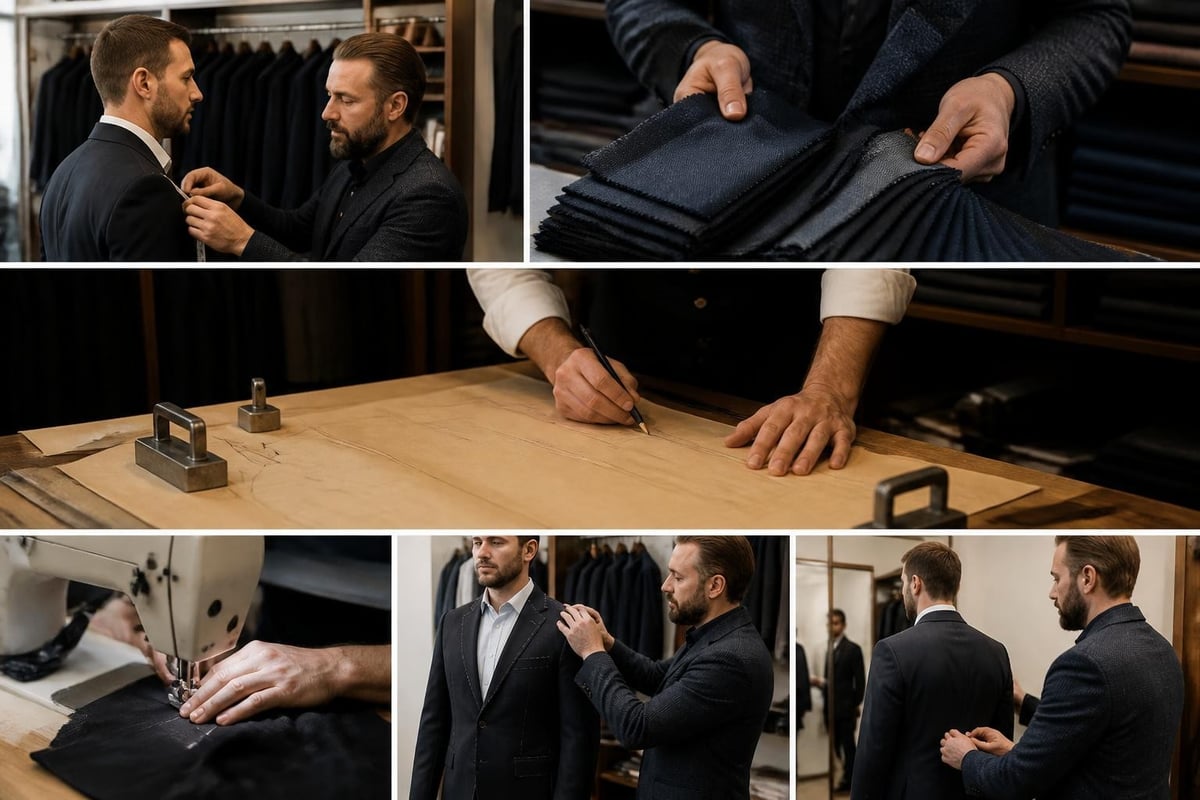
The expertise required for this profession extends far beyond basic sewing skills. Master tailors spend years perfecting their craft, learning fabric properties, garment construction techniques, and body proportions. This knowledge enables them to transform flat fabric into three-dimensional garments that complement each client's unique physique.
Core Services Offered
Professional tailoring establishments provide a comprehensive range of services designed to meet diverse customer needs:
- Custom garment creation from initial consultation through final fitting
- Alterations and adjustments for existing clothing items
- Repairs and restoration of damaged or worn garments
- Wardrobe consulting to build cohesive, functional collections
- Fabric sourcing and material recommendations
Bespoke tailoring represents the pinnacle of this craft, where every element is customized to client specifications. From selecting world-class fabrics to determining button styles and pocket placements, the process creates truly unique pieces that cannot be replicated through mass production.
The Rising Demand for Professional Tailoring
The tailoring industry is experiencing remarkable growth as consumers shift away from disposable fashion. Rising demand for tailors in the U.S. reflects a broader cultural movement toward quality and sustainability, with similar trends occurring globally.
Several factors contribute to this resurgence:
- Quality over quantity: Consumers recognize the value of well-made garments that last for years
- Perfect fit: Standard sizing fails to accommodate diverse body types
- Sustainability concerns: Custom clothing reduces waste and environmental impact
- Professional appearance: Career-focused individuals invest in polished wardrobes
- Personal expression: Custom pieces reflect individual style and personality
The shop tailor who adapts to these changing preferences positions themselves for long-term success. This means offering not just technical skill but also style guidance and personalized service that builds lasting client relationships.
| Trend | Impact on Tailoring | Customer Benefit |
|---|---|---|
| Sustainable fashion | Increased demand for quality garments | Longer-lasting wardrobe investments |
| Remote work evolution | Versatile clothing needs | Comfortable yet professional pieces |
| Body positivity movement | Appreciation for custom fit | Clothing that flatters all body types |
| Craft appreciation | Value for artisan skills | Unique, handcrafted garments |
Choosing the Right Shop Tailor for Your Needs
Selecting a qualified shop tailor requires careful consideration of several important factors. The relationship between tailor and client often spans years, making this decision particularly significant for building a quality wardrobe.
Evaluating Expertise and Experience
Experience level directly impacts the quality of workmanship you receive. Look for tailors with:
- Proven track record of satisfied clients and completed projects
- Specialized training in traditional tailoring techniques
- Portfolio examples demonstrating range and quality
- Industry certifications or apprenticeship credentials
A shop tailor with decades of experience brings invaluable knowledge about fabric behavior, construction methods, and style principles. This expertise ensures garments not only fit perfectly but also wear well and maintain their shape over time.
Communication and Consultation Process
The best tailoring relationships begin with thorough communication. During initial consultations, assess whether the tailor:
- Listens carefully to your preferences and requirements
- Asks detailed questions about intended garment use
- Provides honest recommendations based on your body type
- Explains the construction process and timeline clearly
- Discusses pricing transparently without hidden fees
Effective communication ensures your vision translates accurately into the finished garment. A professional shop tailor guides you through decisions while respecting your personal style preferences.

Services Beyond Basic Alterations
While many associate tailors primarily with hemming pants or taking in seams, modern shop tailor services encompass much broader capabilities. Custom tailoring is taking over important wardrobes because it addresses needs that ready-to-wear simply cannot meet.
Complete Custom Wardrobe Creation
Building a wardrobe from scratch with a professional tailor offers numerous advantages:
- Every piece fits your exact measurements and proportions
- Coordinated color palettes and style elements create cohesion
- Quality construction ensures longevity and better value
- Personal style evolves through collaborative design process
Whether you need business attire, casual wear, or special occasion garments, a skilled shop tailor can create pieces that work together seamlessly while reflecting your individual aesthetic.
Specialized Garment Types
Professional tailors excel at creating garments that require advanced technical skills:
- Formal suits with precise structure and traditional construction
- Custom shirts featuring unique collar styles and perfect sleeve length
- Traditional ethnic wear requiring specialized pattern knowledge
- Women's formal wear including dresses and tailored separates
- Children's clothing scaled appropriately for growing bodies
Each garment type demands specific expertise in pattern making, fabric selection, and construction techniques that experienced shop tailors have mastered through years of practice.
The Economics of Professional Tailoring
Understanding the investment required for professional tailoring helps set appropriate expectations. While custom garments typically cost more upfront than ready-to-wear options, the value proposition becomes clear when considering longevity and satisfaction.
Pricing Structures and Value
Shop tailor pricing reflects multiple factors:
- Fabric quality and quantity required
- Complexity of garment construction
- Number of fittings and adjustments needed
- Timeline urgency and rush fees
- Designer details and embellishments
| Art der Dienstleistung | Typical Price Range | Timeline |
|---|---|---|
| Basic alterations | $15-75 per item | 1-2 weeks |
| Custom shirts | $80-250 each | 2-4 weeks |
| Custom suits | $500-3000+ | 4-8 weeks |
| Formal wear | $300-2000 | 3-6 weeks |
Investment in quality pays dividends through years of wear. A well-constructed custom suit can last a decade or more with proper care, while fast fashion equivalents may need replacement within months. Strategies to increase profitability benefit both tailors and customers by creating sustainable business models that deliver consistent quality.
Building Long-Term Tailor Relationships
The most successful shop tailor partnerships develop over time, creating mutual understanding and efficiency. Establishing a relationship with a skilled tailor provides ongoing benefits that extend beyond individual garments.
Benefits of Tailor Loyalty
Returning to the same shop tailor offers several advantages:
- Measurement records eliminate repetitive processes
- Style preferences understood from previous consultations
- Fabric knowledge about what works for your lifestyle
- Scheduling priority for loyal, established clients
- Wardrobe continuity through consistent quality standards
Your tailor becomes a trusted advisor who understands your body, preferences, and needs. This knowledge streamlines future projects and ensures consistent results across your wardrobe.

Maintenance and Care Guidance
Professional shop tailors provide valuable advice on garment care that preserves your investment. This includes:
- Proper cleaning methods for different fabrics
- Storage techniques to maintain garment shape
- Minor repair guidance for emergency situations
- Seasonal wardrobe rotation strategies
Regular maintenance visits keep garments in optimal condition. Many tailors offer inspection services to catch small issues before they become major problems requiring expensive repairs.
Industry Challenges and Future Outlook
The tailoring profession faces significant challenges despite growing demand. Skilled tailors remain in short supply as experienced professionals retire faster than new ones enter the field. This skills gap affects service availability and pricing across the industry.
Workforce Development Needs
Addressing the talent shortage requires coordinated efforts:
- Apprenticeship programs connecting experienced tailors with trainees
- Educational institutions offering formal tailoring curricula
- Industry associations promoting the profession to younger generations
- Strategies for attracting and retaining talent that address compensation and working conditions
The shop tailor who invests in training the next generation helps ensure the craft's survival while building a skilled workforce for their own establishment.
Technology Integration
Modern tailoring shops successfully blend traditional craftsmanship with contemporary tools. Digital pattern making, 3D body scanning, and online consultation platforms enhance efficiency without compromising quality. However, the core skills of a shop tailor remain fundamentally manual, requiring human judgment and expertise that technology cannot replace.
Marketing Your Tailoring Business
For shop tailor businesses seeking growth, effective marketing strategies prove essential. Marketing strategies for tailor shops emphasize online visibility and local community engagement as primary drivers of new client acquisition.
Digital Presence Essentials
Successful tailoring establishments maintain comprehensive digital footprints:
- Professional websites showcasing portfolio and services
- Active social media demonstrating work-in-progress and finished pieces
- Online booking systems for consultation scheduling
- Client testimonials and reviews building credibility
- Local SEO optimization for geographic targeting
The combination of technical expertise and strategic marketing positions a shop tailor for sustained business growth. Alteration shops becoming the preferred choice demonstrates the power of visibility and reputation management in building customer loyalty.
Community Engagement
Local presence strengthens client relationships and generates referrals:
- Participation in community events and fashion shows
- Partnerships with complementary businesses like shoe stores or accessories boutiques
- Educational workshops on garment care or style principles
- Networking within professional organizations
These efforts establish the shop tailor as an integral community resource rather than merely a transactional service provider.
Global Perspectives on Tailoring Excellence
Tailoring traditions vary significantly across cultures, each bringing unique techniques and aesthetic principles. Understanding these differences enriches appreciation for the craft while informing style choices.
Regional Specializations
Different regions have developed distinctive tailoring signatures:
- British tailoring: Structured shoulders and defined waist suppression
- Italian tailoring: Softer construction with natural drape
- Asian tailoring: Lightweight fabrics suited to tropical climates
- American tailoring: Relaxed fit with practical functionality
A versatile shop tailor draws from multiple traditions, adapting techniques to client needs and preferences. This cultural knowledge enables creation of garments that respect traditional aesthetics while incorporating modern sensibilities.
| Tailoring Tradition | Signature Features | Best Suited For |
|---|---|---|
| Britisch | Structured, formal, precise | Business environments |
| Italienisch | Soft shoulders, natural waist | Versatile professional wear |
| Asian | Lightweight, breathable | Tropical climates |
| Amerikanisch | Comfortable, practical | Casual professional settings |
Selecting Fabrics for Custom Garments
Fabric selection represents a critical decision in custom garment creation. The shop tailor guides clients through options based on intended use, climate considerations, and budget parameters.
Natural Fiber Advantages
Quality tailoring typically employs natural fibers for superior performance:
- Wolle: Versatile, breathable, wrinkle-resistant for suits and trousers
- Baumwolle: Comfortable, durable for shirts and casual wear
- Leinen: Lightweight, cooling for warm weather garments
- Seide: Luxurious, drapes beautifully for formal occasions
Understanding fiber properties helps you make informed decisions. A knowledgeable shop tailor explains how different materials behave, wear, and require care, ensuring selections align with lifestyle needs.
Seasonal Considerations
Fabric weight and weave patterns should match seasonal requirements:
- Summer fabrics: Lighter weights (7-9 oz for wool), open weaves for ventilation
- Winter fabrics: Heavier weights (11-14 oz), tighter weaves for warmth
- Year-round options: Medium weights (9-11 oz) suitable for multiple seasons
- Climate-specific choices: Tropical-weight fabrics for consistently warm regions
For locations like Krabi, Thailand, breathable fabrics with moisture-wicking properties prove essential for comfortable all-day wear in humid conditions.
Custom Tailoring for Special Occasions
Special events demand garments that combine perfect fit with appropriate formality. A skilled shop tailor ensures you look polished and confident for life's important moments.
Wedding Attire Excellence
Wedding garments require exceptional attention to detail:
- Grooms' suits or tuxedos with impeccable fit and finish
- Bridesmaids' dresses coordinated in style and color
- Groomsmen's attire ensuring consistent appearance
- Parents' formal wear appropriate to ceremony tone
The shop tailor coordinates timing to ensure all wedding party members receive their garments with adequate time for final adjustments. Rush orders for destination weddings require clear communication and realistic timeline expectations.
Professional Milestone Events
Career advancement often accompanies need for upgraded professional wardrobes:
- Executive-level suits projecting authority and competence
- Conference attire balancing comfort with professional appearance
- Award ceremony formal wear appropriate to occasion significance
- Networking event outfits creating memorable first impressions
These investments in professional image generate returns through enhanced credibility and confidence in important career situations.
The relationship between a skilled shop tailor and their clients represents a partnership built on trust, expertise, and shared commitment to quality. Professional tailoring delivers garments that fit perfectly, reflect personal style, and provide years of wear satisfaction that mass-produced clothing cannot match. Whether you're building a complete wardrobe or need specialized pieces for important occasions, Alex’s Fashion brings over 30 years of bespoke tailoring experience to every project, creating custom garments for men, women, and children that exceed expectations. Visit us in Ao Nang to experience world-class craftsmanship and personalized service that transforms how you dress.