
 DE
DE  EN
EN  FR
FR  TH
TH 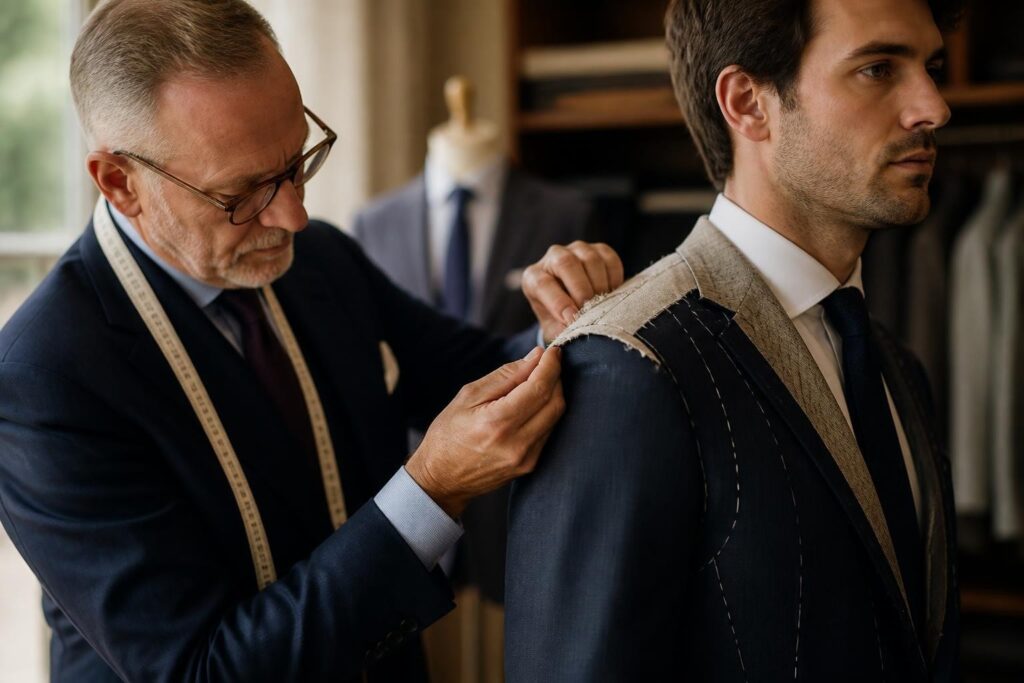
The fashion landscape in 2026 continues to evolve with increasing emphasis on individuality and personal expression. While fast fashion remains prevalent, a significant counter-movement celebrates craftsmanship, quality, and personalization. Bespoke wear represents the pinnacle of this movement, offering garments meticulously crafted to match individual measurements, preferences, and style aspirations. This approach to clothing transforms the shopping experience from transactional to collaborative, where skilled artisans work directly with clients to create pieces that reflect their unique identity. As consumers become more discerning about quality and sustainability, the value of custom-tailored garments continues to grow, making bespoke wear increasingly relevant in modern wardrobes.
Understanding the Essence of Bespoke Tailoring
The term "bespoke" originates from the practice of fabric being "spoken for" by a customer before the garment was created. This historical context reveals the foundational principle: every aspect of the garment is determined specifically for one individual. Unlike ready-to-wear or even made-to-measure options, bespoke wear involves creating a completely unique pattern based on the client's precise measurements and body characteristics.
The bespoke tailoring process on Savile Row exemplifies the meticulous standards that define true custom work. Master tailors spend hours consulting with clients, taking detailed measurements, and understanding lifestyle requirements that will influence the garment's design and construction.
The Distinctive Characteristics of True Bespoke
What separates authentic bespoke wear from other tailoring services involves several critical factors:
- Individual pattern creation developed exclusively from personal measurements
- Multiple fitting sessions to ensure perfect adjustment throughout construction
- Hand-stitched details that provide superior durability and flexibility
- Client involvement at every stage of the design and creation process
- Fabric customization with extensive selection from premium materials
- Lifetime alterations to maintain perfect fit as body shape changes
Each element contributes to garments that not only fit impeccably but also move naturally with the wearer's body, providing comfort that off-the-rack clothing cannot achieve.
The Modern Bespoke Experience
Today's bespoke wear sector blends traditional craftsmanship with contemporary styling sensibilities. While techniques remain largely unchanged from historical practices, modern tailors understand how to interpret classic methods for current fashion preferences. This balance allows clients to enjoy timeless construction quality while embracing modern silhouettes and design details.
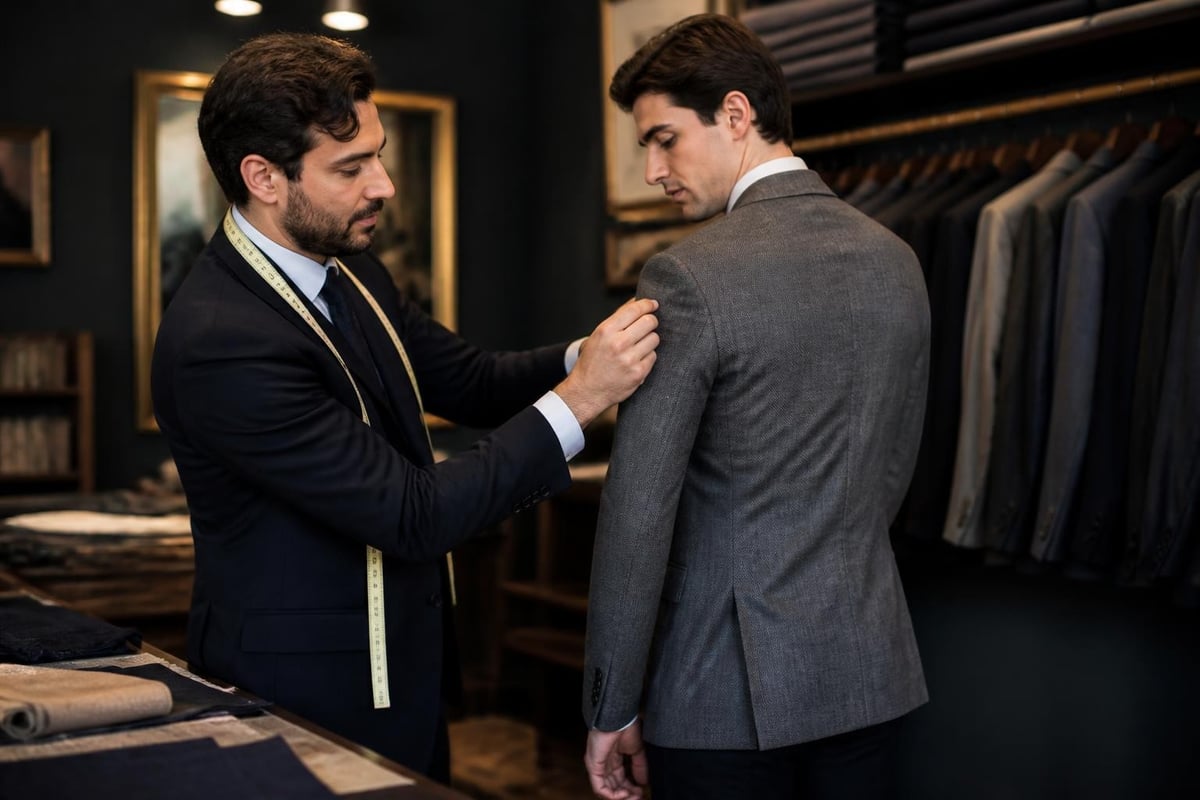
The consultation process represents the foundation of exceptional bespoke work. During this initial meeting, tailors assess posture, body proportions, and individual characteristics that influence garment construction. Questions about lifestyle, profession, and wearing occasions help determine appropriate fabrics, styling options, and construction techniques.
Fabric Selection and Quality Considerations
Material choice dramatically impacts the final garment's performance and appearance. Bespoke tailors typically maintain relationships with premier fabric mills worldwide, offering clients access to exceptional materials unavailable in retail settings.
| Stoff Typ | Characteristics | Best Applications |
|---|---|---|
| Super 120s-150s Wool | Smooth, refined, excellent drape | Business suits, formal occasions |
| Tropical Wool | Lightweight, breathable, wrinkle-resistant | Warm climate wear, travel suits |
| Linen Blends | Natural, textured, casual elegance | Summer jackets, relaxed tailoring |
| Silk Blends | Luxurious sheen, exceptional comfort | Evening wear, special occasions |
| Cotton Voile | Crisp, breathable, structured | Custom shirts, warm weather garments |
Quality fabrics not only enhance appearance but significantly extend garment longevity. Premium materials maintain their structure, resist pilling, and develop character over time rather than deteriorating.
The Rising Demand for Personalization
Current fashion trends strongly favor individuality and self-expression. The growing personalization movement in fashion reflects consumers' desire for unique pieces that distinguish them from mass-market uniformity. This cultural shift particularly benefits bespoke wear, as custom tailoring inherently provides complete personalization.
Younger generations increasingly value experiences over possessions, viewing bespoke tailoring as both an investment and a creative collaboration. The process itself becomes meaningful, creating memories and stories attached to the garments produced. This emotional connection strengthens the relationship between client and clothing, encouraging thoughtful consumption rather than disposable fashion habits.
Sustainability and Conscious Consumption
Environmental concerns influence purchasing decisions across demographics. Bespoke wear naturally aligns with sustainable practices through several mechanisms:
- Precise sizing eliminates waste from returns and discarded ill-fitting garments
- Superior construction ensures decades of wear rather than seasonal replacement
- Local production reduces transportation emissions and supports community economies
- Quality materials perform better and last longer than cheaper alternatives
- Repair and alteration services extend garment life indefinitely
These factors make custom tailoring an environmentally responsible choice despite potentially higher initial costs. The true cost per wearing becomes remarkably economical when garments serve wardrobes for years or decades.
Distinguishing Bespoke from Made-to-Measure
Many consumers confuse different levels of custom tailoring services. Understanding the differences between bespoke and made-to-measure tailoring helps set appropriate expectations and ensures clients select services matching their requirements.
Bespoke tailoring creates completely original patterns from individual measurements, typically requiring three or more fittings and extensive hand work. Every garment starts from blank fabric with no pre-existing template.
Made-to-measure tailoring adjusts existing patterns to approximate individual measurements, usually involving one fitting and primarily machine construction. While offering better fit than ready-to-wear, it lacks bespoke wear's complete customization.
Custom tailoring serves as a broad term encompassing both approaches plus various hybrid services. Clarifying specific processes helps clients make informed decisions about which service level best serves their needs and budget.
Building a Bespoke Wardrobe
Strategic wardrobe development maximizes the value of custom tailoring investments. Rather than immediately commissioning entire wardrobes, thoughtful clients typically begin with foundational pieces that provide versatility and frequent wearing opportunities.
Essential Starting Pieces
For those new to bespoke wear, certain garments offer excellent entry points:
- Navy or charcoal business suit providing professional versatility
- Custom dress shirts in white and light blue for foundational rotation
- Casual sport coat in neutral tones for smart-casual occasions
- Tailored trousers in complementary colors for mixing with existing pieces
- Seasonal outerwear designed for specific climate requirements
Beginning with these core items allows clients to experience the bespoke process, establish relationships with tailors, and understand personal preferences before expanding into more specialized garments.
Expanding Beyond Basics
Once comfortable with bespoke tailoring, clients often explore more creative options. Custom garments allow experimentation with unique fabrics, bold patterns, and distinctive styling details that express personality while maintaining sophistication.
Special occasion wear particularly benefits from bespoke treatment. Wedding suits, formal evening wear, and cultural ceremony garments require precise fit and specific design elements best achieved through custom creation. The emerging trends in bridal wear customization demonstrate growing appreciation for personalized important-occasion clothing across all garment categories.
The Tailoring Process from Consultation to Completion
Understanding what occurs during bespoke garment creation helps clients appreciate the craftsmanship involved and prepare for their role in the collaborative process. The detailed bespoke process typically unfolds across several weeks or months depending on garment complexity and tailor schedules.
Initial consultation establishes relationship foundations. Tailors discuss client objectives, assess body characteristics, and recommend appropriate styling options. This conversation determines fabric selections, design details, and project timelines.
Measurement sessions capture dozens of individual body dimensions. Experienced tailors measure not just standard points but also account for posture variations, shoulder slopes, and body asymmetries common to all individuals.
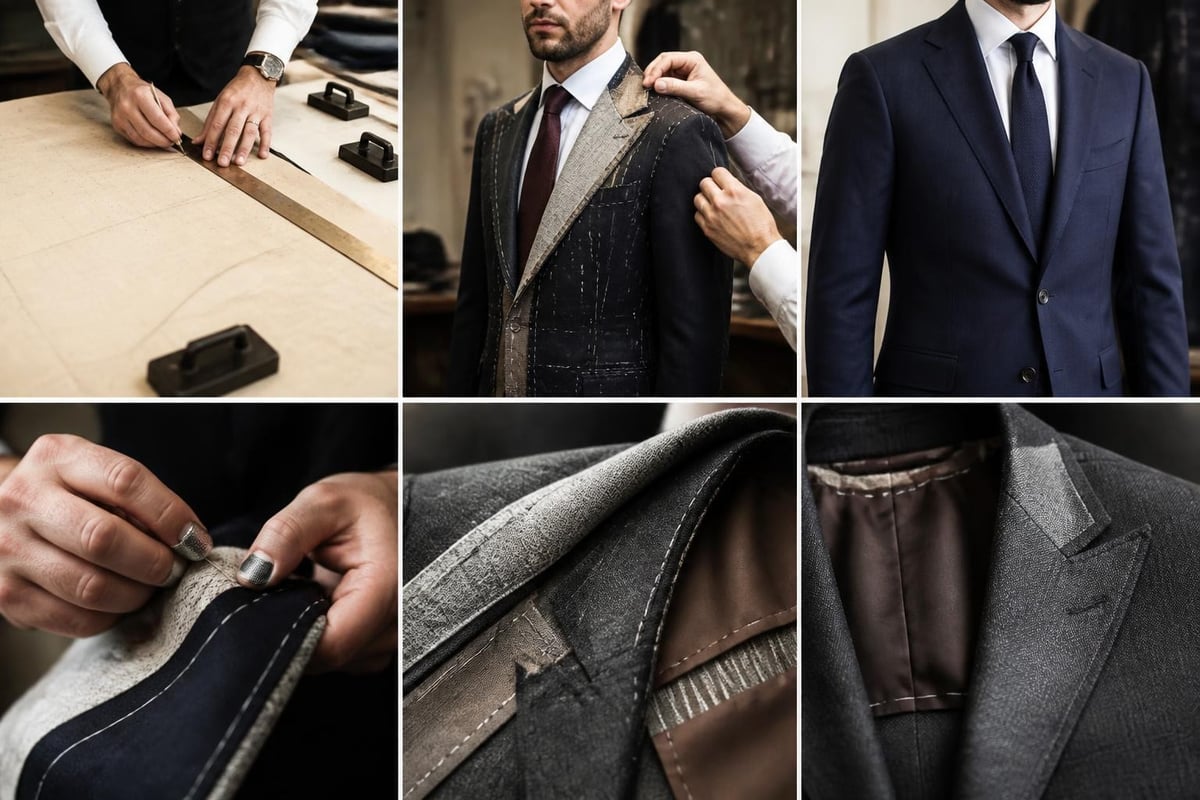
Pattern creation transforms measurements into unique templates. Master cutters draft original patterns accounting for fabric characteristics, intended garment drape, and client movement patterns.
| Fitting Stage | Purpose | Typical Adjustments |
|---|---|---|
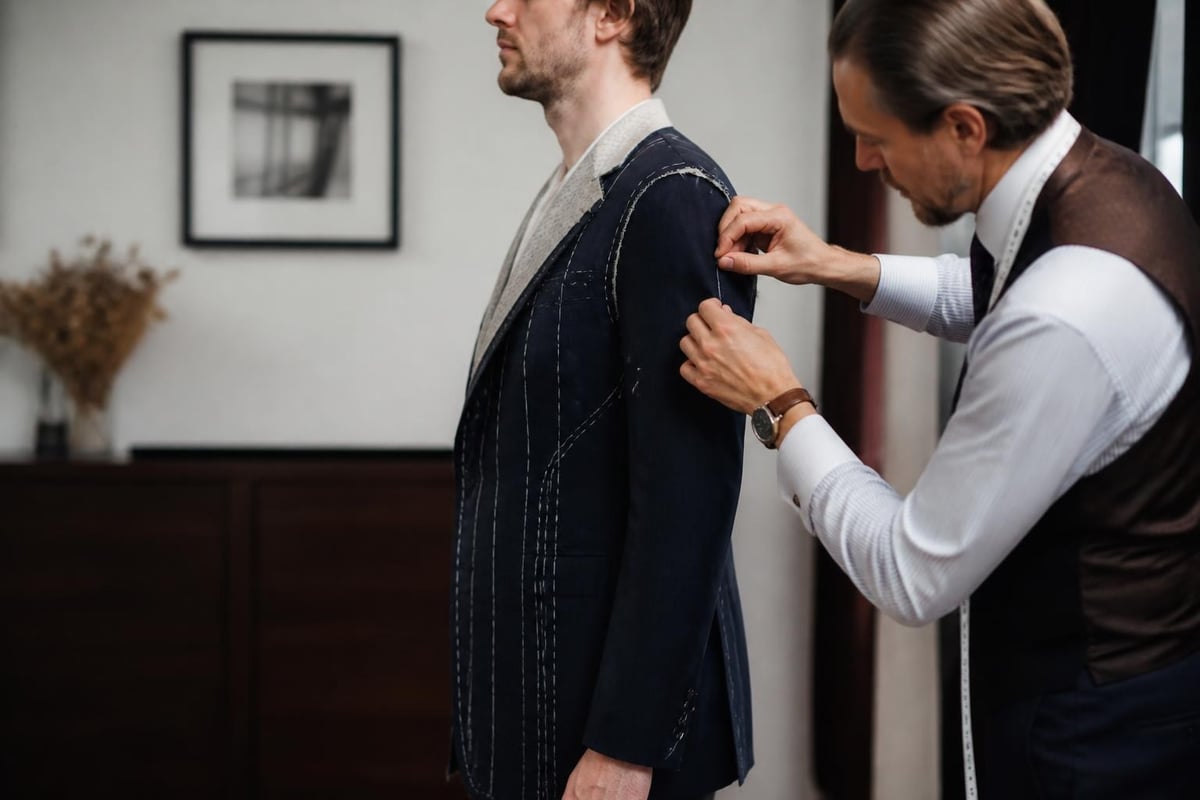
| First Fitting | Verify pattern accuracy | Shoulder positioning, chest ease, sleeve pitch |
| Second Fitting | Refine proportions | Length adjustments, waist suppression, collar fit |
| Final Fitting | Confirm completion | Minor tweaks, button placement, finishing details |
Construction phases involve both machine and hand work. While machines provide structural seaming strength, hand-stitching allows garments to move naturally and creates details impossible with automated processes.
Final delivery includes care instruction, alteration policies, and often celebration of the completed collaboration. Many long-term clients maintain relationships with tailors for decades, returning for new commissions and enjoying the ongoing partnership.
Regional Variations in Bespoke Traditions
While bespoke wear principles remain consistent globally, different regions have developed distinctive approaches reflecting cultural aesthetics and local preferences. British tailoring emphasizes structured shoulders and defined waists creating powerful silhouettes. Italian tailoring favors softer construction with natural shoulders and relaxed draping. Asian tailoring often incorporates lightweight fabrics and considers tropical climate requirements.
Bespoke services in Thailand, particularly in tourist destinations, have evolved to serve international clientele while incorporating local fabric expertise and craftsmanship traditions. The combination of skilled artisans, competitive pricing, and access to quality materials makes regions like Krabi attractive for custom tailoring.
Choosing the Right Tailor
Selecting appropriate tailoring partners significantly impacts satisfaction with bespoke wear. Several factors deserve consideration:
- Portfolio examples demonstrating style alignment with personal preferences
- Clear communication about processes, timelines, and pricing
- Reputation established through client testimonials and industry recognition
- Fabric quality and selection breadth available through the establishment
- Fitting philosophy and number of sessions included in quoted prices
- Long-term service commitment including alterations and maintenance
Building relationships with skilled tailors creates ongoing value extending far beyond individual garment commissions. Established clients benefit from tailors' understanding of their preferences, body characteristics, and lifestyle requirements, streamlining future projects.
Investment Considerations and Value Assessment
Bespoke wear represents significant financial commitment compared to ready-to-wear alternatives. However, comprehensive value assessment considers multiple factors beyond initial purchase price. Quality custom garments typically cost between two and five times equivalent ready-to-wear options, yet provide substantially longer service life and superior wearing experience.
The challenges facing the tailoring profession include aging craftspeople and insufficient new talent entering the field. This reality suggests bespoke services may become increasingly rare and valuable, making current investments particularly wise for those appreciating traditional craftsmanship.
Calculating True Cost Per Wearing
Financial prudence evaluates clothing investments based on cost per wearing rather than absolute purchase price. A bespoke suit costing $2,000 worn weekly for ten years accumulates over 500 wearings, yielding approximately $4 per wearing. Comparable ready-to-wear suits requiring replacement every two years result in higher long-term costs despite lower initial prices.
Additionally, bespoke garments retain value through alteration capabilities. As bodies change over time, custom pieces can be modified to maintain perfect fit, extending usable life far beyond off-the-rack alternatives that become unwearable with minor size changes.
Contemporary Designers Embracing Bespoke Principles
Modern fashion increasingly recognizes bespoke wear's appeal, with emerging designers making fashion feel personal by incorporating custom elements and client collaboration into their creative processes. This trend bridges haute couture exclusivity with bespoke tailoring's practical wearability.
Even heritage houses adapt to contemporary expectations while maintaining traditional standards. Establishments like Maison Charvet continue appealing to new generations through balancing classical craftsmanship with modern sensibilities, demonstrating bespoke tailoring's enduring relevance.
Caring for Custom Garments
Proper maintenance protects bespoke wear investments and ensures decades of excellent performance. Custom garments deserve care matching their construction quality:
- Professional dry cleaning by specialists understanding delicate fabrics
- Proper storage using shaped hangers and breathable garment bags
- Regular brushing to remove surface debris and maintain fabric appearance
- Prompt attention to minor repairs preventing larger damage
- Seasonal rotation allowing fabrics to rest between wearing periods
- Professional pressing maintaining crisp lines and proper draping
These practices significantly extend garment life while preserving the precise fit and appearance that make bespoke pieces special.
The Future of Custom Tailoring
Technology increasingly influences traditional crafts, including bespoke wear creation. Digital measurement systems supplement manual techniques, 3D body scanning provides comprehensive data, and computer-aided design helps visualize styling options before construction begins. However, human expertise remains irreplaceable for interpreting measurements, selecting appropriate fabrics, and executing hand-finishing work that distinguishes truly exceptional garments.
The growing appreciation for craftsmanship, sustainability, and individuality suggests strong future demand for bespoke services. As mass production becomes increasingly commoditized, custom creation offers differentiation and personal meaning that resonate with modern consumers seeking authentic experiences and lasting quality.
Bespoke wear represents more than well-fitting clothing; it embodies collaboration between skilled artisans and discerning clients seeking garments reflecting individual identity and values. The investment in custom tailoring delivers returns measured in confidence, comfort, and years of exceptional wearing experiences. Whether you're considering your first bespoke piece or expanding an existing wardrobe, the team at Alex’s Fashion brings over three decades of expertise to creating perfectly tailored garments for men, women, and children in Ao Nang, Krabi. Their commitment to world-class fabrics, meticulous attention to detail, and personalized service ensures every client receives clothing crafted precisely to their satisfaction and unique requirements.