
 DE
DE  EN
EN  FR
FR  TH
TH 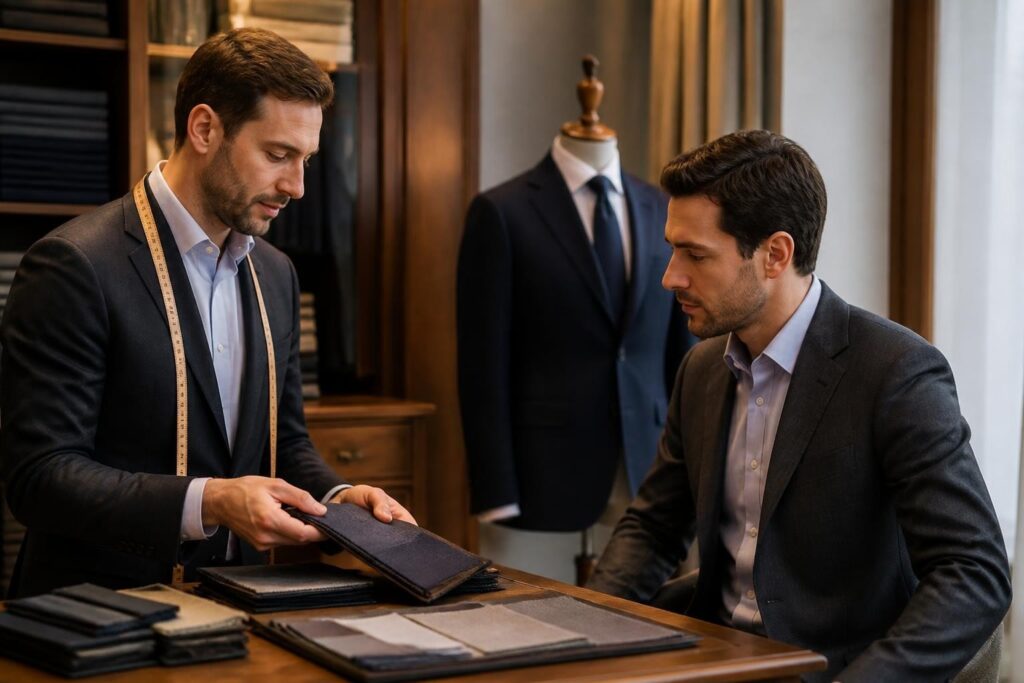
Finding the best custom suits requires understanding the intricate details that separate truly exceptional bespoke tailoring from mass-produced alternatives. A well-crafted custom suit represents more than just clothing; it embodies precision craftsmanship, personalized style, and an investment in your professional and personal image. Whether you're preparing for business meetings, special occasions, or building a versatile wardrobe, understanding what makes a custom suit exceptional will guide you toward making informed decisions that deliver lasting value and unmatched fit.
Understanding Custom Suit Construction Methods
The quality of the best custom suits begins with the construction method chosen by your tailor. Three primary approaches dominate the bespoke tailoring industry, each offering distinct advantages.
Schneiderei nach Maß
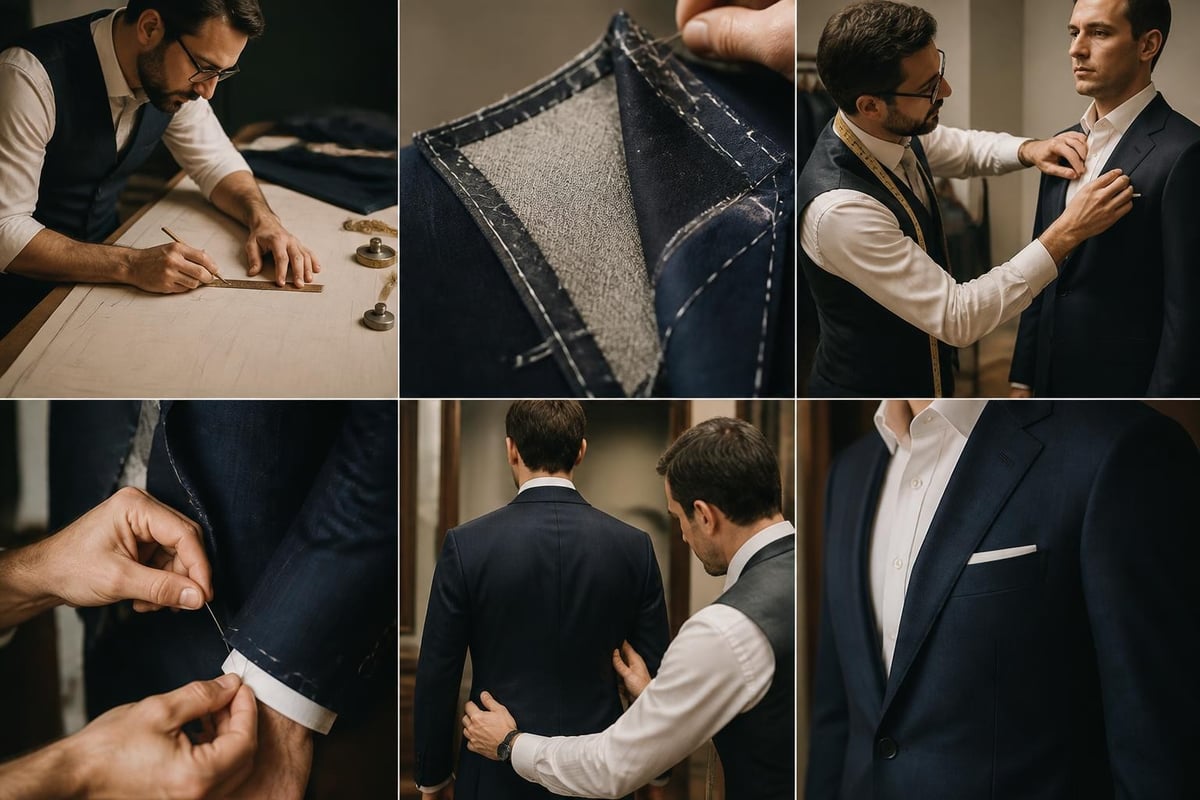
True bespoke tailoring represents the pinnacle of custom suit creation. Every element is crafted from scratch based on your unique measurements, with multiple fittings to ensure perfection. The tailor creates a unique pattern specifically for your body, accounting for posture variations, shoulder slopes, and individual proportions.
Key characteristics include:
- Hand-cut patterns created specifically for you
- Minimum of two to three fittings during construction
- Extensive handwork throughout the garment
- Complete customization of every design element
- Canvas construction for superior drape and longevity
Made-to-Measure Approach
Made-to-measure suits provide an excellent middle ground between fully bespoke and ready-to-wear options. This method starts with a standard pattern that tailors adjust to accommodate your measurements. According to Mond’s comprehensive custom suits guide, made-to-measure offers significant customization while maintaining more accessible pricing.
The process typically involves:
- Selection from existing base patterns
- Adjustment of key measurements including chest, waist, and sleeve length
- Fabric and styling choices from available options
- Single fitting to verify adjustments
- Final alterations if necessary
Key Differences in Quality
| Aspekt | Bespoke | Maßgeschneidert | Ready-to-Wear |
|---|---|---|---|
| Pattern | Unique to you | Adjusted standard | Standard only |
| Fittings | 2-3 minimum | 1-2 typical | None to one |
| Handwork | Umfassend | Mäßig | Minimal |
| Preisspanne | Highest | Mäßig | Lowest |
| Timeline | 6-12 weeks | 3-6 weeks | Immediate |
Selecting Premium Fabrics for Custom Suits
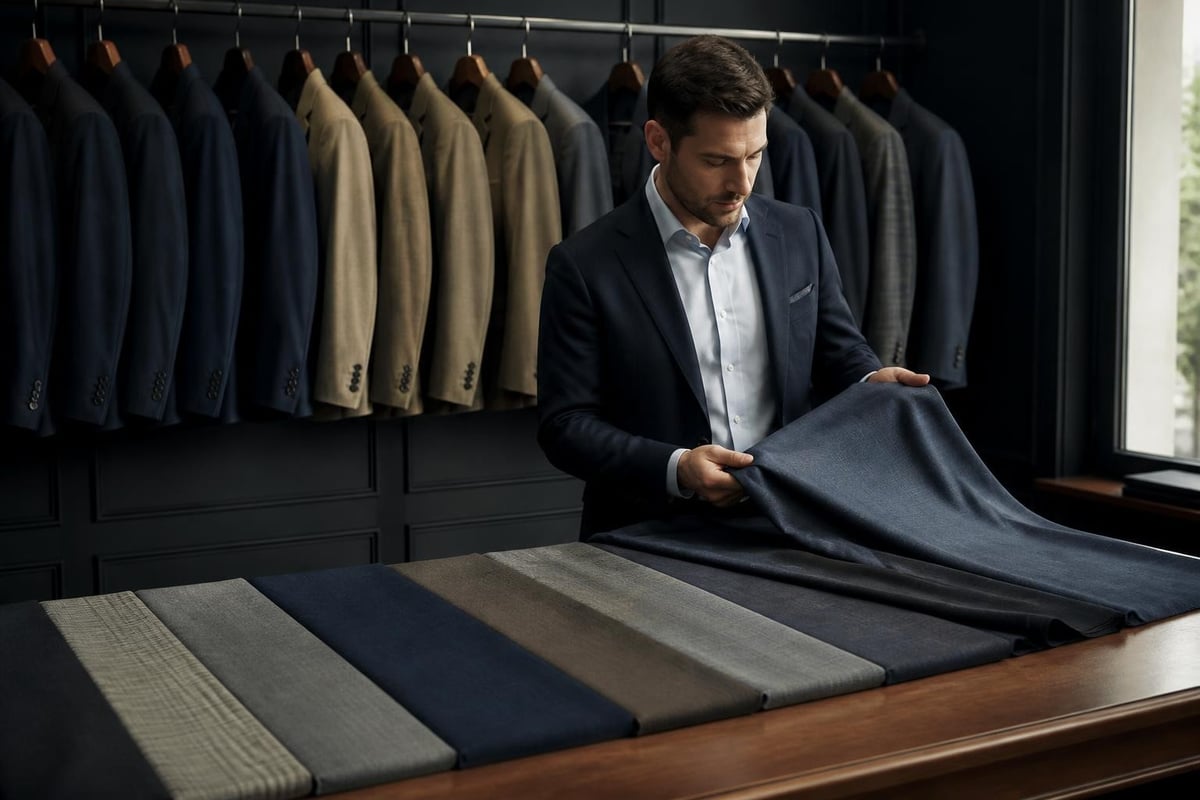
Fabric selection fundamentally influences the appearance, comfort, and longevity of the best custom suits. Understanding fiber content, weight, and weave patterns empowers you to make choices aligned with your climate, lifestyle, and aesthetic preferences.
Wool: The Foundation Fabric
Wool remains the gold standard for suit fabrics due to its breathability, resilience, and natural wrinkle resistance. Super numbers (Super 100s, Super 150s, etc.) indicate fiber fineness, with higher numbers representing softer, more luxurious fabrics.
For tropical climates like Krabi, Thailand, consider:
- Tropical weight wool (7-9 oz): Excellent breathability for warm weather
- Wool-linen blends: Enhanced cooling properties with natural texture
- Fresco wool: Loosely woven for superior air circulation
- Hopsack weave: Open weave pattern promoting ventilation
Performance and Specialty Fabrics
Modern textile technology has introduced fabrics that maintain traditional elegance while offering enhanced performance characteristics. Wool-mohair blends provide exceptional sheen and wrinkle resistance, making them ideal for travel. Wool-silk combinations offer luxurious hand feel with natural luster.
Seasonal fabric considerations:
- Spring/Summer: Lightweight wools (7-10 oz), linen blends, cotton-wool combinations
- Fall/Winter: Medium to heavyweight wools (11-14 oz), flannel, tweed
- Year-round: Worsted wool (10-11 oz) in versatile colors
Current Trends Shaping Custom Suit Design
The landscape of custom tailoring continuously evolves, with 2026 bringing renewed appreciation for personalization and craftsmanship. Capitol Hill Clothiers’ 2025 suit trends guide highlights the revival of vintage-inspired details combined with contemporary fits.
Silhouette Evolution
Modern suit silhouettes balance classic proportions with updated details. The slim-fit trend has matured into more relaxed, comfortable cuts that maintain sharp tailoring without restriction. Jacket lengths have stabilized at the traditional point where the jacket covers the seat, moving away from shorter contemporary styles.
The defining trends for Autumn/Winter 2025 showcase bold tailoring and power suits, emphasizing structure while allowing personal expression through details.
Detail-Driven Customization
Distinguishing features of the best custom suits often appear in thoughtful details:
- Lapel variations: Notch, peak, and shawl collar options with customizable width
- Button configurations: One, two, or three-button jackets with functional sleeve buttonholes
- Pocket styles: Flap, patch, or jetted pockets reflecting formality levels
- Vent selections: Single, double, or ventless backs affecting movement and tradition
- Lining choices: Full, half, or unlined construction with personalized fabric selections
Color and Pattern Trends
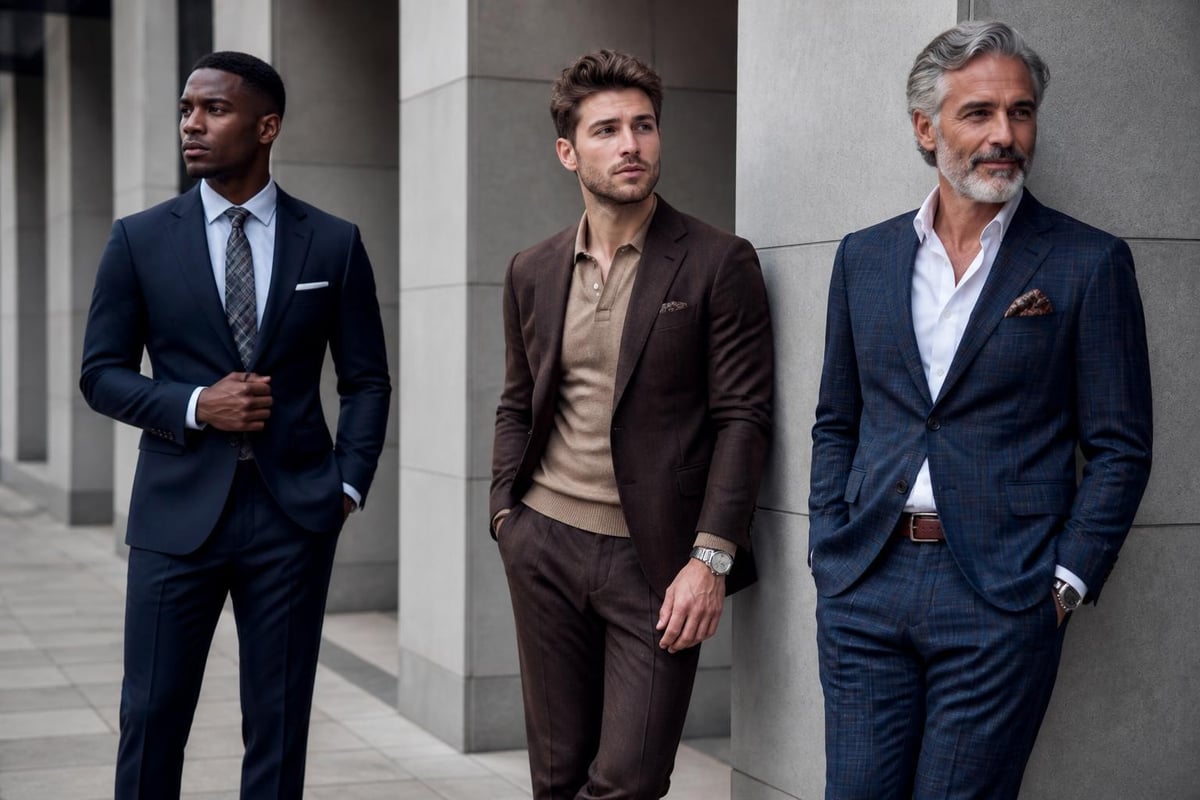
While navy and charcoal remain foundational choices, fashion trends emphasizing individuality encourage exploring bolder options. Deep greens, rich browns, and sophisticated burgundies provide distinctive alternatives to traditional business colors.
Pattern selections include:
- Subtle pinstripes for professional settings
- Windowpane checks for creative environments
- Glen plaid offering versatile sophistication
- Solid weaves with textured interest
Ensuring Perfect Fit Through Proper Measurements
The distinguishing characteristic of the best custom suits lies in achieving impeccable fit through precise measurements and skilled craftsmanship. Understanding key measurement points helps you communicate effectively with your tailor and recognize quality work.
Critical Measurement Points
Professional tailors capture numerous measurements to create suits that complement your physique. Essential measurements include chest circumference, waist size, hip measurement, shoulder width, sleeve length from shoulder to wrist, jacket length from collar to hem, trouser inseam, rise, and thigh circumference.
Shoulder fit indicators:
- Seam should sit precisely at shoulder edge
- No divots or pulling across upper back
- Smooth collar lay without gaps or bunching
- Natural sleeve hang without forward rotation
The Fitting Process
Multiple fittings separate exceptional custom suits from adequate ones. The initial fitting typically occurs with the suit basted together, allowing significant adjustments. Subsequent fittings refine details and verify corrections.
| Fitting Stage | Purpose | Adjustments Made |
|---|---|---|
| First Fitting | Major structure | Shoulders, chest, length, proportions |
| Second Fitting | Refinement | Sleeves, waist suppression, collar |
| Final Fitting | Details | Button placement, hem, final tweaks |
Recognizing Proper Fit
Quality custom suits should feel comfortable immediately without requiring a "break-in" period. The jacket should allow free arm movement without restricting shoulders. Trouser waistbands should sit comfortably at your natural waist without belts creating excessive bunching.
Check these fit elements:
- Collar hugs neck without gaps when viewed from behind
- Lapels lie flat against chest without buckling
- Buttons close without pulling or creating X-shaped wrinkles
- Sleeves show appropriate shirt cuff (approximately half inch)
- Trouser break falls naturally based on preference (no break to full break)
Choosing the Right Tailor for Custom Suits
Selecting a skilled tailor represents perhaps the most crucial decision in obtaining the best custom suits. Experience, reputation, and communication style all contribute to successful outcomes.
Evaluating Tailor Expertise
Research potential tailors thoroughly before committing to a commission. Established businesses with decades of experience typically demonstrate refined skills and reliable processes. Alex’s Fashion exemplifies this standard with over 30 years specializing in bespoke tailoring for men, women, and children.
Questions to ask prospective tailors:
- How many years have you been creating custom suits?
- What construction methods do you offer?
- Which fabric suppliers do you work with?
- How many fittings are included in the process?
- What is your alteration policy after completion?
- Kann ich Beispiele für frühere Arbeiten sehen?
Understanding the Timeline
Quality custom suit creation cannot be rushed. Bespoke suits typically require six to twelve weeks from initial consultation to completion, depending on complexity and fitting schedules. Made-to-measure options generally take three to six weeks.
Plan accordingly for important events:
- Immediate need (0-2 weeks): Consider ready-to-wear with alterations
- Short timeline (2-6 weeks): Explore made-to-measure options
- Standard timeline (6-12 weeks): Full bespoke tailoring available
- Building wardrobe: Establish ongoing relationship with preferred tailor
Caring for Custom Suits to Maximize Longevity
Proper maintenance ensures the best custom suits deliver years of exceptional wear, protecting your investment and preserving the garment's appearance.
Daily Care Practices
Simple habits significantly extend suit life. Always hang suits on proper wooden hangers with wide, contoured shoulders that maintain jacket shape. Allow suits to rest at least 24 hours between wears, giving natural fibers time to recover and release wrinkles.
Essential care items:
- Quality wooden suit hangers
- Garment brush for removing surface dust
- Cedar blocks or lavender sachets for freshness
- Breathable garment bags for storage
- Proper trouser hangers or bars
Professional Cleaning Guidelines
Dry cleaning should occur sparingly, as chemicals and pressing gradually degrade fabrics. Most suits require professional cleaning only two to four times annually, depending on wear frequency. Between cleanings, spot treat minor stains and air out garments.
Steam refreshing provides an excellent alternative to frequent dry cleaning. Hanging suits in a steamy bathroom or using a handheld steamer removes wrinkles and freshens fabrics without chemical exposure.
Storage Considerations
Climate-controlled environments prevent moisture damage and moth infestation. Store suits in cool, dry spaces with adequate air circulation. For long-term storage, use breathable cotton garment bags rather than plastic, which traps moisture.
Seasonal rotation strategies include:
- Store off-season suits in cedar-lined closets
- Inspect stored garments quarterly for pests
- Allow suits to air before returning to rotation
- Address minor repairs promptly before storage
Custom Suits for Special Occasions
Wedding ceremonies, formal events, and milestone celebrations present perfect opportunities to commission the best custom suits tailored specifically for these memorable moments. Wedding planning trends for 2025 emphasize personalized attire choices that reflect individual style.
Wedding Suit Considerations
Grooms and groomsmen increasingly choose custom suits over rental tuxedos, creating garments suitable for both the ceremony and future formal occasions. Custom wedding suits allow coordination with overall wedding aesthetics while ensuring perfect fit for photographs.
Popular wedding suit choices include:
- Classic navy or charcoal with personalized lining featuring wedding date
- Light gray or tan for tropical or beach weddings
- Bold colors like burgundy or forest green for statement-making style
- Traditional morning suits for ultra-formal ceremonies
Business and Professional Settings
Custom business suits project competence and attention to detail in professional environments. Conservative colors and subtle patterns remain appropriate for most industries, while creative fields allow more expressive choices.
Building a professional custom suit wardrobe:
- Start with navy or charcoal solid suit
- Add mid-gray option for versatility
- Include subtle pattern for variety
- Consider seasonal weights for climate
- Develop signature style elements across collection
Investing in the best custom suits requires understanding construction methods, fabric qualities, proper fit, and ongoing care requirements. When you're ready to experience truly exceptional bespoke tailoring crafted with precision and personal attention, Alex’s Fashion brings over three decades of expertise to every garment, ensuring your custom suit perfectly reflects your style and fits flawlessly. Our team in Ao Nang, Krabi specializes in creating sophisticated, made-to-measure suits using world-class fabrics, with meticulous attention to every detail that distinguishes truly exceptional tailoring.