
 DE
DE  EN
EN  FR
FR  TH
TH 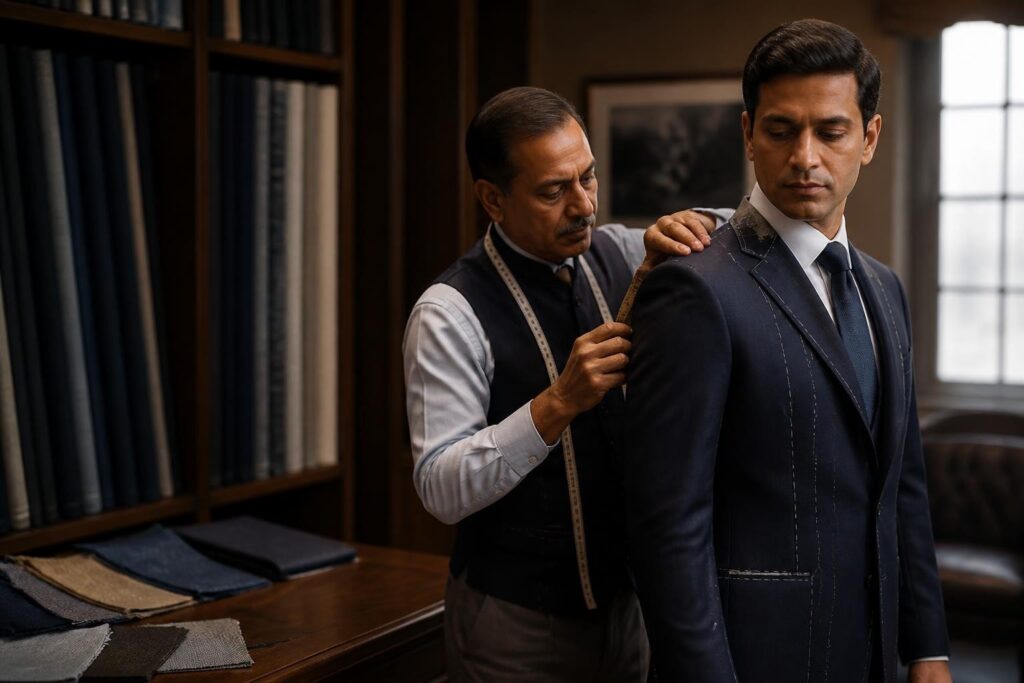
The concept of clothing tailored to suit individual preferences has transformed from a luxury reserved for elite clientele into an increasingly accessible service that prioritizes personal style, perfect fit, and quality craftsmanship. In today's fashion landscape, bespoke tailoring represents more than simply purchasing clothing off a rack. It embodies a commitment to garments that reflect personal identity, fit properly, and stand the test of time. Whether you're seeking a business suit that commands respect in boardrooms or a wedding ensemble that captures your unique vision, understanding the value of custom-tailored garments can revolutionize your wardrobe and boost your confidence in every situation.
Understanding the Tailored to Suit Philosophy
When we discuss garments tailored to suit specific needs, we're addressing a comprehensive approach to clothing that considers body shape, lifestyle requirements, personal preferences, and intended use. This philosophy extends beyond simple alterations of ready-made clothing. True bespoke tailoring involves creating garments from scratch based on precise measurements and individual specifications.
The difference between off-the-rack clothing and custom tailoring becomes apparent the moment you put on a garment designed specifically for your body. Standard sizing assumes average proportions that rarely match reality. One person might have broader shoulders relative to their waist, while another might have longer arms or a different torso length. These variations mean that mass-produced clothing almost never fits perfectly without compromises.
The Measurement Process
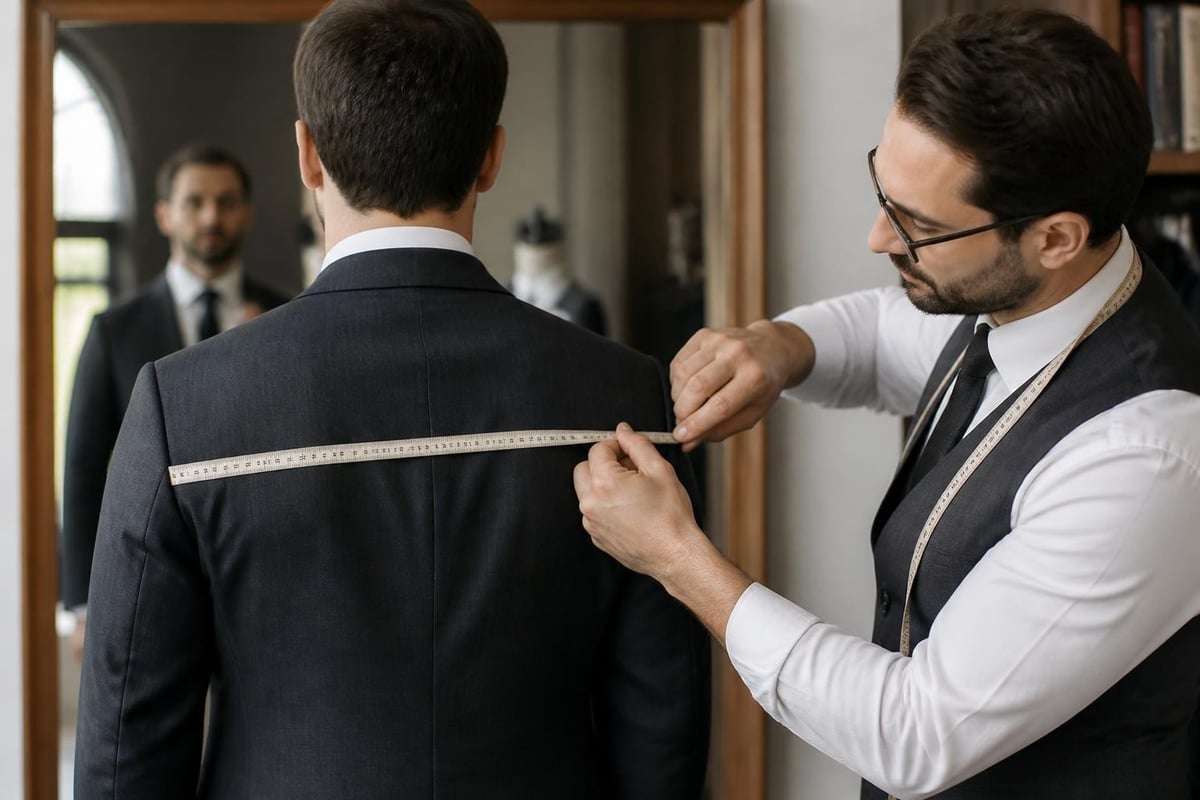
Creating garments tailored to suit begins with comprehensive measurements that capture your unique proportions. Professional tailors take dozens of measurements, far exceeding the simple chest, waist, and inseam numbers used for ready-to-wear clothing.
Key measurement areas include:
- Shoulder width and slope
- Chest circumference at multiple points
- Arm length including specific elbow positioning
- Back width and length
- Waist and hip measurements at precise locations
- Inseam and outseam for trousers
- Neck circumference and shoulder-to-neck drop
These detailed measurements create a pattern tailored to suit your exact proportions, ensuring the finished garment drapes correctly and moves naturally with your body. According to comprehensive tailoring industry statistics, custom-fitted clothing accounts for a growing segment of the apparel market as consumers increasingly value personalization and quality.
Fabric Selection Tailored to Suit Your Lifestyle
Choosing the right fabric represents a critical decision in creating garments tailored to suit your specific needs and circumstances. Different fabrics offer distinct characteristics that affect appearance, durability, comfort, and maintenance requirements. A master tailor guides clients through fabric selection based on intended use, climate considerations, and personal preferences.
Natural vs. Synthetic Fabrics
| Stoff Typ | Benefits | Best Applications | Maintenance Level |
|---|---|---|---|
| Wolle | Breathable, wrinkle-resistant, durable | Business suits, year-round wear | Mäßig |
| Baumwolle | Comfortable, breathable, versatile | Casual shirts, summer wear | Einfach |
| Leinen | Extremely breathable, lightweight | Tropical climate suits, summer garments | High (wrinkles easily) |
| Seide | Luxurious feel, natural sheen | Dress shirts, special occasions | Hoch |
| Mischungen | Combines benefits, reduces drawbacks | All-purpose garments | Variiert |
World-class fabrics sourced from renowned mills offer superior quality that enhances the final garment. Mills from Italy, England, and other textile centers produce fabrics with exceptional characteristics tailored to suit different requirements. A lightweight tropical wool might be perfect for Thailand's climate, while a heavier worsted wool suits cooler environments.
Climate-Appropriate Selections
In tropical locations like Ao Nang, Krabi, garments tailored to suit the warm, humid climate require specific fabric considerations. Breathable materials with moisture-wicking properties ensure comfort throughout the day. Lighter weaves and natural fibers help regulate body temperature while maintaining a professional appearance.
The evolving world of bespoke tailoring has seen expanded fabric offerings that incorporate innovative textiles designed for specific climate conditions while maintaining traditional aesthetic standards.
Design Elements Tailored to Suit Personal Style
Beyond measurements and fabrics, bespoke tailoring offers extensive customization options that allow garments to be perfectly tailored to suit individual style preferences. Every design element, from lapel width to button selection, can be specified according to personal taste and current fashion sensibilities.
Suit Customization Options
Creating a suit tailored to suit your aesthetic involves numerous decisions:
- Jacke Stil: Single-breasted or double-breasted configuration
- Lapel Design: Notch, peak, or shawl lapels with varying widths
- Vents: Single vent, double vents, or no vent based on preference
- Pocket Styles: Flap pockets, patch pockets, or welt pockets
- Button Configuration: Two-button, three-button, or alternative arrangements
- Lining Selection: Full lining, half-lining, or specialty patterns
- Stitching Details: Pick stitching, contrast thread, or functional buttonholes
Each choice contributes to the overall appearance and functionality of the garment. A master tailor provides guidance on which options work best for your body type, intended use, and personal style preferences.
Shirt Personalization
Custom shirts offer similar flexibility with details tailored to suit individual preferences:
- Collar styles from classic point to spread or button-down
- Cuff designs including barrel, French, or convertible options
- Placket variations such as standard, hidden, or tuxedo front
- Monogramming placement and style
- Pocket configurations or omission
- Back pleats or tailored fit

The Construction Process Tailored to Suit Quality Standards
True bespoke tailoring involves construction techniques that create garments tailored to suit the highest quality standards. This process typically includes multiple fittings and hand-finishing techniques that machine production cannot replicate.
The Fitting Journey
Creating perfectly tailored garments typically requires several fittings:
First Fitting: The basted garment reveals the basic shape and fit. Major adjustments to structure and proportions occur at this stage.
Second Fitting: Refinements address minor fitting issues. Sleeve length, trouser break, and detailed adjustments ensure optimal fit.
Final Fitting: The completed garment undergoes final inspection. Any minute adjustments guarantee perfection before delivery.
This multi-fitting approach ensures each garment is truly tailored to suit your unique requirements. According to market analysis of bespoke tailor suits, this personalized service model continues to attract discerning customers who value precision and quality.
Hand-Finishing Techniques
Elements that distinguish bespoke garments include:
- Hand-sewn buttonholes that provide superior durability
- Hand-attached linings that allow natural draping
- Hand-padded lapels that create proper roll and structure
- Hand-sewn interior components for longevity
- Hand-finished hems and edges for refined appearance
These techniques create garments tailored to suit professional standards that mass-produced clothing cannot achieve. The investment in hand-finishing translates to superior fit, enhanced durability, and distinguished appearance.
Versatility: Garments Tailored to Suit Multiple Occasions
One significant advantage of bespoke tailoring involves creating versatile pieces tailored to suit various situations. A well-designed custom wardrobe provides appropriate attire for different contexts without requiring excessive pieces.
Building a Functional Custom Wardrobe
| Kleidungsstück Typ | Versatility Factor | Occasion Range | Investment Priority |
|---|---|---|---|
| Navy Business Suit | Very High | Business, formal events, interviews | Essential |
| Light Gray Suit | Hoch | Business, weddings, daytime events | Hoch |
| Custom Dress Shirts | Very High | All professional settings | Essential |
| Trousers (separates) | Hoch | Business casual, smart casual | Medium |
| Sport Coat | Medium-High | Semi-formal, business casual | Medium |
Strategic wardrobe planning creates a collection of garments tailored to suit your lifestyle requirements. A business professional might prioritize suits and dress shirts, while someone in a creative field might focus on custom sport coats and versatile separates.
The importance of craftsmanship in fashion reflects growing consumer appreciation for well-made garments that serve multiple purposes and withstand changing trends.
Investment Value: Quality Tailored to Suit Long-Term Needs
While custom tailoring requires greater initial investment than ready-to-wear clothing, garments tailored to suit individual specifications offer substantial long-term value. Understanding this value proposition helps contextualize the pricing of bespoke services.
Cost-Per-Wear Analysis
Quality bespoke garments typically last significantly longer than mass-produced alternatives:
- Mass-produced suit: 2-3 years of regular wear, $500, approximately $167-250 per year
- Bespoke suit: 10-15 years of regular wear, $1,500-2,500, approximately $100-250 per year
When properly maintained, custom garments tailored to suit your measurements provide superior value over their lifespan. The perfect fit also means you'll wear these garments more frequently, increasing their practical value.
Maintenance and Longevity
Garments tailored to suit your needs deserve proper care:
- Regular professional cleaning (dry cleaning for suits, professional laundering for shirts)
- Proper storage using quality hangers and garment bags
- Rotation to prevent excessive wear on individual pieces
- Prompt attention to minor repairs before they become major issues
- Seasonal storage considerations for climate-appropriate protection
Research from tailoring industry statistics indicates that consumers increasingly recognize the sustainability benefits of investing in durable, custom-fitted clothing rather than frequently replacing lower-quality garments.
Special Considerations: Garments Tailored to Suit Unique Requirements
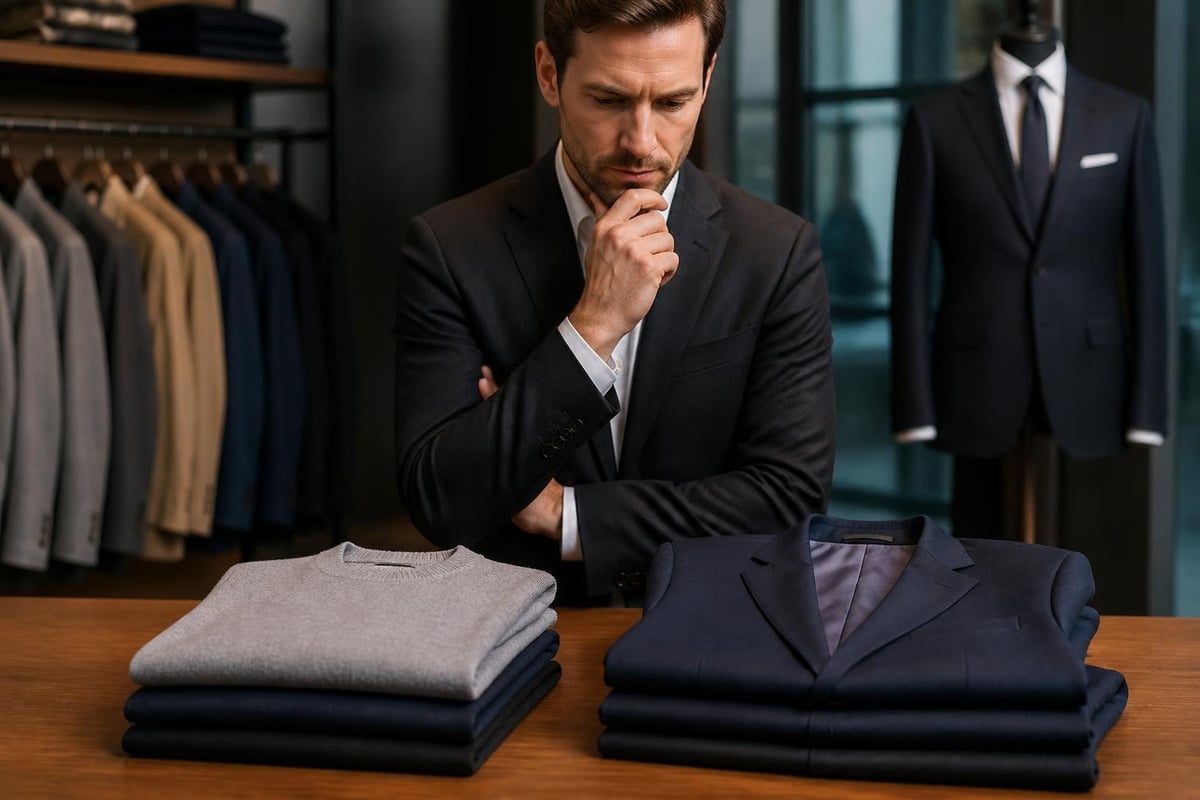
Bespoke tailoring excels at addressing specific needs that standard clothing cannot accommodate. Whether dealing with body proportion variations, physical considerations, or specialized functional requirements, custom tailoring creates solutions tailored to suit individual circumstances.
Addressing Body Variations
Professional tailors accommodate various physical characteristics:
- Significant height differences (very tall or petite individuals)
- Athletic builds with pronounced muscle development
- Post-surgery body changes requiring special considerations
- Asymmetrical features requiring balance adjustments
- Posture variations affecting garment hang and drape
These adaptations ensure comfortable, flattering garments that work with your unique physique rather than against it. The luxury fashion market trends show increasing consumer preference for personalized experiences that acknowledge individual differences.
Professional Requirements
Certain professions benefit from garments tailored to suit specific functional needs:
Legal Professionals: Conservative styling with subtle personalization that maintains authority while ensuring comfort during long court sessions.
Medical Practitioners: Garments that project professionalism while allowing movement and incorporating practical considerations for clinical environments.
Business Executives: Suits that command presence in boardrooms while remaining comfortable during extensive travel.
Performance Artists: Custom formal wear that accommodates stage movement while maintaining impeccable appearance under lights.
Cultural Sensitivity: Design Tailored to Suit Regional Preferences
In international destinations like Thailand, bespoke tailors create garments tailored to suit both local aesthetic preferences and global style standards. This cultural fluency ensures appropriate styling regardless of where garments will be worn.
East Meets West Design Integration
Skilled tailors blend design elements:
- Western tailoring techniques with Asian fabric preferences
- Traditional craftsmanship with contemporary styling
- Climate-appropriate construction with business formality requirements
- Cultural color significance with personal preferences
This versatility proves particularly valuable for international travelers seeking garments that perform well across different cultural contexts.
Tourism and Destination Tailoring
Locations like Ao Nang attract visitors seeking quality custom garments. Services tailored to suit tourist needs include:
- Expedited production timelines
- International shipping arrangements
- Multi-fitting schedules accommodating travel plans
- Guidance for visitors unfamiliar with bespoke processes
- Follow-up services for adjustments after return home
According to analysis on whether bespoke tailoring is worth offering in 2026, businesses that successfully serve both local and international clientele demonstrate strong market positioning.
Technology Integration: Modern Tools Tailored to Suit Precision Requirements
Contemporary bespoke tailoring increasingly incorporates technology while maintaining traditional craftsmanship. These tools create more precise garments tailored to suit exacting specifications without compromising the personal touch that defines bespoke service.
Digital Measurement Systems
Advanced measurement technologies include:
- 3D body scanning for comprehensive dimensional data
- Digital pattern creation software for precision templates
- Virtual fitting simulations showing garment appearance before construction
- Measurement databases enabling repeat orders without new fittings
These systems complement rather than replace experienced tailors' expertise, providing additional precision for garments tailored to suit exact specifications.
Communication and Service Enhancement
Modern tailoring businesses leverage technology for improved client experience:
- Digital fabric catalogs with detailed specifications
- Online appointment scheduling and management
- Progress updates during garment construction
- Digital measurement records for future orders
- Virtual consultations for international clients
Reports on digital innovation in personal tailored suits highlight how technology enhances traditional services while preserving the personalized nature of bespoke tailoring.
Family Services: Tailoring Tailored to Suit All Ages
Comprehensive bespoke tailoring extends beyond adult menswear to include services tailored to suit women and children. This family-oriented approach provides coordinated styling for special occasions and ensures proper fit across all family members.
Children's Custom Clothing
Garments tailored to suit younger clients offer specific benefits:
- Proper fit during growth periods
- Durable construction for active lifestyles
- Special occasion outfits for weddings and formal events
- Growth allowances enabling extended wear
- Introduction to quality clothing appreciation
Custom children's clothing proves particularly valuable for formal occasions requiring coordinated family attire or when standard sizing doesn't accommodate individual proportions.
Women's Bespoke Tailoring
Services tailored to suit women include:
Business Attire: Suits, blazers, and trousers with professional styling and perfect fit
Formal Wear: Evening gowns, cocktail dresses, and special occasion outfits
Coordinated Pieces: Mix-and-match separates creating versatile wardrobes
Specialized Garments: Maternity adaptations, modest styling, or specific professional requirements
The ability to create entire family wardrobes tailored to suit coordinated aesthetics proves invaluable for destination weddings, family portraits, and significant celebrations.
Sustainability: Conscious Fashion Tailored to Suit Environmental Values
The environmental impact of fashion has prompted increased interest in sustainable practices. Bespoke tailoring naturally aligns with sustainability principles by creating durable garments tailored to suit long-term use rather than disposable fast fashion.
Sustainable Tailoring Practices
Elements supporting environmental responsibility:
- Langlebigkeit: Quality construction ensures years of wear
- Timeless Design: Classic styling transcends temporary trends
- Precise Production: Custom creation minimizes waste from unsold inventory
- Repair Culture: Tailors provide alteration and repair services extending garment life
- Quality Materials: Natural, biodegradable fabrics from responsible sources
Studies show that consumers increasingly seek sustainable options, with custom-fitted clothing representing a responsible alternative to frequent replacement of lower-quality garments.
Ethical Production
Bespoke tailoring supports ethical fashion through:
- Local craftsmanship supporting skilled artisans
- Transparent production processes
- Fair compensation for specialized skills
- Small-scale production minimizing environmental impact
- Preservation of traditional techniques facing extinction
Information about challenges in the tailoring profession underscores the importance of supporting skilled tailors who maintain these valuable traditions.
Understanding the comprehensive benefits of garments tailored to suit individual needs reveals why discerning customers continue choosing bespoke tailoring despite readily available alternatives. The combination of perfect fit, personalized design, quality construction, and long-term value creates an experience and product that mass production cannot replicate. With over 30 years of expertise serving clients from around the world, Alex’s Fashion brings this tradition of excellence to Ao Nang, Krabi, creating custom garments for men, women, and children using world-class fabrics and meticulous craftsmanship. Whether you're seeking business attire, special occasion wear, or a complete custom wardrobe, discover how bespoke tailoring transforms your relationship with clothing through garments precisely tailored to suit your unique requirements.