
 EN
EN  FR
FR  DE
DE  TH
TH 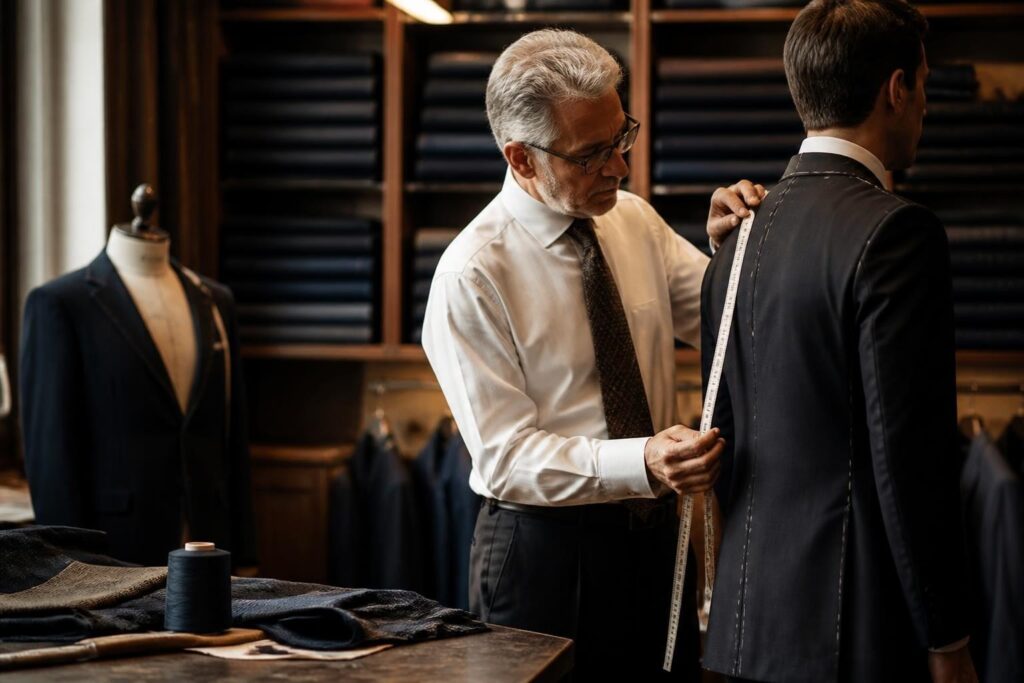
The tradition of British custom tailoring represents one of the most refined and respected craftsmanship disciplines in the fashion world. Rooted in centuries of heritage and meticulous attention to detail, this approach to garment creation has set the global standard for what constitutes truly exceptional bespoke clothing. Whether you're seeking a perfectly fitted suit for business, a sophisticated outfit for a special occasion, or simply wish to understand the principles that distinguish superior tailoring, exploring the world of British custom tailoring offers invaluable insights into quality, precision, and timeless style that remain as relevant in 2026 as they were centuries ago.
The Heritage of British Bespoke Tailoring
The story of British custom tailoring begins on the legendary streets of London, where artisans have perfected their craft over generations. Savile Row’s evolution into the epicenter of British tailoring established principles that continue to influence bespoke tailoring worldwide. This heritage isn't merely about creating garments but about developing a relationship between tailor and client that results in clothing perfectly aligned with individual needs and preferences.
What sets a british custom tailor apart is the unwavering commitment to structure, proportion, and fit. These craftspeople understand that every body is unique, requiring individual pattern adjustments and careful consideration of posture, movement, and personal style preferences. The traditional approach involves extensive consultation, precise measurements, and multiple fittings to ensure the final garment achieves perfection.
The Philosophy Behind British Craftsmanship
British tailoring philosophy emphasizes substance over flash. Clean lines, expert construction, and fabrics that improve with age form the foundation of this approach. A true british custom tailor focuses on creating garments that will serve their owners for decades, not merely seasons.
Core principles include:
- Emphasis on shoulder construction and chest shape for proper drape
- Hand-stitched details that allow for flexibility and durability
- Natural fabrics sourced from world-class mills
- Conservative elegance over trendy embellishments
- Attention to the canvas layer that gives structure to jackets
The timeless principles of British bespoke tailoring remain remarkably consistent even as fashion trends shift. This consistency provides clients with confidence that their investment in bespoke clothing will maintain relevance and quality throughout years of wear.
Understanding the Bespoke Process
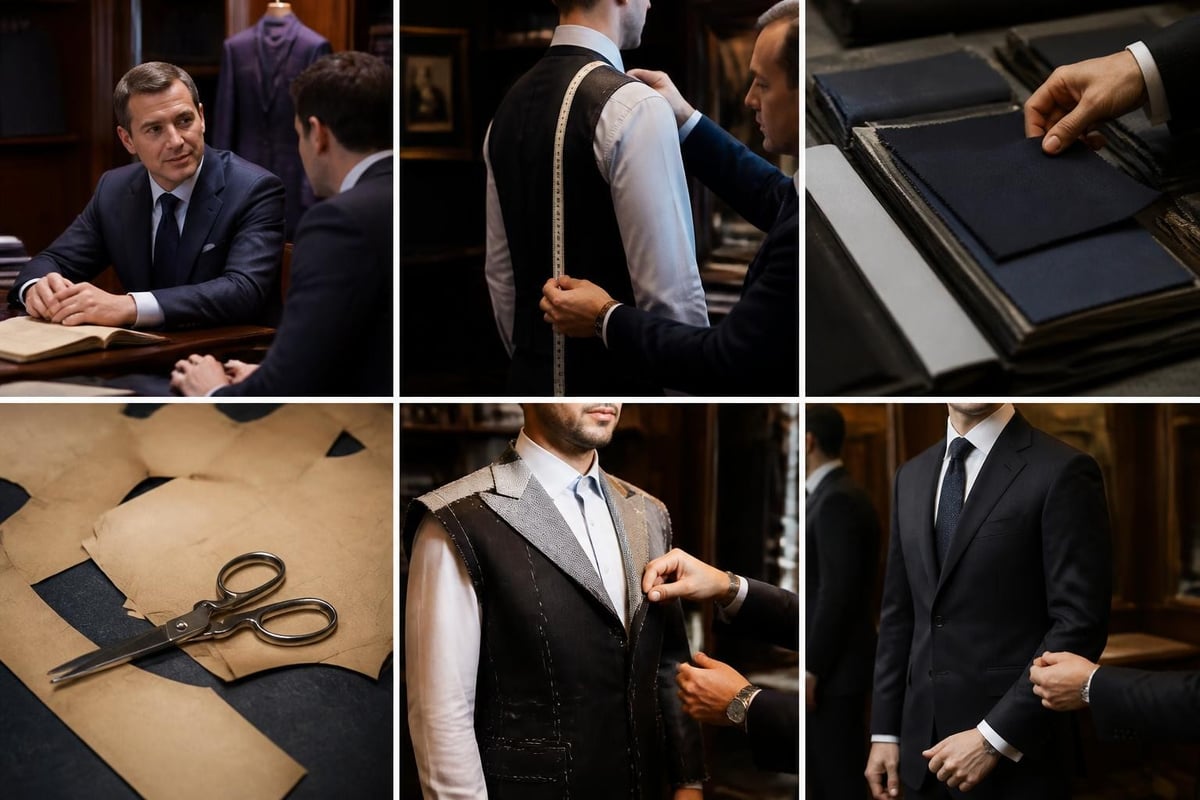
Working with a british custom tailor involves several distinct stages, each critical to achieving the exceptional results that define this craft. The process begins long before fabric meets scissors, with extensive consultation to understand the client's lifestyle, preferences, and requirements.
Initial Consultation and Measurement
The first meeting establishes the foundation for everything that follows. An experienced tailor discusses:
- Purpose and Occasion – Understanding when and where garments will be worn
- Style Preferences – Determining lapel width, button stance, pocket styles, and other details
- Fabric Selection – Choosing materials appropriate for climate, use, and personal taste
- Budget Considerations – Aligning expectations with available options
- Timeline Requirements – Planning fittings and completion dates
Measurements taken by a skilled british custom tailor go far beyond the simple chest and waist dimensions used in ready-to-wear clothing. Comprehensive measurement captures over twenty different body points, including shoulder slope, arm pitch, back length variations, and posture considerations that affect how fabric drapes on the individual frame.
Pattern Creation and Cutting
Once measurements are complete, the tailor creates a unique pattern specifically for the client. This pattern serves as the blueprint for all future garments, refined with each successive creation as the tailor learns more about the client's body and preferences.
| Stage | Time Investment | Purpose |
|---|---|---|
| Pattern Drafting | 2-3 hours | Creating individual specifications |
| Fabric Cutting | 1-2 hours | Precise material preparation |
| Basting | 3-4 hours | Initial assembly for first fitting |
| First Fitting | 30-45 minutes | Major adjustments identified |
| Second Fitting | 20-30 minutes | Fine-tuning details |
| Final Finishing | 8-12 hours | Hand-stitching and pressing |
The cutting stage requires exceptional skill. A british custom tailor must account for fabric characteristics, pattern matching, and the direction of the weave to ensure the finished garment hangs properly and wears evenly over time.
Fabric Selection and Quality
The materials used in British custom tailoring represent some of the finest textile production in the world. Mills in Yorkshire, Scotland, and other British regions have spent generations perfecting wool production, creating fabrics with exceptional characteristics.
Understanding British Cloth
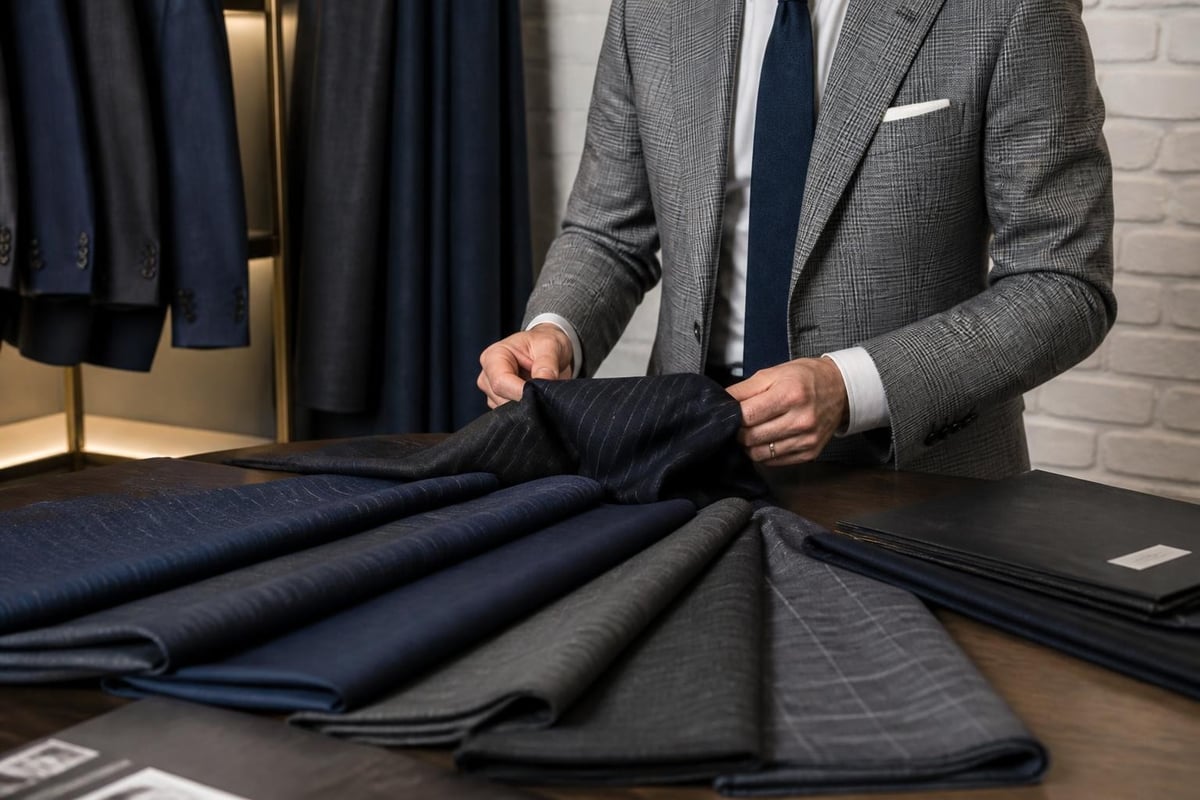
British cloth tends toward weight and structure. These fabrics provide the foundation that allows a british custom tailor to create the crisp, clean lines characteristic of the style. Common weights range from 10-14 ounces for year-round wear, with lighter options for tropical climates and heavier choices for winter garments.
Popular British fabric mills include:
- Huddersfield Fine Worsteds for super-fine wool
- Holland & Sherry for luxury suiting
- Dormeuil for innovative weaves
- Scabal for exclusive patterns
- John Foster for reliable quality
For clients in tropical locations like Krabi, Thailand, working with these traditional fabrics requires adaptation. A knowledgeable tailor can select lighter-weight British cloths or recommend tropical wool alternatives that maintain the aesthetic qualities of British tailoring while providing comfort in warm, humid conditions.
Fabric Characteristics That Matter
When consulting with a british custom tailor about fabric selection, several factors deserve consideration beyond appearance:
The weave pattern affects both look and durability. Plain weaves provide versatility and longevity, while twills offer visual interest and wrinkle resistance. The thread count determines how the fabric drapes and how it will age over years of wear.
Fiber composition plays a crucial role in performance. Pure wool remains the gold standard for suits, offering breathability, resilience, and natural temperature regulation. Wool-silk blends add subtle luster appropriate for formal occasions, while wool-linen combinations provide enhanced cooling for warmer climates.
The Fitting Experience
Fittings represent the heart of the bespoke process. This is where the expertise of a british custom tailor becomes most apparent, as they assess how fabric interacts with the body and make adjustments that transform a garment from merely adequate to exceptional.
First Fitting Fundamentals
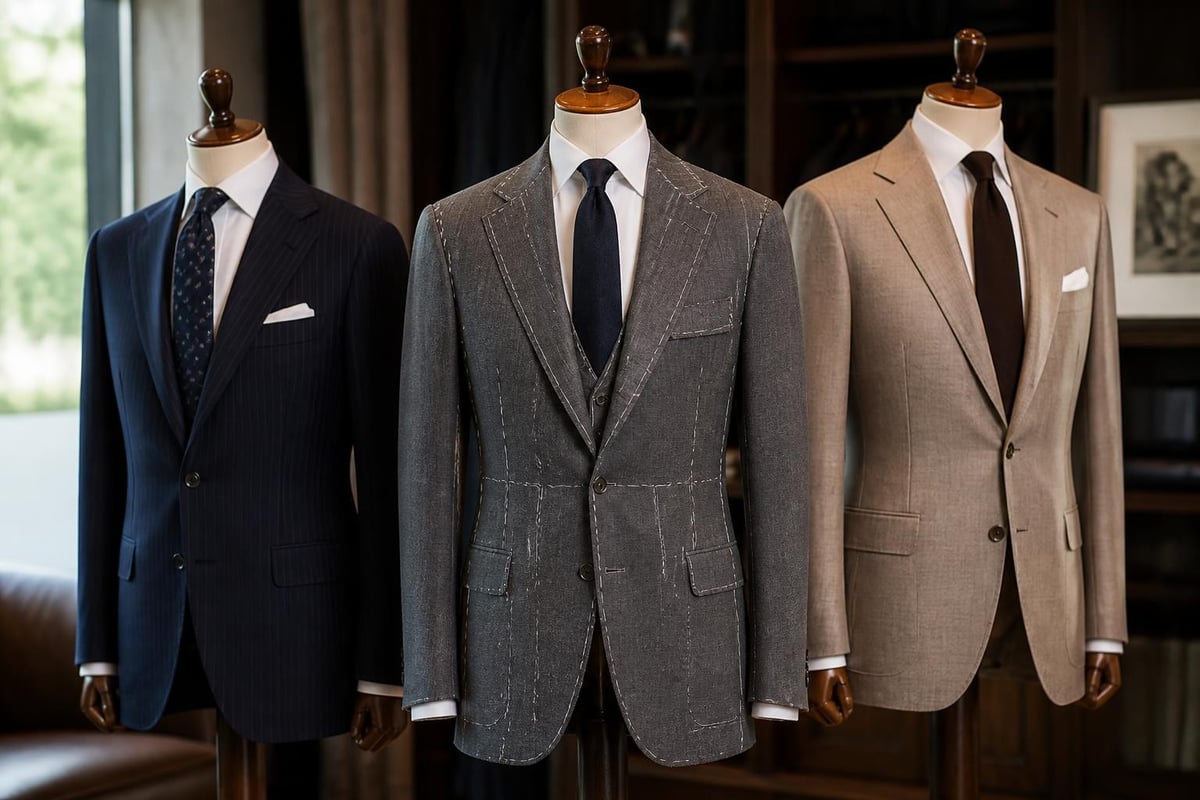
The initial fitting typically occurs when the garment is basted together without final stitching. This allows the tailor to make significant adjustments if needed. During this session, the client tries on the partially completed garment while the tailor assesses:
- Shoulder balance and pitch
- Chest and waist suppression
- Sleeve length and arm mobility
- Trouser waist position and leg drape
- Overall proportions and silhouette
A skilled british custom tailor observes the client in natural movement, not just standing at attention. They watch how fabric reacts when sitting, reaching, and walking, ensuring the finished garment will perform well in real-world situations.
Refinement Through Multiple Fittings
The essence of British bespoke tailoring lies in this iterative refinement process. While some garments achieve perfection in two fittings, complex pieces or new clients may require three or even four sessions to dial in every detail.
Each fitting builds on the previous one, with adjustments becoming progressively more subtle. By the final fitting, changes might involve fractions of an inch, yet these minor adjustments make the difference between a garment that fits well and one that fits perfectly.
Modern Adaptations of Traditional Techniques
British tailoring in 2026 continues to set global standards while embracing modern innovations that enhance both process and product. Today's british custom tailor combines heritage techniques with contemporary understanding of fit, comfort, and versatility.
Technology Meets Tradition
Modern tailors employ digital tools to enhance precision without sacrificing handcraftsmanship. Digital measurement systems ensure accuracy and maintain detailed records that allow for consistent results across multiple garments. Pattern-making software enables rapid adjustments while preserving the custom approach that defines bespoke work.
However, the crucial elements remain firmly rooted in handwork:
- Hand-padded lapels that create the characteristic roll
- Hand-sewn buttonholes with thread bars for durability
- Hand-felled seams inside jackets for clean finishing
- Hand-stitched hems that allow for future alterations
- Hand-attached linings that move independently from outer fabric
These traditional techniques cannot be replicated by machines. They require the trained eye and experienced hand of a skilled artisan who understands how subtle variations in tension and stitch placement affect the final result.
Style Evolution Within Tradition
While maintaining core principles, British custom tailoring has evolved to accommodate contemporary preferences. Modern clients often request:
| Traditional Element | Contemporary Adaptation |
|---|---|
| Structured shoulder | Softer, more natural shoulder line |
| Full canvas construction | Strategic canvas placement for lighter weight |
| High-rise trousers | Mid-rise options with classic details |
| Conservative colors | Expanded palette with textured fabrics |
| Formal-only application | Business casual and smart casual pieces |
A versatile british custom tailor understands these evolving preferences while ensuring adaptations don't compromise the fundamental quality and longevity that justify investment in bespoke clothing. At Alex’s Fashion, this balance between tradition and contemporary style allows clients to enjoy classic craftsmanship tailored to modern lifestyles.
Choosing Your British Custom Tailor
Selecting the right tailor represents a decision with long-term implications. The relationship between client and british custom tailor often spans decades, with trust and understanding deepening with each successive garment.
Essential Qualities to Evaluate
Experience and Training – A qualified tailor should demonstrate comprehensive knowledge of garment construction, fabric characteristics, and fitting techniques. Many British-trained tailors complete formal apprenticeships lasting several years before working independently.
Portfolio and Reputation – Review examples of previous work, paying attention to finishing details, proportion, and overall aesthetic. Client testimonials provide insight into the working relationship and satisfaction with final results.
Communication Skills – The best technical skills mean little if a tailor cannot effectively understand and interpret client preferences. Look for someone who listens carefully, asks relevant questions, and clearly explains options and recommendations.
Fabric Access – Quality tailoring requires quality materials. A well-connected british custom tailor maintains relationships with premium fabric suppliers, providing clients access to the finest cloths available.
Questions to Ask
Before committing to a bespoke garment, consider asking:
- What training and experience do you have in British tailoring techniques?
- How many fittings do you typically include in the process?
- What alterations or adjustments are included if the fit isn't perfect?
- Can you provide references from long-term clients?
- What is your timeline from order to completion?
- Do you maintain pattern records for future orders?
The answers to these questions reveal not just technical capability but also the tailor's approach to client service and long-term relationship building.
Investment and Value Considerations
Bespoke clothing from a british custom tailor represents a significant financial commitment. Understanding what drives pricing and how to evaluate value helps clients make informed decisions aligned with their needs and expectations.
Pricing Factors
Several elements influence the cost of custom-tailored garments:
Labor Intensity – A properly constructed bespoke suit requires 40-60 hours of skilled labor. Hand-stitching techniques, multiple fittings, and individual pattern creation all contribute to time investment that must be reflected in pricing.
Fabric Quality – Materials from premium British mills command higher prices due to superior fiber quality, expert weaving, and limited production runs. A single suit length of top-tier cloth might cost several hundred dollars before any tailoring work begins.
Complexity and Details – Additional features like working sleeve buttonholes, contrasting linings, or intricate pattern matching increase both time and skill requirements, affecting final cost.
Long-Term Value Proposition
When evaluating cost, consider the lifespan and performance of bespoke garments compared to alternatives. A well-made suit from a british custom tailor can provide a decade or more of regular wear, with periodic alterations extending usefulness even as the body changes over time.
| Consideration | Ready-to-Wear | Made-to-Measure | Full Bespoke |
|---|---|---|---|
| Fit Quality | Generic sizing | Adjusted standard pattern | Individual pattern |
| Fabric Options | Limited selection | Moderate selection | Unlimited access |
| Construction | Machine-made | Mixed machine/hand | Extensive handwork |
| Longevity | 2-4 years typical | 4-6 years typical | 10+ years typical |
| Alteration Potential | Limited | Moderate | Extensive |
The cost per wear of a bespoke garment often compares favorably with lower-priced alternatives when calculated over the garment's full lifespan. Additionally, the superior fit and quality contribute to professional appearance and personal confidence in ways difficult to quantify but nonetheless valuable.
Caring for Bespoke Garments
Proper maintenance extends the life of custom-tailored clothing and protects your investment. A british custom tailor typically provides care guidance specific to the fabrics and construction methods used in each garment.
Essential Care Practices
Regular Brushing – After each wearing, brush the garment with a quality clothes brush to remove surface dust and debris. Brush in the direction of the fabric weave to avoid damaging fibers.
Proper Storage – Use shaped wooden hangers that support the shoulders without creating stress points. Allow garments to air between wearings rather than immediately returning them to a crowded closet.
Professional Cleaning – Limit dry cleaning to when actually necessary, as chemical processes gradually degrade fabric fibers. Between cleanings, spot-treat minor stains and use steam to refresh the garment.
Rotation – Avoid wearing the same garment on consecutive days. Fabric needs time to recover its shape and release moisture absorbed during wear.
Addressing Issues Promptly
Minor problems become major repairs if ignored. Loose buttons should be resecured immediately. Small tears or seam separations should be addressed before they expand. A relationship with your british custom tailor often includes periodic maintenance, ensuring garments remain in excellent condition throughout their lifespan.
The history of British luxury menswear demonstrates how proper care allows quality garments to serve their owners for generations, sometimes even becoming valued heirlooms passed down within families.
Beyond Suits: The Range of Bespoke Services
While suits represent the most recognized product of British custom tailoring, the techniques and principles apply equally to other garments. A skilled british custom tailor can create complete wardrobes tailored to individual specifications.
Shirts and Formal Wear
Custom shirts demonstrate many of the same advantages as bespoke suits. Proper collar fit, sleeve length, and body proportions create comfort and appearance impossible to achieve with off-the-rack options. Details like monogramming, collar and cuff styles, and fabric selection allow for personalization that reflects individual taste.
Evening wear and formal attire benefit particularly from bespoke construction. The precise fit requirements of dinner jackets and morning coats make custom creation nearly essential for those seeking true elegance.
Casual and Business Casual Options
Modern british custom tailor services extend beyond traditional business attire to include:
- Sport coats in casual fabrics and patterns
- Tailored trousers for business casual environments
- Blazers for social occasions
- Waistcoats as statement pieces
- Overcoats and outerwear
This expansion allows clients to apply the same quality standards and perfect fit across their entire wardrobe, creating cohesive style from formal to casual contexts.
The Global Influence of British Tailoring
The principles established by British craftspeople have influenced tailoring traditions worldwide. From Hong Kong to Naples, from New York to Thailand, elements of British technique appear in the work of skilled tailors who have studied and adapted these methods to local contexts and client preferences.
British Techniques in Tropical Climates
Tailors in warm climates like Thailand face unique challenges when applying British custom tailoring principles. The structured, layered construction that works beautifully in London's temperate weather requires adaptation for comfort in tropical heat and humidity.
Successful approaches include:
- Selecting lighter-weight fabrics while maintaining quality standards
- Modifying canvas construction to reduce weight without sacrificing structure
- Choosing breathable linings in natural fibers
- Adjusting fit to allow for air circulation
- Recommending appropriate fabric care for humid conditions
These adaptations demonstrate how fundamental principles of fit, construction, and quality transcend specific geographic contexts when applied thoughtfully by experienced professionals.
Preserving Tradition While Serving Modern Clients
The enduring appeal of British bespoke tailoring lies in its ability to remain relevant across changing times and diverse locations. Whether working on Savile Row or in Ao Nang, the core commitment to individual service, exceptional quality, and lasting value continues to attract clients who recognize the difference between genuine craftsmanship and mass production.
The tradition of British custom tailoring offers timeless principles of fit, quality, and craftsmanship that remain as valuable in 2026 as they were centuries ago. Whether you're seeking your first bespoke garment or looking to expand an existing wardrobe, understanding these principles helps you make informed decisions and appreciate the artistry involved. At Alex’s Fashion, over 30 years of experience in bespoke tailoring combines traditional techniques with modern service, creating custom garments for men, women, and children that reflect both British heritage and contemporary style. Visit our showroom in Ao Nang to discover how expert tailoring can transform your wardrobe with perfectly fitted, beautifully constructed clothing designed specifically for you.