
 EN
EN  FR
FR  DE
DE  TH
TH 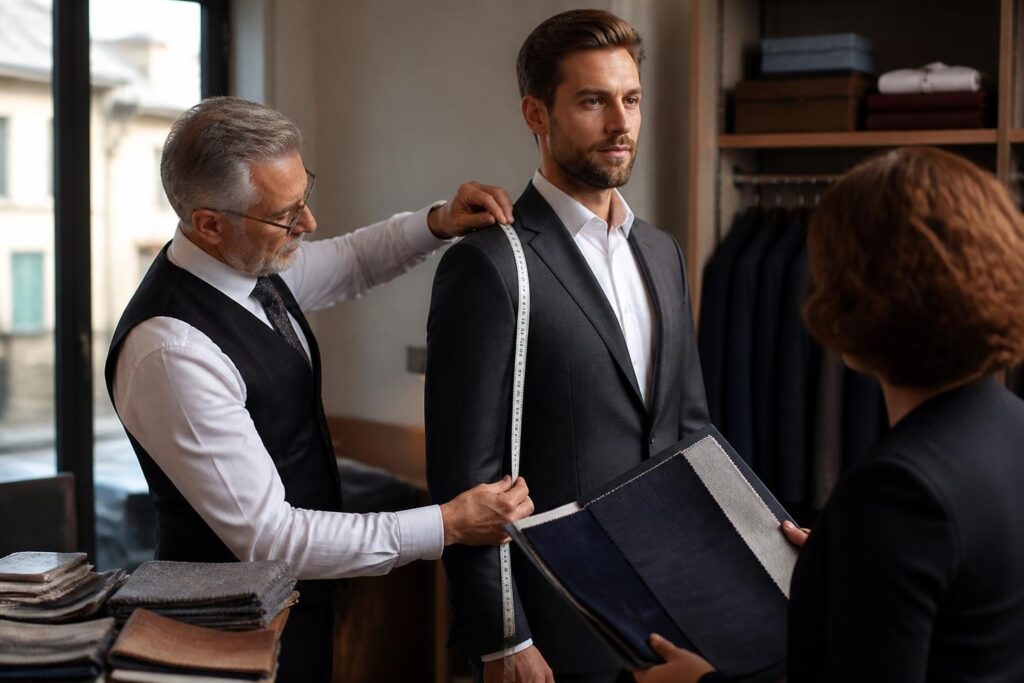
Finding the perfect garment off the rack often feels like searching for a needle in a haystack. Mass-produced clothing rarely captures your unique proportions, personal aesthetic, or quality expectations. This is where a style tailor becomes invaluable, transforming the way you approach your wardrobe by creating garments that are exclusively yours. A skilled style tailor combines technical expertise with artistic vision, ensuring every piece reflects your individual taste while fitting your body like a second skin.
Understanding the Style Tailor Craft
A style tailor goes beyond basic alterations or simple measurements. This professional serves as your personal clothing designer, advisor, and craftsperson rolled into one. The relationship between client and style tailor involves deep collaboration, where understanding your lifestyle, preferences, and body shape creates the foundation for exceptional garments.
The process begins with comprehensive consultation. Your style tailor will discuss your wardrobe needs, assess your existing pieces, and identify gaps that custom clothing can fill. This conversation covers everything from fabric preferences to color palettes, from casual requirements to formal occasion needs.
Key responsibilities of a professional style tailor include:
- Taking precise body measurements across multiple points
- Recommending fabrics based on climate, occasion, and durability
- Designing garment cuts that flatter your specific body type
- Creating patterns tailored to your exact specifications
- Conducting multiple fittings to ensure perfect results
- Advising on style trends while respecting timeless elegance
The Heritage of Bespoke Craftsmanship
The tradition of personalized tailoring stretches back centuries. Savile Row in London represents the pinnacle of this heritage, where bespoke tailoring has been refined into an art form over generations. Similarly, Maison Charvet in Paris has maintained its reputation for exceptional made-to-measure garments since 1838.
These establishments prove that a skilled style tailor creates more than clothing. They craft confidence, professional presence, and personal expression through fabric and thread.
Why Choose a Style Tailor Over Ready-to-Wear
The difference between custom and mass-produced clothing becomes apparent the moment you slip on a tailored garment. Every seam, dart, and line works in harmony with your body rather than against it.
Perfect Fit Guaranteed
Standard sizing assumes average proportions that rarely match real bodies. One person might have broad shoulders with a narrow waist. Another might need extra length in sleeves but standard chest measurements. A style tailor addresses these variations precisely.
| Ready-to-Wear | Style Tailor Custom |
|---|---|
| Limited size options | Infinite adjustability |
| Compromised fit | Perfect body contours |
| Generic proportions | Individual measurements |
| Minor alterations possible | Built for your body |
| Standard sleeve/inseam lengths | Exact length specifications |
Your style tailor creates garments that move with you, never pulling, bunching, or hanging awkwardly. This attention to detail produces clothing that feels comfortable throughout your day while maintaining impeccable appearance.
Superior Fabric Selection
Mass production prioritizes cost efficiency over quality. A dedicated style tailor provides access to premium fabrics sourced from renowned mills worldwide. These materials offer superior durability, comfort, and aesthetic appeal.
When visiting a professional tailor's showroom, you'll encounter:
- Luxurious wools from Italian and British mills
- Egyptian cotton shirting in countless weaves
- Breathable linens perfect for tropical climates
- Silk blends that drape beautifully
- Performance fabrics that resist wrinkles and stains
Your style tailor guides you through these options, explaining how each fabric behaves, which suits your climate and lifestyle, and what maintains its appearance longest.
The Style Tailor Process From Consultation to Completion
Understanding what happens when you work with a style tailor helps set realistic expectations and maximizes your experience. The journey typically unfolds across several appointments, each building upon the last.
Initial Consultation and Measurement
Your first meeting establishes the foundation for everything that follows. Come prepared to discuss:
- Your wardrobe goals – What occasions will these garments serve? What gaps exist in your current closet?
- Style preferences – Do you prefer classic cuts or modern silhouettes? Conservative or bold?
- Budget parameters – Understanding costs upfront ensures realistic planning
- Timeline needs – Special events or travel may influence production schedules
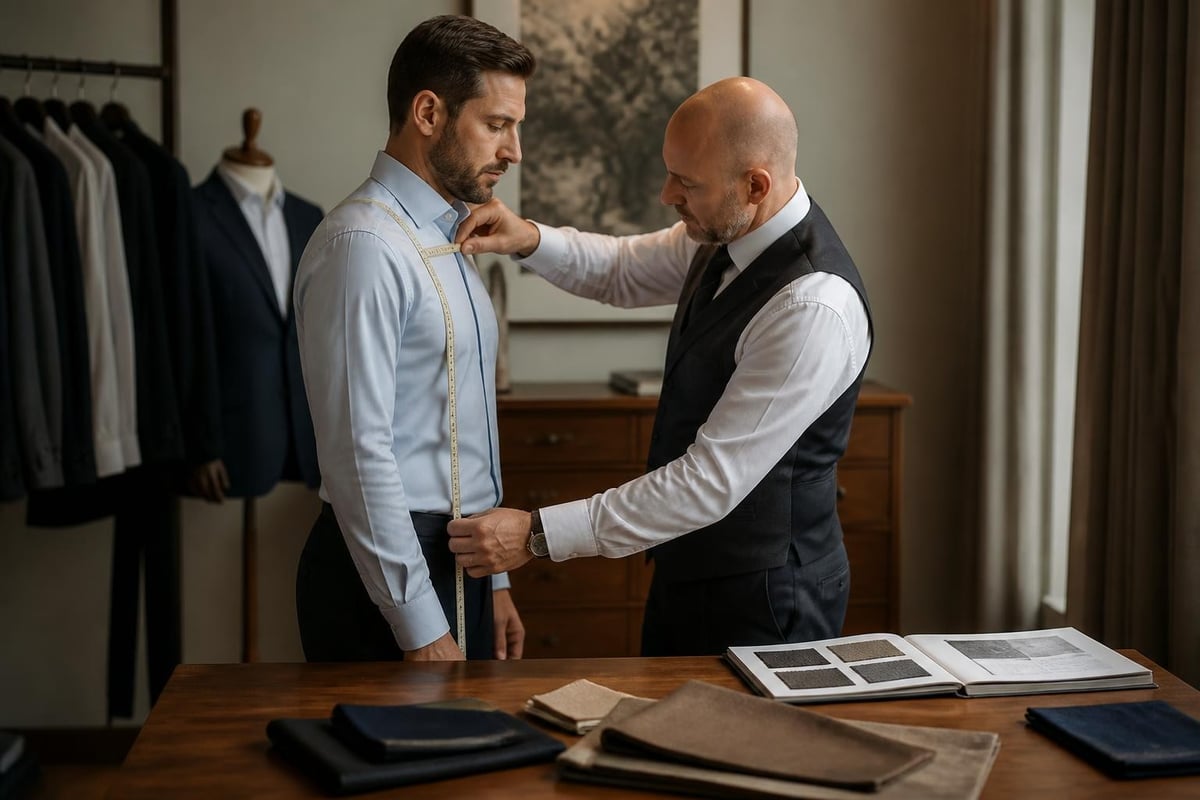
During this session, your style tailor takes comprehensive measurements. This goes far beyond chest, waist, and inseam. Expect measurements of shoulder slope, arm length from multiple points, back width, posture considerations, and more.
Design Development and Fabric Selection
With measurements complete, you'll work together on design details. Your style tailor presents fabric swatches, discusses construction options, and helps you visualize the finished garment.
Design elements to consider include:
- Lapel width and style
- Button configuration and material
- Pocket styles and placement
- Lining choices and colors
- Monogramming or personalization
- Vent options for jackets
- Trouser break and pleat preferences
The Savile Row Bespoke Association maintains strict standards for what constitutes true bespoke tailoring, ensuring clients receive authentic craftsmanship. These standards require hand-sewn elements, multiple fittings, and individual pattern creation.
Pattern Creation and First Fitting
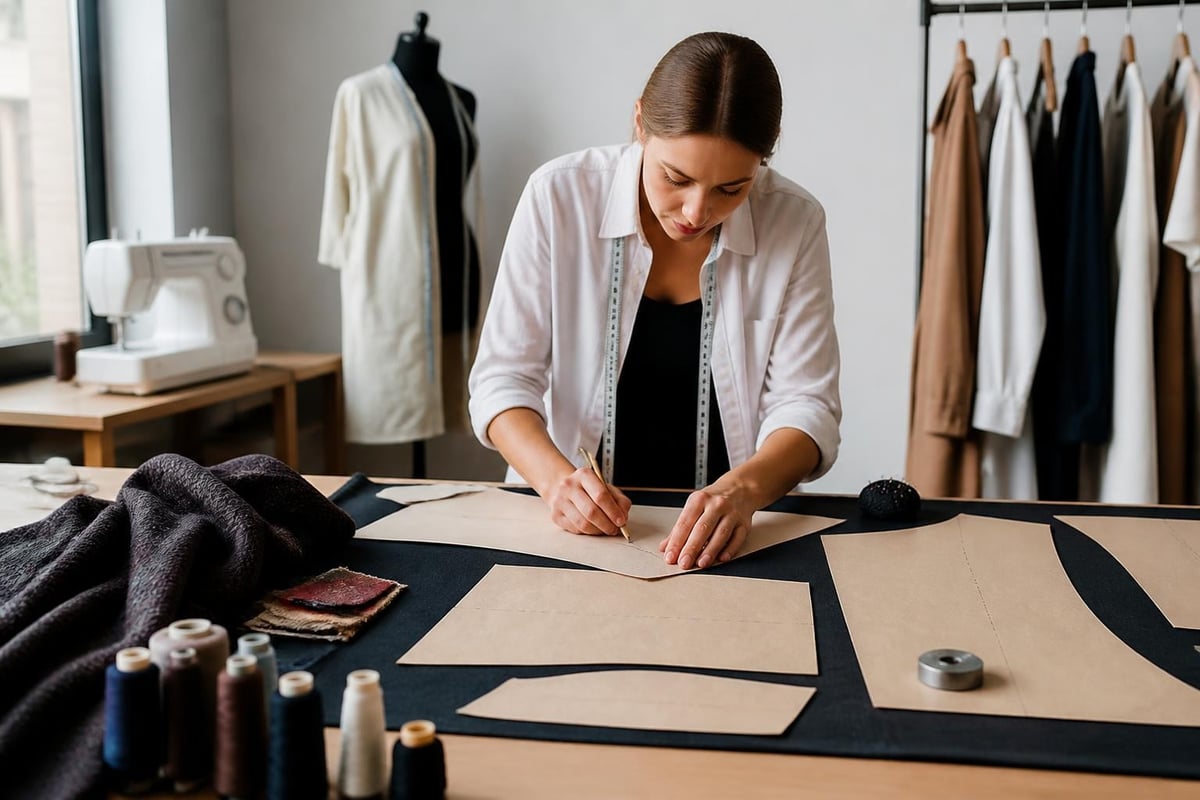
Your style tailor creates a unique pattern based on your measurements and chosen design. This pattern exists solely for your garments, capturing your body's distinctive characteristics.
The first fitting typically uses a preliminary garment or muslin mock-up. This allows you to see the basic shape and identify any adjustments needed before cutting final fabric. Your style tailor marks changes directly on this test garment, noting areas requiring more ease, different shoulder placement, or length modifications.
Refinement and Final Fittings
After initial adjustments, your style tailor constructs the garment in your selected fabric. Subsequent fittings fine-tune the fit, addressing minor details that separate good from exceptional.
These sessions might reveal:
- Sleeve pitch requiring adjustment
- Collar sitting that needs refinement
- Hem length verification while wearing appropriate shoes
- Button placement confirmation
- Overall comfort during movement
A meticulous style tailor won't complete your garment until every aspect meets exacting standards. This dedication ensures satisfaction that lasts years.
Maximizing Value From Your Style Tailor Relationship
Working effectively with a style tailor requires active participation. The best results come from clear communication and mutual understanding.
Bring Visual References
Photos from magazines, social media, or websites help communicate style preferences. Your style tailor can explain which elements work for your body type and how to adapt trends to timeless appeal.
Be Honest About Lifestyle
A style tailor creates garments for your real life, not an imaginary one. If you rarely attend black-tie events, focus budget on versatile pieces for frequent use. If your profession demands formal attire daily, prioritize quality suiting that withstands regular wear.
Understand Investment Timeframes
| Garment Type | Typical Timeline | Fitting Sessions |
|---|---|---|
| Custom Shirt | 2-3 weeks | 1-2 fittings |
| Suit | 6-8 weeks | 2-3 fittings |
| Coat/Jacket | 4-6 weeks | 2 fittings |
| Trousers | 3-4 weeks | 1-2 fittings |
| Dress/Gown | 8-10 weeks | 3-4 fittings |
These timeframes assume normal production schedules. Rush orders may incur additional fees but can often accommodate urgent needs.
Building a Custom Wardrobe With Your Style Tailor
Rather than commissioning your entire wardrobe at once, strategic planning creates a versatile collection over time. Your style tailor can help develop a long-term wardrobe strategy.
Start With Foundation Pieces
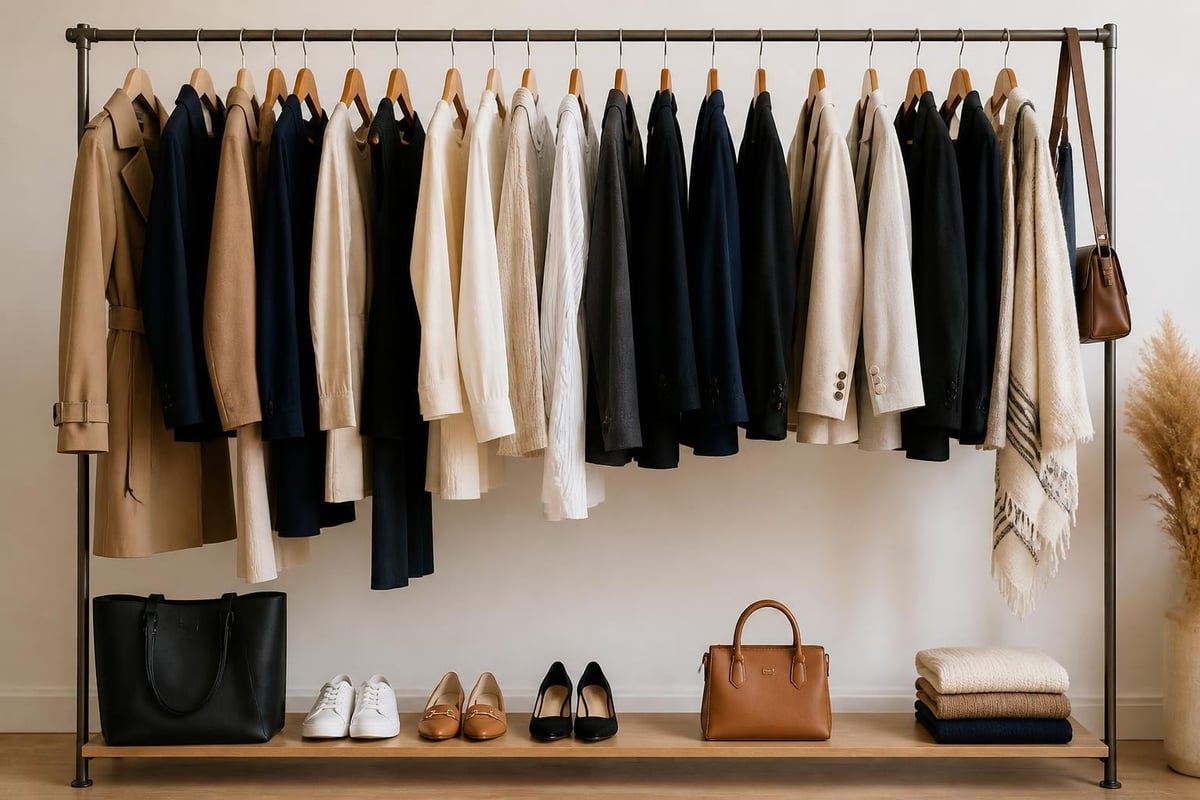
Begin your relationship with a style tailor by commissioning essential items that form your wardrobe backbone. For professionals, this might mean a versatile suit in navy or charcoal. For others, custom shirts that work across occasions provide maximum utility.
Foundation pieces should:
- Work in multiple contexts
- Use neutral or classic colors
- Feature timeless styling
- Receive frequent wear
- Justify their cost through regular use
Add Complementary Elements
Once foundations exist, expand with pieces that increase outfit combinations. A second suit in a different color, additional shirt styles, or custom trousers that pair with existing jackets multiply your wardrobe's versatility.
Your style tailor tracks your previous orders, ensuring new pieces coordinate with existing garments. This creates cohesion across your wardrobe without requiring you to remember every fabric and color choice.
Incorporate Statement Pieces
With basics established, explore more adventurous options. A bold fabric, unconventional color, or fashion-forward cut adds personality while your foundational pieces maintain professional reliability.
Statement pieces from a style tailor maintain the perfect fit you've come to expect while allowing creative expression. Perhaps a summer suit in linen, a waistcoat with striking lining, or a dress shirt in unexpected color.
Special Considerations for Tropical Climates
Location significantly impacts fabric and style choices. Working with a style tailor in tropical environments like Thailand requires specific considerations that differ from temperate climates.
Fabric Selection for Heat and Humidity
Natural, breathable fabrics perform best in hot, humid conditions. Your style tailor will recommend:
- Lightweight tropical wools – Surprisingly cool despite being wool
- Linen and linen blends – Maximum breathability with acceptable wrinkling
- Cotton and high-thread-count cottons – Comfortable for shirts and casual wear
- Mohair blends – Excellent temperature regulation
- Seersucker – Textured surface reduces skin contact
These materials allow air circulation while maintaining professional appearance. Your style tailor understands how fabrics behave in humid conditions, guiding you toward choices that resist mildew and maintain structure.
Construction Techniques for Comfort
Beyond fabric, construction methods affect tropical comfort. A skilled style tailor employs techniques that enhance breathability:
- Unlined jackets – Removes internal layer that traps heat
- Half-lined construction – Maintains shape while improving air flow
- Lighter interfacing – Reduces stiffness and weight
- Strategic ventilation – Side vents and underarm gussets
- Moisture-wicking treatments – Special finishes that manage perspiration
These adaptations ensure custom garments remain comfortable even in challenging climates.
Maintaining Your Custom Wardrobe
Investment in custom clothing from a style tailor requires proper care to maximize longevity. These garments, constructed with premium materials and exceptional craftsmanship, reward attentive maintenance.
Professional Cleaning and Pressing
While home care plays a role, establish a relationship with a quality dry cleaner experienced with fine garments. Your style tailor can often recommend trusted cleaning services.
Cleaning frequency guidelines:
- Suits: Every 5-10 wears or as needed
- Dress shirts: After each wear
- Trousers: Every 3-5 wears
- Outerwear: Once or twice per season
- Formal wear: After each use
Between cleanings, allow garments to air out on proper hangers. Wooden hangers with appropriate shoulder curves maintain jacket shape better than wire alternatives.
Storage Practices
Proper storage prevents damage and maintains garment integrity. Your style tailor creates pieces designed to last decades with appropriate care.
Store custom clothing by:
- Using breathable garment bags for seasonal storage
- Avoiding plastic bags that trap moisture
- Hanging suits on shaped hangers
- Folding knits rather than hanging
- Ensuring adequate closet spacing
- Controlling humidity in storage areas
- Using cedar blocks for moth prevention
Relationship Maintenance With Your Style Tailor
Return to your style tailor periodically for adjustments as your body changes or garments require minor repairs. This ongoing relationship ensures your wardrobe evolves with you.
Many tailors offer complimentary minor alterations within the first year. Take advantage of these services to perfect fit or adjust to slight weight fluctuations. Your style tailor maintains records of your patterns and preferences, making future orders even more streamlined.
The Psychology of Custom Clothing
Beyond practical benefits, garments from a style tailor provide psychological advantages. The confidence that comes from knowing your clothing fits perfectly and looks exceptional affects how you carry yourself and how others perceive you.
Custom clothing eliminates the morning stress of finding something that works. Each piece coordinates with others, fits properly, and suits your lifestyle. This wardrobe confidence translates to professional settings, social occasions, and personal satisfaction.
When you invest time and resources in custom garments, you also tend to take better care of them, creating a more sustainable approach to fashion. Rather than disposable fast fashion, a style tailor creates pieces you'll treasure for years or decades.
Finding the Right Style Tailor for Your Needs
Not all tailors offer the same level of service, expertise, or specialization. Research potential tailors thoroughly before committing to your first commission.
Evaluation criteria include:
- Years of experience and training background
- Portfolio of previous work
- Client testimonials and reviews
- Fabric sourcing and quality
- Fitting process and number of sessions
- Pricing transparency
- Communication style and responsiveness
- Specialization (menswear, womenswear, formal, casual)
Schedule a consultation before placing orders. This meeting reveals whether your style tailor understands your vision and communicates effectively. Trust your instincts regarding compatibility and professionalism.
Working with a skilled style tailor transforms how you experience clothing, offering perfect fit, superior quality, and personalized service that mass production can never match. The investment in custom garments pays dividends through years of wear, unwavering confidence, and the pleasure of owning something created exclusively for you. Whether you need a sophisticated suit for important meetings, elegant dresses for special occasions, or impeccably fitted shirts for daily wear, Alex’s Fashion brings over 30 years of bespoke tailoring expertise to create garments that exceed your expectations and reflect your unique style.