
 EN
EN  FR
FR  DE
DE  TH
TH 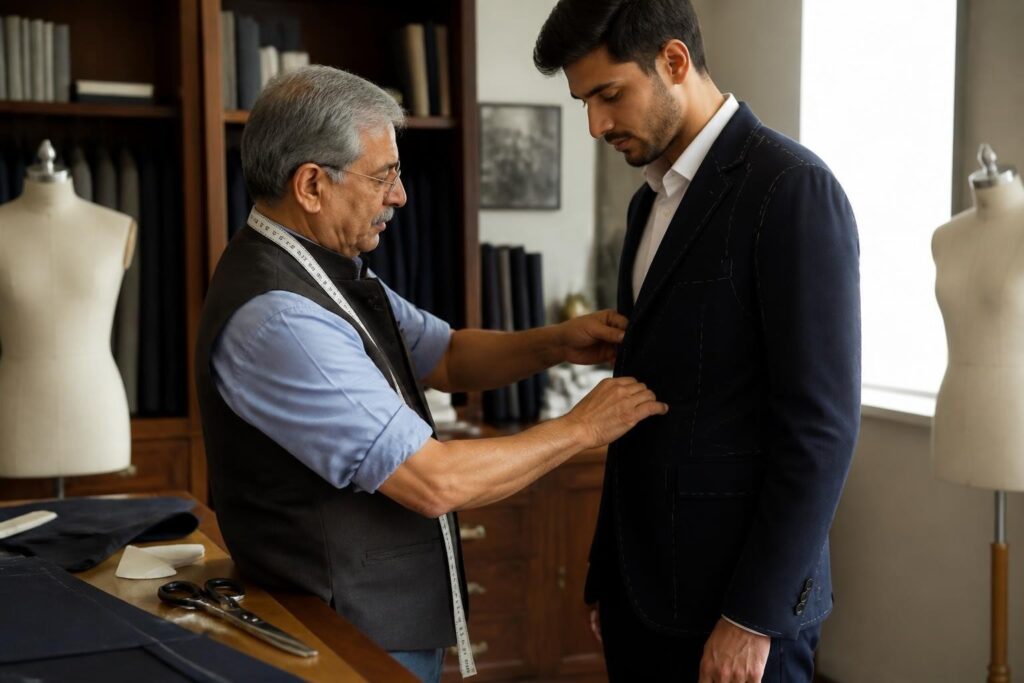
Finding a skilled tailor nearby can transform your wardrobe and elevate your personal style. Whether you need a custom suit for a special occasion, perfectly fitted dress shirts, or alterations to your existing garments, having a reliable local tailor makes all the difference. The search for quality craftsmanship begins with understanding what separates exceptional tailoring from merely adequate work, and knowing which questions to ask before committing to a service provider. In areas like Ao Nang, Krabi, where bespoke tailoring has become synonymous with world-class service and attention to detail, discerning customers have learned to identify the hallmarks of superior workmanship.
Understanding What Makes a Quality Tailor
When searching for a tailor nearby, experience and craftsmanship stand as the two most critical factors. A truly skilled tailor brings years of pattern-making knowledge, fabric expertise, and an understanding of how different body types require different approaches. The best tailors don't simply take measurements and sew fabric together; they study your posture, movement patterns, and personal style preferences to create garments that enhance your natural silhouette.
The Importance of Proper Measurements
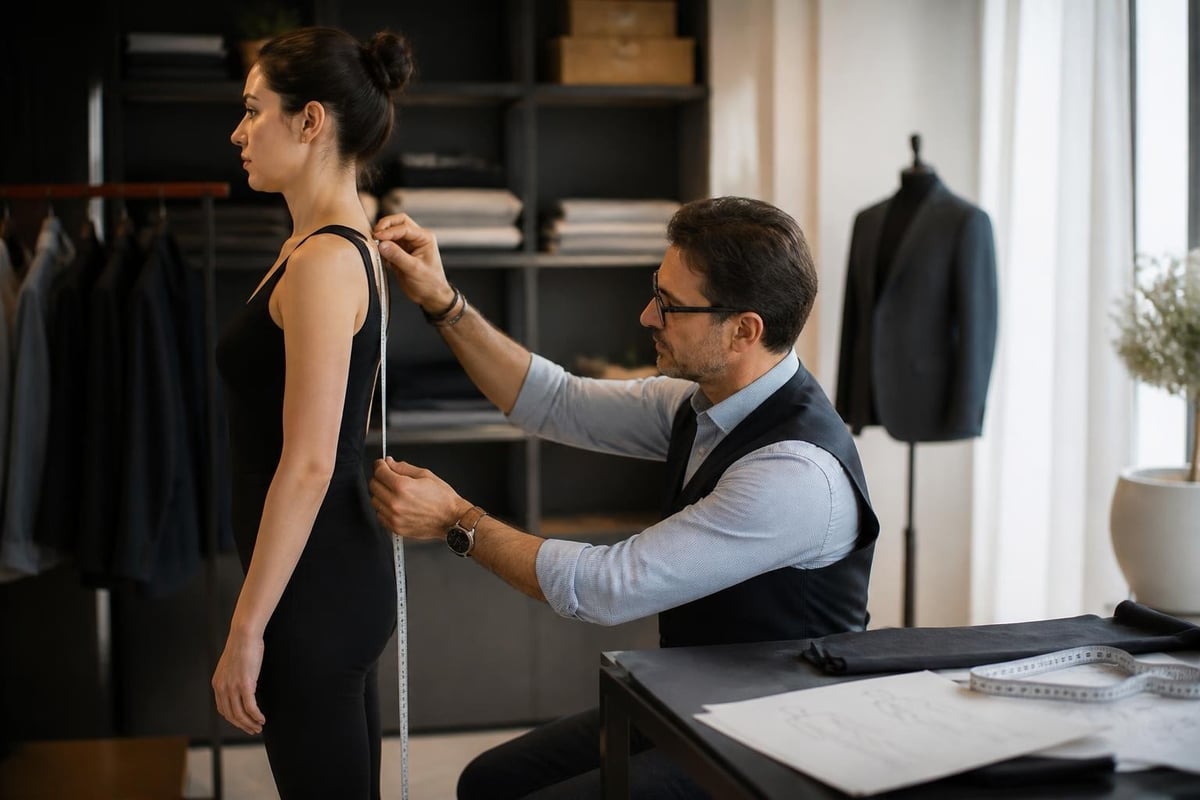
Professional tailors take dozens of measurements to ensure each garment fits perfectly. These measurements go far beyond the basic chest, waist, and inseam numbers you might find on ready-to-wear clothing labels.
Key measurement areas include:
- Shoulder width and slope
- Chest expansion and back width
- Arm length from multiple reference points
- Posture-specific adjustments
- Individual preferences for garment drape
According to GQ’s expert advice on finding suits for different body types, proper measurements account for asymmetries that nearly everyone has, such as one shoulder sitting slightly higher than the other or different arm lengths.
Craftsmanship Standards and Techniques
The difference between average tailoring and exceptional work often lies in techniques invisible to the untrained eye. Hand-stitching versus machine work, canvas construction versus fused interfacing, and proper pressing throughout the construction process all contribute to the final product's quality and longevity.
| Technique | Machine Method | Hand Method | Impact on Quality |
|---|---|---|---|
| Lapel attachment | Fused with adhesive | Hand-padded stitching | Shape retention over time |
| Button holes | Machine-cut | Hand-sewn | Durability and aesthetic |
| Hem finishing | Machine-stitched | Blind-stitched by hand | Invisible, flexible finish |
| Sleeve attachment | Standard seam | Set-in with easing | Natural shoulder drape |
Evaluating Local Tailoring Options
Finding the right tailor nearby requires more than a simple internet search. While online reviews provide valuable insights, nothing replaces an in-person consultation where you can assess the shop's atmosphere, examine sample garments, and gauge the tailor's communication style.
Initial Consultation Best Practices
Your first meeting with a potential tailor reveals much about their professionalism and expertise. A skilled tailor will ask detailed questions about your lifestyle, clothing preferences, and the specific occasions for which you need garments. They should show genuine interest in understanding your needs rather than pushing you toward specific products or price points.
During this consultation, observe how the tailor discusses fabric options and explains the construction process. As Fielding & Nicholson emphasizes, choosing the right tailor matters more than selecting fabric or style, since an experienced tailor will guide you through these decisions based on their expertise.
Questions to ask during your first visit:
- How many years of tailoring experience do you have?
- What is your approach to achieving perfect fit?
- How many fittings are included in the process?
- What alterations are included if adjustments are needed?
- Can I see examples of completed work similar to what I'm requesting?
- What fabrics do you work with, and where do they come from?
Understanding the Fitting Process
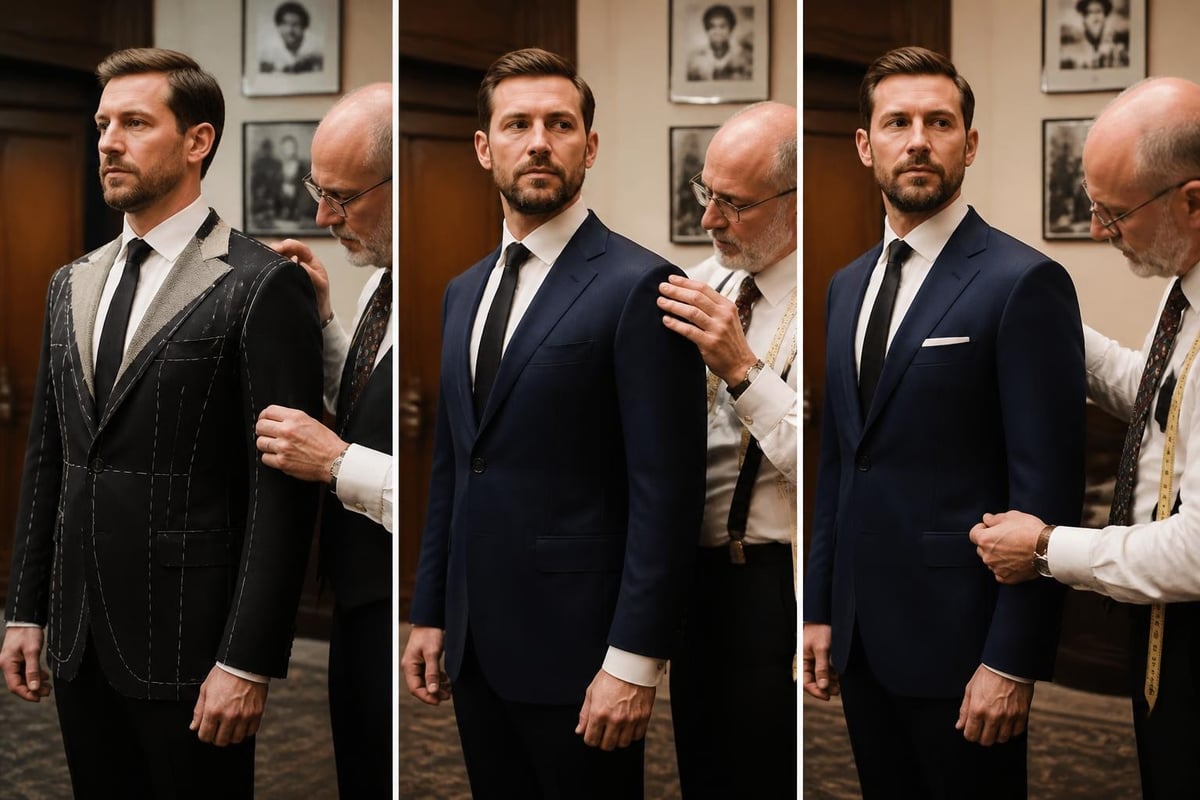
A proper bespoke tailoring process typically involves multiple fittings. The first fitting usually occurs when the garment is approximately 70-80% complete, allowing the tailor to make adjustments to the overall structure. Subsequent fittings refine details like sleeve length, trouser break, and final silhouette adjustments.
When you search for a tailor nearby, ask about their fitting policy. Reputable tailors include multiple fittings in their service and won't rush you through this crucial stage. Each fitting represents an opportunity to perfect the garment's fit and address any concerns you might have about comfort or appearance.
Communicating Your Vision Effectively
Successful bespoke tailoring depends heavily on clear communication between you and your tailor. Many customers struggle to articulate exactly what they want, leading to disappointing results. Learning how to effectively communicate with your tailor ensures your vision becomes reality.
Describing Fit Preferences
Fit preferences vary significantly among individuals. Some prefer a more relaxed, comfortable fit with extra room for movement, while others want a slim, contemporary silhouette. When working with a tailor nearby, bring reference images showing the fit you prefer and be specific about what you like or dislike in each example.
Fit terminology to know:
- Slim fit: Closer to the body with minimal excess fabric
- Classic fit: Traditional proportions with comfortable ease
- Relaxed fit: Generous room throughout for maximum comfort
- Break: How trouser fabric sits on your shoes (full, half, or no break)
- Suppression: The difference between chest and waist measurements in jackets
Style Elements and Details
Beyond overall fit, countless details contribute to a garment's final appearance. Button stance, lapel width, pocket styles, and lining choices all express personal style. A skilled tailor nearby will present options and explain how each choice affects the garment's formality level and visual balance.
Some customers find it helpful to create a mood board with images representing their desired aesthetic. Whether you're drawn to classic British tailoring, contemporary Italian style, or modern American cuts, visual references help your tailor understand your preferences.
Fabric Selection and Quality Assessment
The fabric you choose significantly impacts both the garment's appearance and its longevity. When consulting with a tailor nearby, you'll encounter various fabric weights, weaves, and compositions, each suited to different purposes and climates.
Understanding Fabric Weights and Seasonality
Fabric weight, measured in grams per square meter (GSM) or ounces, determines a garment's appropriate season. Tropical climates like Krabi require lighter fabrics that breathe well and resist humidity, while temperate climates might call for heavier materials.
| Fabric Weight | Season | Characteristics | Best Applications |
|---|---|---|---|
| 240-280 GSM | Summer/Tropical | Lightweight, breathable | Year-round tropical wear |
| 280-330 GSM | Three-season | Versatile, comfortable | Spring, summer, early fall |
| 330-380 GSM | Fall/Winter | Substantial, warming | Cooler weather, formal events |
| 380+ GSM | Winter | Heavy, insulating | Cold climates only |
Natural Fibers Versus Blends
Pure wool remains the gold standard for tailored garments, offering natural breathability, resilience, and drape. However, modern fabric technology has produced excellent blends that incorporate synthetic fibers for enhanced performance characteristics. A knowledgeable tailor nearby will explain the advantages of different compositions based on your specific needs.
Essential traits to look for in a custom tailor include extensive fabric knowledge and the ability to source quality materials. The best tailors maintain relationships with reputable fabric mills and can offer a wide selection of world-class materials.
Pricing Structures and Value Assessment
Understanding tailoring costs helps you find a tailor nearby who offers fair value for quality craftsmanship. Bespoke tailoring pricing varies widely based on fabric selection, construction methods, and the tailor's experience level. However, price alone doesn't guarantee quality.
What Influences Tailoring Costs
Primary cost factors include:
- Labor intensity and time required for construction
- Fabric quality and sourcing
- Number of fittings included
- Hand-work versus machine construction
- Tailor's experience and reputation
- Location and overhead expenses
In destination tailoring locations like Ao Nang, prices often provide exceptional value compared to major metropolitan areas, even when using identical quality fabrics and construction methods. This pricing advantage stems from lower overhead costs while maintaining the same standards of craftsmanship and service.
Evaluating Long-term Value
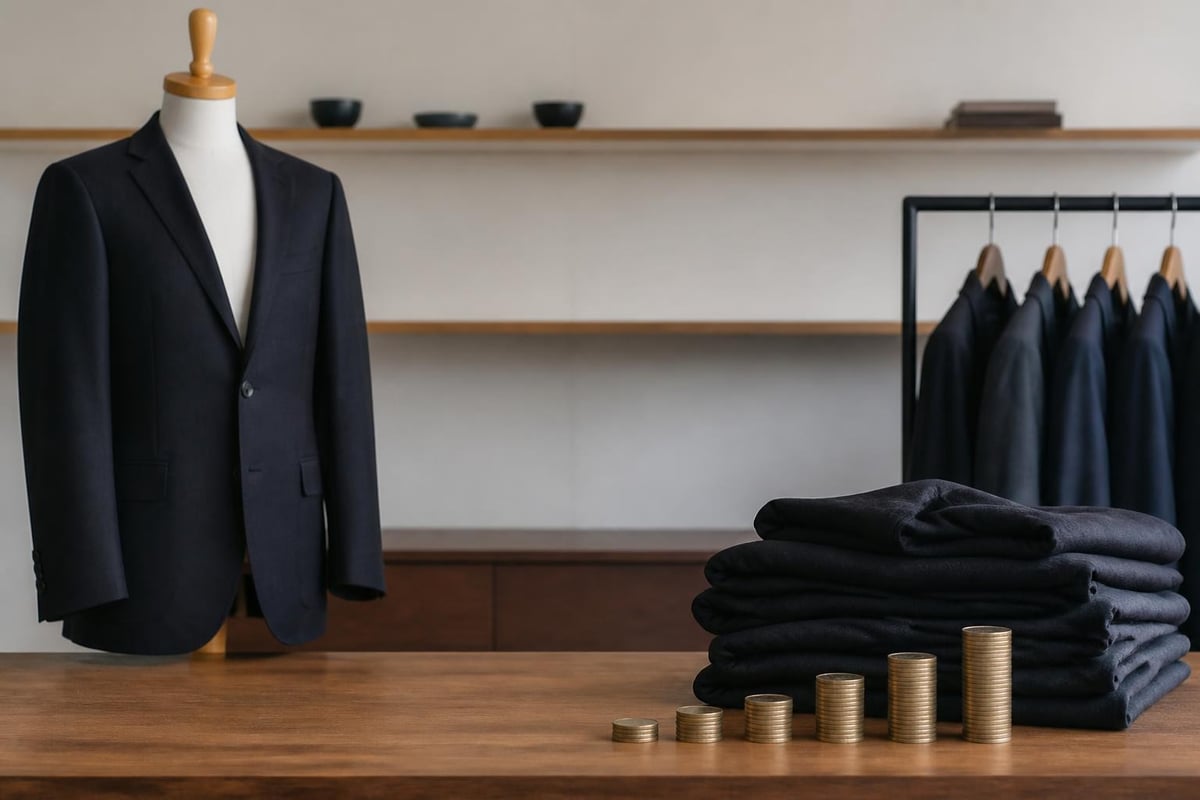
A well-made bespoke garment represents an investment that, with proper care, can last decades. When comparing options for a tailor nearby, consider the cost per wearing rather than just the upfront expense. A $800 bespoke suit worn 100 times over five years costs $8 per wear, while a $200 ready-to-wear suit that fits poorly and lasts two seasons might never provide real value regardless of its lower price.
Red Flags and Warning Signs
Not all tailors offer the same level of expertise, and knowing what warning signs to watch for protects you from disappointing experiences. When searching for a tailor nearby, certain red flags should make you reconsider your choice.
Common Warning Signs
A tailor who rushes through measurements or doesn't ask detailed questions about your preferences likely won't deliver satisfactory results. Similarly, be wary of operations that promise unrealistically quick turnaround times. Quality bespoke work requires time for proper construction and multiple fittings.
Watch out for:
- Pressure to make immediate decisions
- Unwillingness to provide fabric samples or show previous work
- Vague answers about construction methods
- No clear fitting policy or limited fitting opportunities
- Significantly lower prices than competitors without clear explanation
- Poor communication or difficulty understanding your requests
Portfolio and References
Established tailors maintain portfolios of completed work and can provide customer references. Before committing to a tailor nearby, ask to see examples of garments similar to what you're requesting. Pay attention to finishing details, symmetry, and overall construction quality.
Building a Long-term Relationship
Finding an excellent tailor nearby marks the beginning of what should become a long-term professional relationship. As your tailor becomes familiar with your body, preferences, and lifestyle needs, the process becomes more efficient and results more predictable.
The Benefits of Loyalty
Returning to the same tailor offers numerous advantages. They maintain your measurements on file, understand your fit preferences, and can replicate successful garments or suggest new styles based on their knowledge of your wardrobe. Many tailors offer loyalty benefits such as priority scheduling, special fabric access, or preferential pricing for regular customers.
Your tailor can also advise you on wardrobe planning, helping you build a cohesive collection of garments that work together and fill genuine gaps in your closet. This guidance proves especially valuable when traveling to destinations like Thailand, where you might want to maximize your tailoring investment across multiple pieces.
Maintaining Open Communication
As guides on selecting bespoke tailors emphasize, clear communication remains essential throughout your relationship. Don't hesitate to speak up during fittings if something doesn't feel right, and provide honest feedback about completed garments. Professional tailors appreciate constructive input and use it to refine their understanding of your preferences.
Special Occasions and Timeline Planning
When you need a tailor nearby for time-sensitive projects like weddings, important business events, or formal occasions, proper timeline planning becomes crucial. Understanding the bespoke process helps you avoid last-minute stress and ensures optimal results.
Recommended Lead Times
Typical timelines for bespoke garments:
- Custom suit (two fittings): 3-4 weeks
- Wedding suit or formal wear: 6-8 weeks
- Multiple garments or complex designs: 4-6 weeks per piece
- Alterations to existing garments: 1-2 weeks
- Rush orders (when possible): 2-3 weeks with premium pricing
Always build in buffer time for unexpected adjustments or delays. Starting the tailoring process well before your deadline allows for additional fittings if needed and reduces stress for both you and your tailor.
Destination Tailoring Considerations
Many people visit tailoring destinations like Krabi specifically to have multiple garments made while enjoying a vacation. This approach offers excellent value and convenience, but requires careful planning. Schedule your initial fitting early in your trip, allowing time for intermediate fittings and final adjustments before departure.
Working with experienced destination tailors who understand travelers' scheduling constraints ensures a smooth process. They can often accommodate compressed timelines while maintaining quality standards, and many offer international shipping for any final adjustments needed after you return home.
Specialty Tailoring Services
Beyond standard suits and dress shirts, a skilled tailor nearby can create a wide range of specialized garments. Understanding the full scope of available services helps you maximize the value of your tailoring relationship.
Women's Bespoke Tailoring
Women's tailoring requires specific expertise in pattern-making and construction techniques different from menswear. The best tailors offer dedicated women's services, creating everything from business suits to elegant dresses and formal gowns. Female clients benefit from working with tailors who understand how to enhance feminine silhouettes while maintaining professional polish.
Children's Custom Clothing
Having children's clothing custom-made ensures proper fit during rapid growth phases and creates special garments for important occasions. Many families working with a tailor nearby appreciate the ability to have matching formal wear created for special events, with children's garments crafted to the same quality standards as adult pieces.
Alterations and Wardrobe Updates
Even the finest ready-to-wear clothing often requires alterations for optimal fit. A capable tailor nearby can transform off-the-rack purchases into perfectly fitted garments and update existing pieces to reflect current style preferences or accommodate body changes over time.
Finding the right tailor nearby transforms your relationship with clothing, ensuring every garment fits perfectly and expresses your personal style. Whether you need a custom suit, elegant formal wear, or expert alterations, working with experienced professionals makes all the difference. With over 30 years of experience creating bespoke clothing for men, women, and children using world-class fabrics, Alex’s Fashion delivers the exceptional craftsmanship and personalized service that defines premier tailoring. Visit their Ao Nang location to experience the difference that true bespoke expertise makes in your wardrobe.