 EN
EN  FR
FR  DE
DE  TH
TH 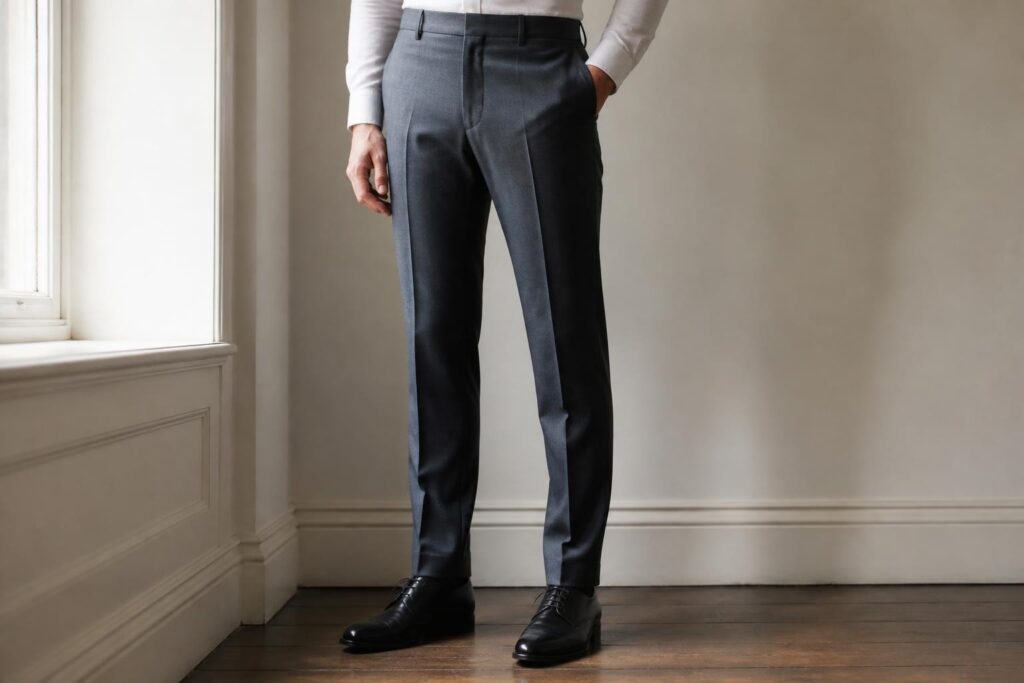
Mens tailored trousers represent the foundation of a sophisticated wardrobe, offering unparalleled fit, comfort, and style compared to off-the-rack alternatives. Whether you're building a professional wardrobe or seeking versatile pieces that transition seamlessly from business meetings to evening events, understanding the nuances of bespoke trousers transforms how you approach men's fashion. The investment in custom-tailored trousers pays dividends through superior construction, personalized fit, and longevity that ready-to-wear options simply cannot match.
Understanding the Anatomy of Mens Tailored Trousers
The construction of quality mens tailored trousers involves dozens of measurements and design decisions that work together to create a garment perfectly suited to your body and lifestyle. Each component serves both functional and aesthetic purposes.
Essential Measurements and Fitting Points
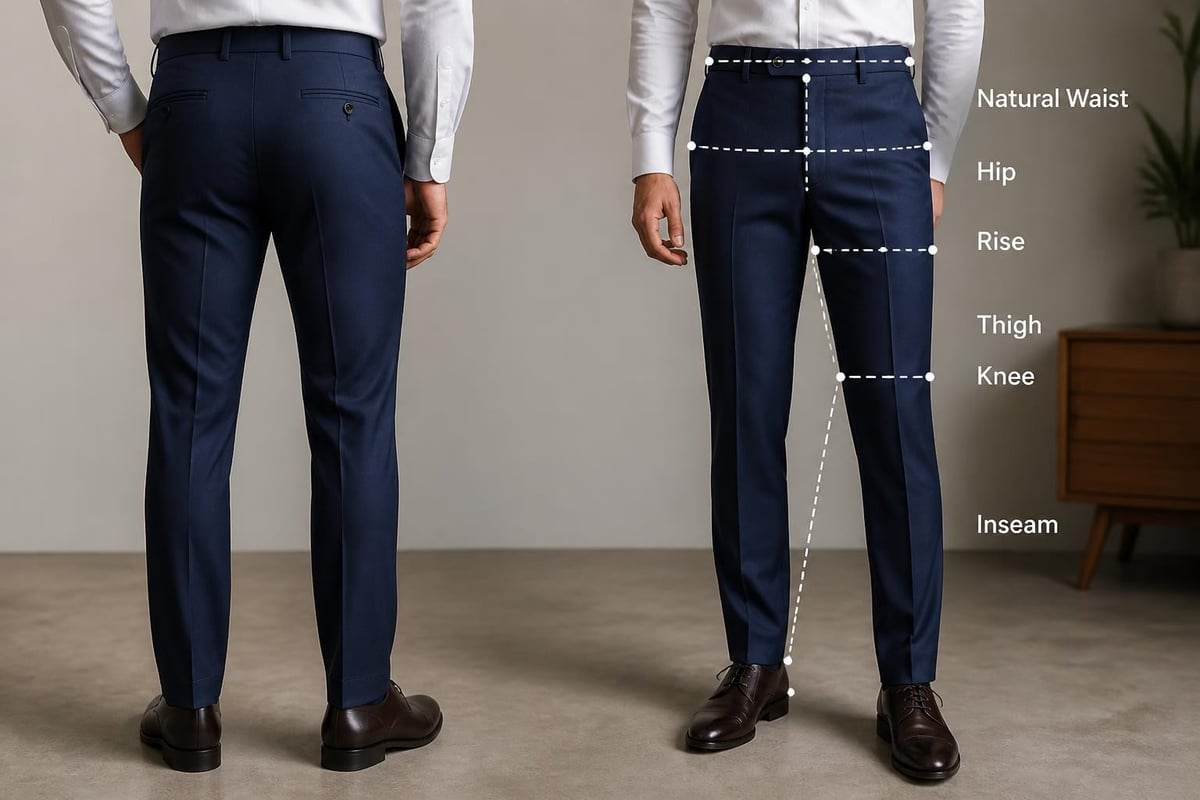
A proper fitting begins with comprehensive measurements that account for individual body proportions. The waist measurement represents just the starting point in a process that examines your natural waistline, hip width, thigh circumference, knee width, and inseam length.
Key measurement areas include:
- Waist circumference at your natural waistline
- Hip measurement at the fullest point
- Rise (distance from waistband to crotch seam)
- Thigh width measured around the fullest part
- Knee circumference at the center of the knee
- Leg opening at the ankle
- Inseam from crotch to desired length
The rise deserves particular attention as it dramatically affects comfort and appearance. Low-rise trousers sit below the natural waist, creating a modern silhouette but potentially limiting comfort when sitting. Mid-rise options balance contemporary style with traditional comfort. High-rise trousers, favored in classic tailoring, provide excellent support and pair beautifully with braces.
Construction Techniques That Define Quality
The craftsmanship involved in Italian tailoring reveals how construction methods separate exceptional trousers from mediocre ones. Hand-sewn buttonholes, reinforced stress points, and French seams demonstrate attention to detail that extends garment lifespan significantly.
Traditional tailoring employs specific techniques:
- Canvas waistband construction provides structure without stiffness
- Hand-attached belt loops ensure durability at high-stress points
- Double-turned hems allow for future alterations
- Lined pockets prevent fabric stretching and sagging
- Reinforced crotch seams prevent premature wear
The lining choice affects both comfort and durability. Full linings create a smooth interior that slides easily over other garments, while half-linings reduce weight and improve breathability in warmer climates. For tropical environments like Thailand, strategically placed linings balance comfort with professional appearance.
Fabric Selection for Mens Tailored Trousers
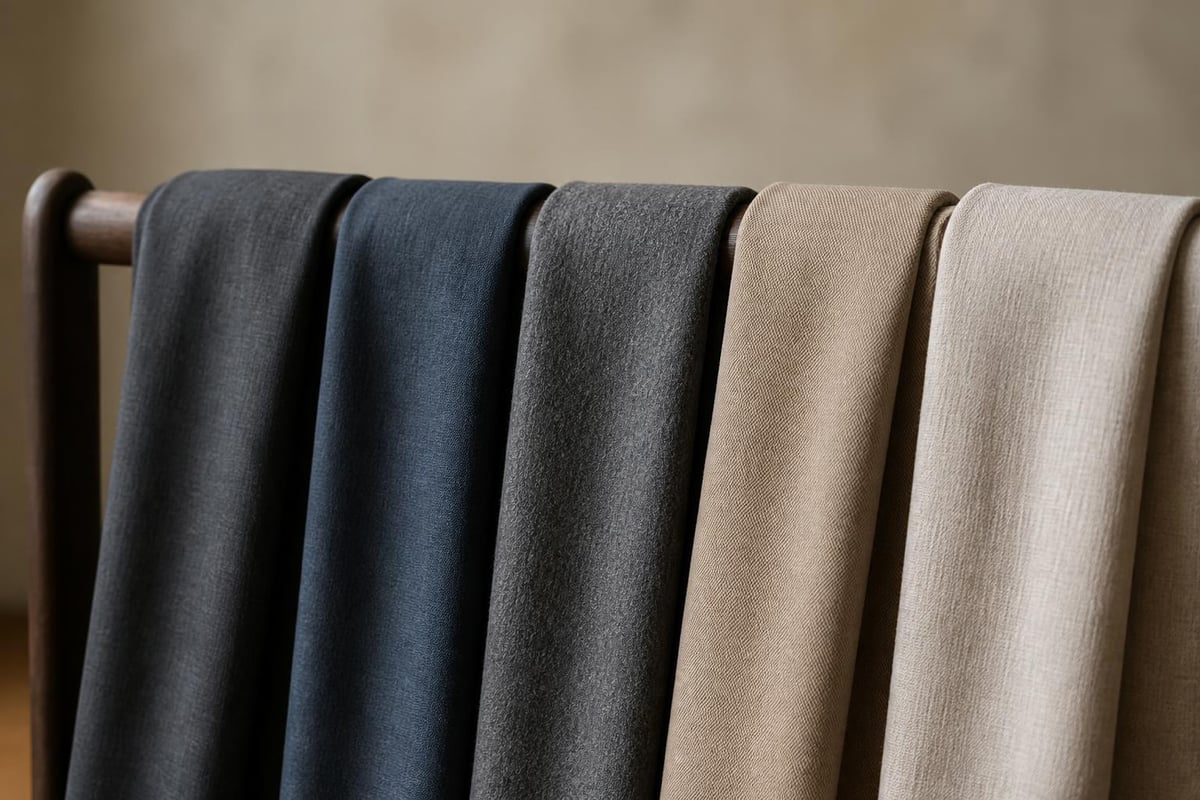
Fabric choice determines not only appearance but also performance, comfort, and appropriate occasions for your trousers. Understanding fiber content, weight, weave patterns, and finishes empowers informed decisions aligned with your lifestyle needs.
Natural Fibers and Their Characteristics
Wool dominates the fabric landscape for mens tailored trousers due to its versatility, resilience, and natural properties. Super numbers (Super 100s, Super 150s) indicate fiber fineness, with higher numbers representing softer, lighter fabrics that drape beautifully but require more careful handling.
| Fabric Type | Weight | Best Season | Durability | Formality |
|---|---|---|---|---|
| Worsted Wool | Medium-Heavy | Year-round | Excellent | High |
| Tropical Wool | Lightweight | Spring/Summer | Very Good | High |
| Flannel | Heavy | Fall/Winter | Excellent | Medium-High |
| Cotton Chino | Medium | Spring/Summer | Good | Medium |
| Linen Blend | Lightweight | Summer | Fair | Medium |
Cotton offers breathability and casual elegance, making it ideal for less formal mens tailored trousers. Chino weaves provide durability for everyday wear, while cotton-wool blends combine the best properties of both fibers. The natural wrinkle tendency of pure cotton requires acceptance or blending with synthetic fibers for wrinkle resistance.
Linen delivers unmatched breathability for hot weather but wrinkles substantially. Blending linen with wool or cotton reduces wrinkling while maintaining cooling properties. These blends suit tropical climates perfectly, offering comfort without sacrificing too much formality.
Patterns and Textures
Solid colors form the foundation of any trouser wardrobe, but patterns add versatility and visual interest. Pinstripes convey authority in business settings, while subtle herringbone or birdseye weaves add texture without overwhelming patterns.
Popular pattern options:
- Solid colors (navy, charcoal, gray, tan, olive)
- Pinstripes in varying widths
- Herringbone for textured sophistication
- Houndstooth for casual elegance
- Glen plaid for traditional British style
- Subtle checks for contemporary looks
The scale of patterns should complement your body proportions. Larger frames carry bolder patterns more effectively, while smaller builds benefit from finer, more delicate patterns. At Alex’s Fashion, fabric selection considers both personal preference and body type to ensure flattering results.
Classic Styles and Modern Adaptations
The evolution of men’s bespoke trousers demonstrates how classic styles adapt to contemporary preferences while maintaining core tailoring principles. Understanding these style variations helps identify which cuts complement your wardrobe and lifestyle.
Traditional Cut Trousers
Classic British tailoring emphasizes fuller cuts with generous thigh room, higher rises, and wider leg openings. These proportions create elegant drape and superior comfort, particularly when sitting. Double reverse pleats provide extra room through the hip and thigh while maintaining a clean front appearance.
The traditional style pairs exceptionally well with classic suit jackets and dress shoes. Cuffed hems add weight to the trouser leg, improving drape and creating a finished appearance that complements formal footwear. Cuff width typically measures 1.5 to 2 inches depending on leg opening and personal preference.
Contemporary Slim-Fit Options
Modern mens tailored trousers often feature slimmer silhouettes that follow body contours more closely. These cuts work particularly well for younger professionals and those with athletic builds. The key distinction between slim custom trousers and tight ready-to-wear options lies in proper proportioning throughout the leg.
A skilled tailor creates slim trousers that:
- Follow natural body lines without constriction
- Provide adequate movement room through the seat and thigh
- Taper gradually from thigh to ankle
- Maintain balanced proportions with jacket styling
- Allow comfortable sitting and movement
The leg opening typically measures between 7 and 8 inches for slim cuts, compared to 8.5 to 9.5 inches for classic styles. This seemingly small difference creates dramatically different visual effects.
Casual Tailored Trousers
Not all mens tailored trousers serve formal purposes. Custom chinos, corduroy trousers, and casual wool trousers bridge the gap between dress trousers and jeans, offering refined alternatives for smart-casual occasions.
Design elements that distinguish casual tailored trousers include:
- Softer, more relaxed fabric choices
- Single forward pleats or flat fronts
- Unlined construction for reduced formality
- Side adjusters instead of belt loops (optional)
- Uncuffed hems for cleaner lines
- Patch pockets or casual pocket styling
These trousers pair beautifully with sport coats, casual blazers, and knitwear, creating versatile outfits suitable for weekend events, casual Fridays, or vacation wear that maintains polish without excessive formality.
The Custom Tailoring Process
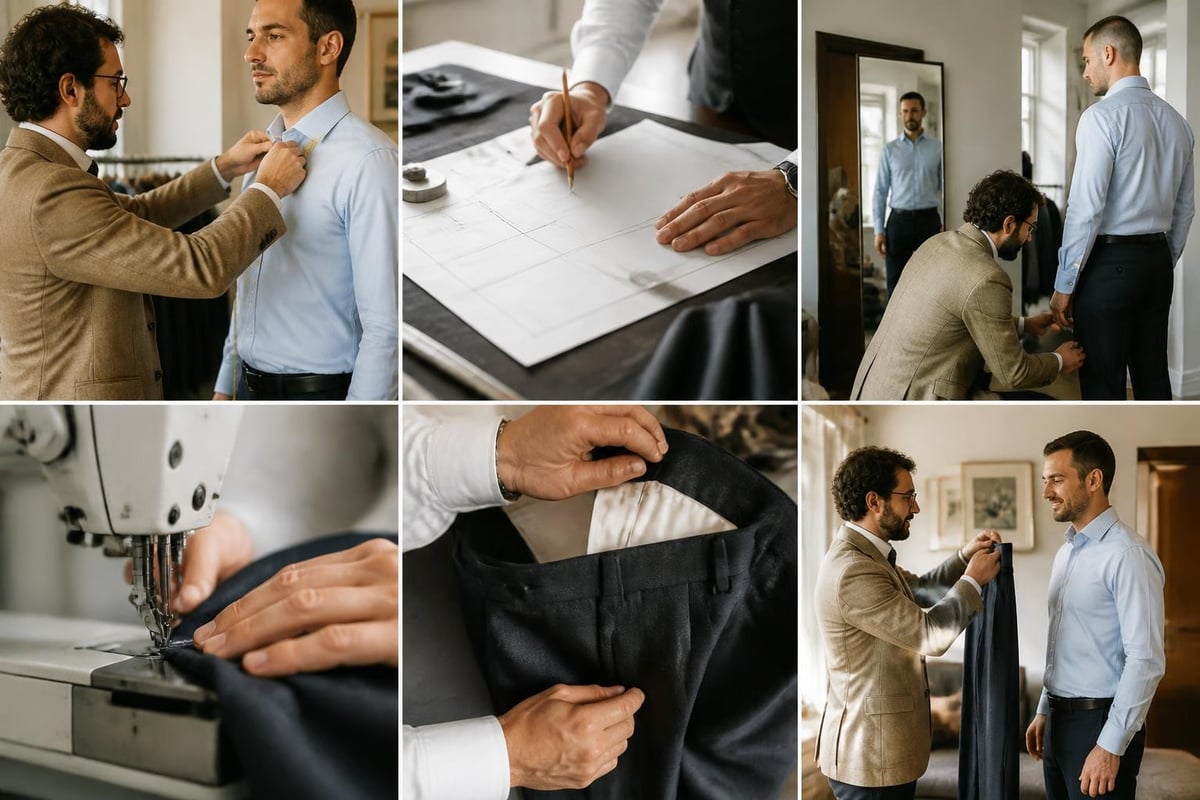
Creating perfect mens tailored trousers requires collaboration between client and tailor, combining technical expertise with personal style preferences. The tailoring process unfolds through several distinct stages, each contributing to the final garment's quality.
Initial Consultation and Measurement
The process begins with discussion about intended use, style preferences, and lifestyle requirements. A tailor with three decades of experience recognizes how professional obligations, climate considerations, and personal comfort priorities influence design decisions.
During measurement, the tailor assesses posture, body asymmetries, and proportion relationships that affect fit. Most individuals have slight differences between left and right sides, and custom tailoring accommodates these variations seamlessly.
The consultation covers:
- Occasion and formality requirements
- Color and pattern preferences
- Fabric weight and fiber content
- Rise preference and waistband style
- Pleat configuration or flat front
- Pocket styles and placement
- Hem finish and break preference
Pattern Making and First Fitting
From measurements and specifications, the tailor creates a unique pattern that serves as the blueprint for your trousers. This pattern accounts for fabric stretch, seam allowances, and design details that transform measurements into wearable garments.
The first fitting, conducted with basted seams that allow adjustments, reveals how fabric drapes on your specific frame. The tailor evaluates balance, comfort, and proportion, making refinements to achieve optimal results. This fitting stage separates true bespoke tailoring from made-to-measure services that rely on standardized patterns with limited adjustment capabilities.
| Fitting Stage | Purpose | Typical Adjustments |
|---|---|---|
| First Fitting | Assess overall fit and balance | Rise, thigh width, seat shaping |
| Second Fitting | Refine details and proportions | Waistband comfort, leg taper, length |
| Final Fitting | Verify completed garment | Minor tweaks, pressing, finishing |
Final Construction and Delivery
After fittings confirm proper fit, the tailor completes construction with hand-finishing techniques that elevate quality. Hand-sewn buttonholes, carefully pressed seams, and precise hem finishes demonstrate craftsmanship that machines cannot replicate.
The completed mens tailored trousers arrive pressed, ready to wear, with care instructions specific to the chosen fabric. Establishing a relationship with your tailor ensures future alterations, repairs, or additional garments benefit from existing patterns and fit knowledge.
Styling and Wardrobe Integration
Mens tailored trousers offer remarkable versatility when styled thoughtfully. Understanding how to combine trousers with other wardrobe elements maximizes their utility and creates cohesive, polished appearances.
Coordinating with Jackets and Shirts
Color coordination follows established principles while allowing creative expression. Navy trousers pair with virtually any jacket color, from navy suits to contrasting sport coats in tan, olive, or burgundy. Gray trousers in various shades offer similar versatility with slightly different visual effects.
For separates combinations, consider:
- Navy trousers with tan, camel, olive, burgundy, or gray jackets
- Gray trousers with navy, brown, green, or burgundy jackets
- Tan/khaki trousers with navy, brown, or olive jackets
- Olive trousers with navy, tan, or brown jackets
Shirt selection should create appropriate contrast with trouser color while coordinating with jacket choices. White and light blue shirts work universally, while patterned shirts add personality when patterns don't compete with trouser or jacket patterns.
Footwear Pairings
Shoe selection influences the entire outfit's formality level. Dark dress shoes in black or brown complement formal mens tailored trousers, while lighter brown shoes or loafers reduce formality for business-casual settings.
Footwear guidelines by occasion:
- Formal business: Black or dark brown oxfords
- Business casual: Brown brogues, monk straps, or loafers
- Smart casual: Suede loafers, leather sneakers, or desert boots
- Weekend refined: Casual loafers or premium leather sneakers
Trouser break (how fabric rests on shoes) affects overall proportion. A slight break creates traditional elegance, while minimal break or no break produces contemporary clean lines. Discuss break preference during fittings to ensure proper hem length.
Accessorizing Tailored Trousers
Belts should match shoe leather color and formality level. Width varies with trouser loops, typically 1.25 to 1.5 inches for dress trousers. Consider braces (suspenders) with higher-rise trousers for ultimate comfort and traditional styling.
Pocket squares, ties, and watches complete the ensemble, adding personal expression within professional boundaries. The understated elegance of well-fitted mens tailored trousers provides an excellent foundation for subtle accessory statements.
Care and Maintenance
Proper care extends the lifespan of quality mens tailored trousers significantly, protecting your investment and maintaining appearance between wears. Different fabrics require specific approaches to cleaning and storage.
Cleaning and Pressing
Wool trousers benefit from limited washing or dry cleaning, as excessive cleaning degrades fibers over time. Spot cleaning addresses minor marks, while hanging trousers after wear allows wrinkles to relax naturally. Professional pressing every few wears maintains crisp creases and fresh appearance.
Fabric-specific care:
| Fabric | Cleaning Method | Pressing Temperature | Special Considerations |
|---|---|---|---|
| Wool | Dry clean or steam | Medium-high | Use pressing cloth |
| Cotton | Machine wash cool | Medium | Pre-shrink before tailoring |
| Linen | Dry clean preferred | Medium-high | Accept natural wrinkling |
| Wool-linen | Dry clean | Medium | Delicate cycle if washing |
Home steaming removes wrinkles between professional cleanings without fabric contact that pressing requires. This gentler approach suits delicate fabrics and maintains trouser appearance for daily wear.
Storage Solutions
Proper storage prevents unwanted creases and maintains shape. Trouser hangers with clips suspend trousers by the hem, allowing gravity to smooth wrinkles. Fold-over hangers work well but may create centerline creases over time. Cedar shoe trees absorb moisture if stored after wearing, though allow trousers to air first.
Store trousers in breathable garment bags for seasonal rotation, protecting against dust while allowing air circulation. Avoid plastic bags that trap moisture and promote mildew in humid climates. The tropical environment in Krabi requires particular attention to moisture management and proper ventilation.
Investment Value and Longevity
Quality mens tailored trousers represent significant financial investment compared to ready-to-wear alternatives, but the value proposition extends far beyond initial cost. Understanding total cost of ownership reveals why discerning gentlemen choose custom tailoring.
Cost Analysis Over Time
A well-constructed pair of bespoke trousers easily lasts five to ten years with proper care, compared to one to two years for typical off-the-rack options. The superior construction, quality materials, and perfect fit contribute to extended wearability.
Consider the total investment:
- Custom trousers: Higher initial cost, minimal replacement frequency
- Ready-to-wear: Lower initial cost, frequent replacement required
- Alterations: Custom requires none, ready-to-wear often needs adjustments
- Satisfaction: Perfect fit versus compromised comfort
The importance of custom-tailored trousers becomes apparent when calculating cost per wear over the garment's lifetime. Premium mens tailored trousers may cost three times more initially but last five times longer while providing superior comfort and appearance throughout their lifespan.
Building a Trouser Wardrobe
Strategic trouser acquisition creates versatile foundations for countless outfits. Start with essential colors and fabrics, expanding as budget and needs dictate.
Recommended progression:
- Navy wool trousers (year-round weight)
- Medium gray wool trousers
- Charcoal wool trousers
- Tan cotton or lightweight wool trousers
- Olive or brown casual trousers
This foundation supports business and smart-casual requirements while providing mixing options with various jackets, shirts, and shoes. Additional trousers in seasonal fabrics or fashion-forward colors build upon this core collection.
Alterations and Updates
One advantage of establishing a relationship with your tailor involves ongoing alterations as body changes occur or style preferences evolve. Letting out or taking in waistbands, adjusting hem lengths, or tapering legs gives existing trousers new life without complete replacement.
Preserve your trouser patterns for future orders, ensuring consistent fit across your wardrobe. As you commission additional garments, your tailor refines understanding of your preferences and proportions, continuously improving results.
Regional Considerations for Tropical Climates
Creating mens tailored trousers for tropical environments like Ao Nang requires specific fabric choices and construction techniques that address heat, humidity, and lifestyle patterns common to beach communities and tourist destinations.
Fabric Selection for Hot Weather
Lightweight tropical wool weighs between 7 and 10 ounces per yard compared to 11 to 14 ounces for standard suiting wool. This reduction dramatically improves comfort in hot weather while maintaining professional appearance. Open weaves increase air circulation, further enhancing breathability.
Linen blends offer excellent cooling properties while reducing the extreme wrinkling associated with pure linen. Cotton-linen or wool-linen combinations provide optimal balance between comfort, appearance, and practicality for tropical wear.
Construction Adaptations
Reducing lining weight or eliminating linings entirely improves breathability without compromising appearance. Half-lined trousers feature lining only in high-wear areas like the seat and knees, while maintaining comfort and durability where needed most.
Lighter-weight interfacing in waistbands maintains structure without added insulation. Breathable pocket bags replace heavy traditional materials, contributing to overall garment breathability. These subtle modifications make significant comfort differences in hot, humid conditions.
Investing in quality mens tailored trousers transforms your wardrobe through superior fit, construction, and versatility that ready-to-wear options cannot match. Understanding fabric selection, style variations, and proper care ensures maximum value from each custom garment. With over three decades of bespoke tailoring experience, Alex’s Fashion creates perfectly fitted trousers using world-class fabrics and traditional techniques, ensuring each piece meets your exact specifications while providing exceptional comfort and style for Thailand's tropical climate.