
 EN
EN  FR
FR  DE
DE  TH
TH 
Imagine slipping into a garment crafted just for you, where every seam and contour feels like a second skin. In 2026’s fashion-forward world, this level of fit is not just luxury, it is an expectation. The top tailor professionals hold the keys to this transformation, blending tradition and innovation for results that flatter every body type.
This article pulls back the curtain on their closely-guarded secrets. Whether you are seeking custom-fit perfection at home or with a professional, you will discover seven expert strategies. Ready to unlock the confidence and style of a flawless fit? Your journey starts here.
The Evolution of Tailoring: Why Perfect Fits Matter in 2026
In 2026, the pursuit of a flawless fit has never been more central to personal style. Consumers are redefining their expectations, seeking not just garments but wearable statements crafted with the expertise of a top tailor. The modern wardrobe reflects a shift from mass-produced clothing to individualized pieces, each designed to honor the distinctiveness of the wearer.
Recent market data illustrates this transformation. The custom clothing sector is experiencing unprecedented growth, with the global market projected to soar from USD 63.26 billion in 2025 to USD 178.01 billion by 2035. This surge is fueled by the $65 billion "Made-for-Me" market, which is powered by the integration of 3D body scanning and automated pattern-cutting. According to the 2026 Apparel Business Blueprint, more than half of consumers in key markets now express a preference for personalized apparel, relying on the precision and vision of a top tailor.
The tailoring industry is at the forefront of technological innovation. Advanced tools like AI-driven design platforms and body scanning systems enable tailors to capture the nuances of every body type. A top tailor today combines digital expertise with traditional techniques, ensuring that measurements reflect not only size but also posture, movement, and lifestyle. These advancements mean fewer fitting errors, more comfort, and garments that truly belong to the wearer.
Sustainability is another driving force behind the rise of custom-fit clothing. By creating pieces that last and fit perfectly, tailors help reduce textile waste and overproduction. Bespoke garments are more likely to be cherished, repaired, and worn for years, aligning with eco-conscious values. A top tailor’s work supports responsible fashion, making each piece a thoughtful investment in both style and the environment.
Beyond the physical, the psychological impact of a well-fitted garment is profound. Studies show that individuals wearing clothing tailored to their shape report higher levels of confidence and self-expression. Whether it is a suit that empowers or a dress that flatters, the influence of a top tailor extends from the fabric to the wearer’s mindset.
Fashion houses and independent ateliers alike are embracing this new era. Major brands have introduced on-demand tailoring services, while small studios blend heritage craftsmanship with cutting-edge tech. Yet, even as digital tools become standard, the artistry and intuition of a top tailor remain irreplaceable. It is this blend of tradition and innovation that defines the evolution of tailoring in 2026.
In this landscape, the role of the top tailor has never been more vital. Perfect fits are not just a luxury, but a standard that shapes identity, sustainability, and the very future of fashion.
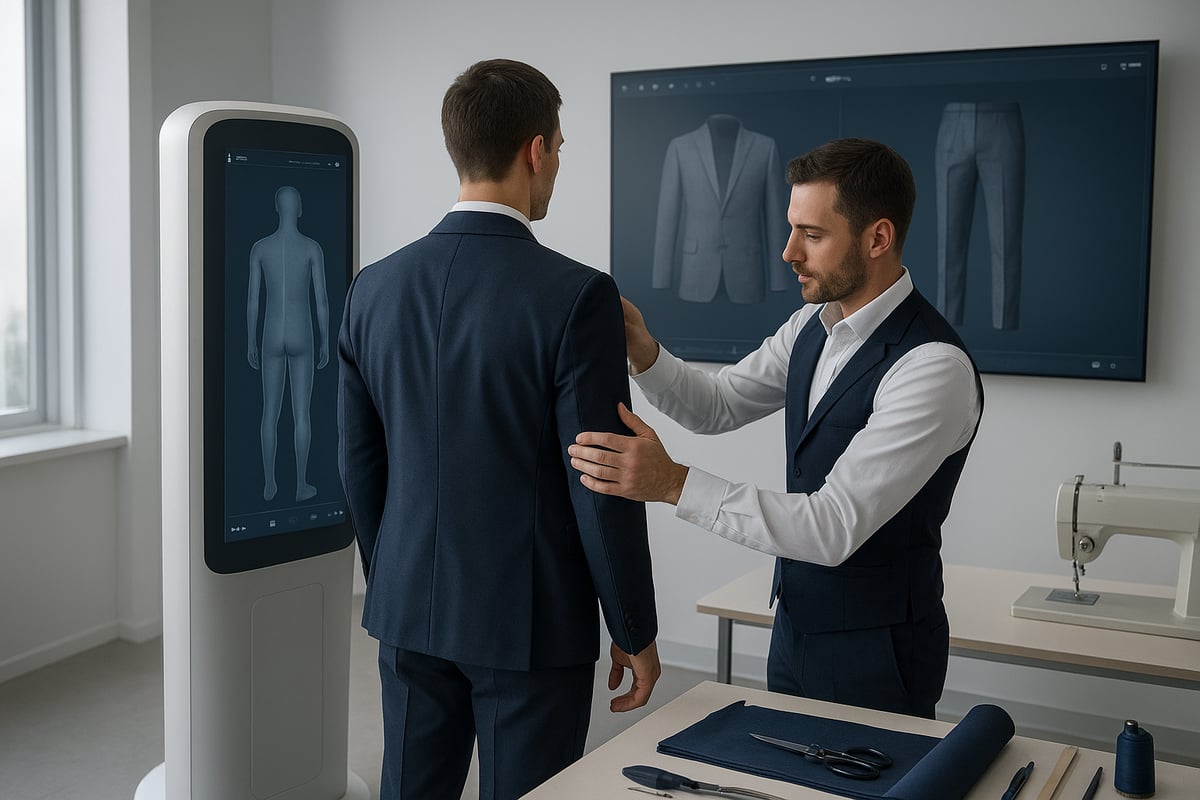
7 Brilliant Top Tailor Secrets for Perfect Fits in 2026
Unlocking the perfect fit in 2026 is both an art and a science. The top tailor professionals blend cutting-edge technology with time-honored skills to achieve results that flatter every body type. Whether you are seeking to master fit at home or want to communicate better with your tailor, these seven secrets will empower you with practical knowledge and confidence.
Below, explore how the top tailor experts of today are reimagining fit, fabric, pattern, and personalization for a new era in fashion.
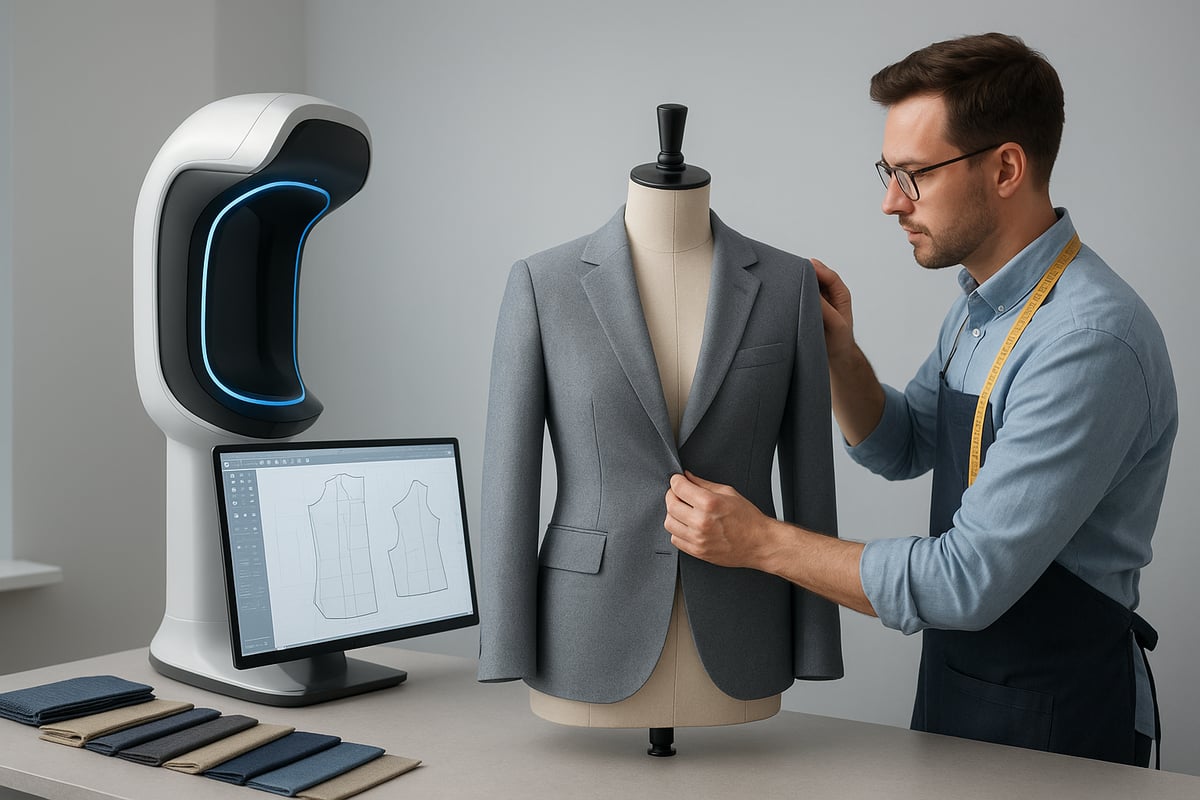
1. Mastering Modern Measurements: Beyond the Tape
Accurate measurements are the foundation of every flawless garment. In 2026, the top tailor approach goes far beyond the classic tape measure.
Today’s professionals use 3D body scanning and digital fitting apps to capture every nuance of the human form. These tools create detailed avatars, mapping subtle curves and posture, which the top tailor then uses to inform every cut and stitch. For example, a scan can detect asymmetry or posture differences that tape alone might miss, giving the top tailor a more precise starting point.
At home, you can enhance measurement accuracy by standing naturally and using apps designed for personal scanning. Always measure in fitted clothing and ensure the camera is at the correct height. It is crucial to include movement—walk, sit, and stretch—so the top tailor can see how fabric will respond in real life.
Hybrid methods are gaining popularity. Some tailors combine digital tools with traditional techniques, double-checking key points with a tape for verification. This fusion ensures the top tailor captures both the science and the art of fit.
Periodic re-measurements are essential. Our bodies change, and the top tailor will recommend updating your profile every 6–12 months. Studies show that digital measurements can improve fit accuracy by up to 40 percent compared to traditional methods, reducing costly errors.
For a deeper dive into achieving a flawless fit with both technology and tradition, see this comprehensive Custom Fitted Clothes Guide.
2. Fabric Selection: The Foundation of Flawless Fit
No matter how skilled the top tailor, the choice of fabric has a profound impact on the final fit. The drape, stretch, and weight of your material determine comfort, durability, and even the silhouette.
In 2026, innovation in textiles is booming. Smart fabrics can adjust temperature and wick moisture, while sustainable blends like bamboo-cotton and recycled polyesters are favored by eco-conscious clients and top tailor shops alike. These fabrics not only reduce environmental impact but also offer improved resilience and flexibility for daily wear.
Matching fabric to body shape and garment type is crucial. The top tailor will guide you toward lightweight wool for suits, structured cotton for shirts, or four-way stretch blends for activewear. Always consider your climate and lifestyle. For humid regions, breathable linens or technical synthetics are ideal.
Common fabric mistakes include choosing materials that are too stiff for soft silhouettes or too thin for tailored pieces. The top tailor recommends always handling swatches, stretching them lightly, and viewing them under natural light.
Top professionals often share their favorite fabrics: Italian merino for suits, Tencel for blouses, and micro-modal for underlayers. Industry reports in 2026 highlight a surge in demand for sustainable and high-performance textiles, with over 60 percent of consumers prioritizing eco-friendly options.
3. Precision Pattern Making: Tailoring to Individuality
Pattern making has evolved dramatically, and the top tailor now relies on a blend of digital and traditional methods. Hand-drafted patterns are still valued for their artistry, but digital pattern software streamlines the process and allows for intricate customization.
Customizing patterns to individual proportions is a top tailor hallmark. Adjustments are made for posture, asymmetry, and personal requests such as extra room in the shoulders or a more pronounced waistline. AI and machine learning can now predict necessary tweaks based on body data, helping the top tailor achieve near-perfect fits on the first try.
For home sewers, modifying commercial patterns is key. A few simple changes—lengthening sleeves, adjusting darts, or reshaping the neckline—can transform a generic pattern into a bespoke masterpiece. The top tailor recommends always creating a paper or muslin prototype before cutting into precious fabric.
Examples abound: adding an extra dart for a fuller bust, or lowering a waistband for comfort. Each alteration, however small, brings the garment closer to your unique shape. Experts predict that by 2030, pattern making will be almost entirely digital, but the discerning eye of a top tailor will always be needed for those final, crucial adjustments.
4. Fittings & Adjustments: The Art of Iteration
Even the most advanced measurements and patterns require careful fitting. The top tailor sees fitting as an ongoing conversation, not a one-time event. Multiple fittings are the norm, each refining the garment until it sits flawlessly.
A typical process includes an initial fitting in a test garment (muslin or toile), where the top tailor evaluates shoulder slope, sleeve pitch, and waist suppression. Common issues—gaping collars, tight sleeves, or uneven hems—are flagged and corrected.
Clear communication is vital. Share your preferences for fit: do you prefer a closer silhouette, or extra ease for movement? The top tailor values your input and will offer options for subtle tweaks.
At home, stand in natural light and move in every direction to spot hidden flaws. Pinch excess fabric, check for pulling, and note any discomfort. The top tailor often documents each adjustment for future reference.
Statistics show that customers who undergo two or more fittings report 30 percent higher satisfaction rates. Real-life stories abound of transformative changes—one extra fitting can turn an average suit into a showstopper.
5. The Finishing Touches: Details That Define Fit
Once the fit is dialed in, the top tailor focuses on the finishing touches that elevate a garment from good to exceptional. Seam placement, darts, and closures are meticulously chosen, as each detail influences how the fabric contours the body.
Hand-finishing is a hallmark of the top tailor. Techniques like hand-sewn buttonholes, pick stitching, and invisible hems add both beauty and function. Proper pressing and steaming are essential, shaping the garment and ensuring crisp lines.
Choosing the right linings and interfacings provides structure and comfort. The top tailor may suggest silk for lining a jacket or a lightweight canvas for reinforcing a collar. These choices impact both the feel and longevity of the garment.
Signature finishing touches, such as colored undercollars or monogrammed cuffs, showcase the personality of both client and top tailor. To maintain fit, follow care instructions and consider periodic alterations as your body or style evolves.
Studies indicate that hand-finished garments last 50 percent longer and are rated higher in customer satisfaction, confirming that attention to detail pays off.
6. Style Personalization: Customizing for Body and Lifestyle
The top tailor knows that true fit is about more than numbers—it is about individuality. Tailors today tailor for lifestyle, personality, and unique needs, ensuring that each garment enhances both comfort and self-expression.
Functional features have become standard. Hidden pockets for devices, flexible panels for movement, and adjustable hems are just a few ways the top tailor adapts to modern life. These innovations mean garments work as hard as you do.
Selecting flattering silhouettes and lengths is an art. The top tailor will guide you to styles that highlight your best features, whether that is a nipped-in waist, longer sleeves, or a cropped jacket. Trends are incorporated thoughtfully, so your look remains timeless.
Personalized requests—such as embroidery, unique color combinations, or convertible elements—are increasingly popular. Ongoing consultations with your top tailor ensure your wardrobe evolves as your needs and tastes change.
Consumer surveys in 2026 reveal that over 70 percent of clients value customization above all, proving that the personal touch is here to stay.
7. Staying Ahead: Leveraging Technology & Tailor Expertise
In 2026, the top tailor is as much a technologist as a craftsman. AI-driven design, virtual fittings, and augmented reality have transformed the tailoring experience, making it more accessible and precise.
Balancing digital tools with human expertise is crucial. The top tailor uses technology to visualize fit and make quick adjustments, but relies on years of hands-on experience for those intangible finishing touches. Hybrid tailoring businesses—combining online consultations with in-person craftsmanship—are thriving, as evidenced by glowing customer testimonials.
To find a top tailor who harnesses both worlds, look for studios that offer digital previews before you commit to a custom order. Many now provide remote tailoring, digital wardrobe management, and even on-demand alterations.
Industry forecasts suggest tailor-made clothing will continue to outpace off-the-rack options, as clients seek both convenience and the unmistakable touch of a top tailor.
How to Choose the Right Tailor for Your Perfect Fit in 2026
Selecting the right top tailor in 2026 is a crucial step for anyone seeking flawless, personalized garments. With the tailoring industry evolving rapidly, both technology and tradition play significant roles in determining the quality of your experience and results.
To begin, evaluate a top tailor based on their experience, reputation, and willingness to embrace new technology. Look for professionals who blend traditional craftsmanship with digital tools, such as 3D body scanning and virtual fittings. This combination signals a commitment to delivering the best possible fit.
Reviews, referrals, and portfolio evaluation should be at the core of your decision. Examine online testimonials, ask friends for recommendations, and review before-and-after photos of previous work. Platforms like Best Ladies Tailors Near Me can help you locate top-rated tailors in your area, making the search more efficient.
When engaging with a top tailor, pay close attention to their communication style and transparency. Are they attentive to your needs and clear about timelines and pricing? A reliable tailor will provide detailed consultations, explain their process, and offer clear expectations for fittings and alterations.
Use the following checklist to assess whether a top tailor meets your standards:
| Criteria | What to Look For |
|---|---|
| Experience & Credentials | Years in business, formal training, memberships |
| Technology Adoption | 3D scanning, pattern software, digital consultations |
| Range of Services | Bespoke, made-to-measure, alterations, repairs |
| Portfolio & Reviews | Photo evidence, testimonials, referrals |
| Communication & Transparency | Consultations, clear pricing, process explanation |
| Fabric & Finish Quality | Access to premium fabrics, hand-finishing, sampling |
| Guarantees & Aftercare | Fit guarantees, alteration policies, care advice |
Assess the quality of fabrics and finishes during consultations. A top tailor should offer a variety of premium materials and demonstrate their expertise through samples. Consider visiting resources like Premium Suit Bespoke Tailors to understand what sets high-end services apart.
Prepare a set of questions for your top tailor, such as:
- How do you handle unique body shapes or fit challenges?
- What technology do you use to ensure accuracy?
- Can you provide references or a portfolio?
- What is your policy if the fit is not perfect after the first fitting?
Building a long-term relationship with a top tailor is invaluable for your wardrobe evolution. Regular clients often benefit from personalized service, priority scheduling, and an evolving understanding of style preferences.
Recent industry data reveals that customer loyalty is strong in bespoke tailoring, with satisfaction rates exceeding 85% among repeat clients. This highlights the long-term value of choosing the right top tailor for your needs.
By following these guidelines, you will be well-equipped to find a top tailor who can deliver the perfect fit, elevate your style, and adapt to your evolving wardrobe needs in 2026.
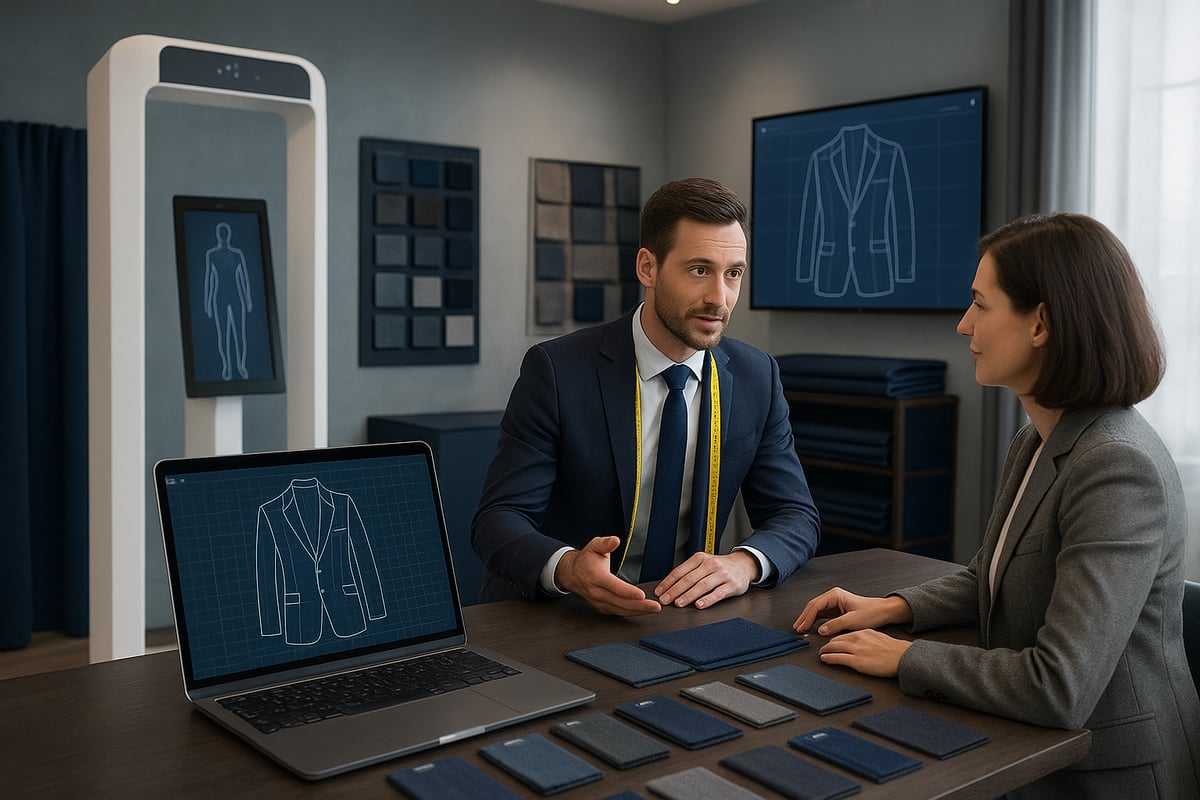
Common Fit Mistakes and How to Fix Them
Even in 2026, achieving a flawless fit can be challenging. Despite advanced methods, a top tailor still sees recurring mistakes in custom and ready-to-wear garments. Recognizing these issues is the first step toward confidence and comfort.
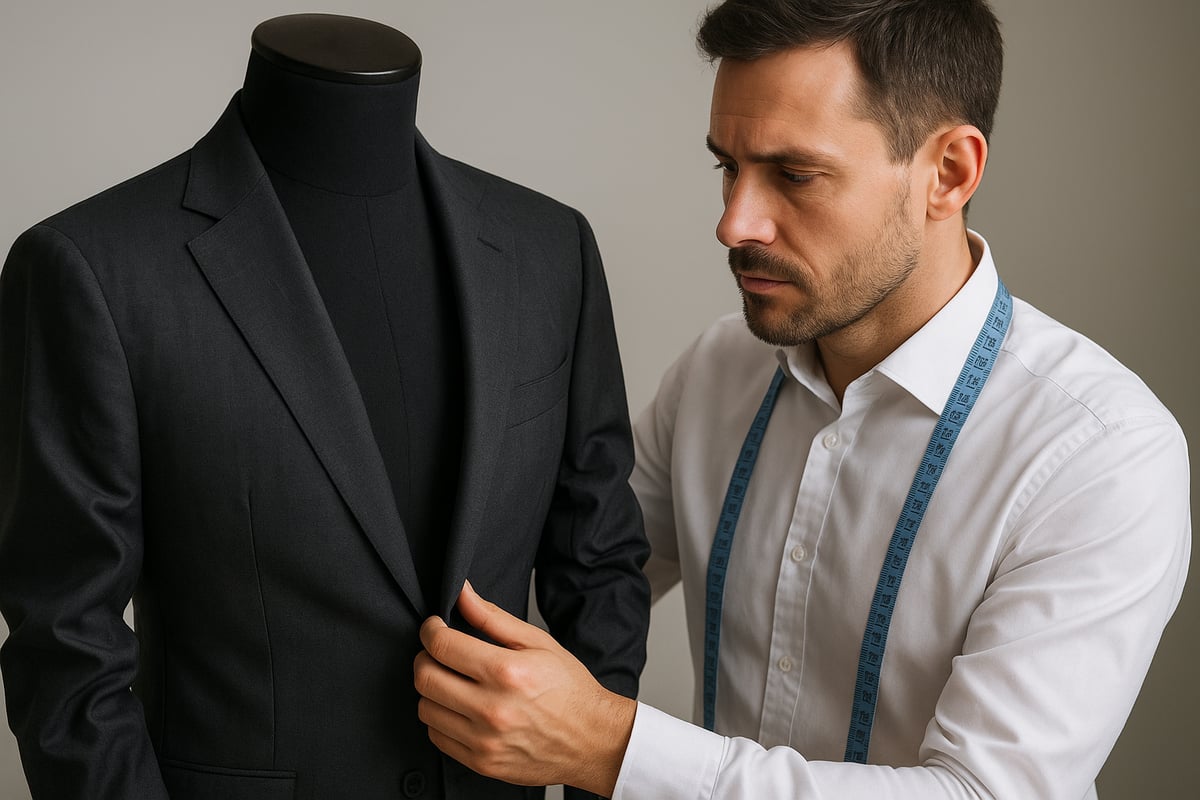
Common Fit Mistakes
The most frequent errors noticed by any top tailor include:
- Gaping or sagging collars
- Tight or restrictive sleeves
- Baggy waists or excess fabric around the midsection
- Short or overly long hems
- Shoulder seams not aligning with the natural shoulder
These problems can affect both bespoke and off-the-rack pieces, often diminishing the garment's overall appeal.
Solutions and Prevention
Quick fixes exist for many fit issues. For example, a gaping collar may require adjusting the neckline seam, while tight sleeves can be eased by letting out fabric at the seam allowance. Simple waist suppression or dart addition can resolve bagginess.
Technology now plays a key role in catching these problems early. With Garment Rendering Innovations 2026, digital simulations help visualize the garment on your body before final adjustments, preventing errors before they happen.
Preventive measures, such as double-checking measurements and trying on muslins, are crucial for a top tailor and home sewers alike.
When to DIY or Seek a Top Tailor
Minor adjustments, like hemming or waist nipping, can be managed at home with basic sewing skills. However, complex issues—such as shoulder realignment or major alterations—should be entrusted to a top tailor for best results.
Remember, even small tweaks can make a dramatic difference in satisfaction and how you present yourself.
After exploring these top tailor secrets for achieving your perfect fit in 2026, you now have the insider knowledge to make truly informed choices about your wardrobe. Whether you are ready to embrace modern measurement techniques or want to experience the art of bespoke craftsmanship firsthand, there is no substitute for expert guidance. If you are seeking a flawless fit and personalized service, the team at Alex’s Fashion in Ao Nang is here to help you bring your vision to life with over 30 years of expertise. For a consultation or to start your custom journey, Contact us today.