
 TH
TH  EN
EN  FR
FR  DE
DE 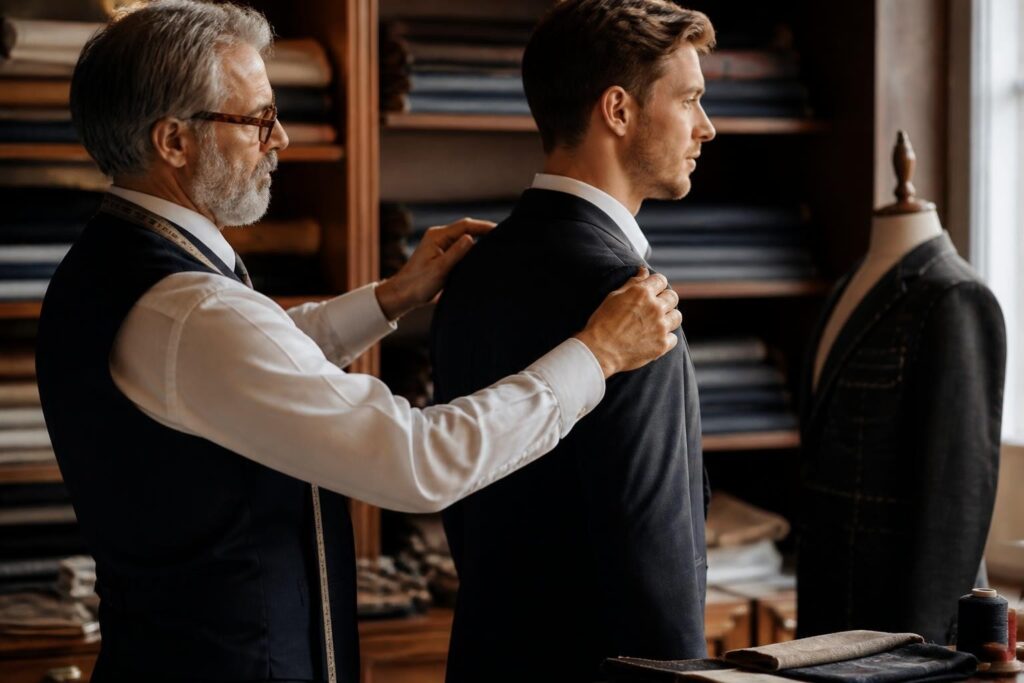
In an era of fast fashion and mass production, finding truly unique tailors who understand the art of bespoke craftsmanship has become increasingly valuable. The demand for skilled tailoring professionals continues to rise, with the tailoring industry experiencing significant growth despite an aging workforce. Unique tailors offer more than just clothing alterations; they provide personalized experiences, exceptional attention to detail, and garments that reflect individual style and perfect fit. Understanding what distinguishes exceptional tailors from ordinary seamstresses helps discerning clients make informed decisions about their wardrobe investments.
What Sets Unique Tailors Apart
The characteristics that define unique tailors extend far beyond basic sewing skills. These professionals combine decades of experience with artistic vision and technical expertise.
Master tailors bring specialized knowledge in pattern making, fabric behavior, and body measurements that cannot be replicated by automated systems. Their understanding of how different textiles drape, stretch, and age allows them to recommend materials that will maintain their appearance and comfort over years of wear. This expertise becomes particularly valuable when working with luxury fabrics that require specific handling techniques.
Personalized Client Relationships
Unique tailors invest time in understanding each client's lifestyle, preferences, and body characteristics. This personalized approach creates garments that function perfectly within the wearer's daily routine.
- Detailed consultations that explore wardrobe needs and style preferences
- Multiple fitting sessions to ensure precise adjustments
- Long-term relationship building that improves results with each commission
- Customized pattern archives maintained for future orders
- Style guidance based on body type and professional requirements
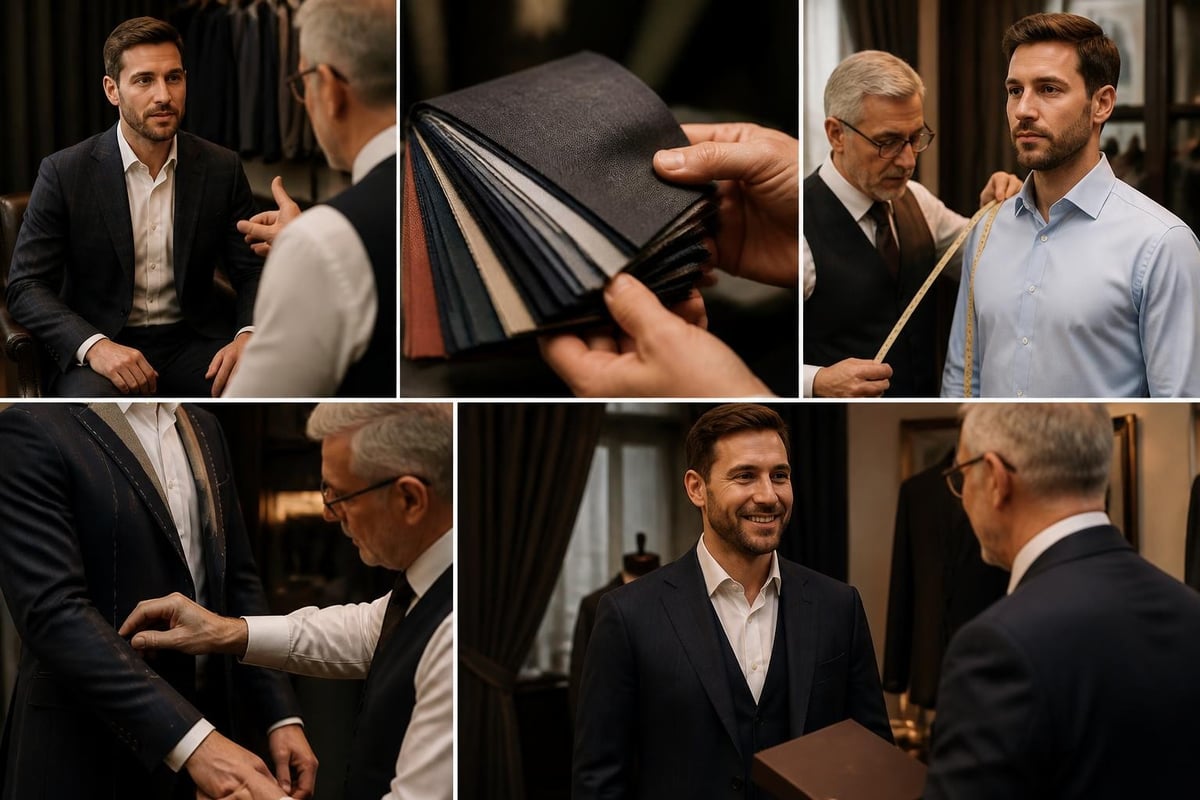
The consultation process distinguishes exceptional tailors from standard alteration services. Rather than simply taking measurements, unique tailors assess posture, shoulder slopes, and movement patterns to create garments that accommodate natural body mechanics.
The Craftsmanship Behind Bespoke Tailoring
Traditional tailoring techniques require years to master. According to comprehensive tailoring industry statistics, consumers increasingly value handcrafted details that demonstrate superior workmanship.
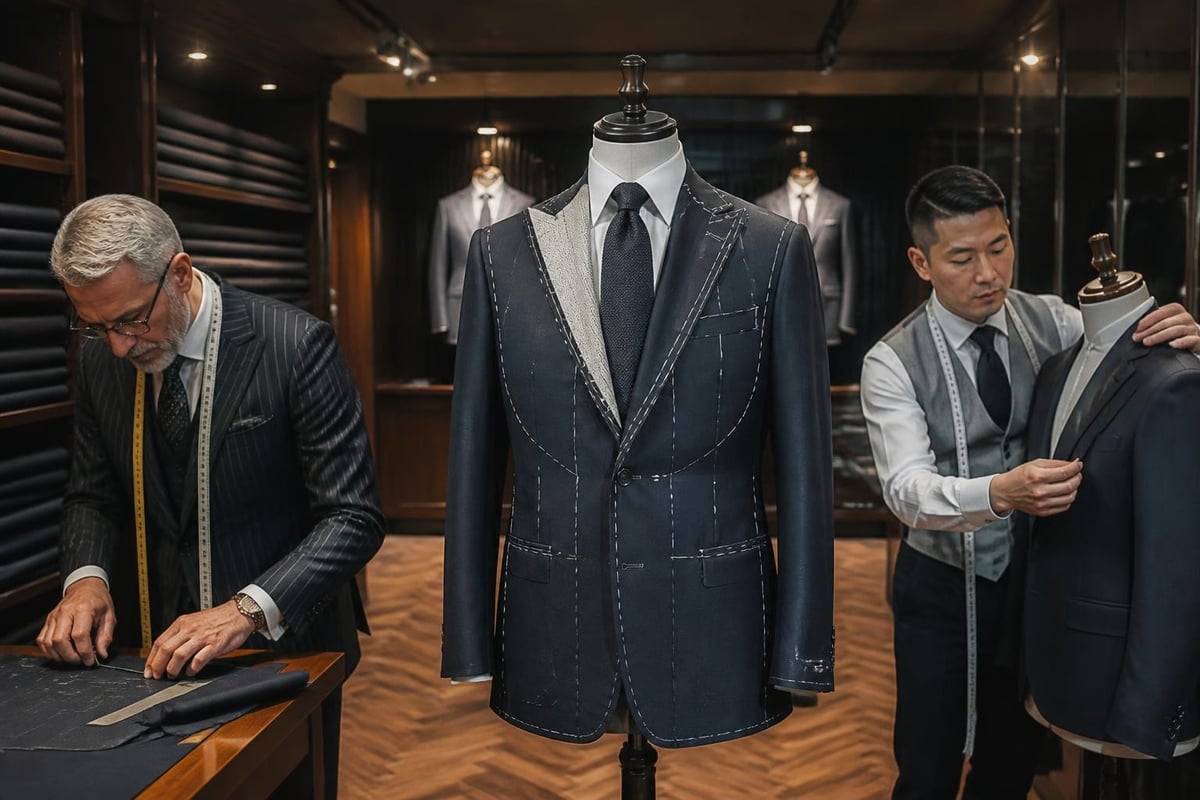
Hand-stitching techniques provide flexibility and durability that machine stitching cannot match. The floating canvas construction used in quality suit jackets allows the garment to mold to the wearer's body over time, creating an increasingly personalized fit. These methods require significantly more time than industrial production but deliver results that justify the investment.
Essential Tailoring Techniques
| Technique | Purpose | ประโยชน์ |
|---|---|---|
| Hand-basted fittings | Temporary assembly for adjustments | Perfect fit before final construction |
| Floating canvas | Structured chest piece | Natural drape and improved longevity |
| Hand-finished buttonholes | Secure button attachment | Durability and refined appearance |
| Sleeve pitch adjustment | Natural arm hang | Comfortable movement and clean lines |
| Hand-sewn linings | Interior finish | Smooth interior and reduced bulk |
Unique tailors understand that invisible details matter as much as visible ones. The interior construction of a bespoke garment reveals the tailor's skill level through clean seam finishes, proper interfacing placement, and reinforced stress points.
Fabric Selection and Quality Standards
The relationship between unique tailors and fabric suppliers significantly impacts final garment quality. Established tailors maintain connections with mills and distributors worldwide, accessing materials unavailable to general consumers.
World-class fabrics require specific handling techniques that experienced tailors have perfected through years of practice. Super 120s wool, for instance, demands different cutting and pressing methods than standard worsted fabrics. Understanding these nuances prevents damage during construction and ensures the finished garment performs as intended.
Identifying Premium Fabrics
Recognizing quality textiles helps clients appreciate the value unique tailors provide through their sourcing capabilities:
- Thread count and weave density indicating durability
- Natural fiber content for breathability and comfort
- Color fastness ensuring appearance retention
- Hand feel and drape demonstrating manufacturing quality
- Origin and mill reputation confirming authenticity
The resurgence of bespoke tailoring reflects growing consumer awareness that quality fabrics create garments worth the investment. Unique tailors educate clients about textile characteristics, helping them select materials appropriate for climate, occasion, and maintenance preferences.
Location and Accessibility Considerations
Geographic location influences both pricing and service quality in bespoke tailoring. Thailand has emerged as a significant destination for custom tailoring, offering exceptional craftsmanship at competitive prices.
Regions with strong tailoring traditions often provide better value because multiple generations have refined techniques and established efficient supply chains. Areas like Ao Nang, Krabi combine tourist accessibility with local craftsmanship expertise, creating opportunities for travelers to commission quality garments during their visits.
Evaluating Tailor Accessibility
When searching for unique tailors, consider these practical factors:
- Operating hours that accommodate your schedule
- Turnaround times for initial fittings and final delivery
- Communication methods including language capabilities
- Payment options and deposit requirements
- Shipping services for remote clients or travelers
Modern unique tailors often combine traditional craftsmanship with contemporary business practices, offering virtual consultations, digital measurement records, and international shipping to serve clients regardless of location. Explore comprehensive tailoring resources to understand service options available in different markets.
Price Points and Value Assessment
Understanding tailoring costs helps clients evaluate whether they are receiving fair value. The evolving world of bespoke tailoring demonstrates how pricing reflects skill, materials, and time investment.
Unique tailors typically charge based on garment complexity, fabric selection, and construction methods. A custom shirt requires fewer hours than a three-piece suit, and basic cotton costs less than luxury Italian wool. Transparent pricing structures indicate professional operations.
Cost Breakdown Comparison
| ระดับการให้บริการ | ช่วงราคา | Typical Features |
|---|---|---|
| Basic alterations | $20-$100 | Simple adjustments, machine stitching |
| Made-to-measure | $300-$800 | Standard patterns, limited customization |
| Bespoke tailoring | $800-$3,000+ | Custom patterns, hand finishing, premium fabrics |
| Master craftsmen | $3,000-$10,000+ | Exclusive designs, rare materials, extensive handwork |
Value extends beyond initial cost to include garment longevity, fit quality, and wearing satisfaction. A properly constructed bespoke suit can last decades with appropriate care, while mass-produced alternatives may require replacement within years.
Experience and Credentials Matter
The background and training of unique tailors directly influence their capability to deliver exceptional results. Traditional apprenticeship systems, though declining globally, remain the gold standard for skill development.
Tailors with 30 years or more experience have encountered countless body types, fabric challenges, and style requests. This breadth of exposure creates problem-solving abilities that newer practitioners cannot match. Brands that prioritize craftsmanship understand how experience translates to superior products.
Verifying Tailor Credentials
Assess potential tailors through these indicators:
- Portfolio review showing diverse styles and techniques
- Client testimonials describing satisfaction and repeat business
- Years in operation demonstrating sustained success
- Specialty areas indicating focused expertise
- Training background revealing skill foundation
Unique tailors often specialize in particular garment categories, such as formal wear, business attire, or traditional clothing. Understanding these specializations helps match your needs with appropriate expertise.
Custom Tailoring for Different Demographics
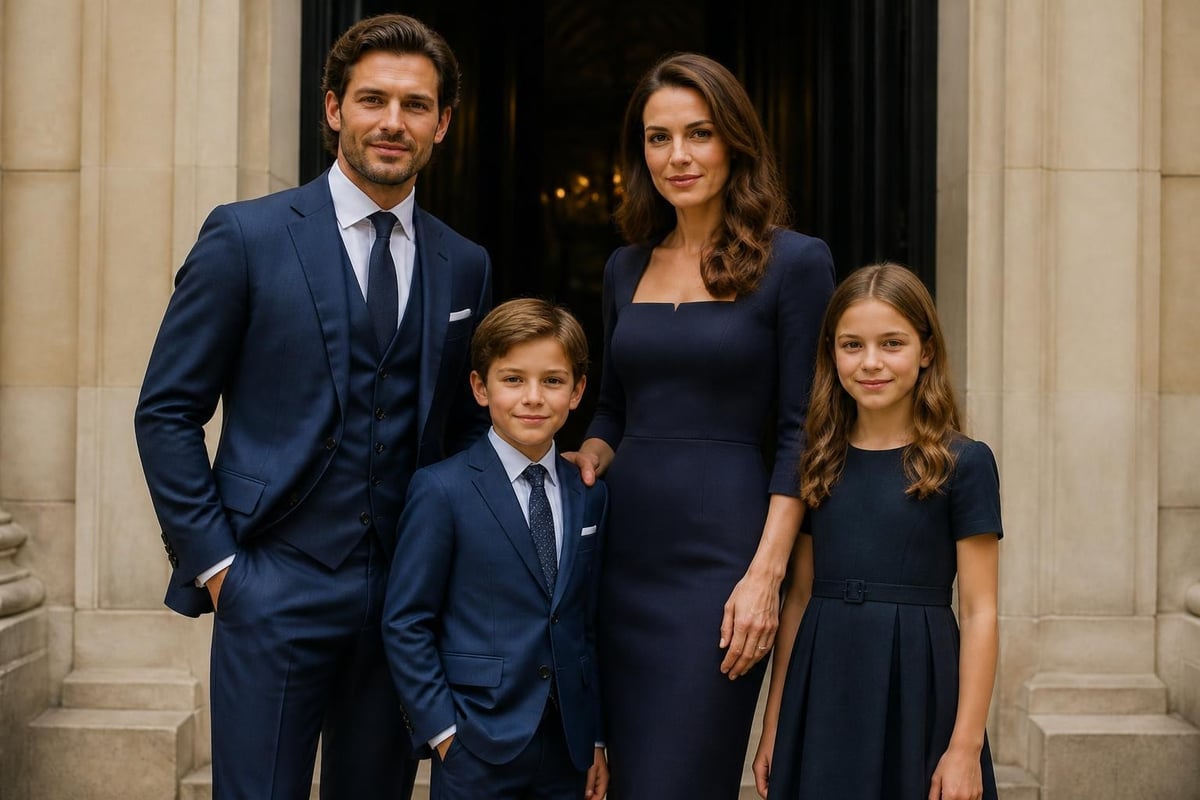
Exceptional tailors serve diverse clientele, adapting techniques for men, women, and children. Each demographic presents distinct fitting challenges requiring specialized knowledge.
Women's tailoring demands understanding of curves, proportions, and style variations that differ significantly from menswear. Children's clothing requires allowance for growth while maintaining current fit. Unique tailors modify their approach based on client category, applying appropriate construction methods.
Tailoring Considerations by Category
Men's Tailoring:
- Emphasis on structured shoulders and clean lines
- Focus on business and formal occasions
- Standard measurement points and proportions
Women's Tailoring:
- Accommodation of diverse body shapes
- Greater style variation and fashion trends
- Multiple fitting points for curves
Children's Tailoring:
- Growth allowances in seams and hems
- Durable construction for active wear
- Age-appropriate styling
Family-oriented unique tailors, as featured in various tailoring service offerings, provide coordinated wardrobes for special occasions, ensuring cohesive appearance across all family members.
The Future of Bespoke Tailoring
Market analysis suggests strong growth potential for skilled tailoring services through 2033. Bespoke tailor suit market projections indicate increasing consumer willingness to invest in quality garments.
Younger generations show renewed interest in sustainable fashion and personalized products, driving demand for unique tailors who offer alternatives to disposable clothing. This demographic shift creates opportunities for tailors who combine traditional techniques with modern communication and service delivery methods.
Emerging Trends in Tailoring
The industry continues evolving while maintaining core craftsmanship principles:
- Sustainable practices using eco-friendly fabrics and production methods
- Digital integration for measurements and virtual consultations
- Hybrid services combining ready-to-wear with custom elements
- Educational content helping clients understand quality indicators
- Transparent sourcing revealing fabric origins and production processes
Despite technological advances, the human element remains central to bespoke tailoring. The consultation process, artistic judgment, and hand-finishing techniques that define unique tailors cannot be automated without sacrificing the personalized results clients seek.
Making Your Selection
Choosing among unique tailors requires researching multiple candidates and evaluating them against your specific requirements. Visit tailoring information resources to understand what questions to ask and what responses indicate expertise.
Schedule consultations with several tailors before committing to a project. These initial meetings reveal communication styles, design philosophies, and whether the tailor's aesthetic aligns with your preferences. Quality tailors welcome questions and provide detailed explanations of their processes.
Essential Selection Criteria
Create a checklist covering these critical factors:
- Portfolio quality demonstrating skill level
- Fabric selection showing material knowledge
- Pricing transparency with clear cost breakdowns
- Timeline realism for completion
- Communication clarity during consultations
- Fitting process with adequate adjustment opportunities
- Warranty policies covering workmanship issues
- Client references offering third-party verification
Trust your instincts during consultations. The best client-tailor relationships combine technical expertise with personal rapport, creating collaborative partnerships that produce garments exceeding expectations.
Investment Protection and Garment Care
After commissioning custom pieces from unique tailors, proper maintenance protects your investment. Quality garments require specific care protocols that differ from mass-produced clothing.
Professional pressing maintains the shape built into garments during construction. Home laundering often damages specialized interfacings and hand-stitched details that define bespoke work. Establishing relationships with quality dry cleaners familiar with custom garments extends their lifespan significantly.
Maintenance Best Practices
| Care Aspect | คำแนะนำ | Reason |
|---|---|---|
| Cleaning frequency | Every 5-7 wears for suits | Prevents fabric degradation |
| Storage method | Wooden hangers, breathable covers | Maintains shape, prevents moths |
| Rotation schedule | Multiple garments in rotation | Reduces wear on individual pieces |
| Professional pressing | After cleaning, major events | Restores proper shape and finish |
| Minor repairs | Address immediately | Prevents small issues from escalating |
Unique tailors often provide care instructions specific to the fabrics and construction methods used in your garments. Following these guidelines ensures the pieces maintain their appearance and fit for years, justifying the initial investment through extended usability.
Finding unique tailors who deliver exceptional craftsmanship requires understanding what distinguishes master artisans from basic alteration services. The combination of experience, fabric knowledge, personalized service, and traditional techniques creates garments that provide lasting value and satisfaction. Whether you are seeking custom business attire, special occasion clothing, or a complete wardrobe transformation, Alex’s Fashion brings over three decades of bespoke tailoring expertise to every project, creating tailor-made clothing for men, women, and children using world-class fabrics and meticulous attention to detail.