
 TH
TH  EN
EN  FR
FR  DE
DE 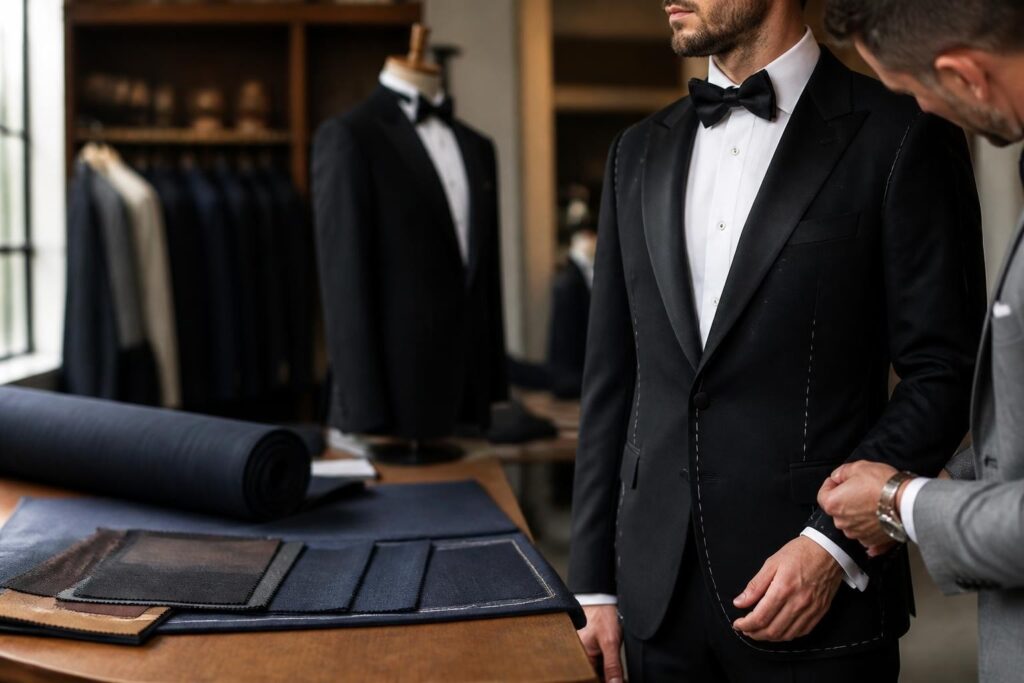
When it comes to formal menswear, few garments command the same respect and admiration as a well-crafted tuxedo. The intersection of tuxedo craftsmanship and Savile Row tradition represents the pinnacle of bespoke tailoring excellence. This legendary London street has defined men's formal wear standards for over two centuries, creating garments that combine impeccable construction with personalized fit. Understanding what makes a tuxedo Savile Row special reveals why discerning gentlemen worldwide continue to seek this level of artisanal expertise, whether on the historic street itself or through skilled tailors who honor these time-tested traditions.
The Heritage Behind Savile Row Tuxedo Craftsmanship
The story of Savile Row tailoring begins in the early 19th century, when this small street in London's Mayfair district became synonymous with exceptional bespoke menswear. The tuxedo, or dinner jacket as it is known in Britain, emerged later in the 1880s as a less formal alternative to white-tie evening wear. Savile Row tailors quickly elevated this American invention into an art form, applying their sophisticated construction techniques to create garments of unparalleled quality.
What distinguishes a tuxedo Savile Row from mass-produced alternatives lies in the meticulous attention to detail. Each garment undergoes multiple fittings, with master tailors making precise adjustments to ensure perfect drape and proportion. The jacket's shoulders are carefully balanced, the lapels are hand-stitched with silk facings, and the overall silhouette is sculpted to complement the wearer's unique physique.
Traditional Construction Methods
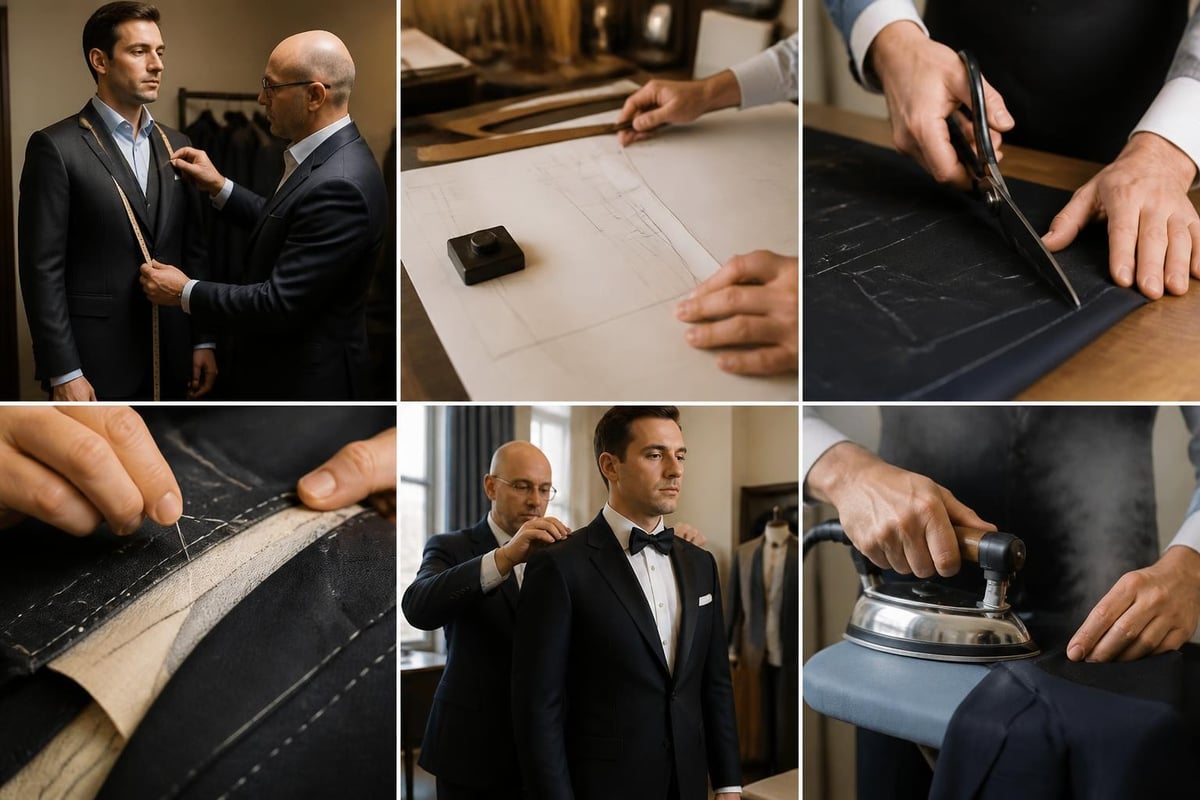
The bespoke process on Savile Row follows time-honored techniques passed down through generations:
- Pattern drafting begins with detailed measurements, creating a unique template for each client
- Canvas work involves hand-stitching hair canvas into the jacket front for structure and shape
- Buttonholes are sewn individually by hand, a hallmark of genuine bespoke tailoring
- Sleeve attachment is executed with precision to allow natural arm movement
- Pressing occurs throughout construction, molding the fabric into three-dimensional form
These methods require extraordinary skill and patience. A single tuxedo Savile Row can demand over fifty hours of handwork, with experienced craftsmen dedicating their careers to perfecting specific aspects of the construction process.
Fabric Selection and Quality Standards
Choosing the right fabric represents a crucial decision in creating an exceptional tuxedo. Savile Row establishments maintain relationships with premier mills worldwide, offering clients access to the finest woolens available. Barathea, a tightly woven fabric with a subtle texture, remains the traditional choice for tuxedo jackets due to its elegant appearance under evening lighting.
| ประเภทของผ้า | Characteristics | เหมาะที่สุดสำหรับ |
|---|---|---|
| Barathea Wool | Lustrous finish, tight weave, excellent drape | Year-round formal occasions |
| Super 120s Wool | Lightweight, breathable, refined texture | Warm climate events |
| Wool-Mohair Blend | High sheen, crisp structure, wrinkle-resistant | Black-tie functions |
| Velvet | Rich texture, luxurious appearance, substantial weight | Winter celebrations |
The weight of the fabric matters significantly for both comfort and appearance. Tailors working in the tuxedo Savile Row tradition typically recommend fabrics between 10 and 14 ounces for optimal drape and durability. Lighter weights suit tropical destinations, while heavier cloths provide warmth for winter weddings and events.
Understanding Fabric Quality Indicators
Thread count serves as one indicator of fabric excellence, with Super numbers denoting the fineness of wool fibers. Higher Super numbers indicate finer, softer fabrics, though they may sacrifice durability. A balanced approach considers both aesthetic appeal and practical longevity.
The provenance of materials matters equally. Mills like Loro Piana, Scabal, and Holland & Sherry supply fabrics that meet the exacting standards expected in tuxedo Savile Row creations. These textiles undergo rigorous quality control, ensuring consistent color, texture, and performance characteristics.
Design Details That Define Excellence
A tuxedo Savile Row distinguishes itself through subtle but significant design choices. The lapel style sets the formal tone, with peak lapels projecting sophistication and authority, while shawl collars offer timeless elegance. Notch lapels, though acceptable for business suits, rarely appear on proper dinner jackets crafted in the Savile Row tradition.
Proper proportions require careful consideration. Lapel width should balance with the wearer's build, typically ranging from 3.5 to 4 inches at the widest point. The button stance affects both aesthetics and comfort, with single-button closures creating clean, modern lines while two-button configurations offer versatility.
Trouser Construction and Fit
The trousers accompanying a tuxedo Savile Row deserve equal attention to the jacket. Side stripes in matching silk or grosgrain run along the outer seam, adding visual interest and maintaining the formal aesthetic. The waistband may incorporate adjusters for comfort, though purists often prefer side-tabs or braces.
Critical measurements include:
- Rise – the distance from crotch to waistband affects comfort when seated
- Break – minimal to no break creates the cleanest formal appearance
- Leg opening – tapered without being tight, allowing proper shoe visibility
- Inseam positioning – ensures trousers hang straight from hip to hem
Professional tailors understand that trouser fit significantly impacts overall presentation. A tuxedo Savile Row demands trousers that complement rather than compete with the jacket's elegance.
The Modern Interpretation of Classic Styles
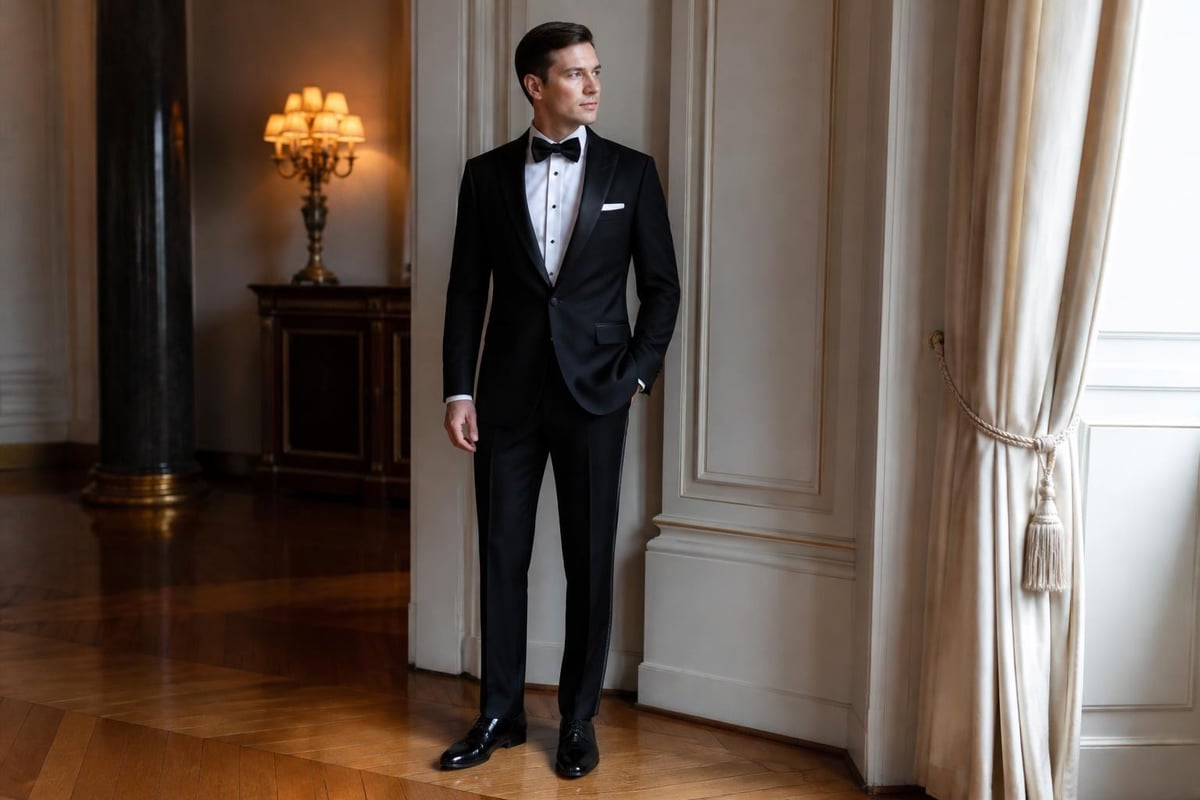
While respecting tradition, contemporary tuxedo Savile Row creations also embrace evolution. Today's tailors balance heritage techniques with modern preferences, offering clients options that honor formal wear conventions while reflecting personal style. Midnight blue has gained popularity as an alternative to black, appearing richer under artificial lighting.
Fit preferences have shifted toward slimmer silhouettes compared to the looser cuts popular in previous decades. However, skilled tailors avoid extremes, ensuring garments remain comfortable for extended wear during formal occasions. The goal remains creating a flattering shape that allows natural movement and dignified posture.
Personalization Within Formal Boundaries
Customization opportunities within tuxedo design include:
- Lining choices in silk, featuring subtle patterns or monograms
- Button selection between traditional horn and elegant mother-of-pearl
- Pocket styles ranging from jetted to besom configurations
- Vent options including center vents, side vents, or ventless backs
- Waistcoat alternatives such as cummerbunds or low-cut evening vests
These details allow personal expression while maintaining the garment's formal integrity. A tuxedo Savile Row tailored by experts balances individual preferences with established conventions, creating something simultaneously unique and appropriate.
The Global Influence of Savile Row Standards
The principles established by Savile Row’s tailoring tradition have influenced bespoke craftsmanship worldwide. Skilled tailors in diverse locations apply these techniques, bringing exceptional quality to clients unable to visit London. The standards set by tuxedo Savile Row creators serve as benchmarks for excellence regardless of geography.
Master tailors who train in traditional methods understand that location matters less than dedication to craft. Whether working in Bangkok, Hong Kong, or small coastal towns, artisans committed to bespoke excellence deliver results rivaling those found on the historic street itself. Over thirty years of experience refining skills and perfecting techniques enables tailors to achieve remarkable consistency and quality.
| แง่มุม | Savile Row Standard | Global Best Practice |
|---|---|---|
| Fittings | Minimum 3-4 sessions | 2-3 comprehensive fittings |
| Construction Time | 8-12 weeks | 6-10 weeks depending on complexity |
| Hand-Stitching | Extensive throughout garment | Focus on critical stress points |
| Pattern Development | Individual draft per client | Customized from master blocks |
The democratization of tuxedo Savile Row quality means discerning clients can access exceptional tailoring in convenient locations. This accessibility has elevated standards globally, as tailors compete on craftsmanship rather than geography alone.
Investment Value and Long-Term Considerations
A properly constructed tuxedo represents significant investment, with tuxedo Savile Row garments commanding premium pricing. However, this cost reflects not merely labor and materials but lasting value. Quality construction ensures decades of service when properly maintained, making the per-wear cost remarkably reasonable for gentlemen attending regular formal occasions.
Maintenance requirements for bespoke formal wear remain minimal yet essential. Professional dry cleaning should occur sparingly, only when truly necessary, as excessive chemical treatment degrades fine fabrics. Between wearings, proper storage on shaped hangers in breathable garment bags protects the investment.
Cost Breakdown and Value Analysis
Understanding the investment in a bespoke tuxedo requires examining component costs:
- Fabric selection accounts for approximately 25-30% of total expense
- Skilled labor represents 50-60% of pricing
- Overhead, including fittings and adjustments, comprises 10-15%
- Finishing details and accessories add the remaining costs
When compared to purchasing multiple ready-to-wear tuxedos over time, a single tuxedo Savile Row quality garment proves economically sensible. The superior fit ensures confidence at important events, while timeless styling prevents the garment from appearing dated.
Fitting Sessions and the Personal Experience
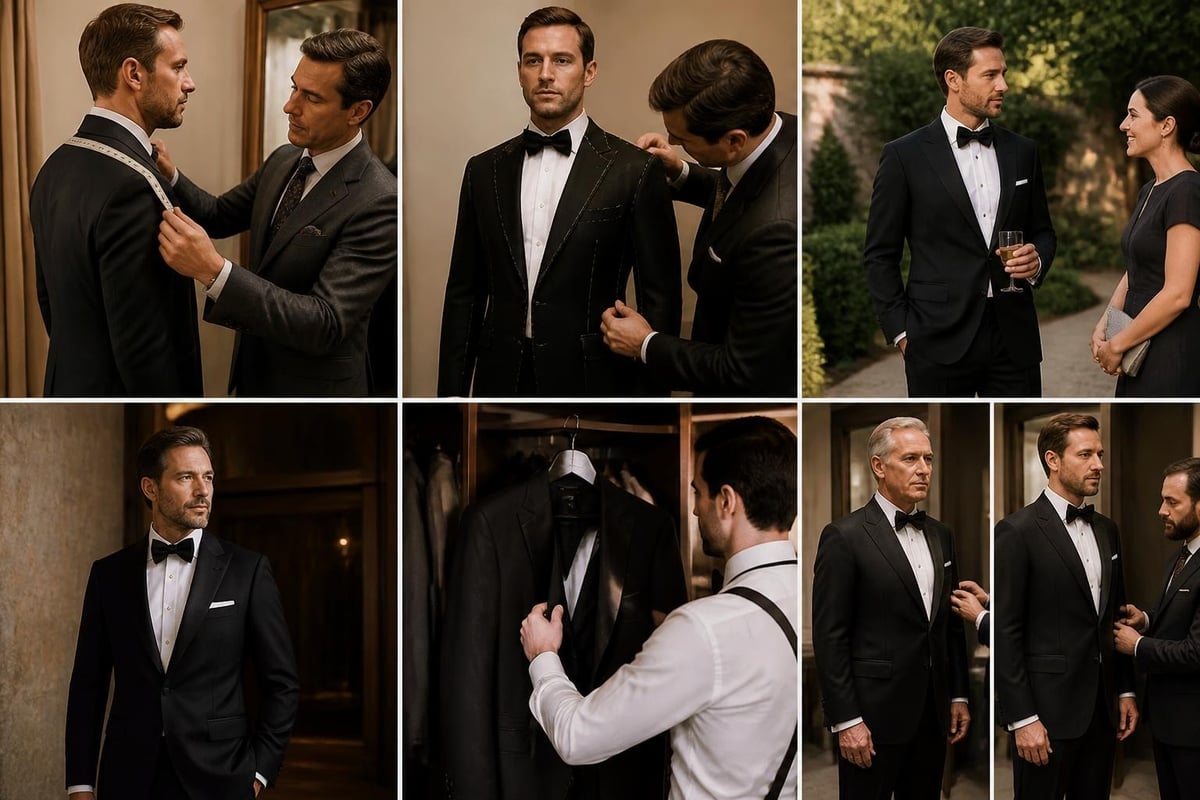
The journey to acquiring a tuxedo Savile Row begins with comprehensive consultation. During this initial meeting, tailors discuss the client's requirements, event schedules, and style preferences. Detailed measurements capture over twenty-five different dimensions, creating a complete physical profile that informs pattern development.
Subsequent fittings occur at critical construction stages. The first baste fitting reveals the basic shape and proportion, allowing adjustments before final assembly. The forward fitting examines the nearly completed garment, addressing any remaining refinements. The final fitting ensures absolute perfection before the client takes possession.
What to Expect During Consultations
Professional tailors create comfortable, collaborative atmospheres during fittings:
- Posture assessment – observing natural stance and identifying asymmetries
- Fabric draping – showing how different materials behave and appear
- Style guidance – recommending options appropriate for the client's needs
- Timeline establishment – setting realistic completion dates for upcoming events
- Budget discussion – transparently explaining costs and value propositions
This personalized approach distinguishes bespoke tailoring from retail experiences. Clients receive education about their garments, understanding construction details and care requirements. The relationship between tailor and client often extends years, with adjustments accommodating changing physiques and evolving preferences.
Selecting the Right Tailor for Your Needs
Choosing where to commission a tuxedo requires careful consideration beyond simple cost comparison. Expertise and experience matter tremendously, as formal wear construction demands specialized knowledge distinct from casual garment creation. Tailors with proven track records in tuxedo Savile Row style work demonstrate their capabilities through portfolio examples and client testimonials.
Communication skills prove equally important as technical ability. The best tailors listen attentively, ask clarifying questions, and translate client visions into wearable reality. They guide without dictating, respecting individual preferences while offering professional insights based on years of observation and refinement.
Evaluation Criteria for Bespoke Tailors
When assessing potential tailoring partners, consider these factors:
- Years of operation indicate stability and accumulated expertise
- Specialization focus reveals depth of knowledge in specific garment types
- Fabric sourcing demonstrates access to quality materials
- Portfolio diversity shows range and adaptability
- Client retention suggests satisfaction and relationship building
Visiting workshops provides valuable insights into working methods and quality standards. Observing garments in progress reveals construction techniques and attention to detail. Conversations with craftsmen expose their passion for the trade and commitment to excellence.
Caring for Your Bespoke Formal Wear
Proper maintenance preserves the investment in a tuxedo Savile Row garment for decades. Immediate post-event care includes brushing the fabric with a soft clothes brush to remove surface dust and allowing the garment to air before storage. This simple practice prevents dirt accumulation and maintains fabric freshness.
Professional pressing between wearings restores crisp appearance without the damage excessive dry cleaning causes. Steam refreshing at home addresses minor wrinkles, though delicate hand-stitched areas require gentle treatment. The goal remains preserving structural integrity while maintaining presentation standards.
Storage and Seasonal Considerations
Optimal storage conditions protect bespoke garments:
| Storage Element | คำแนะนำ | Purpose |
|---|---|---|
| Hanger Type | Wide, shaped wooden hangers | Maintains shoulder structure |
| Garment Bag | Breathable cotton or canvas | Prevents dust while allowing air circulation |
| สถานที่ | Climate-controlled closet | Avoids humidity and temperature extremes |
| Moth Protection | Cedar blocks or lavender sachets | Natural deterrent without chemical damage |
Seasonal rotation applies even to formal wear. Inspecting tuxedos before storage identifies any repairs needed, allowing time for professional attention. Small issues addressed promptly prevent more significant problems developing during periods of non-use.
The Future of Bespoke Formal Wear
The tradition of tuxedo Savile Row craftsmanship continues evolving while maintaining core principles. Younger generations increasingly value quality over quantity, seeking garments with stories and substance. This trend supports bespoke tailoring, as clients recognize the distinction between disposable fashion and lasting investment pieces.
Technology enhances rather than replaces traditional methods. Digital measurement tools supplement experienced eyes and hands, while 3D modeling allows clients to visualize options before cutting fabric. However, the essential human elements remain irreplaceable: the tailor's judgment, the craftsman's skill, and the personal relationship between maker and wearer.
Sustainability concerns also favor bespoke approaches. A single, perfectly constructed tuxedo serving decades eliminates the waste associated with multiple inferior replacements. The history of the tuxedo demonstrates how classic designs transcend temporary trends, making them inherently sustainable choices.
Regional Variations and Cultural Adaptations
While maintaining core standards, tuxedo Savile Row principles adapt to diverse cultural contexts and climatic requirements. Tailors working in tropical environments understand fabric weight and breathability assume paramount importance. Lighter constructions using unlined or half-lined jackets provide comfort without sacrificing formality.
Regional preferences influence styling details while respecting fundamental formal wear conventions. Asian markets often favor slightly higher button stances and narrower lapels, reflecting different body proportions and aesthetic sensibilities. Skilled tailors accommodate these preferences within established frameworks, creating garments that feel both authentic and appropriate.
The globalization of formal occasions means tuxedos traverse diverse settings and climates. Destination weddings in tropical locales require different specifications than winter galas in northern cities. Understanding these variables and planning accordingly demonstrates the tailor's comprehensive expertise and client-focused approach.
The art of creating an exceptional tuxedo combines centuries of refined technique with personal attention to individual needs and preferences. Whether commissioned on London's historic tailoring street or crafted by skilled artisans elsewhere who honor these traditions, a properly constructed formal garment delivers confidence, comfort, and timeless elegance. At Alex’s Fashion, our team brings over three decades of bespoke tailoring experience to every garment we create, applying world-class techniques and premium fabrics to ensure your formal wear meets the highest standards of craftsmanship and fit.