
 TH
TH  EN
EN  FR
FR  DE
DE 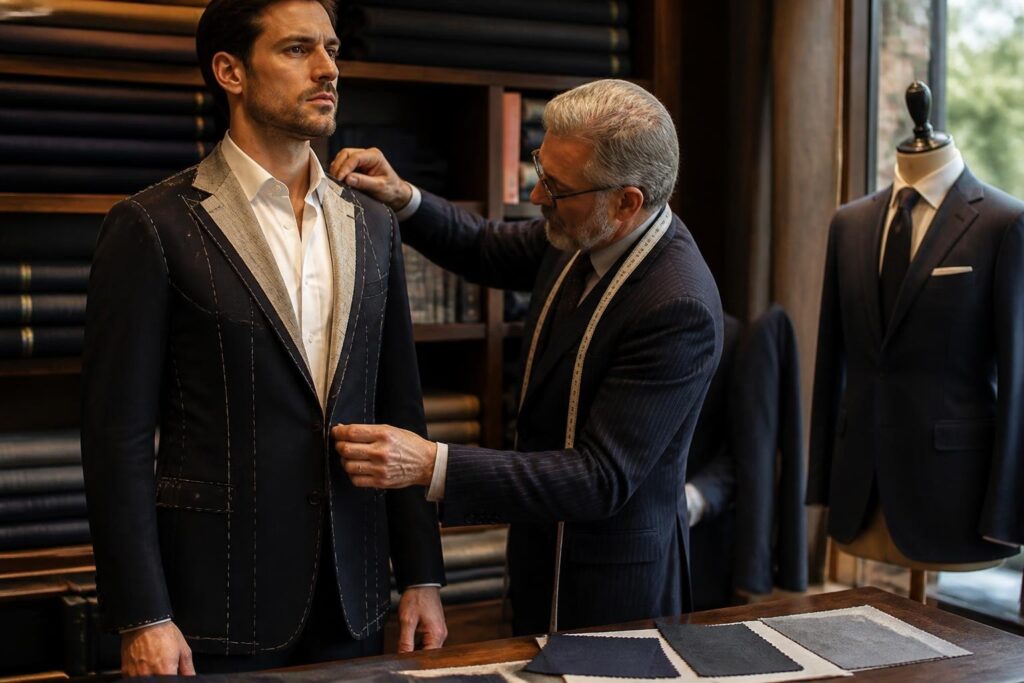
The tailoring experience represents far more than simply purchasing clothing. It embodies a collaborative journey between craftsperson and client, where measurements become art and fabric transforms into perfectly fitted garments. For those seeking clothing that truly reflects their style and fits their unique body shape, understanding what to expect from a professional tailoring experience can make the difference between satisfaction and disappointment. Whether you're preparing for a special occasion or building a versatile wardrobe, knowing the process helps you maximize the value of this personalized service.
Understanding the Foundation of Bespoke Tailoring
The tailoring experience begins with recognizing what sets bespoke craftsmanship apart from ready-to-wear alternatives. When you engage with a professional tailor, you're investing in expertise that spans decades of skill development. The different aspects of bespoke tailoring involve much more than taking measurements and cutting fabric.
The Initial Consultation Process
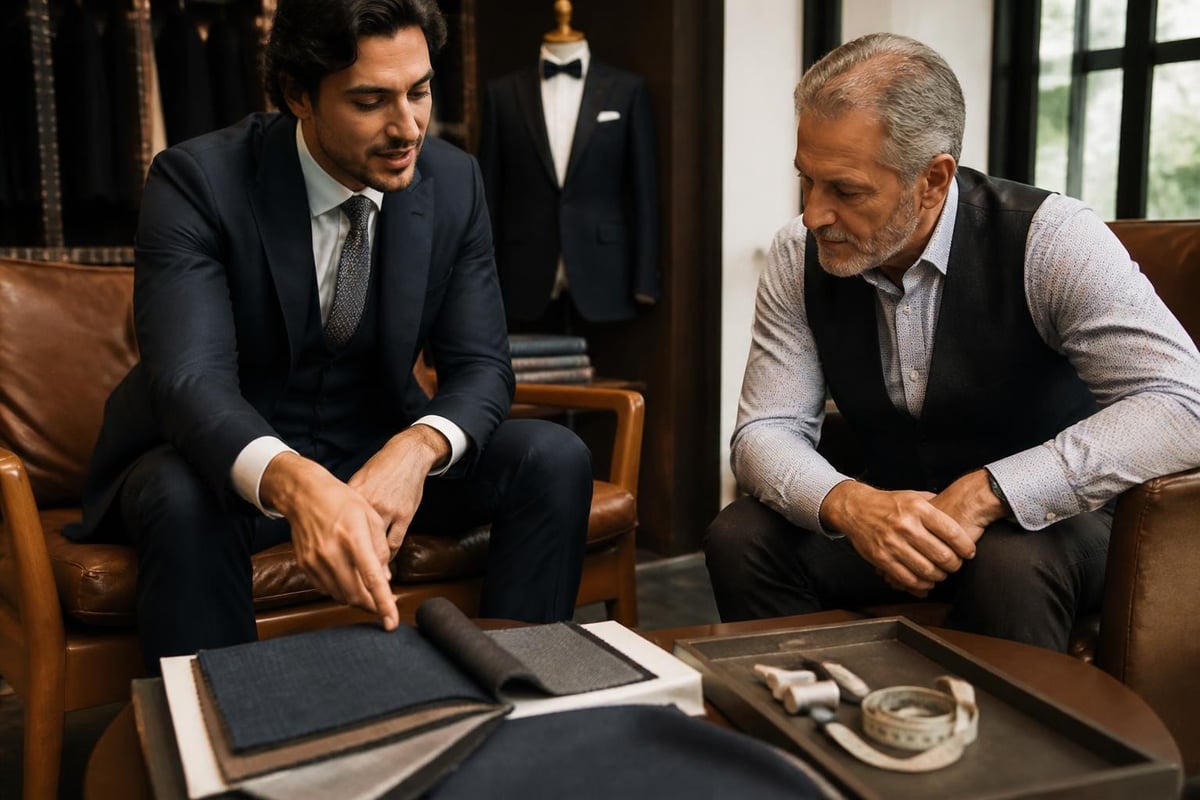
Your first meeting with a tailor sets the tone for the entire experience. During this consultation, skilled professionals assess your needs, discuss your style preferences, and evaluate your body's unique characteristics. This conversation covers:
- Purpose and occasion for the garment
- Style preferences including lapel width, pocket styles, and silhouette
- Fabric choices based on climate, durability, and aesthetic
- Timeline expectations from first fitting to final delivery
- Budget considerations aligned with fabric quality and construction complexity
The consultation phase allows tailors to understand not just what you want, but why you want it. This deeper understanding informs every subsequent decision in the creation process.
Measurement Precision and Body Assessment
Accurate measurements form the cornerstone of any exceptional tailoring experience. Professional tailors take anywhere from 15 to 40 measurements depending on the garment's complexity. These measurements extend beyond simple chest and waist circumference to include shoulder slope, arm pitch, and posture variations.
| Measurement Category | Key Points Assessed | Impact on Fit |
|---|---|---|
| Torso | Chest, waist, hip, back length | Overall garment drape |
| ไหล่ | Width, slope, forward lean | Jacket balance and comfort |
| Arms | Length, bicep, wrist, pitch | Sleeve movement and appearance |
| Legs | Inseam, outseam, thigh, knee | Trouser break and silhouette |
Understanding these nuances explains why the value of a master tailor extends beyond basic sewing skills. Experienced professionals recognize how bodies deviate from standard proportions and adjust patterns accordingly.
Fabric Selection and Material Considerations
Choosing fabric represents one of the most enjoyable aspects of the tailoring experience. Premium tailors maintain relationships with mills worldwide, offering access to fabrics that reflect both quality and variety.
Navigating Fabric Options
The fabric selection process involves balancing multiple factors. Weight determines seasonality, with lighter fabrics (7-9 oz) suited for tropical climates and heavier options (12-14 oz) appropriate for cooler weather. Pattern affects versatility, with solid colors offering maximum flexibility while checks and stripes make bolder statements.
Composition influences durability and care requirements. Pure wool provides excellent drape and breathability, while wool-silk blends add subtle luster. Linen offers unmatched coolness in hot weather, though it wrinkles more readily. Understanding these characteristics helps you make informed decisions aligned with your lifestyle.
For businesses like those explored at Alex’s Fashion, located in tropical Krabi, fabric recommendations naturally lean toward breathable, lightweight options that maintain structure in humid conditions without sacrificing elegance.
Quality Indicators in Fabric
Professional tailors educate clients on recognizing quality markers. Thread count, fiber length, and finishing techniques all influence how fabric performs over time. Super numbers (Super 100s, Super 150s) indicate wool fiber fineness, with higher numbers representing softer, more delicate fabrics.
- Examine the fabric's hand feel for smoothness and substance
- Check pattern alignment capabilities for stripes and plaids
- Assess color depth and consistency across the bolt
- Evaluate drape by holding fabric against light
- Consider care requirements for long-term maintenance
The Fitting Process and Adjustments
Multiple fittings distinguish true bespoke tailoring from made-to-measure services. The tailoring experience typically includes at least two fittings, though complex garments may require three or four sessions.
First Fitting Objectives
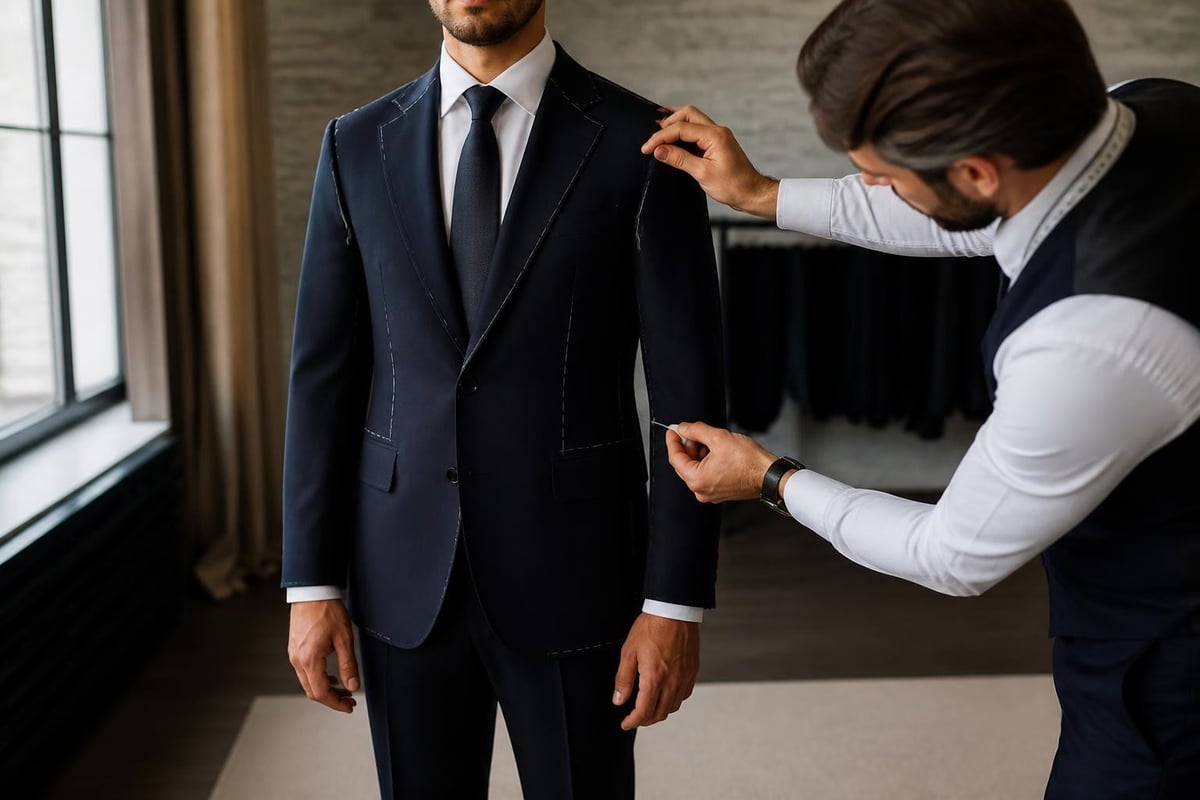
The initial fitting occurs when the garment is roughly 60-70% complete. Tailors use this session to verify that the pattern translation matches your body accurately. This comprehensive suit tailoring guide explains how professionals assess balance, proportion, and comfort during this critical phase.
Shoulder assessment tops the priority list. Once a jacket is cut, shoulder adjustments prove difficult or impossible. Tailors verify that shoulders sit smoothly without divots or pulling. Chest and waist suppression receive attention next, ensuring the garment follows your body's contours without restricting movement.
Final Fitting and Detail Work
The second fitting addresses refinements identified during the first session. By this stage, the garment is 90-95% complete. Tailors focus on:
- Sleeve length and pitch for optimal arm movement
- Collar fit ensuring it sits flush against the neck
- Trouser break at the shoe for proper length
- Button placement for functional and aesthetic balance
- Pocket positioning aligned with natural hand placement
Minor adjustments at this stage typically involve centimeters rather than inches. The goal is achieving that elusive "glove-like" fit that characterizes exceptional tailoring.
Craftsmanship Details That Define Quality
The tailoring experience reveals itself through construction details that separate competent work from masterful execution. Understanding tailoring basics helps clients appreciate these distinctions.
Hand-Stitching Versus Machine Construction
While modern machines perform many tasks efficiently, certain elements demand hand-stitching for optimal results. Lapel edges benefit from hand-picked stitching that creates subtle rolling rather than sharp creases. Button attachment through hand-stitching provides flexibility and durability that machine methods cannot match.
Sleeve attachment represents perhaps the most significant hand-work investment. Hand-set sleeves allow for the subtle easing that eliminates puckering while providing superior shoulder movement. This technique alone can require several hours of skilled labor.
| Construction Element | Hand-Stitched Benefit | Machine Alternative |
|---|---|---|
| Lapel edges | Natural roll, flexibility | Rigid, sharp edges |
| Buttonholes | Durability, refinement | Faster, less durable |
| Sleeve attachment | Movement, shaping | Efficient, less refined |
| Trouser hems | Invisible finish | Visible stitching |
Internal Construction Elements
What clients don't see often matters most. Canvas interlining provides structure in jacket fronts, molding to your body over time. Floating canvas (unattached except at edges) represents the gold standard, while fused interlining offers a budget-friendly alternative with less longevity.
Lining quality affects comfort and durability. Cupro or Bemberg rayon provides excellent breathability and drape. Silk adds luxury but requires more careful maintenance. The lining should extend fully through the jacket, with no exposed seams visible when arms are raised.
Communication and Relationship Building
The tailoring experience thrives on clear communication between client and craftsperson. Establishing expectations from the outset prevents misunderstandings and ensures satisfaction.
Expressing Style Preferences
Many clients struggle to articulate what they want beyond "professional" or "modern." Bringing reference images helps tremendously. Photos from magazines, social media, or even screenshots from films provide visual anchors for discussion. Tailors can then explain which elements suit your body type and which might require modification.
Describing your lifestyle helps tailors make appropriate recommendations. An attorney requiring courtroom attire needs different features than a creative professional in a casual office environment. The key elements of an exceptional tailoring experience include this personalized approach to understanding client needs.
Managing Expectations and Timelines
Quality tailoring requires time. Rush orders sometimes prove possible, but they often compromise the careful attention that defines exceptional work. Typical timelines range from three to six weeks for a complete suit, though this varies based on complexity and tailor workload.
Understanding what tailors can and cannot do helps set realistic expectations. While skilled professionals work wonders with fit adjustments, some modifications prove impractical or impossible based on garment construction and available material.
Value Assessment and Investment Perspective
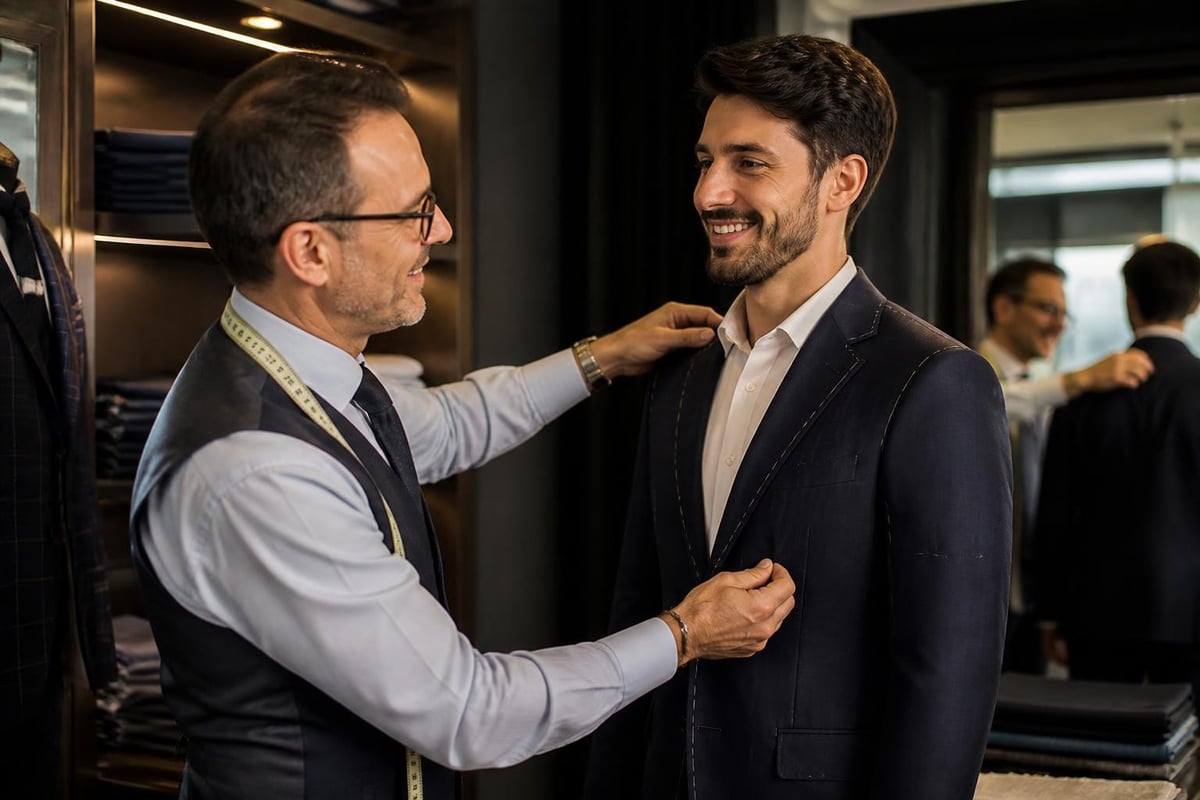
The tailoring experience represents an investment in quality, fit, and longevity. Understanding this value helps justify the cost differential between bespoke and ready-to-wear options.
Cost-Per-Wear Analysis
A well-constructed bespoke garment typically lasts 10-15 years with proper care, far exceeding the 2-3 year lifespan of average ready-to-wear items. When you divide the initial investment across hundreds of wearings, the per-use cost often compares favorably to cheaper alternatives requiring frequent replacement.
ความหลากหลายในการใช้งาน enhances value. A classic navy suit serves countless occasions across years, while trendy fast-fashion pieces offer limited applicability. Tailored garments also accommodate minor body changes through letting out or taking in seams, something impossible with ready-made clothing.
Quality of Life Improvements
Beyond economics, properly fitted clothing affects daily comfort and confidence. Garments that move with your body rather than against it reduce fatigue and distraction. The psychological benefits of knowing you look polished and put-together influence professional and personal interactions in measurable ways.
The expertise found at establishments offering Thai-language tailoring resources demonstrates how cultural understanding enhances the tailoring experience, particularly for international clients seeking garments that respect both traditional craftsmanship and contemporary style.
Maintaining Your Tailored Wardrobe
The tailoring experience extends beyond garment delivery into long-term care and maintenance. Proper stewardship ensures your investment delivers maximum value across its lifespan.
Daily Care Practices
Simple habits dramatically extend garment life. Rotation prevents excessive wear on any single piece. Allow suits to rest at least 48 hours between wearings, giving fabrics time to release wrinkles and moisture naturally. Proper hanging on shaped wooden hangers maintains shoulder structure and prevents creasing.
Brushing after each wear removes surface dirt and dust that can work into fibers and cause premature degradation. Use a soft horsehair brush in downward strokes, paying particular attention to collar and lapel edges where skin contact concentrates oils.
Professional Cleaning Considerations
Dry cleaning chemicals, while necessary, stress fabric fibers. Limit professional cleaning to 2-3 times annually for suits worn regularly. Between cleanings, spot-treat stains promptly and air garments in humid bathroom environments to release wrinkles.
When cleaning becomes necessary, choose reputable establishments familiar with handling high-quality tailored clothing. Communicate any specific concerns about stains or delicate fabrics. The relationship between you, your tailor, and your cleaner forms a triangle of care that preserves your wardrobe investment.
Building Long-Term Tailor Relationships
The most rewarding tailoring experience develops over years rather than single transactions. As tailors become familiar with your preferences, body characteristics, and lifestyle needs, they anticipate requirements and offer increasingly refined service.
Record Keeping and Pattern Development
Professional tailors maintain detailed records of your measurements, fabric preferences, and style choices. This documentation streamlines future orders while allowing tailors to notice and accommodate gradual body changes. Your unique pattern becomes a template that can be adapted for different garment types while maintaining consistent fit characteristics.
Seasonal updates keep your wardrobe aligned with current needs. Spring visits might focus on lightweight trousers and unstructured jackets, while fall consultations address heavier suiting and outerwear. This rhythm ensures you're always prepared for upcoming occasions without last-minute stress.
Referrals and Community Building
Satisfied clients naturally share their tailoring experience with friends and colleagues. Many tailors offer referral incentives, though the true reward comes from helping others discover the benefits of properly fitted clothing. Building a community of clients who appreciate craftsmanship creates a supportive environment where knowledge and recommendations flow freely.
The collaborative nature of bespoke tailoring fosters relationships that transcend typical commercial transactions. Tailors take pride in their clients' successes, whether that means landing a dream job interview or feeling confident at a wedding. This mutual investment in outcomes distinguishes the tailoring experience from anonymous retail purchases.
An exceptional tailoring experience combines technical expertise, quality materials, clear communication, and patient craftsmanship to create garments that enhance your appearance, comfort, and confidence. Whether you're seeking your first bespoke piece or expanding an established wardrobe, understanding these elements helps you partner effectively with skilled professionals. Alex’s Fashion brings over three decades of expertise to clients in Krabi and beyond, offering personalized service and world-class fabrics for men, women, and children who value the difference that true craftsmanship makes.