
 TH
TH  EN
EN  FR
FR  DE
DE 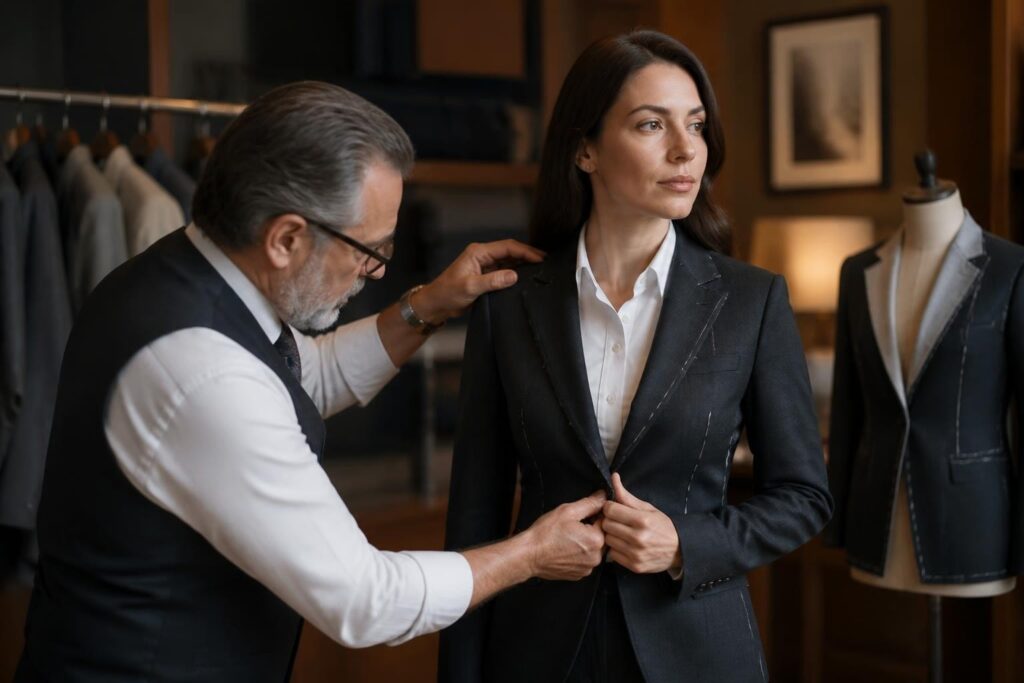
Women's professional wardrobes have evolved dramatically over the past decade, with the demand for tailor made suits for women reaching unprecedented levels in 2026. Off-the-rack options, while convenient, often fail to address the unique proportions, style preferences, and quality expectations of discerning professionals. Custom tailoring offers an alternative that combines perfect fit, premium materials, and personalized design elements to create garments that empower women in boardrooms, courtrooms, and executive offices worldwide. Whether you're building a capsule wardrobe or investing in signature pieces, understanding the bespoke tailoring process ensures you make informed decisions that deliver lasting value.
Why Women Choose Custom Tailored Suits
The ready-to-wear industry operates on standardized sizing that assumes uniform body proportions, an approach that leaves many women struggling to find suits that fit properly. Custom tailoring addresses this fundamental limitation by creating garments around your exact measurements, accommodating variations in shoulder width, torso length, hip proportion, and posture that mass-produced clothing ignores.
Professional advancement represents another compelling reason for the growing popularity of tailor made suits for women. Studies consistently demonstrate that well-fitted, high-quality professional attire correlates with perceived competence and authority in workplace settings. When your suit fits impeccably, you project confidence that influences client relationships, negotiation outcomes, and career progression.
The investment value of bespoke tailoring extends far beyond initial cost considerations. A properly constructed custom suit, crafted from quality fabrics and maintained appropriately, delivers 5-10 years of regular wear compared to 1-2 years for typical off-the-rack alternatives. This longevity, combined with timeless styling options, makes custom suits economically sensible for professionals who value their appearance.
Body Type Considerations
Different body shapes require specific tailoring approaches to achieve balanced, flattering silhouettes:
- Athletic builds benefit from structured shoulders and strategic waist suppression to create curves
- Pear-shaped figures require hip accommodation with balanced shoulder emphasis
- Apple-shaped bodies look best with vertical details and strategic fabric placement
- Hourglass figures need waist definition with proper bust and hip allowances
- Rectangle shapes gain dimension through textural contrast and proportional adjustments
The Bespoke Tailoring Process Explained
Understanding what happens during custom suit creation helps you collaborate effectively with your tailor and ensures satisfactory results. The process typically spans 4-6 weeks from initial consultation to final delivery, though timelines vary based on fabric availability and complexity.
Initial Consultation and Design Selection
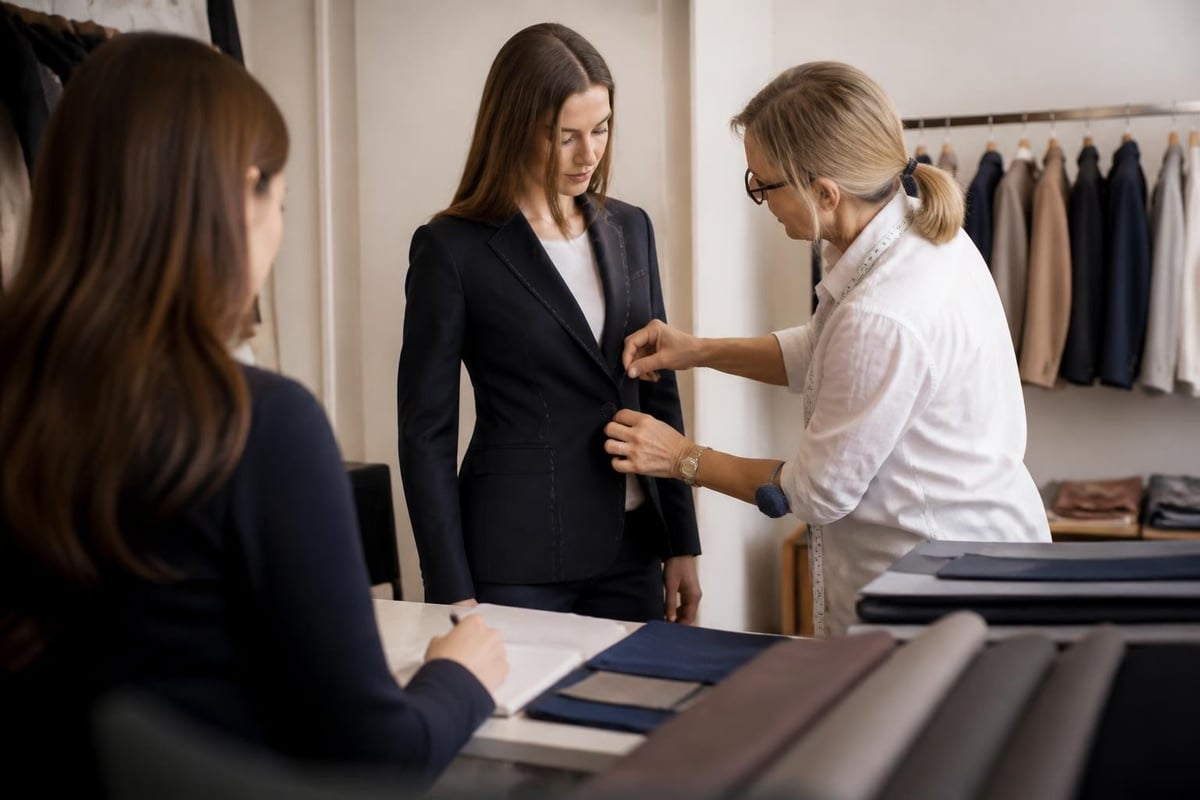
Your first appointment establishes the foundation for your entire suit. Experienced tailors assess your style preferences, lifestyle requirements, and professional context to recommend appropriate designs. This conversation covers lapel styles, button configurations, pocket placements, and overall silhouette options that align with your aesthetic goals.
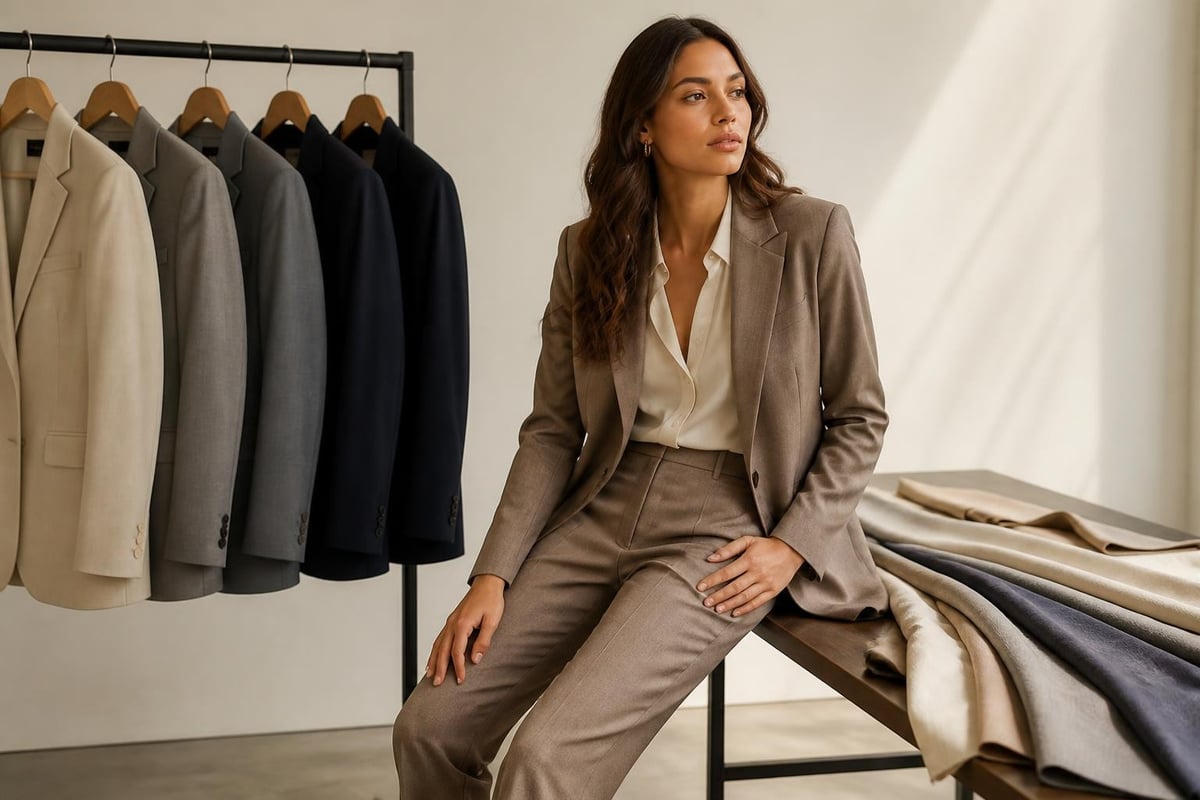
Fabric selection occurs during this phase, with tailors presenting swatches from mills worldwide. Women's suiting fabrics range from lightweight tropical wools ideal for warm climates to heavier flannel weaves suited for cooler environments. Understanding fabric weight, measured in ounces or grams per meter, helps you select materials appropriate for your climate and wearing frequency.
Measurement and Pattern Creation
Precise measurement distinguishes exceptional tailoring from adequate work. Professional tailors record 15-25 distinct measurements for jacket construction alone, capturing shoulder slope, arm length, back width, and dozens of other data points that inform pattern creation.
| Measurement Category | Key Data Points | Impact on Fit |
|---|---|---|
| ไหล่ | Width, slope, front position | Jacket drape, sleeve hang |
| Torso | Bust, waist, hip, length | Overall silhouette, comfort |
| Arms | Length, bicep, wrist | Sleeve movement, cuff position |
| Posture | Forward head, sway back | Collar fit, button alignment |
Pattern makers use these measurements to draft unique templates that account for your specific proportions, including asymmetries that affect most people but are invisible to casual observation.
Fitting Sessions and Refinements
Multiple fittings allow progressive adjustments as your suit takes shape. The first fitting typically occurs with basted garments assembled with temporary stitching, allowing easy modifications to achieve optimal fit. Tailors assess sleeve pitch, collar roll, waist suppression, and hem length during this critical session.
Second fittings occur after initial adjustments, verifying corrections and identifying any remaining issues. Some complex projects require three or more fittings, particularly when addressing significant posture variations or creating entirely new style directions.
Fabric Selection Strategies
Material choice fundamentally impacts how your tailor made suits for women perform, wear, and present over time. World-class tailors source fabrics from renowned mills that have perfected weaving techniques over centuries of refinement.
Wool remains the gold standard for suiting applications, offering natural breathability, wrinkle resistance, and durability that synthetic alternatives cannot match. Super numbers (Super 100s, Super 150s) indicate fiber fineness, with higher numbers producing softer, more lustrous fabrics that require gentler care.
Wool blends introduce additional performance characteristics:
- Wool-silk blends add sheen and drape for special occasions
- Wool-cashmere combinations provide exceptional softness and warmth
- Wool-polyester mixes enhance durability and reduce wrinkling
- Wool-linen fabrics offer superior breathability for tropical climates
Seasonal Fabric Considerations
Climate adaptation requires thoughtful fabric selection aligned with wearing conditions:
Summer and tropical weights (7-9 oz) feature open weaves that promote airflow and prevent overheating. These lightweight fabrics excel in warm environments but may appear less substantial than heavier alternatives.
Three-season weights (9-11 oz) represent versatile middle-ground options suitable for most professional contexts. These fabrics transition well across temperature ranges and provide appropriate visual weight for business settings.
Winter weights (11-14 oz) incorporate tighter weaves and sometimes brushed finishes that trap warmth. Flannel and tweed fabrics fall into this category, offering comfort during cold weather months.
Design Elements That Define Your Style
Customization options allow you to create distinctive suits that reflect personal aesthetics while maintaining professional appropriateness. Strategic choices regarding construction details communicate style literacy and attention to quality.
Jacket Styling Options
Lapel configurations significantly impact overall appearance and formality:
- Notch lapels offer classic versatility appropriate for most business contexts
- Peak lapels project authority and work well for executive presentations
- Shawl collars suit evening events and creative professional environments
- Slim notch variations provide contemporary updates to traditional styling
Button placement affects both aesthetics and functionality. Single-button jackets create long, lean lines ideal for taller frames, while two-button configurations offer balanced proportions suitable for most body types. Three-button designs, though less common in 2026, provide traditional alternatives for conservative industries.
Trouser and Skirt Considerations
Lower garment selection should complement jacket styling while addressing practical wearing requirements. Tailored trousers offer contemporary versatility, with options ranging from straight-leg silhouettes to slightly tapered profiles that create clean, modern lines.
For women seeking traditional alternatives, pencil skirts provide polished formality, while A-line cuts accommodate movement and offer comfortable options for all-day wear. Hem lengths typically fall at or just below the knee for professional contexts, though personal preference and industry norms influence final decisions.
| Design Element | Conservative Choice | Modern Alternative |
|---|---|---|
| Jacket buttons | Two-button notch | Single-button peak |
| Trouser cut | Straight leg | Slight taper |
| Skirt style | Pencil, knee length | A-line, varied length |
| Lining | Tone-on-tone | Contrast pattern |
| Pockets | Traditional flap | Jetted or patch |
Color and Pattern Selection
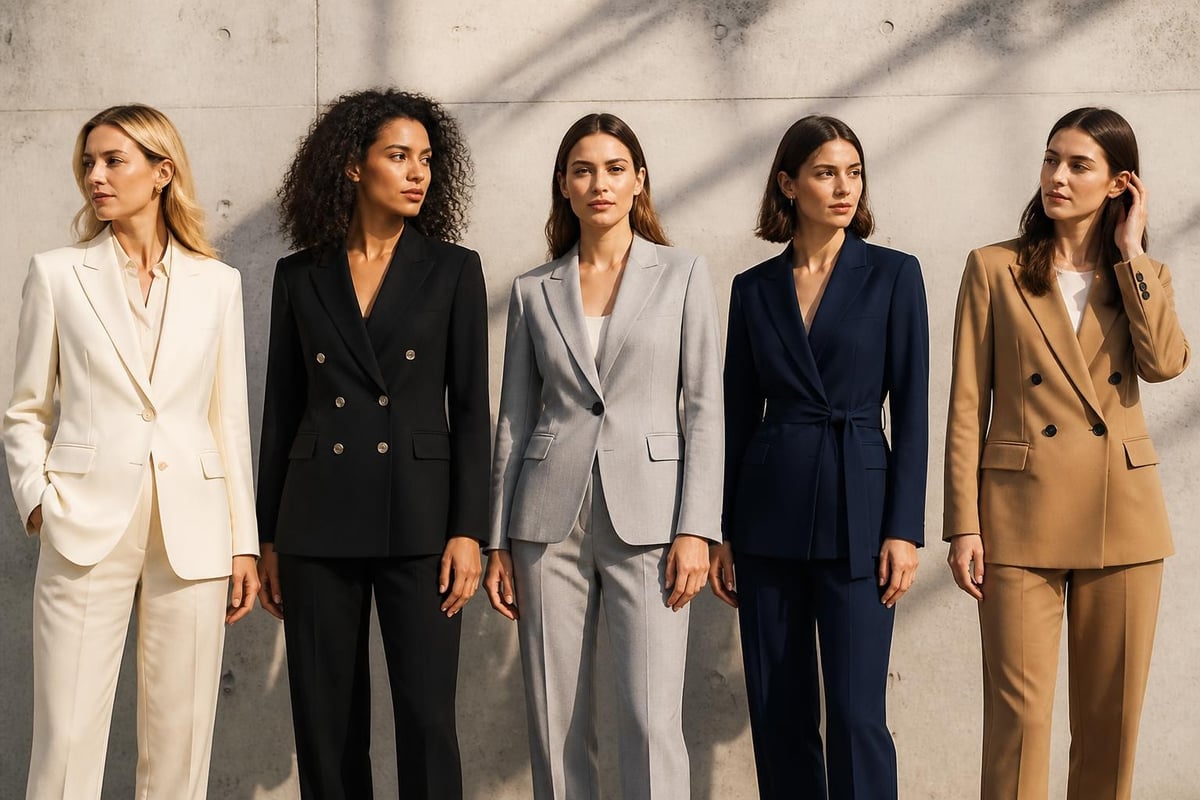
While navy and charcoal remain professional staples, tailor made suits for women in 2026 embrace expanded color palettes that project personality without sacrificing credibility. Understanding color psychology and industry appropriateness helps you build versatile wardrobes that serve multiple contexts.
Neutral foundations in navy, charcoal, and medium gray provide maximum versatility, pairing easily with existing wardrobe pieces and working across seasons. These colors photograph well, travel effectively, and convey professionalism in conservative industries.
Statement colors like burgundy, forest green, and camel offer sophisticated alternatives that distinguish you in crowded professional settings. These shades work particularly well for second or third custom suits once foundational pieces establish your core wardrobe.
Pattern Considerations
Subtle patterns add visual interest without overwhelming professional contexts:
- Pinstripes elongate the silhouette and convey traditional authority
- Chalk stripes offer bolder alternatives with vintage appeal
- Windowpane patterns provide contemporary texture in understated ways
- Herringbone weaves create sophisticated visual depth through texture
- Bird's eye patterns deliver subtle interest visible only at close range
Pattern scale should complement your frame, with smaller prints suiting petite builds and larger patterns working well on taller figures. When in doubt, conservative pattern selection ensures longevity and versatility.
Caring for Your Custom Suits
Proper maintenance extends the lifespan of tailor made suits for women significantly beyond typical garment longevity. Quality construction and premium fabrics reward careful stewardship with decades of reliable performance.
Rotation prevents premature wear by allowing wool fibers to recover between wearings. Ideally, rest suits for 24-48 hours between uses, allowing moisture to evaporate and fabric to regain its natural shape. Maintain at least three suits in your working rotation to achieve this schedule comfortably.
การทำความสะอาดและการเก็บรักษาที่ดีที่สุด
Dry cleaning should occur sparingly, as chemical processes gradually degrade natural fibers. Spot clean minor marks immediately and reserve professional cleaning for genuine soiling. Most suits require cleaning only 2-4 times annually with proper care.
Professional pressing maintains crisp lines and removes minor wrinkles without chemical intervention. Steam treatment at home provides interim freshening between professional services, though avoid direct iron contact that can create shine on wool fabrics.
Storage considerations include:
- Use wide, shaped hangers that support jacket shoulders properly
- Store trousers folded at the crease or hung from cuff waistbands
- Maintain adequate spacing between garments for air circulation
- Use breathable garment bags for seasonal storage, never plastic
- Keep suits away from direct sunlight that fades fabric color
Selecting the Right Tailor
Tailor selection profoundly impacts your satisfaction with custom suiting investments. While บริการตัดเย็บเสื้อผ้าตามสั่ง vary in approach and expertise, several key indicators help identify skilled professionals who deliver exceptional results.
Experience matters significantly in custom tailoring, where pattern-making knowledge and fitting expertise develop over years of practice. Tailors with decades of experience understand how fabrics behave, how bodies move, and how construction details affect garment performance.
Portfolio review reveals styling capabilities and construction quality. Examine completed work for clean seams, even stitching, proper pattern matching, and balanced proportions. Quality tailors maintain examples across diverse body types and style preferences, demonstrating versatility and skill.
Questions to Ask Prospective Tailors
Before committing to custom suit creation, gather information that clarifies the working relationship:
- How many fittings does your process include?
- What fabric mills do you source from?
- Can I see examples of previous women's suits you've created?
- What alterations are included if fit isn't perfect initially?
- How long does the complete process typically take?
- Do you maintain my pattern for future orders?
Communication style matters as much as technical skill. Your tailor should listen carefully to your preferences, offer expert guidance when appropriate, and respect your vision for the final garment.
Investment Considerations and Pricing
Understanding cost structures helps you budget appropriately for tailor made suits for women while recognizing value distinctions across pricing tiers. Custom tailoring represents significant investment compared to ready-to-wear options, but delivers corresponding benefits in fit, quality, and longevity.
Entry-level custom suits typically start around $800-1200, using quality fabrics with standard construction techniques. Mid-range options ($1200-2500) incorporate premium materials and additional hand-finishing details that enhance durability and refinement. Luxury bespoke suits exceed $2500, featuring exceptional fabrics, extensive hand work, and multiple fitting sessions.
Location significantly impacts pricing, with tailors in major metropolitan areas commanding premium rates while skilled artisans in Southeast Asian tailoring centers offer competitive pricing without compromising quality. The team at Alex’s Fashion provides world-class tailoring services that deliver exceptional value through strategic location and efficient operations.
Cost Breakdown Components
| Expense Category | Percentage of Total | Quality Impact |
|---|---|---|
| ผ้า | 30-40% | Drape, durability, appearance |
| Labor | 40-50% | Fit precision, construction quality |
| Overhead | 10-20% | Location, customer service |
| Profit margin | 10-15% | Business sustainability |
Fabric selection drives significant cost variation, with premium mills charging substantially more for exceptional quality. A Super 150s wool from a renowned Italian mill costs triple what acceptable Super 100s alternatives demand, though the difference becomes apparent in wear and appearance.
Building a Versatile Suit Wardrobe
Strategic suit acquisition creates maximum utility from minimum pieces. Rather than purchasing multiple suits simultaneously, thoughtful sequential additions build comprehensive wardrobes that address diverse professional requirements.
Your first custom suit should establish foundational versatility. Navy or charcoal two-piece suits in conservative styling work across industries and occasions, providing reliable service for interviews, presentations, client meetings, and formal events. This investment anchors your professional wardrobe while you assess style preferences and performance requirements.
Second suit additions introduce either color variation or pattern interest, depending on your professional context. Conservative industries benefit from charcoal pinstripe or gray options that expand outfit possibilities while maintaining appropriate formality. Creative fields allow bolder color exploration with burgundy, forest green, or rich brown alternatives.
Separates Strategy
Custom suit separates multiply outfit combinations exponentially. Ordering additional trousers or skirts in coordinating fabrics allows mix-and-match flexibility that extends wardrobe utility. A navy jacket paired with gray trousers creates distinct looks from the matched navy suit, effectively doubling your options.
Three suits with two extra bottoms each generate 15+ distinct professional outfits when combined thoughtfully. This approach provides wardrobe depth without excessive closet demands or financial investment.
Tailor made suits for women represent investments in professional credibility, personal confidence, and long-term wardrobe value that off-the-rack alternatives simply cannot match. By understanding fabric selection, design options, and fit requirements, you position yourself to make informed decisions that deliver satisfaction for years to come. With over 30 years of bespoke tailoring expertise, Alex’s Fashion creates custom suits that combine world-class fabrics, precise construction, and personalized styling to help women project their best professional image in every context.