
 TH
TH  EN
EN  FR
FR  DE
DE 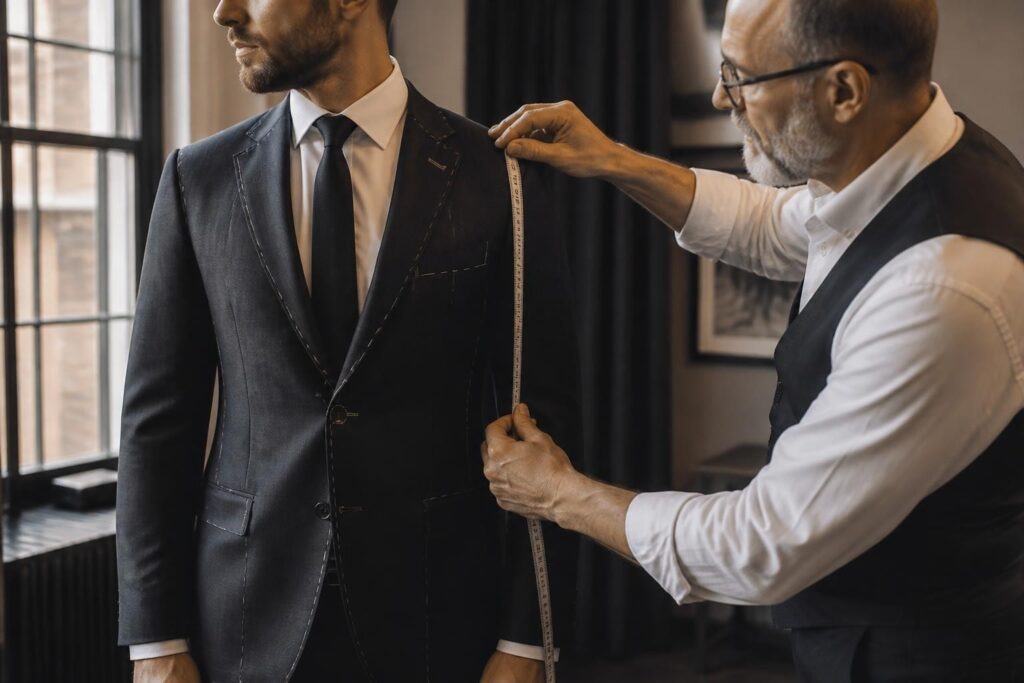
Finding the right tailor for suit alterations can transform an ill-fitting garment into a polished, professional piece that enhances your appearance and confidence. Whether you've purchased an off-the-rack suit that needs adjustments or inherited a quality garment that requires sizing modifications, understanding what to expect from professional suit altering services helps you make informed decisions. The search for "suit altering near me" often begins when professionals realize that even expensive suits require customization to achieve that perfect, bespoke appearance. This comprehensive guide explores everything you need to know about suit alterations, from common adjustments to costs, timelines, and finding the right tailoring partner.
Understanding Common Suit Alterations
Professional tailors can perform numerous alterations to ensure your suit fits like it was made specifically for your body. The most frequently requested modifications address fit issues in the jacket, trousers, and overall proportions.
Jacket Alterations That Make a Difference
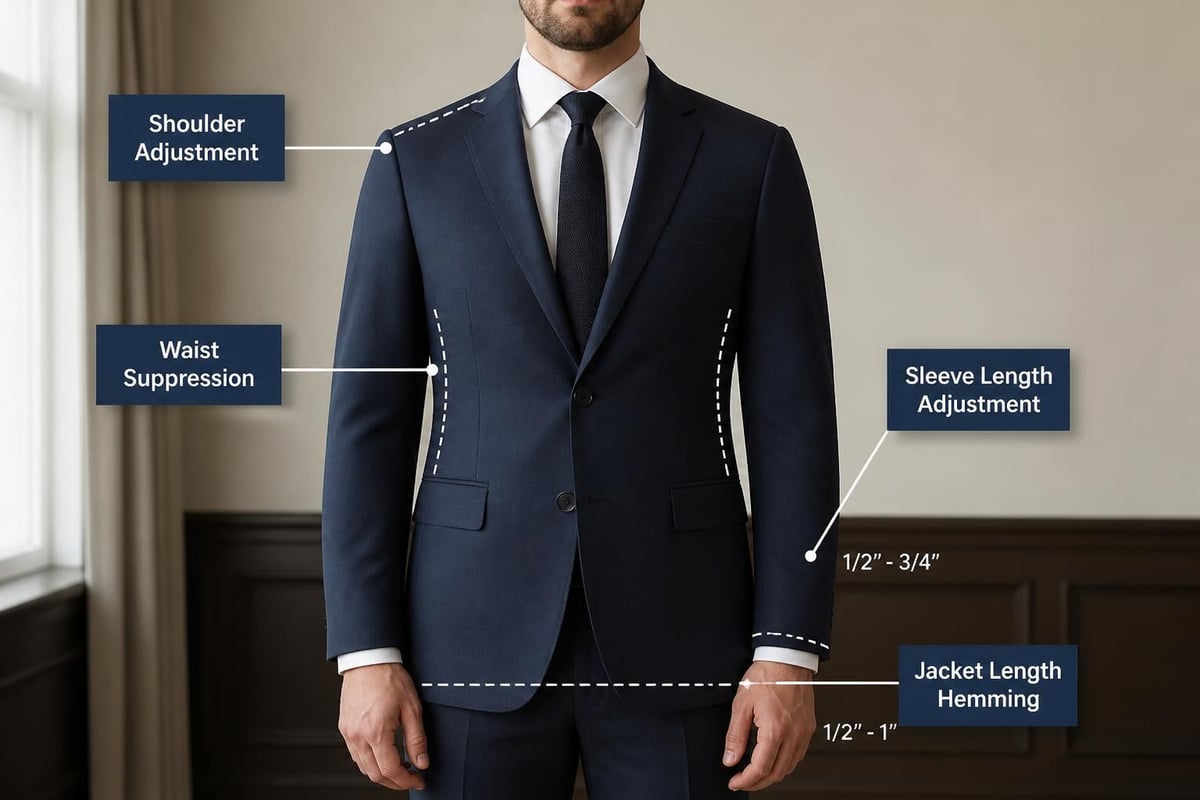
Sleeve adjustments rank among the most common suit alterations. Tailors can shorten sleeves relatively easily, ensuring the proper quarter-inch of shirt cuff shows beyond the jacket sleeve. This modification typically costs between $20 and $50, depending on whether the buttons need to be repositioned. Lengthening sleeves proves more challenging and depends entirely on available fabric in the seam allowance.
Waist suppression creates a more tailored silhouette by taking in the side seams or center back seam of the jacket. This alteration ranges from $40 to $80 and dramatically improves how the jacket drapes on your frame. A properly fitted waist eliminates the boxy appearance common in off-the-rack suits.
The shoulder adjustment represents one of the most complex and expensive alterations, often costing $100 to $200. According to comprehensive suit alteration guides, shoulder modifications require deconstructing significant portions of the jacket, making this alteration best avoided by purchasing suits with proper shoulder fit from the start.
Trouser Modifications for Perfect Fit
Suit trousers typically require several adjustments to achieve proper fit. Hemming stands as the most straightforward alteration, costing between $15 and $35. The break of your trouser-whether full, half, or no break-depends on personal preference and current style trends.
Waist adjustments accommodate weight fluctuations or sizing discrepancies. Taking in the waist costs approximately $25 to $50, while letting out depends on available fabric. Most trousers include 1-2 inches of extra material in the waistband seam allowance.
Tapering the leg creates a more modern, slim silhouette and typically costs $30 to $60. This alteration works particularly well for updating older suits or adjusting contemporary fits to personal preference. The modification involves opening the inseam or outseam and removing excess fabric throughout the leg.
| Alteration Type | Difficulty Level | Typical Cost Range | Timeline |
|---|---|---|---|
| Sleeve Shortening | ง่าย | $20-$50 | 3-5 days |
| Trouser Hemming | ง่าย | $15-$35 | 2-4 days |
| Waist Suppression | ปานกลาง | $40-$80 | 5-7 days |
| Leg Tapering | ปานกลาง | $30-$60 | 5-7 days |
| Shoulder Adjustment | Difficult | $100-$200 | 10-14 days |
What Tailors Can and Cannot Alter
Understanding the limitations of suit alterations prevents disappointment and helps you make smarter purchasing decisions. While skilled tailors can work wonders, certain modifications prove impractical or impossible.
Feasible Alterations
Experienced tailors excel at modifications that involve taking in fabric or shortening garments. These alterations maintain the original construction and design intent while customizing fit. Reducing sizes generally succeeds when adequate seam allowances exist and the overall proportions remain balanced.
Pattern-matching presents challenges but remains achievable for skilled professionals. Striped or checked suits require careful attention during alterations to maintain visual continuity across seams. This expertise separates exceptional tailors from average alterations services.
The practical approach to suit modifications emphasizes working with garments that fit reasonably well in critical areas like shoulders and chest, then perfecting the fit through strategic alterations.
Practical Limitations
Enlarging garments beyond available seam allowances creates problems. Most suits include limited extra fabric, typically 1-2 inches maximum. Attempting to let out more than this amount creates unsightly seam lines and compromises structural integrity.
Changing fundamental design elements rarely succeeds. Converting a two-button jacket to three-button, altering lapel widths significantly, or transforming the overall silhouette typically costs more than purchasing a new suit. These modifications require extensive reconstruction that undermines the original garment's construction.
Shoulder and chest adjustments demand exceptional skill and often prove cost-prohibitive. As explained in detailed alteration possibilities, these areas contain the suit's structural foundation, making modifications complex and expensive.
Finding Quality Suit Altering Near Me
The search for "suit altering near me" should prioritize expertise, experience, and customer reviews over convenience alone. Quality tailoring requires specific skills that not all alteration services possess.
Evaluating Tailoring Expertise
Years of experience indicate skill development and problem-solving capabilities. Tailors with decades of practice understand fabric behavior, construction methods, and how alterations affect overall garment appearance. They recognize when an alteration makes sense and when it doesn't, providing honest assessments that protect your investment.
Request to see examples of previous work. Quality tailors proudly display before-and-after photos or maintain portfolios showcasing their craftsmanship. Examining finished alterations reveals attention to detail, stitch quality, and overall finishing standards.
Specialization matters significantly in suit alterations. Tailors who focus on men's formalwear understand the nuances of suit construction, appropriate fit standards, and style considerations that general alteration services might miss. This expertise proves particularly valuable for high-quality or expensive garments.
Communication and Consultation Process
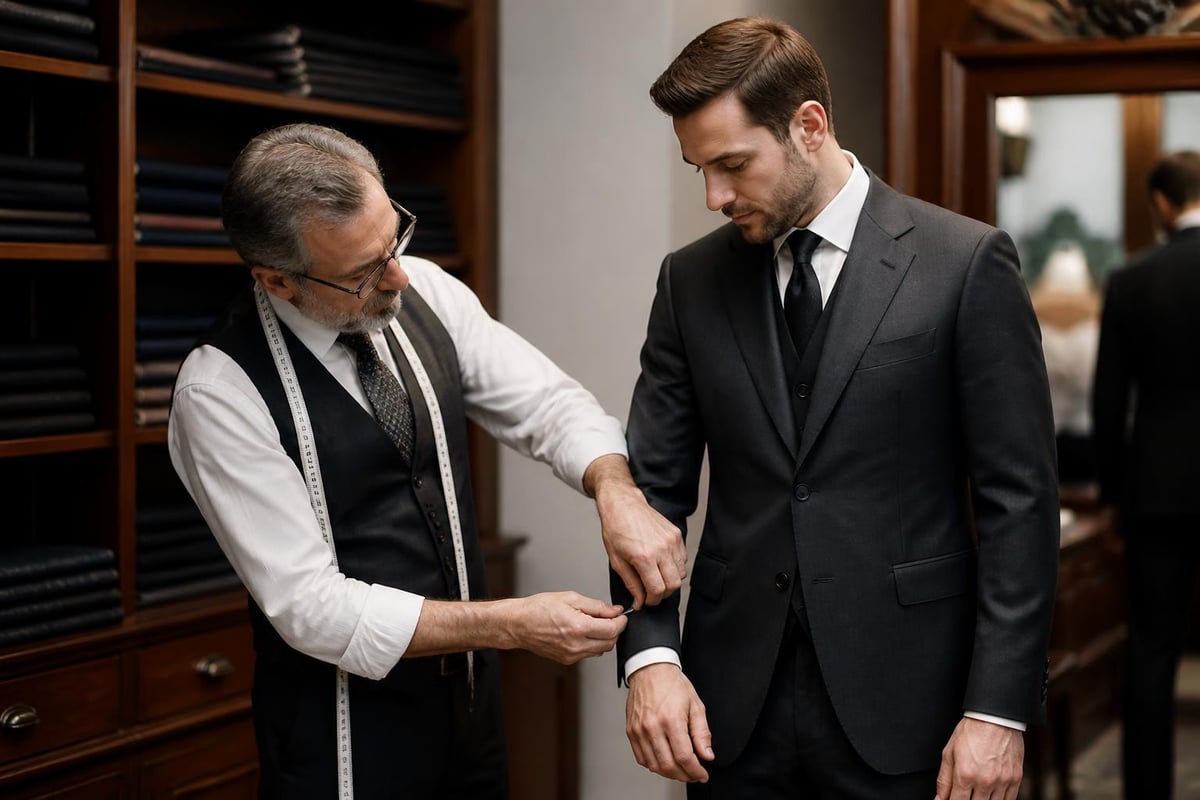
Professional tailors conduct thorough consultations before beginning work. This conversation should cover your fit preferences, lifestyle needs, and budget considerations. Clear communication prevents misunderstandings and ensures the final result meets expectations.
During fittings, experienced tailors:
- Mark alterations with precision using tailor's chalk or pins
- Explain what they're adjusting and why
- Discuss multiple options when applicable
- Provide realistic timelines
- Offer transparent pricing before committing to work
Quality establishments schedule multiple fittings for complex alterations, ensuring perfect results through iterative refinement. This commitment to excellence distinguishes premier tailoring services from quick alteration shops.
Cost Considerations and Budgeting
Understanding alteration costs helps you budget appropriately and make informed decisions about which modifications provide the best value. Prices vary significantly based on garment complexity, required expertise, and geographic location.
Factors Affecting Alteration Prices
Fabric composition influences both difficulty and cost. Delicate materials like silk, linen, or fine wool require extra care and specialized techniques. Synthetic blends may present challenges in pressing and shaping. These factors typically increase costs by 20-40% compared to standard wool suits.
Construction quality affects alteration complexity. Hand-stitched suits, fully canvassed jackets, and premium garments demand corresponding expertise in alterations. Rushing these modifications or using inappropriate techniques damages valuable clothing.
Geographic location creates significant price variations. Metropolitan areas with higher operating costs typically charge premium rates, while smaller markets offer more competitive pricing. However, cost shouldn't be the sole determining factor when searching for "suit altering near me."
| Budget Category | Total Alteration Cost | Typical Modifications |
|---|---|---|
| Basic | $75-$150 | Hem trousers, shorten sleeves, basic waist adjustment |
| ปานกลาง | $150-$300 | Multiple trouser adjustments, jacket waist suppression, sleeve and length modifications |
| กว้างขวาง | $300-$500+ | Comprehensive alterations including complex jacket work, multiple fittings, premium fabrics |
Value Assessment
Alteration costs should be evaluated against the suit's original price and expected longevity. Investing $200 in alterations for a $800 suit makes economic sense when the result is a perfectly fitted garment you'll wear for years. Conversely, extensive alterations on inexpensive suits often prove impractical.
Quality tailoring extends garment lifespan by ensuring proper fit reduces stress on seams and fabric. Well-fitted suits also encourage regular wear, maximizing your investment. This cost-benefit analysis should inform your alteration decisions.
Timeline Expectations for Suit Alterations
Planning ahead ensures your suit is ready when needed. Understanding typical timelines for various alterations prevents last-minute stress and rushed work that compromises quality.
Standard Turnaround Times
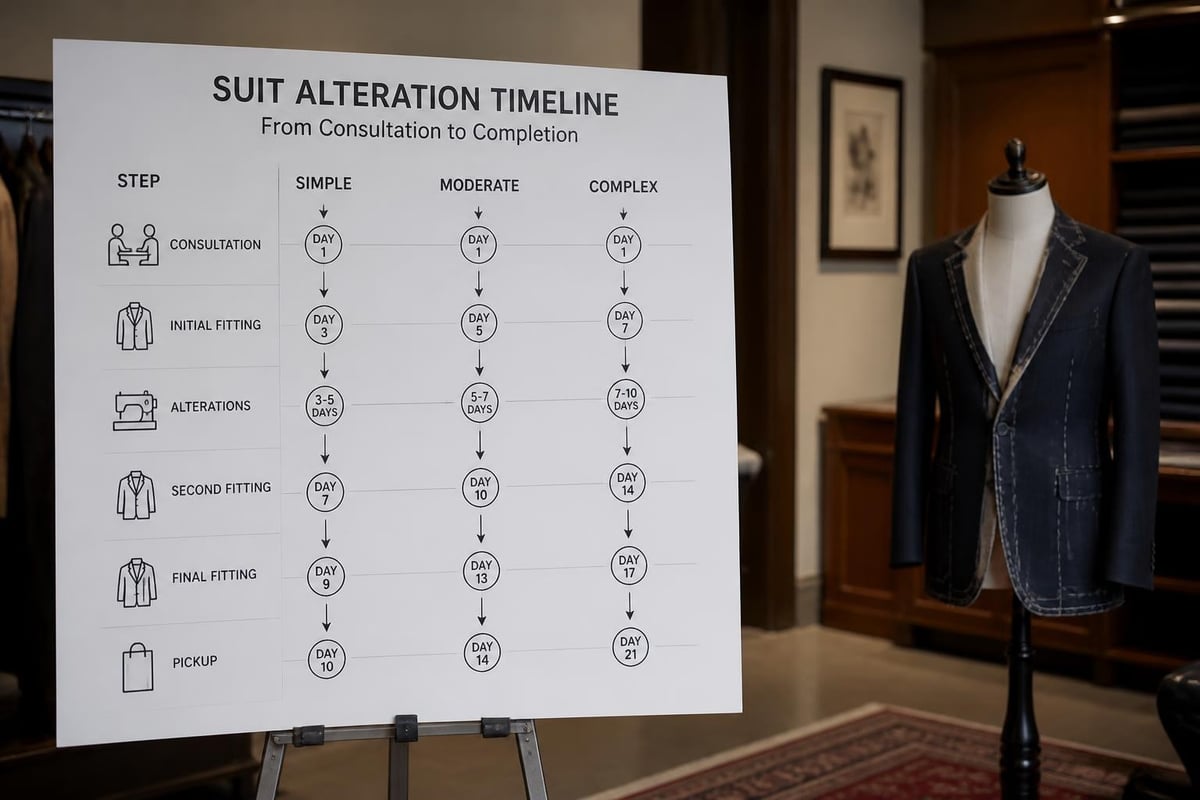
Simple alterations like hemming trousers or shortening unlined sleeves typically require 3-5 business days. These modifications involve straightforward sewing that doesn't require complex reconstruction or multiple fittings.
Moderate alterations including waist suppression, leg tapering, or lined sleeve adjustments generally need 5-10 business days. These modifications require more extensive work and often benefit from an intermediate fitting to ensure accuracy.
Complex alterations involving shoulders, significant reconstruction, or premium fabrics may require 2-3 weeks or longer. Rushing these modifications increases error risk and potentially damages your garment.
Planning for Special Occasions
Wedding suits and formal event attire deserve extra planning time. Schedule your initial consultation at least 4-6 weeks before the event, allowing time for multiple fittings and any unexpected adjustments.
Weight fluctuations affect fit significantly. If you're actively losing or gaining weight, communicate this to your tailor. They can recommend timing alterations appropriately or building in adjustment capacity for anticipated changes.
Rush services are available at most tailoring establishments for additional fees, typically 50-100% surcharges. However, quality work requires adequate time, and rushing increases the risk of mistakes that could ruin your garment.
The Bespoke Alternative to Alterations
While alterations improve off-the-rack fit, bespoke tailoring eliminates fitting issues entirely by creating garments specifically for your measurements, posture, and preferences from the beginning.
Benefits of Custom Tailoring
Perfect fit from the start means no compromises or limitations imposed by existing garment construction. Bespoke tailors build suits around your exact measurements, accounting for shoulder slopes, posture differences, and individual proportions that ready-made suits cannot address.
Fabric selection expands dramatically with custom tailoring. Rather than accepting whatever material manufacturers chose, you select from extensive collections of world-class fabrics, choosing weights, patterns, and compositions that suit your climate, preferences, and intended use.
Design customization extends to every detail: lapel width and style, button configuration, pocket types, lining fabric, and finishing touches. This personalization creates truly unique garments that reflect your individual style rather than mass-market trends.
When Custom Makes More Sense
Individuals with non-standard proportions often find ready-made suits require extensive, expensive alterations. Athletic builds, height extremes, or significant differences between jacket and trouser sizes make bespoke tailoring more economical and satisfying.
Quality investment considerations favor custom tailoring for wardrobes built around longevity. While initial costs exceed off-the-rack purchases, bespoke suits last decades with proper care, ultimately providing better value than repeatedly purchasing and altering ready-made garments.
Professionals who wear suits daily benefit enormously from custom tailoring. The comfort, confidence, and professional appearance of perfectly fitted garments justify the investment for those whose wardrobe directly impacts career success.
Maintaining Your Altered Suit
Proper care preserves the investment you've made in professional alterations, ensuring your suit maintains its excellent fit and appearance for years.
การทำความสะอาดและการเก็บรักษาที่ดีที่สุด
Professional dry cleaning should occur sparingly, typically every 5-10 wears depending on use intensity. Excessive cleaning degrades fabric and shortens garment lifespan. Between cleanings, air suits outdoors to refresh them and use a clothes brush to remove surface dirt and lint.
Proper storage prevents alterations from losing their shape. Use quality wooden hangers with sufficient shoulder width to support jacket structure. Avoid wire hangers that create unsightly bumps and distort shoulder lines that alterations perfected.
Garment bags protect suits from dust and light exposure while allowing air circulation. Cedar accessories control moisture and deter moths, protecting valuable woolens from damage. Store suits in climate-controlled environments, avoiding extreme temperatures or humidity that damage fabric and construction.
Long-term Fit Maintenance
Weight fluctuations affect suit fit significantly. Monitor your size and address small changes promptly through minor adjustments rather than waiting until extensive alterations become necessary. Most tailors can make minor tweaks more affordably than comprehensive refitting.
Rotate suits regularly rather than wearing the same garment repeatedly. This practice allows fabric to recover between wears, reducing stress on seams and maintaining the shape achieved through alterations. Most professionals recommend owning at least 3-5 suits for regular rotation.
Periodic professional inspection by your tailor identifies potential issues before they become problems. Loose buttons, stressed seams, or minor fit changes can be addressed proactively, extending garment lifespan and maintaining the perfect fit you've invested in achieving.
Regional Considerations for Suit Alterations
Location significantly impacts both alteration availability and pricing. Understanding regional differences helps set appropriate expectations when searching for "suit altering near me."
Urban versus Rural Options
Metropolitan areas typically offer numerous tailoring options with varying specializations and price points. This competition often improves service quality while providing diverse choices for different budgets and requirements. However, higher operating costs in cities typically translate to premium pricing.
Smaller communities may have fewer options but often feature experienced tailors with decades of local service. These establishments frequently offer personalized attention and competitive pricing, though specialized services may be limited.
Tourist destinations like Ao Nang, Krabi present unique opportunities. International tailoring businesses in these areas often combine competitive pricing with high-quality craftsmanship, serving both local communities and visiting clientele seeking custom garments or alterations.
International Tailoring Advantages
Countries with strong tailoring traditions offer exceptional value for custom suits and alterations. Thailand, in particular, has earned recognition for high-quality bespoke tailoring at prices significantly below Western markets. Experienced craftspeople use traditional techniques combined with modern styling to create excellent garments.
Language and communication are crucial when working with international tailors. Established businesses catering to international clientele typically employ multilingual staff who understand Western fit preferences and style expectations, ensuring clear communication throughout the tailoring process.
Quality international tailors maintain rigorous standards comparable to premium Western establishments while offering substantially lower prices. This value proposition makes traveling for tailoring economically viable for those requiring multiple suits or seeking exceptional custom garments. The expertise available at Alex’s Fashion exemplifies this combination of traditional craftsmanship and international service standards.
Finding quality suit altering near me requires evaluating expertise, understanding alteration possibilities and limitations, and budgeting appropriately for the work required. Whether refining an off-the-rack purchase or considering the bespoke alternative, proper fit transforms your professional appearance and confidence. With over 30 years of experience crafting perfectly fitted garments, Alex’s Fashion combines traditional tailoring expertise with personalized service, creating custom suits and performing alterations that ensure every client achieves the impeccable fit they deserve.