
 TH
TH  EN
EN  FR
FR  DE
DE 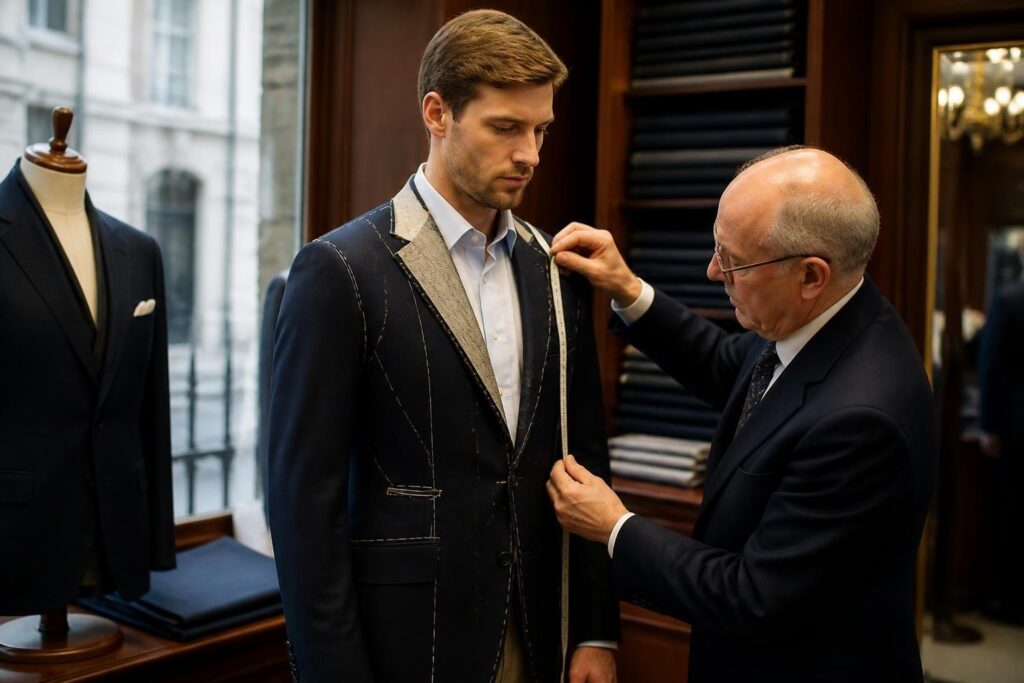
The london bespoke suit represents the pinnacle of men's tailoring, combining centuries of tradition with meticulous craftsmanship to create garments that are truly one-of-a-kind. Originating from the famous tailoring houses of Savile Row in London, these custom-made suits have become synonymous with elegance, precision, and timeless style. Whether you're preparing for a significant business meeting, a wedding, or simply investing in wardrobe excellence, understanding the artistry behind a bespoke suit can transform how you approach personal style and garment quality.
The Heritage of London Bespoke Tailoring
The story of the london bespoke suit begins on Savile Row, a street that has defined men's fashion for over two centuries. The history of Savile Row reveals how this modest London street became the global epicenter of bespoke tailoring, attracting royalty, statesmen, and style-conscious individuals from around the world.
The Savile Row Legacy
Located in the heart of London's Mayfair district, Savile Row emerged as the premier destination for custom tailoring in the early 19th century. The street's reputation was built by master tailors who established rigorous standards for fit, fabric quality, and construction techniques that continue to influence the craft today.
Key elements that define the Savile Row tradition:
- Hand-cutting each pattern piece to match individual body measurements
- Multiple fitting sessions to ensure perfect proportions
- Canvas construction for structure and longevity
- Hand-stitched details throughout the garment
- Selection from premium fabric collections worldwide
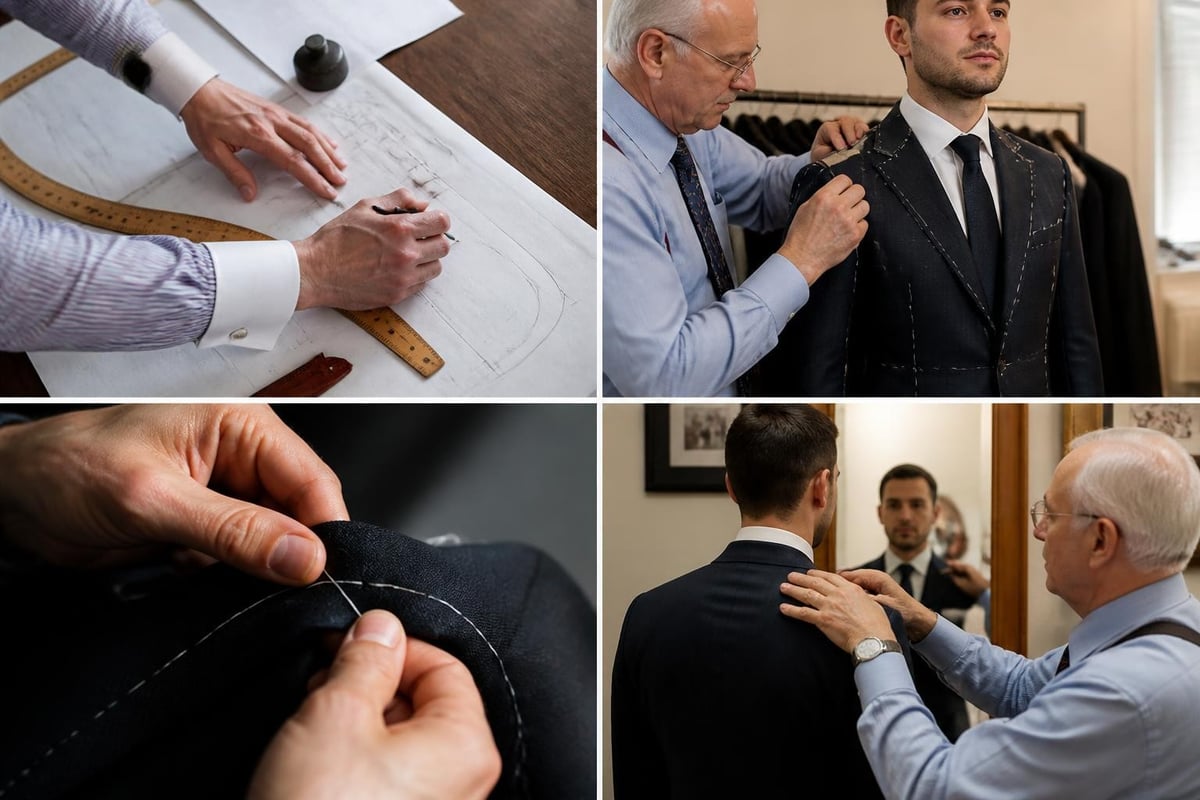
Pioneering tailoring houses like Henry Poole & Co. established the standards that would define what bespoke tailoring means to this day. These establishments trained generations of master tailors, spreading their techniques globally and influencing how custom clothing is crafted from London to Bangkok.
Understanding What Makes a Suit Truly Bespoke
The term "bespoke" has specific meaning in the tailoring world, particularly when discussing a london bespoke suit. Unlike made-to-measure or off-the-rack alternatives, true bespoke tailoring involves creating a garment from scratch based entirely on individual measurements and preferences.
The Bespoke Process Explained
Creating a genuine bespoke suit requires significant time investment and multiple stages of construction. The process typically unfolds over several weeks or months, involving close collaboration between client and tailor.
| Process Stage | คำอธิบาย | Time Required |
|---|---|---|
| การปรึกษาเบื้องต้น | Discussing style preferences, occasion, and taking preliminary measurements | 1-2 hours |
| การเลือกผ้า | Choosing from premium cloth books featuring hundreds of options | 30-60 minutes |
| First Fitting | Trying the basted garment for major adjustments | 45 minutes |
| Second Fitting | Refining fit and checking details | 30-45 minutes |
| Final Fitting | Last adjustments before completion | 20-30 minutes |
The distinction between bespoke and other tailoring methods matters significantly. A true london bespoke suit involves creating a unique paper pattern based on your body, cutting the fabric by hand, and constructing the garment with extensive handwork. This differs dramatically from made-to-measure, where existing patterns are merely adjusted to approximate your dimensions.
Craftsmanship Details That Matter
Every aspect of a bespoke suit receives individual attention. Master tailors spend hours on details that most people never notice but that dramatically affect how the garment wears and ages.
Critical construction elements include:
- Floating canvas interfacing hand-stitched to the front panels
- Functional buttonholes finished by hand
- Pick stitching along lapels and edges
- Armholes cut higher for better movement
- Sleeve pitch adjusted to natural arm hang
These details explain why a london bespoke suit commands premium pricing. The garment represents hundreds of hours of skilled labor, decades of training, and the finest materials available in the textile industry.
Selecting the Perfect Fabric
Fabric selection stands as one of the most enjoyable yet challenging aspects of commissioning a london bespoke suit. The right cloth must balance aesthetic appeal, seasonal appropriateness, durability, and how it responds to tailoring techniques.
Premium Fabric Houses
London's finest tailors source materials from prestigious mills that have supplied the industry for generations. These fabric houses produce cloths specifically designed for bespoke tailoring, with weights and weaves that respond beautifully to hand-pressing and construction.
Top fabric considerations:
- Fiber composition: Pure wool, wool-silk blends, or wool-cashmere combinations
- Weight: Measured in ounces per yard, affecting drape and seasonality
- Weave pattern: Plain weave, twill, herringbone, or more complex designs
- Color and pattern: Solids, stripes, checks, or windowpane patterns
- Finish: Natural fiber texture versus smoother finishes
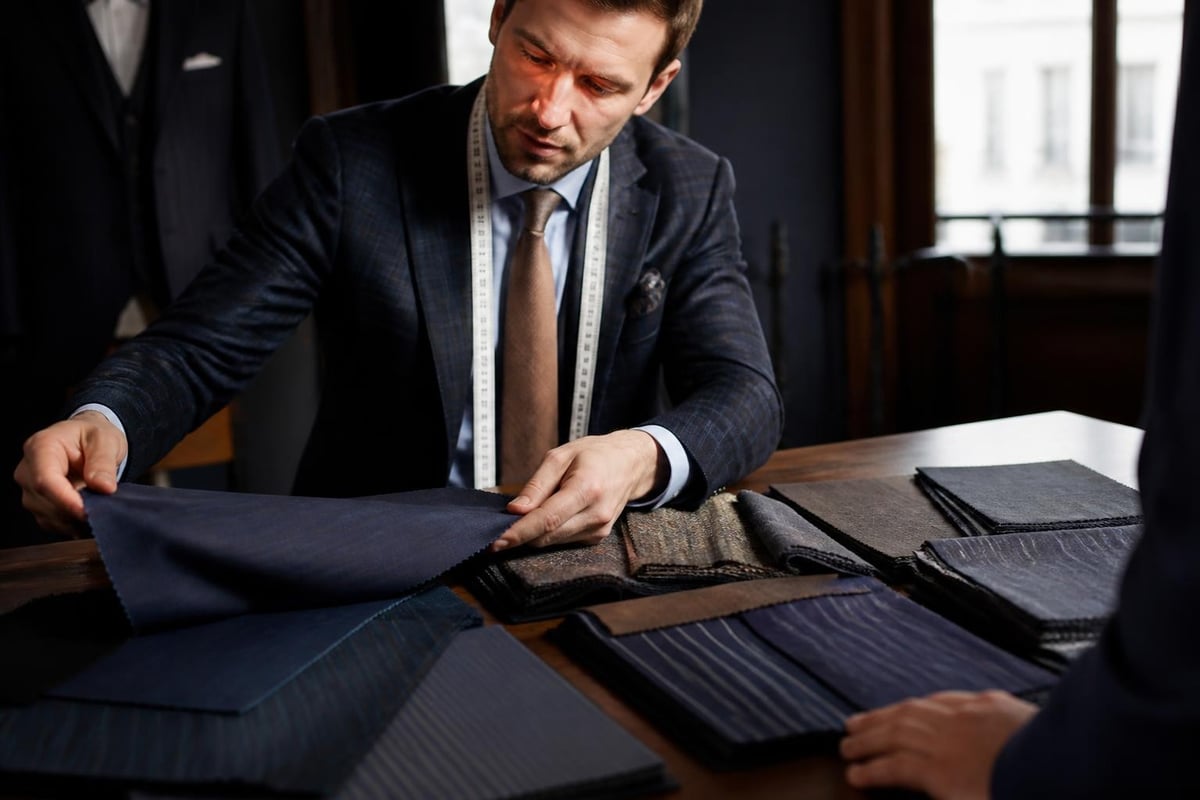
Climate considerations become particularly relevant when discussing bespoke tailoring in tropical locations. While traditional London tailoring focused on heavier cloths suitable for British weather, modern bespoke tailors understand the importance of selecting lighter-weight fabrics that maintain structure while allowing breathability in warmer climates.
Style Elements and Design Choices
A london bespoke suit offers virtually unlimited customization options, allowing you to create a garment that perfectly expresses your personal style while respecting classical proportions and timeless design principles.
Jacket Design Decisions
The jacket forms the centerpiece of any suit, and numerous details require decisions during the consultation process.
| Design Element | Options | Style Impact |
|---|---|---|
| Lapel Style | Notch, peak, shawl | Formality level and visual lines |
| Button Stance | One, two, or three buttons | Proportion and contemporary appeal |
| Vent Style | Single, double, or no vent | Mobility and silhouette |
| Pocket Configuration | Flap, patch, or jetted pockets | Formality and functionality |
| Shoulder Construction | Natural, roped, or padded | Regional style and presence |
Each choice affects not only appearance but also how the suit functions in daily wear. A skilled tailor guides these decisions based on body type, intended use, and personal preferences while ensuring the final design remains balanced and proportionate.
Trouser Considerations
While the jacket receives more attention, trouser design significantly impacts overall suit appearance and comfort. Proper trouser fit separates mediocre suits from exceptional ones.
Essential trouser design elements:
- Rise height affecting waist position and comfort
- Pleat configuration or flat front design
- Leg taper from thigh to hem
- Break length where trousers meet shoes
- Finishing details like belt loops or side adjusters
Contemporary london bespoke suit styling has evolved to incorporate slimmer silhouettes compared to traditional British cuts, though the emphasis on proper fit and proportion remains constant. At Alex’s Fashion, we balance traditional tailoring excellence with modern style preferences to create suits that look current while maintaining timeless appeal.
The Fitting Process
Multiple fittings distinguish true bespoke tailoring from other methods. These sessions allow the tailor to assess how the fabric responds to your body and make adjustments that achieve perfect fit.
First Fitting Fundamentals
The initial fitting occurs when the suit exists as a roughly assembled garment, often with sections only basted together. This allows the tailor to see how the fabric drapes on your body and identify necessary adjustments.
During this critical session, the tailor examines:
- Balance: How the jacket hangs from the shoulders
- Pitch: The forward or backward tilt of the sleeves
- Suppression: Waist shaping that creates a flattering silhouette
- Length: Jacket and sleeve proportions relative to your frame
- Collar fit: How the collar hugs the neck without gaps
This fitting might reveal that one shoulder sits higher than the other, or that your posture requires special adjustments to the back. These individual characteristics get incorporated into your pattern, which the tailor retains for future garments.
Refinement Through Subsequent Fittings
Second and third fittings allow progressively finer adjustments. By the final fitting, changes typically involve millimeters rather than centimeters, perfecting details that elevate the suit from good to exceptional.
The iterative fitting process explains why rushing bespoke tailoring compromises quality. Each session builds on the previous one, with fabric settling and the garment taking its final shape through pressing and wear.
Modern Bespoke Tailoring Beyond London
While London remains the spiritual home of bespoke tailoring, exceptional craftsmen practice the art worldwide. The principles established on Savile Row have spread globally, with talented tailors bringing these techniques to diverse markets and climates.
Bespoke Tailoring in Tropical Climates
Creating a london bespoke suit in destinations like Thailand requires adapting traditional techniques to local conditions. Fabric selection becomes crucial, with lighter weights and breathable weaves replacing the heavier cloths suitable for British weather.
Tropical climate considerations:
- Open-weave fabrics that allow air circulation
- Lighter canvas interfacing for reduced weight
- Unlined or half-lined jackets for ventilation
- Natural fibers that wick moisture
- Colors that reflect heat rather than absorbing it
Skilled tailors understand these adaptations while maintaining the structural integrity and silhouette that define quality bespoke work. The result is a suit that looks as sharp as any London creation while remaining comfortable in warmer temperatures.
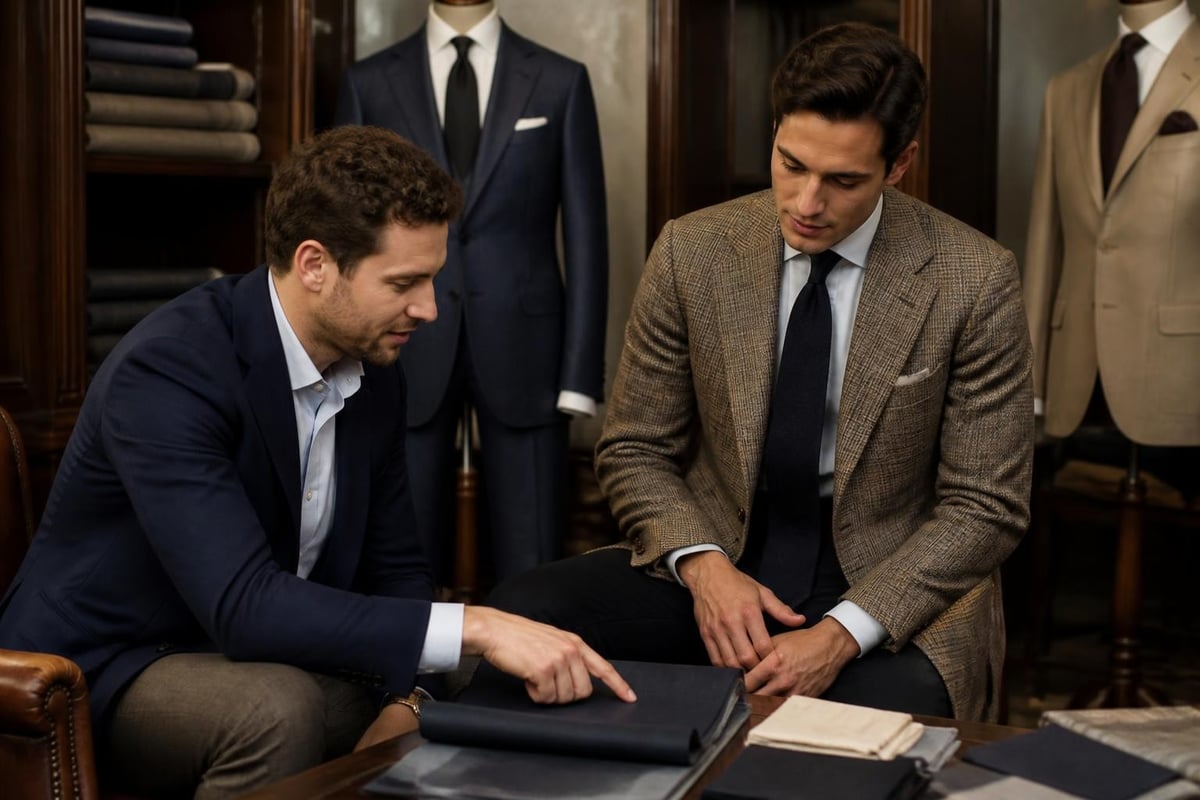
มูลค่าการลงทุนและความยั่งยืน
A london bespoke suit represents significant financial investment, with prices varying based on tailor reputation, fabric selection, and construction complexity. Understanding this investment helps appreciate the value proposition bespoke tailoring offers.
Cost Factors and Pricing
Several elements influence bespoke suit pricing, from labor hours to material quality.
| Cost Component | Impact on Price | Quality Indicator |
|---|---|---|
| ผ้า | 20-40% of total | Mill reputation and fiber content |
| Labor | 40-60% of total | Hand-stitching extent and fitting sessions |
| Tailor Expertise | Significant premium | Years of training and client portfolio |
| สถานที่ | Overhead variation | Prime locations command higher rates |
| การปรับแต่ง | Additional charges | Special features beyond standard construction |
While initial cost exceeds ready-made alternatives, the longevity of a well-constructed bespoke suit provides exceptional value over time. Proper care ensures these garments remain wearable for decades, with quality construction allowing for alterations as body shape changes.
Care and Maintenance
Protecting your investment requires proper garment care. Bespoke suits respond well to regular maintenance, often improving with age as the fabric molds to your body.
Essential care practices:
- Brushing after each wear to remove debris and refresh fibers
- Proper hanging on shaped wooden hangers
- Professional pressing rather than home ironing
- Periodic dry cleaning only when necessary
- Rotation between suits to allow fabric recovery
- Prompt repair of minor issues before they worsen
Many bespoke tailors offer ongoing service relationships, providing adjustments, repairs, and maintenance throughout the garment's life. This support extends the suit's usability and maintains its appearance year after year.
Choosing Your Bespoke Tailor
Selecting the right tailor for your london bespoke suit requires research, consultation, and understanding your priorities. Not all bespoke tailors work identically, and finding one whose style and approach match your preferences ensures satisfaction.
Evaluating Tailor Expertise
Several factors indicate tailor quality and whether they suit your needs.
Assessment criteria:
- Portfolio review: Examining previous work reveals style and capability
- Training background: Understanding where and how the tailor learned their craft
- Client testimonials: Feedback from previous customers provides insight
- Communication style: Comfort discussing preferences and concerns
- Process transparency: Clear explanation of timeline, pricing, and stages
The consultation process offers opportunity to gauge whether a tailor listens to your needs and can deliver your vision. Quality tailors ask detailed questions about how you'll wear the suit, your lifestyle, and your style preferences rather than pushing their own aesthetic agenda.
Building a Long-Term Relationship
The best bespoke tailoring relationships extend beyond a single garment. Once a tailor creates your pattern and understands your preferences, subsequent commissions become easier and often yield even better results.
This relationship explains why many clients remain loyal to their tailor for decades. The tailor's growing understanding of your body, style evolution, and lifestyle needs allows them to anticipate requirements and suggest appropriate options for new projects.
Regional Styles and Variations
While we speak of the london bespoke suit as a standard, regional variations exist within British tailoring and globally. Understanding these differences helps identify which aesthetic appeals to your taste.
British House Styles
Even within London, different houses developed distinct signatures. Some favor soft, natural shoulders while others create more structured silhouettes. Certain tailors cut fuller through the chest and waist, while others prefer closer-fitting garments.
Common style variations:
- Drape cut: Fuller chest with soft shoulders, associated with certain Savile Row houses
- Military style: Structured shoulders with defined waist suppression
- Italian influence: Higher armholes and closer body fit
- American sack: Natural shoulders with minimal waist shaping
- Contemporary slim: Modern interpretation with narrower lapels and closer fit
These style differences reflect different tailoring philosophies and aesthetic preferences. Your body type and personal taste should guide which approach suits you best.
International Bespoke Traditions
Beyond London, cities like Naples, Hong Kong, and Bangkok have developed their own bespoke traditions. Savile Row tailoring influenced these practices, but local climate, culture, and aesthetic preferences created distinct regional characteristics.
Tailors in tropical locations often incorporate unlined or half-lined jackets, lighter construction, and breathable fabrics while maintaining the fit precision and attention to detail that define bespoke work. This adaptation allows the london bespoke suit tradition to thrive worldwide without compromising comfort or craftsmanship.
Modern Trends in Bespoke Tailoring
Contemporary bespoke tailoring honors tradition while incorporating modern preferences. Today's clients often seek slimmer silhouettes, contemporary details, and versatile designs that transition between business and casual contexts.
Style Evolution
Modern london bespoke suit design reflects changing workplace norms and lifestyle patterns. While formal business attire dominated previous generations, today's clients often request more versatile pieces.
Contemporary design preferences:
- Narrower lapels proportioned to slimmer builds
- Higher button stance creating longer lapel lines
- Shorter jacket lengths for modern proportions
- Slim-fit trousers with minimal or no break
- Versatile colors and patterns for multiple occasions
These trends don't represent abandoning tradition but rather evolving it. The fundamental principles of proper fit, quality construction, and individual customization remain central to the bespoke experience.
Technology Integration
Modern tailors increasingly incorporate technology while maintaining traditional handcraftsmanship. Digital measurement systems complement hand-cutting, and computer-aided design assists pattern making without replacing the tailor's trained eye.
However, the core of bespoke tailoring remains fundamentally unchanged. Human judgment, skilled handwork, and the iterative fitting process cannot be automated or replaced by technology without losing what makes bespoke tailoring special.
The Cultural Significance
The london bespoke suit represents more than clothing. It embodies cultural values around craftsmanship, individuality, and quality that transcend fashion trends.
Symbol of Excellence
Commissioning a bespoke suit demonstrates appreciation for expertise, patience for proper process, and willingness to invest in quality. These values resonate across cultures, explaining why London tailoring traditions influence markets worldwide.
The suit becomes personal in ways ready-made garments never achieve. It carries memories of consultations, fittings, and the occasion for which it was created. This emotional connection adds value beyond the physical garment.
Sustainable Fashion
In an era of fast fashion and disposable clothing, bespoke tailoring represents sustainable alternatives. A well-made suit lasting decades with proper care produces far less environmental impact than repeatedly purchasing lower-quality garments.
Sustainability advantages:
- Longevity reducing overall consumption
- Repairable construction extending useful life
- Quality materials aging gracefully
- Timeless design avoiding trend-driven obsolescence
- Local production reducing transportation impact
This sustainability isn't accidental but inherent to the bespoke philosophy of creating garments meant to last and be treasured.
The london bespoke suit tradition represents the pinnacle of tailoring craftsmanship, combining centuries of expertise with individual customization to create truly exceptional garments. Whether you appreciate the heritage of Savile Row or simply desire clothing that fits perfectly and expresses your personal style, bespoke tailoring offers unmatched quality and value. With over 30 years of experience creating custom garments, Alex’s Fashion brings this same dedication to excellence and attention to detail to every suit we craft, using world-class fabrics and time-honored techniques adapted for modern lifestyles and tropical climates.