
 TH
TH  EN
EN  FR
FR  DE
DE The world of menswear has witnessed a remarkable resurgence in bespoke tailoring over the past decade. While off-the-rack clothing offers convenience, discerning individuals increasingly recognize the unparalleled value that custom made suits deliver. From perfect fit to personalized design choices, the decision to invest in custom tailoring represents more than just purchasing clothing; it's an investment in confidence, professionalism, and timeless style. Whether you're preparing for important business meetings, special occasions, or simply want to elevate your everyday wardrobe, understanding the nuances of bespoke tailoring will help you make informed decisions about your clothing.
Understanding the Difference Between Custom Made Suits and Ready-to-Wear
The distinction between custom tailoring and mass-produced garments extends far beyond price points. Ready-to-wear suits follow standardized sizing systems that assume every 40-regular shares identical proportions. This approach inevitably leads to compromises in fit.
Custom made suits address individual body variations with precision. A skilled tailor takes multiple measurements, noting posture quirks, shoulder slopes, and stance preferences. This detailed approach ensures the final garment complements your unique physique.
Consider these fundamental differences:
- พอดี: Custom suits accommodate dropped shoulders, longer arms, or athletic builds without alterations
- การเลือกผ้า: Access to premium cloths from renowned mills worldwide
- Construction: Hand-stitched details, functional buttonholes, and reinforced stress points
- การปรับให้เหมาะกับบุคคล: Choice of lapel width, pocket styles, lining fabrics, and button materials
- อายุยืน: Superior construction methods extend garment lifespan significantly
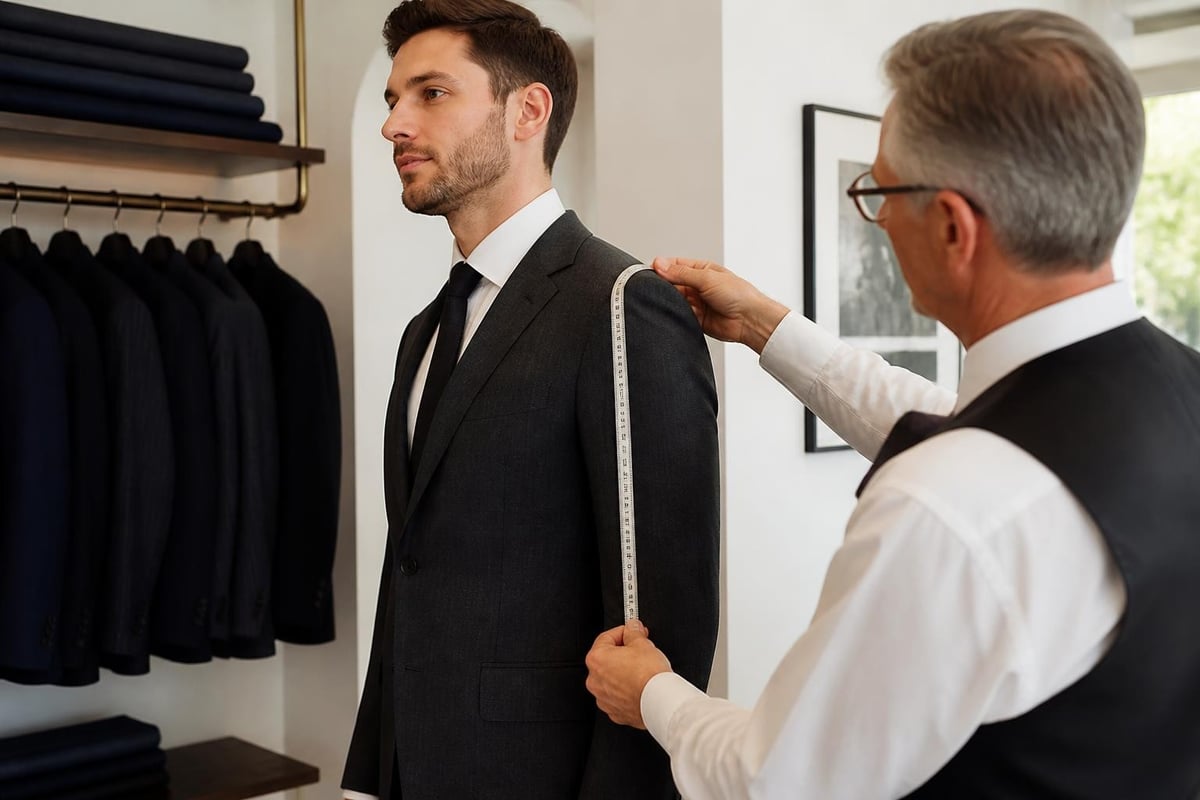
The investment in bespoke tailoring pays dividends through years of wear. According to GQ’s exploration of custom suit designers, the made-to-measure market has expanded dramatically as consumers recognize these advantages.
The Custom Suit Creation Process
Creating custom made suits involves multiple stages, each crucial to the final result. The process typically spans several weeks, though timelines vary based on complexity and tailor workload.
Initial Consultation and Measurement
Your journey begins with an in-depth consultation. Professional tailors discuss your lifestyle, preferences, and intended use for the garment. This conversation informs fabric recommendations and style choices.
Measurements follow a systematic approach:
- Posture assessment to understand natural stance
- Key measurements including chest, waist, hips, sleeve length, and inseam
- Detail measurements for collar size, shoulder width, and rise
- Movement considerations to ensure comfort during daily activities
Fabric and Design Selection
The fabric selection process can overwhelm first-time buyers. Tailors typically maintain relationships with multiple cloth merchants, offering options across price ranges and weights.
| ประเภทของผ้า | Best Season | Characteristics | Typical Weight |
|---|---|---|---|
| Super 100s Wool | ตลอดทั้งปี | Durable, versatile | 10-11 oz |
| Super 150s Wool | ฤดูใบไม้ผลิ/ฤดูใบไม้ร่วง | Luxurious drape | 9-10 oz |
| Linen Blends | ฤดูร้อน | Breathable, textured | 8-9 oz |
| Flannel | ฤดูหนาว | Warm, soft hand | 12-14 oz |
Design choices extend beyond fabric. You'll select lapel styles (notch, peak, or shawl), button configurations (two-button or three-button front), pocket styles (patch, flap, or besom), and vent options (single, double, or none).
Cutting and Initial Construction
After finalizing selections, the tailor creates your pattern. This template incorporates all measurements and design specifications. Skilled craftsmen cut fabric pieces, carefully considering grain direction and pattern matching.
The step-by-step process outlined by CBS News emphasizes the importance of this stage in ensuring quality results.
Fitting Sessions
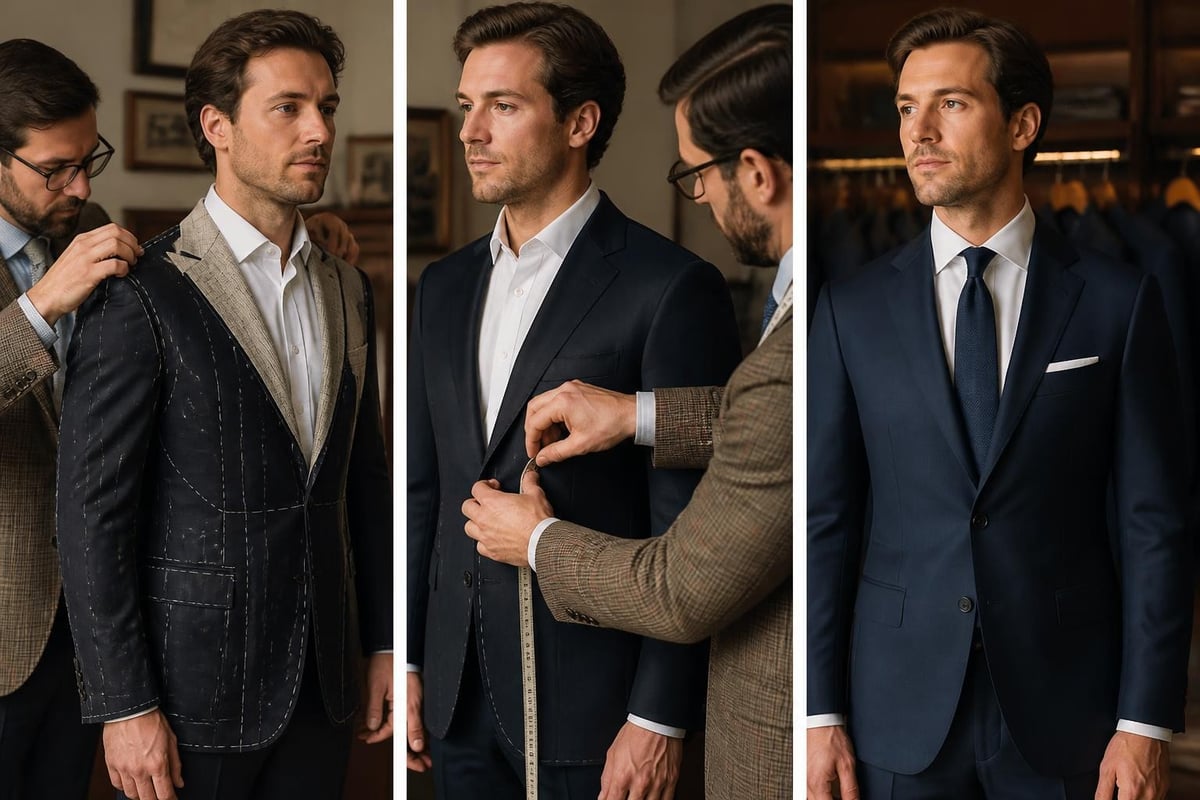
Most custom made suits require at least two fittings. The first fitting occurs after basic construction, before final finishing.
First Fitting Focus:
- Overall silhouette and length adjustments
- Shoulder pitch and sleeve hang
- Trouser rise and break
- Jacket suppression through the waist
The tailor marks necessary adjustments using chalk or pins. Between fittings, they refine the garment based on these notes.
Final Fitting Verification:
- Sleeve length with appropriate shirt cuff exposure
- Collar roll and lapel positioning
- Button placement and closure
- Final trouser hemming
Choosing the Right Fabric for Your Custom Made Suit
Fabric selection dramatically impacts both appearance and functionality. Understanding cloth characteristics helps you make appropriate choices for your climate and intended use.
Weight and Season Considerations
Tropical climates like Thailand's demand breathable fabrics. Lightweight wools (8-10 oz) or linen blends provide comfort in humid conditions. The team at Alex’s Fashion specializes in recommending appropriate fabrics for Krabi's climate while maintaining professional aesthetics.
Temperate climates offer more flexibility. Medium-weight wools (11-13 oz) work well for most seasons. Business travelers benefit from versatile fabrics that transition between climates.
Quality Indicators in Suit Fabrics
Super Numbers: This designation indicates wool fiber fineness. Higher numbers mean finer fibers, creating softer fabrics with better drape. However, extremely high super numbers (180s+) sacrifice durability for luxury.
Thread Count: Dense weaving creates more durable fabrics. Quality suit fabrics typically feature high thread counts without excessive stiffness.
Natural vs. Synthetic: Pure wool breathes better and ages gracefully. Synthetic blends offer wrinkle resistance but may feel less comfortable in warm weather.
Pattern and Color Selection
Conservative business environments typically call for solid navy, charcoal, or medium gray. These foundations anchor any professional wardrobe.
Patterned fabrics add visual interest:
- Pinstripes: Classic business option that elongates the silhouette
- Glen Plaid: Sophisticated pattern suitable for business and social events
- Windowpane: Bold choice for those comfortable with distinctive styling
- Subtle Textures: Herringbone or birdseye patterns add depth without overwhelming
ตามที่ Forbes’ examination of the bespoke market, top tailors guide clients toward building versatile wardrobes through strategic fabric choices.
การพิจารณาต้นทุนและข้อเสนอคุณค่า
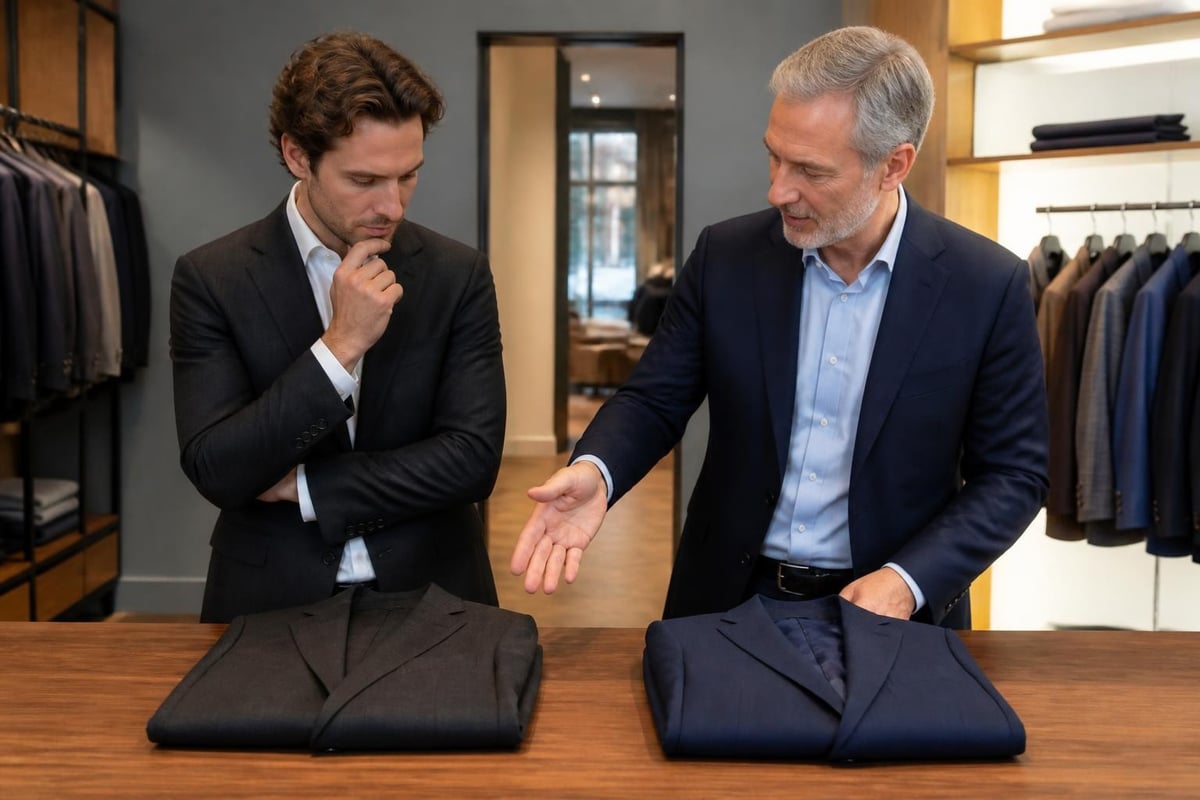
Custom made suits represent significant investments. Understanding pricing structures helps set realistic expectations.
Price Range Breakdown
Entry-level bespoke typically starts around $800-1,200. These suits use quality fabrics and construction but may incorporate some machine work. Mid-range options ($1,500-3,000) feature hand-finished details and premium cloths. High-end bespoke ($3,000-8,000+) involves entirely hand-sewn construction using the finest available materials.
| Price Tier | Construction Method | Fabric Quality | Typical Features |
|---|---|---|---|
| Entry ($800-1,200) | Machine/Hand Mix | Good to Very Good | Basic customization |
| Mid-Range ($1,500-3,000) | Primarily Hand-Finished | Premium | Extensive options |
| High-End ($3,000+) | Fully Hand-Sewn | Exceptional | Unlimited customization |
Calculating Long-Term Value
Consider cost-per-wear rather than upfront price. A well-made custom suit worn weekly for five years costs less per wearing than cheaper alternatives requiring frequent replacement.
Durability Factors:
- Hand-sewn buttonholes resist stress better than machine versions
- Canvassed construction maintains shape through years of wear
- Quality fabrics resist pilling and maintain appearance
- Proper fit reduces stress on seams and extends garment life
The insights shared in The Modest Man’s comprehensive guide demonstrate how understanding these factors helps justify the investment.
Style Considerations for Different Occasions
Custom made suits should align with intended use. A suit for daily office wear requires different considerations than one for special events.
Business Professional Environments
Conservative industries expect traditional styling. Two-button jackets with notch lapels remain the safest choice. Navy, charcoal, and medium gray dominate color selection.
Essential Details:
- Moderate lapel width (3.25-3.5 inches)
- Traditional rise trousers with belt loops
- Subtle or no pattern in fabric
- Classic shoe pairings in black or dark brown
Business Casual Settings
More relaxed workplaces allow greater creative expression. Lighter colors, textured fabrics, and contemporary cuts work well.
Consider unstructured jackets with patch pockets for softer silhouettes. Tan, olive, and lighter blue options expand your rotation beyond traditional colors.
Special Events and Formal Occasions
Weddings, galas, and formal dinners may call for distinctive styling. Peak lapels add formality. Luxurious fabrics like Super 150s wool create elegant drapes.
Seasonal considerations matter. Summer events benefit from lighter colors and breathable fabrics. Winter celebrations accommodate richer tones and heavier weights.
Maintaining Your Custom Made Suits
Proper care extends garment lifespan significantly. Investment pieces deserve attentive maintenance.
Daily Care Practices
After Each Wear:
- Empty all pockets to prevent distortion
- Brush the suit gently with a garment brush
- Hang on proper suit hangers (wooden, with shoulder contours)
- Allow suits to rest between wears (minimum 24 hours)
Storage Considerations:
- Use breathable garment bags for seasonal storage
- Maintain proper closet spacing to prevent crushing
- Control humidity to prevent mold and mildew
- Keep away from direct sunlight to prevent fading
Professional Cleaning and Alterations
Dry clean sparingly. Excessive cleaning degrades fabric fibers. Most suits need professional cleaning only 2-3 times annually with regular brushing and spot treatment.
When alterations become necessary, return to your original tailor when possible. They understand the garment's construction and can make adjustments that preserve the original fit philosophy. Alex’s Fashion maintains detailed records of each client's measurements and preferences, facilitating future adjustments or additional garments.
Finding the Right Tailor for Your Needs
Selecting a tailor represents a crucial decision. The relationship between client and tailor often spans decades.
Evaluation Criteria
Experience and Expertise: Look for tailors with demonstrated experience. Thirty-plus years in business, like the team at Alex's Fashion, indicates consistent quality and client satisfaction.
Communication Style: Effective tailors listen carefully and explain options clearly. They should educate rather than pressure.
Portfolio Review: Examine previous work examples. Quality tailors maintain portfolios showcasing various styles and techniques.
Fabric Resources: Access to diverse cloth selections indicates established relationships with reputable merchants.
Questions to Ask Prospective Tailors
Before committing, gather essential information:
- How many fittings does your process include?
- What construction methods do you employ?
- Can you accommodate rush orders if necessary?
- What alteration policies exist for completed garments?
- Do you maintain measurement records for future orders?
The Los Angeles Times’ exploration of made-to-measure suits emphasizes the importance of finding tailors who match your communication preferences and style sensibilities.
The Global Perspective on Custom Tailoring
Different regions have developed distinctive tailoring traditions. Understanding these approaches helps you articulate preferences to your tailor.
British Tailoring
Savile Row represents the pinnacle of British craftsmanship. This tradition emphasizes structured shoulders, defined waist suppression, and conservative styling. British cuts typically feature higher armholes and closer fits through the body.
Italian Tailoring
Italian suits embrace softer construction with lighter shoulder padding. The aesthetic prioritizes elegance and fluidity over rigid structure. Neapolitan tailoring particularly emphasizes comfort and natural drape.
American Tailoring
American traditions favor relaxed fits with natural shoulders. This approach suits broader body types and prioritizes comfort over sharp silhouettes.
Asian Tailoring Excellence
Thailand has emerged as a significant player in custom tailoring. Destinations like Bangkok and Krabi attract international clientele seeking quality craftsmanship at competitive prices. The combination of skilled artisans, access to quality fabrics, and favorable exchange rates creates compelling value propositions.
Building a Custom Suit Wardrobe
Strategic planning creates versatile wardrobes that serve multiple purposes. Start with foundations before expanding into specialty pieces.
The Essential Three-Suit Rotation
Suit One: Navy Worsted Wool
Your most versatile piece. Medium-weight navy suits transition seamlessly between business and social settings. Conservative styling ensures longevity.
Suit Two: Charcoal Gray
Slightly more formal than navy while remaining appropriate for most situations. Charcoal provides excellent contrast with lighter shirts and allows diverse tie combinations.
Suit Three: Medium Gray or Tan
Your third suit depends on climate and lifestyle. Temperate climates benefit from medium gray. Warmer regions or business-casual environments may prefer tan or lighter gray options.
Expanding Beyond Basics
After establishing foundations, consider:
- Patterned suits in subtle glen plaid or pinstripe
- Seasonal variations like lighter linens or heavier flannels
- Special occasion pieces in unique colors or luxurious fabrics
- Separates including odd jackets and trousers for maximum versatility
Pittsburgh Magazine’s coverage of custom menswear illustrates how accessible custom clothing has become for building comprehensive wardrobes.
Technology and Innovation in Custom Tailoring
Modern tailoring balances traditional craftsmanship with technological advances. These innovations improve consistency and client experience.
Digital Measurement Systems
Some tailors employ 3D body scanning technology. These systems capture hundreds of measurements in seconds, creating detailed digital profiles. While technology aids precision, experienced tailors' trained eyes remain irreplaceable for assessing posture and stance nuances.
Virtual Consultations
Global connectivity enables remote consultations. Video calls allow preliminary discussions about style preferences and fabric selections. This approach benefits clients planning visits to tailoring destinations like Krabi, enabling productive use of limited time.
Fabric Visualization Tools
Digital tools help visualize how different fabrics and styles will appear on your body type. While nothing replaces handling actual cloth, these technologies assist decision-making processes.
Despite technological advances, Coldwell Banker Luxury’s examination of custom suits emphasizes that the human element, the relationship between tailor and client, remains central to creating truly exceptional garments.
Common Mistakes to Avoid
First-time custom suit buyers often encounter preventable pitfalls. Awareness helps navigate the process successfully.
Rushing the Process
Custom made suits require time. Attempting to compress timelines compromises results. Allow minimum four to six weeks for proper construction and fitting cycles.
Overemphasizing Trends
Trendy details date quickly. Ultra-slim cuts or exaggerated lapels may look current today but appear outdated within years. Classic proportions ensure longevity.
Neglecting Lifestyle Needs
A suit must serve its intended purpose. Office workers need different features than occasional wearers. Communicate honestly about how you'll use the garment.
Ignoring Fabric Appropriateness
Beautiful fabric means nothing if inappropriate for your climate or intended use. Super-lightweight tropical wools won't provide adequate warmth in cold climates. Heavy flannels become uncomfortable in tropical heat.
Skipping Final Fittings
Never accept delivery without a final fitting. Small adjustments made during this session perfect the fit. Missing this step means living with preventable imperfections.
Custom made suits represent more than clothing; they're expressions of personal style, investments in professional image, and testaments to timeless craftsmanship. By understanding the process, selecting appropriate fabrics, and working with experienced tailors, you ensure garments that serve you well for years. Whether you're building your first bespoke wardrobe or expanding existing collections, the principles outlined here guide informed decisions. Alex’s Fashion brings over three decades of tailoring expertise to clients in Krabi and beyond, combining traditional techniques with modern service to create garments that exceed expectations.