
 TH
TH  EN
EN  FR
FR  DE
DE 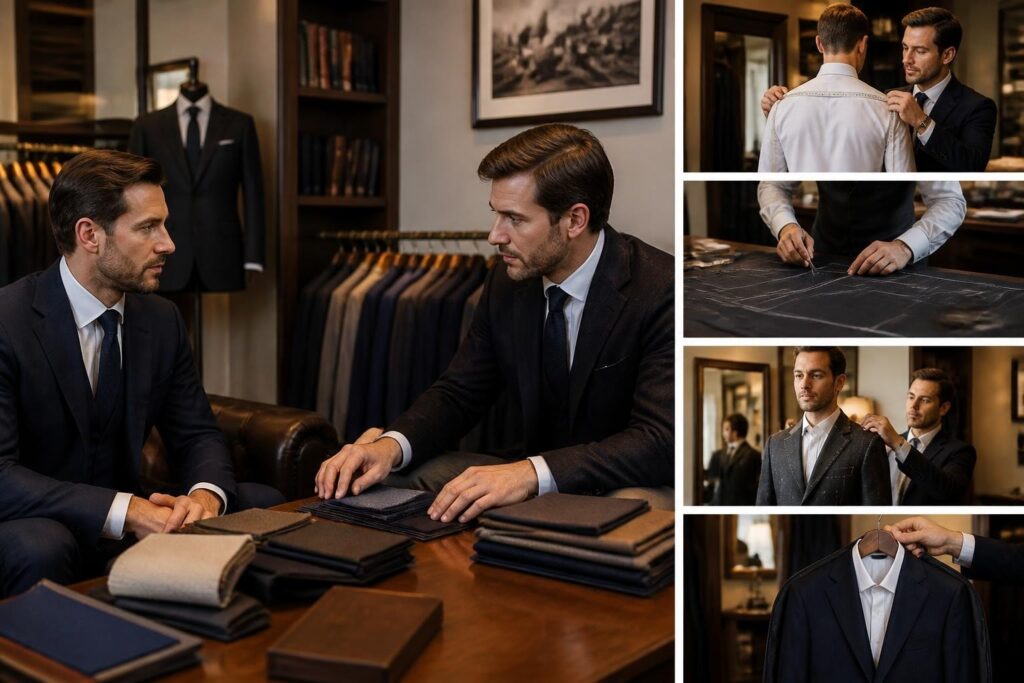
In an era of fast fashion and mass production, the art of bespoke custom tailoring stands as a testament to individuality, craftsmanship, and timeless elegance. A bespoke custom tailor creates garments specifically designed and constructed for a single client, ensuring every stitch, seam, and detail reflects personal style and perfect fit. This centuries-old tradition has experienced renewed appreciation as discerning customers seek clothing that transcends seasonal trends and offers unparalleled quality. Understanding what makes bespoke tailoring unique helps explain why this personalized approach to clothing continues to thrive in modern fashion markets.
Understanding Bespoke Custom Tailoring
The term "bespoke" originated on London's prestigious Savile Row, where it signified that fabric had been "spoken for" by a specific customer. Today, a bespoke custom tailor creates garments from scratch using measurements and preferences unique to each individual client. This process differs fundamentally from made-to-measure or ready-to-wear options.
True bespoke tailoring involves several distinctive characteristics:
- Individual pattern creation based on comprehensive body measurements
- Multiple fittings throughout the construction process
- Hand-crafted elements including buttonholes, canvas work, and finishing
- Direct collaboration between client and craftsperson
- Complete customization of every design element
The distinction between bespoke and made-to-measure remains important. Made-to-measure garments adapt existing patterns to fit individual measurements, while bespoke creates entirely new patterns. This fundamental difference explains the superior fit and personalization that bespoke tailoring processes deliver.
The Bespoke Process Timeline
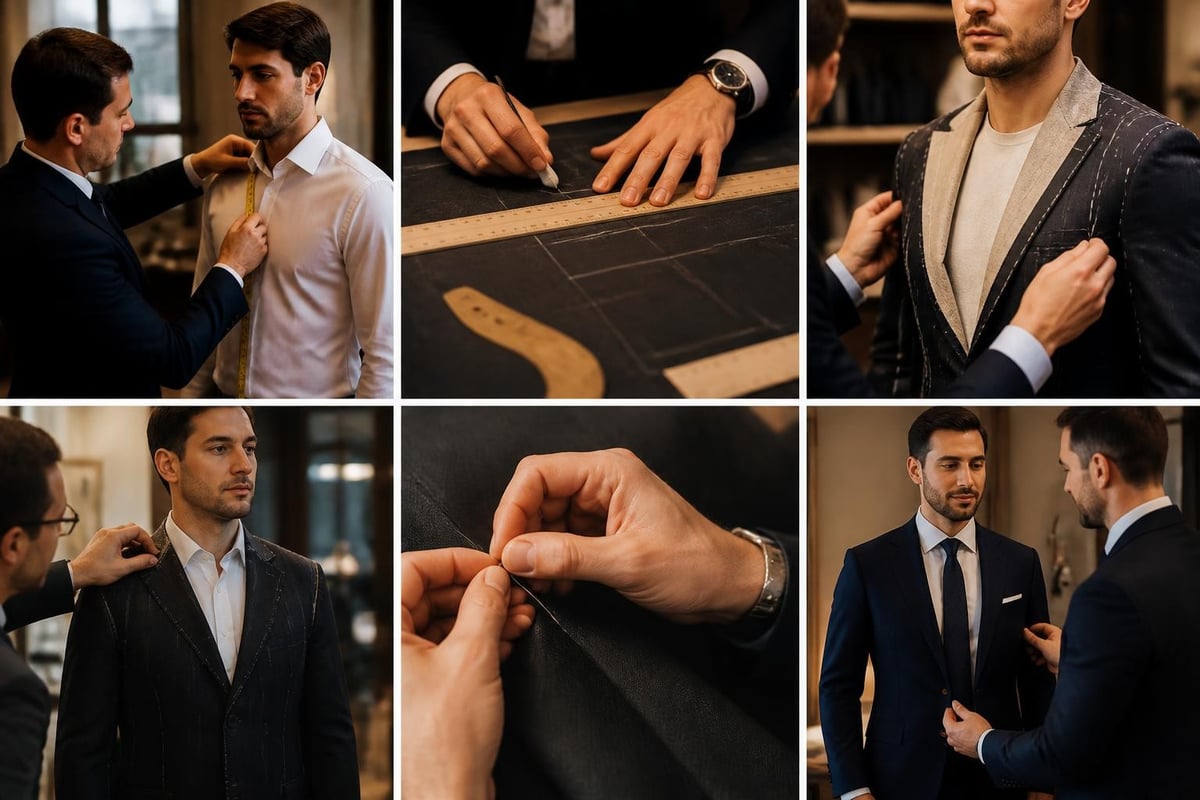
Creating a truly bespoke garment requires time, patience, and multiple touchpoints between client and tailor. Understanding this timeline helps clients appreciate the craftsmanship involved.
| Stage | Timeline | Purpose |
|---|---|---|
| การปรึกษาเบื้องต้น | 1-2 hours | Discuss style preferences, take measurements, select fabrics |
| Pattern Creation | 1-2 weeks | Draft individual pattern based on measurements and posture |
| First Basting | 2-3 weeks | Try unfinished garment, mark adjustments |
| Forward Fitting | 2-3 weeks | Refine fit with more complete construction |
| Final Fitting | 1-2 weeks | Make final minor adjustments before completion |
| การจัดส่ง | 6-10 weeks total | Present finished garment |
This extended process allows the bespoke custom tailor to address posture variations, asymmetries, and personal preferences that mass production cannot accommodate. Each fitting reveals how fabric drapes on the individual body, enabling precision adjustments.
Why Bespoke Tailoring Remains Relevant in 2026
The bespoke custom tailor industry has demonstrated remarkable resilience despite economic shifts and changing consumer habits. Market analysis projects continued growth driven by several compelling factors that resonate with modern consumers.
Sustainability concerns have elevated bespoke tailoring as an ethical alternative to disposable fashion. A well-constructed bespoke garment can last decades with proper care, reducing environmental impact and providing better value over time. This aligns with global tailoring industry trends showing increased demand for sustainable, perfectly fitted clothing.
Modern Advantages of Bespoke Services
Professional achievement and personal branding drive demand for distinctive, well-fitted clothing. Executives, entrepreneurs, and public figures recognize that exceptional tailoring communicates attention to detail and success. The investment in bespoke reflects understanding that first impressions matter in competitive environments.
Contemporary reasons for choosing bespoke tailoring include:
- Perfect fit for unique body types – Standard sizing fails many people, particularly those with athletic builds, height variations, or physical asymmetries
- Expression of personal style – Complete control over fabrics, colors, details, and design elements
- Quality and longevity – Superior construction techniques and materials ensure garments maintain appearance for years
- Sustainable consumption – Fewer, better-quality pieces reduce waste and frequent replacement
- Confidence enhancement – Properly fitted clothing improves posture, comfort, and self-assurance
The evolving world of bespoke tailoring demonstrates how traditional craftsmanship adapts to contemporary needs while maintaining core values of quality and personalization.
Essential Elements of Expert Tailoring
A skilled bespoke custom tailor possesses extensive knowledge spanning fabric properties, construction techniques, and style principles. This expertise develops through years of apprenticeship and continuous refinement.
Understanding fabric behavior proves crucial for creating garments that perform properly. Different weaves, weights, and fiber contents drape distinctively and serve specific purposes. Tropical weight wool suits weather warm climates differently than heavier worsteds. Linen offers breathability but wrinkles naturally, while high-twist yarns provide wrinkle resistance.
Craftsmanship Techniques That Matter
Hand-stitching remains central to superior bespoke construction despite modern technology. Strategic hand-work allows flexibility and shaping that machine stitching cannot replicate. The floating canvas in quality jackets provides structure while conforming to body movement, creating the characteristic "drape" of fine tailoring.
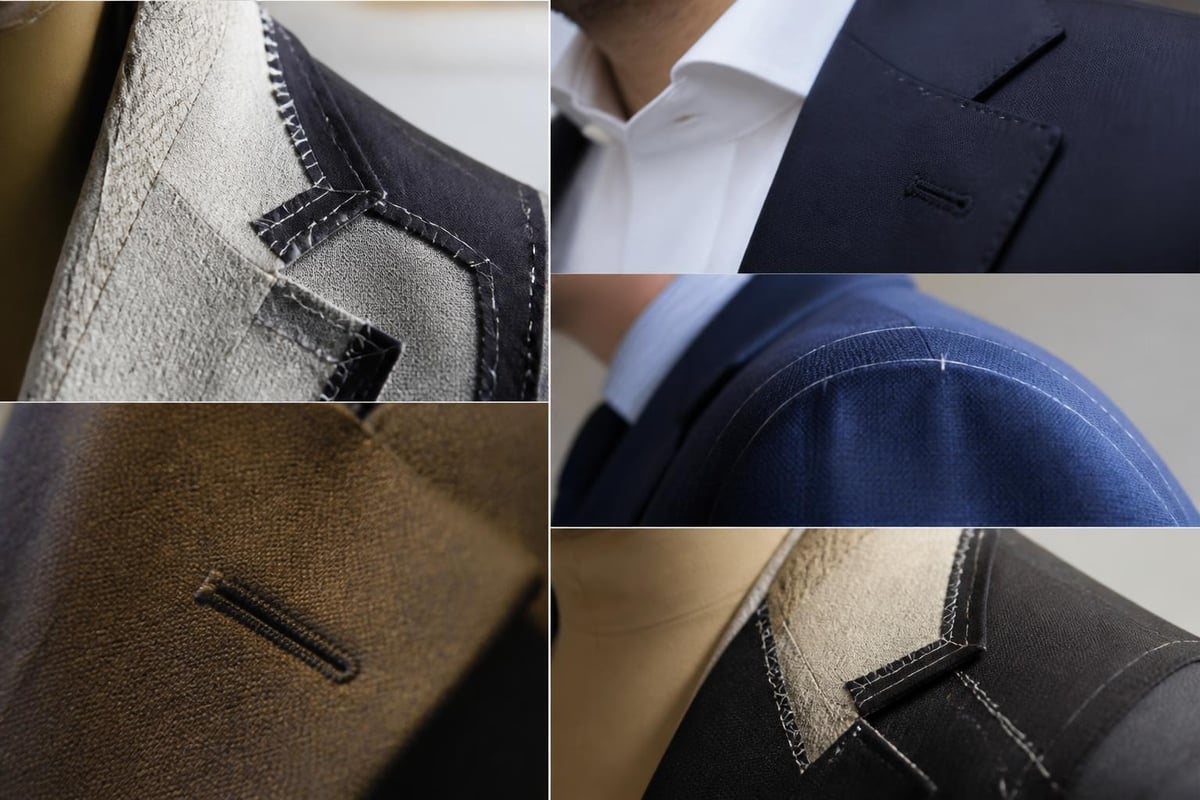
Critical construction details include:
- Hand-padded lapels that roll naturally and maintain shape
- Pick stitching along edges for durability and visual refinement
- Functional buttonholes on jacket sleeves (surgeon's cuffs)
- Multiple canvas layers providing structure without stiffness
- Hand-set sleeves allowing natural shoulder movement
These labor-intensive techniques distinguish genuine bespoke from industrial production. Each element contributes to how a garment looks, feels, and performs over time.
Selecting Your Bespoke Custom Tailor
Choosing the right craftsperson requires research and personal evaluation. Not all tailors possess equivalent skills, and individual style philosophies vary significantly. Finding the right match ensures satisfaction with both process and final product.
Examining portfolio work reveals aesthetic preferences and technical capabilities. Quality tailoring displays consistent stitch work, balanced proportions, and clean finishing. Client testimonials provide insight into communication style and reliability.
Questions to Ask Prospective Tailors
- How long have you been creating bespoke garments?
- Where did you learn your craft?
- How many fittings do you include in the process?
- What construction methods do you use (full canvas, half canvas, hand versus machine work)?
- What fabric sources do you work with?
- Can you accommodate special requests or design modifications?
- What is your typical timeline from consultation to delivery?
The relationship between client and bespoke custom tailor extends beyond transactions. Regular clients develop rapport that enables the tailor to anticipate preferences and suggest improvements. This collaborative partnership produces increasingly refined results over multiple garments.
Fabric Selection and Sourcing
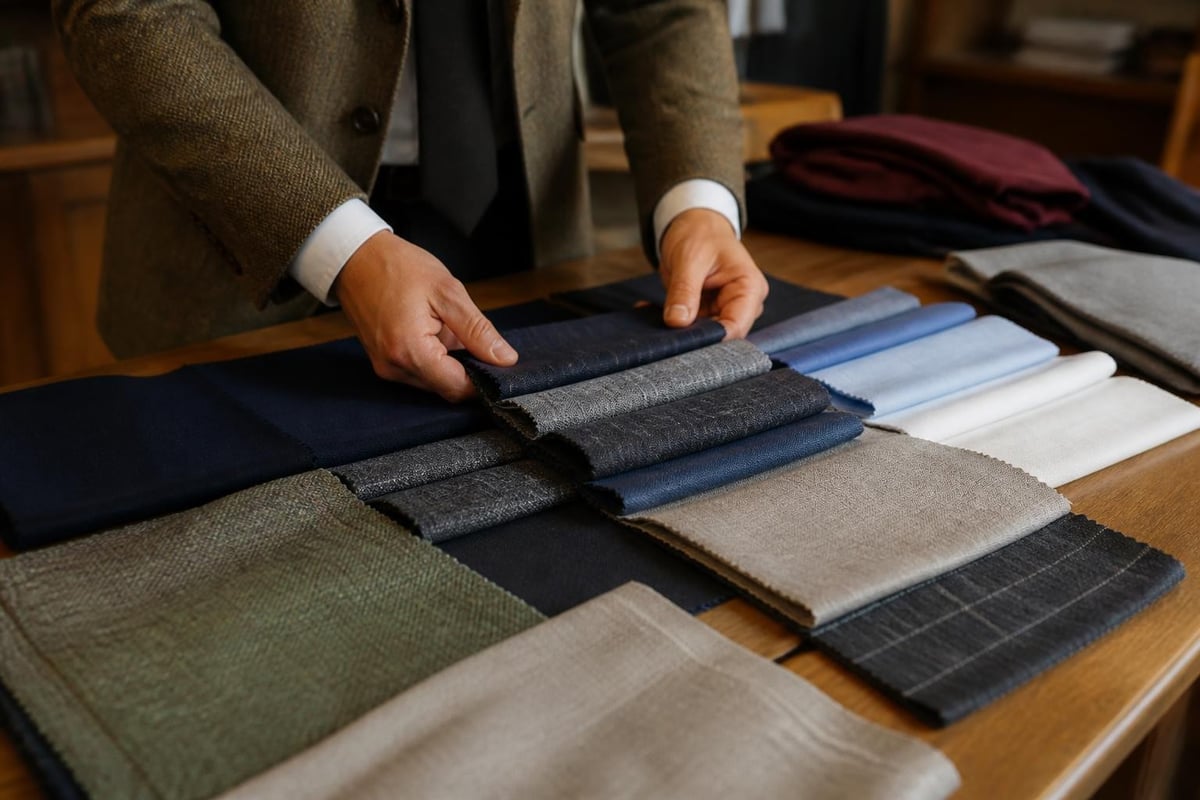
Quality begins with material selection. A knowledgeable bespoke custom tailor maintains relationships with premier fabric mills and stays current with seasonal collections. Access to exceptional fabrics separates skilled professionals from basic alteration services.
Super numbers indicate wool fineness, with higher numbers representing finer yarns. However, durability and practicality matter as much as luxury feel. Super 120s or 150s provide excellent balance between comfort and wearability, while extremely fine fabrics require careful handling.
| ประเภทของผ้า | Best Use | Key Properties | Seasonal Suitability |
|---|---|---|---|
| Tropical Wool | Suits, trousers | Lightweight, breathable, wrinkle-resistant | Warm weather, year-round |
| Flannel | Suits, sports jackets | Soft texture, warmth, casual elegance | Cool weather |
| ผ้าลินิน | Suits, shirts, trousers | Highly breathable, natural texture, relaxed | Summer, tropical climates |
| ผ้าฝ้าย | Shirts, casual jackets | Comfortable, versatile, easy care | ตลอดทั้งปี |
| ผ้าไหม | Dress shirts, linings | Luxurious feel, drape, temperature regulation | Special occasions, warm weather |
Understanding climate considerations proves particularly important for locations like Ao Nang, Krabi, where tropical heat and humidity influence fabric performance. Experienced tailors guide clients toward materials that maintain appearance and comfort in specific environmental conditions. Alex’s Fashion sources world-class fabrics specifically selected for tropical climates while offering options for international travel and varied occasions.
Business Considerations for Tailoring Services
The commercial viability of offering bespoke services involves balancing quality standards with operational efficiency. Examining whether bespoke tailoring is worth offering in 2026 reveals considerations including margin design, delivery discipline, and target customer identification.
Establishing appropriate pricing requires understanding material costs, labor time, overhead, and market positioning. Underpricing damages both profitability and perceived value, while excessive pricing limits clientele. Transparent communication about what clients receive for their investment builds trust and justifies premium positioning.
Target Customer Profiles
Successful bespoke custom tailor businesses identify and serve specific market segments effectively. Different customer types seek distinct benefits from custom clothing.
Primary customer categories include:
- Business professionals – Require wardrobe consistency, professional appearance, comfort for long wear
- Special occasion clients – Weddings, formal events, milestone celebrations demanding perfect presentation
- Fashion enthusiasts – Appreciate craftsmanship, seek unique style expression, value quality
- Travelers – Need versatile, durable garments that pack well and perform across environments
- Gift purchasers – Commission bespoke pieces for family members, wedding parties, corporate gifts
Understanding customer motivations allows tailors to emphasize relevant benefits and customize service delivery. Business professionals value efficiency and consistency, while fashion enthusiasts engage deeply in design details.
Training and Skill Development
The tailoring profession faces workforce challenges, with shortages of skilled craftspeople threatening industry sustainability. Traditional apprenticeship paths have diminished even as demand for custom clothing grows.
Mastering bespoke tailoring requires years of dedicated practice. Technical skills encompass pattern drafting, fabric cutting, various construction techniques, pressing, and finishing. Beyond mechanics, successful tailors develop aesthetic judgment, understanding proportion, balance, and style principles.
Continuous education keeps skills current as techniques evolve and materials change. Studying traditional craftsmanship approaches while remaining open to beneficial innovations creates well-rounded expertise.
Style Guidance and Wardrobe Planning
An exceptional bespoke custom tailor provides more than construction services. Style consultation helps clients develop cohesive wardrobes aligned with lifestyle needs and aesthetic preferences. This advisory role adds significant value beyond garment creation.
Understanding classic principles prevents common mistakes. Proper proportion matters more than following fleeting trends. Jacket length, trouser break, lapel width, and similar details should complement individual build rather than blindly copy current fashion.
การสร้างตู้เสื้อผ้าที่ปรับแต่งได้หลากหลาย
Strategic planning creates maximum utility from investment pieces. Starting with foundational garments in versatile colors and styles provides flexibility for various occasions.
Recommended foundation pieces:
- Navy suit in tropical or year-round weight
- Gray suit for variety and formality range
- Tan or khaki trousers for casual elegance
- White and light blue dress shirts
- Sports jacket in textured fabric for versatility
Adding pieces systematically over time develops comprehensive wardrobe depth without overwhelming initial investment. Each garment should serve multiple purposes and coordinate with existing pieces.
The Luxury Market and Bespoke Positioning
Consumer preferences in luxury fashion increasingly emphasize craftsmanship and heritage over conspicuous branding. This shift benefits authentic bespoke tailoring, where value resides in quality and personalization rather than logo recognition.
Positioning bespoke services within luxury markets requires clear communication of unique benefits. Educating potential clients about construction methods, material quality, and fit advantages differentiates genuine bespoke from lower-tier alternatives marketing themselves similarly.
Transparency builds credibility. Explaining exactly what clients receive, showing construction processes, and discussing timeline realities establishes realistic expectations and professional trust. Mystery or exaggeration damages long-term reputation.
Care and Maintenance of Bespoke Garments
Proper care extends garment lifespan significantly, protecting client investment and demonstrating tailor commitment to lasting value. Providing maintenance guidance enhances customer satisfaction and encourages return business.
Quality garments require less frequent cleaning than inferior alternatives. Allowing suits to rest between wearings, using quality hangers, and brushing after use removes surface soil and maintains appearance. Professional pressing refreshes garments without harsh cleaning chemicals.
Essential care instructions include:
- Rotate garments to avoid excessive wear patterns
- Store on proper wooden or padded hangers to maintain shape
- Use garment bags for protection, but allow air circulation
- Address stains promptly with appropriate spot treatments
- Schedule professional cleaning only when necessary
- Press with appropriate temperature and steam settings
- Repair minor issues immediately before they worsen
Many bespoke custom tailor businesses offer maintenance services including pressing, minor repairs, and alterations. This ongoing relationship keeps garments performing optimally while maintaining client connections.
Technology Integration in Traditional Crafts
Modern tools complement rather than replace hand-craftsmanship in contemporary bespoke tailoring. Digital body scanning provides precise measurements, while software assists pattern development. However, human judgment remains essential for interpretation and adjustment.
Online presence enables broader market reach for location-specific tailors. Quality photography, detailed service explanations, and client testimonials communicate capabilities to distant prospects. Virtual consultations expand possibilities while maintaining personal connection.
Social media platforms showcase completed work and educate audiences about craftsmanship value. Demonstrating processes builds appreciation for skilled work and differentiates bespoke services from mass production. Educational content establishes expertise and attracts quality-conscious customers.
Bespoke custom tailoring represents the pinnacle of personalized clothing, combining traditional craftsmanship with individual style expression to create garments that fit perfectly and last for years. Whether seeking professional wardrobes, special occasion attire, or simply clothing that reflects your unique taste and proportions, working with an experienced bespoke custom tailor transforms how you look and feel. With over 30 years of expertise crafting tailor-made clothing for men, women, and children in Ao Nang, Krabi, Alex’s Fashion combines world-class fabrics with meticulous attention to detail, creating garments that exceed expectations and stand the test of time. Schedule your consultation today to experience the difference that genuine bespoke tailoring makes.