
 TH
TH  EN
EN  FR
FR  DE
DE 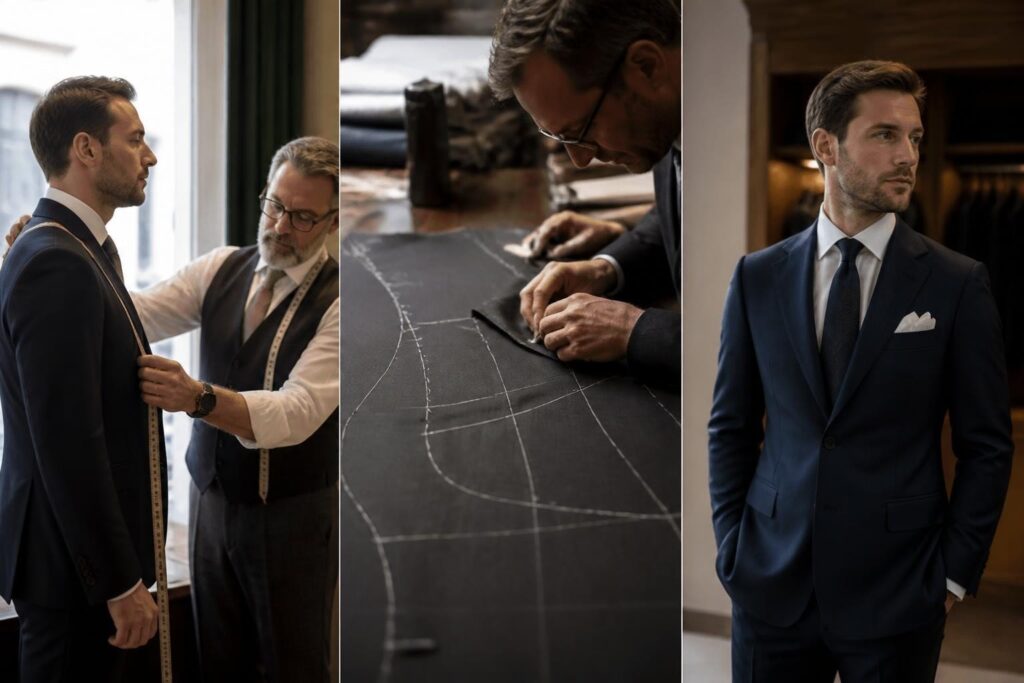
Finding exceptional custom clothing requires understanding what makes a tailor best suited for your needs. Whether you're seeking a perfectly fitted suit for a special occasion or building a wardrobe of bespoke pieces, the difference between acceptable and exceptional lies in the craftsperson's expertise, attention to detail, and commitment to client satisfaction. This comprehensive guide explores the essential elements that define superior tailoring services and how to identify the qualities that separate master tailors from the rest.
Understanding the Foundations of Expert Tailoring
The art of tailoring extends far beyond simply sewing fabric together. A tailor, by definition, creates garments measured to fit a particular person, but the best practitioners elevate this craft into an art form. The foundation of exceptional tailoring rests on three critical pillars: precise measurement techniques, fabric knowledge, and construction expertise.
Measurements form the blueprint of every custom garment. Master tailors understand that bodies are asymmetrical and that capturing these unique proportions requires more than a tape measure. They assess posture, shoulder slope, and movement patterns to ensure the finished garment accommodates natural body mechanics. This level of detail transforms a good fit into an exceptional one.
The Critical Role of Fabric Selection
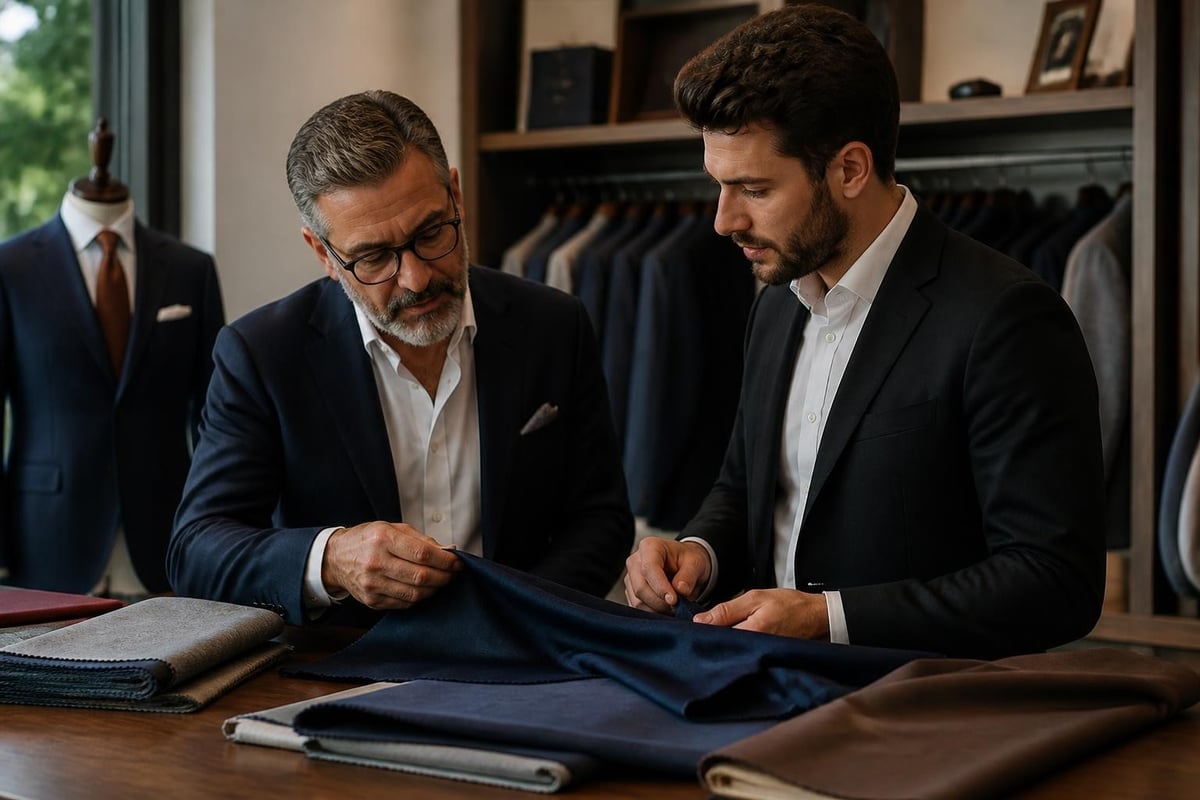
Fabric choice dramatically influences how well a garment performs and ages. The tailor best equipped to guide this decision maintains relationships with quality textile suppliers and stays current with innovations in fabric technology. Different occasions demand different materials:
- Business suits: Worsted wool in weights from 260-360 grams offers durability and drape
- Tropical climates: Lightweight fabrics like linen, cotton blends, and breathable wool-silk blends
- Formal evening wear: Fine merino wool, velvet, or silk blends provide elegance
- Casual pieces: Textured fabrics like tweed, flannel, and brushed cotton add character
Understanding thread count, weave patterns, and fiber composition enables tailors to match fabrics to client lifestyles. A frequent traveler needs wrinkle-resistant materials, while someone attending formal events requires fabrics that hold crisp lines. The role of a tailor encompasses this consultative approach, ensuring clients make informed decisions.
Technical Excellence in Construction Methods
Construction techniques separate competent tailoring from masterful work. The methods used to assemble a garment affect its longevity, comfort, and appearance. Full canvas construction, half canvas, and fused construction each serve different purposes and price points.
Canvas Construction Explained
Full canvas construction represents the pinnacle of tailoring craftsmanship. A layer of horsehair canvas extends from the shoulders to the hem, shaped and molded to the client's body. This technique allows the garment to breathe, drape naturally, and conform increasingly to the wearer over time. While more expensive and time-intensive, full canvas suits maintain their shape for decades.
Half canvas construction places canvas through the chest and lapels only, reducing cost while preserving key structural benefits. This approach offers excellent value for clients seeking quality without the premium price of full canvas work. Fused construction, while less expensive, relies on adhesives that can separate over time, particularly in humid climates.
| Construction Type | ความทนทาน | Price Point | เหมาะที่สุดสำหรับ |
|---|---|---|---|
| Full Canvas | 15-20+ years | Premium | Investment pieces, formal wear |
| Half Canvas | 8-12 years | Mid-range | Business suits, versatile wardrobe |
| Fused | 3-5 years | Economy | Occasional wear, trend pieces |
The tailor best suited for your needs will explain these options transparently, recommending based on budget and intended use rather than simply pushing the most expensive option.
Mastering the Fitting Process
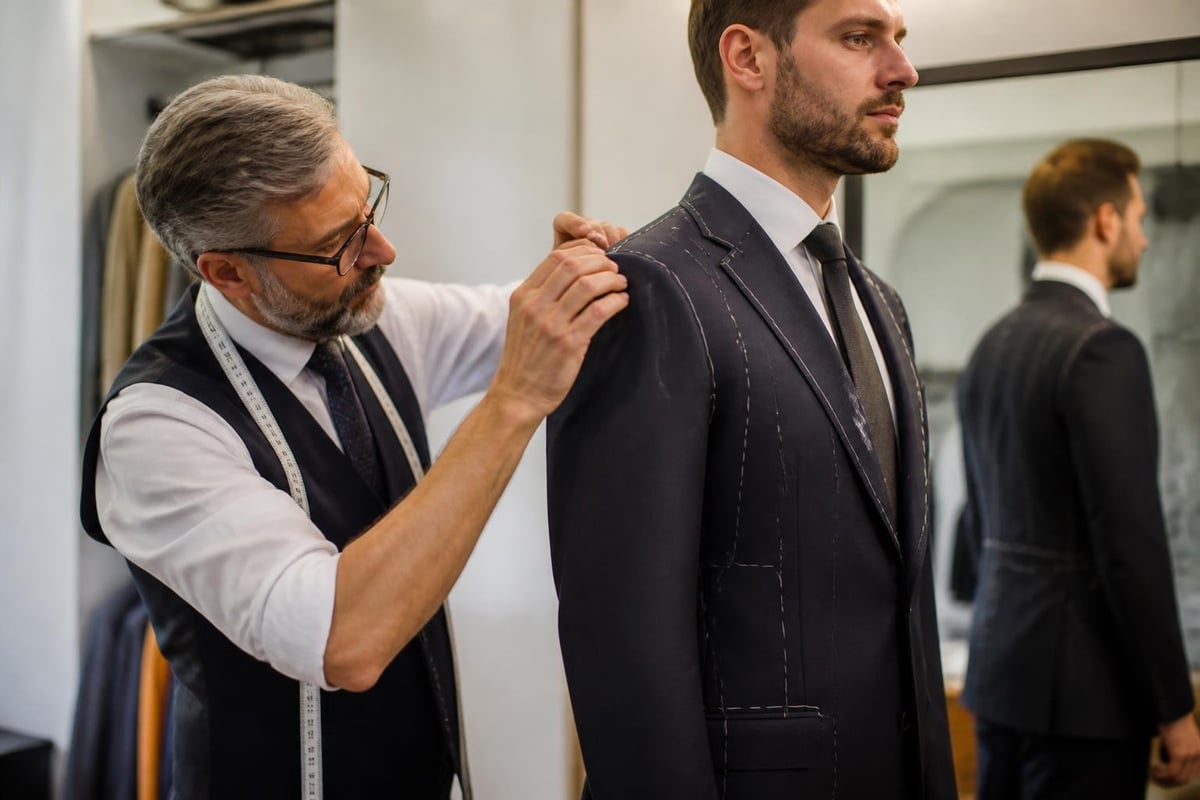
Fitting sessions represent where measurements and fabric transform into a personalized garment. Professional tailors typically schedule two to three fittings, each addressing specific refinement stages. This iterative process ensures the final product meets exacting standards.
First Fitting: Foundation Assessment
The initial fitting occurs when the garment is approximately 60-70% complete. The structure exists but without final finishing touches. During this session, tailors evaluate:
- Overall silhouette and proportions
- Shoulder fit and sleeve pitch
- Chest and waist suppression
- Trouser rise and leg taper
- Length adjustments for jacket and pants
Clients should move naturally during fittings, sitting, reaching, and bending to reveal any restriction points. The tailor best able to spot these issues makes adjustments that improve both comfort and appearance. As noted by experts at Vocabulary.com, tailors help make clothes fit better by adjusting items to suit specific needs.
Subsequent Fittings: Refinement and Detail
Second and third fittings address progressively finer details. Sleeve length adjustments of mere millimeters can dramatically impact appearance. Collar roll, lapel placement, and pocket positioning receive careful attention. These sessions also confirm that previous adjustments haven't created new issues.
Specialized Services That Define Excellence
The tailor best positioned to serve diverse client needs offers services beyond basic alterations. Customization options allow clients to express individual style while maintaining classic foundations. These services include:
- Monogramming and personalization: Subtle details that add distinctive character
- Lining customization: Bold patterns or colors hidden inside conservative exteriors
- Functional buttonholes: Hand-stitched working buttons on sleeves demonstrate craftsmanship
- Pick stitching: Visible hand stitching along lapels and pockets signals quality
- Custom pocket configurations: Ticket pockets, angled pockets, or hidden pockets for specific needs
Family tailoring services represent another dimension of expertise. Creating coordinated wardrobes for men, women, and children requires understanding different body types, style preferences, and lifestyle needs. Establishments with three decades of experience, like those found throughout Thailand's tailoring communities, develop this comprehensive skill set through years of practice.
Quality Control and Finishing Standards
Finishing separates adequate tailoring from exceptional work. The final pressing and steaming process shapes the garment three-dimensionally, creating the smooth appearance that distinguishes bespoke clothing. Hand-finished details like buttonholes, bar tacks, and hem stitching demonstrate commitment to excellence.
Inspection Checkpoints
Professional tailors implement quality control procedures before releasing garments:
- Seam integrity: All stitching secure with appropriate tension
- Pattern matching: Stripes and plaids align across seams
- Button placement: Evenly spaced with secure attachment
- Lining installation: Smooth without pulling or bunching
- Pressing quality: Sharp creases where intended, smooth curves where appropriate
These checkpoints ensure that garments leaving the workshop meet professional standards. The attention to detail invested at this stage determines how well the garment performs over years of wear.
Building Long-Term Relationships
The tailor best able to serve clients over time maintains detailed records of measurements, preferences, and past orders. This information enables consistent results across multiple garments and allows for adjustments as body proportions change over the years.
Repeat clients benefit from several advantages:
- Streamlined ordering: Established measurements reduce fitting time
- คุณภาพที่สม่ำเสมอ: Familiarity with preferences ensures satisfaction
- Wardrobe planning: Coordinated pieces that work together
- Seasonal updates: Recommendations based on changing needs
- Priority scheduling: Valued clients receive flexible appointment times
Many experienced tailoring businesses maintain client relationships spanning decades, creating wardrobes that evolve with life changes. This continuity allows for truly personalized service that mass production cannot replicate.
Location and Accessibility Considerations
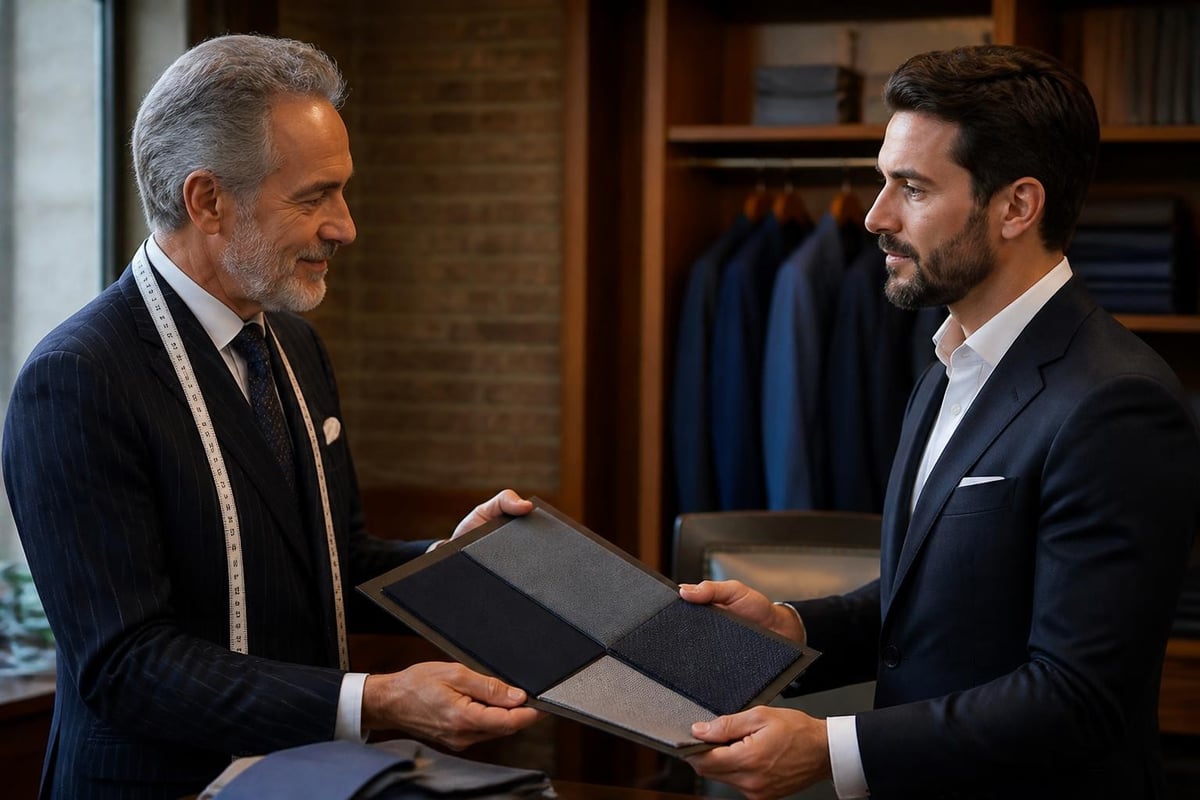
Geographic location influences both pricing and service style. Tailoring centers like Thailand's Ao Nang region offer exceptional value due to lower operational costs while maintaining high quality standards. The concentration of skilled artisans in these areas creates competitive environments that benefit clients.
Evaluating Tailoring Locations
When considering where to commission custom clothing, assess these factors:
| ปัจจัย | Importance | Considerations |
|---|---|---|
| Craftsperson experience | Critical | Years in business, portfolio review |
| Fabric sourcing | สูง | Quality of supplier relationships |
| Turnaround time | Medium | Standard completion schedule |
| Communication | สูง | Language proficiency, responsiveness |
| Pricing transparency | Critical | Clear quotes without hidden fees |
The resources available at Alex’s Fashion demonstrate how established tailoring businesses provide comprehensive information to help clients make informed decisions. Transparency about process, pricing, and timelines builds trust essential for successful collaborations.
Style Guidance and Contemporary Trends
While classic tailoring principles remain constant, style evolves with contemporary preferences. The tailor best equipped to serve modern clients balances timeless construction with current aesthetic sensibilities. Understanding which trends enhance classic garments versus those that quickly date them requires experience and fashion awareness.
Contemporary Suit Specifications
Modern suit styling tends toward:
- Slimmer silhouettes: Closer-fitting but not restrictive cuts
- Higher armholes: Improved movement and cleaner lines
- Shorter jackets: Hem ending at the break of the thumb when arms hang naturally
- Narrow lapels: 3-3.5 inch widths for balanced proportions
- Tapered trousers: Gradual taper from knee to hem without extreme skinny fits
These specifications work for most body types but require adjustment based on individual proportions. Tailors guide clients toward flattering options that align with personal style while avoiding dated extremes.
Investment Value and Cost Considerations
Custom clothing represents a significant investment that pays dividends through longevity and satisfaction. Understanding pricing structures helps clients make informed decisions aligned with budgets and needs.
Quality bespoke suits typically require 40-60 hours of skilled labor, from initial consultation through final pressing. Fabric costs vary dramatically based on origin and quality, with premium materials commanding higher prices. The combination of labor expertise and material quality determines final pricing.
Cost-Benefit Analysis
Consider total cost of ownership when evaluating tailoring expenses:
- Wear frequency: Higher use justifies premium investment
- อายุขัย: Quality construction extends serviceable years
- ความหลากหลายในการใช้งาน: Classic styles remain appropriate across occasions
- Alteration potential: Well-made garments can be modified as body changes
- Satisfaction: Perfect fit eliminates the dissatisfaction of ill-fitting ready-to-wear
A well-constructed custom suit costing three times more than department store options that lasts four times longer represents superior value. This calculation doesn't account for the intangible benefits of superior fit and appearance confidence.
Maintenance and Care for Longevity
Proper garment care extends the life of custom clothing significantly. The tailor best serving client interests provides detailed care instructions specific to each garment's construction and fabric composition.
Essential Care Practices
Follow these guidelines to preserve custom garments:
- Professional cleaning: Dry clean only when necessary, spot clean minor issues
- Proper storage: Use wide wooden hangers to maintain shoulder shape
- Rotation: Avoid wearing the same garment consecutive days
- Airing out: Allow garments to breathe between wears
- Minor repairs: Address loose buttons or small issues promptly
Steam pressing between cleanings refreshes appearance without the harsh chemicals of frequent dry cleaning. Allowing suits to rest on hangers in open air removes odors and relaxes fibers, extending time between cleanings.
Climate-Specific Tailoring Considerations
Tropical and humid environments present unique challenges for tailored clothing. Fabric selection and construction techniques must account for heat, humidity, and frequent temperature transitions between air-conditioned interiors and outdoor heat.
Lightweight tropical wool, linen blends, and breathable cotton fabrics perform better in warm climates than heavy materials. Unlined or half-lined jackets reduce heat retention. These adaptations maintain professional appearance while ensuring comfort in challenging conditions.
The expertise developed by tailors working in tropical locations like Krabi, Thailand provides valuable insights for creating garments suited to warm weather wear. This specialized knowledge differentiates them from tailors primarily serving temperate climate clientele.
Finding a tailor best suited to your needs requires evaluating craftsmanship, communication, and commitment to quality construction. The combination of precise measurements, expert fabric selection, and refined fitting processes creates garments that elevate both appearance and confidence. Whether you're building a professional wardrobe or seeking special occasion attire, Alex’s Fashion brings over 30 years of bespoke tailoring expertise to every garment, ensuring each piece reflects your unique style and fits perfectly to your measurements.