
 TH
TH  EN
EN  FR
FR  DE
DE 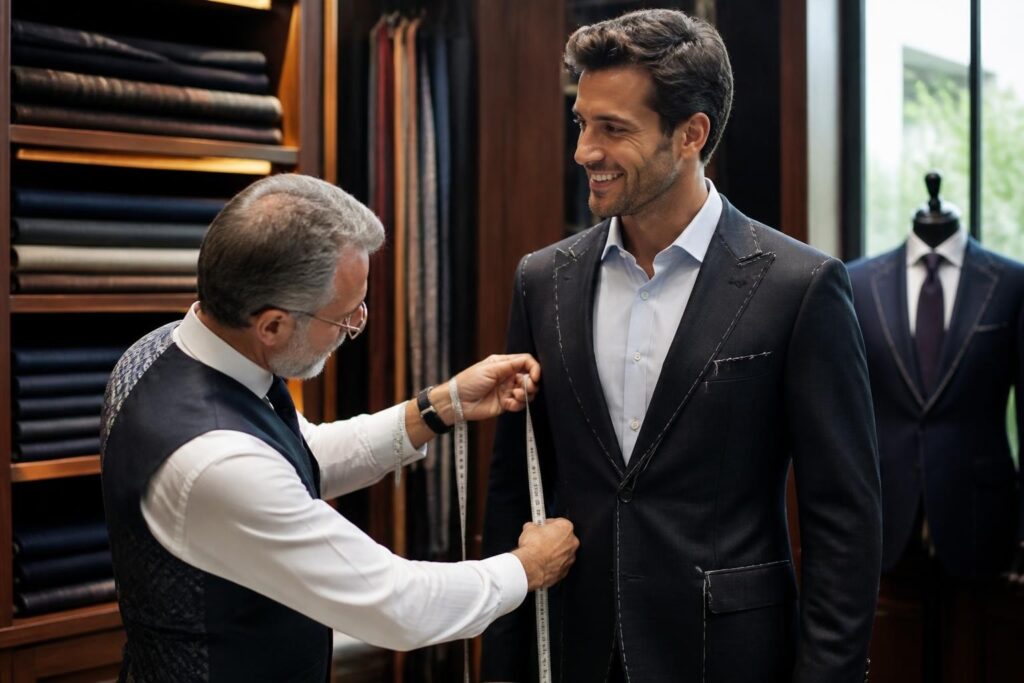
The tailor shop represents more than just a place to purchase clothing. It embodies a tradition of craftsmanship, personalized service, and attention to detail that mass production can never replicate. In an era dominated by fast fashion and off-the-rack garments, the tailor shop stands as a beacon of quality, offering customers the opportunity to invest in clothing that fits perfectly, reflects their personal style, and lasts for years. Whether you're seeking a custom suit for a special occasion, perfectly fitted shirts for professional wear, or unique pieces that express your individuality, understanding what makes the tailor shop exceptional can help you make informed decisions about your wardrobe investments.
The Art of Traditional Tailoring
The foundation of any exceptional tailor shop lies in mastering traditional techniques that have been refined over centuries. These time-honored methods ensure that every garment is constructed with precision and durability in mind.
Craftsmanship That Stands the Test of Time
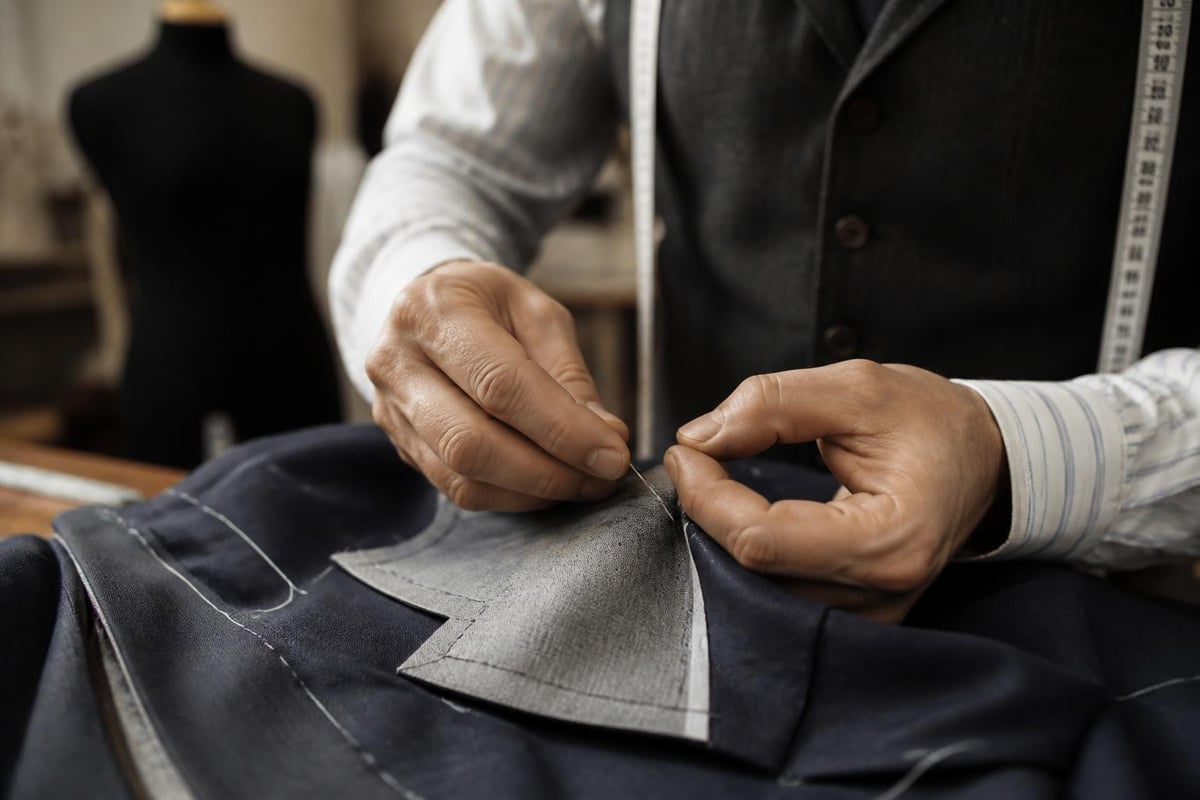
Traditional tailoring involves multiple steps that require extensive training and experience. Master tailors spend years perfecting their skills, learning to understand how different fabrics drape, how to accommodate unique body shapes, and how to construct garments that maintain their form through years of wear.
Key traditional techniques include:
- Hand-stitching critical seams for superior strength
- Canvas construction for structured garments
- Precise pattern making based on individual measurements
- Expert finishing techniques for professional results
The declining number of skilled tailors in the United States has created both challenges and opportunities for the industry, making those who possess these traditional skills increasingly valuable.
Measurement Precision
The difference between a good fit and a perfect fit often comes down to millimeters. Professional tailors take comprehensive measurements that go far beyond simple chest and waist dimensions. They account for posture, shoulder slope, arm length variations, and individual preferences regarding fit and comfort.
| Measurement Type | Purpose | Impact on Fit |
|---|---|---|
| Shoulder slope | Jacket drape | Prevents pulling or gapping |
| Sleeve pitch | Arm comfort | Natural hang when standing |
| Back length | Overall proportion | Balanced silhouette |
| Trouser rise | Comfort and style | Proper waist positioning |
This level of precision ensures that garments not only look exceptional but feel comfortable throughout the day.
Modern Innovation in Tailoring
While traditional craftsmanship remains essential, the tailor shop of 2026 has embraced technological advancements that enhance both efficiency and customer experience. The integration of digital tools doesn't replace the human touch but rather amplifies the tailor's capabilities.
Digital Workflow Management
Many successful tailoring businesses have recognized the value of digitizing their workflows to improve organization and customer service. Digital systems enable better tracking of orders, measurements, and customer preferences.
Benefits of digital integration:
- Accurate record-keeping of customer measurements
- Streamlined appointment scheduling
- Enhanced inventory management
- Improved communication with clients
This technological evolution allows tailors to focus more time on their craft while ensuring that administrative tasks don't fall through the cracks.
Virtual Consultations and 3D Modeling
The pandemic accelerated the adoption of virtual consultations, and many tailor shops now offer remote meetings for initial discussions. Advanced technologies like 3D body scanning and digital fabric visualization help customers make informed decisions even when they cannot visit in person.
Fabric Selection and Quality
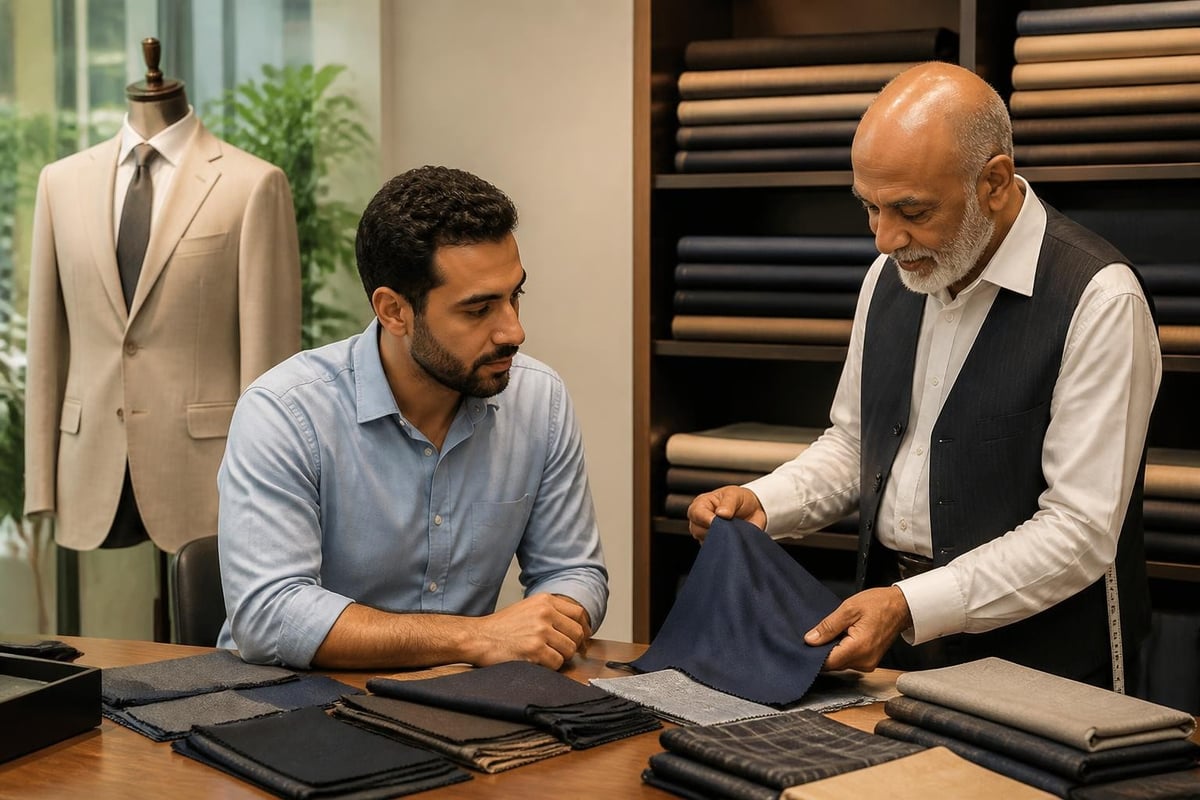
One of the most significant advantages of working with the tailor shop is access to premium fabrics that are rarely available in ready-to-wear stores. The quality of materials directly impacts the longevity, appearance, and comfort of the finished garment.
Understanding Fabric Grades
Tailors typically offer fabrics across various quality tiers, from excellent everyday options to the finest luxury materials sourced from renowned mills worldwide.
| Fabric Grade | Characteristics | เหมาะที่สุดสำหรับ |
|---|---|---|
| Super 100s-120s | Durable, versatile | Daily business wear |
| Super 130s-150s | Finer weave, luxurious feel | Special occasions |
| Super 160s+ | Exceptional softness | Premium dress occasions |
| Linen blends | Breathable, textured | Warm climate wear |
Seasonal Considerations
Professional tailors guide clients toward appropriate fabric weights and compositions based on climate and intended use. In tropical locations like Krabi, Thailand, lightweight and breathable fabrics become particularly important for comfort without sacrificing style.
The expertise to recommend the right fabric for each customer's needs represents one of the key values provided by the tailor shop.
The Custom Fitting Process
The fitting process distinguishes the tailor shop from all other clothing sources. This multi-step journey transforms measurements and fabric into a garment that feels made specifically for you because it is.
การปรึกษาเบื้องต้น
Every custom garment begins with a conversation. During this consultation, tailors discuss the customer's lifestyle, preferences, and the specific occasions for which they need clothing. This dialogue informs decisions about style details, fabric selection, and design elements.
Common discussion points include:
- Preferred fit (slim, classic, relaxed)
- Style details (lapel width, pocket styles, button configuration)
- Functional requirements (travel-friendly fabrics, specific movements)
- Personal style preferences and inspiration
The Three-Fitting Standard
Quality bespoke tailoring typically involves three fittings, though the exact number may vary based on complexity and individual requirements.
First fitting: Evaluation of the basted garment to check overall fit and proportions
Second fitting: Refinement of adjustments and detail confirmation
การลองสวมใส่ครั้งสุดท้าย: Minor tweaks and quality verification before delivery
This iterative process ensures that the finished product meets the highest standards of fit and finish.
Building Long-Term Relationships
Successful tailor shops understand that they're not just selling garments but building relationships that can span decades. This relationship-based approach creates mutual benefits for both customers and tailors.
The Advantage of Continuity
Once the tailor shop has your measurements and understands your preferences, subsequent orders become more streamlined. Many customers develop a rhythm of regular visits, building their wardrobes strategically over time rather than making large, infrequent purchases.
Regular clients often receive:
- Priority scheduling during busy seasons
- Early access to new fabric collections
- Personalized recommendations based on purchase history
- Complimentary minor alterations
Maintenance and Alterations
A quality tailor shop provides ongoing support for garments they've created. Whether adjusting a jacket after weight changes or updating styling details to refresh an older piece, these services extend the life and value of custom clothing.
Attracting the Next Generation
The industry faces challenges in attracting and retaining new talent, yet there's renewed interest in craftsmanship among younger consumers. Forward-thinking tailor shops are adapting their approaches to appeal to these new customers while maintaining their commitment to quality.
Modern Marketing Approaches
Today's successful tailoring businesses recognize the importance of implementing unique marketing strategies that showcase their expertise and reach clients where they spend their time online.
Effective modern strategies include:
- Professional photography showcasing finished garments
- Educational content about fabrics and tailoring processes
- Social media presence highlighting craftsmanship
- Online booking systems for convenience
- Customer testimonials and case studies
Heritage Meets Contemporary Style
Historic tailors like Maison Charvet demonstrate how traditional tailoring houses can remain relevant by honoring their heritage while adapting to contemporary tastes. This balance attracts customers who value both authenticity and modern sensibilities.
Specialized Services and Expertise
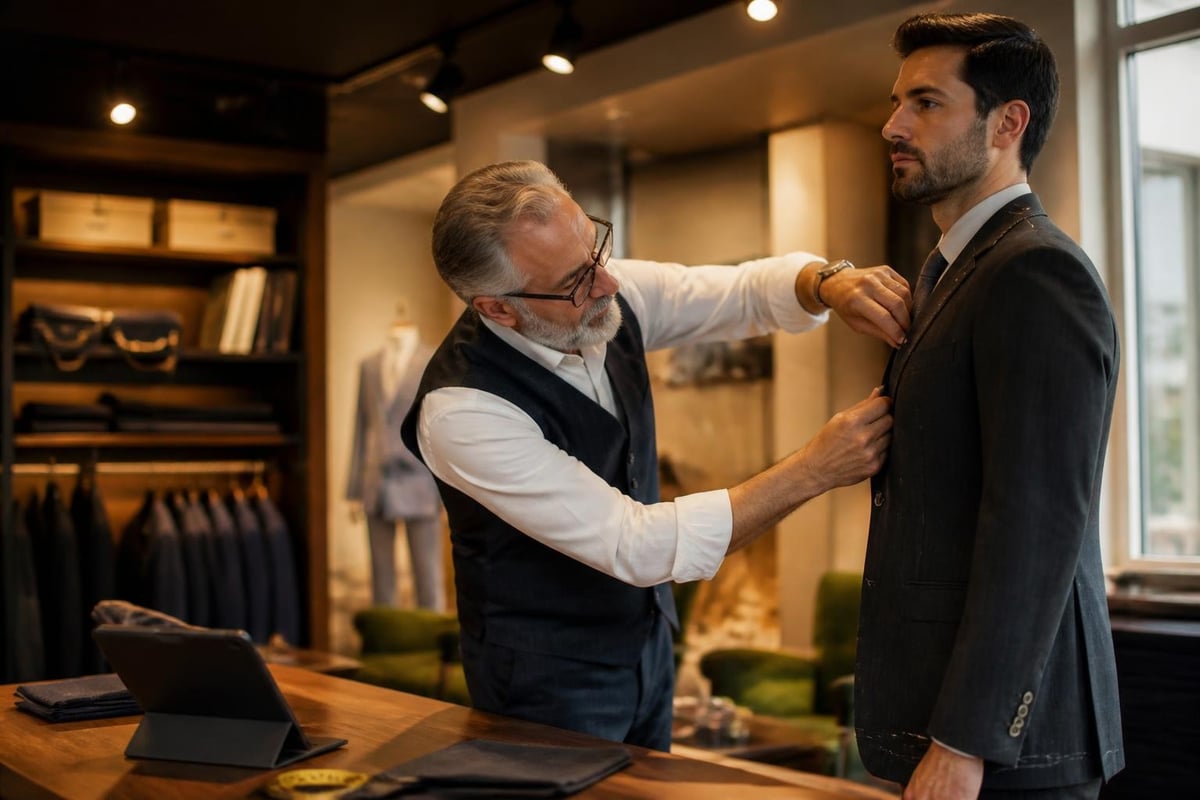
Beyond creating new garments, the tailor shop offers specialized services that address specific customer needs and demonstrate the breadth of their expertise.
Wedding and Special Occasions
Custom wedding attire represents a significant specialty area. Tailors work with couples to create coordinated looks for their special day, managing timelines carefully to ensure multiple fittings and perfect results.
Special occasion services include:
- Coordination of wedding party attire
- Rush services for time-sensitive events
- Destination wedding consultations
- Preservation and storage recommendations
Corporate and Professional Wardrobes
Many businesses partner with tailor shops to outfit their executives and employees in custom uniforms or professional attire that reinforces their brand identity. These relationships often involve volume considerations and consistent quality across multiple team members.
มูลค่าการลงทุนและความยั่งยืน
Understanding the tailor shop experience includes recognizing the long-term value proposition of custom clothing compared to mass-produced alternatives.
Cost Per Wear Analysis
While custom garments require a higher initial investment, they typically offer superior value when analyzed over their lifetime. Quality construction, perfect fit, and timeless styling mean these pieces remain wardrobe staples for years or even decades.
| ประเภทเสื้อผ้า | Custom Investment | Expected Lifespan | Annual Cost |
|---|---|---|---|
| Bespoke suit | $800-2000 | 10-15 years | $80-133 |
| Custom shirt | $100-200 | 5-7 years | $20-33 |
| Tailored trousers | $150-300 | 7-10 years | $21-30 |
These figures demonstrate how quality custom pieces often prove more economical than frequent replacement of cheaper alternatives.
Sustainability Considerations
The made-to-order nature of the tailor shop inherently supports sustainable fashion practices. Custom garments are created specifically for individual customers, eliminating overproduction and waste. The durability and timeless design of well-made pieces also counteract the disposability culture of fast fashion.
Choosing the Right Tailor Shop
Not all tailoring services offer the same level of expertise or customer experience. Knowing what to look for helps ensure you find a tailor shop that meets your needs and expectations.
Indicators of Quality
Experience and training: Look for establishments with demonstrated expertise and formal training in traditional tailoring methods.
Fabric selection: A diverse range of quality fabrics from reputable mills indicates serious commitment to the craft.
Portfolio: Examples of previous work showcase the tailor's style and capabilities.
Customer reviews: Testimonials provide insight into the customer experience and satisfaction levels.
Questions to Ask
During your initial consultation, don't hesitate to inquire about the tailor's background, process, and policies. Professional tailors welcome questions and view them as part of building a successful working relationship.
Important topics to discuss include turnaround times, fitting procedures, alteration policies, and care instructions for finished garments. Transparent communication from the start prevents misunderstandings and ensures both parties have aligned expectations.
The Global Perspective
While tailoring traditions vary across cultures, the fundamental principles of quality craftsmanship and personalized service remain constant. The tailor shop in Thailand may incorporate different style elements than one in London or New York, but all share the commitment to creating clothing that fits perfectly and reflects the customer's individual needs.
Regional Specializations
Different regions have developed particular expertise based on local climate, cultural preferences, and historical influences. Tropical tailoring, for instance, emphasizes breathable fabrics, lighter construction, and designs that maintain professionalism while accommodating warm weather.
Understanding these regional strengths helps customers appreciate the unique perspective their local tailor shop brings to the craft. Whether you're working with a third-generation family business or a contemporary atelier, each brings distinctive knowledge to the process.
The tailor shop experience combines traditional craftsmanship with modern convenience, offering personalized service that creates clothing perfectly suited to your body, lifestyle, and preferences. This investment in quality and fit provides lasting value that mass-produced alternatives cannot match. When you're ready to experience the difference that bespoke tailoring makes, Alex’s Fashion brings over three decades of expertise in creating exceptional custom garments for men, women, and children. Located in Ao Nang, Krabi, the skilled team uses world-class fabrics and meticulous attention to detail to ensure your complete satisfaction with every piece.