
 TH
TH  EN
EN  FR
FR  DE
DE 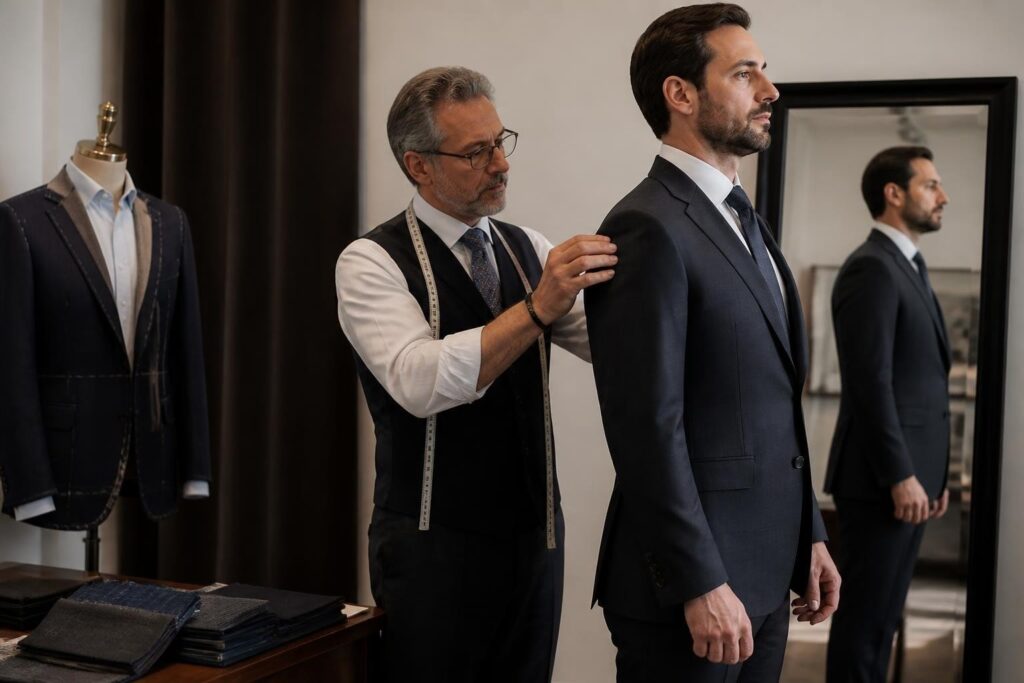
The world of bespoke tailoring has evolved significantly over the past three decades, yet one principle remains constant: nothing compares to the fit, comfort, and sophistication of suits to measure. Unlike off-the-rack alternatives, custom-tailored suits offer a personalized experience that transforms how clothing fits your unique body shape. In 2026, discerning professionals and style-conscious individuals increasingly recognize that investing in made-to-measure garments delivers unmatched value, quality, and confidence. Whether you're preparing for important business meetings, special occasions, or building a versatile wardrobe, understanding the process behind suits to measure empowers you to make informed decisions about your sartorial investments.
Understanding the Suits to Measure Process
Suits to measure represent the perfect balance between accessibility and personalization. This tailoring approach starts with a base pattern adjusted to your specific measurements, preferences, and body proportions.
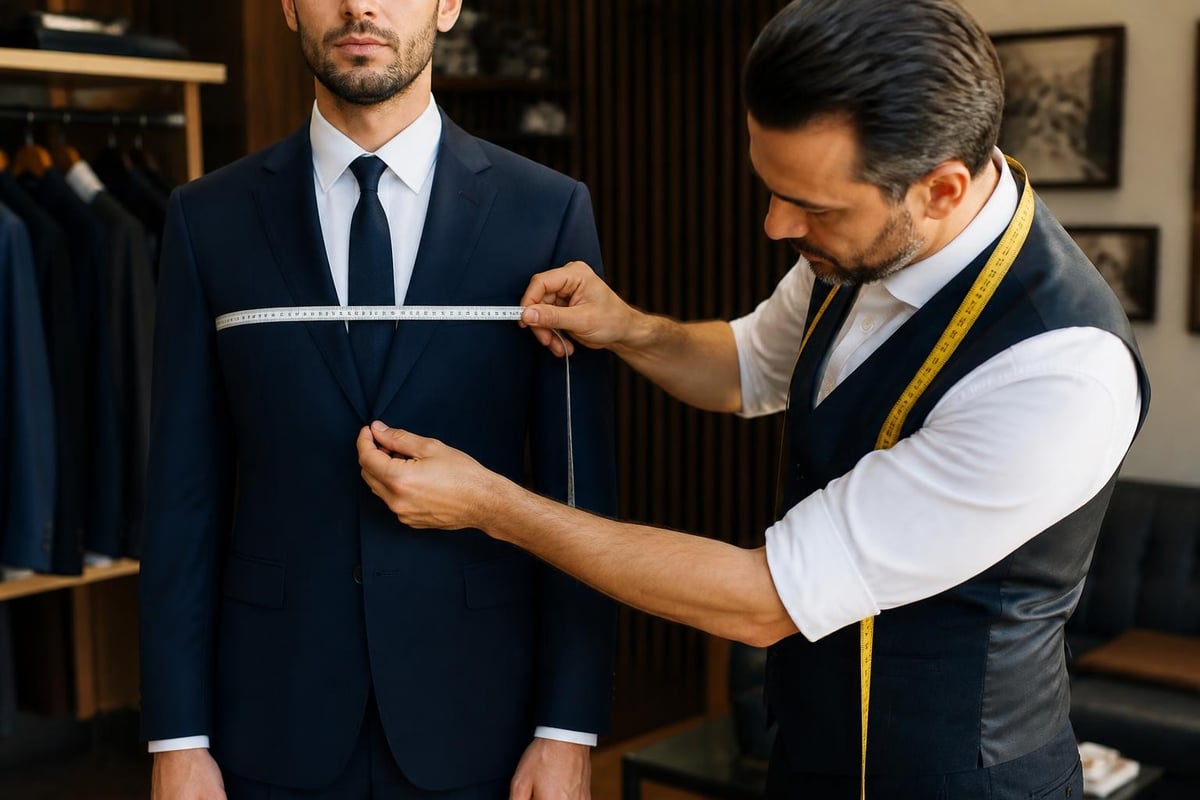
The process begins with a comprehensive consultation where experienced tailors assess your needs, lifestyle, and style preferences. During this initial meeting, professionals take precise measurements of your chest, shoulders, waist, hips, inseam, and arm length. These critical dimensions form the foundation for creating garments that complement your physique perfectly.
Initial Consultation and Body Analysis
A professional tailor examines your posture, shoulder slope, and any asymmetries that affect how clothing drapes on your frame. This attention to detail ensures the final garment addresses your unique characteristics.
Key measurements taken during consultation:
- Chest circumference at the fullest part
- Natural waist measurement
- Hip measurement for proper jacket length
- Shoulder width from seam to seam
- Sleeve length from shoulder to wrist
- Back length from collar to hem
- Inseam for trouser length
Most clients benefit from understanding how to take accurate measurements before their appointment, which helps streamline the consultation process.
การเลือกผ้าและตัวเลือกการปรับแต่ง
Once measurements are complete, the fabric selection process begins. This crucial step determines the suit's appearance, durability, and seasonal appropriatability. In 2026, sustainable and performance fabrics have gained prominence alongside traditional wool options.
World-class fabrics from renowned mills offer varying weights, textures, and compositions. Summer-weight wools (7-9 oz) provide breathability in tropical climates like Krabi, while mid-weight options (10-13 oz) deliver year-round versatility. Heavier fabrics (14-16 oz) suit cooler environments and formal occasions.
| ประเภทของผ้า | Weight Range | Best Season | Characteristics |
|---|---|---|---|
| Tropical Wool | 7-9 oz | ฤดูร้อน | Breathable, lightweight |
| All-Season Wool | 10-13 oz | ตลอดทั้งปี | Versatile, durable |
| Winter Weight | 14-16 oz | Cool weather | Substantial, warm |
| Wool-Silk Blend | 9-11 oz | ฤดูใบไม้ผลิ/ฤดูร้อน | Lustrous, refined |
Personalization Details That Define Your Style
Beyond fabric, suits to measure offer extensive customization opportunities that distinguish your garment from mass-produced alternatives.
Interior customization options:
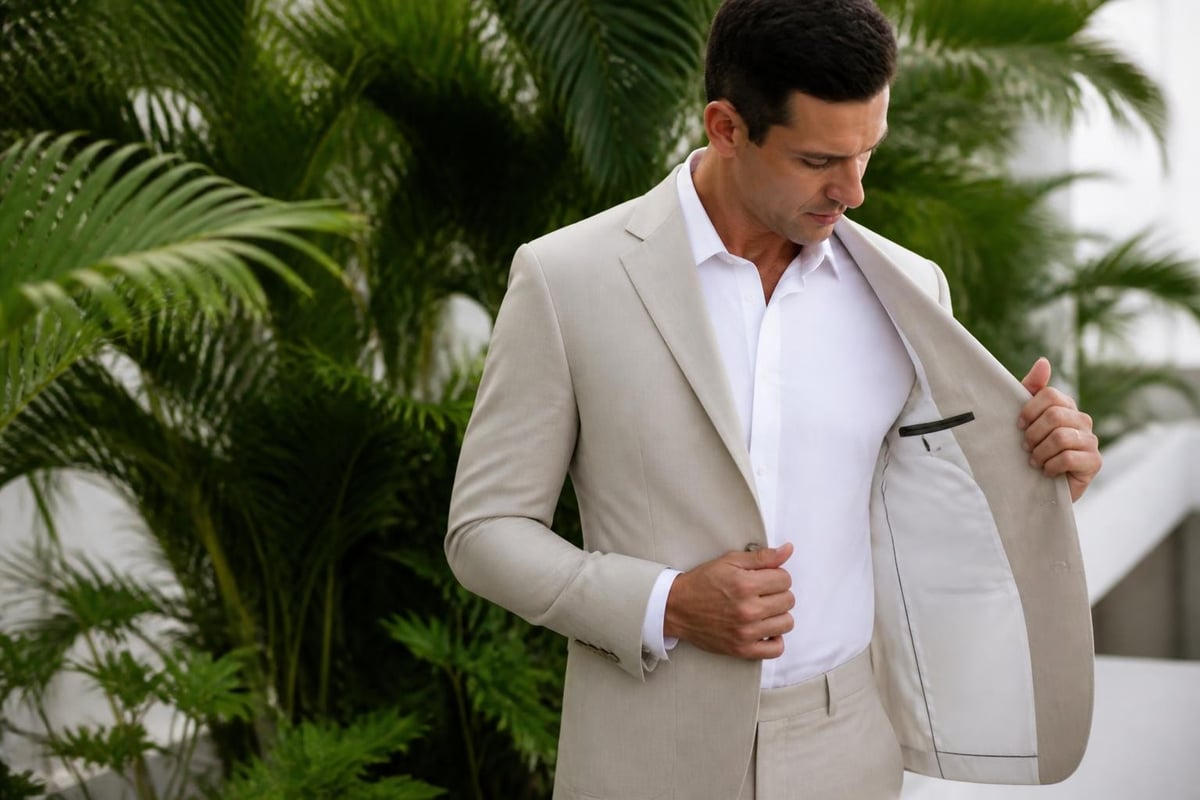
- Contrast or tonal lining fabrics
- Monogrammed interior pockets
- Functional buttonholes on sleeves
- Pick stitching details
Exterior design elements:
- Lapel width and style (notch, peak, shawl)
- Button configuration (two-button, three-button)
- Pocket styles (flap, patch, jetted)
- Vent options (single, double, none)
These choices allow you to create a signature look that reflects your personality while maintaining professional sophistication. Understanding suit fit for different body types helps guide these decisions effectively.
The Fitting Process and Adjustments
After fabric selection and style choices, the creation process begins. Skilled craftsmen cut patterns according to your specifications and construct the garment using time-honored techniques combined with modern precision.
First Fitting Session
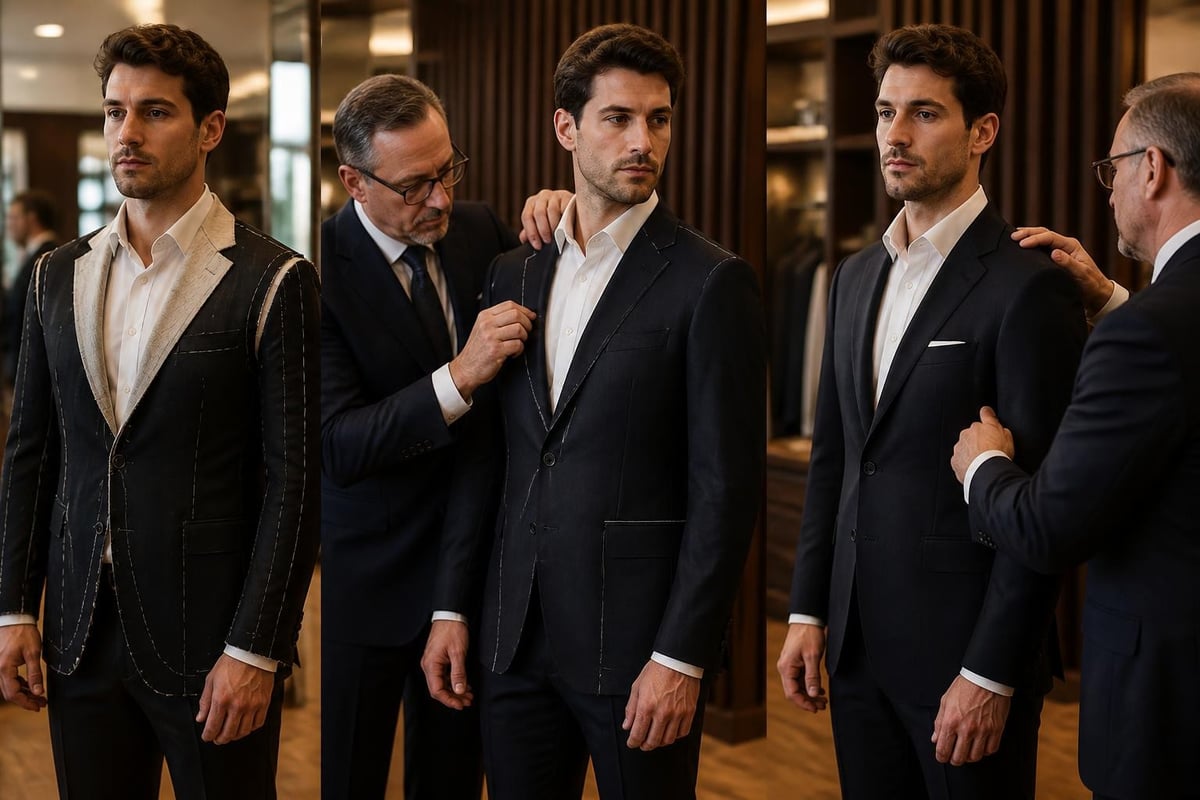
The initial fitting typically occurs when the suit is approximately 80% complete. This "basted fitting" allows tailors to assess fit, make necessary adjustments, and ensure proportions align with your expectations.
During this session, tailors examine:
- Shoulder fit and balance across the back
- Chest allowance for comfortable movement
- Waist suppression for flattering silhouette
- Sleeve length and armhole positioning
- Trouser waist, seat, and leg taper
Experienced professionals mark adjustments directly on the garment, noting areas requiring modification. This hands-on approach ensures precision that automated systems cannot replicate.
Final Fitting and Delivery
The second fitting confirms all adjustments have been properly executed. Tailors verify the jacket drapes correctly, trousers break at the appropriate point on your shoes, and all details meet specifications.
Minor refinements might still occur at this stage. Sleeve lengths may require fractional adjustments, or trouser cuffs might need slight modifications. This meticulous attention to detail characterizes quality suits to measure.
มูลค่าการลงทุนและความยั่งยืน
Suits to measure represent significant investment compared to ready-made alternatives. However, understanding the long-term value proposition reveals why discerning clients choose custom tailoring.
A well-constructed made-to-measure suit can last 10-15 years with proper care, compared to 2-3 years for most off-the-rack options. This durability stems from superior construction techniques, quality fabrics, and reinforced stress points.
Cost Comparison Analysis
| ประเภทเสื้อผ้า | ราคาเฉลี่ย | Expected Lifespan | Cost Per Year |
|---|---|---|---|
| สำเร็จรูป | $400-800 | 2-3 years | $200-400 |
| Suits to Measure | $1,200-3,000 | 10-15 years | $80-300 |
| Full Bespoke | $4,000-10,000 | 15-25 years | $160-667 |
These figures demonstrate that suits to measure often provide better value over time, especially considering the superior fit and appearance they deliver throughout their lifespan.
Care and Maintenance for Longevity
Proper maintenance extends the life of your custom garments significantly. Professional care combined with correct home practices preserves fabric integrity and structural elements.
Essential care practices:
- Allow suits to rest 24-48 hours between wearings
- Use wooden hangers that support shoulder structure
- Brush fabric after each wear to remove surface dirt
- Address stains immediately with appropriate techniques
- Steam rather than iron when possible
- Professional dry cleaning only 2-3 times annually
Many tailors provide specific care instructions based on your chosen fabric. Delicate materials like cashmere blends or silk-wool combinations may require specialized handling.
Seasonal Storage Strategies
During off-seasons, proper storage prevents damage from moths, humidity, and environmental factors. Clean garments thoroughly before storage, use breathable garment bags, and add cedar blocks for natural moth protection.
Regional Considerations for Tropical Climates
Creating suits to measure in tropical environments like Thailand requires specific considerations that temperate-climate tailors might overlook. High humidity, intense heat, and frequent rainfall demand thoughtful fabric and construction choices.
Lightweight, breathable fabrics with moisture-wicking properties perform best in tropical settings. Mohair blends, tropical wools, and certain synthetic-natural fiber combinations offer comfort without sacrificing appearance. Understanding made-to-measure versus bespoke options helps clarify which approach suits your climate best.
Construction Details for Warm Weather
Tropical-appropriate construction features:
- Unlined or half-lined jackets for breathability
- Lighter canvas interfacing
- Slightly looser fit allowing air circulation
- Natural fiber linings when lining is necessary
- Moisture-resistant treatments on fabrics
These modifications maintain the polished appearance of suits to measure while accommodating environmental realities. Experienced tailors working in tropical locations understand these nuances intuitively.
Body Changes and Alterations
One significant advantage of suits to measure is the alteration potential as your body changes over time. Quality construction allows skilled tailors to modify garments within reasonable parameters.
Weight fluctuations of 10-15 pounds can typically be accommodated through seam adjustments. Trouser waists can be let out or taken in using existing seam allowances. Jacket sleeves and lengths offer modification flexibility.
When to Commission New Garments
Despite alteration capabilities, certain changes necessitate new suits to measure. Significant weight changes exceeding 20 pounds, substantial muscle gain, or posture changes from aging may require starting fresh to achieve optimal fit.
Working with the same tailoring team provides consistency and allows them to track your measurements over time, streamlining future commissions.
Selecting the Right Tailoring Partner
The relationship between client and tailor significantly impacts satisfaction with suits to measure. Finding professionals who understand your style preferences, lifestyle requirements, and body characteristics creates collaborative partnerships yielding exceptional results.
Evaluation criteria for tailoring services:
- Years of experience in bespoke tailoring
- Portfolio demonstrating diverse style capabilities
- Fabric sourcing and quality standards
- Fitting process and number of sessions offered
- Client testimonials and referrals
- Communication style and professionalism
Established tailoring businesses with decades of experience typically deliver more consistent results than newer operations. The knowledge accumulated over 30+ years of practice proves invaluable when addressing complex fitting challenges.
Modern Technology Meets Traditional Craftsmanship
In 2026, progressive tailoring establishments integrate technology with traditional techniques. Digital measurement systems supplement manual measurements, providing additional precision. Computer-aided design helps visualize style options before construction begins.
However, technology serves as a tool rather than replacement for skilled craftsmanship. The human eye, experienced hands, and intuitive understanding of how fabrics behave remain irreplaceable in creating truly exceptional suits to measure.
Clients can now access their measurement profiles digitally, simplifying future orders. Some establishments offer virtual consultations for returning clients, though initial fittings still require in-person sessions for optimal results. Resources like self-measurement guides help clients prepare for remote consultations effectively.
Building a Custom Wardrobe Strategy
Rather than viewing suits to measure as single purchases, strategic clients develop comprehensive wardrobe plans. This approach ensures versatility while maximizing the value of each commissioned piece.
Essential Suit Progression
- Navy or charcoal suit – foundational piece for business and formal occasions
- Mid-gray suit – versatile second suit for varied settings
- Light gray or tan suit – seasonal option for warmer months
- Patterned suit – subtle checks or stripes adding visual interest
This progression creates a functional wardrobe covering diverse professional and social situations. Each subsequent commission builds upon existing pieces, creating cohesive style continuity.
Measuring Success Beyond Fit
While perfect fit represents the primary goal of suits to measure, the benefits extend far beyond physical comfort. The psychological impact of wearing perfectly fitted clothing affects confidence, professional presence, and self-perception.
Research consistently demonstrates that individuals wearing well-fitted clothing perform better in negotiations, presentations, and networking situations. The assurance that comes from knowing you look polished allows focus on substance rather than appearance concerns.
Custom tailoring also communicates attention to detail and quality standards to colleagues and clients. In professional contexts where first impressions matter, suits to measure provide subtle yet powerful advantages.
International Quality Standards
Serious tailoring establishments source fabrics from renowned European mills with centuries of textile expertise. Italian mills like Vitale Barberis Canonico and English producers like Holland & Sherry set global standards for suiting fabrics.
These materials undergo rigorous quality control ensuring consistent performance, color fastness, and durability. The difference between premium and ordinary fabrics becomes apparent through daily wear, with superior materials maintaining appearance through countless wear cycles.
Understanding fabric origins and mill reputations helps clients make informed selections. Experienced tailors guide these choices based on intended use, climate considerations, and aesthetic preferences.
Special Occasion Considerations
While business suits dominate most discussions of suits to measure, special occasions present unique requirements. Wedding attire, formal events, and celebratory gatherings demand different approaches than standard business suiting.
Formal occasions might call for specific fabric choices like worsted wools with subtle sheen, or traditional black dinner suits with satin details. Understanding dress codes and their modern interpretations ensures appropriate choices.
Event-specific customization:
- Wedding suits with complementary vest options
- Tuxedos with proper formal specifications
- Morning suits for traditional ceremonies
- Tropical formal wear for destination events
These specialized garments require particular expertise. Tailors experienced in formal wear understand nuanced requirements that distinguish appropriate from inappropriate choices. Checking proper suit measurements helps ensure consistency across different garment types.
Multi-Generational Tailoring Relationships
Many families develop long-term relationships with tailoring establishments, with multiple generations commissioning suits to measure from the same craftsmen. These enduring partnerships create unique advantages as tailors develop deep understanding of family preferences and body characteristics.
Children observing parents' commitment to quality tailoring often continue these traditions, appreciating craftsmanship and personal service that characterize bespoke tailoring businesses. This generational continuity reflects the lasting value quality garments provide.
Investing in suits to measure represents a commitment to quality, personal style, and long-term value that off-the-rack alternatives cannot match. The comprehensive process from initial measurements through final fitting ensures garments that enhance your professional presence and personal confidence. For over three decades, Alex’s Fashion has helped clients throughout Thailand achieve exceptional fit and style through expert bespoke tailoring, using world-class fabrics and meticulous attention to detail that transforms measurements into masterpieces.