
 TH
TH  EN
EN  FR
FR  DE
DE 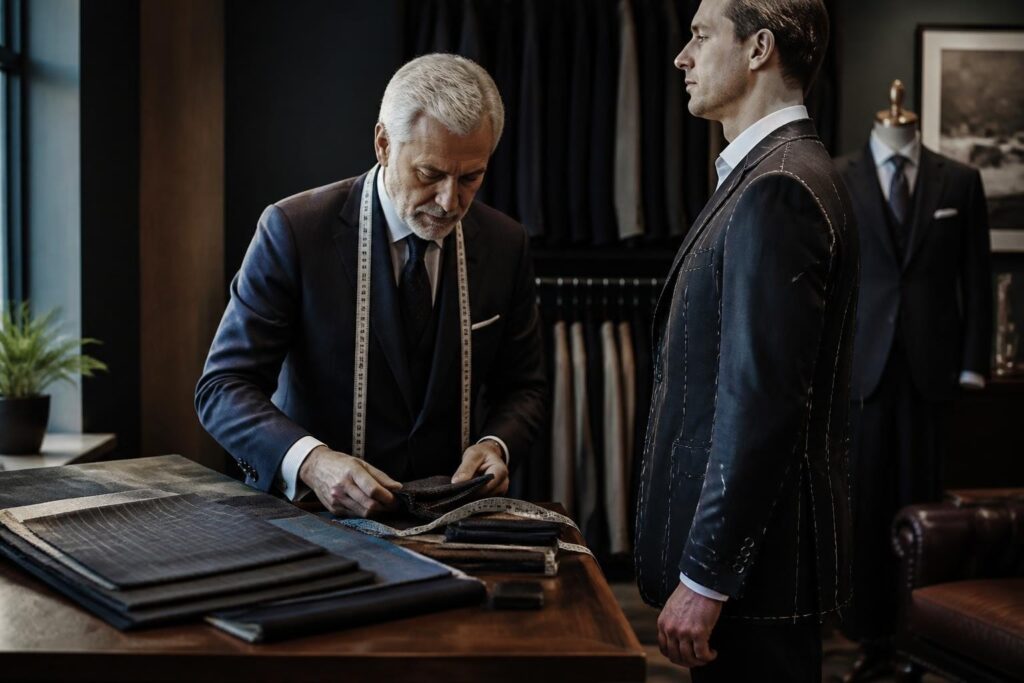
The name Savile Row has become synonymous with exceptional tailoring and impeccable craftsmanship. For centuries, this modest street in London's Mayfair district has set the global standard for suits, establishing traditions that continue to influence bespoke tailors worldwide. Understanding the techniques, history, and philosophy behind suits Savile Row offers valuable insights for anyone seeking truly exceptional tailored garments, whether in London or at renowned bespoke establishments in other parts of the world.
The Historical Foundation of Savile Row Tailoring
Savile Row's ascent to prominence began in the late 18th century when master tailors recognized the area's potential for serving London's aristocracy and wealthy clientele. What started as a residential street gradually transformed into the epicenter of British tailoring excellence. By the 19th century, the street housed some of the world's most prestigious tailoring houses, each developing unique approaches to garment construction while maintaining rigorous standards of quality.
The evolution of Savile Row reflects broader changes in men's fashion while simultaneously influencing those very trends. Tailors on this famous street pioneered techniques that became industry standards, from specific canvas constructions to distinctive lapel styles. These innovations weren't merely aesthetic choices but represented fundamental advances in how garments fit and moved with the wearer's body.
Why Location Matters in Tailoring Heritage
The concentration of expertise on a single street created an environment where knowledge transfer and competitive excellence flourished. Apprentices trained under master craftsmen for years, absorbing not just technical skills but the philosophy of perfection that defines suits Savile Row. This tradition of mentorship continues today, ensuring that centuries-old techniques remain alive even as the industry adapts to contemporary demands.
Key historical developments include:
- Establishment of the first tailoring houses in the 1790s
- Introduction of the lounge suit in the Victorian era
- Development of the English drape style in the 1930s
- Adaptation to ready-to-wear competition in the mid-20th century
- Modern revival and global expansion in the 21st century
The Bespoke Process: Creating Suits Savile Row Style
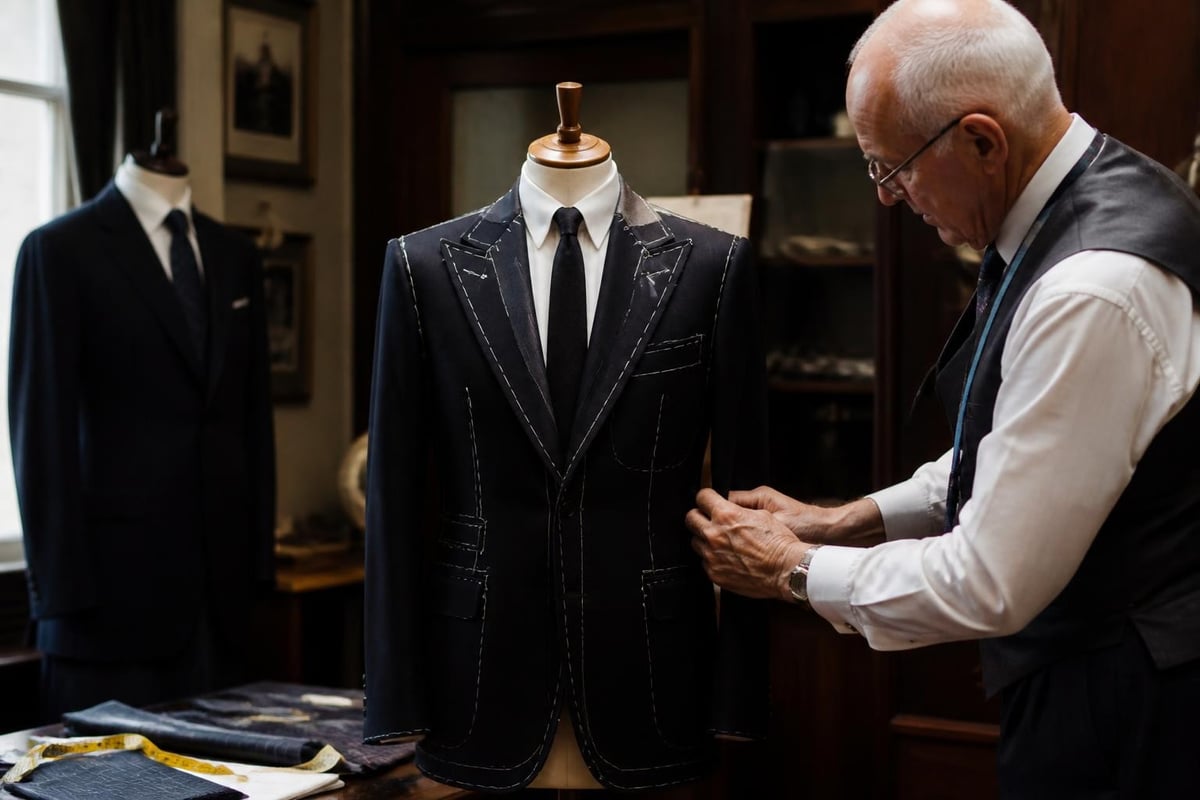
Understanding the bespoke tailoring process reveals why suits from this legendary street command premium prices and unwavering loyalty. The journey from first consultation to finished garment typically involves multiple fittings spread over several weeks or months, with each stage requiring specialized expertise and meticulous attention to detail.
The initial consultation sets the foundation for everything that follows. During this meeting, the tailor discusses the client's needs, lifestyle, preferences, and expectations. This conversation isn't merely about aesthetics but about understanding how the garment will function in the wearer's daily life. A suit designed for frequent international travel requires different considerations than one intended primarily for formal evening events.
Pattern Drafting and Individual Measurements
Unlike ready-to-wear or even made-to-measure garments, suits Savile Row begin with a completely unique pattern drafted specifically for each client. Master cutters take dozens of measurements, noting posture characteristics, shoulder slope variations, and body asymmetries that off-the-rack suits cannot accommodate. This pattern becomes the client's permanent record, allowing future orders to proceed with minimal adjustments.
The cutting process demands years of experience to execute properly. The cutter must account for how different fabrics behave, understanding that a worsted wool drapes differently than a heavier flannel. Grain lines must be precisely aligned, pattern pieces optimally positioned to minimize waste while maximizing the fabric's natural characteristics.
| Stage | Timeline | Key Activities |
|---|---|---|
| การปรึกษาเบื้องต้น | Week 1 | Measurements, style discussion, fabric selection |
| Baste Fitting | Week 3-4 | First fitting in unfinished garment, major adjustments |
| Forward Fitting | Week 5-6 | Second fitting with refined shape, detail confirmation |
| Final Fitting | Week 7-8 | Minor adjustments, finishing touches |
| Completion | Week 8-10 | Final pressing, delivery, wear instructions |
The Art of Hand Stitching
What truly distinguishes suits Savile Row from other tailored garments is the extensive handwork involved. While modern technology has automated many tailoring processes, the finest houses continue performing critical operations entirely by hand. The buttonholes, for instance, require specialized stitching that creates both durability and aesthetic appeal impossible to achieve with machines.
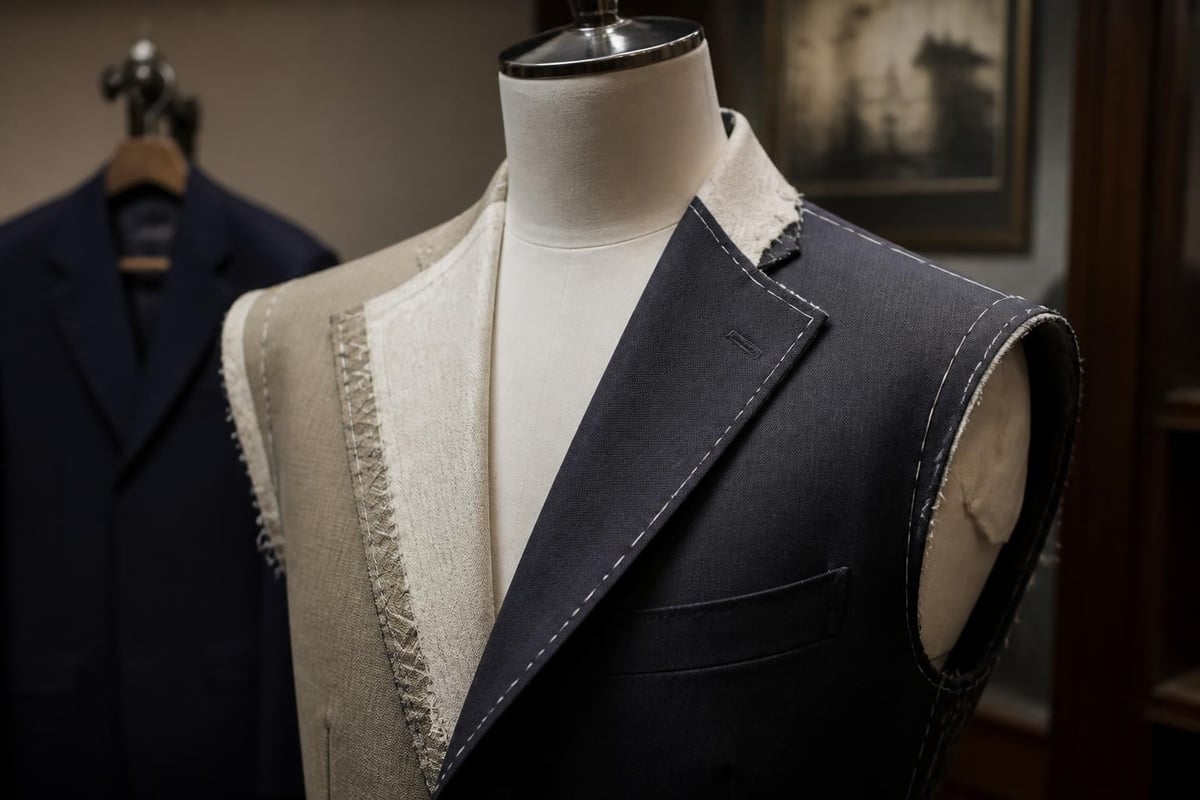
Canvas construction represents another area where handwork proves essential. The floating chest piece, constructed from horsehair canvas and hand-padded to create the suit's characteristic drape, allows the garment to mold naturally to the wearer's body over time. This living quality means a well-crafted bespoke suit actually improves with wear, developing a unique character that reflects its owner.
Distinctive Style Elements and Construction Techniques
The English style that defines suits Savile Row incorporates several signature elements that distinguish these garments from Italian, American, or other tailoring traditions. The structured shoulder, achieved through careful padding and canvas work, creates a defined silhouette without appearing rigid. The chest exhibits a gentle drape that adds dimension while maintaining clean lines.
The English Drape and Structured Elegance
The English drape, refined during the 1930s by master tailors like Frederick Scholte, remains one of the most recognizable features of Savile Row tailoring. This technique creates subtle fullness across the chest that allows freedom of movement while maintaining an elegant shape. The construction requires precise pattern work and skilled pressing to achieve the characteristic roll without creating unwanted bulk.
Signature construction features include:
- Roped sleeve head for dimensional shoulder line
- Full floating canvas extending through the lapel
- Hand-padded lapels with distinctive roll
- Structured waist suppression for defined silhouette
- Pick stitching on lapel edges (optional but traditional)
Understanding specialized tailoring terms helps clients communicate effectively with their tailor and appreciate the craftsmanship involved. Terms like "gorge," "break," and "suppression" refer to specific construction elements that affect both appearance and comfort.
Fabric Selection: The Foundation of Excellence
The quality of materials used in suits Savile Row directly impacts the finished garment's appearance, durability, and wearing comfort. Savile Row tailors maintain relationships with the world's finest mills, often receiving exclusive access to limited production runs or custom weaves. These fabrics represent centuries of textile development, with mills perfecting yarn blends, weave structures, and finishing processes.
Super numbers indicate wool fiber fineness, with higher numbers representing finer yarns. However, experienced tailors understand that higher super numbers don't automatically translate to better suits. A Super 150s fabric offers luxurious softness and drape but may lack the durability required for frequent wear. Conversely, a Super 110s worsted provides excellent resilience for business suits worn regularly.
Seasonal Considerations and Fabric Weight
Proper fabric selection accounts for both climate and wearing occasions. Tropical-weight wools, typically ranging from 7 to 9 ounces, provide comfort in warm conditions while maintaining professional appearance. Mid-weight fabrics between 10 and 13 ounces serve as versatile year-round options in temperate climates. Heavier flannels and tweeds above 14 ounces deliver warmth and texture for cooler seasons.
| ประเภทของผ้า | Weight Range | Best Applications | Key Characteristics |
|---|---|---|---|
| Tropical Wool | 7-9 oz | Summer suits, warm climates | Breathable, lightweight, wrinkle-prone |
| Four-Season Worsted | 10-13 oz | Year-round business suits | Versatile, durable, crisp appearance |
| Flannel | 13-16 oz | Autumn/winter suits | Soft texture, warmth, casual elegance |
| Tweed | 14-18 oz | Country suits, sport coats | Textured, extremely durable, informal |
Fabric patterns and colors require careful consideration relative to the client's existing wardrobe and intended use. While a navy or charcoal solid provides maximum versatility, subtle patterns like herringbone or birdseye add visual interest without compromising formality. Bolder choices like windowpane checks or glen plaids make stronger style statements appropriate for less conservative environments.
The Global Influence of Savile Row Craftsmanship
The techniques and standards established on this famous London street have influenced tailoring traditions worldwide. From Japanese tailors who studied Savile Row methods to incorporate into their own refined aesthetic, to American tailors who adapted the English drape for different body types and cultural preferences, the impact extends far beyond Britain's shores.
Adapting Traditional Techniques to Modern Contexts
Contemporary bespoke tailors face the challenge of maintaining traditional standards while addressing modern needs. Business travelers require suits that resist wrinkles during long flights. Younger clients often prefer slightly more relaxed silhouettes than their fathers favored. The ability to preserve traditional bespoke techniques while adapting to changing preferences distinguishes truly skilled tailors from those merely following trends.
Technology has entered even the most traditional tailoring houses, though not always in obvious ways. Computer-aided pattern systems supplement rather than replace hand drafting expertise. Digital records preserve client measurements and preferences across decades. However, the fundamental relationship between tailor and client, and the handwork that creates exceptional garments, remains unchanged.
Pricing and Value in Bespoke Tailoring
Suits Savile Row typically start around £4,000 to £6,000 and can easily exceed £10,000 for houses with royal warrants or particularly prestigious reputations. These prices reflect not only materials and labor but also the expertise, overhead, and prestige associated with famous addresses. Understanding what drives these costs helps clients make informed decisions about their tailoring investments.
The labor component alone justifies significant expense. A single bespoke suit requires approximately 60 to 80 hours of skilled work, from initial pattern drafting through final pressing. When considering master craftsmen earning professional wages, the labor cost becomes substantial before accounting for fabric, overheads, or profit margins.
Cost factors include:
- Master cutter consultation and pattern drafting
- Fabric from prestigious mills (often £100-300 per meter)
- Multiple fittings requiring tailor time
- Extensive handwork by skilled coat makers and finishers
- Prime location rent and business overheads
- Reputation and exclusivity premiums
Cost Versus Investment Perspective
Evaluating bespoke suits purely on initial cost misses the longevity and value proposition these garments offer. A well-maintained bespoke suit can provide excellent service for decades, unlike ready-to-wear alternatives requiring replacement every few years. The superior fit also means clients actually wear these suits more frequently than less comfortable alternatives relegated to closet backs.
Making Informed Choices About Bespoke Tailoring
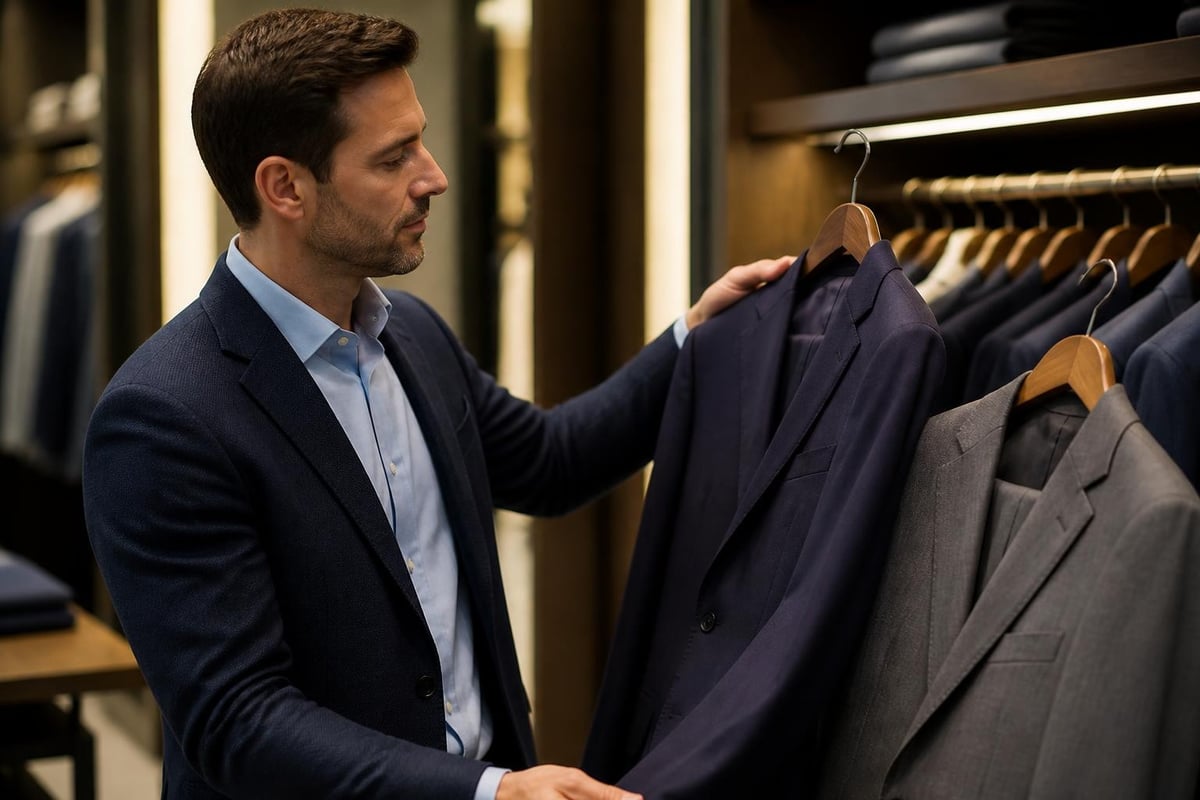
Whether commissioning suits on Savile Row itself or working with skilled tailors elsewhere who employ similar techniques, clients benefit from understanding what distinguishes truly bespoke work from made-to-measure or custom alternatives. The terminology itself creates confusion, with "bespoke" sometimes applied to garments that don't meet traditional standards.
Authentic bespoke tailoring involves creating a unique pattern from individual measurements, cutting fabric specifically for that pattern, and conducting multiple fittings where substantial alterations remain possible. Made-to-measure operations modify existing patterns to approximate client measurements, offering limited customization within predetermined parameters. Custom or semi-bespoke falls somewhere between, often involving individual cutting but less extensive handwork.
Questions to Ask Your Tailor
Informed clients ask specific questions about construction methods, handwork extent, and the fitting process. How many fittings does the process include? What proportion of the suit involves hand stitching versus machine work? Will the pattern be kept for future orders? These questions reveal whether you're receiving genuine bespoke tailoring or a more limited service.
Understanding house styles helps match clients with appropriate tailors. Some Savile Row establishments maintain traditional English drape aesthetics, while others have evolved toward softer Italian influences or contemporary minimal approaches. Requesting to see completed examples and discussing style preferences during initial consultations prevents mismatched expectations.
The Experience Beyond the Garment
Commissioning suits Savile Row style represents more than acquiring clothing. The process itself provides value through personalized consultation, education about style and fit, and the satisfaction of participating in a centuries-old craft tradition. This experiential component explains why many clients continue returning to their chosen tailors despite having closets full of suits.
The relationship between tailor and client often extends across decades, with measurements and preferences recorded and refined over multiple commissions. Tailors learn their clients' evolving needs, bodies, and tastes, offering increasingly personalized service. This continuity creates efficiency, as subsequent suits require fewer fittings and less discussion about fundamental preferences.
Maintenance and Longevity
Proper care extends the life of bespoke suits significantly. Regular brushing removes surface dirt before it embeds in fabric. Cedar hangers maintain shoulder shape without stretching. Professional dry cleaning should occur sparingly, as chemicals and pressing gradually degrade even the finest fabrics. Many tailors offer periodic pressing services that refresh garments without harsh chemical processes.
Minor repairs and alterations throughout a suit's life demonstrate another advantage of bespoke construction. Weight fluctuations can be accommodated by letting out or taking in seams. Worn linings replace easily without disturbing outer fabric. Updated lapel widths or trouser legs modernize vintage suits. These alterations prove more successful with bespoke construction than ready-to-wear garments offering less fabric allowance and simpler construction.
Regional Interpretations of Savile Row Standards
While suits Savile Row set the benchmark, skilled tailors worldwide have adapted these standards to local contexts, climates, and aesthetic preferences. Thai bespoke tailors, for instance, have developed particular expertise in tropical-weight suiting appropriate for Southeast Asian conditions while maintaining construction standards derived from British tradition. These adaptations demonstrate how foundational techniques translate across different environments.
Climate significantly influences fabric selection and construction details. Unlined or half-lined jackets provide greater comfort in tropical heat while maintaining structured appearance. Lighter canvas weights reduce thermal load without sacrificing shape. These modifications require deep understanding of both traditional techniques and local requirements.
Building Your Tailored Wardrobe
Strategic wardrobe building prioritizes versatile foundations before exploring specialized garments. A navy suit in mid-weight wool provides maximum utility, appropriate for business meetings, formal events, and even smart casual occasions when worn as separates. Charcoal or medium gray follows as a second acquisition, offering similar versatility in different tonal range.
Subsequent additions can explore patterns, textures, and seasonal variations. A summer-weight tan or light gray suit addresses warm weather needs. A flannel suit in brown or green tones serves autumn and winter while offering more casual elegance than business worsteds. Sport coats in tweed or textured fabrics combine with existing suit trousers for expanded wardrobe combinations.
The standards and techniques that define suits Savile Row continue influencing exceptional tailoring worldwide, establishing benchmarks for construction quality, fit precision, and enduring style. Whether you commission your bespoke garments on that famous London street or work with skilled tailors elsewhere who uphold similar traditions, understanding what distinguishes truly exceptional tailoring ensures you receive genuine value. With over 30 years of experience creating meticulously crafted bespoke suits using world-class fabrics and time-honored techniques, Alex’s Fashion brings this same dedication to excellence to clients in Ao Nang, Krabi, offering personalized service and exceptional craftsmanship that honors the finest tailoring traditions.