
 TH
TH  EN
EN  FR
FR  DE
DE 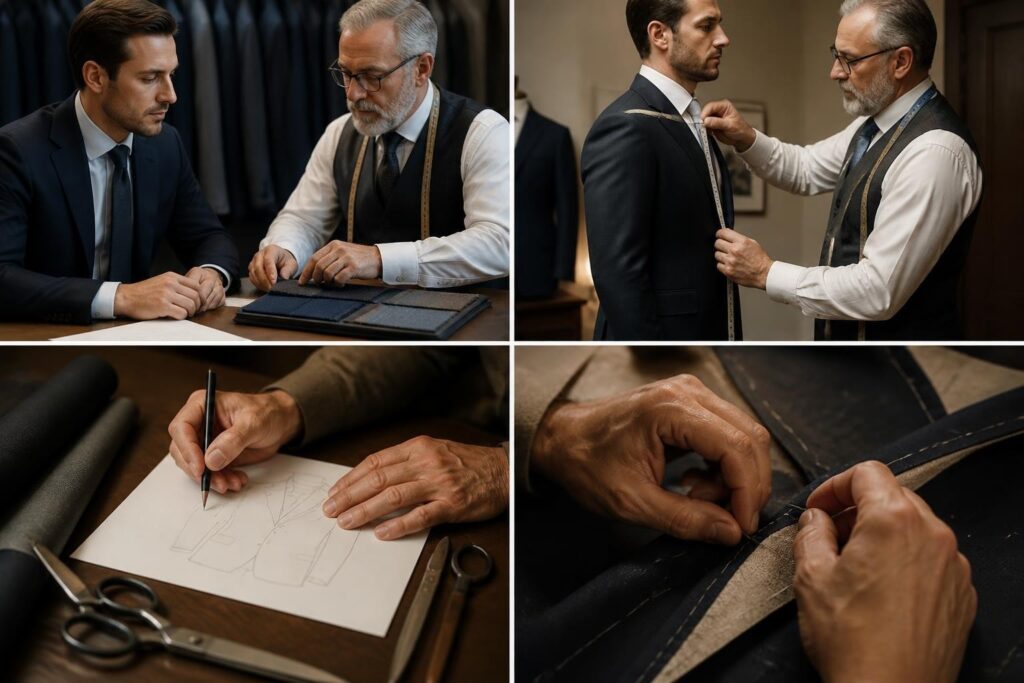
The world of custom clothing has evolved dramatically, yet the timeless craft of bespoke tailoring remains the pinnacle of sartorial excellence. A bespoke tailor creates garments uniquely designed for each individual client, combining centuries-old techniques with modern precision to deliver unmatched fit, quality, and personalization. Unlike ready-to-wear or made-to-measure alternatives, true bespoke tailoring represents a collaborative journey between craftsperson and client, resulting in clothing that reflects both personal style and perfect proportions. This dedication to craftsmanship continues to thrive in 2026, with discerning customers worldwide seeking the expertise of skilled tailors who understand that exceptional clothing begins with exceptional service.
Understanding the Bespoke Tailoring Tradition
The term "bespoke" originates from the practice of fabric being "spoken for" by a customer, reserved exclusively for their garment. This rich history of bespoke tailoring traces back to London's Savile Row, where master craftspeople established standards that continue to define the industry today.
True bespoke tailoring distinguishes itself through complete customization. Every element, from pattern creation to final stitching, centers on the individual client's measurements, posture, and preferences. A bespoke tailor drafts patterns from scratch rather than modifying existing templates, ensuring the garment complements the wearer's unique body shape.
Key Characteristics of Bespoke Work
The hallmarks of genuine bespoke tailoring include:
- Individual pattern drafting created specifically for each client
- Multiple fittings throughout the construction process (typically three or more)
- Hand-sewn details including buttonholes, lapels, and internal construction
- Personal consultation to understand lifestyle, preferences, and requirements
- Premium fabric selection from world-class mills and suppliers
- Complete customization of every design element
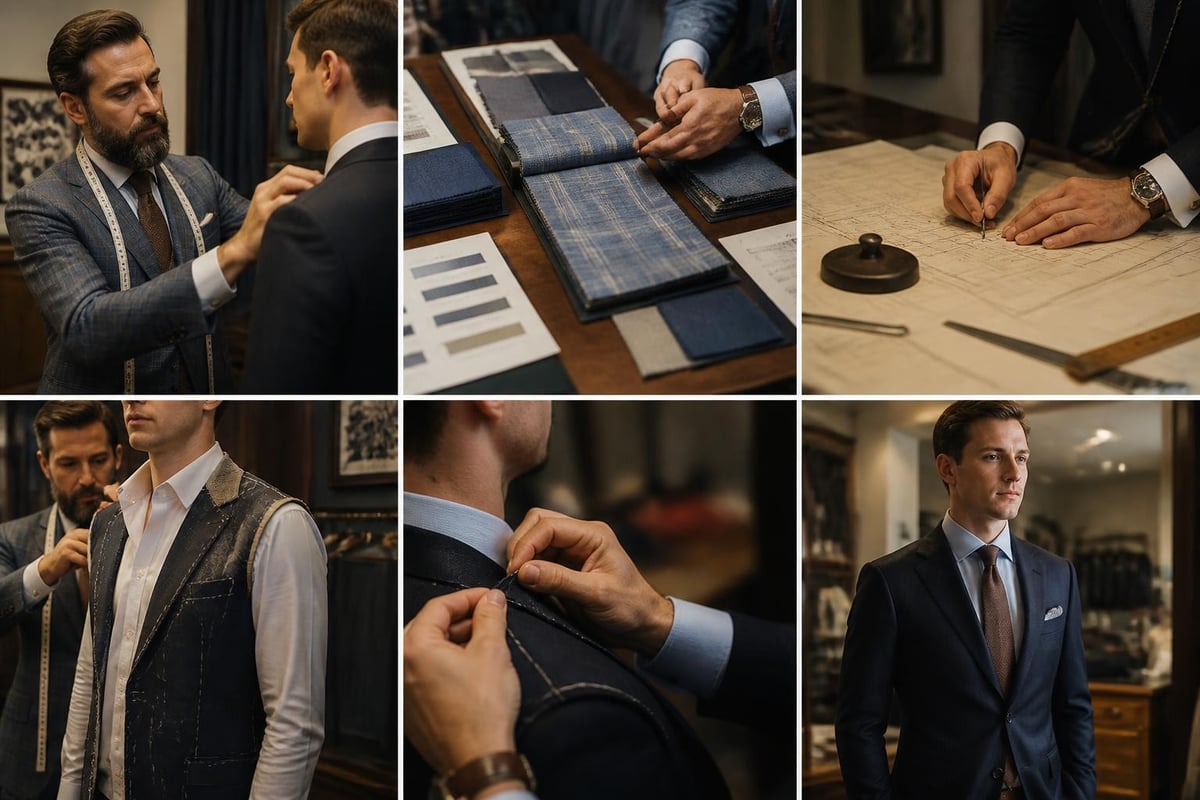
Organizations like the World Federation of Master Tailors work to preserve these traditional standards while supporting craftspeople worldwide. Their certification programs ensure that the term "bespoke" maintains its meaning in an industry where terminology often becomes diluted.
The Bespoke Tailoring Process Explained
Creating a bespoke garment requires patience, skill, and collaboration. The process typically spans several weeks to months, depending on garment complexity and the number of pieces being created.
Initial Consultation and Measurement
The journey begins with an in-depth consultation. During this meeting, a skilled bespoke tailor discusses the client's needs, occasion requirements, style preferences, and budget considerations. This conversation establishes the foundation for everything that follows.
Measurements extend far beyond basic sizing. A professional tailor records dozens of precise measurements, accounting for posture variations, shoulder slopes, and body asymmetries. These details ensure the finished garment drapes perfectly and moves naturally with the wearer.
Fabric Selection and Design Choices
Clients explore fabric options ranging from classic wools to luxurious linens and innovative blends. The tailor provides guidance on fabric weight, pattern, and texture based on intended use and climate considerations. In tropical locations like Krabi, Thailand, breathable fabrics and construction techniques become particularly important.
| Design Element | Customization Options | Considerations |
|---|---|---|
| Lapel Style | Notch, peak, shawl | Face shape, formality |
| Button Configuration | Single-breasted, double-breasted | Body type, occasion |
| Pocket Design | Flap, patch, jetted | Functionality, style |
| Lining Choice | Full, half, unlined | Climate, comfort |
| Vent Style | Center, side, no vent | Movement, preference |
Pattern Creation and First Fitting
Using the recorded measurements, the bespoke tailor drafts a unique pattern. This pattern serves as the blueprint for cutting fabric pieces that will form the garment structure.
The first fitting typically occurs with a "basted" garment, where pieces are temporarily stitched together. This allows the tailor to assess fit, make adjustments, and ensure proper drape before permanent construction begins. Clients should expect to provide honest feedback during this critical stage.
Comparing Bespoke to Other Tailoring Methods
Understanding the differences between tailoring approaches helps clients make informed decisions about their clothing investments.
Bespoke vs. Made-to-Measure
Made-to-measure services modify existing patterns to accommodate individual measurements. While this approach offers more customization than ready-to-wear options, it lacks the complete individualization of bespoke work. A true bespoke tailor creates patterns from scratch, addressing unique body characteristics that standardized patterns cannot accommodate.
Made-to-measure typically requires fewer fittings and costs less than bespoke tailoring. For clients with relatively standard proportions, this option may provide satisfactory results. However, those with specific fit challenges or exacting standards benefit significantly from the bespoke approach.
The Value Proposition
Bespoke garments represent significant investments, with prices reflecting the intensive labor, premium materials, and specialized expertise required. The fundamentals of bespoke tailoring demonstrate why these garments command premium pricing.
Consider the long-term value:
- Superior fit eliminates the need for subsequent alterations
- Exceptional construction ensures garments last decades with proper care
- Timeless design transcends seasonal fashion trends
- Personal expression through completely customized styling
- ความยั่งยืน as quality garments reduce consumption over time
Essential Skills of Master Tailors
The craftsmanship found on Savile Row requires years of training and continuous refinement. A skilled bespoke tailor possesses technical expertise, artistic sensibility, and interpersonal abilities.
Technical Proficiency
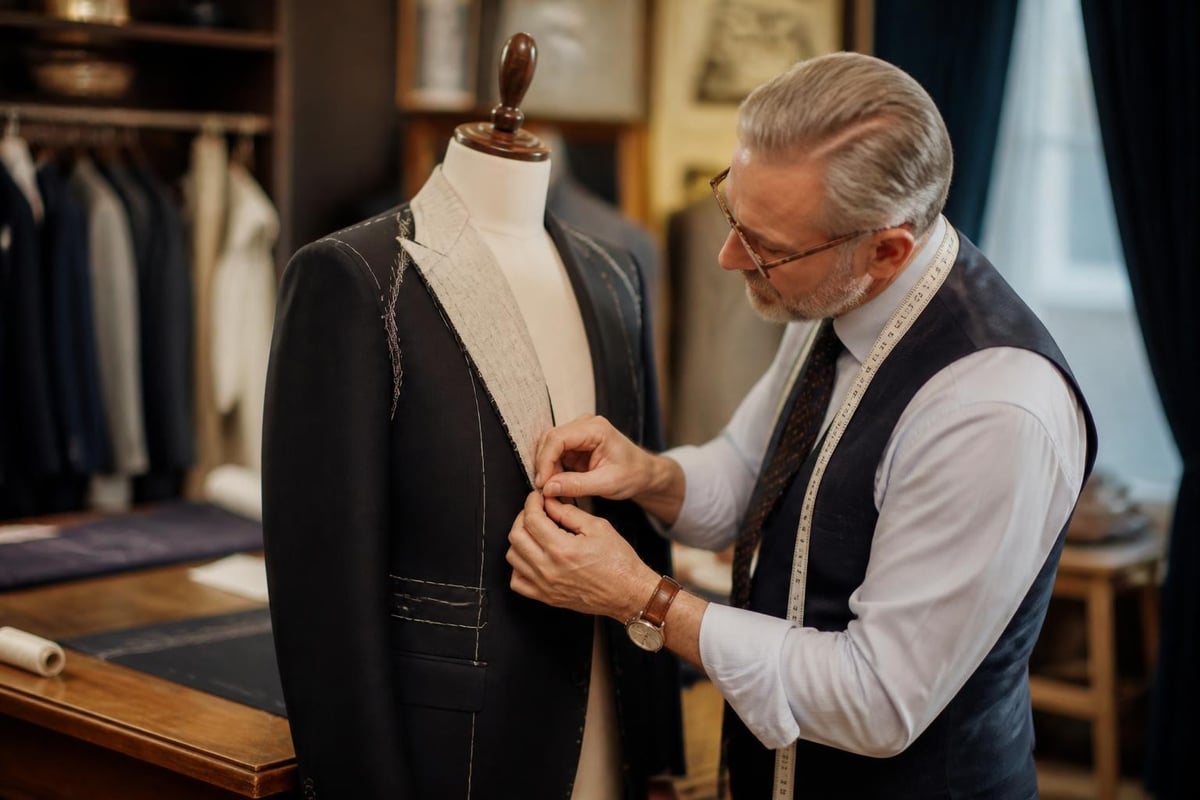
Master tailors understand garment construction at a molecular level. They recognize how different fabrics behave, how to compensate for body asymmetries, and which techniques suit specific garment types. Hand-sewing skills remain essential, particularly for canvas work, pad stitching, and buttonholes that machines cannot replicate with the same quality.
Pattern drafting combines mathematical precision with artistic judgment. The tailor must translate three-dimensional body shapes onto two-dimensional patterns, accounting for fabric properties and desired silhouettes. This skill develops over years of practice and represents the cornerstone of bespoke work.
Client Communication and Style Consultation
Technical skills alone do not make an exceptional bespoke tailor. The ability to understand client needs, offer appropriate guidance, and manage expectations throughout the process proves equally important. Effective tailors listen carefully, ask insightful questions, and translate verbal descriptions into tangible design decisions.
Style consultation requires knowledge of proportion, color theory, and current appropriateness standards. The tailor helps clients navigate choices while respecting personal preferences, creating garments that feel authentic to the wearer rather than costumes.
Selecting the Right Bespoke Tailor
Choosing a bespoke tailor represents an important decision that impacts both immediate satisfaction and long-term wardrobe success. Several factors deserve consideration during this selection process.
Experience and Specialization
Years of experience provide valuable context, but specialization matters equally. Some tailors excel at formal suiting, while others specialize in casual wear or specific garment types. Review portfolios, examine finished garments when possible, and ask about training background.
The specialized vocabulary of tailoring can feel intimidating initially. A quality bespoke tailor explains terminology clearly and ensures clients understand the process without overwhelming them with jargon.
Portfolio and Client References
Examine previous work to assess style range and construction quality. Look for clean finishing, precise pattern matching, and thoughtful details. Client testimonials provide insight into the working relationship, communication style, and overall satisfaction.
Questions to ask during consultations:
- How many fittings does your process typically include?
- What percentage of your work involves hand-sewing versus machine construction?
- How do you source your fabrics?
- What is your typical timeline from consultation to delivery?
- Do you offer alteration services as garments age or body shapes change?
สถานที่ตั้งและการเข้าถึง
While destination tailoring has become increasingly popular, practical considerations matter. Multiple fittings require either proximity or the ability to travel. Some clients visiting Ao Nang, Krabi specifically seek out experienced tailors like those at Alex’s Fashion, combining vacation with wardrobe development.
Virtual consultations and remote fittings have expanded in recent years, though they cannot fully replace in-person assessment. For optimal results, particularly with first-time bespoke clients, face-to-face fittings remain preferable.
Bespoke Tailoring for Different Garment Types
While suits often dominate bespoke discussions, skilled tailors create diverse wardrobe pieces using the same personalized approach.
Custom Shirts and Formal Wear
Bespoke shirts address fit challenges that plague ready-to-wear options. Collar height, sleeve length, body taper, and cuff style all receive individual attention. A well-fitted shirt enhances appearance while providing comfort throughout extended wear.
Formal wear including dinner jackets, morning coats, and dress trousers benefit particularly from bespoke construction. These occasion-specific garments demand precise fit and appropriate styling that off-the-rack alternatives rarely achieve.
Casual and Specialty Garments
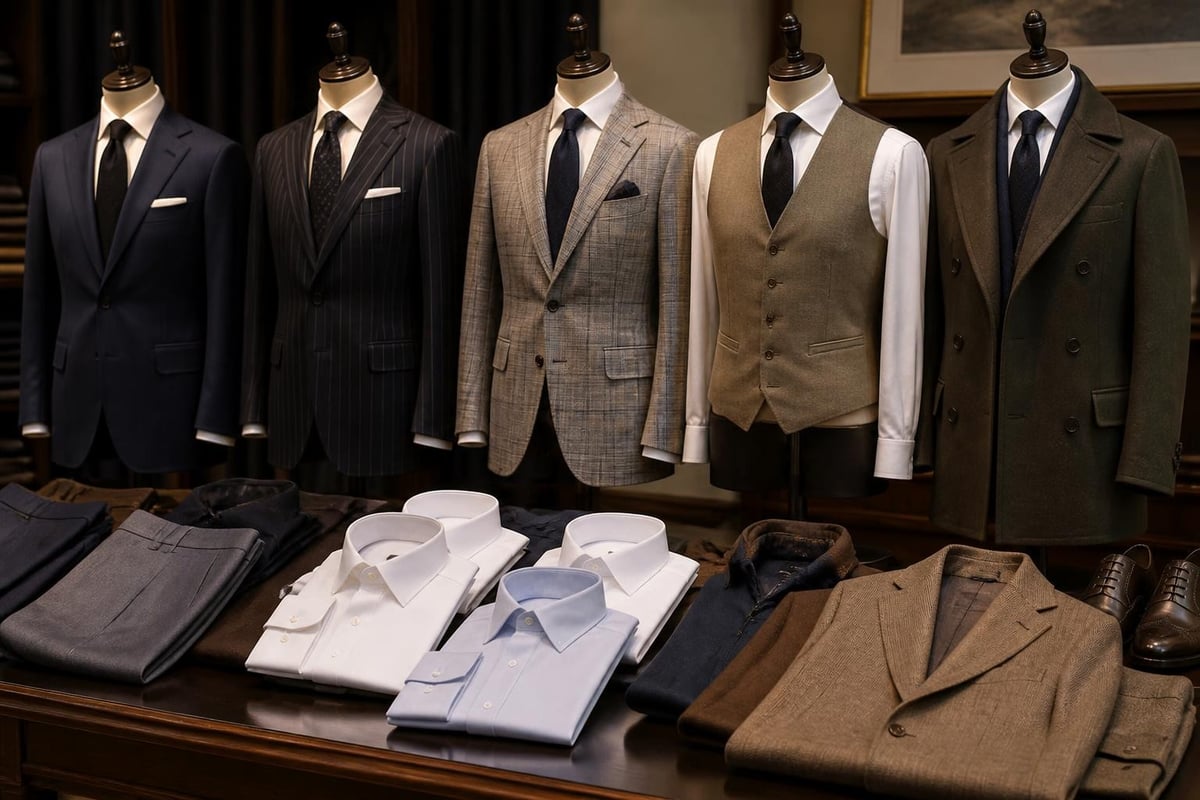
The principles of bespoke tailoring extend beyond business attire. Custom sports jackets, casual trousers, overcoats, and even shorts can be created using the same meticulous approach. A skilled bespoke tailor adapts techniques to suit garment formality while maintaining construction standards.
| ประเภทเสื้อผ้า | Typical Timeline | Fitting Sessions | Key Customization Points |
|---|---|---|---|
| Two-Piece Suit | 6-8 weeks | 3-4 | Lapel style, button stance, pocket details, lining |
| Dress Shirt | 3-4 weeks | 2 | Collar height, cuff style, body fit, placket type |
| Overcoat | 8-10 weeks | 3-4 | Length, shoulder padding, closure type, vents |
| Trousers | 4-5 weeks | 2-3 | Rise, leg taper, pleats, waistband finish |
| Waistcoat | 4-6 weeks | 2-3 | Point depth, back style, pocket placement |
การดูแลเสื้อผ้าสั่งตัดพิเศษ
Investment in bespoke clothing demands proper maintenance to ensure longevity. These garments, constructed with superior materials and techniques, can last decades when properly cared for.
Daily Maintenance Practices
Allow garments to rest between wearings. Hang suits on shaped wooden hangers that support shoulder structure. Brush fabric after each use to remove surface dust and restore nap. Address stains promptly using appropriate spot-cleaning techniques rather than delaying until they set permanently.
Rotation extends garment life significantly. A bespoke tailor often recommends building a rotation of multiple pieces rather than wearing the same garment repeatedly. This practice allows fabrics to recover their shape and reduces wear concentration.
Professional Cleaning and Alterations
Dry cleaning should occur only when necessary, as chemicals and pressing gradually degrade fabrics. For wool garments, steaming and brushing often suffice for freshening between cleanings. When professional cleaning becomes necessary, choose specialists familiar with high-quality tailored clothing.
Body changes over time affect fit. A quality bespoke tailor typically offers alteration services to adjust garments as needed. Many tailors include minor adjustments in their original pricing, recognizing that perfect fit may require refinement as garments settle into regular wear.
The Future of Bespoke Tailoring
Traditional craftsmanship continues evolving while maintaining core principles that define excellence. In 2026, bespoke tailors balance heritage techniques with modern tools and customer expectations.
Technology Integration
Digital measurement systems supplement traditional methods, providing precise data that informs pattern creation. Computer-aided design tools help visualize styling options before cutting expensive fabrics. However, these technologies enhance rather than replace the tailor's expertise and hand skills.
Three-dimensional body scanning offers detailed mapping of body contours, particularly useful for clients unable to attend multiple in-person fittings. The data supplements but does not eliminate the need for skilled interpretation and adjustment during the fitting process.
Sustainability and Conscious Consumption
Growing awareness of fashion's environmental impact has renewed appreciation for bespoke tailoring's inherent sustainability. Creating garments designed to last decades directly opposes fast fashion's disposable mentality. A bespoke tailor promotes mindful consumption through quality, repairability, and timeless design.
Many tailors now emphasize fabric sourcing transparency, offering organic and recycled materials alongside traditional options. This alignment with environmental values attracts clients who seek both quality and ethical production.
Preserving Traditional Skills
Training institutions like the Savile Row Bespoke Academy work to ensure tailoring knowledge transfers to new generations. These programs maintain rigorous standards while adapting teaching methods for contemporary learners. The future of bespoke tailoring depends on attracting talented individuals to a demanding but rewarding craft.
Apprenticeship models remain valuable, allowing aspiring tailors to learn through hands-on experience under master craftspeople. This traditional approach develops skills and judgment that classroom instruction alone cannot provide.
Regional Variations in Bespoke Tailoring
Different tailoring traditions have developed distinct characteristics while sharing fundamental principles. Understanding these variations helps clients select approaches that match their aesthetic preferences.
British, Italian, and Asian Styles
British tailoring emphasizes structured shoulders, defined waists, and precise military-inspired construction. Italian tailoring typically features softer construction, natural shoulders, and flowing drape. Asian tailoring traditions often incorporate elements from both while adding regional innovations suited to local climates and preferences.
In tropical regions like Thailand, bespoke tailors adapt construction techniques for comfort in warm, humid conditions. Unlined or half-lined jackets, lighter-weight fabrics, and strategic ventilation features address climate challenges while maintaining elegant appearance.
Regional tailoring characteristics:
- บริติช: Roped shoulders, heavy canvas, structured silhouette
- อิตาลี: Soft shoulder, minimal padding, fluid drape
- Neapolitan: High armholes, lightweight construction, shirt-like feel
- อเมริกัน: Natural shoulder, sack suits, relaxed fit
- Asian: Climate-adapted construction, precise detailing, versatile styling
The best bespoke tailor understands multiple traditions and adapts techniques to client preferences rather than rigidly adhering to single-school orthodoxy.
Selecting a bespoke tailor represents an investment in quality, fit, and personal expression that ready-made clothing simply cannot match. The collaboration between skilled craftsperson and client produces garments that elevate both appearance and confidence while lasting for decades. Whether you're seeking your first custom suit or expanding an established wardrobe, the expertise and personalized service found at Alex’s Fashion in Ao Nang, Krabi ensures that every garment reflects your individual style and achieves the perfect fit that only true bespoke tailoring can deliver.