
 EN
EN  FR
FR  DE
DE  TH
TH 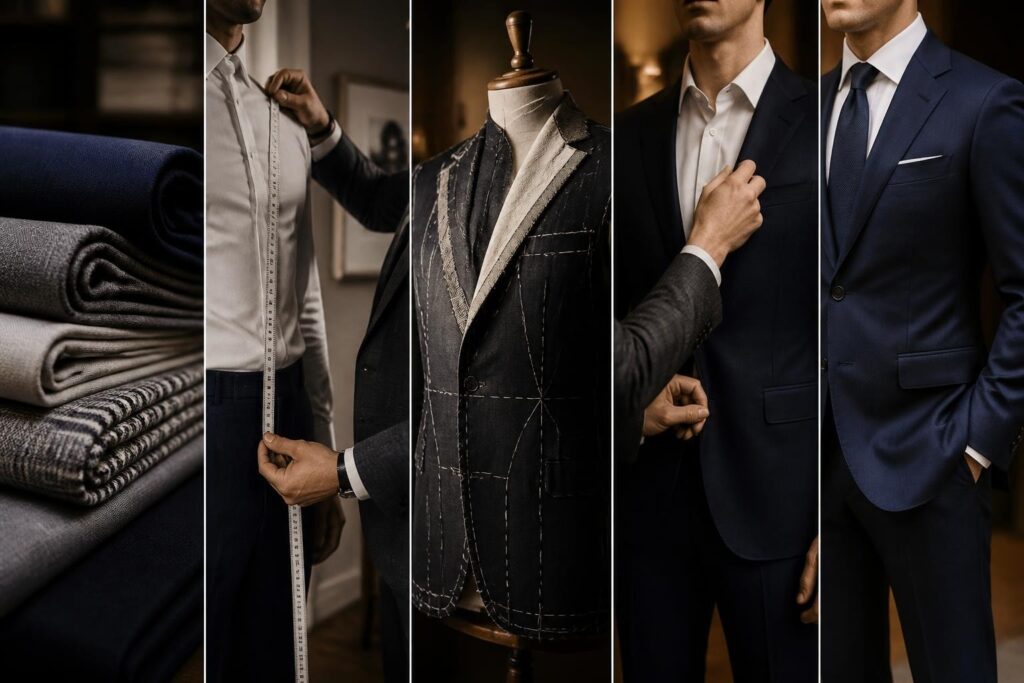
The world of custom-fitted clothing has evolved dramatically over the past few decades, yet the core principles of quality craftsmanship remain unchanged. Tailor wear represents more than just garments made to measure; it embodies a commitment to excellence, personal expression, and the perfect fusion of comfort and style. In 2026, as consumers increasingly value authenticity and individuality, bespoke tailoring continues to grow in relevance, offering discerning clients an alternative to mass-produced fashion. Whether you're seeking a sophisticated business suit, an elegant dress, or custom casual wear, understanding the nuances of tailor wear can transform your wardrobe and elevate your personal brand.
The Evolution and Significance of Custom Tailoring
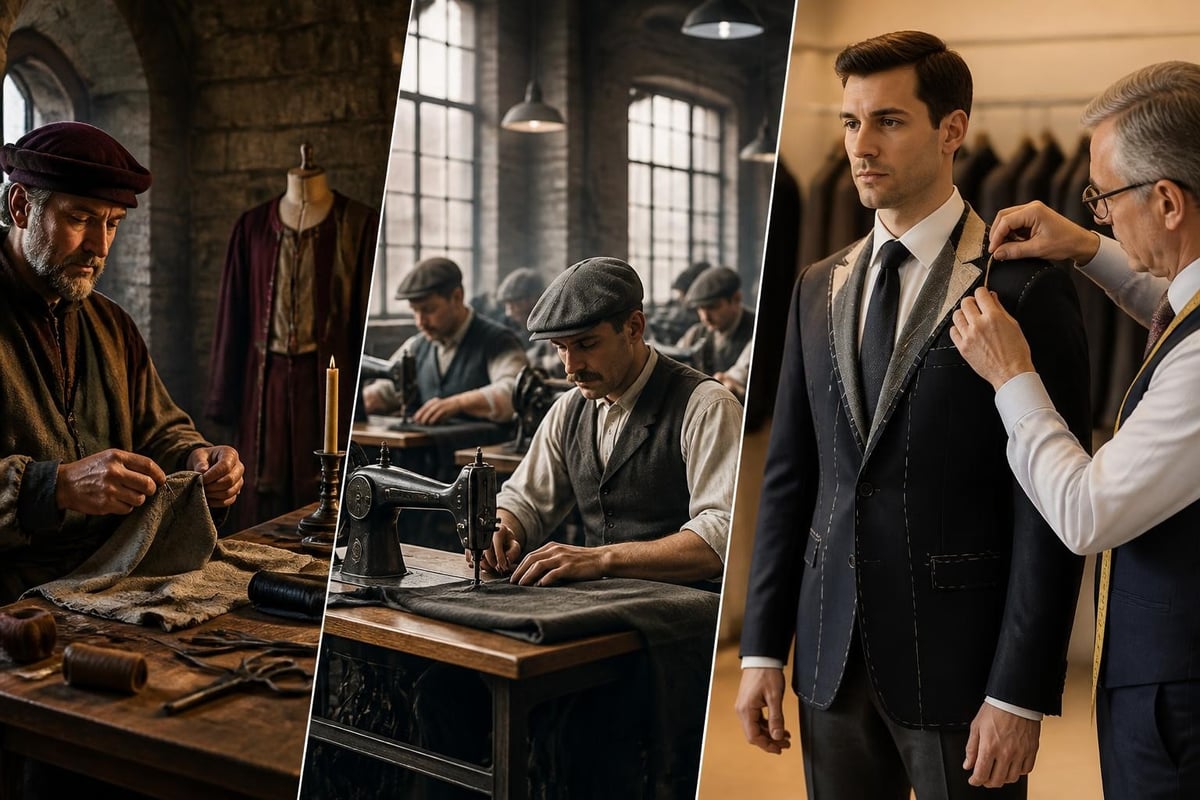
The practice of creating custom-fitted garments has deep historical roots that stretch back centuries. Tailoring as a craft emerged as a distinct profession in medieval Europe, when skilled artisans began creating fitted clothing for nobility and wealthy merchants. This tradition has evolved through the ages, adapting to changing fashion sensibilities while maintaining its fundamental commitment to quality and precision.
In 2026, the tailoring industry stands at an interesting crossroads. According to recent industry statistics, the global custom tailoring market continues to expand despite the dominance of fast fashion, with consumers increasingly willing to invest in garments that offer superior fit, longevity, and personal expression. This growth reflects a broader shift toward conscious consumption and appreciation for artisanal craftsmanship.
Why Quality Matters in Tailor Wear
The distinction between ready-to-wear and tailor wear extends far beyond simple fit. Custom tailoring offers measurable advantages that justify the investment:
- Perfect Fit: Every body is unique, and standard sizing cannot accommodate individual proportions, posture variations, and personal preferences
- Superior Construction: Hand-finished details, reinforced seams, and quality materials ensure garments last significantly longer than mass-produced alternatives
- Personal Expression: Custom design options allow complete control over fabric selection, styling details, and finishing touches
- Comfort: Properly fitted clothing moves naturally with your body, eliminating the discomfort of tight waistbands, restrictive shoulders, or excess fabric
- Professional Appearance: Well-tailored clothing projects confidence and attention to detail, crucial in business environments
The investment in tailor wear pays dividends over time. A quality bespoke suit, properly maintained, can serve you for a decade or more, whereas off-the-rack alternatives often require replacement within a few years.
Modern Trends Shaping Contemporary Tailor Wear
The landscape of bespoke tailoring has transformed significantly in recent years. Modern trends in tailoring reflect changing consumer preferences, technological innovations, and evolving lifestyle needs. Understanding these trends helps clients make informed decisions when commissioning custom garments.
Technology-Enhanced Customization
Today's tailoring studios increasingly leverage technology to enhance precision and client experience. Digital body scanning provides unprecedented accuracy in measurements, while 3D visualization tools allow clients to preview their garments before cutting fabric. However, these technological aids complement rather than replace the skilled tailor's expertise and trained eye.
Sustainable and Ethical Fabric Choices
Environmental consciousness has become a priority for many consumers in 2026. The tailor wear industry responds by offering:
- Organic and natural fabrics produced without harmful chemicals
- Recycled materials that reduce environmental impact
- Locally sourced textiles supporting regional economies
- Transparent supply chains ensuring ethical production practices
- Durable construction reducing the need for frequent replacement
These sustainable options appeal to clients who value both style and environmental responsibility.
Gender-Inclusive Design Philosophy
Contemporary tailor wear embraces inclusivity, moving beyond traditional gender-specific styling. Latest tailoring trends emphasize personal style over conventional categories, with tailors creating garments that reflect individual aesthetics regardless of traditional fashion boundaries. This approach recognizes that clothing should serve the wearer's vision and comfort.
The Bespoke Tailoring Process Explained
Understanding the journey from initial consultation to finished garment helps clients appreciate the craftsmanship involved in creating exceptional tailor wear. The process typically unfolds across several carefully orchestrated stages, each critical to the final result.
Initial Consultation and Fabric Selection
The relationship between tailor and client begins with conversation. During this first meeting, experienced tailors discuss:
- Purpose and intended use of the garment
- Style preferences and design inspiration
- Lifestyle considerations affecting fabric choice
- Budget parameters and timeline requirements
- Any specific fit challenges or customization needs
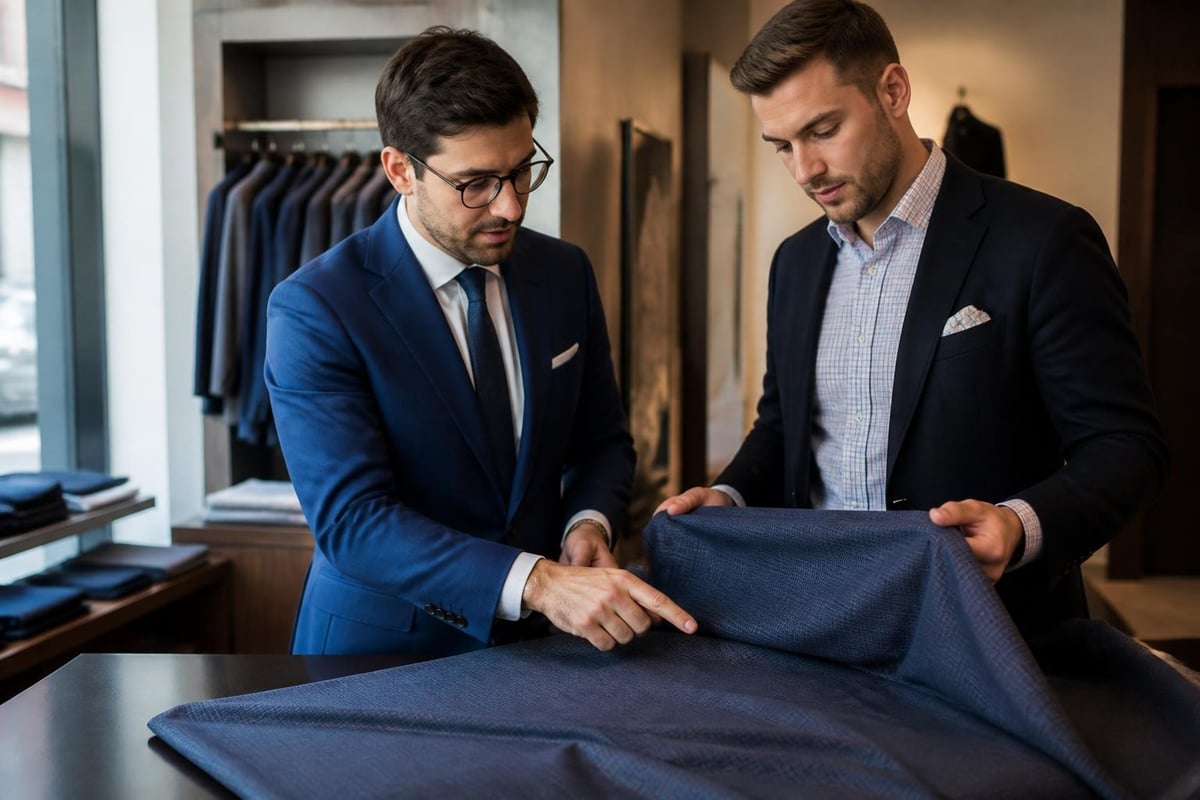
Fabric selection represents one of the most enjoyable aspects of commissioning tailor wear. Quality tailoring establishments maintain extensive fabric libraries featuring materials from renowned mills worldwide. These collections include lightweight tropical wools perfect for warm climates like Krabi, breathable linens for casual elegance, and luxurious cashmere blends for special occasions.
Precision Measurement and Pattern Creation
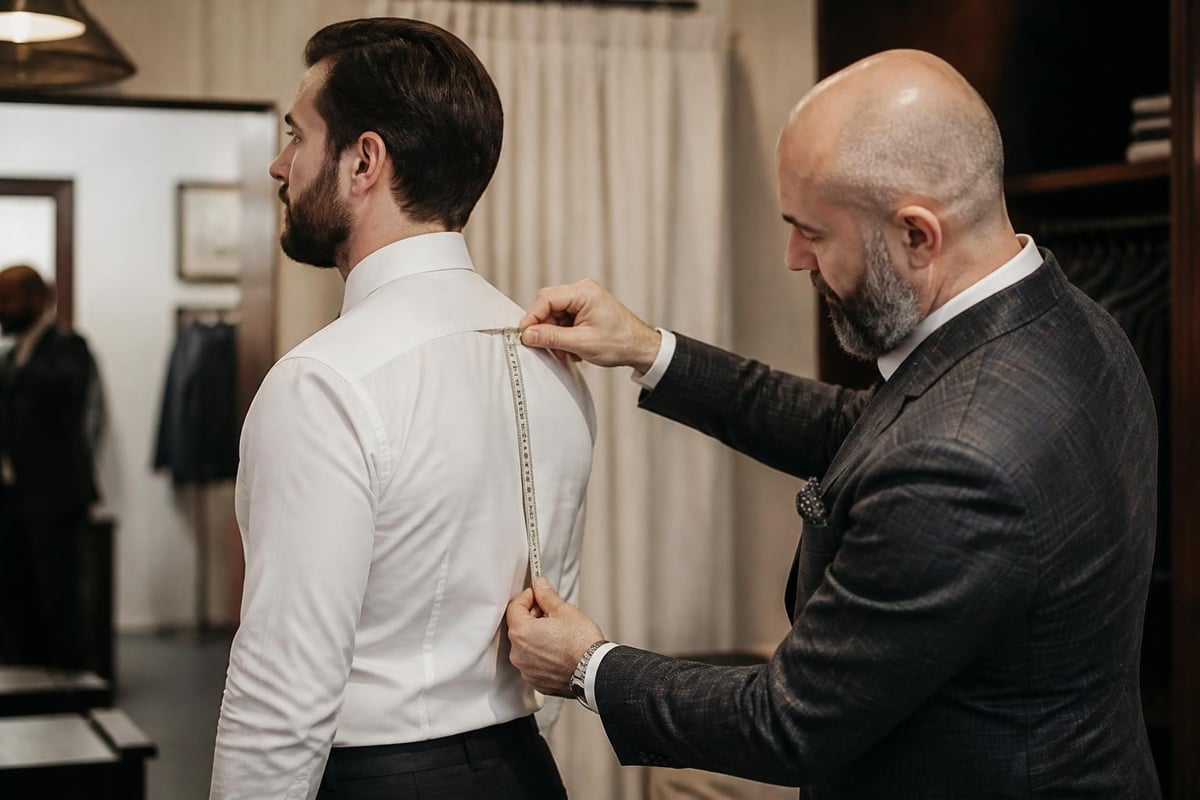
Accurate measurement forms the foundation of exceptional fit. Professional tailors typically record 30 or more individual measurements, capturing not just standard dimensions but also posture characteristics, shoulder slopes, and body asymmetries that standard sizing ignores.
| Measurement Category | Key Points Captured | Why It Matters |
|---|---|---|
| Chest and Shoulders | Width, slope, balance | Ensures jacket sits properly without pulling |
| Waist and Hips | Circumference, rise position | Creates flattering silhouette and comfort |
| Arms and Sleeves | Length, circumference, range of motion | Allows natural movement without restriction |
| Inseam and Outseam | Leg proportions, break preference | Achieves proper trouser drape and length |
| Neck and Collar | Circumference, position | Provides comfort for shirts and jackets |
From these measurements, the tailor creates a unique pattern that serves as the blueprint for your garment. This pattern becomes part of your permanent record, streamlining future orders.
Fitting Sessions and Refinement
Most tailor wear requires at least one fitting session, often two or three for complex garments. During these appointments, the tailor assesses how the partially constructed garment drapes on your body, making subtle adjustments that distinguish adequate fit from perfection. These refinements might include:
- Adjusting shoulder pitch for natural hang
- Refining waist suppression for optimal silhouette
- Modifying sleeve length and cuff positioning
- Fine-tuning trouser seat and thigh allowance
- Perfecting collar roll and lapel shape
This iterative process ensures that the finished garment meets exacting standards. Experienced tailors possess the trained eye necessary to identify and correct issues invisible to untrained observers.
Selecting the Right Tailor Wear for Different Occasions
Custom tailoring offers versatility across diverse occasions and settings. Understanding which styles and fabrics suit various contexts helps maximize the value of your investment in tailor wear.
Professional Business Attire
For corporate environments, bespoke suits remain the gold standard. Conservative styling in navy, charcoal, or mid-gray provides versatility and projects professional competence. Details to consider include:
- Two-button single-breasted jackets offer timeless elegance suitable for most business settings
- Medium-weight wool fabrics (10-11 oz) balance comfort and structure
- Subtle patterns like micro-checks or herringbone add visual interest without distraction
- Classic trouser cuts with moderate taper maintain professional appearance
Business shirts deserve equal attention. Custom-fitted dress shirts in white, light blue, and subtle patterns complement suits while ensuring comfort during long workdays.
Smart Casual and Resort Wear
In tropical destinations like Krabi, lighter tailor wear becomes essential. Linen suits, cotton blazers, and breathable tropical wool garments provide sophistication while managing heat and humidity. Options include:
- Unstructured linen jackets in natural, stone, or light blue
- Cotton-blend trousers with comfortable waistbands
- Short-sleeve custom shirts in breathable fabrics
- Lightweight sports coats for evening occasions
- Custom shorts and casual wear for relaxed settings
These garments bridge the gap between formal and casual, appropriate for resort dining, social events, and business-casual environments.
Special Occasions and Formal Events
Weddings, galas, and milestone celebrations call for exceptional tailor wear. Whether commissioning a classic tuxedo, morning suit, or elegant evening gown, bespoke tailoring ensures you look and feel your best during important moments.
The growing demand for skilled tailors reflects increased appreciation for special occasion garments that transcend fleeting trends, creating heirloom-quality pieces suitable for multiple events.
Investment Value and Long-Term Benefits
While tailor wear requires higher initial investment than ready-made alternatives, the long-term value proposition becomes clear when considering durability, versatility, and cost per wear.
Cost Analysis Over Time
Consider this comparison between custom and ready-to-wear options:
| Factor | Tailor Wear | Ready-to-Wear |
|---|---|---|
| Initial Cost | Higher ($800-3000+) | Lower ($200-800) |
| Lifespan | 10+ years with care | 2-4 years typical |
| Fit Quality | Perfect, personalized | Approximate, compromised |
| Repair Potential | Easily altered and repaired | Limited adjustment options |
| Style Longevity | Timeless, classic design | Trend-dependent |
| Cost Per Wear (5 years) | $5-15 per wear | $15-30 per wear |
The mathematics favor quality bespoke tailoring, particularly for garments worn frequently. A well-maintained custom suit worn weekly costs less per use than cheaper alternatives requiring frequent replacement.
Caring for Your Tailor Wear Investment
Proper maintenance extends garment lifespan significantly:
- Professional cleaning only when necessary, avoiding over-cleaning that damages fibers
- Proper storage using quality hangers and garment bags to maintain shape
- Rotation between garments prevents excessive wear on individual pieces
- Prompt repairs addressing minor issues before they become major problems
- Seasonal storage using breathable covers and cedar blocks for off-season garments
These practices protect your investment while maintaining the pristine appearance that distinguishes quality tailor wear.
The Role of Heritage and Craftsmanship
The enduring appeal of tailor wear connects to deep appreciation for traditional craftsmanship and artisanal skills. Historic tailors adapting to new generations demonstrate how time-honored techniques remain relevant while incorporating contemporary sensibilities.
The Master Tailor's Expertise
True mastery in tailoring requires years of dedicated practice. Skilled tailors develop:
- Visual acuity to assess fit and proportion instantly
- Technical knowledge of garment construction and fabric behavior
- Problem-solving abilities to address unique fitting challenges
- Aesthetic judgment balancing tradition with personal style
- Attention to detail ensuring flawless execution
This expertise cannot be replicated by algorithms or mass production systems. The human element remains central to exceptional tailor wear, as experienced professionals make countless micro-decisions throughout the construction process.
Preserving Traditional Techniques
While modern technology assists certain aspects of tailoring, hand-finishing techniques distinguish superior garments. These include:
- Hand-stitched buttonholes providing durability and refined appearance
- Floating canvas construction allowing natural drape and shaping
- Hand-set sleeves ensuring smooth armhole without puckering
- Hand-felled seams creating strength and clean interior finish
- Pick stitching on lapels adding subtle detail and structure
These labor-intensive methods produce garments that age gracefully, developing character rather than deteriorating with wear.
Market Trends and Consumer Preferences
Understanding current market dynamics provides context for the evolving tailor wear landscape. Market research on tailoring services indicates continued growth through 2030, driven by several factors:
Rising Professional Image Consciousness
In an increasingly competitive professional environment, personal presentation carries significant weight. The tailor-made suits market grows as professionals recognize how proper attire influences career advancement, client relationships, and personal branding. Well-fitted tailor wear communicates attention to detail, self-respect, and professional competence.
Experience-Driven Luxury
Modern consumers increasingly value experiences over possessions. The bespoke tailoring process offers a personalized luxury experience distinct from transactional retail shopping. Clients appreciate:
- Personal relationships with skilled craftspeople
- Collaborative creative process in design selection
- Educational aspects learning about fabrics and construction
- Exclusive access to premium materials and expertise
- Satisfaction of owning truly unique garments
This experiential dimension enhances the value proposition beyond the physical garment itself.
Demographic Shifts and New Markets
While traditional tailoring clientele skewed older and predominantly male, contemporary bespoke services attract diverse demographics. Women increasingly seek custom tailoring for professional wardrobes, recognizing that standard women's sizing often fits poorly. Younger professionals invest in quality tailor wear as career foundation pieces, while retirees commission comfortable, stylish garments for active lifestyles.
Regional Considerations for Tropical Climates
Location significantly influences appropriate fabric choices and styling decisions for tailor wear. In tropical environments like Thailand, specific considerations ensure comfort without sacrificing style.
Climate-Appropriate Fabric Selection
Hot, humid conditions require breathable, moisture-managing materials:
- Tropical weight wools (7-9 oz) provide structure while remaining comfortable
- Linen and linen blends offer maximum breathability for casual tailoring
- Cotton and cotton-silk combinations balance comfort with wrinkle resistance
- Bamboo and modern technical fabrics provide moisture-wicking properties
- Open-weave constructions promote air circulation
These materials maintain professional appearance despite challenging climate conditions.
Construction Adaptations
Beyond fabric selection, garment construction should accommodate warm weather:
- Half-lined or unlined jackets reduce weight and heat retention
- Lighter interfacing maintains structure without adding bulk
- Working sleeve buttonholes allow cuff rolling for ventilation
- Higher armholes improve air circulation and reduce fabric contact
- Natural shoulders without heavy padding increase comfort
These modifications create tailor wear perfectly suited to tropical professional and social contexts, explaining why businesses like Alex’s Fashion have thrived in resort destinations by understanding local needs.
The Personal Transformation of Proper Fit
Beyond practical benefits, well-fitted tailor wear produces psychological effects worth considering. Clothing that fits properly transforms how you move, stand, and present yourself to the world.
Confidence and Self-Perception
When garments fit correctly, you stop thinking about your clothing. Eliminating constant adjustments, tugging at ill-fitting waistbands, or worrying about appearance allows complete focus on interactions and activities. This unconscious comfort translates to increased confidence and more authentic self-presentation.
Social and Professional Impact
Others perceive well-dressed individuals differently. Research consistently demonstrates that appropriate, well-fitted attire influences:
- First impressions in professional and social settings
- Perceived competence and trustworthiness
- Treatment received in service environments
- Career advancement opportunities
- Personal and professional relationship development
While superficial, these perceptions carry real-world consequences. Investing in quality tailor wear becomes an investment in how others perceive and respond to you.
Tailor wear represents an investment in quality, individuality, and timeless style that transcends fast fashion's temporary appeal. Understanding fabric selection, construction techniques, and proper fit empowers you to make informed decisions when commissioning custom garments. With over 30 years of experience creating bespoke clothing for men, women, and children, Alex’s Fashion combines traditional craftsmanship with contemporary styling to deliver exceptional tailor wear perfectly suited to both tropical climates and sophisticated tastes. Whether you need professional business attire, elegant special occasion wear, or comfortable resort clothing, expert tailors ensure every garment exceeds expectations through personalized service and meticulous attention to detail.