
 EN
EN  FR
FR  DE
DE  TH
TH 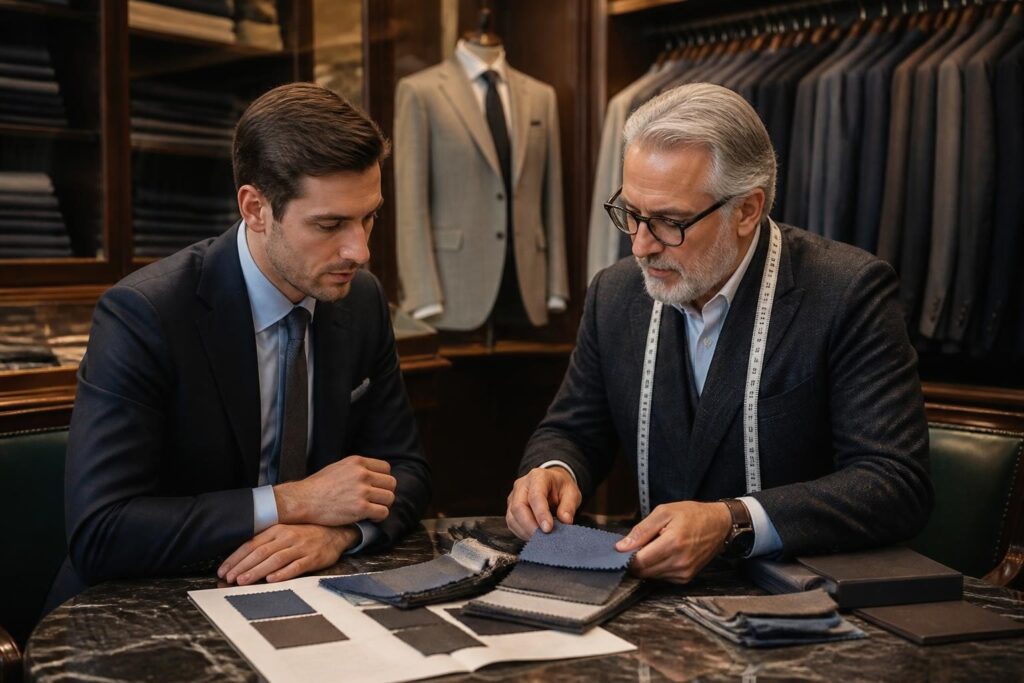
Understanding what you'll pay for a custom suit is essential before investing in bespoke tailoring. The tailor made suits cost varies dramatically based on multiple factors including fabric quality, construction methods, and the tailor's expertise. Whether you're considering your first custom suit or expanding your wardrobe, knowing the pricing landscape helps you make informed decisions about this significant investment in your professional and personal image.
What Determines Tailor Made Suits Cost
The pricing structure for bespoke suits involves several interconnected factors that work together to establish the final price. Understanding these elements helps you appreciate why costs vary so significantly across different tailors and service levels.
Fabric Quality and Origin
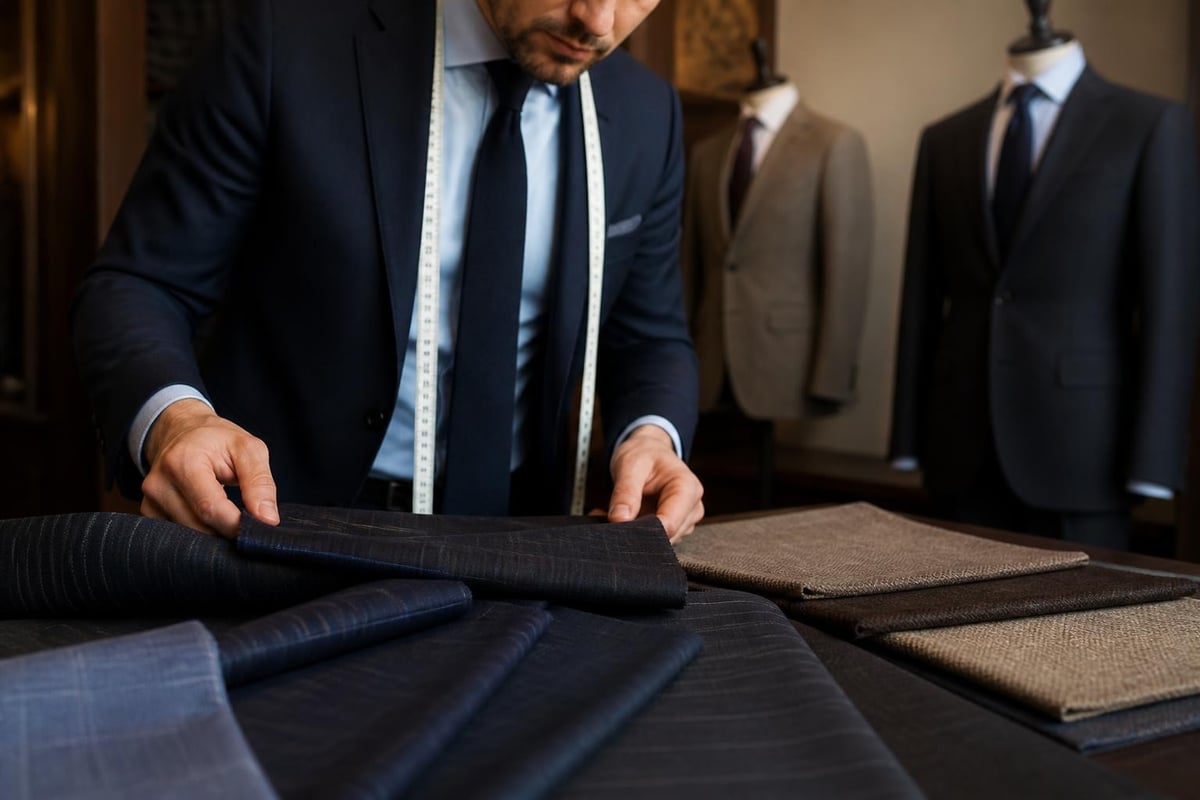
The material you select forms the foundation of your suit's cost structure. Fabrics range from basic wool blends to premium Super 180s wool from renowned mills.
Standard fabric tiers include:
- Entry-level wool blends ($300-$600 per suit)
- Mid-range pure wool ($600-$1,200 per suit)
- Premium Italian and English fabrics ($1,200-$3,000 per suit)
- Luxury Super 150s and above ($3,000-$8,000+ per suit)
Mills like Loro Piana, Scabal, and Dormeuil command premium prices because of their exceptional quality and reputation. The fabric weight, thread count, and finishing treatments all impact both the feel of the garment and its price point.
Construction Methods and Techniques
The way your suit is assembled significantly affects both quality and cost. Traditional hand-stitching requires substantially more time than machine construction, which directly translates to higher prices.
| Construction Method | Time Required | Typical Cost Range | Key Features |
|---|---|---|---|
| Fully Machine-Made | 5-10 hours | $400-$800 | Efficient, consistent results |
| Half-Canvas | 15-20 hours | $800-$2,000 | Better drape, moderate flexibility |
| Full Canvas Hand-Made | 40-80 hours | $2,000-$8,000+ | Superior fit, exceptional longevity |
Full canvas construction involves hand-stitching the canvas layer to the suit fabric, creating a garment that molds to your body over time. This labor-intensive process justifies the higher tailored suit costs you'll encounter at premium tailoring establishments.
Price Ranges by Tailoring Category
Different service levels cater to varying budgets and expectations. Understanding these categories helps you identify which option aligns with your needs and financial considerations.
Made-to-Measure Suits
Made-to-measure represents a middle ground between off-the-rack and true bespoke. These suits start with existing patterns adjusted to your measurements.
The process involves fewer fittings and less hand-work than full bespoke, making it more accessible. Most made-to-measure suits range from $600 to $2,500, depending on fabric selection and the brand's positioning.
This option works well for those seeking better fit than retail while maintaining reasonable budgets. The standardized approach reduces labor costs while still delivering personalized sizing.
True Bespoke Tailoring
Bespoke suits represent the pinnacle of custom tailoring. Your pattern is drafted from scratch based on your unique measurements and body shape.
The bespoke process typically includes:
- Initial consultation and measurement session
- Fabric selection from premium options
- First fitting with basted garment
- Second fitting for refinement
- Final fitting and adjustments
- Delivery and aftercare instructions
True bespoke suits generally start around $3,000 and can exceed $10,000 for the finest materials and craftsmanship. The bespoke suit cost reflects the extensive hand-work, multiple fittings, and personalized attention throughout the creation process.
Regional Price Variations
Geographic location substantially influences pricing structures. Tailors in major metropolitan areas like New York or London typically charge premium rates due to higher operating costs.
Thailand's bespoke tailoring industry, particularly in destinations like Ao Nang, Krabi, offers exceptional value. Skilled craftsmen with decades of experience provide high-quality work at more accessible price points than Western counterparts. This explains why many international visitors seek custom tailoring while traveling through Southeast Asia.
Fabric Selection Impact on Final Pricing
Your material choice represents one of the most variable aspects of tailor made suits cost. The spectrum ranges from serviceable everyday fabrics to extraordinary luxury textiles.
Seasonal Considerations
Different seasons demand different fabric weights and compositions, which affects pricing structures.
Summer-weight fabrics (7-9 oz) often cost less than heavier winter options (12-14 oz) because they require less raw material. However, super-lightweight luxury fabrics can command premium prices due to manufacturing complexity.
Year-round fabrics (10-11 oz) offer versatility and represent good value for those building a capsule wardrobe. These mid-weight options work across multiple seasons with appropriate layering.
Pattern and Weave Complexity
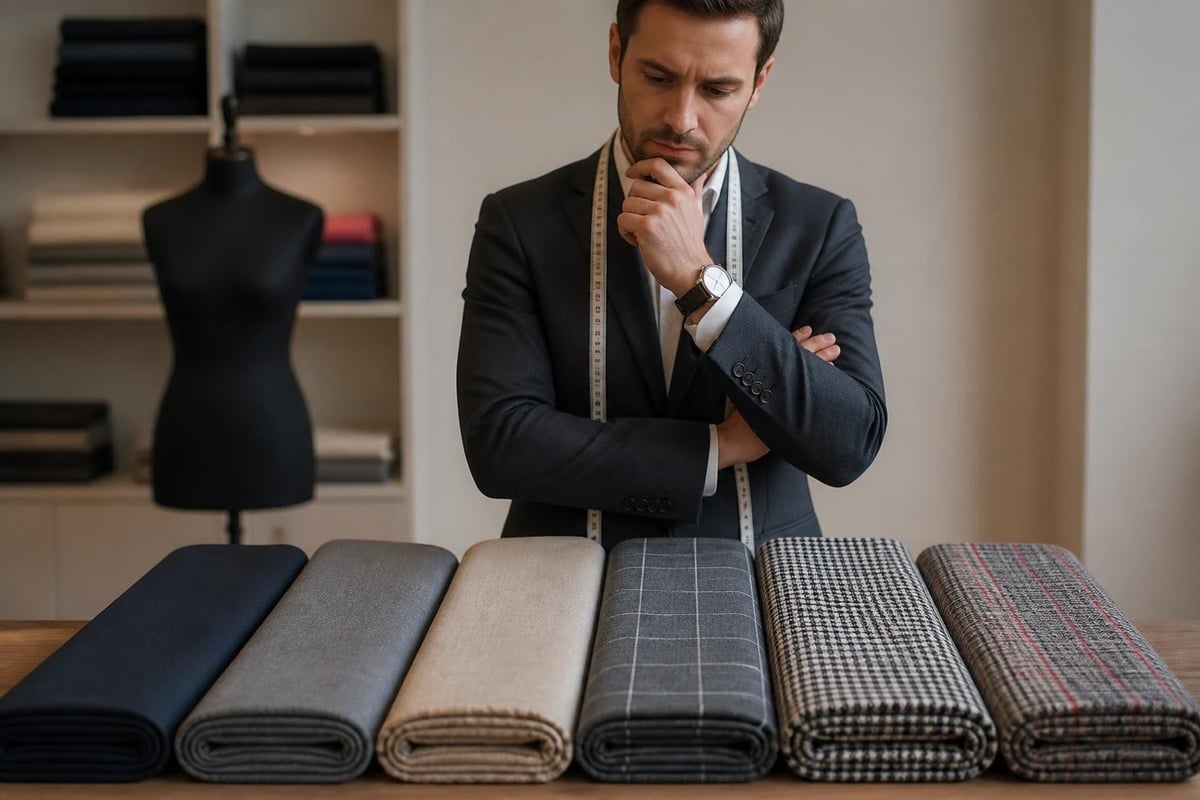
Solid colors generally cost less than complex patterns or stripes. Matching patterns at seams requires additional fabric and skilled cutting, increasing overall expenses.
Common pattern types and pricing impacts:
- Solid colors: baseline pricing
- Pinstripes: 10-15% premium
- Glen plaids: 15-20% premium
- Complex windowpanes: 20-30% premium
Herringbone, houndstooth, and other intricate weaves also command higher prices due to manufacturing complexity and the skill required for proper pattern matching.
Additional Costs Beyond the Base Suit
The quoted tailor made suits cost often represents just the foundation. Various customizations and extras can significantly increase your final investment.
Customization Options
Personalization choices add both character and cost to your garment. These details distinguish truly custom work from standard offerings.
| Customization | Typical Cost | Impact on Overall Price |
|---|---|---|
| Monogramming | $20-$50 | Minimal |
| Contrast lining | $50-$150 | Low |
| Working buttonholes | $75-$200 | Moderate |
| Hand-stitched lapels | $150-$400 | Moderate-High |
| Pick stitching | $100-$300 | Moderate |
Some tailors include these features in their base pricing, while others charge separately. Always clarify what's included in quoted prices to avoid surprises.
Matching Items and Accessories
Building a complete outfit involves more than just the suit jacket and trousers. Additional pieces enhance versatility but increase total investment.
Extra trousers prove particularly valuable since pants typically wear faster than jackets. Most tailors offer additional trousers at $300-$800, depending on fabric and construction quality.
Waistcoats add formality and style options, typically costing $400-$1,200. Coordinating shirts, ties, and pocket squares can add another $200-$800 to your total expenditure.
Experience and Reputation of the Tailor
The artisan creating your suit significantly influences pricing structures. Established tailors with decades of experience and prestigious clientele command premium rates.
Master Tailors vs. Junior Staff
Many establishments employ tiered pricing based on who handles your garment. Master tailors with 20+ years experience naturally charge more than junior staff learning the craft.
At Alex's Fashion in Ao Nang, Krabi, over 30 years of collective experience ensures expert craftsmanship across the entire team. This depth of knowledge allows for consistent quality regardless of which artisan works on your garment.
The expertise shows in pattern drafting, fitting adjustments, and problem-solving for unique body shapes. Experienced tailors anticipate issues and make adjustments that less seasoned craftspeople might miss.
Quality Assurance and Guarantees
Reputable tailors stand behind their work with comprehensive satisfaction guarantees. This assurance factors into pricing but provides invaluable peace of mind.
Quality establishments offer complimentary alterations within specified timeframes, typically 30-90 days after delivery. Some provide lifetime minor adjustments, adding long-term value to your investment.
Understanding custom suit pricing helps you evaluate whether quoted rates align with industry standards and the service level promised.
Timing and Rush Fees
Standard bespoke tailoring timelines span 4-8 weeks from initial measurement to final delivery. Rushing this process incurs additional charges.
Standard vs. Expedited Service
Normal production schedules allow tailors to manage multiple clients efficiently while maintaining quality standards. Expedited service disrupts this flow, requiring priority attention.
Typical timeline pricing:
- Standard delivery (6-8 weeks): base price
- Moderate rush (3-4 weeks): 15-25% premium
- Significant rush (2 weeks): 30-50% premium
- Emergency service (under 2 weeks): 50-100% premium
Plan ahead whenever possible to avoid rush charges. If you're visiting Thailand for vacation and want custom suits, schedule your initial fitting early in your trip to allow adequate production time.
Long-Term Value Considerations
While tailor made suits cost more upfront than off-the-rack options, the long-term value proposition often favors custom garments.
Cost Per Wear Analysis
A well-constructed bespoke suit can last 10-20 years with proper care. Calculating cost per wear provides perspective on true value.
A $3,000 suit worn 100 times yearly for 10 years costs just $3 per wear. Compare this to a $500 off-the-rack suit lasting 3 years with 50 annual wears, costing $3.33 per wear despite the lower initial investment.
Alteration and Maintenance Costs
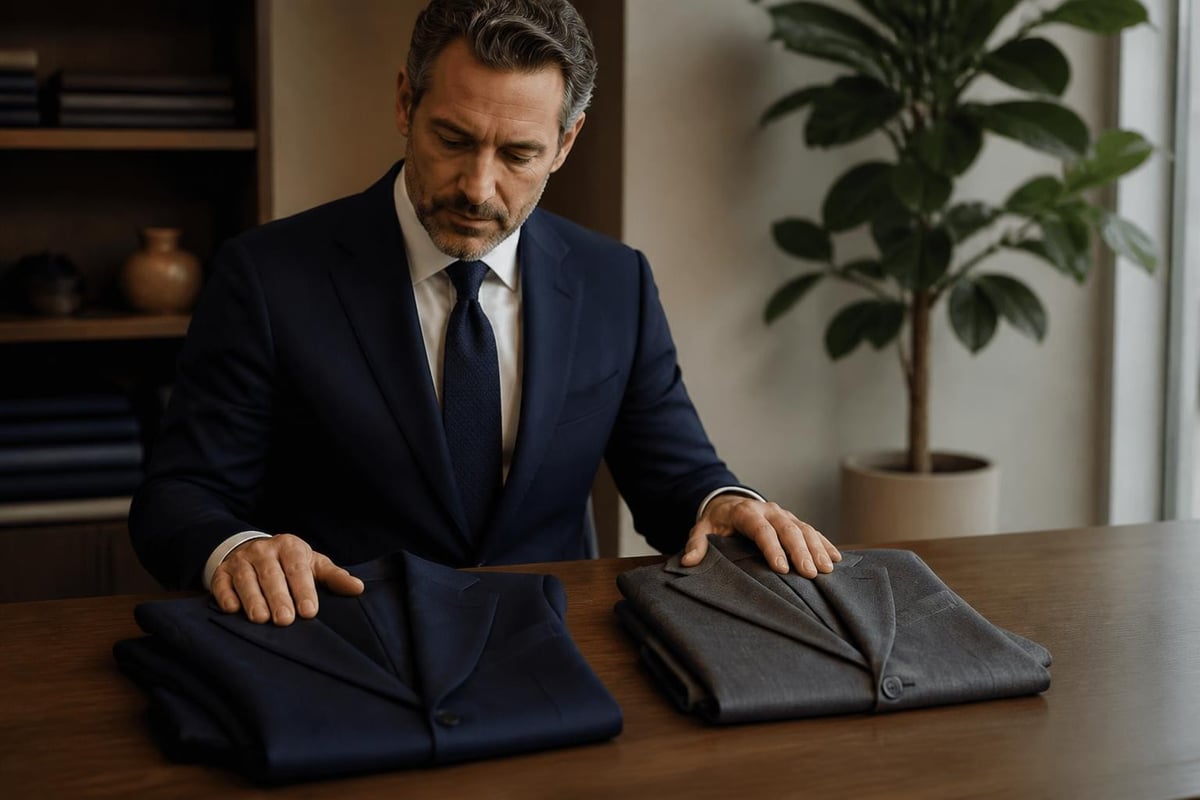
Custom suits require less alteration over time because they're built specifically for your body. Off-the-rack suits often need modifications that accumulate costs.
Professional cleaning, pressing, and minor repairs apply to all suits regardless of origin. Budget approximately $100-200 annually for maintenance depending on wear frequency.
Many tailors, including establishments like Alex’s Fashion, offer complimentary minor adjustments for weight fluctuations or regular wear, adding value beyond the initial purchase.
Comparing In-Person vs. Online Tailoring
The digital age has introduced online custom tailoring services with different pricing structures than traditional in-person experiences.
Online Service Pricing
Digital tailoring platforms typically offer lower prices due to reduced overhead costs. These services range from $300-$1,500 for complete suits.
However, online ordering involves measurement challenges and limited fabric examination. You can't feel materials or see colors in person before committing. Fit issues require shipping garments back and forth for adjustments.
Traditional Tailor Advantages
In-person tailoring provides tangible benefits justifying higher costs. You physically examine fabrics, discuss options face-to-face, and undergo multiple fittings ensuring perfect fit.
The relationship-building aspect proves valuable for future purchases and ongoing wardrobe development. Your tailor learns your preferences, body quirks, and lifestyle needs over time.
For visitors to Krabi, Thailand, the experience of visiting a traditional tailor shop adds cultural dimension to the practical purchase. Watching craftspeople work and understanding their techniques enriches the entire process.
Investment Strategies for Building a Wardrobe
Strategic approaches to custom suits help manage costs while building a versatile wardrole. Rather than purchasing multiple suits simultaneously, consider phased investments.
Starting with Essential Pieces
Begin with one perfectly executed suit in a versatile color like navy or charcoal. This foundational piece handles most formal occasions while you save for additional options.
Order extra trousers with your first suit since pants wear faster than jackets. This extends the suit's useful life and provides backup options for cleaning rotations.
Expanding Over Time
Once you've established relationship with your tailor and confirmed satisfaction with their work, gradually add complementary pieces. A second suit in a different color or pattern multiplies outfit combinations.
Consider how tailor-made suit pricing varies across different fabric choices to optimize your budget allocation. Sometimes selecting mid-range fabric allows purchasing two suits for similar cost as one luxury option.
What to Expect at Different Price Points
Understanding what features and quality levels correspond to various price ranges helps set realistic expectations for your investment.
Budget Range ($500-$1,000)
This entry tier typically includes made-to-measure construction with machine stitching and standard wool fabrics. Expect 1-2 fittings and limited customization options.
Suits at this level significantly outperform off-the-rack options in fit but won't feature extensive hand-work or premium materials. They serve well for occasional wear or those new to custom tailoring.
Mid-Range ($1,000-$3,000)
This category delivers substantial quality improvements. Half-canvas construction, better fabrics from respected mills, and more personalization options become available.
You'll typically receive 2-3 fittings ensuring excellent fit. The garments drape better, last longer, and show refined details distinguishing them from budget options. Most professionals find this range optimal for regular business wear.
Premium Range ($3,000-$6,000)
Upper-tier pricing brings full canvas construction, luxury Italian fabrics, and extensive hand-stitching. Multiple fittings perfect every detail.
These suits feature superior longevity, exceptional comfort, and distinctive styling options. The investment makes sense for those wearing suits daily or requiring impeccable presentation for professional reasons.
Luxury Tier ($6,000+)
The highest echelon includes the finest Super 150s+ fabrics, completely hand-made construction, and master tailor attention. Every element receives meticulous consideration.
This category suits executives, public figures, and enthusiasts who appreciate supreme craftsmanship. The differences from premium suits involve subtle refinements that connoisseurs value.
Understanding the complete cost breakdown helps you determine which price tier aligns with your requirements and budget.
Special Considerations for Destination Tailoring
International travelers often discover exceptional value in countries with strong tailoring traditions and lower labor costs.
Thailand's Tailoring Advantages
Thailand, particularly tourist destinations like Krabi, offers skilled craftspeople at competitive prices. The combination of experience, quality materials, and accessible pricing attracts customers worldwide.
Ao Nang's location provides convenient access for vacationers seeking custom clothing. The relaxed atmosphere allows unhurried consultations and fittings that enhance the experience.
Planning for International Purchases
When ordering suits abroad, schedule initial fittings early in your visit allowing time for adjustments. Most tailors need 3-7 days for completion depending on complexity and current workload.
Communicate shipping arrangements if you need garments sent to your home country. Reputable tailors handle international shipping regularly and can advise on timing and costs.
Verify the shop's reputation through reviews and recommendations before committing to significant purchases. Established businesses with decades of experience, like those found throughout Thailand's tailoring districts, provide reliability important when you're far from home.
Understanding tailor made suits cost empowers you to make informed decisions about this significant wardrobe investment. The price variations reflect genuine differences in materials, construction quality, and craftsmanship level. Whether you're seeking your first custom suit or expanding an existing collection, Alex’s Fashion in Ao Nang, Krabi brings over 30 years of bespoke tailoring expertise to create garments perfectly suited to your body, style, and budget. Visit our showroom to explore world-class fabrics and experience the personalized attention that transforms quality materials into clothing that enhances your confidence and professional presence.