
 EN
EN  FR
FR  DE
DE  TH
TH 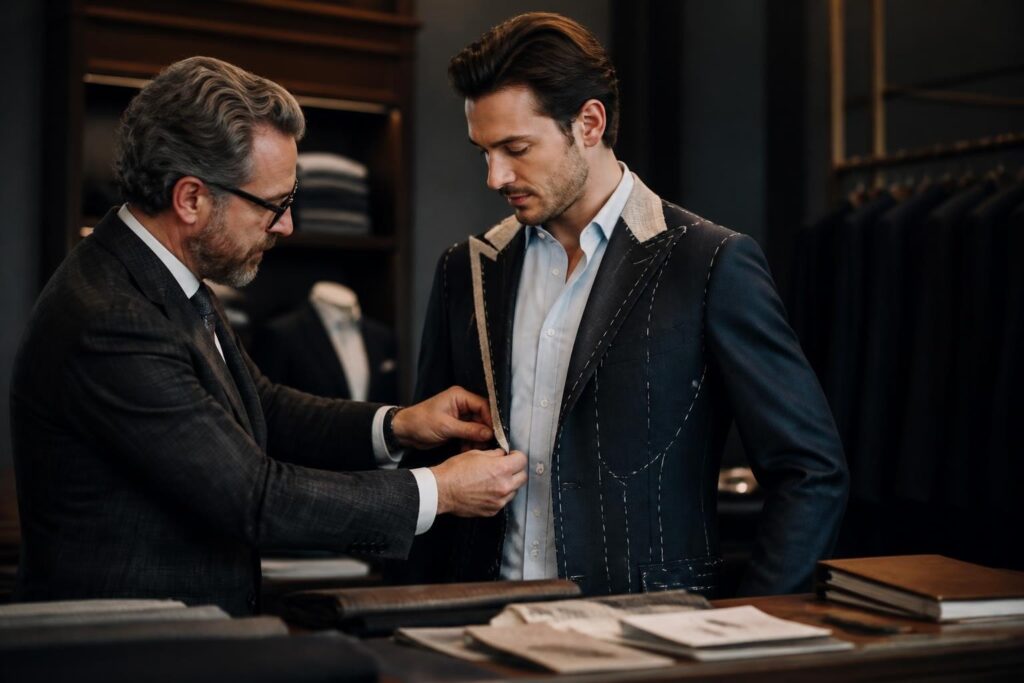
Understanding the investment required for a custom-tailored suit represents one of the most important decisions in building a professional wardrobe. The tailor made suit price varies significantly based on numerous factors, from fabric quality and construction methods to the tailor's expertise and geographic location. Whether you're considering your first bespoke piece or expanding your collection of custom garments, knowing what drives pricing helps you make informed decisions that balance quality, fit, and budget. This comprehensive guide explores the pricing landscape of custom tailoring, providing insight into what you should expect when investing in garments crafted specifically for your measurements and preferences.
Understanding Different Tailoring Categories
The custom suit market comprises three distinct categories, each with different price points and value propositions. Made-to-measure suits represent the entry point for custom clothing, where standard patterns are adjusted to individual measurements. These garments typically range from $500 to $1,500, offering better fit than off-the-rack options without the full bespoke investment.
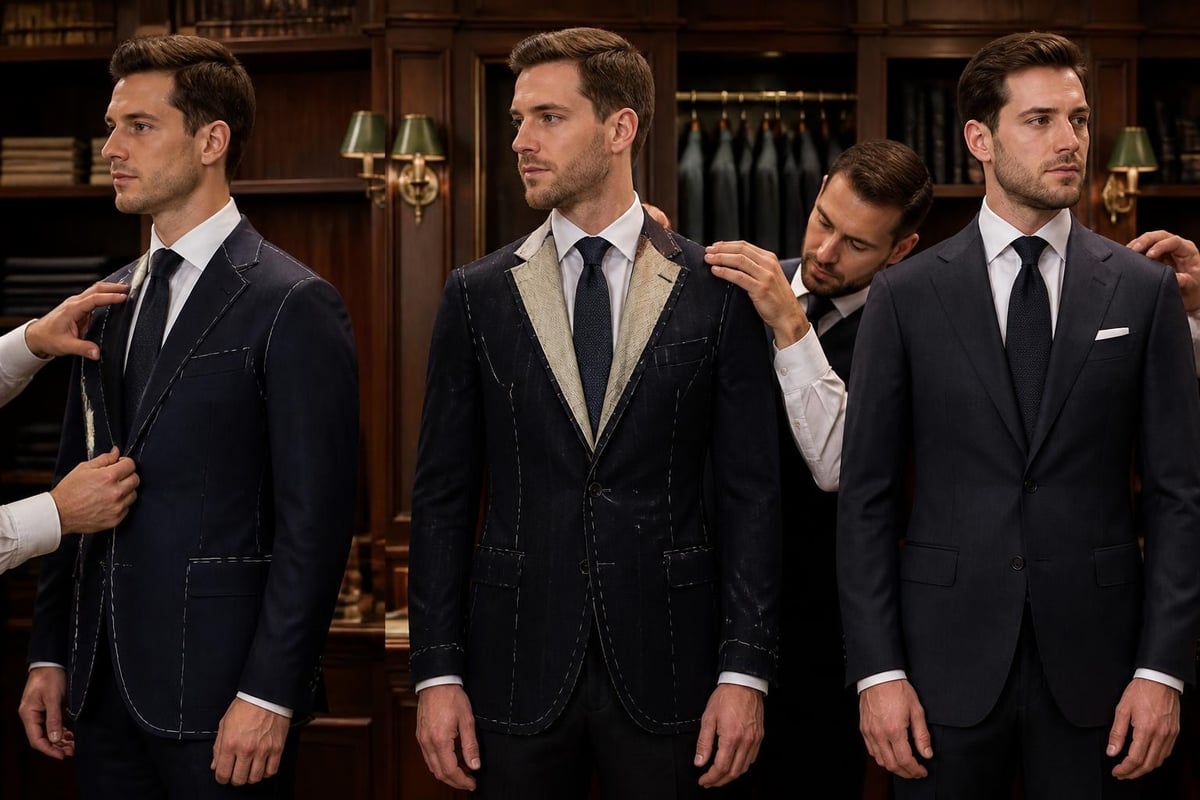
Bespoke tailoring sits at the premium end, involving entirely handcrafted garments built from scratch based on individual measurements and multiple fittings. True bespoke suits start around $3,000 and can exceed $10,000 for luxury fabrics and renowned tailors. The differences between tailored, made-to-measure, and bespoke options significantly impact both the final product quality and the price you'll pay.
Semi-bespoke represents a middle ground, combining hand-finishing with some machine construction. This category offers many bespoke benefits at moderate pricing, typically ranging from $1,500 to $3,500. Understanding these distinctions helps you identify which category aligns with your expectations and budget constraints.
Primary Factors Influencing Tailor Made Suit Price
Several interconnected elements determine the final cost of custom tailoring services. Fabric quality stands as the most visible factor, with cloth prices varying dramatically based on origin, composition, and manufacturing process.
Fabric Selection and Cost Impact
Super number classifications indicate wool fiber fineness, directly affecting both feel and price:
- Super 100s-120s: $800-$1,500 complete suit
- Super 130s-150s: $1,500-$3,000 complete suit
- Super 160s-180s: $3,000-$5,000 complete suit
- Super 200s and above: $5,000+ complete suit
Prestigious mills command premium pricing due to their heritage and quality control. English mills like Scabal, Holland & Sherry, and Dormeuil produce exceptional cloths that elevate the tailor made suit price considerably. Italian mills such as Loro Piana, Ermenegildo Zegna, and Vitale Barberis Canonico offer distinctive textures and patterns with comparable quality standards.
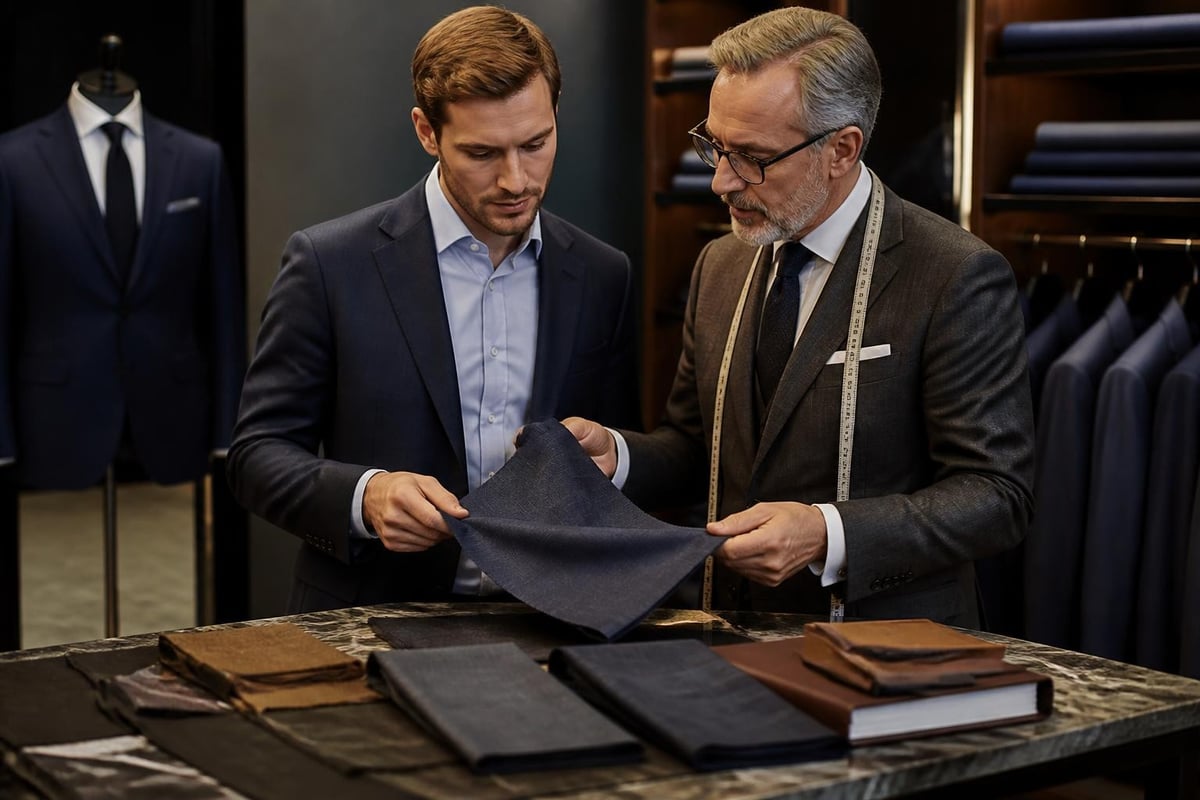
Beyond wool, alternative fabrics present different price structures. Linen suits offer breathability for tropical climates at moderate costs ($700-$2,000), while cashmere blends deliver unmatched softness at premium prices ($2,500-$6,000). The impact of fabric quality and origin on overall costs cannot be overstated when budgeting for custom tailoring.
Workmanship and Construction Methods
Labor intensity directly correlates with pricing in bespoke tailoring. Hand-stitched buttonholes, hand-padded lapels, and hand-sewn linings require significant time from skilled artisans. A fully hand-constructed suit may require 50-80 hours of labor, justifying higher price points.
Machine construction reduces labor time and costs but sacrifices some traditional quality markers. Many modern tailors blend techniques strategically, using machines for structural seams while hand-finishing details that affect fit and drape. This hybrid approach delivers excellent results at more accessible price points.
The number of fittings also influences final costs. Traditional bespoke requires at least two fittings, with some tailors conducting three or four sessions to perfect the garment. Each fitting session represents time, expertise, and sometimes material waste as adjustments are made.
Regional Price Variations in Custom Tailoring
Geographic location substantially affects the tailor made suit price due to varying labor costs, rent expenses, and market positioning. Understanding these regional differences helps set realistic budget expectations.
Asian Tailoring Markets
Thailand, particularly destinations like Bangkok and Krabi, has built a strong reputation for quality custom tailoring at competitive prices. Entry-level bespoke suits start around $400-$600, offering excellent value for travelers and residents alike. Mid-range options utilizing premium fabrics range from $800 to $1,500, while luxury bespoke pieces reach $2,000-$3,500.
Hong Kong maintains its position as a traditional tailoring destination, with prices slightly higher than Thailand. Quality suits typically start at $600-$800, with premium options reaching $2,000-$4,000. The city's tailors benefit from decades of reputation and access to diverse fabric suppliers.
Vietnam and India offer the most budget-conscious options, with acceptable quality suits starting around $250-$400. These markets cater primarily to price-sensitive customers willing to accept some quality trade-offs for significant savings.
Western Market Pricing
European tailoring commands premium pricing reflecting higher labor costs and prestigious heritage. London's Savile Row represents the pinnacle, with entry-level bespoke suits starting around $4,500 and rising to $15,000 or more for renowned houses. Italian tailors in Milan and Rome offer comparable quality at slightly lower entry points, typically $3,500-$12,000.
American markets show significant variation by city. New York bespoke tailoring ranges from $2,500 to $10,000, while cities like Los Angeles and Chicago offer similar ranges. Custom suit pricing in major metropolitan areas reflects both local economic conditions and competitive landscapes.
| Region | Entry Bespoke | Mid-Range | Luxury |
|---|---|---|---|
| Thailand/Southeast Asia | $400-$600 | $800-$1,500 | $2,000-$3,500 |
| Hong Kong | $600-$800 | $1,200-$2,500 | $2,500-$4,000 |
| United States | $2,000-$3,000 | $3,500-$6,000 | $6,000-$10,000+ |
| United Kingdom/Europe | $3,500-$5,000 | $5,000-$8,000 | $8,000-$15,000+ |
Additional Costs Beyond the Base Price
The quoted tailor made suit price often represents the foundation, with various additions increasing the final investment. Understanding these potential extras prevents budget surprises during the ordering process.
Customization options that typically incur additional charges include:
- Working buttonholes on sleeves ($50-$150)
- Hand-stitched details and embroidery ($100-$300)
- Premium linings with custom patterns ($75-$200)
- Contrast stitching or decorative elements ($50-$150)
- Multiple trousers with single jacket ($200-$400 per trouser)
Monogramming and personalization add distinctive touches while increasing costs modestly. Interior pocket embroidery ranges from $25 to $75, while visible exterior monograms cost $50 to $150. These details provide subtle personalization that enhances ownership pride.
Rush services command premium fees when standard production timelines don't align with your needs. Typical production requires 4-6 weeks, but expedited service reducing this to 2-3 weeks may add 25-50% to the base price. Emergency rush orders completed within one week can double the standard cost.
Alterations after initial completion should theoretically be minimal for properly crafted bespoke garments. However, weight fluctuations or style preference changes may necessitate adjustments. Most reputable tailors include minor alterations within the first year, but significant modifications incur additional charges similar to standard alteration pricing.
Evaluating Value at Different Price Points
Determining whether a particular tailor made suit price represents good value requires examining what you receive at various investment levels. Each price tier delivers specific benefits and limitations.
Budget Range ($400-$1,000)
This entry segment provides significant improvement over off-the-rack suits while maintaining affordability. Expect machine construction with some hand-finishing, decent fabric quality (typically Super 100s-120s), and one or two fittings. These suits offer proper fit customization and basic style choices without premium details.
Value proposition: Excellent first bespoke experience, appropriate for building initial custom wardrobe, acceptable quality for occasional wear.
Limitations: Limited fabric selection, minimal hand construction, potentially shorter lifespan than premium options.
Mid-Range ($1,000-$3,000)
This sweet spot delivers excellent balance between quality and investment. Expect high-quality fabrics (Super 130s-150s), skilled craftsmanship with substantial hand-finishing, multiple fittings ensuring perfect fit, and greater customization freedom. The pricing factors in bespoke tailoring services become more transparent in this range, where quality differences are clearly visible.
Value proposition: Professional-grade suits suitable for regular business wear, excellent durability, distinctive style reflecting personal preferences.
Limitations: May not include ultra-premium fabrics, potentially less prestigious tailor reputation than luxury segment.
Luxury Range ($3,000-$10,000+)
Premium bespoke represents the apex of custom tailoring, featuring the finest fabrics available, extensive hand construction throughout, multiple detailed fittings, and master tailor expertise. These garments become long-term wardrobe investments with proper care.
Value proposition: Unmatched quality and longevity, prestigious fabric origins, exceptional drape and comfort, true artisan craftsmanship.
Limitations: Significant financial investment, extended production timelines, may be impractical for everyday wear in some environments.
Smart Strategies for Managing Tailor Made Suit Price
Maximizing value while controlling costs requires strategic planning and informed decision-making throughout the custom tailoring process. Several approaches help optimize your investment.
Start with essential pieces rather than complete wardrobes. A single excellent suit for important occasions provides better value than multiple mediocre garments. As you build relationships with tailors and understand your preferences, expand your collection systematically.
Building ongoing relationships with skilled tailors often yields pricing benefits over time. Regular customers may receive preferential pricing, early access to fabric collections, or complimentary services. This loyalty approach works particularly well when you find a tailor whose aesthetic and quality standards match your expectations.
Seasonal timing affects pricing in some markets. Tailors in tourist destinations may offer promotions during slower periods to maintain steady business. Similarly, fabric mill collections change seasonally, with outgoing patterns sometimes discounted significantly.
Consider separates strategically when building a wardrobe. Custom trousers cost substantially less than full suits ($200-$500), while odd jackets provide versatility at moderate investment ($600-$1,500). Mixing custom and ready-to-wear pieces extends your budget further while maintaining professional appearance standards.
The comprehensive breakdown of tailored suit costs demonstrates how understanding pricing structures empowers better purchasing decisions. Knowledge about construction methods, fabric qualities, and reasonable price ranges prevents both overpaying and choosing inadequate quality.
Common Pricing Mistakes to Avoid
Several misconceptions lead customers toward poor value decisions when ordering custom suits. Awareness of these pitfalls protects your investment and ensures satisfaction.
Focusing exclusively on fabric quality while ignoring construction represents a fundamental error. An expensive Super 180s wool poorly constructed delivers inferior results compared to well-crafted Super 120s. Balance fabric investment with workmanship quality for optimal outcomes.
Assuming higher prices automatically mean better quality doesn't account for regional variations and business models. A $5,000 suit in London may offer comparable quality to a $1,500 suit from an accomplished tailor in Thailand. Research the tailor's reputation, examine previous work, and understand what drives their specific pricing.
Skipping fittings or rushing the process undermines the primary benefit of bespoke tailoring. Some customers tempted by lower prices accept fewer fittings or compressed timelines, resulting in compromised fit. Proper bespoke requires patience and multiple sessions to achieve ideal results.
Neglecting to clarify what's included in quoted prices causes budget overruns. Always confirm whether the tailor made suit price encompasses all desired features, additional trousers, alterations, and finishing details. Written agreements prevent misunderstandings and disappointment.
Choosing trendy details over timeless styling may seem appealing initially but reduces long-term value. Classic proportions, conservative patterns, and traditional details ensure your suit remains appropriate for years, maximizing cost-per-wear value.
Investment Longevity and Cost Per Wear
Evaluating tailor made suit price requires long-term perspective beyond initial purchase costs. Quality bespoke garments, properly maintained, serve for decades rather than seasons.
A well-constructed suit worn weekly for professional purposes might see 50 wears annually. Over a conservative 10-year lifespan, that totals 500 wears. A $2,000 investment thus costs $4 per wear, comparing favorably to cheaper alternatives requiring replacement every few years.
| Initial Investment | Estimated Lifespan | Annual Wears | Total Wears | Cost Per Wear |
|---|---|---|---|---|
| $500 | 3 years | 50 | 150 | $3.33 |
| $1,500 | 8 years | 50 | 400 | $3.75 |
| $3,000 | 12 years | 50 | 600 | $5.00 |
| $6,000 | 15 years | 50 | 750 | $8.00 |
Maintenance costs factor into total ownership expenses. Professional dry cleaning runs $15-$25 per visit, with suits requiring cleaning every 4-6 wears depending on conditions. Annual maintenance might total $150-$300 for regularly worn garments. Minor repairs and alterations add another $50-$150 annually.
Premium suits often justify higher maintenance investments because their quality construction responds better to care and repair. A $4,000 bespoke suit professionally maintained for 15 years represents better long-term value than replacing $800 suits every three years.
Questions to Ask Before Committing
Informed customers make better decisions by thoroughly understanding what their investment provides. Asking specific questions before ordering ensures alignment between expectations and delivery.
Regarding construction: What percentage is hand-stitched versus machine-sewn? Are lapels hand-padded? How are buttonholes finished? These details significantly impact both quality and the tailor made suit price justification.
About fittings: How many fitting sessions are included? What's the timeframe between sessions? Can adjustments be made after completion? Understanding the fitting process prevents misaligned expectations.
Concerning fabrics: Where do fabrics originate? What specific mills and collections are available? Can you see and feel samples before selecting? What weights are appropriate for your climate and intended use?
Timeline questions: What's the standard production timeframe? Are rush services available and how much extra do they cost? What happens if you need the suit by a specific date?
Alteration policies: Are post-completion alterations included? For how long? What constitutes minor versus major alterations? Understanding these terms prevents surprise charges if adjustments become necessary.
Specialized Suit Types and Price Variations
Different suit purposes and styles command varying price points based on fabric requirements, construction complexity, and seasonal demand. The global market trends in bespoke tailoring costs reflect these specialization factors.
Wedding suits typically range $1,500-$4,000, with increased demand for perfect fit and special fabrics. Grooms often invest more heavily in this single-occasion garment, prioritizing photography appearance and memorable significance. Many tailors offer package deals including matching groomsmen attire at reduced per-suit pricing.
Summer-weight suits utilizing tropical wools, linens, or cotton blends may cost 10-20% more than standard weights due to fabric scarcity and specialized construction techniques. These lighter garments require particular skill to maintain structure while ensuring breathability.
Three-piece suits adding waistcoats increase investment by $300-$600 depending on fabric and construction quality. The additional piece provides styling versatility while requiring extra material and labor.
Tuxedos and formal wear command premium pricing ($2,000-$5,000) due to specific fabric requirements, silk facing applications, and precise detailing standards. These specialized garments demand particular expertise and premium materials.
Understanding tailor made suit price structures empowers you to make informed investments that balance quality, fit, and budget constraints effectively. Whether you're seeking your first bespoke suit or expanding an existing wardrobe, knowing what drives costs and where value exists helps you navigate the custom tailoring landscape confidently. For over 30 years, Alex’s Fashion has delivered exceptional bespoke tailoring in Ao Nang, Krabi, combining world-class fabrics with masterful craftsmanship at competitive pricing. Visit us to experience personalized service and discover how custom tailoring transforms your professional wardrobe.