
 EN
EN  FR
FR  DE
DE  TH
TH 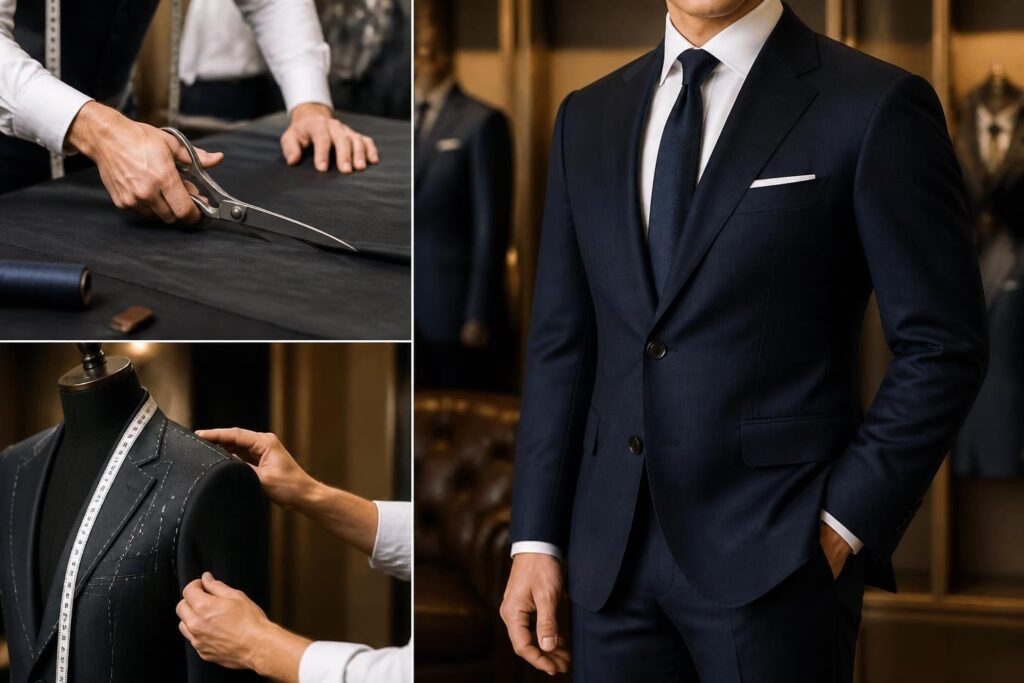
The modern professional wardrobe has evolved dramatically over the past decade, yet one element remains consistently valuable: the perfectly fitted business suit. While off-the-rack options flood department stores and online retailers, discerning professionals continue to invest in tailor made business suits that reflect their personal style and professional standards. This investment goes beyond mere clothing-it represents a commitment to quality, confidence, and the impression you make in every business interaction.
Why Professionals Choose Custom Tailoring
The distinction between a mass-produced suit and tailor made business suits becomes immediately apparent when you examine the details. Custom tailoring addresses individual body proportions that standard sizing simply cannot accommodate. Whether you have broader shoulders, longer arms, or an athletic build, bespoke tailoring ensures every measurement aligns perfectly with your unique physique.
Key advantages of custom tailoring include:
- Precise fit across shoulders, chest, waist, and sleeve length
- Personalized fabric selection from premium materials
- Individual style preferences in lapel width, pocket styles, and button configurations
- Superior construction techniques that extend garment longevity
- Adjustments and alterations built into the creation process
Modern consumers increasingly value personalization and craftsmanship, driving the resurgence of bespoke suiting across global markets. This trend reflects a broader shift toward quality over quantity in professional wardrobes.
The financial investment in tailor made business suits pays dividends through durability and versatility. A well-constructed custom suit can last ten years or more with proper care, while maintaining its shape and appearance far better than factory-made alternatives.
Understanding the Bespoke Tailoring Process
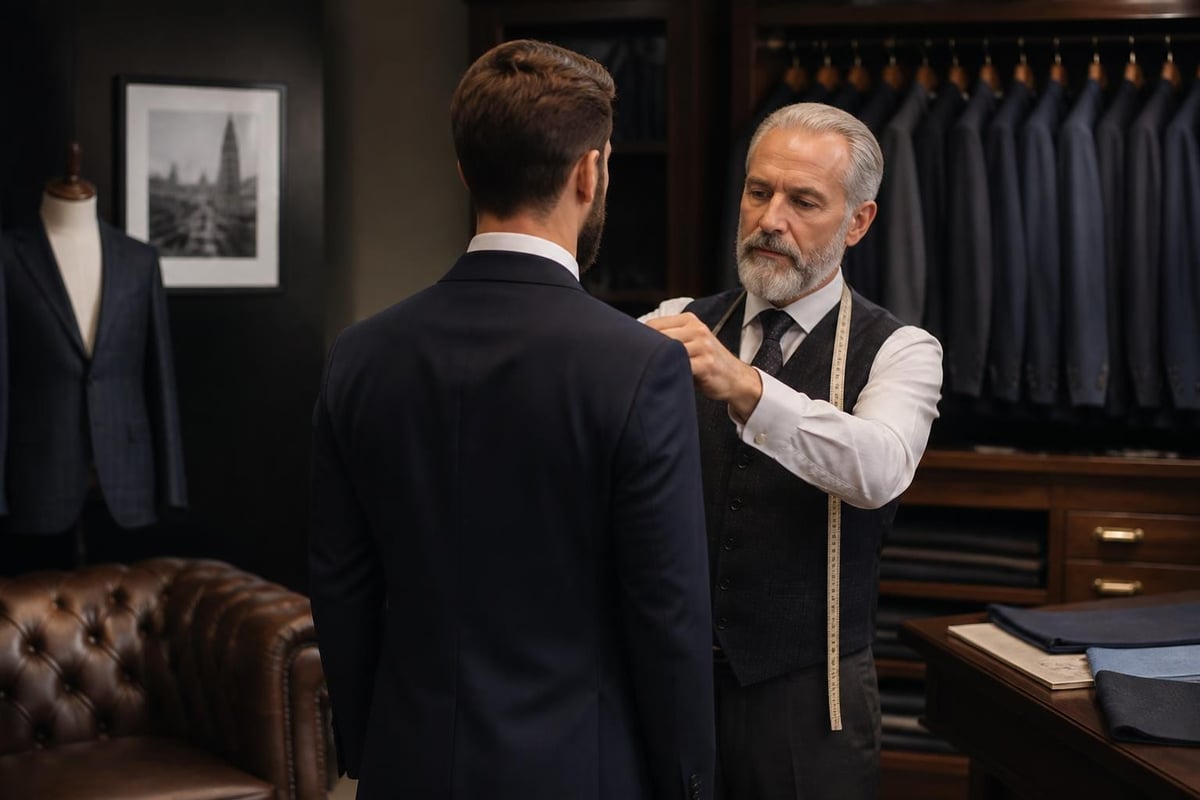
Creating tailor made business suits involves multiple stages, each contributing to the final garment's excellence. The process begins with an initial consultation where experienced tailors assess your needs, style preferences, and intended use for the suit. This conversation establishes the foundation for everything that follows.
Initial Measurements and Pattern Creation
Professional tailors take comprehensive measurements that go far beyond simple chest and waist dimensions. They record over 20 different measurements including posture analysis, shoulder slope, and arm positioning. These precise measurements inform the creation of a unique paper pattern specific to your body.
The measurement process typically includes:
- Full body assessment including posture and stance
- Detailed measurements of chest, shoulders, waist, hips, and inseam
- Arm length and sleeve positioning analysis
- Back width and shoulder blade positioning
- Individual preferences for fit (slim, classic, or relaxed)
This comprehensive approach ensures tailor-made customization goes beyond basic fit to create truly personalized garments.
Fabric Selection and Design Consultation
Choosing fabric represents one of the most enjoyable aspects of ordering tailor made business suits. Premium tailors offer extensive fabric libraries featuring materials from renowned mills worldwide. The selection encompasses various weights, textures, and patterns suitable for different climates and occasions.
| Fabric Type | Best Season | Characteristics | Professional Uses |
|---|---|---|---|
| Worsted Wool | Year-round | Durable, wrinkle-resistant, breathable | Daily business wear, presentations |
| Tropical Wool | Summer/Warm Climates | Lightweight, moisture-wicking | Outdoor events, warm-weather business |
| Flannel | Fall/Winter | Soft texture, excellent warmth | Cold-weather meetings, winter events |
| Wool-Silk Blend | Spring/Summer | Luxurious feel, subtle sheen | Special occasions, executive meetings |
The fabric selection process at establishments like Alex’s Fashion involves examining swatches in natural light, discussing lifestyle requirements, and understanding maintenance expectations. This collaborative approach ensures your investment meets both aesthetic and practical needs.
Fit Standards and Style Considerations
The hallmark of exceptional tailor made business suits lies in achieving the perfect fit across multiple dimensions. Shoulder seams should align precisely with your natural shoulder line, creating a clean silhouette without pulling or bunching. The jacket collar should rest smoothly against your shirt collar without gaping or riding up.
Critical fit elements include:
- Jacket length covering approximately half to three-quarters of your seat
- Sleeve length exposing one-quarter to one-half inch of shirt cuff
- Trouser break (the fabric fold above the shoe) matching your preference
- Waist suppression creating a tailored V-shape from shoulders to waist
- Armhole positioning allowing natural movement without restriction
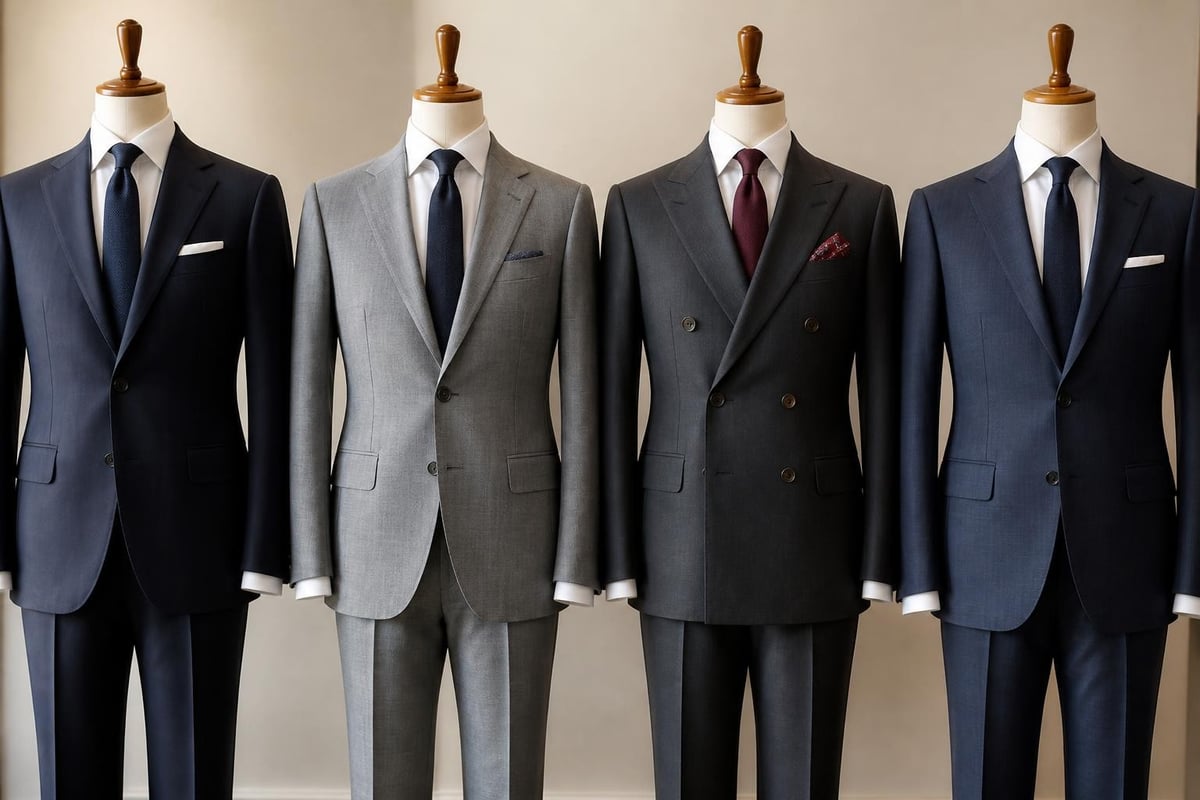
Beyond basic fit, style choices define your suit's character and versatility. Lapel styles range from classic notch lapels for conservative business environments to peak lapels for more formal or fashion-forward settings. Button configurations-single-breasted versus double-breasted, two-button versus three-button-significantly impact the suit's overall appearance and formality.
The Value Proposition for Business Professionals
Investing in tailor made business suits delivers measurable returns through enhanced professional presence and personal confidence. First impressions remain crucial in business contexts, and a perfectly fitted suit communicates attention to detail, success, and respect for the occasion. These subtle signals influence how colleagues, clients, and partners perceive your credibility and professionalism.
The psychological impact of wearing custom tailoring extends beyond external perceptions. Professionals consistently report increased confidence and comfort when wearing suits designed specifically for their bodies. This confidence translates into more effective presentations, negotiations, and daily interactions.
Cost Analysis and Long-Term Value
While tailor made business suits require higher initial investment than off-the-rack alternatives, the cost-per-wear calculation often favors custom tailoring. A quality bespoke suit costing $1,500 to $3,000 and lasting ten years with regular use provides better value than replacing cheaper suits every two years.
Consider this comparison:
| Suit Type | Initial Cost | Expected Lifespan | Replacement Frequency | 10-Year Total Cost |
|---|---|---|---|---|
| Off-the-Rack | $400 | 2-3 years | 3-4 times | $1,200-$1,600 |
| Made-to-Measure | $800 | 4-5 years | 2 times | $1,600 |
| Bespoke/Tailor-Made | $2,000 | 10+ years | 0-1 times | $2,000-$4,000 |
The enduring appeal of custom-made suits reflects not just quality construction but the personal relationship between tailor and client. This relationship ensures ongoing adjustments, repairs, and consultations that extend garment life significantly.
Navigating the Custom Tailoring Experience
For professionals new to bespoke tailoring, understanding the process demystifies what might seem intimidating. Comprehensive guides to made-to-measure suiting provide valuable frameworks for first-time clients. The key is approaching your tailor as a collaborative partner rather than a vendor.
Preparing for Your First Consultation
Successful custom tailoring begins with clear communication about your needs and expectations. Before meeting with your tailor, consider these preparation steps:
- Research your style preferences by reviewing business suit styles in professional settings
- Assess your wardrobe needs including the number of suits required and their intended uses
- Establish a realistic budget accounting for fabric quality and construction complexity
- Gather inspiration images showing styles, colors, and details you admire
- Understand your timeline as tailor made business suits typically require 4-8 weeks
During the consultation, experienced tailors ask detailed questions about your professional environment, lifestyle habits, and personal preferences. This dialogue ensures the finished garment aligns with your practical requirements and aesthetic vision.
The Fitting Process and Adjustments
Creating tailor made business suits involves multiple fittings to refine the garment progressively. The first fitting typically occurs once the suit is roughly assembled, allowing adjustments to basic fit and proportions. Subsequent fittings fine-tune details like sleeve length, trouser break, and button positioning.
Common adjustments during fittings include:
- Shoulder width and slope modifications
- Chest and waist suppression refinements
- Sleeve length and armhole positioning
- Trouser waist, rise, and leg taper adjustments
- Collar fit and lapel roll optimization
Professional tailors welcome detailed feedback during fittings. Articulating specific concerns-such as tightness across the back or excess fabric at the waist-enables precise corrections. The collaborative nature of this process distinguishes bespoke tailoring from retail shopping.
Fabric Technology and Modern Materials
Contemporary tailor made business suits benefit from significant advances in textile technology while maintaining traditional craftsmanship standards. Modern fabrics incorporate performance features like stretch, wrinkle resistance, and temperature regulation without sacrificing the aesthetic qualities of classic materials.
Performance Fabrics for Business Travel
Business professionals who travel frequently particularly appreciate performance-enhanced fabrics. These materials combine natural fibers with technical enhancements, creating suits that maintain appearance despite demanding schedules. Wrinkle-resistant treatments applied to wool fabrics help garments recover shape after being packed in luggage.
Temperature-regulating fabrics using moisture-wicking technology keep professionals comfortable across varying climates. This innovation proves especially valuable for international business travelers moving between different climate zones throughout the year.
Sustainable and Ethical Fabric Choices
The 2026 professional landscape increasingly values sustainability and ethical production. Many tailors now offer organic wool, recycled fibers, and fabrics from mills committed to environmental responsibility. These materials provide the quality and appearance expected in tailor made business suits while aligning with contemporary values.
Sustainable fabric options include:
- Organic merino wool produced without synthetic pesticides or fertilizers
- Recycled polyester blends reducing environmental impact while maintaining performance
- Plant-based fibers like linen and hemp offering natural breathability
- Certified sustainable wool from farms meeting specific animal welfare standards
Selecting sustainable materials adds another dimension of value to custom tailoring investments, knowing your garments reflect both personal standards and environmental consciousness.
Cultural and Regional Tailoring Traditions
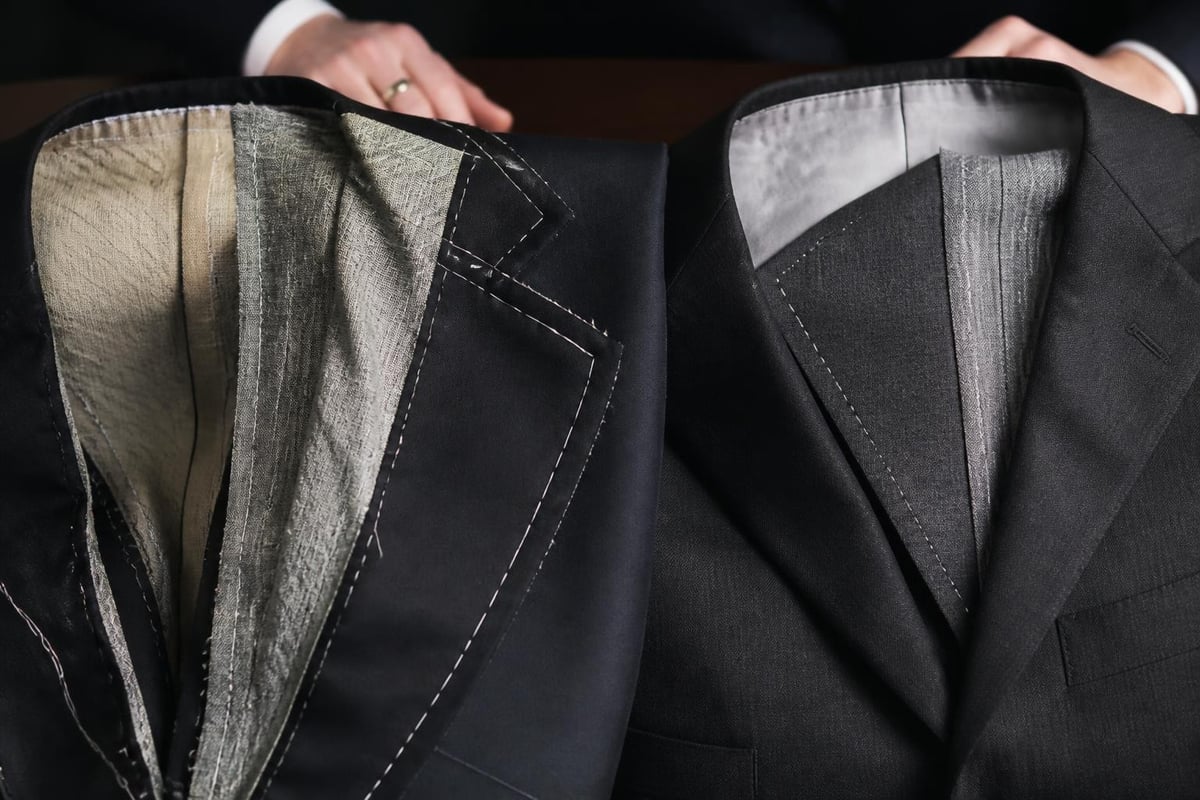
The art of creating tailor made business suits draws from rich cultural traditions spanning centuries. Savile Row in London established many standards still followed in contemporary bespoke tailoring. These traditions emphasize hand-finishing, canvas construction, and meticulous attention to detail.
Asian tailoring centers like Hong Kong’s legendary tailors developed reputations for combining traditional techniques with rapid turnaround times. These establishments attracted international clientele seeking quality custom tailoring while traveling abroad.
In Southeast Asia, destinations like Thailand have emerged as tailoring hubs offering exceptional value without compromising quality. Skilled craftsmen in these regions create tailor made business suits using world-class fabrics while maintaining competitive pricing. The combination of expertise, personalized service, and cost efficiency makes these locations attractive alternatives to traditional Western tailoring centers.
Maintaining Your Custom Suits
Proper care extends the life of tailor made business suits significantly, protecting your investment and maintaining appearance. Professional dry cleaning remains important but should be limited to prevent fiber damage from harsh chemicals. Between cleanings, regular brushing removes surface dirt and allows fabrics to breathe.
Storage and Seasonal Rotation
Quality suit hangers with proper shoulder shaping prevent distortion during storage. Wooden hangers with broad shoulders distribute weight evenly, maintaining the jacket's structure. Avoid wire hangers that create permanent creasing and misshape shoulders over time.
Rotating suits in your wardrobe prevents excessive wear on individual garments. Ideally, allow suits at least 48 hours rest between wearings, giving fibers time to recover their natural shape. This rotation strategy particularly benefits professionals wearing suits daily.
Minor Repairs and Alterations
Even the finest tailor made business suits occasionally require minor repairs or adjustments. Professional tailors welcome returning clients for button replacement, minor hemming, or seam repairs. These services typically cost minimal amounts compared to the suit's value and extend wearable life considerably.
Weight fluctuations sometimes necessitate alterations to maintain optimal fit. Quality bespoke construction includes extra fabric allowances enabling future adjustments. Experienced tailors can let out or take in seams, adjust trouser waists, and modify sleeve lengths to accommodate body changes.
The Bespoke Experience Beyond Business Suits
While this discussion focuses on tailor made business suits, the bespoke tailoring relationship often expands to encompass complete wardrobe development. Professionals who experience custom suit quality frequently request additional garments including sport coats, trousers, shirts, and outerwear. This comprehensive approach creates cohesive wardrobes where every piece coordinates seamlessly.
Celebrity tailors demonstrate how bespoke services extend beyond traditional business attire to create complete style solutions. The principles of custom fit, quality construction, and personalized design apply equally to casual and formal wear.
Building relationships with skilled tailors provides ongoing style guidance as trends evolve and personal needs change. This partnership approach to wardrobe development represents one of custom tailoring's most valuable yet underappreciated benefits. Your tailor becomes a trusted advisor who understands your preferences, lifestyle, and professional requirements.
Technology Integration in Traditional Craftsmanship
Modern bespoke tailoring increasingly incorporates technology while maintaining traditional handcrafting techniques. Digital measurement systems create precise body scans, supplementing traditional tape measurements with comprehensive data. These systems capture subtle details about posture, asymmetry, and proportions that inform pattern creation.
Some tailoring operations utilize advanced recommendation systems that analyze customer preferences and previous choices to suggest fabrics, styles, and details. This technology enhances the consultation process without replacing the essential human expertise that defines quality tailoring.
Computer-aided design software allows clients to visualize style options before production begins. These tools demonstrate how different lapel styles, button configurations, or fabric choices will appear in the finished garment. The visualization capability helps clients make confident decisions about design details.
Despite technological advances, the core of creating exceptional tailor made business suits remains skilled human craftsmanship. Technology augments rather than replaces the expertise, judgment, and hand-finishing techniques that distinguish bespoke tailoring.
Investment Planning for Professional Wardrobes
Strategic wardrobe investment prioritizes versatile foundation pieces before expanding to specialized items. For professionals building custom suit collections, this typically means starting with classic navy and charcoal suits in medium-weight fabrics. These versatile pieces work across seasons and occasions, maximizing cost-per-wear value.
Building a Core Suit Wardrobe
A well-planned professional wardrobe includes:
- Navy suit in year-round weight wool (most versatile first purchase)
- Charcoal gray suit (essential business staple)
- Light gray or tan suit for warmer months and less formal settings
- Patterned suit (subtle check or stripe) for variety
- Formal black or midnight blue suit for evening events
This progression allows professionals to build comprehensive wardrobes over time while ensuring each addition serves specific purposes. Purchasing one quality tailor made business suit annually proves more effective than buying multiple lower-quality garments simultaneously.
Budget allocation should account for accompanying garments and accessories. Custom shirts, quality leather shoes, and appropriate ties complete the investment in professional appearance. Many tailors offer package pricing for multiple garments, providing cost efficiencies for comprehensive wardrobe development.
Investing in tailor made business suits represents a commitment to professional excellence and personal confidence that pays dividends throughout your career. The perfect fit, quality construction, and personalized style these garments provide cannot be replicated through mass-produced alternatives. With over 30 years of expertise in bespoke tailoring, Alex’s Fashion combines traditional craftsmanship with world-class fabrics to create custom suits that reflect your unique style and professional standards. Whether you're building your first custom wardrobe or adding to an established collection, our team in Ao Nang, Krabi ensures every garment exceeds your expectations.