
 EN
EN  FR
FR  DE
DE  TH
TH 
Tailor fashion is not just keeping pace with the future, it is setting the stage for style innovation in 2026. The art of tailoring is experiencing a bold resurgence, making headlines for its fusion of technology and craftsmanship.
This essential guide will empower you to decode, interpret, and personalize the latest tailor fashion trends, ensuring your wardrobe feels both current and uniquely yours. Whether you are a seasoned enthusiast or exploring custom pieces for the first time, you will find practical steps and expert insights here.
Discover a comprehensive roadmap to the tailoring landscape of 2026, from trend overviews and quality markers to personalization strategies and sustainable choices.
Ready to elevate your style? Dive in and master the art of tailor fashion for the year ahead.
The Tailoring Landscape in 2026: A New Era of Fashion
The world of tailor fashion is entering an unprecedented era in 2026, where tradition and technology coalesce to redefine what it means to dress with intention. As we move beyond mere survival in the marketplace, tailor fashion emerges as a thriving force, shaping personal style and industry standards alike.
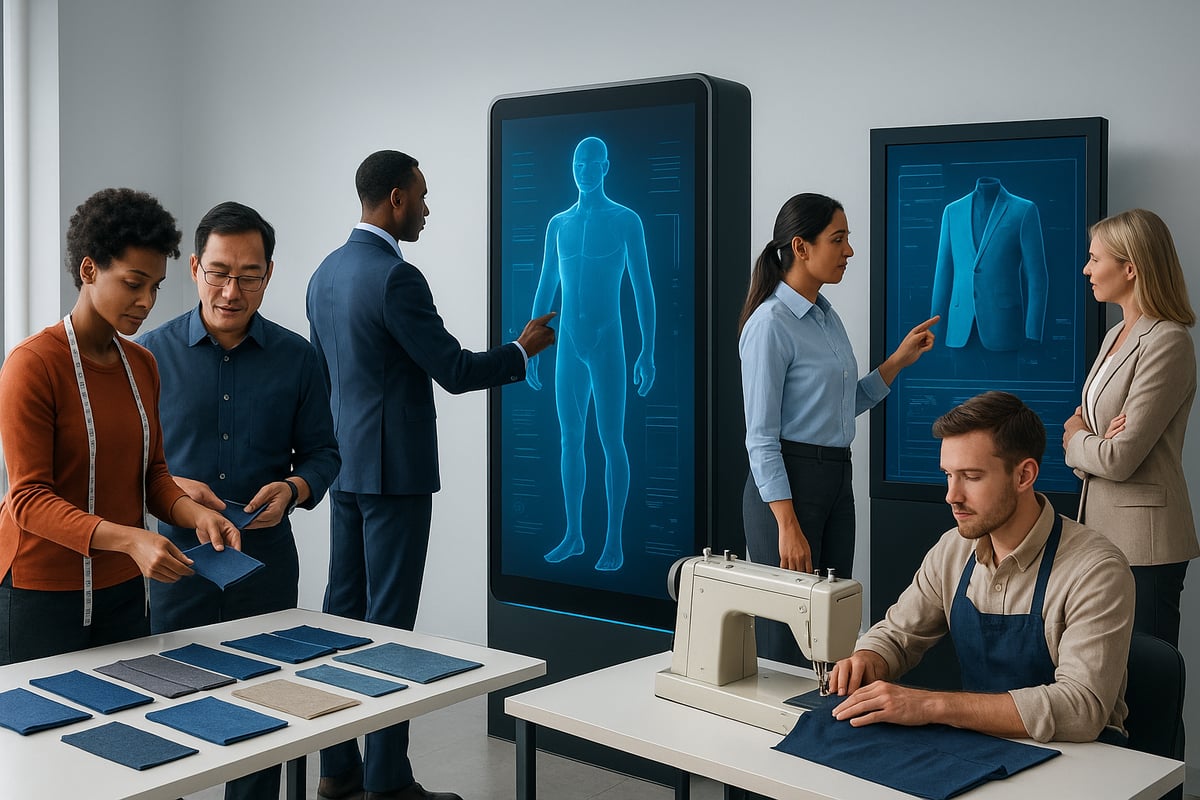
The evolution of tailoring has reached a critical juncture. What began as the art of bespoke craftsmanship has now expanded into a realm where tailor fashion incorporates advanced digital techniques. Traditional handwork remains revered, but innovations such as laser-cutting and AI-driven pattern drafting are setting new benchmarks for precision and creativity. This blend of old and new allows for garments that honor heritage while embracing the possibilities of the future.
Several powerful influences are shaping tailor fashion in 2026. Technology is central, with 3D body scanning, AI-assisted design, and virtual consultations making high-end tailoring more accessible. Sustainability is equally important, as consumers demand eco-friendly materials and ethical production. Globalization has fostered a fusion of styles, with designers drawing inspiration from diverse cultures to create truly cosmopolitan collections. This convergence has made tailor fashion not just a matter of fit, but a statement of values and identity.
Data supports this shift in consumer behavior. Industry reports predict a 20 percent increase in bespoke orders by 2026, reflecting a growing appetite for custom-made garments. According to the Custom Made Clothes Market Analysis, shoppers are prioritizing fit, personalization, and transparency. Key players in this new landscape include emerging designers, legacy fashion houses, and digital-first tailoring brands. The table below highlights a few standout examples:
| Player Type | Example Cities | Specialty |
|---|---|---|
| Established Houses | London, Milan | Classic bespoke suits |
| Emerging Designers | Tokyo, New York | Innovative silhouettes, tech fabrics |
| Digital-First Brands | Global | Virtual fittings, remote tailoring |
A notable case study is the resurgence of made-to-measure tailoring, which is profoundly impacting mainstream fashion. Tailors in major cities like London, Milan, and Tokyo are redefining the modern suit, blending traditional techniques with smart textiles and customizable features. These innovations ensure that tailor fashion is not confined to the elite, but is becoming an attainable luxury for a broader audience.
Ultimately, tailor fashion in 2026 serves both as a status symbol and a practical solution for diverse body types. The new era values garments that are as unique as the individuals who wear them, offering a sense of empowerment and self-expression. Whether you seek timeless elegance or cutting-edge style, the landscape of tailor fashion now offers more options than ever to express your identity with confidence and sophistication.
Key Tailor Fashion Trends for 2026
Tailor fashion in 2026 stands at a transformative crossroads, merging cutting-edge innovation with time-honored craftsmanship. This year, the world of tailoring is more dynamic than ever, influenced by evolving social values, advanced technology, and a renewed appreciation for self-expression. From gender-fluid designs to smart textiles, tailor fashion is not just following trends but setting them. Let’s explore the defining directions shaping this pivotal year.
Gender-Fluid and Inclusive Tailoring
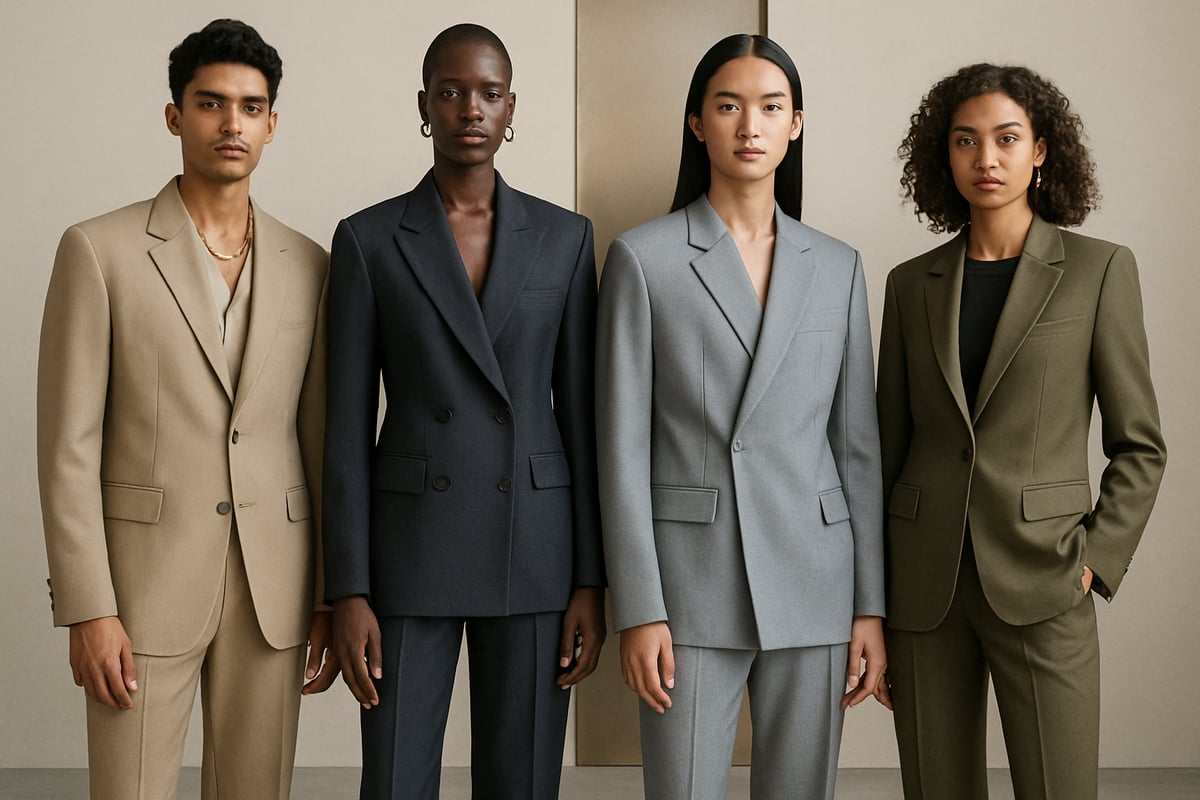
One of the most significant shifts in tailor fashion for 2026 is the rise of gender-fluid tailoring. Designers are moving beyond traditional gender binaries, introducing silhouettes and patterns that cater to all identities. Unisex blazers, relaxed trousers, and versatile vests are now staples in many collections.
Brands are prioritizing inclusive sizing, ensuring that every body type can experience the confidence of a perfect fit. Major designers have launched gender-neutral lines, reflecting a broader cultural push for diversity and accessibility in tailor fashion. According to recent industry data, 45% of new tailoring brands now market themselves as gender-inclusive, marking a clear departure from rigid, old-school norms.
Collections such as the Women’s Tailored Suits Collection exemplify this evolution, offering modern silhouettes that blur the lines between menswear and womenswear. These pieces are designed for comfort, versatility, and personal expression, making tailor fashion more accessible and relevant than ever.
Smart and Sustainable Fabrics
In 2026, tailor fashion is defined not just by appearance but by function and responsibility. Smart textiles have taken center stage, with fabrics engineered to adapt to temperature, wick away moisture, or resist odors. Some garments even incorporate color-changing technology, letting wearers customize their look throughout the day.
Sustainability is equally important. Tailors are embracing recycled wool, organic cotton, and biodegradable linings, reflecting consumer demand for ethical fashion. Many leading ateliers have adopted zero-waste production lines, setting new standards for environmental responsibility in tailor fashion. The smart textiles market is projected to grow by 18% annually, signaling that innovation and eco-consciousness are here to stay.
These advancements ensure that tailor fashion remains both practical and purposeful, allowing wearers to enjoy high performance and peace of mind.
Statement Details: Accessories and Finishing Touches
In 2026, the details truly set tailor fashion apart. Unique buttons, artistic embroidery, and personalized monograms transform classic pieces into works of art. Tailors are experimenting with bold linings, colored stitching, and visible seams, turning once-hidden elements into focal points.
Accessories are evolving as well. The comeback of pocket watches and chain accessories adds a nostalgic yet modern touch to contemporary tailoring. Tech-infused pieces, such as smart cufflinks or functional brooches, offer both flair and function. These statement details are more than mere decoration – they reflect individual personality and elevate tailor fashion to new heights.
Ultimately, the finishing touches allow wearers to make each garment their own, ensuring that tailor fashion in 2026 is as much about self-expression as it is about style.
Step-by-Step: How to Tailor Fashion Trends to Your Style in 2026
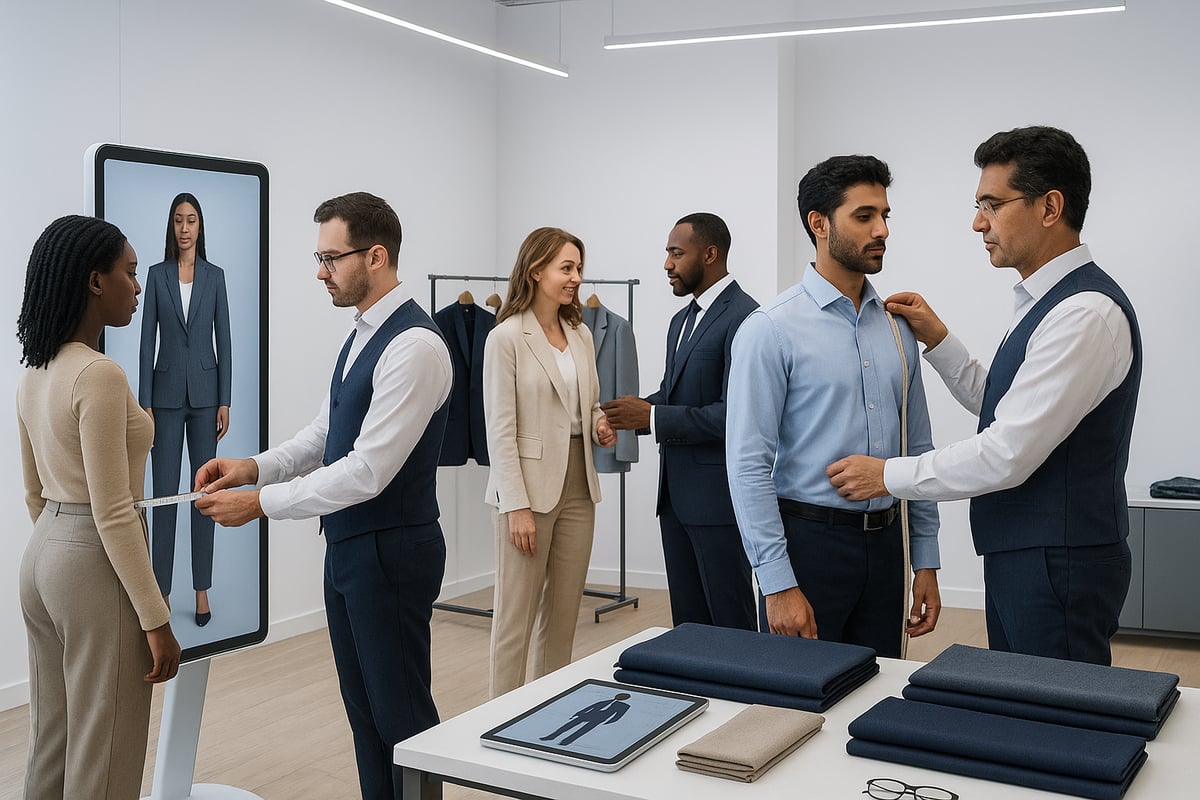
Personalizing tailor fashion in 2026 is both an art and a strategy. This step-by-step guide helps you navigate trends, find your fit, and build a wardrobe that matches your unique identity. Whether you are new to bespoke or a seasoned enthusiast, these steps will ensure your style evolves with confidence and intention.
Step 1: Assessing Your Personal Style and Wardrobe
Start your tailor fashion journey by evaluating what you already own. Take inventory of your wardrobe and note which pieces you reach for most often.
Identify gaps that could be filled by tailored items, such as a perfectly fitted blazer or versatile trousers. Consider your daily routine, profession, and how you want to present yourself. Are you aiming for formal elegance, business-casual comfort, or relaxed leisure?
For example, someone working remotely may prioritize soft-structured jackets, while executives might need classic suits. This assessment lays a strong foundation for integrating tailor fashion trends that genuinely fit your lifestyle.
Step 2: Researching and Selecting Trends
Stay informed about tailor fashion by exploring runway shows, fashion magazines, and social media. Observe which trends resonate with your personality and needs.
Look for styles that are both practical and timeless. Oversized blazers, for instance, offer comfort and adaptability, making them a smart choice for many.
Ask yourself: Will this trend remain relevant next year? Does it complement your body type? Focus on trends that suit your taste rather than following every fad. This approach ensures your tailor fashion investments are both stylish and sustainable.
Step 3: Finding the Right Tailor or Platform
Choosing the right professional is crucial in tailor fashion. Evaluate potential tailors based on experience, specialization, customer reviews, and their adoption of modern technology.
Compare digital tailoring platforms with traditional in-person services using the table below:
| Criteria | Digital Tailoring | In-Person Tailoring |
|---|---|---|
| Convenience | Remote fittings, fast | Personalized, direct |
| Technology | 3D scanning, apps | Traditional measuring |
| Customization | High, but virtual | Highest, hands-on |
| Fit Adjustments | Virtual feedback | Immediate, tactile |
If you value precision, look for tailors using 3D body scanning for remote fittings. A good fit between your needs and your tailor’s expertise will maximize your tailor fashion experience.
Step 4: Choosing Fabrics and Details
Selecting the right materials is essential for both comfort and longevity in tailor fashion. Consider the climate you live in, your comfort preferences, and how much maintenance you are willing to commit to.
Popular fabrics for 2026 include recycled blends, performance wool, and organic cotton. Pay attention to lining choices, buttons, and stitching as these details can transform a classic piece into a true reflection of your taste.
For example, a classic navy suit with a vibrant patterned lining adds personality while maintaining versatility. Prioritize fabrics and finishes that enhance your tailor fashion and suit your lifestyle.
Step 5: Prioritizing Sustainability and Ethics
Sustainability is central to tailor fashion in 2026. Ask your tailor about fabric sourcing, certifications, and transparent production processes. Opt for upcycled materials or services that offer garment repair and recycling.
Many leading Sustainable Tailoring Services now provide take-back programs for old garments, ensuring your style choices are responsible. Partnering with ethical tailors not only supports the environment but also aligns your wardrobe with your values.
Choose tailor fashion that makes a positive impact without compromising on quality or design.
Step 6: Personalizing with Accessories and Finishing Touches
Accessories and finishing touches bring individuality to tailor fashion. Consider monograms, unique buttons, or colored stitching that showcase your personality.
Embrace innovation with tech-savvy options like smart cufflinks or integrated digital tags. Customizing cuffs or lapels can turn a standard jacket into your signature piece.
A mix of classic and contemporary details ensures your tailor fashion feels both current and uniquely yours.
Step 7: Maintaining and Caring for Tailored Pieces
Proper care extends the life of your tailor fashion investments. Store garments in breathable covers, avoid overcrowding your closet, and clean pieces according to fabric requirements.
Schedule periodic alterations to maintain the perfect fit as your body or style evolves.
For example, an annual fit check with your tailor can ensure every piece remains sharp and comfortable. Thoughtful maintenance preserves both the craftsmanship and the personal value of your tailor fashion collection.
How to Identify Quality Tailoring in 2026
Spotting true quality in tailor fashion is more vital than ever as technology and tradition converge in 2026. Discerning buyers are seeking garments that not only look sharp but also stand the test of time and reflect personal values. With tailor fashion evolving rapidly, knowing what sets a superior piece apart ensures your investment pays dividends in both style and longevity.
Hallmarks of Superior Craftsmanship
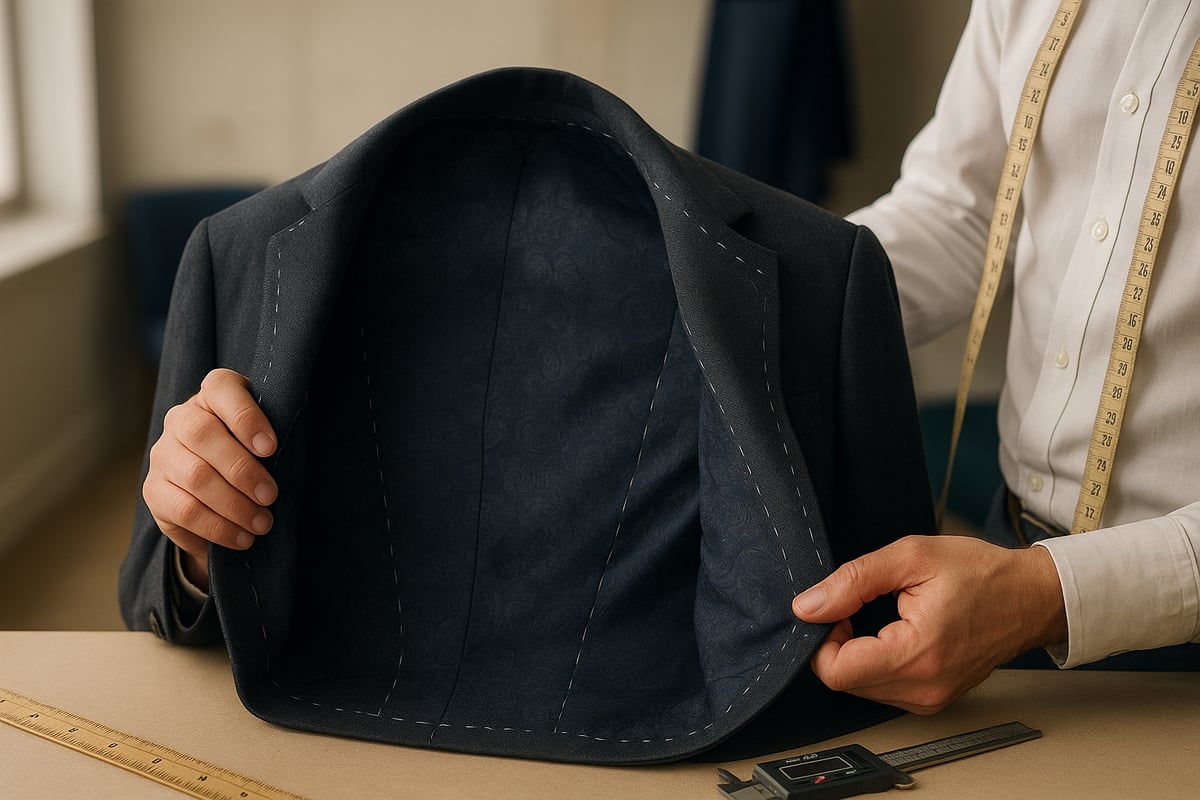
Quality tailor fashion is defined by expert details. Look for dense, even stitching—ideally 10-12 stitches per inch—ensuring seams hold up over time. Pattern matching at seams, especially with checks or stripes, indicates meticulous attention to detail. Hand-finished touches, such as hand-sewn buttonholes or pick stitching on lapels, are hallmarks of craftsmanship.
Technology now plays a pivotal role in quality assurance. Advanced AI-driven pattern making and digital fitting tools increase accuracy, reducing human error and enhancing fit. Brands specializing in men’s shirts tailoring options often showcase these standards, blending traditional techniques with modern innovation to deliver exceptional results in tailor fashion.
Red Flags and Practical Comparisons
Not all garments labeled as tailor fashion meet the mark. Warning signs include uneven seams, mismatched patterns at shoulders or pockets, and low-quality linings. Transparency is essential; a reputable tailor will share details about fabric sources and construction methods.
To illustrate, compare off-the-rack and bespoke options:
| Feature | Off-the-Rack | Bespoke Tailoring |
|---|---|---|
| Fit | Standard sizes | Fully customized |
| Stitch Density | Often lower | High, hand-finished |
| Pattern Matching | Inconsistent | Precise, aligned |
| Longevity | 1-3 years | 5+ years |
Customer satisfaction surveys in 2026 show bespoke tailor fashion delivers higher comfort and durability.
Actionable Tips and Questions to Ask
Before investing in tailor fashion, arm yourself with the right questions:
- What is the stitch density per inch?
- Are patterns matched at visible seams?
- Is the lining material natural or synthetic?
- What technology is used for measurement and fitting?
- Can I see examples of previous work?
A quality-focused tailor will welcome these inquiries. They should also provide transparent pricing and explain the care required for each garment, reinforcing trust in their tailor fashion expertise.
Case Study: Anatomy of a High-Quality Suit
Consider a high-end suit crafted in Milan in 2026. The jacket features 12 stitches per inch, hand-attached canvas, and a lining of recycled silk. AI-assisted fitting ensures a flawless silhouette, while traditional finishing—like hand-sewn lapels—adds character. Compared to mass-produced alternatives, this suit offers superior fit, breathability, and a personalized touch, exemplifying the best of modern tailor fashion.
Identifying these details empowers you to make informed choices, ensuring your wardrobe reflects both quality and individuality.
Personalization and Self-Expression Through Tailoring
In 2026, tailor fashion is not just about fit—it is about expressing who you are. As the world moves toward greater individuality, fashion lovers are embracing the chance to make each garment uniquely theirs. This era is defined by the freedom to reflect your personality, values, and story through every detail in your wardrobe.
The Power of Personalization in Tailor Fashion
Personalization is now at the heart of tailor fashion. Clients want more than a great fit—they seek garments that tell their story. Whether it is a bold lining, a hand-embroidered monogram, or a custom color combination, every touch matters.
A growing number of people are asking for distinctive features. This demand is changing the way tailors approach design and service. Individuality is no longer an afterthought, it is the main event in tailor fashion.
Customization: Options and Innovations
Modern technology and craftsmanship have opened up endless customization possibilities. Here is a quick overview:
| Customization Option | Description | 2026 Trend Example |
|---|---|---|
| Fabric Selection | Choose from luxury, recycled, or tech fabrics | Performance wool blends |
| Fit and Cut | Adjust for body type and comfort | Relaxed, gender-fluid shapes |
| Embroidery & Monograms | Add initials, symbols, or artwork | Digital monogramming |
| Color & Pattern | Select unique palettes or prints | Heritage prints with bold hues |
| Digital Prints | Use tech to design one-of-a-kind graphics | QR code signature linings |
With tailor fashion, you can even mix traditional methods with digital tools, ensuring every piece fits your vision.
Co-Creation and Collaboration
The rise of co-creation means clients now work side by side with their tailor. You might sketch your own lining, pick out statement buttons, or select a signature stitch. Some bespoke studios, like those offering Custom Made Suits in Ao Nang, give you control at every step, turning your ideas into reality.
This collaborative process builds confidence and results in garments that feel truly personal. It is not just about wearing tailor fashion—it is about creating it.
Data & Impact: Why Personalization Matters
Industry reports show that 70% of tailoring clients in 2026 request at least one personalized detail. This surge highlights a clear shift: tailor fashion is now a key tool for self-expression and personal branding.
People who customize their wardrobe often feel more confident and connected to what they wear. Personalization helps you stand out in a crowded world, making every outfit a reflection of your identity.
Balancing Trends with Individuality
How do you blend current trends with your signature style? Here are some tips:
- Choose trends that resonate with your lifestyle and taste.
- Use tailor fashion to add subtle details—like colored stitching or unique accessories—that make a trend your own.
- Collaborate with your tailor to ensure your personality shines through, even in the most popular styles.
Remember, the best tailor fashion is both modern and authentic. By balancing trend adoption with self-expression, you create a wardrobe that is truly yours.
The Future of Tailoring: What’s Next Beyond 2026?
The future of tailor fashion is set to break boundaries, blending advanced technology, sustainability, and digital creativity. As the industry moves past 2026, new innovations will continue to redefine how we experience tailor fashion, from the way garments are designed to how they are produced and worn.
Imagine walking into a virtual tailoring house, where AI algorithms instantly create custom patterns based on your digital avatar. This is not science fiction; it is the next logical step for tailor fashion, with companies already piloting AI-driven design and automated pattern making. According to AI in the Fabric Industry Statistics, the integration of artificial intelligence in the fabric sector is accelerating, making precise customization and efficient production more accessible than ever.
Augmented reality fitting rooms and smart contract ordering will soon become standard. Consumers will be able to try on garments virtually, tweak details in real time, and place orders through secure digital agreements. These advancements are part of broader manufacturing trends, such as generative design and extended reality, that are shaping the next era of tailor fashion. For a deeper look at these changes, see 6 Defining Manufacturing Trends of 2026.
Sustainability will remain a cornerstone of the tailor fashion movement. Circular production models, zero-waste processes, and on-demand garment creation will help reduce excess inventory and environmental impact. Hyper-local production, powered by digital platforms, will connect clients with local artisans while supporting ethical practices.
Digital communities and global culture will play a bigger role, inspiring collaborations that cross borders and styles. Virtual garments and NFTs will allow people to express their identity in both physical and digital worlds.
Table: Innovations Shaping Tailor Fashion Beyond 2026
| Innovation | Impact on Tailor Fashion |
|---|---|
| AI-driven design | Custom patterns, reduced waste |
| AR fitting rooms | Remote, precise virtual try-ons |
| Smart contract ordering | Secure, fast, transparent transactions |
| Circular production | Lower environmental footprint |
| Digital tailoring houses | Global access to bespoke experiences |
| NFTs and virtual garments | New forms of self-expression |
To future-proof your wardrobe, stay informed about emerging technologies, focus on versatile and sustainable pieces, and embrace the creative potential of digital tailoring. By understanding these trends, you will be ready to navigate the exciting possibilities that await in the world of tailor fashion.
As you’ve discovered in this guide, tailoring in 2026 is all about blending innovation, personalization, and sustainability to create garments that truly reflect who you are. If you’re ready to experience the difference that expert craftsmanship and world-class fabrics can make in your wardrobe, why not take the next step? Whether you want a custom suit, a statement accessory, or advice on the latest trends, we’re here to help you bring your vision to life. Let’s make your style goals for 2026 a reality—Contact us today to start your bespoke journey.
Article written using RankPill.