
 EN
EN  FR
FR  DE
DE  TH
TH 
In 2026, a suit tailor does more than craft clothing. Today, a perfectly fitted suit serves as a bold statement of both personal identity and professionalism. Selecting the right suit tailor is essential for achieving the ideal balance of fit, quality, and style, especially as fashion continues to evolve rapidly.
This expert guide is designed to walk you through every critical step, insider tip, and key consideration for finding your perfect suit tailor. Discover the latest trends, vital qualities to seek in a tailor, and a complete selection roadmap. Make a confident, informed decision and enjoy the appeal of a suit that truly fits.
Understanding the Modern Suit Tailoring Landscape in 2026
The landscape of suit tailoring has evolved rapidly, driven by technology, sustainability, and the growing desire for self-expression. Understanding these changes is essential when searching for the right suit tailor in 2026. Let us break down the key trends and factors shaping the modern tailoring industry.
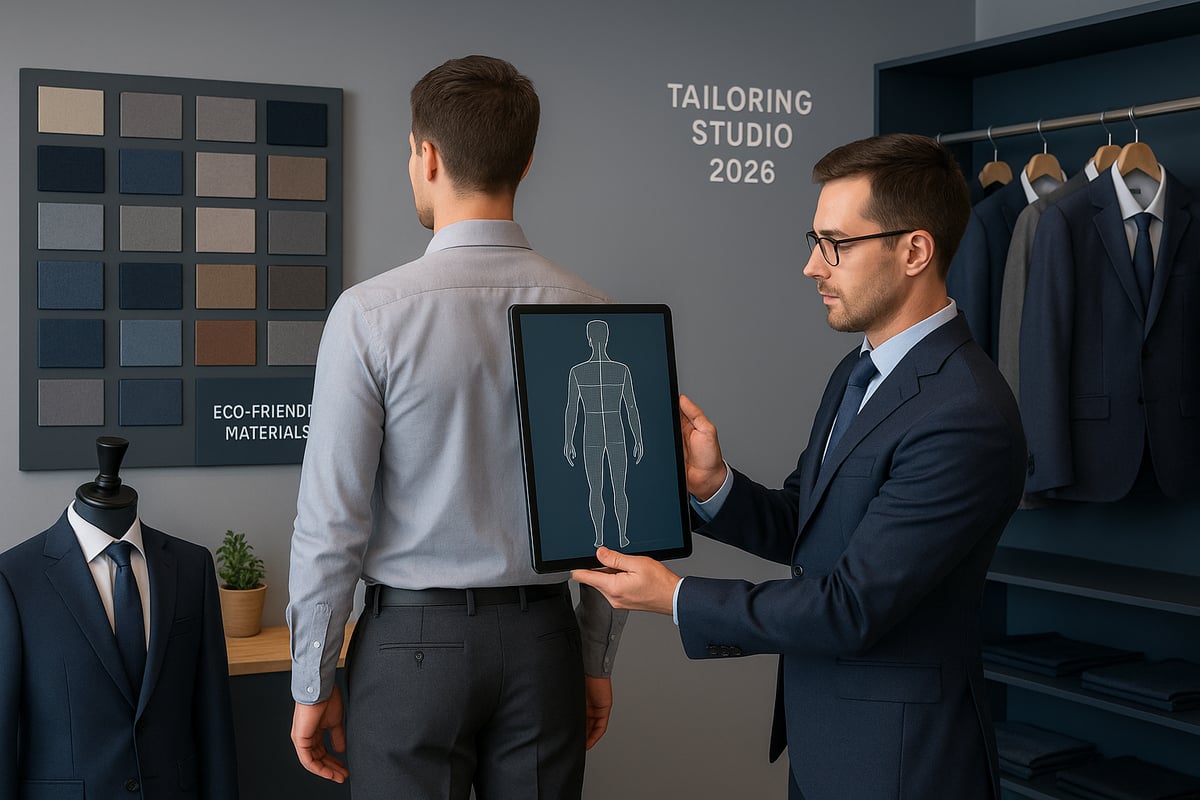
Evolution of Suit Tailoring: 2020–2026
Over the past few years, the suit tailor industry has shifted from mass-produced, off-the-rack options to more personalized experiences. Bespoke and made-to-measure services, once exclusive, are now widely accessible. Digital technology, such as AI-driven measurements and 3D body scanning, has become standard at leading tailoring houses. Sustainability is also a top priority, with eco-friendly fabrics and ethical sourcing on the rise. Consumers now want suits that showcase their individual style. According to Custom Suits Market Growth Projections, 65 percent of shoppers preferred custom-fit clothing in 2025, underlining the demand for a skilled suit tailor who can deliver both fit and personality.
Key Suit Trends and Innovations for 2026
In 2026, suit trends reflect a blend of classic refinement and modern comfort. Double-breasted and slim-fit silhouettes remain popular, while relaxed tailoring gains ground for versatility. Fabric innovations are front and center, with wrinkle-resistant, breathable, and recycled materials in high demand. Leading tailoring brands now offer more than 150 fabric choices, catering to every taste and climate. Customization is also expanding, with options like monogramming, unique linings, and hybrid workwear details. The modern suit tailor stands out by offering clients a wide range of these innovative options, including stretch and comfort fabrics, which saw a 40 percent increase in demand last year.
The Importance of a Tailor in Achieving the Perfect Fit
A suit tailor is essential for achieving a flawless fit that standard sizes cannot match. Tailors adjust every measurement to suit your unique body shape, ensuring confidence and comfort. The impact is tangible: a recent HR study found ill-fitting suits can reduce perceived professionalism by 30 percent. A skilled suit tailor will ensure your sleeves, jacket, and pant lengths are just right, enhancing your image in any professional or social setting. Personalized fitting not only improves appearance but also makes daily wear far more enjoyable.
Globalization and Local Tailoring Options
As international tailoring houses and online services expand, clients have more ways than ever to access a suit tailor. However, local expertise remains invaluable. In-person fittings provide greater accuracy and allow for clear communication throughout the process. While online services offer convenience and global reach, local tailors can deliver faster adjustments and more personalized service. Many travelers now seek out local experts for quick, high-quality suits during trips, demonstrating that the relationship with a suit tailor is still best forged face-to-face for optimal results.
Essential Qualities to Look for in a Suit Tailor
Selecting the right suit tailor goes beyond style and price. The best professionals combine artistry, technical skill, and a client focused approach. To ensure your investment results in a suit that fits impeccably and lasts, evaluate these essential qualities before making your choice.
Craftsmanship and Experience
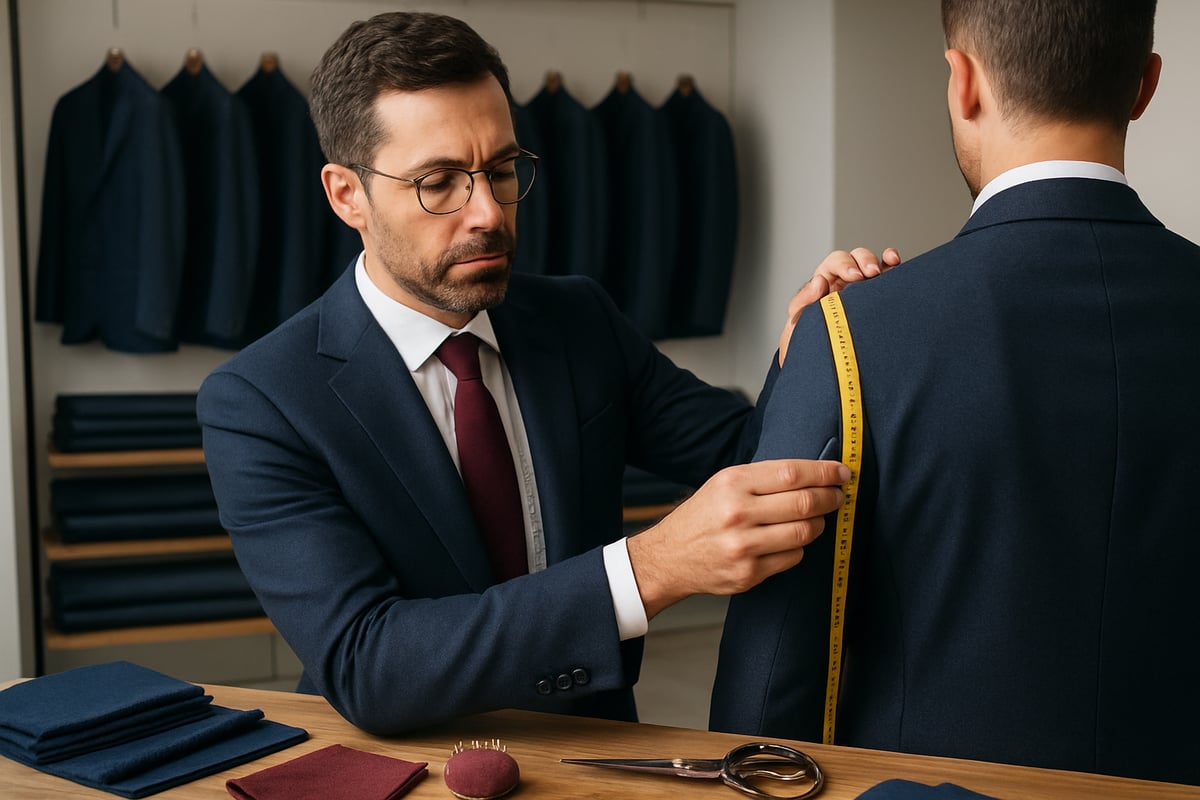
A reputable suit tailor is defined by years of hands on experience and a strong reputation in the community. Look for a portfolio showcasing completed work, with visible attention to stitching, pattern matching, and finishing details. Master tailors typically undergo at least a decade of apprenticeship, refining their skills to perfection.
Industry awards, certifications, or recognition from tailoring associations signal a high standard of quality. For deeper insight into what separates premier expertise from the ordinary, review resources like the Premium bespoke tailors guide. The right suit tailor will have a proven track record and a commitment to excellence in every garment produced.
Fabric Selection and Sourcing
A skilled suit tailor offers a diverse range of fabrics, from classic wool and linen to innovative eco friendly blends. Top professionals partner with renowned mills such as Loro Piana and Vitale Barberis Canonico, ensuring quality and authenticity.
They will guide you through the pros and cons of each material, taking into account the local climate and your intended use. Eco conscious clients should ask about sustainable options like bamboo blends or recycled fibers. The best suit tailor will present over 100 fabric swatches, allowing for an informed, personalized selection.
Personalization and Customization Options
Customization is where a suit tailor truly shines. Look for a provider that offers choices in lapels, buttons, linings, and monogramming, as well as special requests like extra pockets or unique cuts.
Modern tailors may utilize 3D configurators, enabling you to visualize your design before production. Trying on sample garments can help you refine your preferences and ensure the final product matches your vision. The ideal suit tailor will accommodate both classic and bold styles, tailoring each detail to your individual taste.
Communication, Service, and Guarantees
Clear, proactive communication sets a suit tailor apart. The process should include thorough consultations, education on fit and fabric, and prompt answers to your questions.
Leading tailors provide written satisfaction guarantees, transparent alteration policies, and aftercare like complimentary adjustments post delivery. This level of service builds trust and ensures that your investment in a suit tailor delivers long term value and confidence.
Step-by-Step Guide: How to Choose the Right Suit Tailor in 2026
Choosing a suit tailor in 2026 requires a systematic approach. The modern tailoring landscape is more competitive and innovative than ever, so following a step-by-step plan helps ensure you find the ideal professional for your needs. Let’s walk through each critical stage of the process.
Step 1: Define Your Needs and Budget
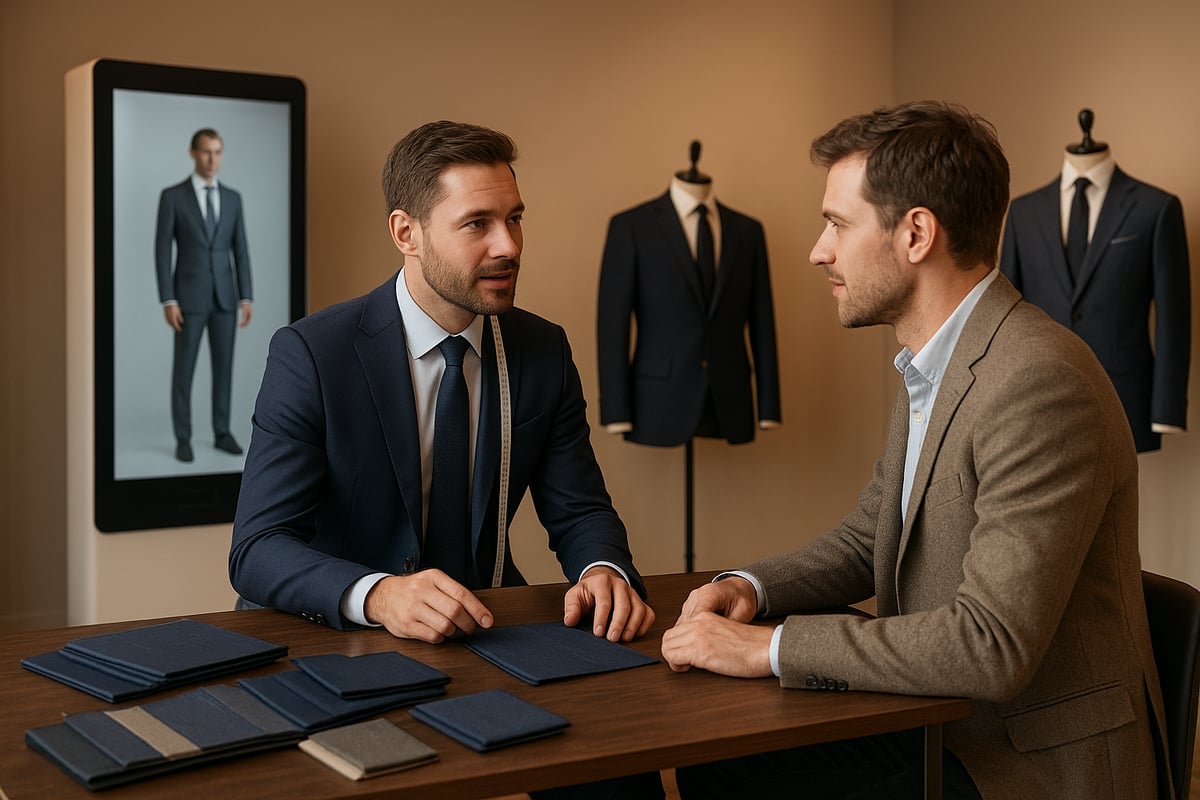
Start by identifying what you require from a suit tailor. Consider the occasion: is it for business, a wedding, travel, or casual events? Each situation may call for different styling, fabric, and fit.
Next, set a realistic budget. Bespoke suits often start at $500 and can exceed $2,000, while made-to-measure options may be more budget-friendly. Use the table below to compare:
| Option | Price Range | Fit Level | Customization |
|---|---|---|---|
| Bespoke | $500–$2,000+ | Full custom fit | Maximum |
| Made-to-Measure | $300–$800 | Semi-custom fit | Moderate |
Prioritize features such as fabric quality, desired fit, and turnaround time. Communicate these needs clearly when meeting your suit tailor.
Step 2: Research and Shortlist Tailors
Begin your search by reading online reviews, browsing testimonials, and seeking word-of-mouth recommendations. Look at portfolios and social media to ensure the suit tailor’s style aligns with your preferences.
Shortlist three to five candidates based on reputation and the quality of their work. Reputable shops often have over 500 positive reviews. For those seeking nearby options, resources like Best tailor shop near me provide curated lists of trusted professionals in your area.
A well-researched shortlist increases your chances of finding a suit tailor who matches your style and expectations.
Step 3: Evaluate Experience and Expertise
Visit each shop or website to assess the suit tailor’s years in business and their training background. Ask about apprenticeships, certifications, and any specialties they may have, such as wedding attire or business suits.
Review their portfolio for examples of previous work, paying attention to diversity in styles and attention to detail. Master suit tailors often have a decade or more of training and a strong reputation in the community.
Selecting a suit tailor with proven experience ensures your investment results in a high-quality, well-fitted garment.
Step 4: Assess Fabric Choices and Customization
Examine the range of fabrics your suit tailor offers. Top professionals provide extensive swatch books, including wool, linen, blends, and eco-friendly materials. Ask about sourcing—fabrics from reputable mills signal quality and reliability.
Customization is key in 2026, so inquire about available options for lapels, linings, buttons, and monogramming. Many suit tailors now use digital configurators to help clients visualize their choices.
Trying on sample garments is invaluable for making informed decisions and ensuring your suit tailor can accommodate unique requests.
Step 5: Schedule a Consultation and Fitting
Book an initial consultation to discuss your style goals, fabric preferences, and fit requirements. Bring reference images or inspiration to help your suit tailor understand your vision.
During your fitting, pay attention to how the suit tailor listens and advises. In 2026, digital body measurements are common, offering accuracy and efficiency.
A well-structured consultation helps your suit tailor gather all necessary details for a precise, comfortable fit.
Step 6: Ask the Right Questions
Before committing, ask your suit tailor about turnaround times, rush order policies, and the number of fittings required. Clarify alteration policies and satisfaction guarantees.
Some important questions include:
- How long does the process typically take?
- Are alterations included in the price?
- What happens if adjustments are needed after delivery?
Industry averages show a 2–4 week turnaround, but your suit tailor should be transparent about timelines and service terms.
Step 7: Make Your Selection and Place the Order
After comparing your options, choose the suit tailor that best aligns with your needs and budget. Confirm all details in writing, including fabric selection, style, price, and expected completion date.
Leading suit tailors provide a detailed order summary for your approval, ensuring mutual understanding before production begins. This step safeguards against miscommunication and sets clear expectations.
With the right suit tailor, you can look forward to a garment that reflects your style, fits perfectly, and stands the test of time.
What to Expect During the Tailoring Process
Embarking on the journey of commissioning a suit tailor is both exciting and rewarding. Understanding each stage of the process helps set clear expectations and ensures a seamless experience. Here is a step-by-step overview of what you can expect when working with a modern suit tailor.
The Initial Consultation and Measurement
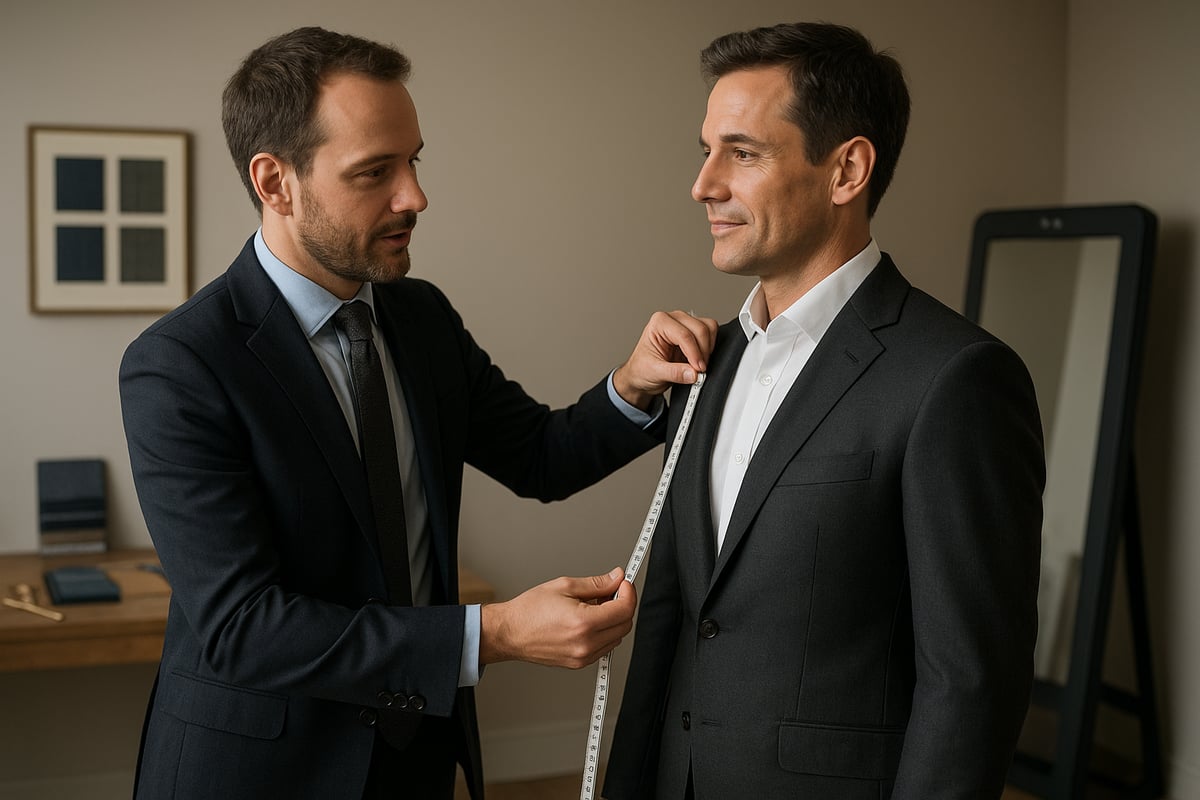
Your first meeting with a suit tailor is crucial in defining your vision and requirements. During this stage, you will discuss your style preferences, intended use for the suit, and any specific fit concerns. The suit tailor will either use traditional measuring tapes or advanced tools like 3D body scanners for maximum precision.
Reviewing sample garments and previous work helps you visualize available options. If you are seeking bespoke suits in Ao Nang Krabi, consider Bespoke suits in Ao Nang Krabi to see how expert consultation and measurement can set the foundation for a perfect fit.
Design and Fabric Selection
Once measurements are complete, the suit tailor will guide you through an array of fabric choices, linings, buttons, and finishing details. Here, the focus is on balancing style with function, ensuring the selected materials align with your climate and occasion.
Expect to discuss the latest fabric innovations, such as wrinkle-resistant blends or eco-friendly textiles. A skilled suit tailor will offer advice on color, texture, and durability, helping you create a suit that is both stylish and practical.
Fittings and Adjustments
The fitting phase typically involves multiple appointments to refine your suit’s fit. Your suit tailor will schedule an initial fitting with the partially constructed garment, allowing for adjustments based on your feedback.
Subsequent fittings address finer details, such as sleeve length and waist shaping. This iterative process ensures your suit achieves the ideal balance of comfort and silhouette. The suit tailor’s expertise is key in translating measurements into a truly personalized garment.
Final Delivery and Aftercare
At delivery, the suit tailor will invite you to inspect the finished suit, checking for quality and precise fit. You will receive guidance on caring for your new suit, including cleaning and storage tips to preserve fabric and structure.
Many tailors provide complimentary minor adjustments after purchase, ensuring ongoing satisfaction. A reputable suit tailor also offers aftercare support, so you can confidently enjoy your investment for years to come.
Questions to Ask Before Committing to a Suit Tailor
Choosing the right suit tailor is a significant investment in your personal style and comfort. Before making a commitment, it is essential to ask the right questions so you can confidently evaluate your options. These questions help you determine if a tailor aligns with your expectations for quality, service, and value.
Assessing Quality and Expertise
When selecting a suit tailor, prioritize expertise and craftsmanship. Begin by asking:
- Can you show me examples of recent work?
- What is your experience with my preferred style?
- Who performs the tailoring—in-house or is it outsourced?
Reviewing a portfolio is vital. Many top tailors showcase their work online, and you can explore detailed examples on Men’s custom suits overview to see various fits, fabrics, and finishes. A reputable suit tailor should also have a proven track record, visible attention to detail, and often, industry recognition or awards. Confirm that the tailoring is performed by skilled professionals to ensure consistent quality.
Understanding Pricing and Value
Transparency is essential when discussing pricing with a suit tailor. Key questions include:
- What is included in the quoted price?
- Are there extra charges for alterations or rush orders?
- Do you offer a satisfaction guarantee or refund policy?
A quality suit tailor will provide an all-inclusive price and clearly explain what is covered. You should also inquire about the cost of additional services, such as fabric upgrades or expedited delivery. Knowing the full scope of pricing helps you avoid hidden fees and ensures you receive good value for your investment.
Evaluating Turnaround and Flexibility
Timelines are a major factor in your decision, especially if you have a specific deadline. Ask your suit tailor:
- What is your standard turnaround time?
- Can you accommodate urgent orders?
- How many fittings are included?
Some suit tailor shops offer express services for travelers or those with tight schedules, with industry averages ranging from two to four weeks for completion. Clarifying these details helps you plan ahead and ensures the tailor can meet your needs without compromising on quality or fit.
Checking Aftercare and Long-Term Support
Support after the sale is just as important as the initial fitting. Make sure to ask your suit tailor:
- Do you provide aftercare or maintenance services?
- Are future alterations discounted or included?
- How do you handle fit issues after delivery?
A reliable suit tailor will offer complimentary minor adjustments, especially within the first year, and provide guidance on suit care and storage. Long-term support demonstrates a commitment to customer satisfaction and extends the life of your custom suit.
Common Mistakes to Avoid When Choosing a Suit Tailor
Selecting the right suit tailor is a significant investment in your wardrobe and self-image. Yet, many clients fall into similar traps during the process. By recognizing these pitfalls, you can make a more informed decision and achieve a result that matches your expectations.
1. Focusing Only on Price Instead of Quality and Fit
Choosing a suit tailor simply because they offer the lowest price can lead to disappointment. Quality craftsmanship and premium materials require a fair investment. A cheap suit may not fit correctly or last as long, costing you more in the long run.
2. Ignoring Reviews and Failing to Check Portfolios
Overlooking client testimonials and a tailor’s previous work is a common oversight. Reviews and portfolios provide valuable insight into the suit tailor’s consistency, style, and customer satisfaction. Take the time to research before making a commitment.
3. Overlooking Communication and Clear Policies
Effective communication is essential when working with a suit tailor. Unclear policies regarding alterations, timelines, or guarantees can create confusion. Always confirm these details before placing an order.
4. Rushing the Process and Skipping Fittings
Some clients hurry through the process, skipping fittings or consultations. This often results in a suit that does not fit properly. Multiple fittings allow the suit tailor to make precise adjustments for your body shape and preferences.
5. Not Clarifying Guarantees, Alteration Policies, or Included Services
Misunderstandings about what is included in the service can lead to unexpected costs. Always ask about alteration policies, satisfaction guarantees, and what aftercare is provided. According to an industry survey, 30% of buyers regret not inquiring about alteration costs.
6. Choosing Style Over Comfort or Practicality
While it’s tempting to select the most fashionable option, a suit should also meet your comfort and practical needs. Trends such as relaxed silhouettes and sustainable fabrics are worth considering. For more on modern tailoring preferences and how they impact comfort, see Men’s Suit Trends 2025 Insights.
Avoiding these mistakes will help you select a suit tailor who delivers both style and substance. Remember, clear communication, thorough research, and a focus on quality are key to a suit that fits your life and ambitions.
The Value of Local Expertise: Choosing a Trusted Tailor in Your Area
Selecting a local suit tailor is about more than just convenience. In-person fittings and consultations provide a level of personalization that online platforms often cannot match. When you visit a suit tailor, you benefit from direct communication, instant feedback, and the opportunity to see and feel fabrics before making decisions. This hands-on approach helps ensure that every detail, from your measurements to your style preferences, is captured with precision.
Local suit tailors play a vital role in their communities. By choosing a suit tailor nearby, you support small businesses and foster local craftsmanship. Communication is typically easier and more responsive, allowing for quick adjustments or consultations when needed. Many local suit tailors offer flexible hours and personalized aftercare, making them especially valuable for clients who prioritize ongoing support and a relationship built on trust. This commitment to service sets local experts apart from larger, less personal operations.
Consider the experience of travelers in Thailand, where many seek out a suit tailor for fast, high-quality custom suits during brief stays. Local shops are known for their attention to detail and ability to deliver exceptional results quickly. In fact, 70% of customers report greater satisfaction with local tailors compared to online-only services. While digital innovations such as 3D body scanning have transformed the industry, the personalized touch and adaptability of a local suit tailor remain unmatched for those seeking the perfect fit and a memorable experience.
After exploring the essential steps to finding a suit tailor who truly understands your style, fit, and needs, you now have the confidence to make an informed decision in 2026’s ever-evolving fashion landscape. At Alex’s Fashion in Ao Nang, Krabi, you’ll find over 30 years of bespoke expertise, a wide selection of world-class fabrics, and a commitment to satisfaction that sets us apart. Whether you’re a local or a traveler wanting a suit that perfectly reflects your identity, we’re here to guide you every step of the way.
Ready to start your bespoke journey? Contact us today