
 EN
EN  FR
FR  DE
DE  TH
TH 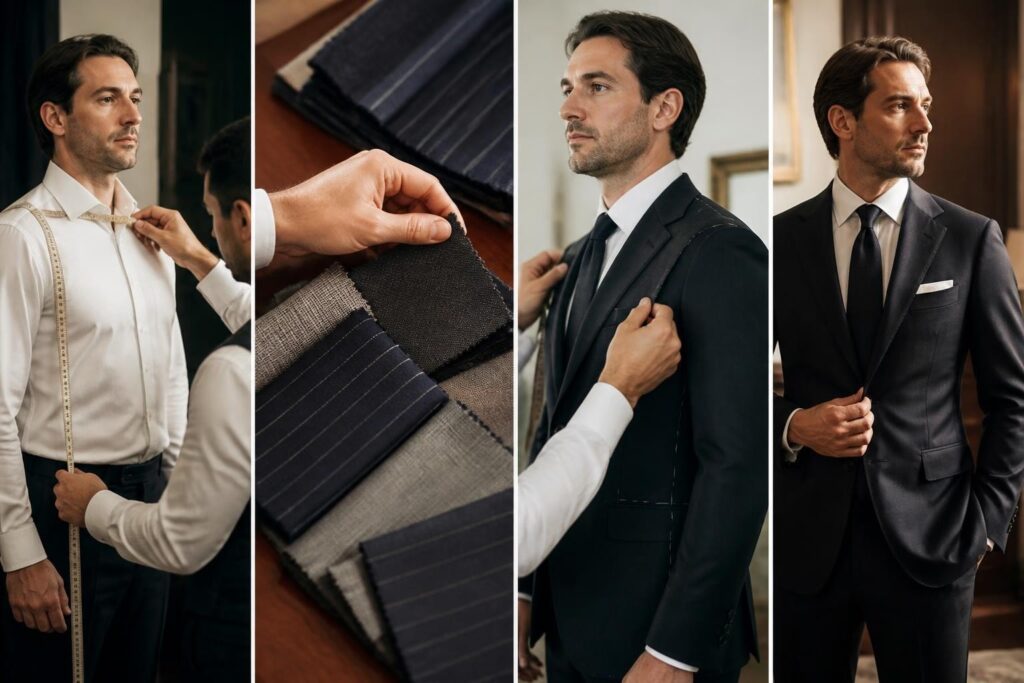
A perfectly fitted suit transforms not only your appearance but also your confidence. When you work with a skilled suit for men tailor, you're investing in craftsmanship that elevates every detail of your wardrobe. Unlike off-the-rack options, bespoke tailoring ensures that every measurement, fabric choice, and finishing touch aligns with your unique body shape, style preferences, and lifestyle needs. This personalized approach to menswear has experienced a remarkable resurgence as discerning gentlemen recognize the unmatched value of custom-made garments that fit flawlessly and last for years.
Understanding the Bespoke Tailoring Process
The journey with a suit for men tailor begins with a comprehensive consultation where your vision comes to life. This initial meeting establishes the foundation for your custom garment, covering everything from style preferences to practical considerations like where and how you'll wear the suit.
The Initial Consultation
During your first appointment, an experienced tailor evaluates your needs through detailed discussion and observation. This conversation covers:
- Intended use: Business meetings, weddings, formal events, or everyday wear
- Style preferences: Classic, contemporary, or fashion-forward designs
- Comfort priorities: Mobility requirements, climate considerations, and personal sensitivities
- Budget parameters: Fabric quality, construction methods, and finishing details
The tailor also assesses your posture, body shape, and any fitting challenges that require attention. This professional evaluation ensures the final garment addresses aspects you might not have considered independently.
Precision Measurements
Accurate measurements form the cornerstone of exceptional bespoke work. A skilled suit for men tailor takes approximately 20-30 measurements, far exceeding the basic sizing used in ready-to-wear clothing. These measurements capture nuances like shoulder slope, arm pitch, and posture variations that dramatically impact fit quality.
Key measurement areas include chest, waist, hips, sleeve length, shoulder width, back length, and trouser inseam. Additionally, the tailor notes asymmetries common to most bodies, such as one shoulder sitting higher than the other or slight differences in arm length.
Fabric Selection and Quality Considerations
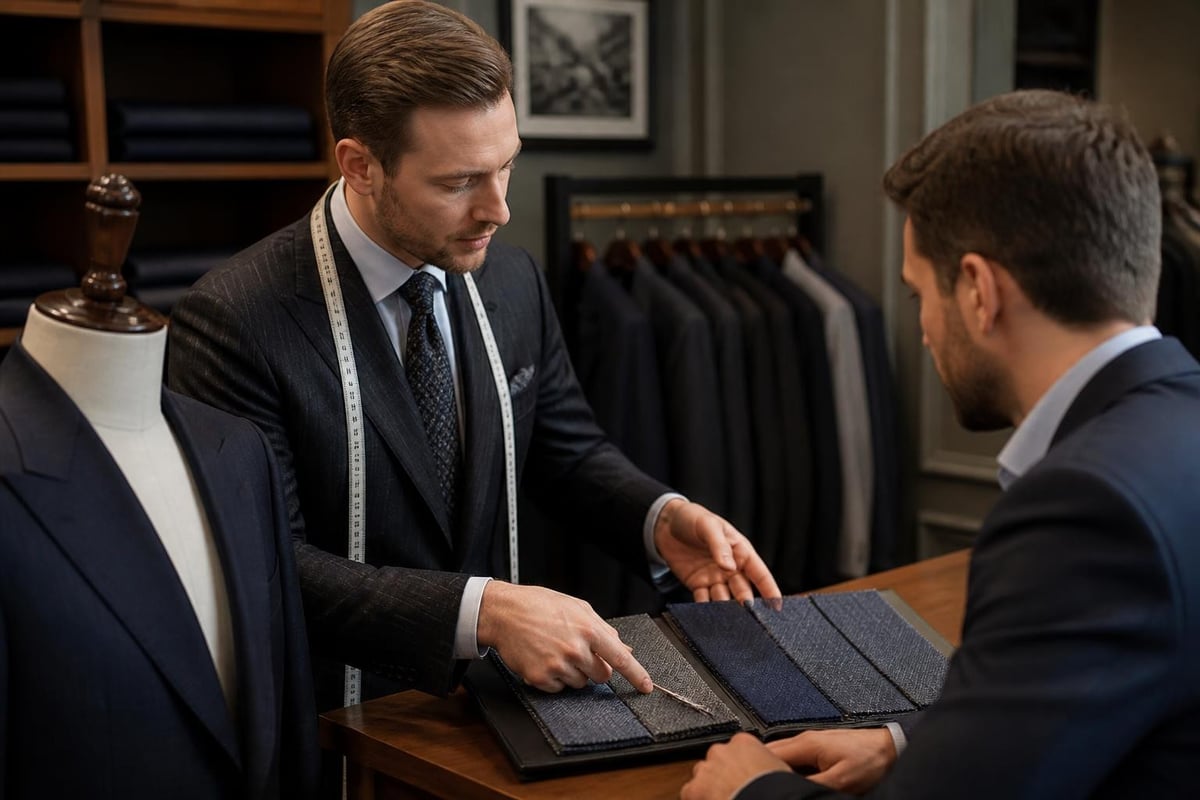
Choosing the right fabric represents one of the most exciting aspects of commissioning a custom suit. A professional tailor guides you through options that balance aesthetics, durability, and budget.
Understanding Fabric Weights and Weaves
Fabric weight, measured in ounces per square yard, determines seasonality and drape characteristics. Lighter fabrics (7-9 oz) work beautifully for tropical climates and summer months, while medium weights (10-13 oz) offer year-round versatility. Heavier fabrics (14+ oz) provide structure and warmth for cooler seasons.
| Fabric Weight | Best Season | Characteristics | Ideal For |
|---|---|---|---|
| 7-9 oz | Summer/Tropical | Breathable, lightweight | Beach destinations, warm climates |
| 10-13 oz | Year-round | Versatile, balanced drape | Business wear, most occasions |
| 14-16 oz | Fall/Winter | Substantial, warm | Cold climates, formal events |
The weave pattern affects both appearance and performance. Worsted wool provides a smooth, refined finish ideal for business settings, while flannel offers warmth and texture. Tropical wool features an open weave that enhances breathability, making it perfect for locations like Krabi, Thailand.
Premium Fabric Sources
World-class fabric mills supply the materials that distinguish exceptional suits. Italian mills like Vitale Barberis Canonico and Loro Piana produce luxurious woolens with superior hand-feel and drape. British mills such as Holland & Sherry and Scabal offer traditional patterns and robust construction.
When selecting fabric with your suit for men tailor, consider color versatility. Navy and charcoal gray remain timeless choices that coordinate effortlessly with various shirts and accessories. Lighter shades like tan or light gray work wonderfully for daytime events and warmer seasons.
Modern Suit Trends and Styling Options
Contemporary tailoring embraces both classic refinement and innovative design elements. Understanding current trends helps you create a suit that feels both timeless and current. Recent suit trends for 2025 showcase how modern tailoring balances tradition with fresh perspectives.
Contemporary Silhouettes
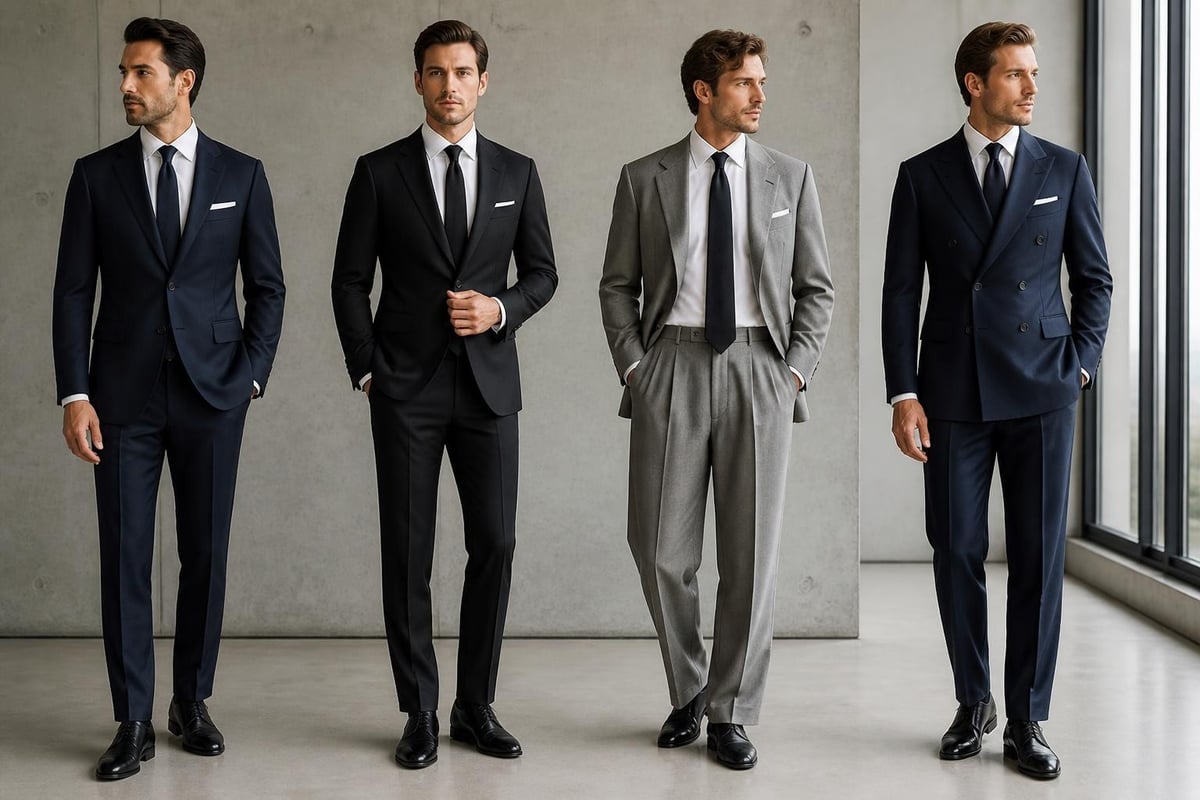
Today's suit for men tailor offerings include various silhouette options that cater to different style preferences. The slim fit remains popular for its clean, modern lines, though relaxed tailoring has gained significant momentum as comfort becomes a priority.
Popular silhouette choices include:
- Classic fit with natural shoulder and comfortable proportions
- Slim fit featuring tapered trousers and closer-fitting jacket
- Modern fit blending traditional structure with contemporary lines
- Relaxed fit offering ease of movement and casual sophistication
The double-breasted jacket has experienced a notable revival, adding distinctive character to both formal and business-casual wardrobes. This style works particularly well for taller frames and creates commanding presence.
Pattern and Texture Innovations
While solid colors maintain their essential role in any wardrobe, patterns add personality and visual interest. Subtle windowpane checks, pinstripes, and herringbone weaves provide texture without overwhelming versatility. Bold patterns have emerged as a defining trend, allowing confident dressers to express individuality.
Your tailor can advise on pattern scale appropriate for your build and intended use. Larger patterns typically suit bigger frames and informal occasions, while finer patterns maintain professional restraint.
The Construction Process
Understanding how your suit comes together reveals the craftsmanship behind bespoke tailoring. A suit for men tailor employs techniques refined over generations to create garments that conform beautifully to your body.
Canvas Construction Versus Fused
The internal structure profoundly impacts how a suit wears and ages. Full canvas construction uses layers of horsehair canvas hand-stitched between the outer fabric and lining, allowing the jacket to mold to your body over time and maintain its shape through years of wear.
Half-canvas construction extends from shoulders to mid-chest, offering a balance between traditional craftsmanship and modern efficiency. Fused construction, while less expensive, bonds interfacing with adhesive and lacks the longevity and breathability of canvas methods.
Hand-Finishing Details
Handwork distinguishes truly exceptional tailoring. Elements like hand-sewn buttonholes, pick stitching along lapels, and hand-attached linings demonstrate commitment to quality. These details aren't merely aesthetic-they enhance durability and allow the garment to move naturally with your body.
A skilled suit for men tailor dedicates hours to hand-finishing, ensuring each stitch serves both functional and aesthetic purposes. This attention to detail becomes evident in how the suit drapes, how buttons fasten securely, and how the garment maintains its appearance over time.
Fitting Sessions and Adjustments
The fitting process separates bespoke tailoring from all other clothing acquisition methods. Multiple fittings ensure absolute precision before final completion.
First Fitting: The Basted Trial
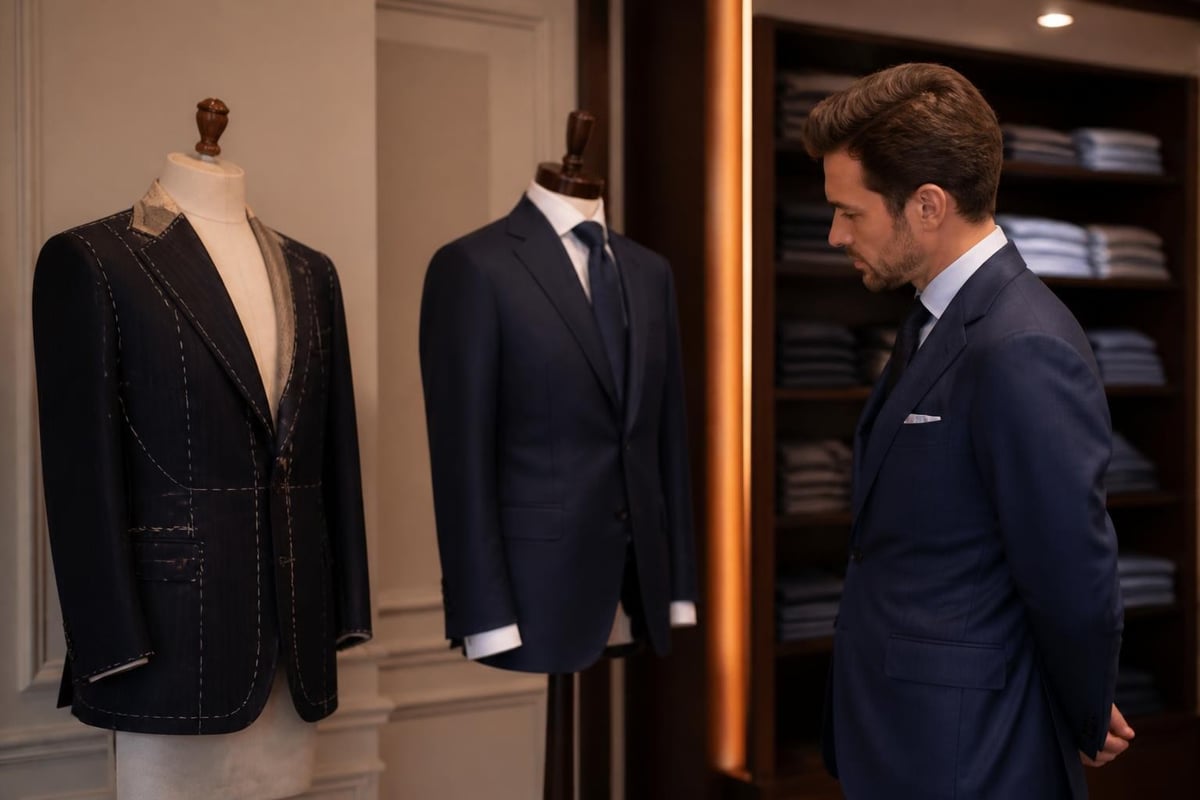
Your first fitting typically occurs with a partially constructed garment basted together with temporary stitching. This allows the tailor to assess overall fit, balance, and proportion while making necessary adjustments. The suit for men tailor evaluates shoulder fit, sleeve pitch, jacket length, and trouser break.
Common adjustments at this stage include:
- Refining shoulder slope and width
- Adjusting sleeve length and armhole position
- Modifying jacket waist suppression
- Correcting collar stand and lapel roll
- Altering trouser rise and leg width
Final Fitting and Delivery
The second fitting presents your suit in nearly finished form, with permanent stitching and complete details. This appointment focuses on fine-tuning, ensuring perfect sleeve length, proper trouser break, and comfortable movement. Your tailor checks that pockets sit correctly, vents hang properly, and all details meet specifications.
After final approval, the suit receives pressing and any last refinements before delivery. A reputable tailor stands behind their work, offering adjustments if your weight fluctuates or additional tweaks become necessary.
Caring for Your Bespoke Suit
Proper maintenance extends the life of your investment significantly. A quality suit from an experienced suit for men tailor can serve you for decades with appropriate care.
Daily Maintenance Practices
Essential care routines include:
- Hanging suits on proper wooden hangers with shaped shoulders
- Allowing suits to rest at least 24 hours between wearings
- Brushing fabric gently after each use to remove debris
- Emptying pockets to prevent sagging and distortion
- Storing in breathable garment bags, never plastic
Spot cleaning addresses minor issues without subjecting the entire garment to cleaning processes. Use a damp cloth for water-based stains and consult your tailor for advice on more stubborn marks.
Professional Cleaning and Storage
Dry cleaning should occur sparingly-perhaps 2-3 times annually for regularly worn suits. Excessive cleaning degrades fabric and shortens garment life. Choose reputable cleaners experienced with fine tailoring who use appropriate solvents and pressing techniques.
| Maintenance Task | Frequency | Purpose |
|---|---|---|
| Brushing | After each wear | Remove dust and debris |
| Airing out | After each wear | Eliminate moisture and odors |
| Professional cleaning | 2-3 times yearly | Deep cleaning when necessary |
| Pressing | As needed | Restore crisp appearance |
For long-term storage, ensure suits are clean, completely dry, and protected from light, moisture, and pests. Cedar elements help repel insects naturally.
Investment Value and Long-Term Benefits
Commissioning a suit for men tailor represents significant investment, yet the cost-per-wear calculation often favors bespoke over repeatedly purchasing ready-made alternatives.
Cost Analysis
Custom suits range considerably in price based on fabric selection, construction method, and regional labor costs. Entry-level bespoke starts around $800-1200, mid-range options fall between $1500-3000, while premium commissions can exceed $5000.
Consider that a well-maintained bespoke suit lasts 10-15 years or longer, while off-the-rack suits typically require replacement within 2-3 years. The superior fit also means you'll actually wear the garment regularly rather than leaving it in your closet because it never quite fits right.
Intangible Benefits
Beyond longevity, custom tailoring offers advantages difficult to quantify. The confidence that comes from wearing clothing made specifically for your body affects how you carry yourself in professional and social situations. The relationship with your tailor also provides ongoing style guidance and wardrobe planning support.
Choosing the Right Tailor
Selecting a suit for men tailor requires research and consideration. The right partnership produces garments you'll treasure for years.
Evaluating Expertise and Experience
Look for tailors with substantial experience and verifiable examples of their work. Examine finished garments for clean stitching, balanced proportions, and quality materials. A tailor with 30+ years of experience brings invaluable knowledge to complex fitting challenges and style recommendations.
Ask about training background and construction methods. Tailors who learned through apprenticeship and continue refining their craft typically produce superior results compared to those following template-based approaches.
Communication and Style Compatibility
Your tailor should listen attentively to your preferences while offering professional guidance. This balance between respecting your vision and providing expert advice ensures satisfaction with the final product. Contemporary trends like those emerging from Paris Fashion Week offer inspiration, but your tailor should help you adapt trends to suit your lifestyle and body type.
Schedule consultations with multiple tailors before committing. Notice how each professional interacts, whether they ask detailed questions about your needs, and whether their aesthetic aligns with your preferences.
Special Occasion Considerations
Different events demand specific styling approaches. Your suit for men tailor can guide you toward appropriate choices for various occasions.
Wedding and Formal Event Suits
Weddings require careful consideration of formality level, venue, and time of day. Morning coats and tailcoats suit the most formal daytime and evening ceremonies respectively, while sophisticated business suits work beautifully for less formal celebrations.
Destination weddings in tropical locations benefit from lighter fabrics and relaxed styling. Linen blends and tropical wool provide comfort in warm, humid environments while maintaining appropriate formality.
Wedding suit considerations:
- Match formality to invitation wording and venue
- Coordinate with wedding party colors without matching exactly
- Choose versatile options you'll wear again
- Consider climate and time of year
- Plan for 3-4 months lead time for custom creation
Business and Professional Attire
Professional settings often require conservative styling and classic colors. Navy and charcoal suits in subtle patterns or solids project authority and competence. The current trend toward relaxed tailoring allows for comfortable movement during long workdays while maintaining polished appearance.
For industries with creative or relaxed dress codes, you might explore bolder colors, interesting textures, or fashion-forward silhouettes that express personality while remaining appropriate.
Regional Tailoring Traditions
Different regions have developed distinctive tailoring approaches that influence style and construction. Understanding these traditions helps you articulate preferences to your suit for men tailor.
Italian Tailoring Philosophy
Italian tailoring emphasizes soft construction, natural shoulders, and fluid drape. Neapolitan tailoring features high armholes, lightweight canvas, and minimal padding, creating suits that feel almost unconstructed yet maintain elegant shape. This approach prioritizes comfort and ease of movement.
Roman tailoring tends toward more structure while retaining Italian softness. The jackets feature slightly more padding and defined waist suppression, creating sophisticated silhouettes.
British Tailoring Heritage
British tailoring from Savile Row exemplifies structured elegance with pronounced chest shape, padded shoulders, and precise waist definition. These suits project formality and authority, making them ideal for conservative business environments and formal occasions.
The construction methods involve extensive handwork and multiple fittings, resulting in garments that mold to the wearer over time while maintaining impeccable structure.
American Adaptations
American tailoring traditionally favored looser cuts with natural shoulders and minimal waist suppression, prioritizing comfort and practicality. Contemporary American tailoring has evolved to incorporate elements from European traditions while maintaining ease of wear suitable for the American lifestyle.
Sustainable and Ethical Tailoring Practices
Modern consumers increasingly value sustainability and ethical production. Bespoke tailoring inherently supports these values through its made-to-order approach and emphasis on longevity.
Environmental Benefits
Custom tailoring produces minimal waste compared to mass production. Fabric is cut precisely to pattern pieces with careful planning to maximize material use. The made-to-order model eliminates unsold inventory and associated waste.
Quality construction and timeless styling mean suits remain wearable for decades rather than becoming obsolete after one season. This longevity dramatically reduces the environmental impact per wearing compared to fast fashion alternatives.
Supporting Traditional Craftsmanship
Working with a suit for men tailor supports skilled artisans and preserves traditional techniques that might otherwise disappear. These craftspeople invest years developing expertise that machines cannot replicate. Your patronage helps ensure these valuable skills transfer to future generations.
Many established tailoring businesses maintain long-term relationships with fabric mills and suppliers who share commitments to quality and ethical practices. This network of responsible producers creates value beyond the finished garment.
Expanding Your Custom Wardrobe
Once you experience the benefits of bespoke tailoring, you'll likely want to expand beyond your initial suit. Strategic additions build a versatile wardrobe that addresses multiple needs.
Building a Foundation
Essential pieces for a well-rounded custom wardrobe:
- Navy suit for business and formal occasions
- Charcoal or gray suit for versatility
- Sport coat in complementary color or pattern
- Tailored trousers in various fabrics and colors
- Custom dress shirts in classic colors
This foundation supports countless outfit combinations for business, social events, and travel. Each piece coordinates with multiple others, maximizing utility.
Seasonal Additions
As your relationship with your tailor develops, consider seasonal pieces that address specific needs. Lightweight summer suits in tan or light blue provide warm-weather options, while heavier winter fabrics in richer tones suit cold months.
Sport coats and blazers offer styling flexibility, pairing with both dress trousers and quality denim for smart-casual occasions. These pieces demonstrate how working with a skilled suit for men tailor extends far beyond traditional suiting.
Investing in bespoke tailoring delivers unmatched fit, quality, and style that elevates every aspect of your wardrobe. Understanding the process, from initial consultation through fabric selection to final fitting, empowers you to make informed decisions that result in garments you'll treasure for years. Whether you need a sophisticated suit for business, a refined ensemble for special occasions, or versatile pieces for your everyday wardrobe, the expertise and craftsmanship available through Alex’s Fashion ensures every garment reflects your unique style and fits flawlessly. Visit our Ao Nang location to begin your bespoke journey with our experienced team.