
 EN
EN  FR
FR  DE
DE  TH
TH 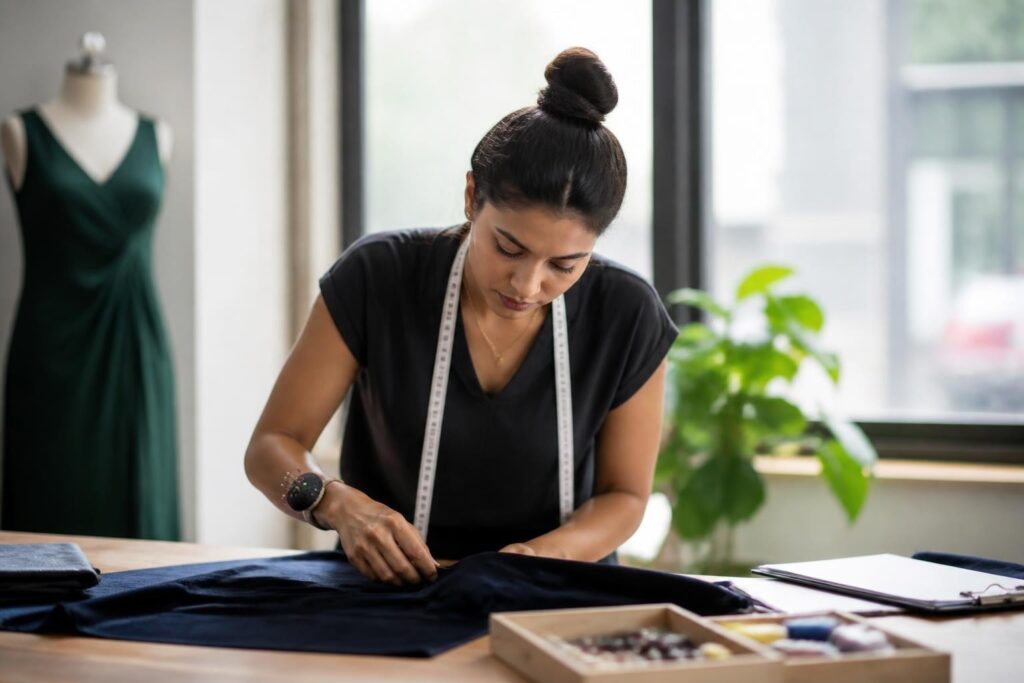
Finding a reliable near by ladies tailor shop can transform your wardrobe and provide you with custom-fitted garments that reflect your personal style and body measurements. Whether you need a wedding dress altered, a business suit tailored to perfection, or custom clothing created from scratch, selecting the right tailor requires careful consideration of their experience, craftsmanship, and service offerings. The tailoring industry continues to evolve in 2026, with skilled artisans combining traditional techniques with modern fabric technologies to deliver exceptional results. Understanding what to look for in a local tailoring establishment ensures you receive garments that fit flawlessly and last for years.
Understanding What Makes a Quality Ladies Tailor Shop
A professional ladies tailor shop offers far more than basic hemming and simple alterations. The best establishments provide comprehensive services including bespoke garment creation, pattern drafting, fabric consultation, and complex structural alterations that require advanced technical skills.
Core Services to Expect
When evaluating a near by ladies tailor shop, examine their service menu carefully. Quality tailors should offer multiple tiers of expertise.
Essential tailoring services include:
- Custom measurements and fitting consultations
- Wedding and formal dress alterations
- Business suit tailoring and modifications
- Casual wear adjustments and restyling
- Garment reconstruction and resizing
- Zipper replacement and lining repairs
The growing demand for tailoring services across the industry highlights how consumers increasingly value personalized fit over off-the-rack convenience. This trend means skilled tailors remain essential resources in any community.
Experience and Specialization Matter
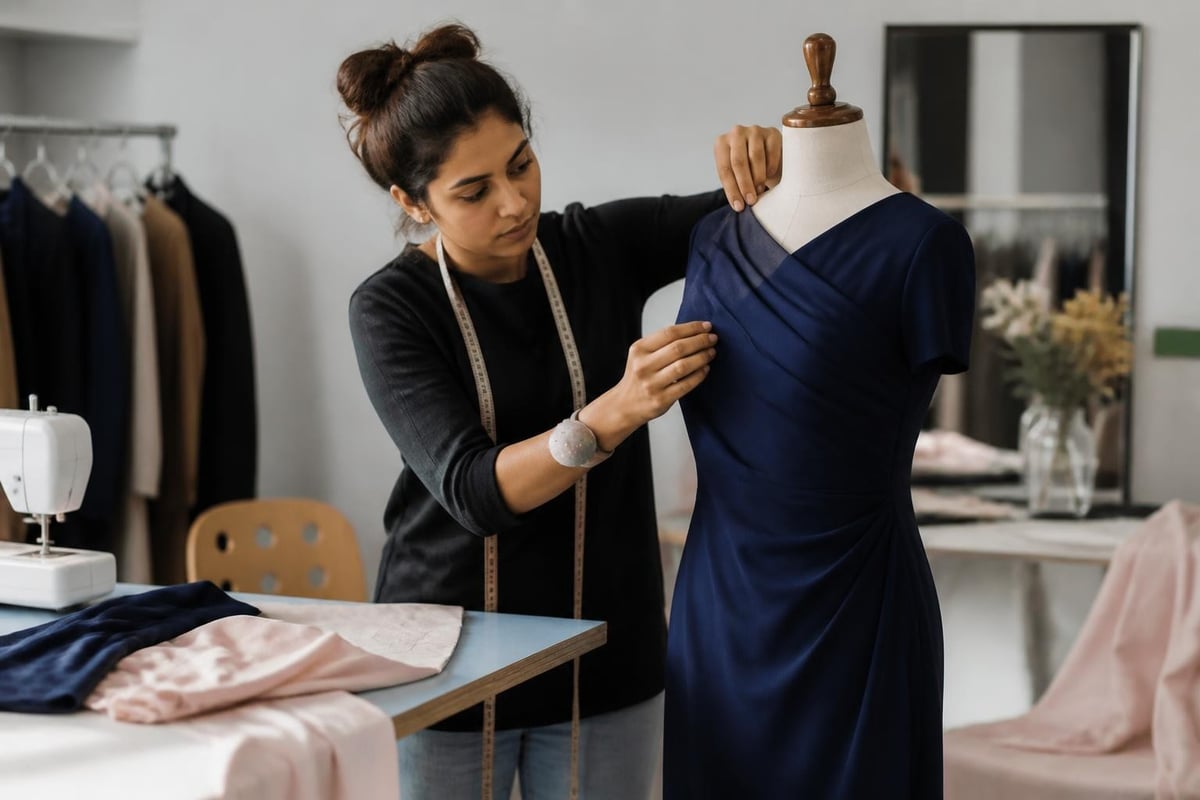
Years of practice directly correlate with a tailor's ability to handle complex projects. A shop with three decades of experience has encountered virtually every fitting challenge and fabric type, developing solutions that newer establishments may struggle to provide.
Different tailors specialize in different areas. Some excel at bridal wear while others focus on business attire or traditional ethnic clothing. Matching your needs to a tailor's specialty ensures better results than choosing a generalist for highly specialized work.
How to Locate and Evaluate Local Tailoring Options
Finding quality tailoring services nearby requires research beyond a simple online search. The best near by ladies tailor shop often relies on reputation and word-of-mouth rather than extensive digital marketing.
Search Strategies That Work
| Method | Effectiveness | Best For |
|---|---|---|
| Personal referrals | Very High | Finding trusted quality |
| Online reviews | High | Verifying reputation |
| Social media | Medium | Viewing finished work |
| Walk-in visits | Very High | Assessing atmosphere |
Start by asking friends, colleagues, and family members who consistently wear well-fitted clothing. Personal recommendations provide authentic insights into a tailor's reliability, pricing, and customer service approach.
Many alteration shops maintain limited online presence, as discussed in industry analyses of tailor marketing strategies, making physical visits particularly important for evaluation.
Questions to Ask During Initial Consultations
Before committing to any project, schedule a consultation to assess compatibility and expertise.
Critical questions include:
- How many years have you been tailoring ladies' garments specifically?
- What is your experience with this particular garment type or fabric?
- How many fittings do you typically require for this type of project?
- What is your timeline for completion?
- Do you offer any guarantees or revision policies?
Pay attention to how thoroughly the tailor listens and responds. Skilled professionals ask detailed questions about your preferences, lifestyle, and how you plan to use the garment.
Assessing Craftsmanship and Quality Standards
The difference between average and exceptional tailoring becomes apparent in the finished product's details. Understanding quality markers helps you make informed decisions when selecting a near by ladies tailor shop.
Fabric Knowledge and Selection
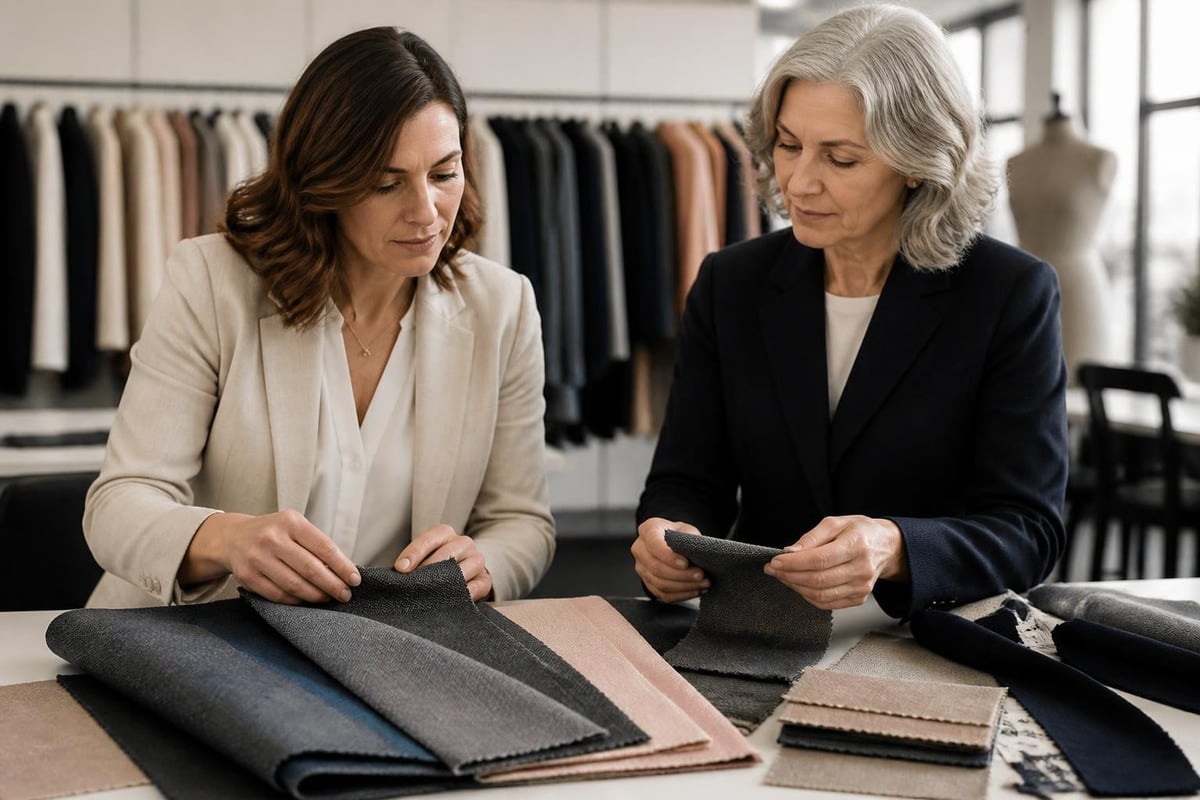
Expert tailors possess comprehensive fabric knowledge, understanding how different materials drape, stretch, and wear over time. When creating custom pieces or suggesting alterations, they should explain how fabric characteristics affect the final result.
Selecting high-quality fabrics requires understanding weave patterns, fiber content, weight, and finishing processes. A knowledgeable tailor guides these decisions rather than simply executing your instructions without input.
World-class fabrics from Italian mills, British weavers, and other premium sources offer superior durability and appearance. However, skilled tailors also work effectively with mid-range materials, achieving excellent results through superior construction techniques.
Construction Techniques and Finishing
Examine sample garments or photos of previous work to evaluate construction quality. Superior tailoring reveals itself in multiple areas.
Quality indicators include:
- Even, consistent stitch lengths throughout
- Properly aligned patterns at seams
- Smooth, flat seam finishes without puckering
- Hand-finished buttonholes and hems
- Reinforced stress points at pockets and closures
- Clean interior finishing with French seams or bound edges
The interior of a garment should appear nearly as refined as the exterior. Exposed raw edges, irregular stitching, or sloppy seam allowances indicate rushed or inexperienced work.
Understanding Pricing and Value
Tailoring costs vary significantly based on garment complexity, fabric requirements, and the tailor's experience level. Understanding pricing structures helps you budget appropriately and recognize fair value.
Typical Price Ranges for Common Services
| Service Type | Budget Range | Premium Range | Factors Affecting Cost |
|---|---|---|---|
| Hem adjustment | $15-30 | $40-75 | Fabric type, hand vs. machine |
| Dress alterations | $50-150 | $200-500 | Complexity, beading, structure |
| Suit tailoring | $75-200 | $300-800 | Number of pieces, fit adjustments |
| Bespoke creation | $300-800 | $1,200-3,500 | Fabric, design complexity, fittings |
Premium pricing reflects not just time and materials but decades of experience and superior results. A near by ladies tailor shop with master craftspeople commands higher rates because their work requires fewer adjustments and lasts longer.
Avoiding Common Pricing Pitfalls
Request detailed written estimates before approving any work. Reputable tailors provide transparent pricing that itemizes each alteration or construction element.
Be cautious of extremely low prices that seem too good to be true. Quality tailoring requires significant time and skill. Shops offering bargain rates often compromise on construction quality or rush projects to maintain profitability.
Rush fees for expedited completion are standard practice. Plan ahead to avoid these additional charges, particularly for event-specific garments like wedding attire or special occasion dresses.
The Fitting Process and What to Expect
Professional tailoring involves multiple fittings to achieve perfect results. Understanding this process helps you collaborate effectively with your tailor and ensures satisfaction with the final product.
Initial Measurement and Assessment
Your first appointment establishes the foundation for all subsequent work. Expect the tailor to take comprehensive measurements including shoulder width, bust, waist, hip, arm length, and inseam measurements for pants.
Quality tailors measure while you're wearing undergarments similar to what you'll wear with the finished garment. Posture, weight distribution, and body asymmetries all affect how clothing fits.
During this session, discuss your preferences regarding fit. Some clients prefer slim, tailored silhouettes while others want more ease and comfort. Clear communication prevents misunderstandings and ensures you receive the fit style you actually want.
Subsequent Fittings and Adjustments
Most custom projects require two to three fittings. The first fitting occurs with the garment basted together, allowing major adjustments before permanent stitching.
Progressive fitting stages:
- Muslin or basted fitting – Major structural adjustments
- Mid-construction fitting – Refinement and detail confirmation
- Final fitting – Minor tweaks and finishing touches
Complex garments like structured jackets or wedding dresses may require additional sessions. According to expert guidance on finding quality tailors, patience during the fitting process directly correlates with final garment satisfaction.
Building a Long-Term Relationship with Your Tailor
Once you find a skilled near by ladies tailor shop, cultivating an ongoing relationship provides numerous benefits beyond individual projects.
Advantages of Tailor Loyalty
Established tailors who know your measurements, preferences, and body characteristics work more efficiently on subsequent projects. They maintain measurement records, understand your style preferences, and anticipate your needs.
Long-term clients often receive priority scheduling, more flexible accommodation for rush projects, and occasionally preferential pricing. These relationships prove particularly valuable when you need last-minute alterations or have special event deadlines.
Regular clients also gain access to fabric samples and new materials as tailors acquire them. You might receive advance notice about seasonal collections or special procurement opportunities.
Communication Best Practices
Maintain open communication about your satisfaction with completed work. If something doesn't meet your expectations, address it promptly rather than avoiding the shop.
Provide advance notice for upcoming needs when possible. Tailors appreciate clients who plan ahead, and you'll receive better service than those making last-minute requests.
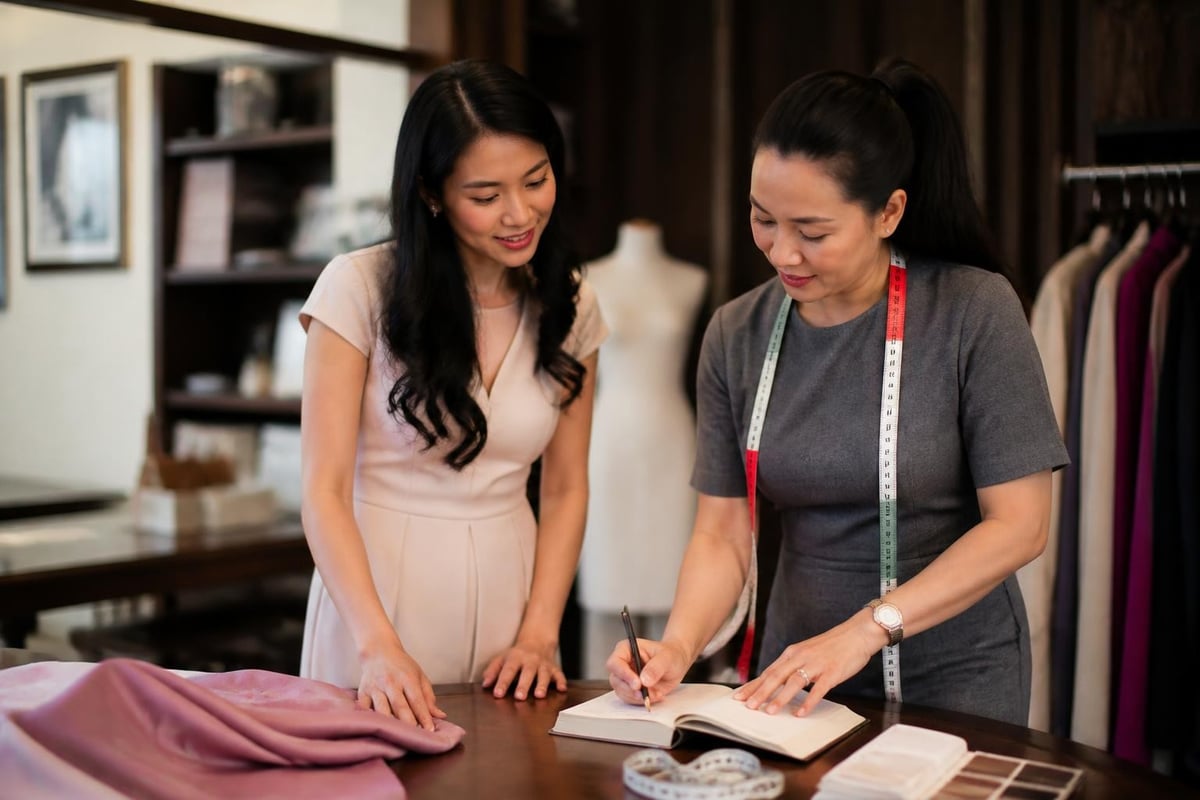
Respect appointment times and cancellation policies. Professional tailors manage multiple clients and projects simultaneously. Missed appointments without notice disrupt their workflow and may result in deprioritization of your future projects.
Seasonal Considerations and Planning
Strategic timing of tailoring projects ensures availability and optimal results. Understanding seasonal patterns in the industry helps you plan effectively.
Peak and Off-Peak Periods
Wedding season drives significant demand for many ladies' tailors. Spring and early summer represent peak periods when shops often book weeks or months in advance for bridal party alterations and formal wear.
Holiday seasons create similar surges as clients prepare special occasion outfits. Plan holiday party attire projects for early fall rather than waiting until November or December when tailors face maximum workload.
Strategic scheduling approach:
- Schedule major projects during slower winter and late summer months
- Book wedding-related work at least 3-4 months ahead
- Plan seasonal wardrobe updates during shoulder seasons
- Reserve rush capacity for genuine emergencies only
Specialized Services Beyond Basic Alterations
Advanced near by ladies tailor shop establishments offer specialized services that transform your wardrobe possibilities beyond simple adjustments.
Custom Creation and Bespoke Design
True bespoke tailoring involves creating garments from scratch based on your specifications, measurements, and style preferences. This process differs fundamentally from alterations or made-to-measure services.
The bespoke journey begins with design consultations where you discuss style elements, intended use, and aesthetic preferences. Tailors sketch designs, suggest modifications based on your body type, and help you envision the final product.
Pattern creation follows, with tailors drafting unique patterns specific to your measurements rather than adapting standard sizing. This customization ensures optimal fit that accommodates individual body characteristics.
Wardrobe Consulting and Styling
Some established tailoring businesses extend their services into wardrobe consulting. Experienced tailors understand how garments should fit different body types and can recommend styles that flatter your specific proportions.
This guidance proves particularly valuable when building professional wardrobes or preparing for significant life events. Tailors help coordinate pieces, suggest versatile combinations, and identify gaps in your current collection.
Services from businesses like Alex’s Fashion demonstrate how comprehensive tailoring establishments serve as partners in developing your personal style rather than simply executing alterations you request.
Red Flags and Warning Signs
Recognizing problematic practices helps you avoid disappointing experiences and wasted money on substandard work.
Quality Concerns to Watch For
If a tailor refuses to show previous work samples or becomes defensive about questions, consider this a warning sign. Confident professionals welcome scrutiny and happily demonstrate their capabilities.
Vague timelines or constantly changing completion dates suggest poor project management or overcommitment. Reliable tailors provide realistic schedules and communicate promptly if delays occur.
Additional red flags include:
- Unwillingness to provide written estimates
- Pressure to approve work immediately without inspection
- Inability to explain technical aspects of proposed alterations
- Dismissive attitudes toward your concerns or preferences
- Inconsistent pricing between estimate and final bill
When to Seek Alternatives
If initial fittings reveal significant misunderstandings about your requirements despite clear communication, the tailor may lack necessary skills for your project. Finding someone better suited to your needs prevents frustration and poor results.
Similarly, if you notice declining quality in work from a previously reliable shop, management changes or staffing issues may have affected service standards. Don't hesitate to explore alternatives when consistency disappears.
Technological Integration in Modern Tailoring
While traditional hand-sewing techniques remain fundamental to quality work, progressive tailors embrace technology to enhance accuracy and efficiency.
Some shops now use digital measuring systems that capture precise body dimensions more consistently than manual methods. These systems create permanent digital records accessible for future projects.
Advanced pattern-making software allows rapid adjustments and visualization of design modifications before cutting fabric. This technology reduces material waste and helps clients preview finished garments more effectively.
Artificial intelligence applications in fashion continue evolving, though human expertise remains irreplaceable for fine tailoring work. Technology serves as a tool enhancing rather than replacing skilled craftspeople.
Making Your Final Selection Decision
After researching options and conducting consultations, synthesize your findings to make an informed choice about which near by ladies tailor shop best serves your needs.
Create a comparison framework evaluating each candidate across critical dimensions: experience level, service range, quality indicators, pricing transparency, communication style, and scheduling availability.
Trust your instincts about the relationship potential. Beyond technical skills, successful tailoring partnerships require mutual respect and communication compatibility. If interactions feel strained or dismissive during initial consultations, working relationships likely won't improve.
Consider starting with a smaller, less critical project to test the relationship before committing to major work. A simple hem or basic alteration reveals work quality, timeline reliability, and communication patterns without significant risk.
Maintaining Your Tailored Wardrobe
Quality tailoring represents an investment worth protecting through proper care and maintenance. Understanding garment care extends the life of custom and altered pieces significantly.
Maintenance best practices:
- Follow cleaning instructions specific to fabric types
- Store structured garments on proper hangers to maintain shape
- Address minor repairs promptly before they worsen
- Return to your tailor for adjustments as your body changes
- Schedule periodic reviews of seasonal wardrobes
Many tailors offer care guidance and minor repairs as complimentary services for established clients. These relationships prove valuable for maintaining wardrobe quality over years.
Establishing connections with reliable tailoring professionals creates ongoing value that extends well beyond individual projects, supporting your style evolution throughout different life phases.
Finding the right near by ladies tailor shop transforms how you approach clothing, enabling perfect fit and personalized style impossible to achieve through ready-made garments alone. Whether you need alterations for existing pieces or custom creation of new wardrobe staples, partnering with skilled tailoring professionals ensures you always look and feel your best. With over 30 years of expertise in bespoke tailoring, Alex’s Fashion specializes in creating perfectly fitted, custom garments for women using world-class fabrics and exceptional craftsmanship. Visit their Ao Nang location to experience the difference that master tailoring brings to your wardrobe.