
 EN
EN  FR
FR  DE
DE  TH
TH 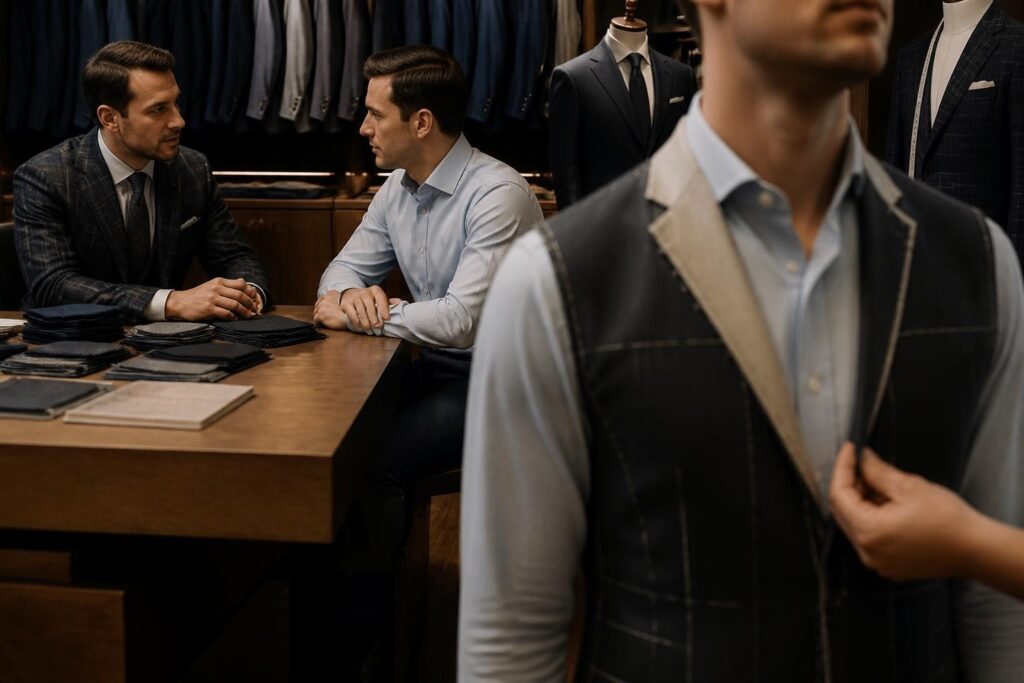
The world of mens tailors has experienced a remarkable renaissance in 2026, driven by a renewed appreciation for craftsmanship, personalized fit, and sustainable fashion choices. As more professionals return to office environments and formal occasions regain prominence, the demand for expertly tailored garments has surged beyond pre-pandemic levels. This resurgence extends far beyond basic alterations, encompassing a sophisticated ecosystem of bespoke services, hybrid tailoring models, and technological innovations that honor traditional techniques while embracing modern efficiency. Understanding what sets exceptional mens tailors apart can transform your approach to building a wardrobe that reflects both personal style and lasting quality.
The Evolution of Modern Mens Tailors
The tailoring industry has undergone significant transformation over the past decade. Traditional mens tailors once focused exclusively on in-person consultations and hand-crafted techniques, but today's landscape blends time-honored craftsmanship with technological advancements. The shift from pure bespoke to hybrid models reflects changing consumer expectations while maintaining the core values of personalized service.
Modern mens tailors now operate across multiple dimensions. Some maintain exclusively traditional approaches, where every stitch is completed by hand and each pattern is drafted specifically for individual clients. Others incorporate computer-aided design systems that ensure precision while reducing production time. The most successful tailoring businesses strike a balance between these approaches, recognizing that different garments and occasions call for varying levels of customization.
Understanding Bespoke vs. Made-to-Measure
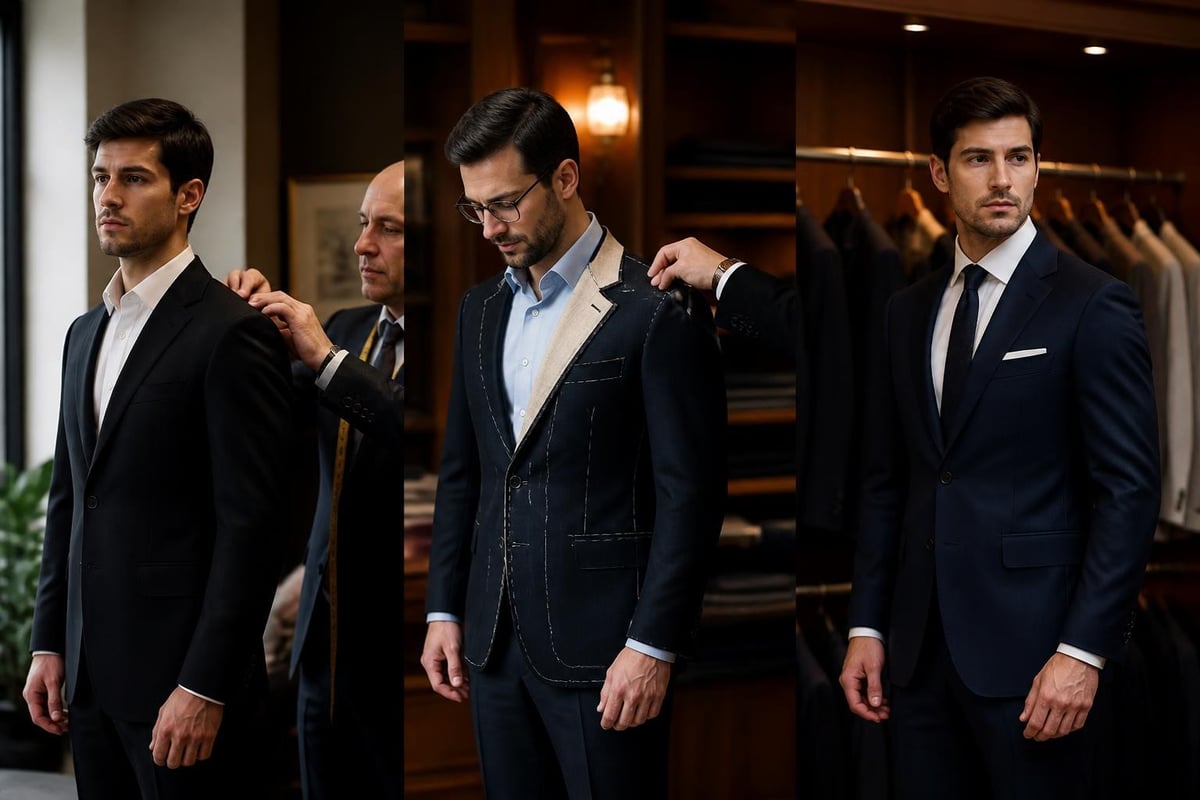
The terminology surrounding mens tailors can be confusing for first-time customers. Bespoke tailoring represents the pinnacle of customization, where every aspect of a garment is created from scratch based on individual measurements and preferences. This process typically requires multiple fittings and can take several weeks to complete.
Made-to-measure services offer a middle ground, starting with existing patterns that are then adjusted to accommodate specific measurements. While less expensive than fully bespoke options, made-to-measure garments still provide superior fit compared to off-the-rack alternatives.
Custom tailoring sometimes refers to alterations of ready-made garments, though mens tailors may use this term differently. Understanding these distinctions helps customers make informed decisions about which services best meet their needs and budgets.
| Service Type | Starting Price Range | Fittings Required | Completion Time | Customization Level |
|---|---|---|---|---|
| Bespoke | $800-$3,000+ | 3-5 sessions | 6-12 weeks | Complete freedom |
| Made-to-Measure | $400-$1,200 | 1-2 sessions | 3-6 weeks | Pattern adjustments |
| Custom Alterations | $50-$300 | 1 session | 1-2 weeks | Basic modifications |
The Resurgence in Demand for Tailored Menswear
Retailers have witnessed a remarkable surge in demand for mens tailoring as workplace dynamics shift in 2026. This trend reflects more than just return-to-office mandates; it represents a cultural recalibration toward quality, longevity, and professional presentation.
Several factors drive this renewed interest:
- Professional requirements: Hybrid work models mean fewer outfits are needed, but each must make a stronger impression
- Sustainability concerns: Investment pieces from mens tailors last years longer than fast-fashion alternatives
- Body positivity: Custom tailoring accommodates all body types without compromise
- Personal expression: Bespoke details allow individual style while maintaining professional standards
The economic implications are substantial. Despite higher initial costs, tailored garments offer superior cost-per-wear value. A well-constructed suit from experienced mens tailors can last a decade or more with proper care, compared to 2-3 years for mass-produced alternatives.
Regional Tailoring Traditions
Mens tailors worldwide have developed distinct regional styles and specializations. British tailoring emphasizes structured shoulders and clean lines. Italian craftsmen favor softer construction and natural draping. Asian tailors, particularly those in Thailand and Hong Kong, have built reputations for combining traditional techniques with exceptional value and service.
The Alex’s Fashion approach exemplifies this Asian tailoring tradition, where over 30 years of experience has refined processes that deliver world-class results. The accessibility of skilled mens tailors in regions like Ao Nang makes bespoke clothing attainable for travelers and expatriates seeking quality without the premium pricing of Western metropolitan areas.
What to Expect From Professional Mens Tailors
The journey with skilled mens tailors begins with consultation. This initial meeting establishes rapport, discusses style preferences, and reviews fabric options. Professional tailors ask detailed questions about lifestyle, climate considerations, and intended use for each garment.
The Measurement Process
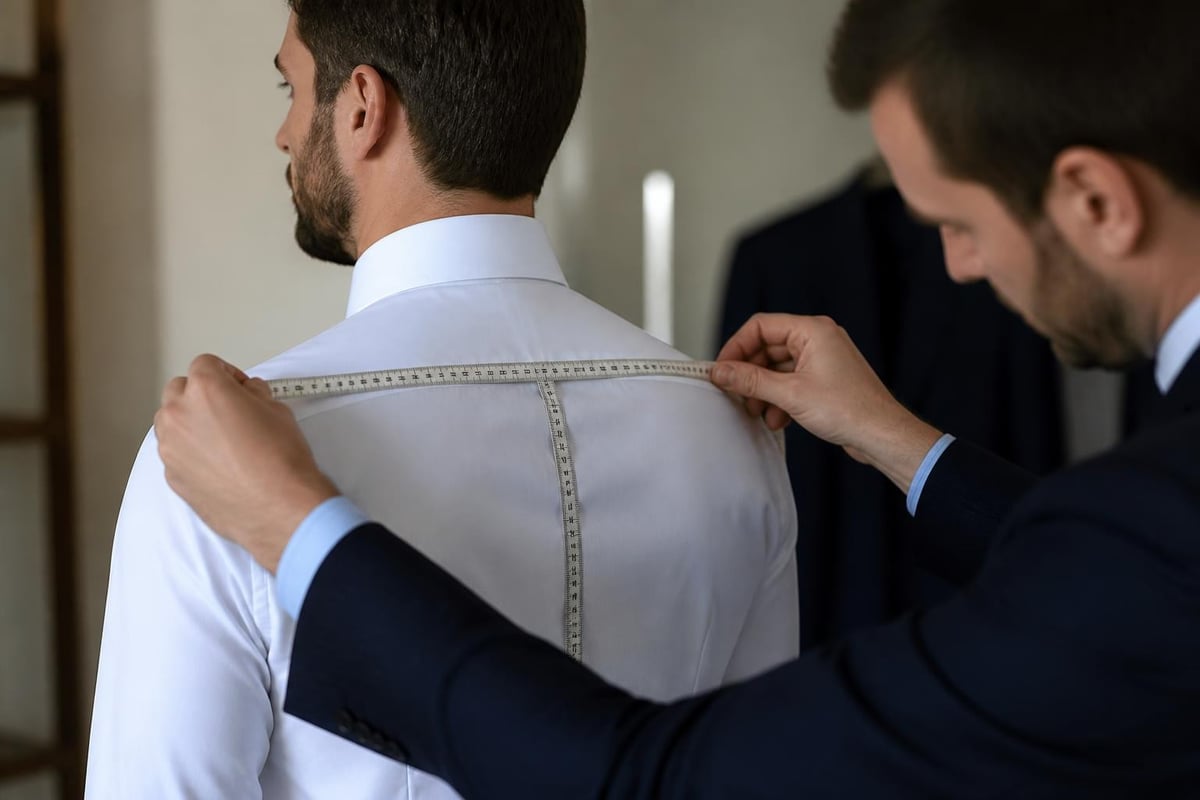
Accurate measurements form the foundation of exceptional tailoring. Experienced mens tailors take 20-30 different measurements for a single suit, far exceeding the basic chest, waist, and inseam numbers used for ready-to-wear sizing.
Key measurement categories include:
- Shoulder and chest dimensions – width, slope, and posture considerations
- Arm measurements – length, bicep circumference, wrist size, and natural arm hang
- Torso proportions – front and back lengths, waist suppression, stomach allowance
- Leg specifications – inseam, outseam, thigh, knee, and ankle measurements
- Postural adjustments – accounting for forward shoulders, sway back, or asymmetry
Professional mens tailors also observe how clients naturally stand and move, noting habits like keeping hands in pockets or asymmetrical posture that affect garment construction.
Fabric Selection and Quality Indicators
Fabric choice dramatically impacts the final garment's appearance, comfort, and longevity. Knowledgeable mens tailors maintain relationships with mills worldwide, offering fabrics ranging from practical wool blends to luxurious Super 150s merino.
Essential fabric considerations:
- Weight – measured in ounces, affects drape and seasonality
- Pattern – solids, stripes, checks, or subtle textures
- Composition – natural fibers, blends, or performance fabrics
- Origin – Italian mills known for luxury, British for durability, Asian for value
The best mens tailors educate clients about these variables without overwhelming them. They might suggest tropical-weight wool for year-round versatility in humid climates or recommend linen blends for summer occasions.
Current Trends Shaping Mens Tailors
Fashion trends from major markets emphasize rebuilt tailoring and quiet craftsmanship in 2026. This movement away from logo-heavy fashion toward understated quality perfectly aligns with what skilled mens tailors have always offered.
Sustainability and Ethical Production
The high-end suit customization market increasingly prioritizes sustainable practices. Discerning clients now ask mens tailors about fabric sourcing, waste management, and labor conditions. This scrutiny benefits traditional tailoring businesses that have always emphasized quality over quantity.
Sustainable practices in modern tailoring include:
- Using natural, biodegradable fibers from certified sources
- Minimizing waste through precise cutting and remnant utilization
- Supporting local artisan communities and fair wages
- Creating durable garments that resist disposable fashion cycles
- Offering repair and alteration services to extend garment life
Technology Integration
While maintaining hand-crafting traditions, forward-thinking mens tailors incorporate technology strategically. Digital measuring systems ensure consistency across multiple garments. 3D visualization software helps clients preview finished products before cutting fabric. Customer relationship management systems track preferences and past orders for returning clients.
Some cutting-edge applications include body scanning technology and neural models for predicting garment fit, though most traditional mens tailors rely primarily on experienced eyes and hands.
Choosing the Right Mens Tailors for Your Needs
Selecting among mens tailors requires research beyond online reviews. The ideal tailor matches your style preferences, budget constraints, and timeline requirements while demonstrating genuine expertise.
Evaluation Criteria
| Factor | What to Look For | Red Flags |
|---|---|---|
| Portfolio | Diverse styles, clear photography, garments on real clients | Only mannequin shots, limited variety |
| Communication | Detailed questions, active listening, style education | Pushy sales tactics, dismissive of preferences |
| Facilities | Clean workspace, organized fabric displays, proper lighting | Cluttered environment, poor organization |
| Timeline | Realistic estimates with contingency plans | Overpromising quick turnaround |
| Pricing | Transparent breakdown, written quotes | Vague estimates, hidden fees |
Visit prospective mens tailors in person whenever possible. Observe how they interact with current customers, examine fabric quality, and assess overall professionalism. The best tailoring relationships develop over years, making initial selection crucial.
Questions to Ask Potential Mens Tailors
- How many fittings are included in the quoted price?
- What happens if the final garment requires additional adjustments?
- How long have your current tailors been with the business?
- Can you show examples of garments similar to what I'm requesting?
- What fabrics do you recommend for my specific needs and climate?
- Do you offer rush services if needed?
- What is your alteration policy for weight fluctuation?

The Business of Operating Mens Tailors
Understanding the economics behind mens tailors provides context for pricing and service models. Industry statistics reveal that the tailoring sector faces both growth opportunities and workforce challenges as experienced craftspeople become scarce.
Operating costs for mens tailors include:
- Labor – skilled tailors command premium wages reflecting years of training
- Inventory – maintaining diverse fabric selections requires significant capital
- Overhead – prime retail locations, climate-controlled storage, specialized equipment
- Marketing – building reputation in competitive markets
- Continuing education – staying current with fashion trends and techniques
These factors explain why quality tailoring carries premium pricing. Customers essentially invest in expertise accumulated over decades, not merely fabric and thread.
The Apprenticeship Model
Traditional mens tailors often train successors through apprenticeships lasting 3-5 years. This hands-on education covers pattern making, hand-stitching techniques, fitting adjustments, and customer service. The declining workforce in tailoring makes these training programs increasingly valuable for preserving craft knowledge.
Businesses like Alex’s Fashion maintain this tradition, ensuring skills pass to new generations while adapting to contemporary market demands.
Maximizing Your Investment in Tailored Clothing
Working with skilled mens tailors represents a significant investment. Maximizing this investment requires active participation in the process and proper garment maintenance afterward.
Preparation for Your First Appointment
Arriving prepared helps mens tailors serve you more effectively:
- Research style preferences using magazines, websites, or social media
- Bring examples of garments that fit well or poorly
- Consider your lifestyle and wardrobe gaps
- Set realistic budget expectations
- Allow flexibility in scheduling for multiple fittings
During fittings, wear appropriate undergarments and shoes that match how you'll wear the finished garment. Mens tailors adjust for footwear height and undergarment compression, so consistency matters.
Care and Maintenance
Proper care extends the life of tailored garments exponentially:
- Storage – use proper hangers that support shoulder structure
- Cleaning – dry clean sparingly, brush regularly, steam instead of iron when possible
- Rotation – avoid wearing suits consecutive days
- Repairs – address minor issues immediately before they worsen
- Professional maintenance – annual pressing and inspection by your tailor
Many mens tailors offer maintenance packages for regular clients, ensuring garments remain in optimal condition year after year. This ongoing relationship also allows for adjustments as body shape changes gradually over time.
Future Directions for Mens Tailors
The tailoring industry continues evolving while honoring its heritage. Market analyses indicate growing consumer preference for versatility, comfort, and sustainability-all strengths of traditional mens tailors.
Emerging trends include:
- Performance fabrics – incorporating stretch and moisture-wicking properties into traditional styles
- Casual tailoring – applying bespoke techniques to less formal garments
- Virtual consultations – serving remote clients through video calls and digital measuring
- Modular wardrobes – creating interchangeable pieces that maximize outfit combinations
- Gender-neutral tailoring – expanding beyond traditional menswear categories
Progressive mens tailors embrace these innovations without abandoning fundamental principles. The goal remains unchanged: creating garments that fit impeccably, express individual style, and withstand the test of time.
Blazer Trends and Modern Styling
Contemporary blazer trends demonstrate how mens tailors adapt classic pieces for current tastes. Softer constructions, varied lengths, and unexpected fabric choices refresh traditional silhouettes while maintaining tailoring integrity.
Skilled tailors help clients navigate these trends, determining which innovations complement their personal style versus fleeting fashions best avoided. This guidance represents invaluable expertise that justifies working with established professionals rather than experimenting with mass-market alternatives.
The renaissance of mens tailors in 2026 reflects a broader cultural shift toward quality, sustainability, and personal expression through clothing. Whether you're building a professional wardrobe, preparing for a significant event, or simply seeking garments that fit your unique physique, the expertise of skilled tailors transforms clothing from mere covering into confident self-presentation. With over 30 years of bespoke tailoring experience, Alex’s Fashion brings world-class craftsmanship and personalized service to clients seeking exceptional tailored garments using premium fabrics and time-honored techniques perfected in the heart of Krabi, Thailand.