
 EN
EN  FR
FR  DE
DE  TH
TH 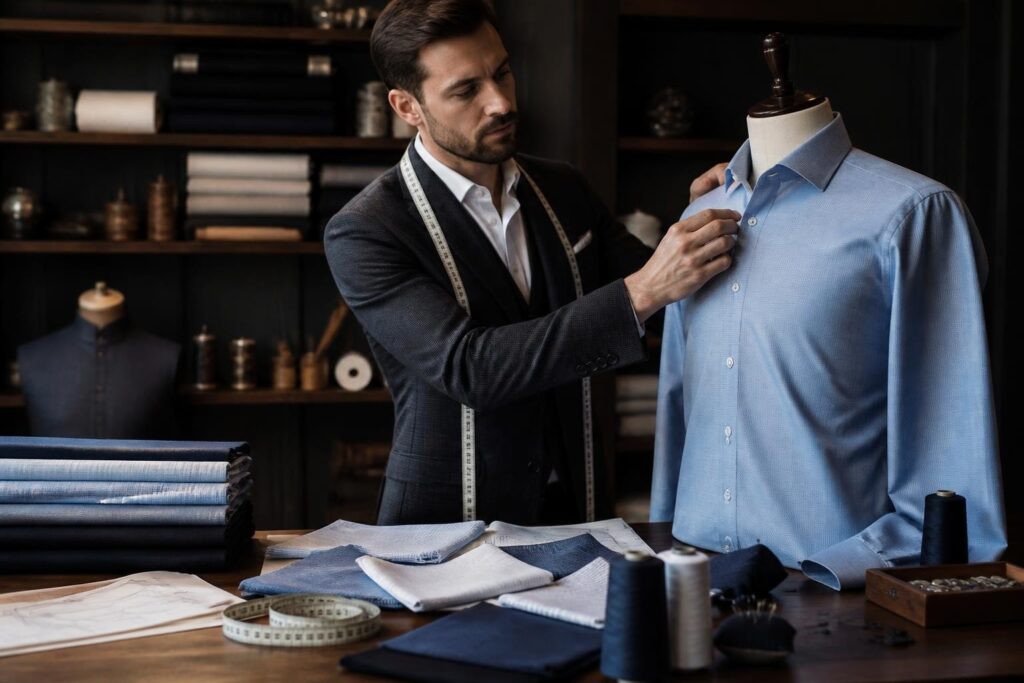
The art of mens shirt tailoring represents far more than simply sewing fabric together. It embodies precision craftsmanship, personalized fit, and timeless style that transforms an ordinary garment into something exceptional. In 2026, with fashion embracing both classic techniques and modern innovations, understanding the nuances of bespoke shirt creation has never been more valuable. Whether you're seeking your first custom shirt or refining your wardrobe, the journey begins with appreciating what distinguishes truly tailored garments from their off-the-rack counterparts.
Understanding the Fundamentals of Mens Shirt Tailoring
Mens shirt tailoring encompasses the complete process of creating a shirt specifically designed for an individual's body measurements, style preferences, and lifestyle requirements. Unlike mass-produced alternatives, each bespoke shirt begins with detailed measurements and consultations that capture not just dimensions but also personal style and functional needs.
The foundation starts with comprehensive body mapping. A skilled tailor measures multiple points including neck circumference, shoulder width, chest expansion, sleeve length, wrist size, and torso length. These measurements create a unique pattern that accounts for individual posture variations, shoulder slopes, and body asymmetries that standard sizing simply cannot address.
The Critical Role of Fabric Selection
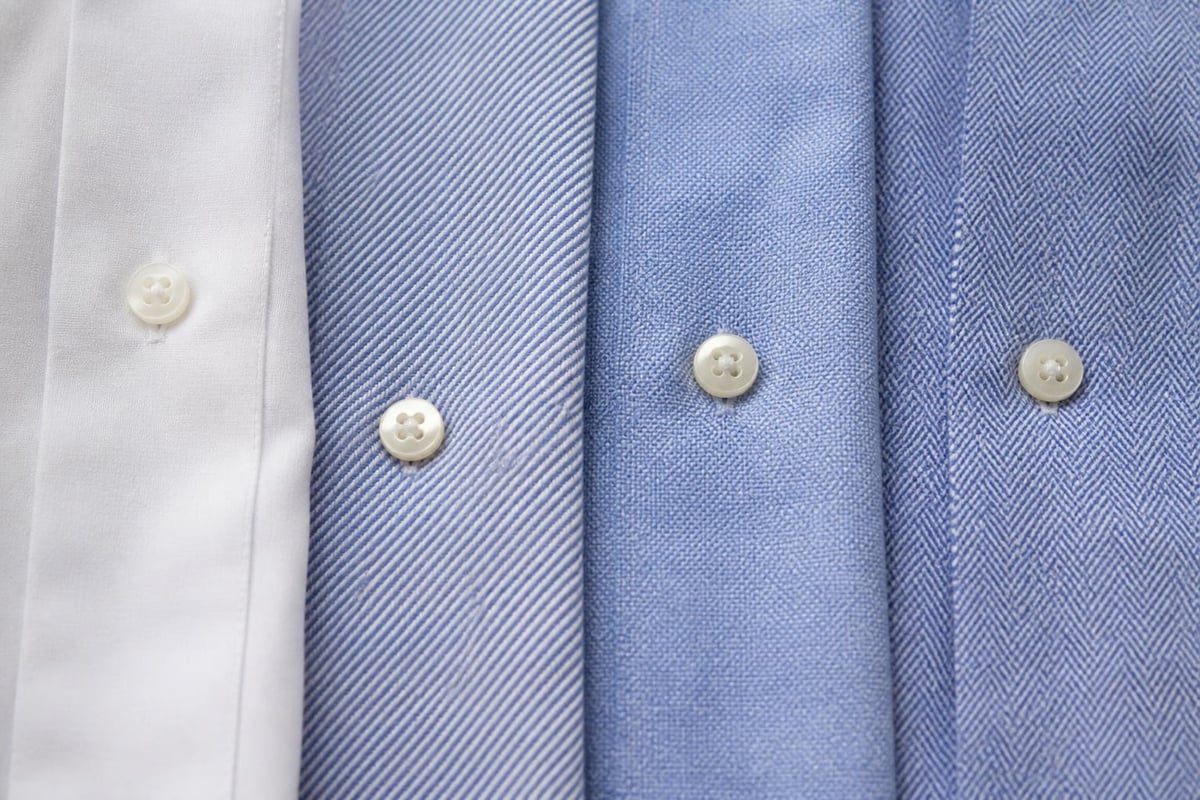
Choosing the right fabric represents a pivotal decision in the mens shirt tailoring process. The material determines not only how the shirt looks but also how it performs throughout daily wear.
Popular fabric categories include:
- Egyptian cotton for superior softness and durability
- Sea Island cotton offering exceptional luxury and breathability
- Swiss cotton providing crisp texture and wrinkle resistance
- Linen blends perfect for tropical climates and casual elegance
- Performance fabrics incorporating stretch and moisture-wicking properties
Thread count, weave pattern, and fiber origin all influence the final garment's characteristics. A 120s cotton poplin delivers different aesthetics compared to a 180s twill, and understanding these distinctions helps clients make informed choices aligned with their wardrobes and climates.
Construction Techniques That Define Quality
The construction methods employed in mens shirt tailoring separate exceptional garments from mediocre ones. Traditional techniques passed through generations combine with modern innovations to create shirts that fit perfectly and endure years of wear.
Hand-Stitching Versus Machine Work
| Construction Element | Hand-Stitched | Machine-Stitched | Hybrid Approach |
|---|---|---|---|
| Buttonholes | Most durable, refined finish | Consistent, faster production | Machine cut, hand-finished |
| Collar attachment | Superior shaping capability | Efficient, secure | Machine base, hand detailing |
| Sleeve plackets | Traditional appearance | Modern precision | Combined techniques |
| Side seams | Exceptional drape | Strong, reliable | Strategic reinforcement |
Professional tailors strategically apply each technique where it delivers maximum benefit. Buttonholes often receive hand-stitching because this method creates more durable openings that maintain shape through countless uses. Collar attachment benefits from hand work that allows precise shaping and rolling.
The yoke construction particularly showcases craftsmanship quality. Split yokes accommodate different shoulder positions, while the attachment method affects how the shirt drapes across the back. Single-needle stitching creates flatter seams than double-needle work, contributing to comfort against the skin.
Design Elements and Personalization Options
Mens shirt tailoring offers extensive personalization that extends well beyond basic sizing. These design choices transform functional garments into personal style statements.
Collar Styles and Their Applications
Collar selection significantly impacts both appearance and versatility. The spread affects tie knot accommodation, while collar height influences face framing.
Common collar configurations:
- Spread collar – Versatile option suitable for most tie knots and open-neck wearing
- Point collar – Traditional choice offering timeless elegance for formal occasions
- Button-down collar – Casual refinement perfect for tie-free professional settings
- Cutaway collar – Wide spread accommodating larger tie knots and contemporary styling
- Wing collar – Formal evening wear exclusively for white-tie occasions
Each style serves specific purposes within a comprehensive wardrobe. Understanding these applications ensures appropriate selections for different professional and social contexts.
Cuff Styles and Closure Systems
Cuff design represents another critical personalization area in mens shirt tailoring. The choice between barrel cuffs and French cuffs extends beyond aesthetics to functional considerations.
Barrel cuffs offer convenience with button closures and work well for daily business wear. Single-button, two-button, and convertible variations provide different levels of adjustability and formality. French cuffs demand cufflinks but deliver unmatched elegance for important occasions and formal environments.
Current trends show relaxed tailoring approaches gaining momentum, yet classic details remain foundational to quality mens shirt tailoring. This balance between contemporary comfort and traditional refinement defines modern bespoke work.
The Fitting Process and Alterations
Achieving perfect fit requires multiple fittings and careful refinement. The mens shirt tailoring journey typically involves three distinct stages that progressively refine the garment.
Initial Measurements and Pattern Development
The first appointment establishes baseline measurements and discusses style preferences. Experienced tailors ask about lifestyle factors including climate, activity levels, preferred fit characteristics, and existing wardrobe pieces. This conversation informs decisions about ease allowances and construction details.
Pattern development translates these measurements into cutting guides. Master tailors maintain pattern libraries for returning clients, adjusting them as body changes occur or style preferences evolve. This systematic approach ensures consistency across multiple orders while accommodating individual variations.
Trial Fitting Refinements
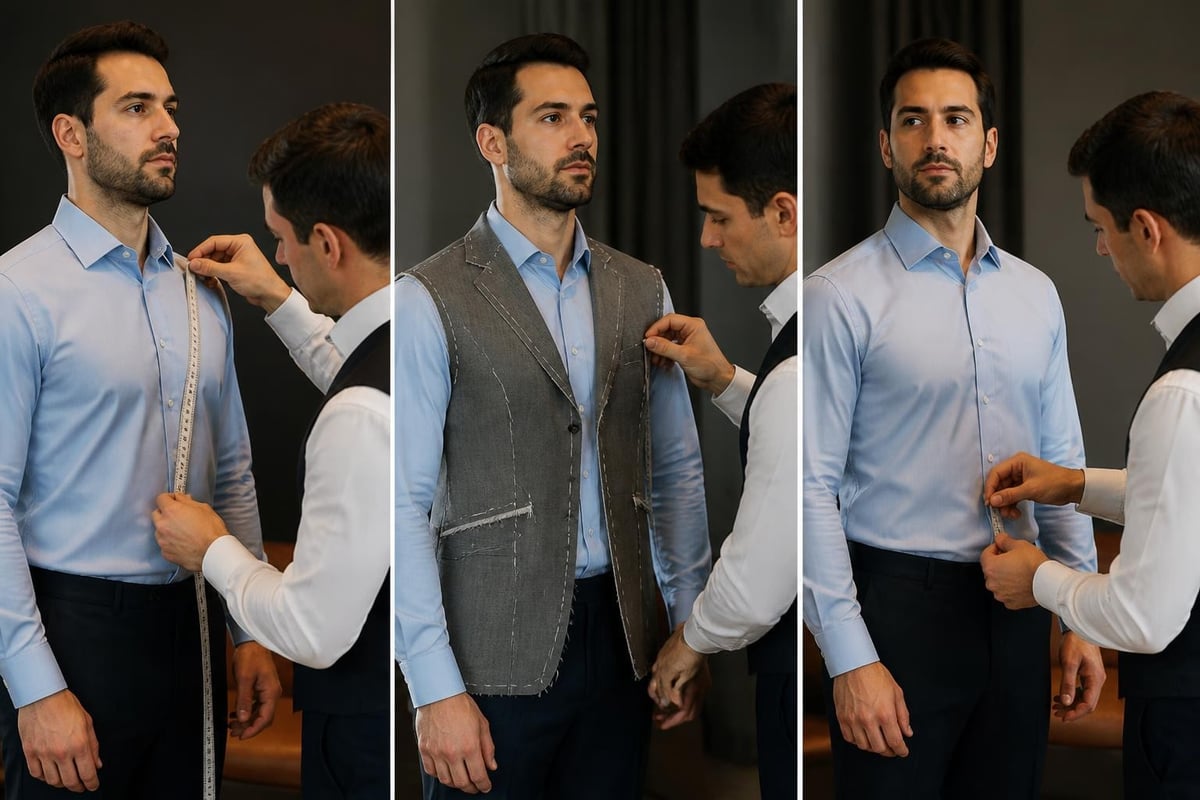
The basted fitting represents the critical evaluation stage where the shirt takes preliminary form. Clients try the partially constructed garment, allowing the tailor to assess fit across shoulders, chest, waist, and sleeves. Pin adjustments address any discrepancies between expected and actual drape.
This fitting reveals how fabric behaves on the specific body, accounting for movement patterns and posture habits that measurements alone cannot capture. Adjustments might include:
- Shoulder seam repositioning for proper sleeve hang
- Chest dart modifications for improved body contouring
- Back pleat adjustments for movement accommodation
- Sleeve pitch alterations ensuring comfortable arm positioning
- Collar stand height refinement for neck comfort
Specialized Shirt Types and Their Construction
Mens shirt tailoring encompasses various specialized garments beyond standard dress shirts. Each type demands unique construction approaches and design considerations.
| Shirt Type | Primary Features | Construction Focus | Best Applications |
|---|---|---|---|
| Formal Dress | Stiff front, French cuffs | Precision pleating, wing collar | Black-tie events |
| Business | Versatile collar, barrel cuffs | Balanced fit, wrinkle resistance | Professional settings |
| Casual | Relaxed fit, sport collar | Comfortable ease, durable seams | Weekend wear |
| Evening | Decorative studs, pleated front | Formal details, fine fabrics | Special occasions |
Understanding these distinctions helps clients build comprehensive wardrobes that address diverse situations. A well-rounded collection includes multiple shirt types, each tailored for specific contexts and complementing different suit styles.
Performance and Functional Considerations
Modern mens shirt tailoring increasingly incorporates performance features without compromising aesthetic quality. Stretch fabrics provide mobility while maintaining crisp appearance. Moisture-wicking treatments enhance comfort in warm climates like Thailand's tropical environment.
These innovations particularly benefit travelers and active professionals who need garments that perform throughout demanding schedules. Strategic fabric placement can add stretch at key stress points while maintaining traditional materials in visible areas.
The trend toward straighter silhouettes reflects evolving comfort preferences while respecting tailoring traditions. This shift allows for easier movement without sacrificing the polished appearance that defines quality mens shirt tailoring.
Details That Distinguish Superior Craftsmanship
Expert mens shirt tailoring reveals itself through subtle details that elevate the finished product. These refinements separate adequate work from exceptional artistry.
Button Quality and Placement
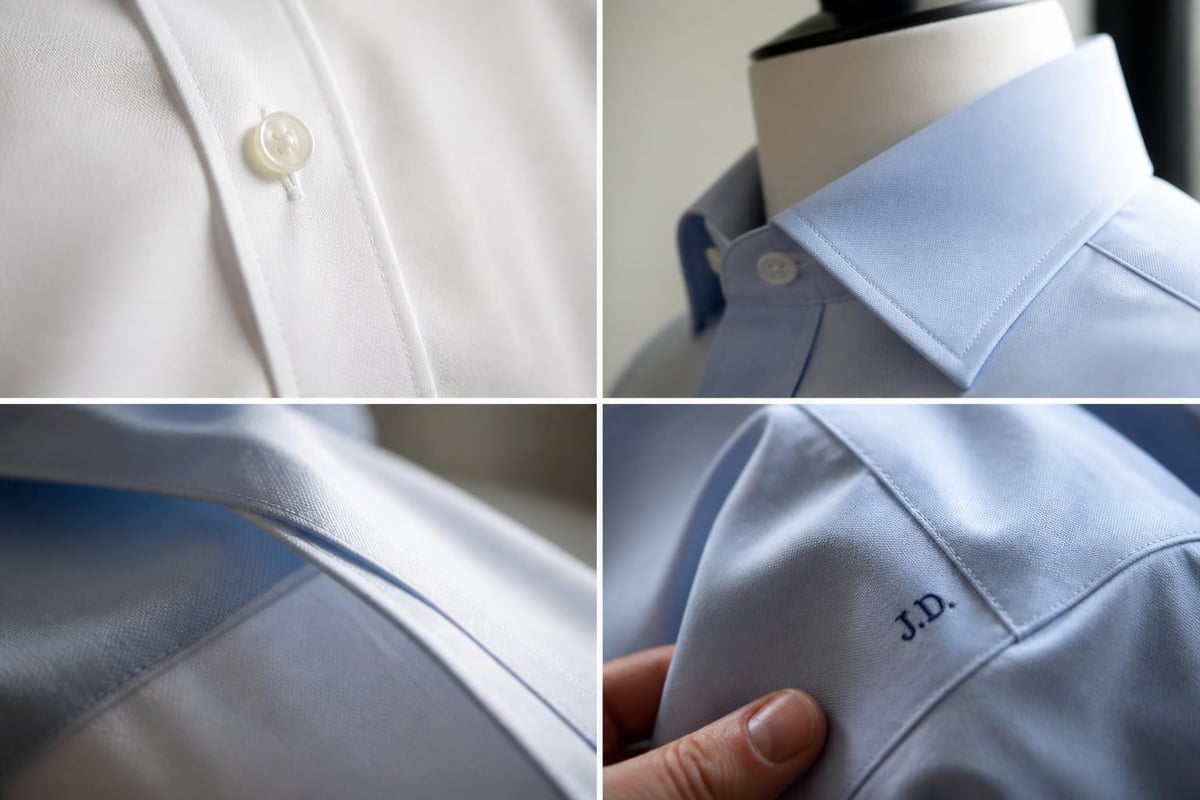
Button selection impacts both durability and aesthetics. Natural materials including mother-of-pearl, corozo nut, and horn offer superior appearance compared to plastic alternatives. The buttons should complement the fabric without overwhelming it.
Button placement considerations:
- Spacing that prevents gapping across the chest
- Strategic positioning at stress points
- Extra buttons at placket bottom for tucked wear
- Functional or decorative cuff button arrangements
Buttonhole orientation also matters. Horizontal buttonholes at the collar and cuffs prevent accidental opening, while vertical placements suit the shirt front.
Monogramming and Personal Touches
Personalization through monogramming adds distinctive character to bespoke shirts. Traditional placement includes the chest pocket, cuff, or shirt tail. Thread color, font selection, and monogram size all contribute to the final impression.
Some clients prefer subtle interior monogramming on the collar band or placket facing, keeping personalization private while maintaining ownership identification. These choices reflect individual style preferences and the shirt's intended formality level.
Caring for Bespoke Shirts
Proper maintenance extends the lifespan of tailored shirts and preserves their fit and appearance. Investment in quality mens shirt tailoring deserves corresponding care commitment.
Washing and Storage Recommendations
Professional laundering offers benefits for formal shirts requiring starch and precise pressing. However, many bespoke shirts benefit from gentle hand washing or delicate machine cycles that prevent excessive wear.
Best practices include:
- Separate washing by color and fabric weight
- Use mild detergents without harsh chemicals
- Avoid high heat that can damage fibers and sizing
- Remove shirts promptly to minimize wrinkling
- Store on proper hangers that maintain shoulder shape
Rotation among multiple shirts reduces wear frequency on individual garments, allowing fabrics to rest between uses. This practice significantly extends overall wardrobe longevity.
Professional Maintenance and Repairs
Even the finest mens shirt tailoring eventually requires maintenance. Collar and cuff wear typically appears first, as these areas endure maximum friction and stress. Professional tailors can replace worn components, effectively renewing the shirt.
Button replacement, seam reinforcement, and minor alterations keep bespoke shirts functional as body shapes change gradually over time. Establishing a relationship with a skilled tailor ensures these services remain accessible throughout the garment's lifespan.
Investment Value and Long-Term Perspective
Quality mens shirt tailoring represents significant initial investment compared to ready-made alternatives. However, the value equation changes dramatically when considering longevity, fit quality, and versatility.
A well-constructed bespoke shirt easily outlasts several mass-produced garments. The superior fit eliminates the compromise inherent in standard sizing, while personalized design ensures each shirt serves specific wardrobe needs effectively. This targeted approach often reduces overall wardrobe size requirements, as each piece fulfills its role optimally.
The emphasis on clothes built to last reflects broader sustainability awareness in contemporary fashion. Investing in fewer, better-quality pieces aligns with environmental consciousness while delivering superior personal style outcomes.
Building a Tailored Shirt Wardrobe
Strategic wardrobe building maximizes mens shirt tailoring investment. Starting with versatile foundations allows gradual expansion into more specialized pieces.
Recommended acquisition sequence:
- Classic white dress shirt with spread collar
- Light blue business shirt for daily rotation
- Subtle striped shirt adding pattern variety
- White formal shirt for evening occasions
- Casual shirt in preferred style for weekend wear
This progression establishes core functionality before expanding into seasonal colors, bold patterns, or specialized designs. Each addition should address genuine wardrobe gaps rather than duplicating existing capabilities.
Modern Trends Influencing Traditional Craft
Contemporary mens shirt tailoring balances timeless techniques with evolving style preferences. The top men’s shirt trends for 2025 demonstrate how classic tailoring adapts to current aesthetics while maintaining fundamental quality standards.
Relaxed fits accommodate comfort preferences without abandoning structure entirely. Earthy tones and natural materials reflect environmental consciousness and versatile styling potential. These trends influence fabric selection and pattern adjustments while respecting the core principles that define exceptional tailoring.
The integration of technology supports traditional mens shirt tailoring rather than replacing it. Digital measurement systems complement skilled manual assessment, while online consultations expand access to specialized services. These tools enhance rather than diminish the personalized attention that distinguishes bespoke work.
Regional Considerations and Climate Adaptation
Geographic location significantly influences appropriate mens shirt tailoring specifications. Tropical environments demand different fabric weights, weaves, and construction details compared to temperate climates.
Lightweight fabrics with superior breathability become essential in warm, humid conditions. Looser ease allowances improve air circulation without compromising professional appearance. These adaptations ensure comfort throughout the day while maintaining the polished aesthetic that bespoke tailoring delivers.
Color selection also responds to climate and cultural context. Lighter shades reflect heat in tropical settings, while darker colors may show perspiration more readily. Experienced tailors guide these decisions based on regional expertise and individual client needs.
Mens shirt tailoring combines technical precision with artistic expression, creating garments that enhance both appearance and confidence. The investment in bespoke shirts delivers superior fit, exceptional quality, and personalized style that ready-made alternatives simply cannot match. Whether you're building a professional wardrobe or seeking special occasion pieces, expert guidance makes all the difference. Alex’s Fashion brings over three decades of tailoring expertise to Ao Nang, crafting custom shirts using world-class fabrics and meticulous attention to detail that ensures your complete satisfaction with every garment.