
 FR
FR  EN
EN  DE
DE  TH
TH 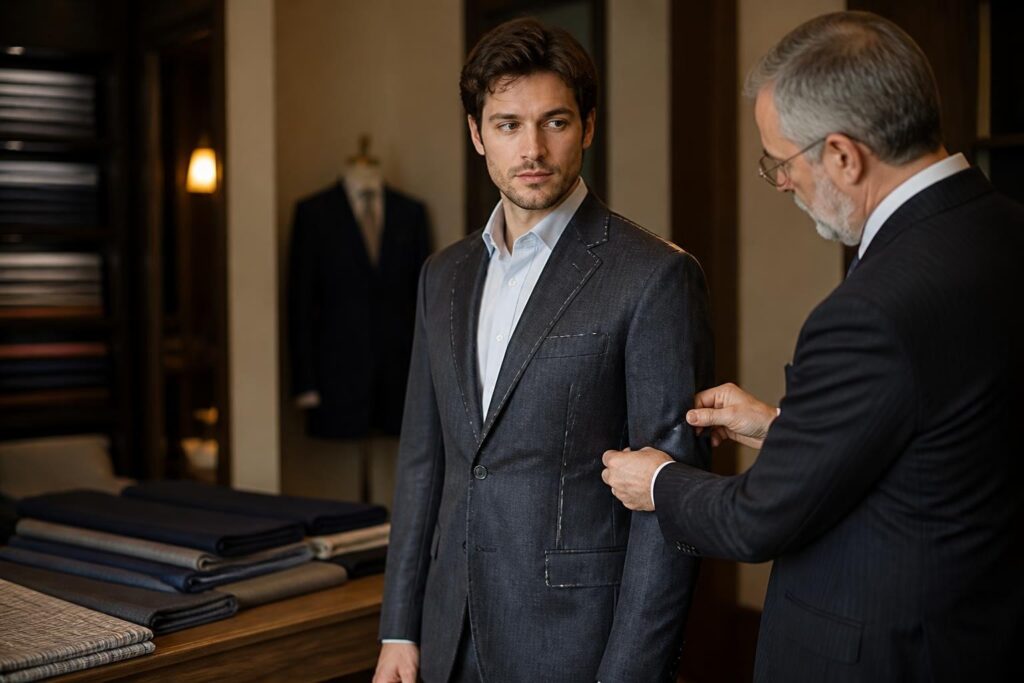
Understanding the investment required for a tailored suit represents one of the most important decisions in building a professional wardrobe. The tailored suit price varies dramatically based on numerous factors, from fabric selection and construction methods to the expertise of the tailor and geographic location. Whether you're considering your first bespoke garment or expanding an existing collection, knowing what influences pricing helps you make informed decisions that balance quality, fit, and budget. This comprehensive guide explores the nuances of tailored suit pricing in 2026, examining everything from entry-level custom options to world-class bespoke creations.
Understanding Tailored Suit Categories and Their Price Points
The term "tailored suit" encompasses several distinct categories, each with different price structures and value propositions. Recognizing these differences provides clarity when evaluating options and setting realistic budget expectations.
Made-to-measure suits represent the entry point for custom clothing, typically ranging from $500 to $2,000. These garments start with existing patterns modified to accommodate individual measurements. The process involves fewer fitting sessions and less hand-finishing than true bespoke, making them more accessible while still delivering superior fit compared to off-the-rack alternatives.
Bespoke suits occupy the premium tier, with prices starting around $3,000 and extending beyond $10,000 for luxury fabrics and extensive hand-work. According to comprehensive guides on tailored suit costs, true bespoke involves creating unique patterns from scratch, multiple fittings, and significant hand-stitching throughout the garment.
The Spectrum of Customization
| Category | Fourchette de prix | Fittings | Type de motif | Hand-Work Percentage |
|---|---|---|---|---|
| Sur mesure | $500-$2,000 | 1-2 | Modified Standard | 10-30% |
| Semi-Bespoke | $2,000-$4,000 | 2-3 | Adapted Individual | 30-50% |
| Full Bespoke | $4,000-$10,000+ | 3-5+ | Unique Individual | 50-100% |
The distinction between these categories significantly impacts both the tailored suit price and the final product's quality. Each tier offers different levels of personalization, construction quality, and fit precision.
Fabric Selection and Its Impact on Pricing
Fabric choice represents one of the most significant variables affecting tailored suit price. The material determines not only the cost but also the garment's drape, durability, and seasonal appropriateness.
Wool grades range from basic to super-fine, with higher Super numbers indicating finer fibers. A standard 100s or 110s wool suit fabric might add $200-$400 to the base price, while premium 150s or 180s wool can increase costs by $800-$1,500. These finer wools offer superior softness and a more luxurious hand-feel, though they may require more careful maintenance.
Luxury fabrics command premium prices for good reason. Cashmere blends typically add $500-$1,000 to the tailored suit price, while pure vicuña or rare specialty fabrics can increase costs by $2,000 or more. These materials provide exceptional comfort, unique textures, and distinctive appearance that justify their investment for discerning clients.
- Standard wool (100s-120s): Durable, versatile, budget-friendly
- Fine wool (130s-150s): Softer drape, refined appearance, moderate cost increase
- Super-fine wool (160s+): Luxurious feel, delicate care requirements, premium pricing
- Specialty blends: Unique properties, seasonal advantages, varied price impacts
Fabric Origin and Mill Reputation
The mill producing your fabric significantly influences quality and cost. Italian mills like Loro Piana, Ermenegildo Zegna, and Vitale Barberis Canonico command respect and higher prices due to their heritage and quality control. English mills such as Holland & Sherry and Scabal offer distinct characteristics and prestige.
Understanding what drives custom suit costs helps you appreciate why fabric selection matters so profoundly. The weave pattern, weight, and finish all contribute to the final garment's performance and appearance.
Construction Methods and Craftsmanship
The way a suit is constructed dramatically affects both its tailored suit price and longevity. Hand-craftsmanship requires significant time and expertise, directly correlating with cost.
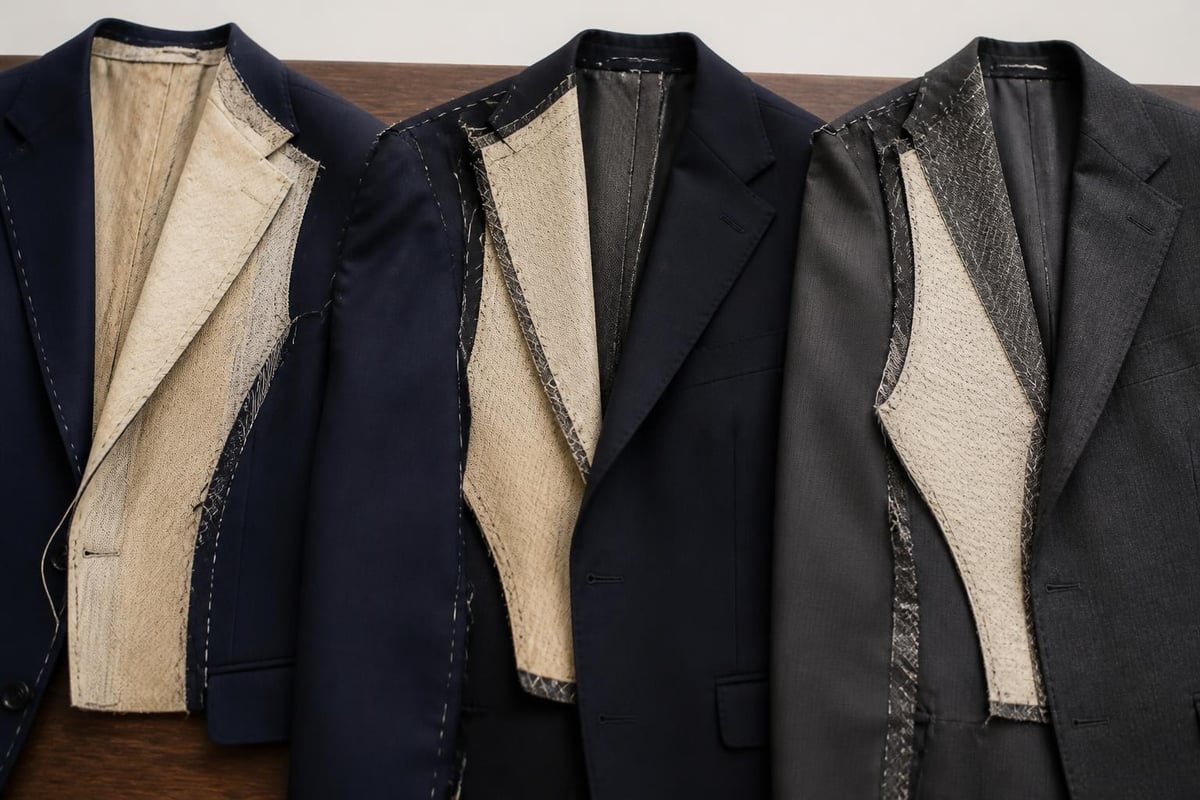
Canvas construction forms the foundation of quality tailoring. Full-canvas suits, where horsehair canvas extends throughout the jacket front, provide superior drape and shape retention. This construction method requires skilled hand-work and adds substantial value. Half-canvas options offer a middle ground, with canvas only in the chest area, reducing both cost and some benefits.
Fused construction, where adhesive attaches fabric layers, represents the most economical approach but provides less durability and inferior shaping over time. Most bespoke and high-quality made-to-measure suits utilize at least half-canvas construction.
Hand-Work Elements That Add Value
- Hand-stitched buttonholes: Superior durability and refined appearance
- Hand-padded lapels: Better roll and more natural shape
- Hand-sewn collar: Improved comfort and fit around the neck
- Hand-attached sleeves: Enhanced mobility and shoulder drape
- Floating chest piece: Better shape conformity to body movement
The percentage of hand-work directly impacts the tailored suit price. A suit with extensive hand-finishing might require 40-60 hours of skilled labor, compared to 8-15 hours for a primarily machine-made garment. This labor investment reflects in both quality and cost.
Geographic Considerations and Their Price Effects
Location significantly influences tailored suit price due to varying labor costs, overhead expenses, and market positioning. Understanding these geographic factors helps set appropriate expectations.
Traditional tailoring centers like London's Savile Row or Milan's fashion district command premium prices reflecting their heritage and prestigious reputations. A Savile Row bespoke suit typically starts at $6,000-$8,000, with many exceeding $12,000. These prices reflect not just craftsmanship but also brand prestige and operational costs in expensive urban centers.
Asian tailoring hubs like Thailand, Vietnam, and Hong Kong offer exceptional value without compromising quality. Skilled tailors in these regions can create full bespoke suits for $1,200-$3,000, representing 30-50% savings compared to Western equivalents. The lower cost of living and operational expenses enable competitive pricing while maintaining high craftsmanship standards.
Value Propositions Across Regions
| Region | Entry Bespoke Price | Premium Bespoke Price | Value Factors |
|---|---|---|---|
| Savile Row, Londres | $6,000-$8,000 | $12,000-$25,000 | Heritage, prestige, exclusivity |
| Milan, Italy | $4,500-$6,500 | $10,000-$20,000 | Fashion capital, designer access |
| Bangkok/Hong Kong | $1,200-$2,500 | $4,000-$8,000 | Skilled labor, competitive markets |
| Major US Cities | $3,500-$5,500 | $8,000-$15,000 | Convenience, established reputations |
Traveling to destinations like Thailand for bespoke tailoring combines quality craftsmanship with vacation value. Many clients discover that even with travel costs, the overall investment remains competitive while providing a unique experience.
The Fitting Process and Time Investment
The number and quality of fittings directly correlate with the final garment's precision and, consequently, the tailored suit price. This process represents where bespoke tailoring truly differentiates itself from other options.
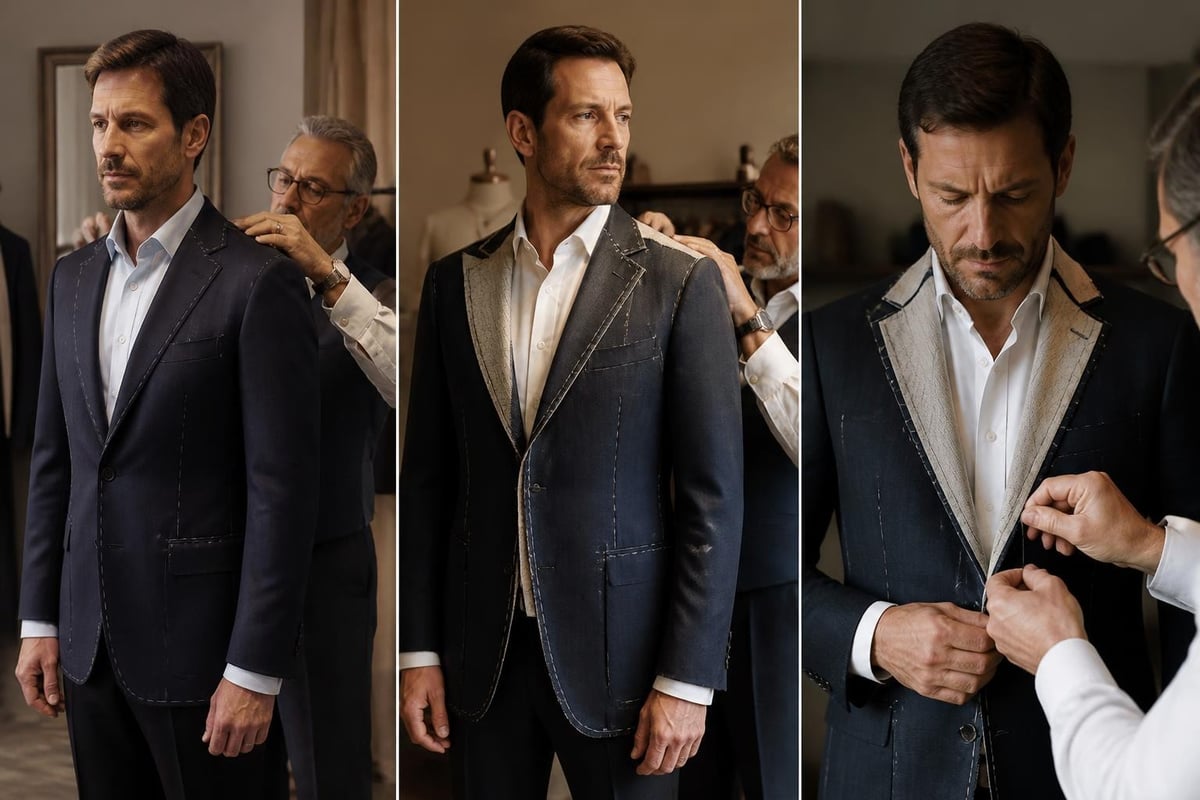
Initial consultation establishes style preferences, fabric selection, and detailed measurements. Professional tailors take 20-40 measurements for a suit, far exceeding the basic chest and waist measurements used for ready-to-wear sizing. This session typically lasts 45-90 minutes and sets the foundation for the entire project.
Subsequent fittings reveal the garment's evolution. The first fitting occurs on a basted garment, allowing significant adjustments before final construction. Additional fittings fine-tune details like sleeve length, trouser break, and jacket suppression. Each fitting session represents substantial tailor time and contributes to the overall cost structure.
- First fitting: Basted garment assessment, major adjustment identification
- Second fitting: Semi-finished suit evaluation, detail refinement
- Third fitting: Final adjustments, quality confirmation
- Delivery: Presentation, care instruction, relationship building
Selon le detailed analyses of tailored suit costs, the fitting process accounts for approximately 20-30% of the total labor investment in bespoke tailoring. Tailors who rush this process or limit fittings may offer lower prices but compromise the fundamental benefit of custom clothing: perfect fit.
Additional Features and Customization Options
Beyond basic construction, numerous personalization options affect the final tailored suit price. These details transform a well-made suit into a truly individual garment.
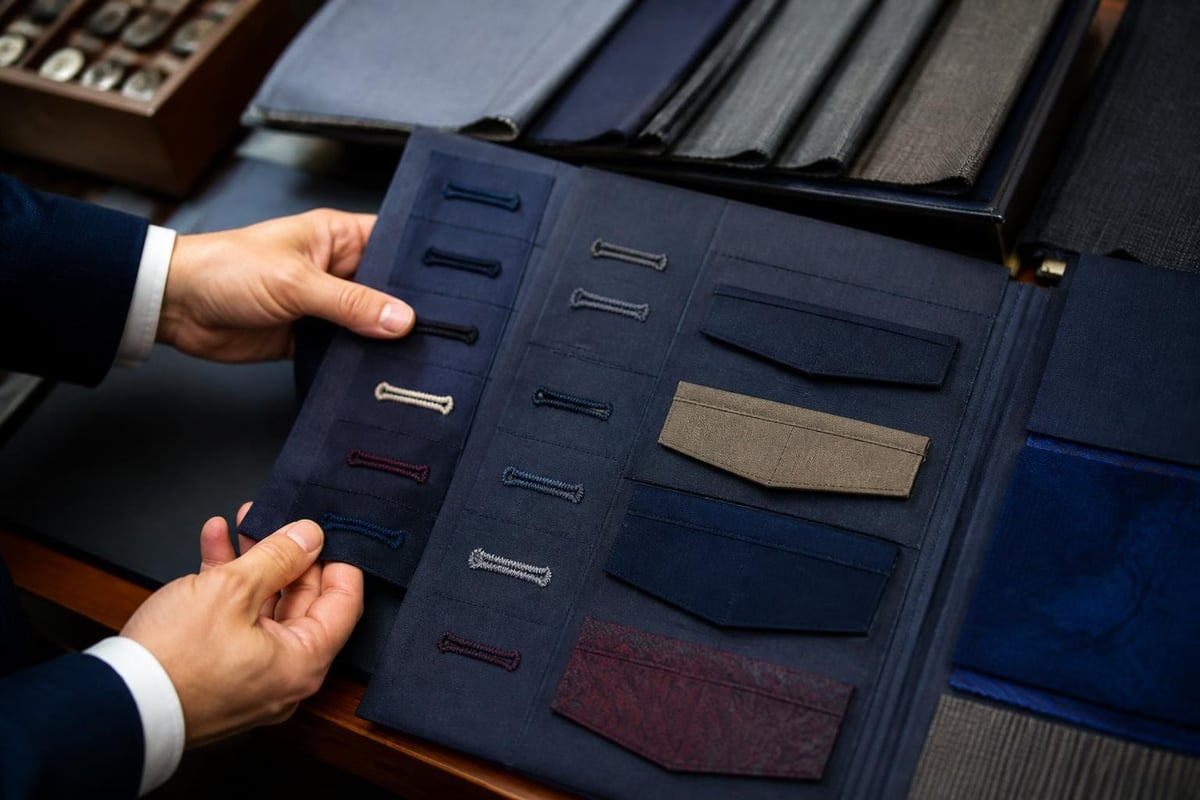
Functional details like working buttonholes, real horn buttons, and pick-stitching add both cost and character. Working sleeve buttonholes, sometimes called surgeon's cuffs, require precise measurement and additional hand-work, typically adding $75-$150 to the price. These details signal quality and attention to detail.
Lining choices range from standard polyester to premium silk options. Bemberg (cupro) lining offers excellent breathability and drape at moderate cost increase ($50-$100). Pure silk linings add luxury and comfort, increasing the tailored suit price by $150-$300. Some clients opt for contrasting or patterned linings that express personality while remaining professional.
Customization Elements and Their Costs
- Monogramming: $25-$75
- Premium buttons (horn, mother-of-pearl): $50-$150
- Silk lining upgrade: $150-$300
- Working buttonholes: $75-$150
- Hand-stitched lapel edges: $100-$200
- Contrast stitching details: $50-$100
Pocket styles, lapel width, vent configuration, and trouser details all offer customization opportunities. While individual elements add modest amounts, comprehensive personalization can increase the base tailored suit price by 15-25%.
Understanding Value Beyond Price
Evaluating tailored suit price requires looking beyond the immediate cost to consider long-term value, cost-per-wear, and intangible benefits.
Durability and longevity distinguish quality tailored suits from less expensive alternatives. A well-constructed bespoke suit maintained properly can last 10-15 years or longer, potentially offering better value than multiple cheaper suits replaced every few years. The cost-per-wear calculation often favors higher initial investment in quality.
Fit and confidence provide returns that transcend monetary measurement. A perfectly fitted suit enhances appearance, improves posture, and boosts professional confidence. These psychological and practical benefits justify the premium for those who understand clothing's role in personal and professional success.
Perfect fit eliminates common issues plaguing off-the-rack suits: gaping collars, pulling buttons, improper sleeve length, and unflattering silhouettes. The comfort of clothing designed specifically for your body makes the investment worthwhile for many professionals.
Calculating True Value
| Facteur | Hors catalogue | Sur mesure | Full Bespoke |
|---|---|---|---|
| Initial Cost | $300-$800 | $800-$2,000 | $3,000-$10,000 |
| Expected Lifespan | 2-4 years | 5-8 years | 10-15+ years |
| Qualité de l'ajustement | Approximate | Good | Parfait |
| Alteration Needs | Frequent | Minime | None |
| Cost Per Year | $75-$400 | $100-$400 | $200-$1,000 |
This analysis demonstrates that while bespoke tailoring represents higher upfront investment, the annual cost becomes more comparable when factoring in longevity and reduced alteration expenses.
Seasonal Considerations and Fabric Weight
The intended wearing season influences both fabric selection and, consequently, the tailored suit price. Understanding seasonal fabrics helps optimize your investment.
Summer-weight fabrics (7-9 oz) provide breathability and comfort in warm climates. Tropical wool, linen blends, and lightweight mohair offer excellent performance but may require special handling. These fabrics often command slightly higher prices due to specialized weaving techniques that maintain structure while reducing weight.
Year-round fabrics (10-12 oz) offer versatility for climates with moderate temperature variation. These workhorse materials balance comfort across seasons, making them excellent choices for building a core wardrobe. Their popularity and production volume sometimes result in competitive pricing.
Winter-weight fabrics (13-16 oz) provide warmth and substantial hand-feel. Heavier flannels, tweeds, and thick worsteds create impressive presence but limit seasonal versatility. Their specialized nature and lower production volumes can increase costs modestly.
- Tropical wool (7-9 oz): Breathable, lightweight, warm-weather specialist
- Mid-weight worsted (10-12 oz): Versatile, durable, all-season performer
- Flannel (12-14 oz): Soft texture, warm, cold-weather focus
- Heavy tweed (14-16 oz): Rugged, textured, winter specialist
Climate considerations matter significantly for destinations like Thailand, where lightweight, breathable fabrics perform best for year-round wear. Tailors in tropical regions often excel with these materials, offering exceptional value in summer-weight suit construction.
Making Informed Decisions About Your Investment
Approaching your tailored suit price decision strategically ensures satisfaction with both the garment and the financial commitment.
Setting priorities helps allocate your budget effectively. Determine whether fabric quality, construction method, or designer reputation matters most to you. A client prioritizing fabric might choose exceptional material with made-to-measure construction over bespoke tailoring with standard fabric. Understanding your preferences guides productive conversations with tailors.
Research and comparison provide valuable context for pricing evaluation. While the tailored suit price varies significantly, understanding typical ranges for your desired quality level prevents overpaying while recognizing when unusually low prices signal compromised quality. Reputable tailors explain their pricing structure and value proposition transparently.
Building relationships with skilled tailors often yields long-term benefits beyond initial savings. Repeat clients frequently receive consideration for special fabric opportunities, flexible fitting schedules, and style guidance that enhances wardrobe development. The relationship value compounds over multiple commissions.
Questions to Ask When Evaluating Tailors
- How many fittings are included in the quoted price?
- What percentage of construction is hand-work versus machine?
- What fabric mills do you work with, and what quality levels?
- Can you explain your canvas construction method?
- What alterations or adjustments are included post-delivery?
- How long will the suit last with proper care?
These questions reveal the tailor's expertise, transparency, and whether the tailored suit price aligns with the value delivered.
The Role of Experience and Expertise
A tailor's skill level and experience significantly impact both the tailored suit price and the final product's quality. Understanding this relationship helps evaluate whether premium pricing reflects genuine value.
Master tailors with decades of experience command higher prices justified by their refined techniques, pattern-making expertise, and ability to solve complex fitting challenges. These professionals understand body mechanics, fabric behavior, and style principles at levels that only years of practice develop. Their work often features subtle refinements invisible to untrained eyes but evident in wear.
Established tailoring houses with multi-generational histories bring institutional knowledge and proven systems. While they may charge premiums for brand reputation, this often correlates with consistent quality, refined processes, and reliable service. The security of working with established businesses provides peace of mind worth considering in your investment decision.
Newer tailors and smaller operations sometimes offer competitive pricing while building reputations. These situations can provide excellent value, particularly when the tailor trained with respected masters and demonstrates strong fundamental skills. References, portfolio reviews, and initial consultations help assess capability regardless of business age.
Smart Strategies for Managing Your Tailoring Budget
Strategic approaches to bespoke tailoring allow you to access quality craftsmanship while respecting financial constraints.
Starting with essentials builds a foundation efficiently. Your first tailored suit should prioritize versatility: a navy or charcoal suit in year-round weight fabric serves multiple occasions and seasons. This approach maximizes cost-per-wear value while you develop your understanding of tailored clothing and relationship with your tailor.
Gradual wardrobe building spreads investment over time while allowing style evolution. Commission one quality piece annually or biannually rather than multiple garments at once. This measured approach enables learning from each experience and adjusting preferences as your understanding develops.
- Year one: Navy suit in versatile fabric
- Year two: Grey suit or complementary jacket
- Year three: Specialty item (tuxedo, summer suit, or seasonal piece)
- Year four: Expand with additional suits or refresh initial commissions
Fabric selection strategies offer savings opportunities without compromising quality. Excellent mid-range fabrics from reputable mills provide outstanding performance at prices significantly below luxury options. A 120s or 130s wool from a quality mill creates a beautiful suit at moderate cost, while exotic fabrics should wait until you've developed clear preferences through experience.
Timing considerations may reveal opportunities. Some tailoring businesses offer seasonal promotions or bundle pricing for multiple garments. However, never compromise on essential elements like construction quality or adequate fittings to achieve lower prices.
Understanding the factors that influence tailored suit price empowers you to make confident investment decisions aligned with your quality expectations and budget parameters. Whether you're seeking your first bespoke garment or expanding a sophisticated wardrobe, knowledge of fabrics, construction methods, and value propositions ensures satisfaction with your choices. For those visiting or residing in Thailand, Alex’s Fashion brings over 30 years of bespoke tailoring expertise to Ao Nang, Krabi, combining world-class fabrics with exceptional craftsmanship at competitive prices. Their commitment to customer satisfaction through meticulous fittings and attention to detail makes them an ideal partner for creating garments that perfectly express your style and fit your form.