
 FR
FR  EN
EN  DE
DE  TH
TH 
Imagine stepping out in 2026 with clothes that feel as if they were crafted just for you. The secret behind timeless style is not just in the design, but in how each garment fits your body. A trusted tailor shop can transform ordinary clothing into pieces that look and feel custom-made.
This guide is your roadmap to achieving flawless fits. Whether you want to refresh your current wardrobe or experience true bespoke tailoring, you will find expert tips and actionable steps tailored to your needs.
We will cover the essentials: understanding tailoring basics, navigating the fitting process, selecting the right tailor shop, exploring customization trends, caring for your garments, and discovering what the future holds for tailoring. Take control of your wardrobe and unlock the confidence that comes with a perfect fit.
Understanding Tailoring: The Foundation of a Perfect Fit
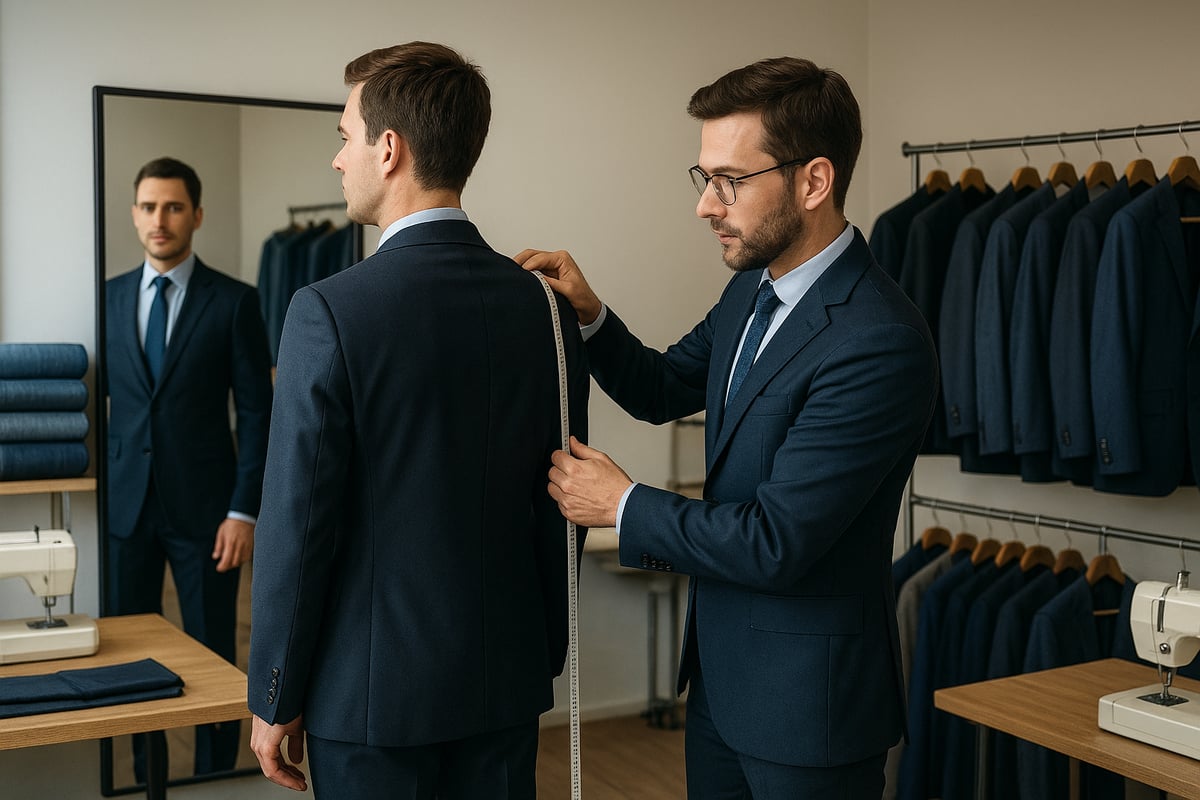
Tailoring is the art of transforming fabric into clothing that fits the individual perfectly. Over centuries, this craft has shaped the way people present themselves, from royal courts to everyday wardrobes. Today, the right tailor shop bridges the gap between mass-produced garments and personal style, giving you control over fit and comfort.
The Role of Tailoring in Modern Fashion
Tailoring has deep roots in fashion history, from military uniforms to couture houses. Unlike off-the-rack clothing, which is mass-produced for average sizes, a tailor shop creates or alters garments for your unique measurements. This difference is vital, as bespoke tailoring is gaining popularity again with consumers seeking individuality in a world overflowing with fast fashion.
Brands like Levi’s offer customizations in their tailor shops, letting customers personalize jeans with distressing or embroidery. Military uniforms, known for their precise fit, also highlight tailoring’s importance. According to Custom Apparel Market Insights, the demand for custom clothing is rising, signaling a shift towards personalized style.
Key Elements of a Well-Fitted Garment
A perfect fit begins with accurate measurements. Essential points include the chest, waist, hips, inseam, and sleeve length. Visiting a professional tailor shop ensures these measurements are tailored to your body, enhancing both comfort and confidence.
Common fit issues—such as sleeves that are too long or trousers that bunch at the ankle—can easily be solved with minor adjustments. For example, shortening a jacket sleeve or tapering trousers can completely change a suit’s appearance, making it feel custom-made.
Types of Tailoring Services Offered in 2026
In 2026, a modern tailor shop provides a range of services to meet every need. Standard offerings include alterations, repairs, bespoke tailoring, and made-to-measure options. Customizations like embroidery, patches, distressing, and monogramming are now mainstream, with brands such as Levi’s showcasing Toy Story and zodiac-inspired designs.
Specialized tailoring is also available for uniforms, wedding attire, and children’s clothing. If you want to explore the full range of options, browse the latest tailoring services and alterations available at leading shops.
The Impact of Fabric and Construction
Fabric selection is crucial in tailoring. Wool, linen, blends, and denim each have unique drape and durability, affecting how a garment fits and feels. A reputable tailor shop guides you through these choices, ensuring the right match for your needs.
Construction methods, such as canvassing, detailed stitching, and quality lining, directly impact longevity and appearance. For instance, Levi’s uses selvedge denim in their custom jeans, combining high-quality materials with expert craftsmanship. This attention to detail guarantees garments that stand the test of time and trend.
Step-by-Step Guide: How to Achieve the Perfect Fit at a Tailor Shop
Achieving the ideal fit at a tailor shop is a journey that combines preparation, clear communication, and attention to detail. Whether you are refining your everyday wardrobe or commissioning a one-of-a-kind piece, following a structured process can help you get the results you want. Let’s break down each step to ensure your experience is smooth, satisfying, and successful.
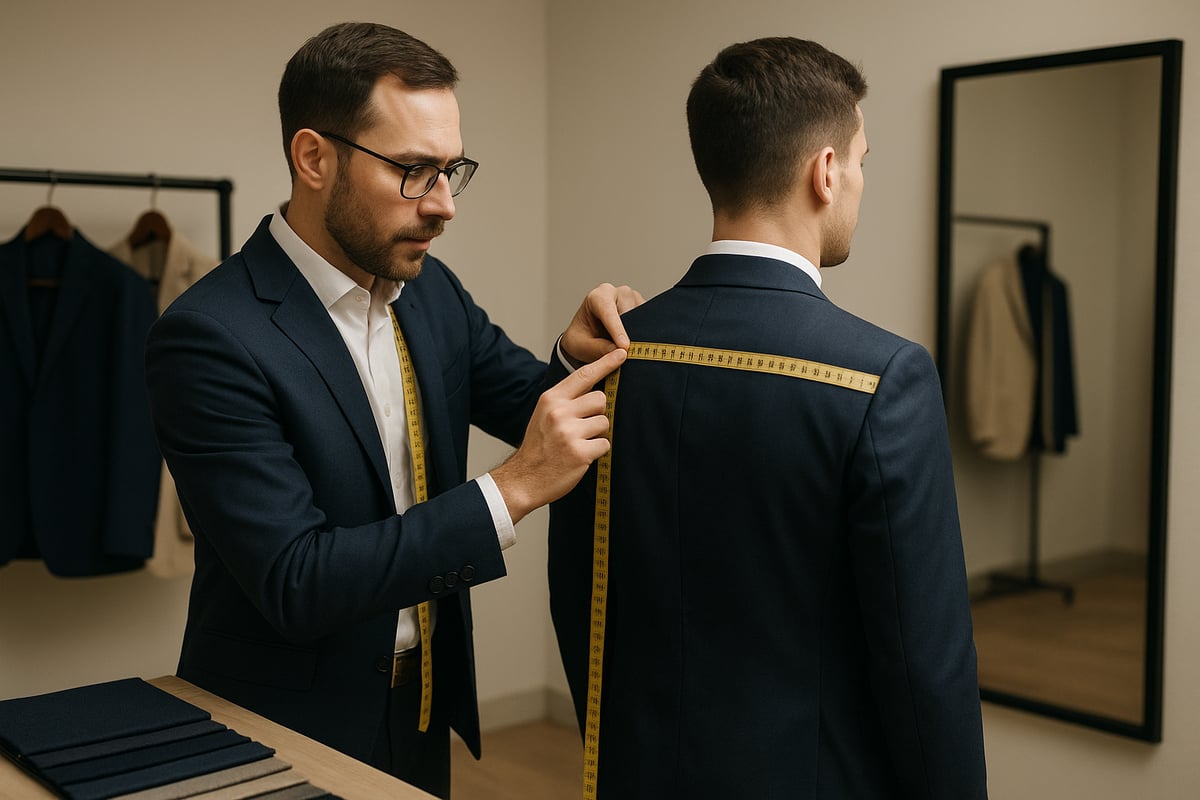
Step 1: Identifying Your Fit Needs and Goals
Start by assessing your current wardrobe. Which pieces feel off, look dated, or simply do not fit as well as you would like? Prioritize items that you wear frequently or that are important for upcoming events.
Consider your lifestyle. Do you need suits for work, comfortable casual wear, or standout pieces for special occasions? This self-audit will help you decide whether you need simple alterations or should explore bespoke options. For those seeking a truly custom experience, consulting tailleurs sur mesure haut de gamme can be invaluable in achieving a flawless fit.
When you visit a tailor shop with clear goals, you maximize your investment and ensure your clothing reflects your personal style.
Step 2: Preparing for Your Tailor Shop Visit
Preparation is key to a productive tailor shop visit. Bring inspiration photos, your favorite garments that fit well, and any accessories or shoes you plan to wear with the tailored items. Wearing similar undergarments and shoes as you would with the final outfit ensures accurate measurements.
Draft a list of questions for your tailor shop, such as turnaround time, fabric choices, and price estimates. This preparation helps you communicate your preferences and expectations clearly.
Step 3: The Measurement and Consultation Process
At the tailor shop, the measurement process is crucial. Standard measurements include chest, waist, hips, inseam, sleeve length, and shoulder width. Discuss your fit preferences, whether you like a slim, regular, or relaxed silhouette.
Your tailor shop will guide you through fabric and style choices, ensuring the garment suits your needs. Clear communication about your lifestyle and comfort priorities is essential for achieving the desired fit.
Step 4: Fitting Sessions and Adjustments
Fitting sessions are where the magic happens at the tailor shop. During these appointments, your tailor will pin, mark, and sometimes create trial garments to perfect the fit. The number of fittings depends on the complexity of the garment—simple alterations may need one session, while bespoke pieces require multiple visits.
Expect to discuss small adjustments, such as sleeve length or trouser break. Timelines vary, so ask your tailor shop for realistic completion dates and plan accordingly.
Step 5: Final Review and Pick-Up
Before leaving the tailor shop, review your garment thoroughly. Move around, sit, and check the fit from all angles. Use a checklist:
- Comfort at key points (shoulders, waist, hips)
- Symmetry and clean lines
- No pulling or bunching
If you notice any issues, request final tweaks. A reputable tailor shop welcomes feedback and strives for your complete satisfaction.
Step 6: Aftercare and Maintenance for Tailored Garments
Proper aftercare ensures your investment lasts. Your tailor shop can advise on cleaning methods—some fabrics need dry cleaning, while others can be hand washed. Store tailored garments on sturdy hangers and use garment bags for protection.
Return to your tailor shop for re-alterations if your body shape changes or repairs are needed. Routine care and timely adjustments will keep your custom pieces looking sharp season after season.
Choosing the Right Tailor Shop: What to Look For in 2026
Finding the right tailor shop is crucial for achieving the perfect fit and a truly personalized wardrobe. In 2026, the landscape of tailoring continues to evolve, making it even more important to know what to look for. Let us break down the essential factors to consider before entrusting your garments to a professional.
Credentials and Experience
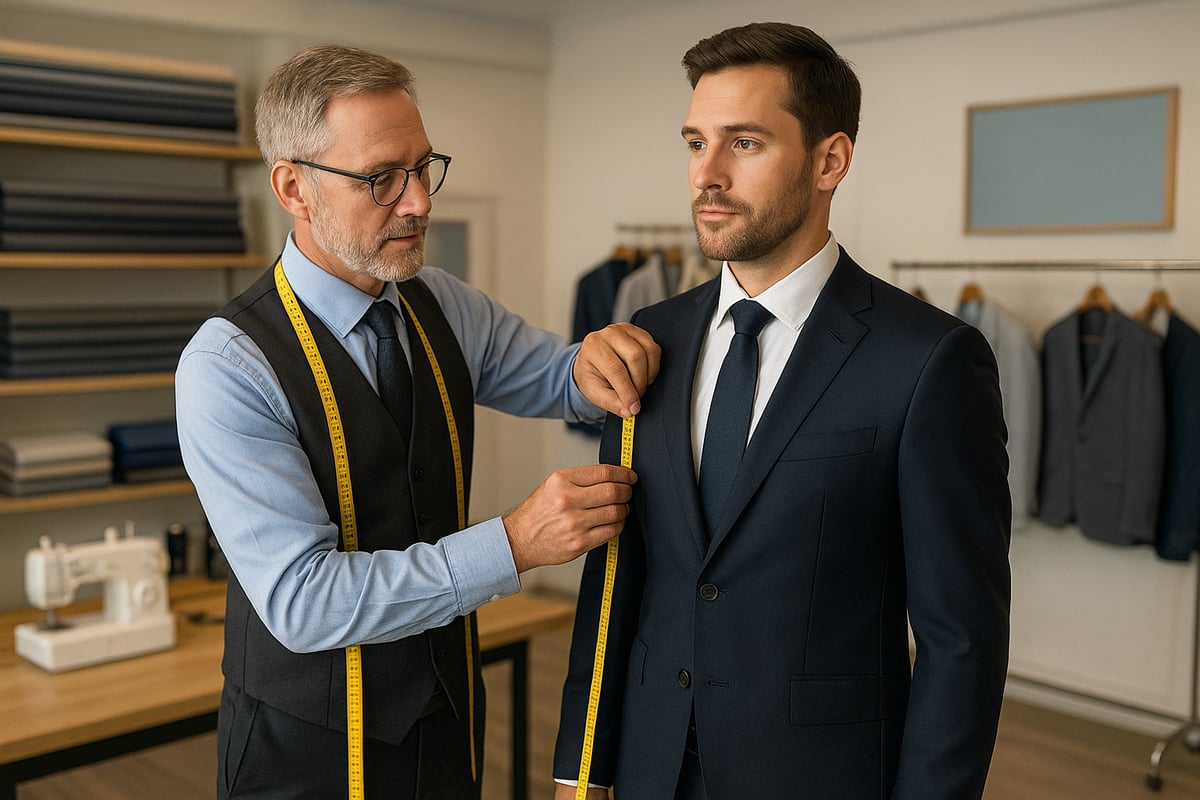
A reputable tailor shop is defined by the skill and experience of its staff. Look for master tailors with years of hands-on training, preferably with formal certifications or apprenticeships. Reviewing a tailor’s portfolio or examples of completed work offers insight into their expertise. Many leading shops now display credentials and past projects online for transparency.
When searching for a best tailor shop near you, pay attention to reviews and word-of-mouth recommendations. Skilled teams, like those at Levi’s in-store tailor shop network, often highlight their years of collective experience and ongoing training in the latest techniques. This foundation ensures your garments receive the highest standard of care.
Range of Services and Customization Options
A modern tailor shop should offer a comprehensive suite of services. These include basic alterations, repairs, bespoke tailoring, and made-to-measure options. Look for shops that also provide customizations such as embroidery, patches, monogramming, or distressing, which are increasingly popular for adding personality to garments.
Specialization matters too. Some tailor shops excel in denim, formalwear, uniforms, or children’s clothing. For example, Levi’s shops have gained recognition for Toy Story and zodiac-themed customizations, meeting unique customer preferences. A diverse service menu indicates flexibility and expertise.
Quality of Materials and Workmanship
The materials a tailor shop uses can make or break your garment’s longevity and fit. Premium fabrics like wool, linen, or selvedge denim contribute to comfort and durability. Always assess the origin, weight, and texture of fabrics offered.
Workmanship is equally vital. Look for hand-stitching, full canvas construction in suits, and meticulous finishing. These hallmarks of quality ensure your tailored clothing maintains its form and appearance over time. A tailor shop that prioritizes superior materials and construction techniques demonstrates a commitment to excellence.
Customer Experience and Service Guarantees
A standout tailor shop prioritizes communication and transparency from the initial consultation to final pick-up. Clear explanations of the process, realistic timelines, and open dialogue about fit preferences are key indicators of professionalism.
Service guarantees add peace of mind. Many shops now offer satisfaction or money-back warranties, as well as free adjustments within a set period. Positive online reputations and glowing customer reviews often reflect a commitment to excellent service, making them a valuable resource during your search.
Location, Convenience, and Technology Integration
Convenience is a deciding factor when choosing a tailor shop. Proximity to your home or workplace and accommodating hours make repeat visits easier. Leading shops now offer digital booking, virtual consultations, and robust online review systems.
In 2026, the line between in-store and online experiences continues to blur. Many tailor shops integrate technology, such as 3D body scanning for precise measurements, enhancing both accuracy and customer satisfaction. Whether you prefer a traditional shop or digital-first service, ensure your chosen tailor shop meets your needs for ease and efficiency.
Customization Trends and Innovations in Tailoring
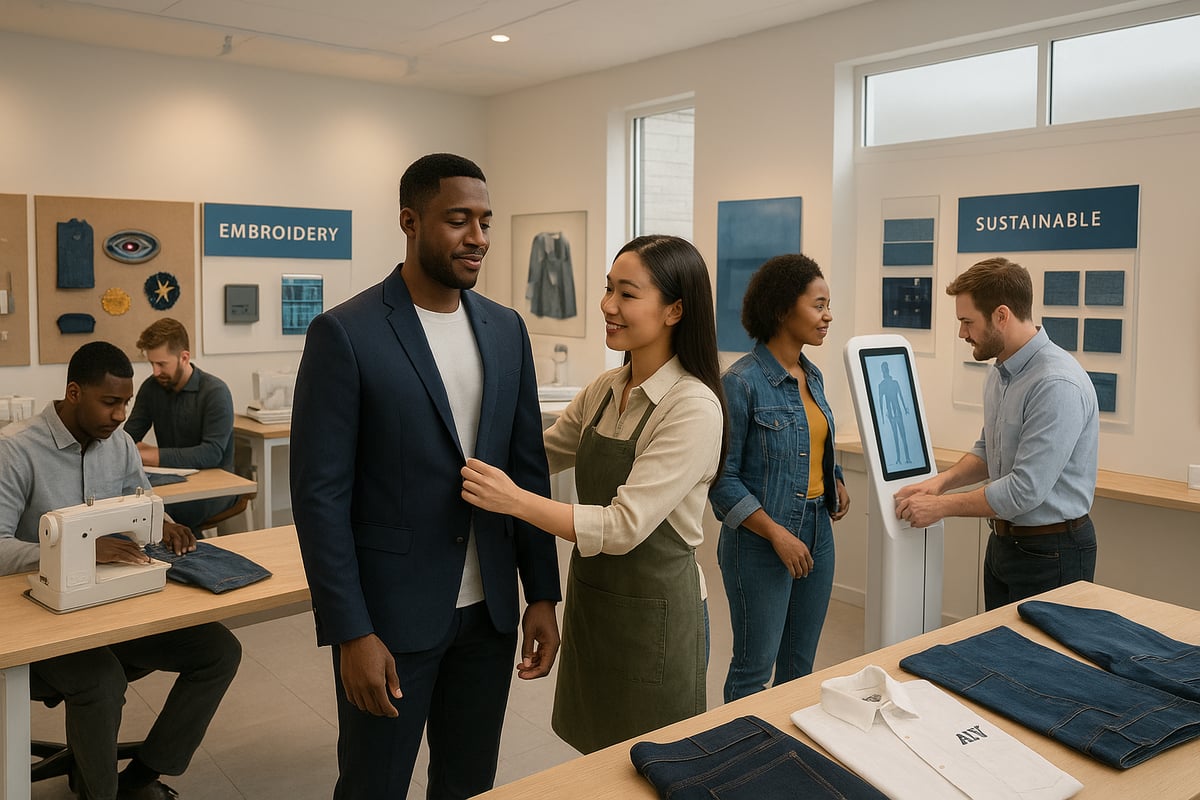
The landscape of the tailor shop is evolving rapidly in 2026, driven by a surge in customer demand for unique, well-fitted garments. Today, personalization, sustainability, technology, inclusivity, and creative collaboration are shaping how tailor shops deliver exceptional experiences. Let’s explore the innovations setting the standard for modern tailoring.
Personalization: Beyond the Basic Alteration
Personalization is at the heart of every leading tailor shop in 2026. Customers now expect more than simple adjustments—they want garments that reflect their story. Choices like embroidery, custom patches, and monogramming are popular ways to add flair and identity.
Brands such as Levi’s have transformed the tailor shop into a creative studio, offering Toy Story and zodiac-inspired patches that let clients showcase personality. Statement details, whether bold or subtle, give every piece a bespoke touch. This shift means that personalization is no longer a luxury; it’s a standard expectation for anyone seeking a custom wardrobe.
- Embroidery for initials or symbols
- Decorative patches and motifs
- Statement cuffs, linings, and lapels
By embracing these options, a tailor shop helps clients turn clothing into wearable art.
Sustainable Tailoring and Upcycling
Sustainability is a major focus for the modern tailor shop. With growing environmental awareness, more people are choosing repairs and upcycling over replacement. This shift is visible in the rising number of clients requesting alterations, creative mending, and fabric reuse.
Tailor shops play a crucial role in reducing fashion waste by extending the life of garments. Many now offer eco-friendly materials, low-impact dyes, and upcycled fabric options. Data shows a steady increase in clothing repairs and customizations, highlighting a change in consumer habits.
- Eco-friendly thread and fabrics
- Visible mending and patchwork
- Upcycling old pieces into new styles
Choosing a tailor shop committed to sustainability not only benefits your wardrobe but also supports a greener planet.
Technology’s Role in Modern Tailoring
Technology is transforming the tailor shop, making precision and convenience the new norm. The adoption of 3D body scanning, for example, ensures measurements are more accurate than ever before. Many shops now use 3D Body Scanning in Tailoring to capture exact body profiles, reducing fitting errors and minimizing alteration rounds.
Virtual fitting rooms and AI-driven pattern making let clients preview custom designs before a single stitch is made. Digital consultations and remote measurements have also become standard, making the tailor shop experience accessible from home.
- 3D scanning for precise measurements
- Virtual try-ons and design previews
- AI-powered pattern adjustments
With these innovations, the tailor shop continues to elevate both service quality and customer satisfaction.
Inclusive Tailoring: Serving All Body Types and Genders
Inclusivity has become a guiding principle for every forward-thinking tailor shop. No two bodies are the same, and modern tailoring ensures everyone feels confident in their clothing. From adaptive tailoring for different abilities to specialized services for children, all clients can find a perfect fit.
Tailor shops now offer expanded size ranges, gender-neutral designs, and custom solutions for uniforms. Military and school attire, for example, require precision and adaptability to meet diverse needs.
- Adaptive features for mobility
- Children’s tailoring and growth adjustments
- Gender-inclusive design options
This commitment to inclusivity helps every tailor shop build a loyal, diverse customer base.
Collaboration with Fashion Brands and Designers
Collaboration is a growing trend in the tailor shop industry. Partnerships with top designers and brands create exclusive customization opportunities, bringing runway creativity to everyday wardrobes. Limited edition collections—like the Levi’s x Toy Story patches—are just one example of how fashion and tailoring intersect.
Designer-led experiences allow clients to co-create garments, blending high fashion with personal expression. These collaborations often include workshops, pop-up events, and capsule collections, providing a unique value beyond standard tailoring.
- Limited edition patch collections
- Brand-designer customization events
- Signature details from fashion icons
By embracing collaboration, the modern tailor shop remains at the forefront of style and innovation.
Care and Maintenance: Keeping Your Tailored Clothes Perfect
Caring for your tailored garments is just as crucial as choosing the right tailor shop. Proper maintenance ensures that every piece retains its fit, structure, and timeless appeal. With a few simple habits, you can extend the life of your investment and preserve that custom-made feel season after season.
Cleaning and Storing Tailored Garments
The longevity of any item from your tailor shop depends heavily on how you clean and store it. Each fabric requires specific care: wool suits benefit from gentle dry cleaning, linen needs cool pressing, and denim should be spot cleaned or washed sparingly. Avoid frequent washing, as it can distort fit and weaken fibers.
Store garments on wide, padded hangers to maintain shoulder shape. Use breathable garment bags for suits and dresses to prevent dust buildup. Keep your wardrobe in a cool, dry place, and never overcrowd your closet. These steps preserve the structure and fit achieved at your tailor shop.
Spotting and Preventing Common Wear Issues
Early intervention is essential for keeping tailored clothing in top condition. Regularly inspect seams, cuffs, and elbows for loose threads or thinning fabric. Common signs of wear include faded colors, stretched collars, and misshapen shoulders.
Here are some preventive measures:
- Rotate garments to avoid overuse
- Brush off lint and debris after each wear
- Address minor issues before they worsen
By staying proactive, you maximize the value of every visit to your tailor shop and maintain a polished look.
When to Seek Professional Repairs and Alterations
Not all repairs can be handled at home. If you notice persistent issues like broken zippers or significant fabric damage, it's time to return to your trusted tailor shop. Professional repairs, such as re-stitching seams or replacing linings, extend the lifespan of your clothing far beyond what DIY fixes can achieve.
Many tailor shops now offer in-house repair services for convenience. This growing demand is reflected in the Global Custom Clothing Market Growth, which highlights continued interest in maintaining custom garments.
Planning for Seasonal Wardrobe Updates
Schedule regular wardrobe assessments to keep your tailored pieces current and in optimal condition. As seasons change, consider whether items need resizing due to weight fluctuations or style adjustments. Prioritize alterations for frequently worn pieces and store off-season clothing properly.
A proactive approach ensures that every garment from your tailor shop fits perfectly year-round. Regular updates also help you identify when to refresh your collection or invest in new bespoke items.
The Future of Tailoring: Trends to Watch in 2026 and Beyond
The tailoring industry is transforming rapidly as technology, culture, and customer preferences drive innovation. Modern tailor shop experiences are becoming more dynamic, accessible, and personalized. Let’s explore the major trends shaping the future of tailoring in 2026 and beyond.
Rise of On-Demand and Mobile Tailoring Services
Convenience is at the heart of the modern tailor shop. In 2026, more customers are seeking on-demand tailoring, with mobile tailors offering home or office visits. This service model is growing, especially in urban areas where time is at a premium.
Mobile tailoring vans are now equipped with measurement tools, swatch books, and digital catalogs. Customers can schedule fittings online and have garments pinned, altered, or designed from scratch without leaving their home.
This evolution allows the tailor shop to reach new audiences, providing flexibility for busy professionals and families. Brands are investing in mobile units to capture the demand for personalized service, making professional tailoring accessible to all.
Integration of Smart Fabrics and Wearable Tech
Technology is revolutionizing the tailor shop, with smart fabrics and wearable tech entering mainstream fashion. Innovations include textiles that monitor health, regulate temperature, or adjust fit in real-time.
Tailor shops are also embracing advanced measurement tools, such as Structured-Light 3D Scanners Overview, to ensure precise fits. These scanners map the body in seconds, allowing tailors to create garments with unmatched accuracy.
Early adopters include sportswear and uniform providers, but smart textiles are becoming popular for everyday wear. As technology advances, the tailor shop is evolving into a hub for both traditional craftsmanship and futuristic apparel solutions.
Globalization and Cross-Cultural Influences
The global exchange of fashion ideas is reshaping the tailor shop landscape. International tailoring techniques, from Asian-inspired silhouettes to European precision, are merging to create unique, multicultural styles.
Tailor shops are now offering a broader range of customization options, including traditional embroidery, fusion garments, and culturally significant patterns. This blending of influences appeals to a diverse clientele seeking both heritage and innovation.
By embracing global trends, the tailor shop stays relevant and responsive to customers’ evolving tastes. The result is a richer, more varied tailoring experience that celebrates both tradition and modernity.
The Role of Social Media and Online Communities
Social media platforms like Instagram, TikTok, and YouTube are powerful drivers for tailor shop trends. Customers share before-and-after transformations, review experiences, and showcase custom garments, inspiring others to seek professional tailoring.
Online communities provide a space for exchanging advice, style inspiration, and feedback. Tailor shops leverage these platforms for marketing, customer engagement, and even virtual consultations.
User-generated content and influencer partnerships amplify the reach of the tailor shop, making bespoke fashion more visible and desirable. As digital engagement grows, tailor shops must maintain a strong online presence to connect with modern consumers.
Evolving Customer Expectations and Service Models
Today’s customers expect more from their tailor shop than just alterations. Transparency, speed, and sustainability are top priorities. Many shops now offer digital booking, real-time updates, and eco-friendly materials.
Experience-driven tailoring is on the rise, with in-store events, workshops, and designer collaborations. These innovations foster loyalty and differentiate one tailor shop from another.
Looking ahead, tailor shops will continue to innovate, blending technology, craftsmanship, and customer-focused service to meet the changing needs of a diverse, style-conscious clientele.
As you’ve seen throughout this guide, finding the perfect fit is more than just measurements—it’s about confidence, comfort, and expressing your unique style. At Alex’s Fashion in Ao Nang, our experienced team is here to help you navigate every step, from selecting the right fabrics to mastering the latest customization trends. If you’re ready to experience tailoring that truly puts your needs first, I encourage you to contactez-nous dès aujourd'hui to discuss how we can bring your wardrobe vision to life. Your journey to flawless, tailor-made clothing starts with a simple conversation.