
 FR
FR  EN
EN  DE
DE  TH
TH 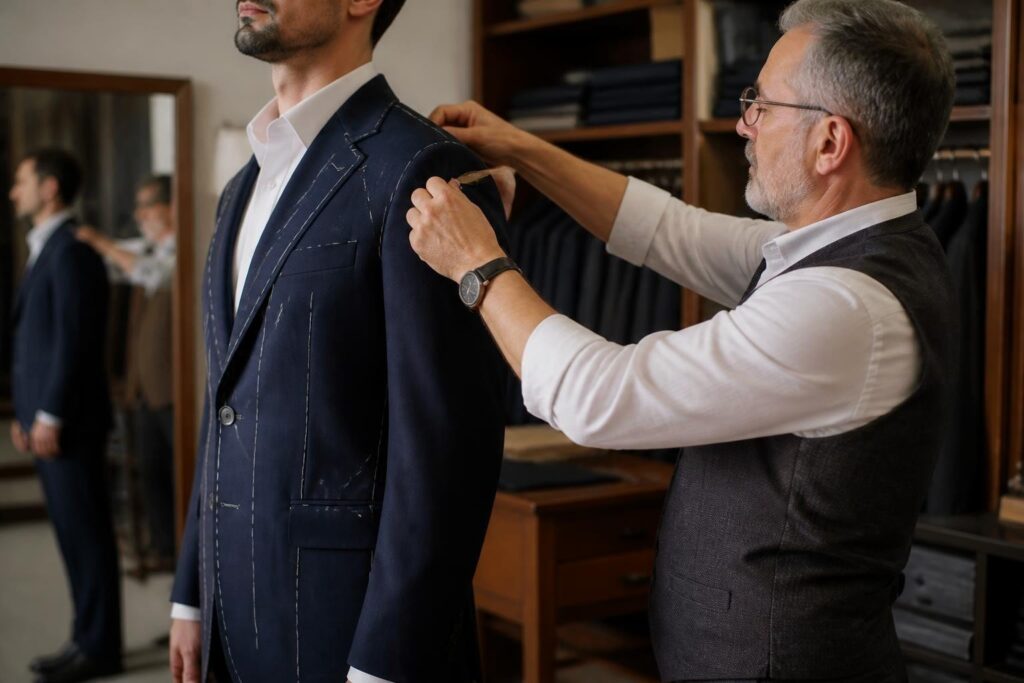
Finding the perfect suit off the rack is nearly impossible. Even the most expensive ready-to-wear garments rarely fit exactly as they should without professional adjustments. Whether you've purchased a new suit or need to update an existing one, understanding the alteration process ensures you'll achieve a polished, professional appearance that reflects quality craftsmanship and attention to detail.
Understanding Common Suit Alterations
When you need to have a suit altered, several standard adjustments can transform an ill-fitting garment into one that looks custom-made. The most frequent alterations address sleeve length, trouser hem, and waist suppression. These modifications form the foundation of proper suit fitting and significantly impact your overall appearance.
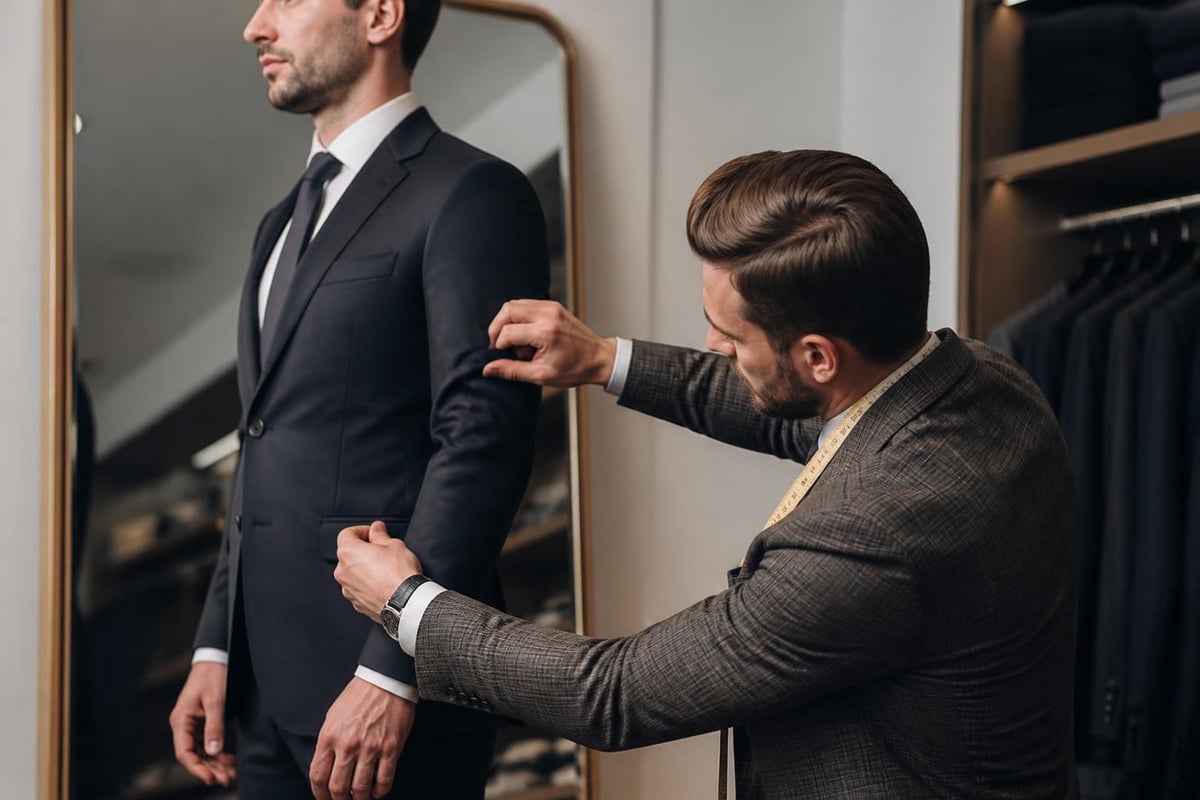
Sleeve adjustments rank among the most requested alterations. Sleeves should end precisely where your wrist meets your hand, allowing approximately half an inch of shirt cuff to show. Shortening sleeves from the shoulder maintains button placement and pattern alignment, though this approach costs more than hemming from the cuff.
Trouser Modifications That Matter
Trouser alterations extend beyond simple hemming. The break of your pants (where fabric meets your shoe) determines the entire silhouette. A full break creates more fabric pooling at the ankle, while no break offers a modern, clean line.
Consider these essential trouser alterations:
- Waist adjustment: Taking in or letting out the waistband for comfort
- Seat modification: Reshaping the rear for better fit and appearance
- Leg tapering: Narrowing the leg opening for contemporary styling
- Rise adjustment: Modifying where trousers sit on your waist
- Crotch alterations: Ensuring proper comfort and movement
The cost to get a suit altered varies significantly based on complexity. According to detailed pricing breakdowns for suit alterations, simple hemming might range from $15 to $30, while comprehensive trouser reshaping can exceed $100.
Jacket Alterations: What's Possible and What's Not
Understanding the limitations of jacket alterations saves time and sets realistic expectations. While skilled tailors can work wonders, certain modifications prove difficult or impossible without compromising garment integrity.
Feasible Jacket Modifications
| Alteration Type | Difficulty Level | Typical Cost Range | Impact on Fit |
|---|---|---|---|
| Sleeve shortening | Easy | $25-$45 | Haut |
| Side seam suppression | Modéré | $40-$80 | Very High |
| Shoulder narrowing | Difficult | $75-$150 | Extreme |
| Length shortening | Modéré | $60-$100 | Haut |
| Dart adjustment | Easy | $25-$50 | Modéré |
Shoulders present the greatest challenge when getting a suit altered. The shoulder structure forms the foundation of jacket construction, incorporating padding, canvas, and precise shaping. Major shoulder work essentially requires rebuilding the entire garment. This explains why expert tailors emphasize proper shoulder fit when purchasing suits.
Side seam suppression creates a more tailored silhouette by removing excess fabric from the jacket's sides. This alteration dramatically improves appearance for those who've lost weight or prefer a slimmer fit. The process involves opening the lining, adjusting the seams, and carefully reattaching everything.
Challenging Alterations to Consider Carefully
Certain modifications require exceptional skill and may not yield satisfactory results. Lengthening jackets proves nearly impossible unless the garment has generous seam allowances. Adding fabric creates visible lines and compromises the original design.
Chest adjustments also fall into the difficult category. The chest area incorporates complex construction including the canvas interlining and lapel roll. According to comprehensive guides on suit alterations, expanding the chest more than one size risks distorting the jacket's proportions.
Timeline Expectations for Professional Alterations
Planning ahead ensures your suit altered project aligns with your schedule. Rush jobs often compromise quality, while adequate time allows tailors to deliver meticulous workmanship.
Standard alteration timelines typically range from one to two weeks for basic modifications. Complex work requiring significant reconstruction may extend to three or four weeks. During peak seasons (wedding season, holiday parties, graduation periods), these timelines often double.
Smart scheduling involves:
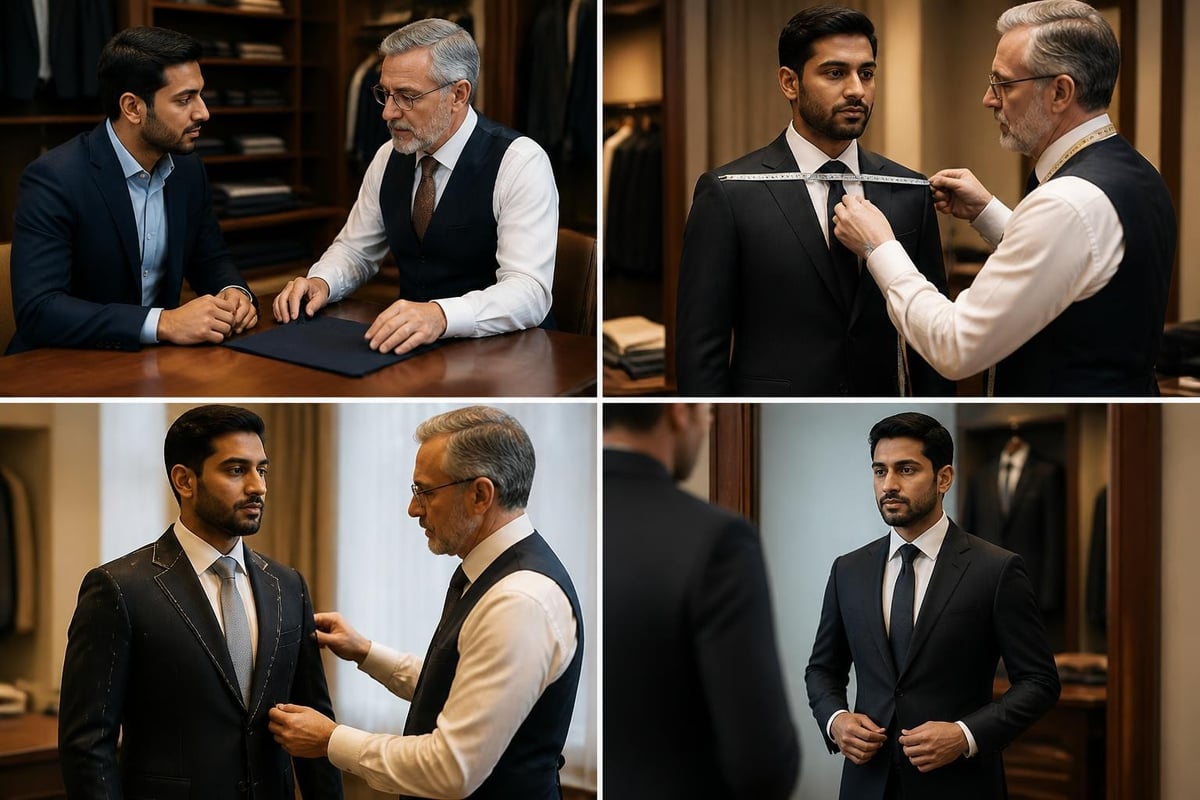
- Initial consultation: Discussing desired changes and trying on the garment
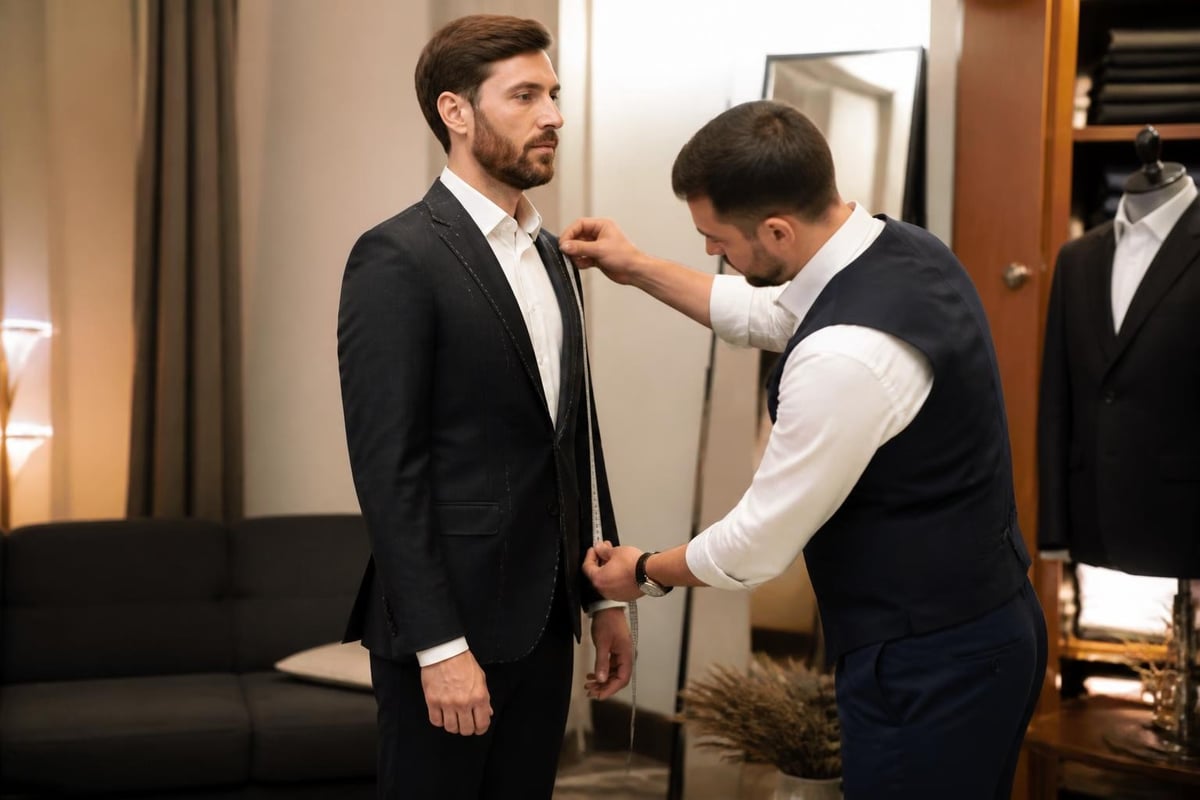
- Measurement and marking: Pinning adjustments while you wear the suit
- First fitting: Trying the partially altered garment (for major work)
- Final fitting: Ensuring perfect results before completion
- Pickup and quality check: Inspecting finished alterations
Rush services exist but command premium pricing, sometimes adding 50-100% to standard costs. The factors influencing alteration timelines include tailor workload, complexity of modifications, and fabric characteristics.
Cost Factors When Getting Your Suit Altered
Understanding pricing structures helps budget appropriately and avoid surprises. Multiple variables influence the final cost when you need a suit altered, ranging from geographic location to fabric quality.
Geographic Pricing Variations
Location dramatically impacts alteration costs. Urban centers with higher living costs naturally charge more than smaller markets. For instance, suit alteration costs in London significantly exceed prices in regional areas due to overhead expenses and market dynamics.
Fabric complexity affects pricing substantially. Delicate materials like silk, fine wool, or designer fabrics require specialized handling and expertise. Striped or patterned suits demand precise pattern matching, increasing labor time and skill requirements.
Consider these pricing influencers:
- Tailor expertise level: Master tailors command premium rates
- Garment construction quality: Canvassed suits require more careful work
- Lining modifications: Adjusting or replacing lining adds cost
- Detail preservation: Maintaining working buttonholes, pocket details
- Number of alterations: Bundling multiple changes may offer savings
The comprehensive overview of alteration costs reveals significant price ranges. Basic alterations might total $50-$100, while extensive suit reconstruction can approach $300-$500.
Choosing the Right Tailor for Alterations
Selecting a qualified professional ensures your investment yields excellent results. Not all tailors possess equal skill levels, and matching your needs with appropriate expertise prevents disappointment.
Evaluating Tailor Qualifications
Experience matters tremendously in bespoke tailoring. Established businesses like Alex’s Fashion bring decades of expertise to every alteration, understanding nuances that newer practitioners might miss. Their 30-year history demonstrates consistent quality and customer satisfaction.
Specialization indicators include:
- Bespoke garment creation experience
- References from satisfied clients
- Portfolio of previous work
- Professional certifications or training
- Fabric knowledge and sourcing capabilities
Ask potential tailors about their approach to specific alterations. Quality professionals explain what's achievable, offer honest assessments about garment limitations, and suggest alternatives when your desired changes aren't feasible.
| Evaluation Criteria | Red Flags | Green Flags |
|---|---|---|
| Consultation initiale | Rushed, dismissive | Thorough, educational |
| Price Transparency | Vague estimates | Detailed breakdowns |
| Timeline Promises | Unrealistic speed | Honest timeframes |
| Garment Assessment | One-size-fits-all advice | Customized recommendations |
| Communication | Poor responsiveness | Clear, prompt replies |
Questions to Ask Before Committing
Before having your suit altered, establish clear communication with your tailor. Inquire about their experience with your specific fabric type, especially for luxury materials requiring specialized handling.
Discuss the complete scope of work and associated costs upfront. Request itemized pricing rather than bundled estimates. This transparency prevents scope creep and ensures mutual understanding.
Maintaining Your Altered Suit
Proper care extends the life of your investment and preserves the precise fit achieved through professional alterations. Once you've had a suit altered to perfection, maintenance becomes crucial.
Storage methods significantly impact garment longevity. Always use wide, shaped hangers that support shoulder structure. Wire hangers create stress points and distort carefully tailored shoulders. Cedar hangers offer the additional benefit of natural moth deterrence.
Regular professional cleaning maintains fabric integrity while preventing dirt accumulation that degrades fibers. However, excessive cleaning damages suits faster than occasional wear. Aim for dry cleaning only when visibly soiled or after every 4-5 wears.
Weight Fluctuation Considerations
Body changes affect suit fit dramatically. Even small weight fluctuations of 10-15 pounds can necessitate additional alterations. Maintaining stable weight preserves your suit's perfect fit and avoids repeated alteration expenses.
When weight changes occur:
- Assess the extent of fit changes objectively
- Determine whether alterations are cost-effective versus replacement
- Prioritize comfort alongside appearance
- Consider the garment's overall condition and remaining lifespan
- Consult your tailor about feasible adjustments within existing seam allowances
Strategic wardrobe management includes maintaining suits at different fits if weight fluctuation patterns exist. This approach ensures you always have properly fitting options available.
Alteration Versus New Purchase Decisions
Sometimes purchasing a new suit makes more financial sense than extensive alterations. This calculation depends on multiple factors including garment quality, alteration costs, and current suit condition.
When Alterations Make Sense
Invest in altering a suit when the fabric quality, construction, and overall condition remain excellent. High-quality garments justify alteration expenses because their superior materials and construction outlast cheaper alternatives.
Designer and luxury suits particularly warrant alteration investment. A well-constructed suit from premium materials can last decades with proper care and occasional adjustments. The craftsmanship embedded in such garments cannot be replicated at lower price points.
Sentimental value also influences this decision. Suits worn for significant life events or inherited pieces deserve preservation through careful alterations regardless of pure cost-benefit analysis.
When New Purchases Are Wiser
Consider replacement when alteration costs approach 50-75% of a comparable new garment's price. This threshold shifts based on the original suit's quality and your attachment to it.
Structural damage, extensive wear, or outdated styling that alterations cannot address warrant replacement. Similarly, if the required alterations fall into the "difficult" category (major shoulder work, chest expansion), starting fresh with a properly sized garment often yields better results.
Maximizing Your Alteration Investment
Strategic planning optimizes alteration outcomes and value. Approaching the process methodically ensures satisfaction with both fit and financial investment.
Timing your alterations around body stability periods produces lasting results. Avoid scheduling major alterations during weight loss programs, fitness transformations, or pregnancy. Wait until reaching your stable target before investing in precise fitting.
Communicate specific wear contexts with your tailor. Suits for frequent wear require different consideration than special occasion garments. Daily use suits benefit from slight ease allowances for comfort, while formal event suits can embrace closer, more dramatic fits.
Bring appropriate undergarments and shoes to fittings. The foundation garments and footwear you'll actually wear affect how alterations should be executed. Dress shoes versus athletic shoes create different hem requirements, while proper dress shirts influence sleeve and collar considerations.
Building Long-Term Tailor Relationships
Establishing ongoing relationships with skilled tailors provides numerous advantages. Consistent service from the same professional means they understand your preferences, body characteristics, and style evolution.
Regular clients often receive priority scheduling, preferential pricing, and personalized attention. Your tailor becomes invested in your satisfaction, leading to recommendations that genuinely serve your best interests rather than maximizing per-transaction revenue.
Getting a suit altered transforms off-the-rack garments into custom-fitting wardrobe essentials that project professionalism and attention to detail. Understanding alteration possibilities, costs, timelines, and tailor selection criteria empowers you to make informed decisions that maximize your investment. Whether you need minor adjustments or comprehensive reconstruction, the expertise at Alex’s Fashion ensures every garment achieves the perfect fit that only bespoke tailoring can deliver, backed by over three decades of craftsmanship excellence in Ao Nang, Krabi.