
 FR
FR  EN
EN  DE
DE  TH
TH 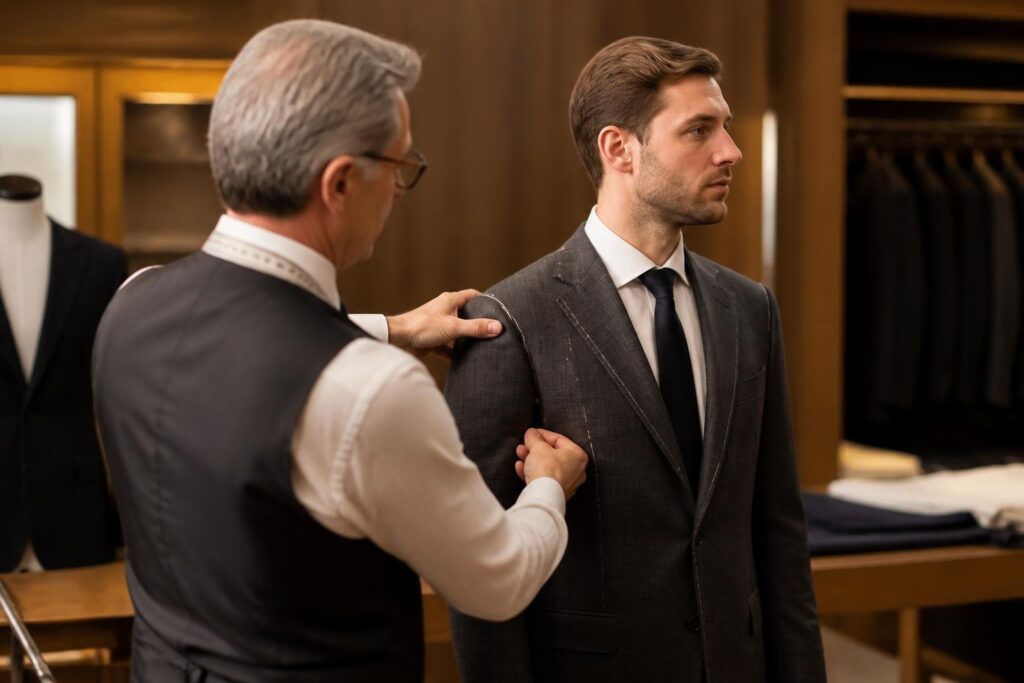
The term "star tailor" represents more than just a skilled craftsperson with needle and thread. It embodies a commitment to excellence, precision, and personalized service that transforms ordinary clothing into extraordinary garments. In the world of bespoke tailoring, achieving star status requires decades of experience, unwavering attention to detail, and an intimate understanding of both traditional techniques and modern fashion trends. Whether you're seeking a custom suit for a special occasion or building a wardrobe of perfectly fitted garments, understanding what distinguishes exceptional tailoring helps you make informed decisions about your clothing investments.
What Defines a Star Tailor
A star tailor distinguishes themselves through multiple dimensions of expertise that extend far beyond basic sewing skills. The foundation rests on technical mastery, which includes precision cutting, hand-stitching techniques, and pattern-making abilities honed over years of practice.
Technical Excellence and Craftsmanship
The hallmark of any star tailor involves their ability to translate measurements into perfectly fitted garments. This process requires:
- Advanced pattern-making skills that account for individual body proportions and posture variations
- Hand-finishing techniques including lapel padding, buttonhole creation, and invisible stitching
- Fabric knowledge spanning fiber content, drape characteristics, and appropriate construction methods
- Alteration expertise to adjust existing garments while maintaining structural integrity
Traditional tailoring houses like Star Tailoring in Knightsbridge demonstrate how these technical skills create lasting value for clients seeking both bespoke creation and expert alterations.
Client Service and Consultation
Technical skill alone doesn't create a star tailor. The consultation process separates good tailors from exceptional ones. A truly skilled professional listens carefully to understand:
- Lifestyle requirements and how garments will be worn
- Style preferences balanced with what flatters individual body types
- Budget considerations while maintaining quality standards
- Timeline expectations for creation and fitting appointments
- Long-term wardrobe planning to build cohesive collections
The best tailors educate their clients throughout the process, explaining fabric choices, construction methods, and care requirements. This educational approach builds trust and ensures customers understand the value they receive.
The Bespoke Tailoring Process
Understanding how a star tailor works reveals why custom garments command premium pricing compared to ready-to-wear alternatives.
Initial Consultation and Fabric Selection
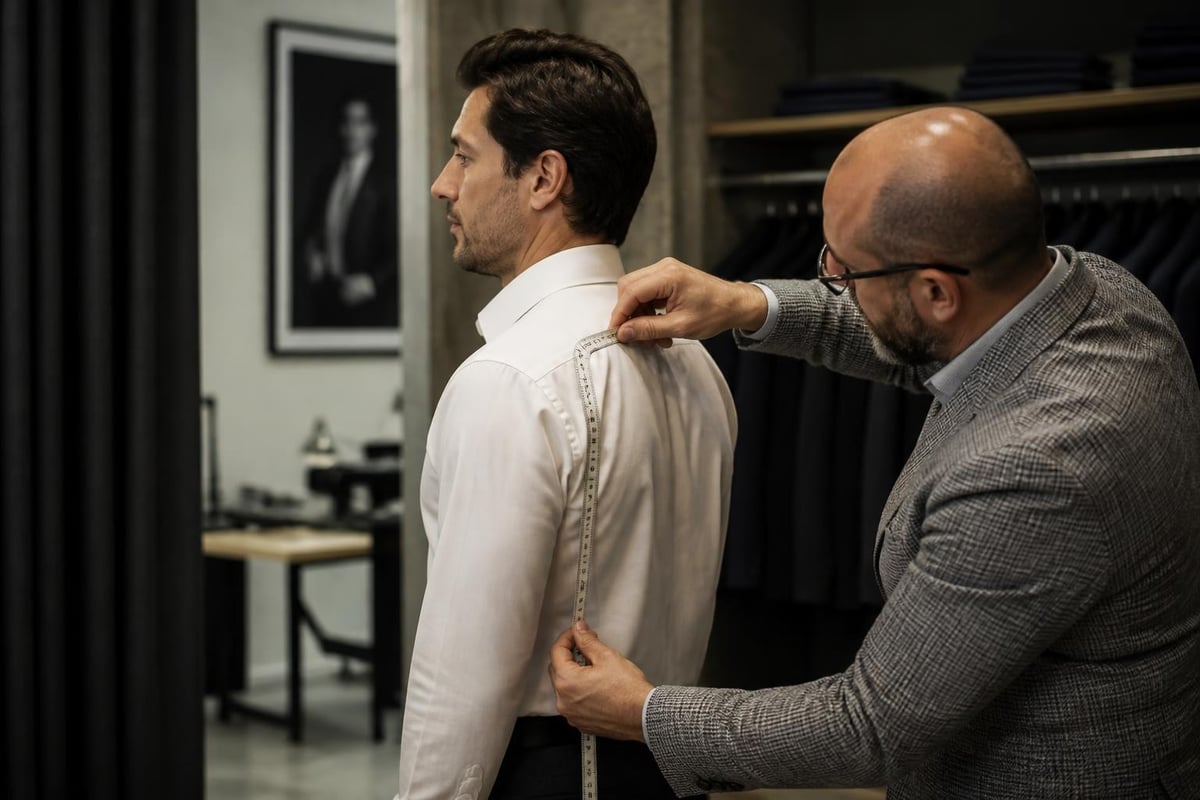
The journey begins with an extensive consultation where the tailor assesses needs, takes preliminary measurements, and discusses style preferences. This meeting establishes the foundation for everything that follows.
| Consultation Element | Purpose | Durée de l'accord |
|---|---|---|
| Style Discussion | Identify preferences and requirements | 15-20 minutes |
| Measurement Taking | Capture 15-25 body dimensions | 20-30 minutes |
| Sélection des tissus | Choose materials appropriate for use | 30-45 minutes |
| Design Details | Select lapels, pockets, buttons, linings | 15-20 minutes |
Fabric selection represents a critical decision point. A star tailor maintains relationships with premium mills worldwide, offering fabrics ranging from lightweight tropical wools to luxurious cashmeres. The tailor's expertise guides clients toward materials that balance aesthetic appeal with practical performance.
Pattern Creation and Cutting
After measurements and fabric selection, the star tailor creates a unique paper pattern specific to the client's body. This pattern accounts for individual characteristics such as sloped shoulders, longer arms, or asymmetrical posture.
The cutting process demands absolute precision. Unlike factory cutting where dozens of layers are cut simultaneously, bespoke cutting involves individual attention to each piece. The tailor considers fabric direction, pattern matching, and optimal use of material while maintaining structural integrity.

Construction and Fitting Appointments
Construction follows traditional methods that prioritize longevity and appearance. Hand-basting allows for adjustments during fitting appointments before permanent stitching occurs.
Most bespoke garments require multiple fittings:
- First fitting: Basted garment to check overall fit and proportions
- Second fitting: Refined garment with initial adjustments completed
- Final fitting: Completed garment with minor tweaks if needed
Each fitting provides opportunities to fine-tune the garment until it achieves perfection. This iterative process explains why bespoke tailoring requires several weeks from start to finish.
Quality Indicators of Expert Tailoring
Recognizing quality craftsmanship helps you evaluate whether a tailor truly deserves star status. Several indicators reveal expertise level.
Construction Details
Examine these specific elements:
- Hand-stitched buttonholes with consistent, tight stitches rather than machine-made alternatives
- Functional sleeve buttons that actually unbutton, indicating genuine bespoke construction
- Floating canvas in suit jackets that allows natural draping without stiffness
- Pattern matching at seams, particularly on striped or checked fabrics
- Clean interior finishing with bound seams and organized construction
The business profile of reputable tailors often highlights these quality standards through customer testimonials and detailed service descriptions.
Fit Characteristics
A perfectly fitted garment exhibits specific characteristics:
- Épaules: Seams sit precisely at shoulder edge without overhang or pulling
- Collar: Hugs the neck without gaping or bunching
- Chest: Allows comfortable movement without excess fabric
- Sleeve length: Reaches wrist bone with appropriate shirt cuff exposure
- Trouser break: Creates desired aesthetic from full break to no break
The star tailor achieves these fit characteristics through careful measurement, expert pattern-making, and attentive fitting appointments.
Building Long-Term Client Relationships
Exceptional tailors view each commission as the beginning of a relationship rather than a single transaction. This perspective creates mutual benefits that extend across years and even generations.
Maintaining Client Records
Professional tailors maintain comprehensive records including:
| Record Type | Information Captured | Purpose |
|---|---|---|
| Measurements | Complete body dimensions and updates | Efficient future orders |
| Preferences | Fabric choices, style details, fit notes | Consistency across garments |
| Purchase History | Previous orders and dates | Wardrobe coordination |
| Special Requirements | Posture adjustments, alterations needed | Service personnalisé |
These records enable efficient reorders and demonstrate the tailor's commitment to individual service. Clients can commission new garments remotely, confident that their tailor understands their requirements.
Adapting to Changing Needs
Bodies change over time due to fitness routines, aging, or lifestyle shifts. A star tailor recognizes these changes and adjusts patterns accordingly. This adaptability extends the value of the relationship beyond initial purchases.
Regular clients also benefit from wardrobe planning services where the tailor helps coordinate new pieces with existing garments. This holistic approach creates cohesive collections rather than isolated items.
The Global Perspective on Tailoring Excellence
While techniques remain consistent globally, different regions have developed distinct specializations and reputations within the tailoring world.
Regional Tailoring Traditions
British tailoring emphasizes structured, formal garments with strong shoulders and defined waists. The tradition prizes hand-work and conservative styling that prioritizes longevity over trends.
Italian tailoring favors softer construction with lighter fabrics and more relaxed silhouettes. The aesthetic emphasizes elegant draping and sophisticated color combinations.
Asian tailoring centers like Thailand have built reputations for exceptional value, combining traditional techniques with accessible pricing. These destinations attract international clients seeking quality without premium Western pricing.
Understanding these traditions helps clients articulate preferences and find tailors whose style philosophy aligns with personal taste.
Modern Innovations in Traditional Craft
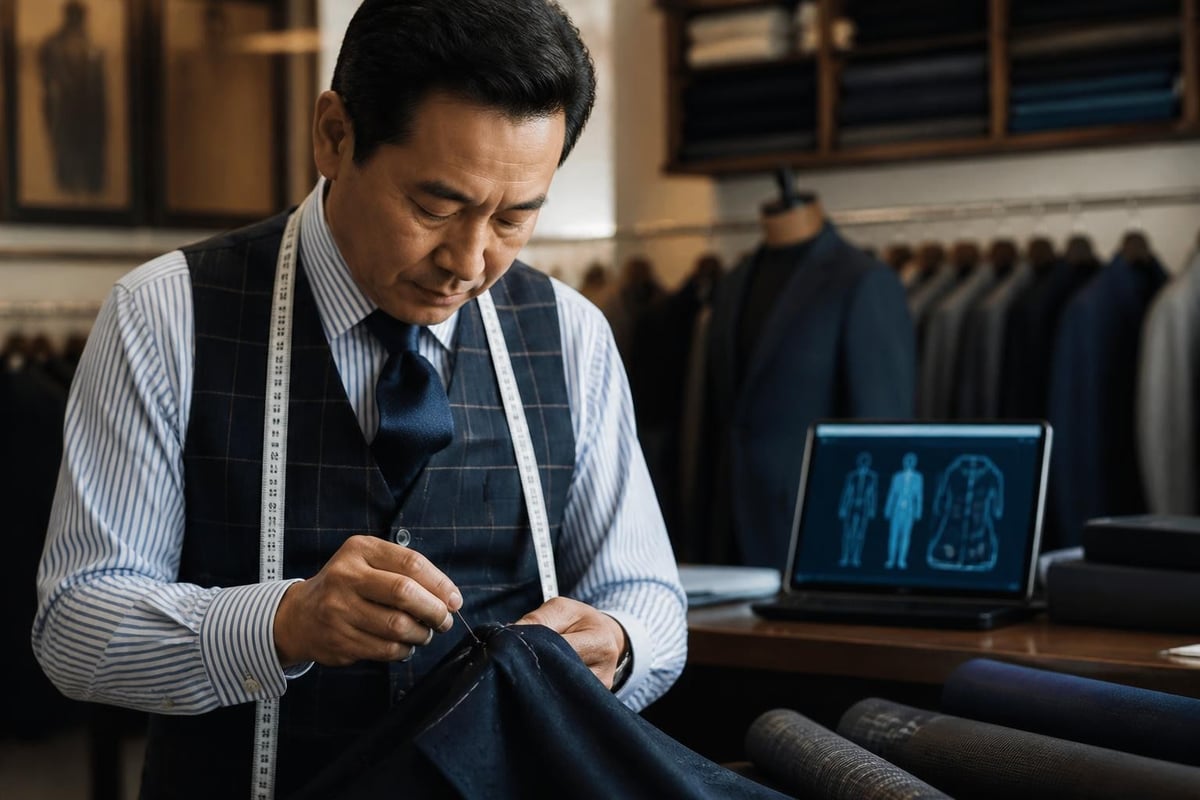
Contemporary star tailors blend traditional techniques with modern conveniences. Digital measuring tools supplement tape measures for precision. Some maintain virtual consultations allowing remote clients to commission garments through video calls and shipped sample fabrics.
The integration of technology and tradition represents evolution rather than abandonment of core principles. The fundamental commitment to individual fit, quality construction, and personal service remains unchanged.
Investing in Bespoke Tailoring
Understanding the value proposition helps justify the investment in custom tailoring versus ready-to-wear alternatives.
Cost Considerations and Value
Bespoke garments command premium pricing for valid reasons:
- Individual attention: Hours of skilled labor dedicated to single garments
- Quality materials: Premium fabrics sourced from renowned mills
- Perfect fit: Elimination of alterations needed for off-the-rack clothing
- Longévité: Proper construction and quality materials extend garment lifespan
- Satisfaction: Clothing that truly fits and expresses personal style
When amortized across years of wear, the cost-per-wearing of well-made bespoke pieces often compares favorably with cheaper alternatives requiring frequent replacement.
Maximizing Your Investment
To get optimal value from bespoke tailoring relationships:
- Communicate clearly about needs, preferences, and budget constraints
- Trust expertise while maintaining involvement in decision-making
- Start strategically with versatile pieces that maximize wardrobe utility
- Maintain garments properly following care instructions to extend lifespan
- Return for adjustments if weight changes or minor issues arise
Building a relationship with a star tailor creates advantages that compound over time as understanding deepens and the tailor's pattern library for your measurements grows.
Selecting Your Star Tailor
Finding the right tailoring partner requires research and evaluation beyond simply choosing the nearest option.
Evaluation Criteria
Consider these factors when selecting a tailor:
- Experience level: Years in business and breadth of expertise
- Specialization: Focus on specific garment types or general capabilities
- Client testimonials: Feedback from satisfied customers
- Sample garments: Quality of work displayed in shop
- Communication style: Clarity, patience, and educational approach
- Turnaround time: Realistic timelines for completion
- Pricing transparency: Clear explanations of cost components
Visiting multiple tailors and requesting consultations helps you compare approaches and identify the best fit for your needs. Resources like service location directories provide starting points for research.
Red Flags to Avoid
Certain warning signs suggest you should continue your search:
- Rushed consultations without thorough measurements or discussions
- Limited fabric selection indicating restricted supplier relationships
- Unclear pricing or unwillingness to provide estimates
- No fitting appointments offered during construction process
- Pressure tactics to make immediate decisions without consideration time
Professional tailors welcome questions, provide transparent information, and prioritize client satisfaction over quick sales.
The Future of Bespoke Tailoring
Despite predictions that custom tailoring would disappear in the ready-to-wear era, the craft continues thriving as clients rediscover value in personalized service and perfect fit.
Sustainability and Conscious Consumption
Modern consumers increasingly value quality over quantity, choosing fewer, better-made pieces rather than disposable fashion. Bespoke tailoring aligns perfectly with this philosophy by creating garments designed for years of wear.
The sustainability advantages include:
- Reduced waste through precise cutting and made-to-order production
- Longer garment lifespan due to quality construction
- Repair and alteration services extending usability
- Local craftsmanship reducing transportation environmental impact
Preserving Traditional Skills
As automation dominates garment manufacturing, preserving hand-tailoring skills becomes culturally important. Master tailors passing knowledge to apprentices maintain traditions spanning centuries while adapting to contemporary needs.
The designation of star tailor increasingly represents not just current skill but commitment to preserving and advancing the craft for future generations.
The journey to finding your star tailor begins with understanding what distinguishes exceptional craftsmanship from adequate work. By evaluating technical skills, service approach, and quality indicators, you can identify tailoring partners who transform your wardrobe through perfectly fitted, beautifully constructed garments. Whether you're seeking your first bespoke piece or expanding an existing collection, Alex’s Fashion brings over 30 years of expertise to every commission, creating custom clothing for men, women, and children with the attention to detail and personalized service that defines star-level tailoring. Discover the difference that true bespoke craftsmanship makes in how your clothing fits, feels, and expresses your personal style.