
 FR
FR  EN
EN  DE
DE  TH
TH 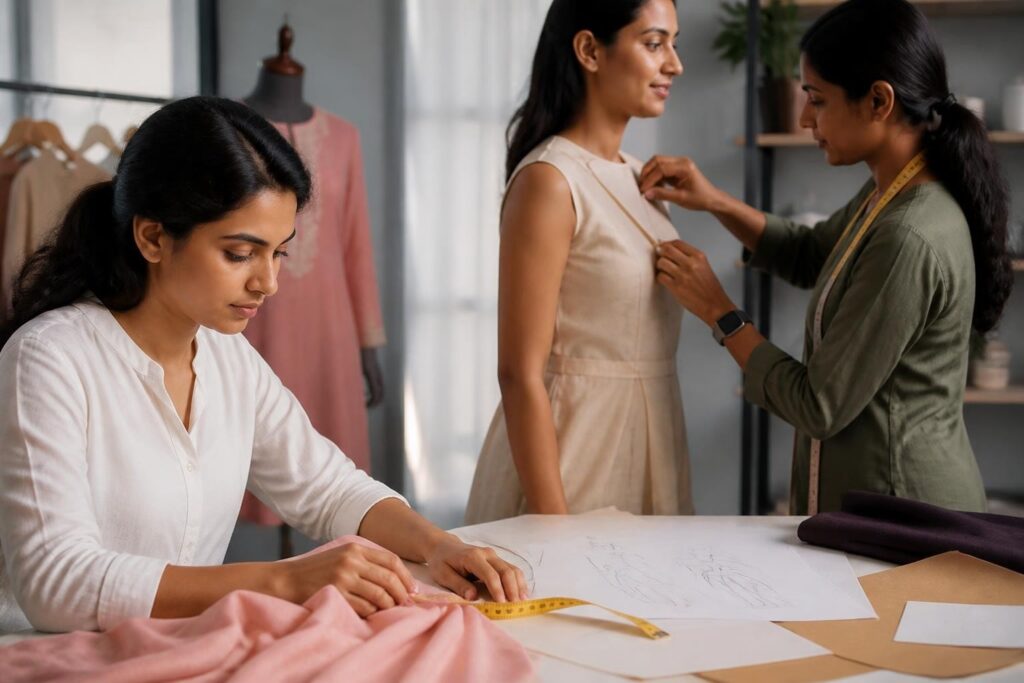
The world of ladies tailoring represents a unique intersection of artistry, precision, and personal style. While bespoke tailoring has long been associated with menswear, the craft of creating custom-fit garments for women demands an even more nuanced understanding of body shapes, proportions, and fashion sensibilities. From the elegant lines of a perfectly fitted blazer to the graceful drape of a custom dress, ladies tailoring transforms fabric into garments that celebrate individuality and enhance confidence. This specialized craft has evolved significantly over centuries, adapting to changing fashion trends while maintaining its commitment to exceptional fit and quality craftsmanship.
The Historical Evolution of Women's Custom Tailoring
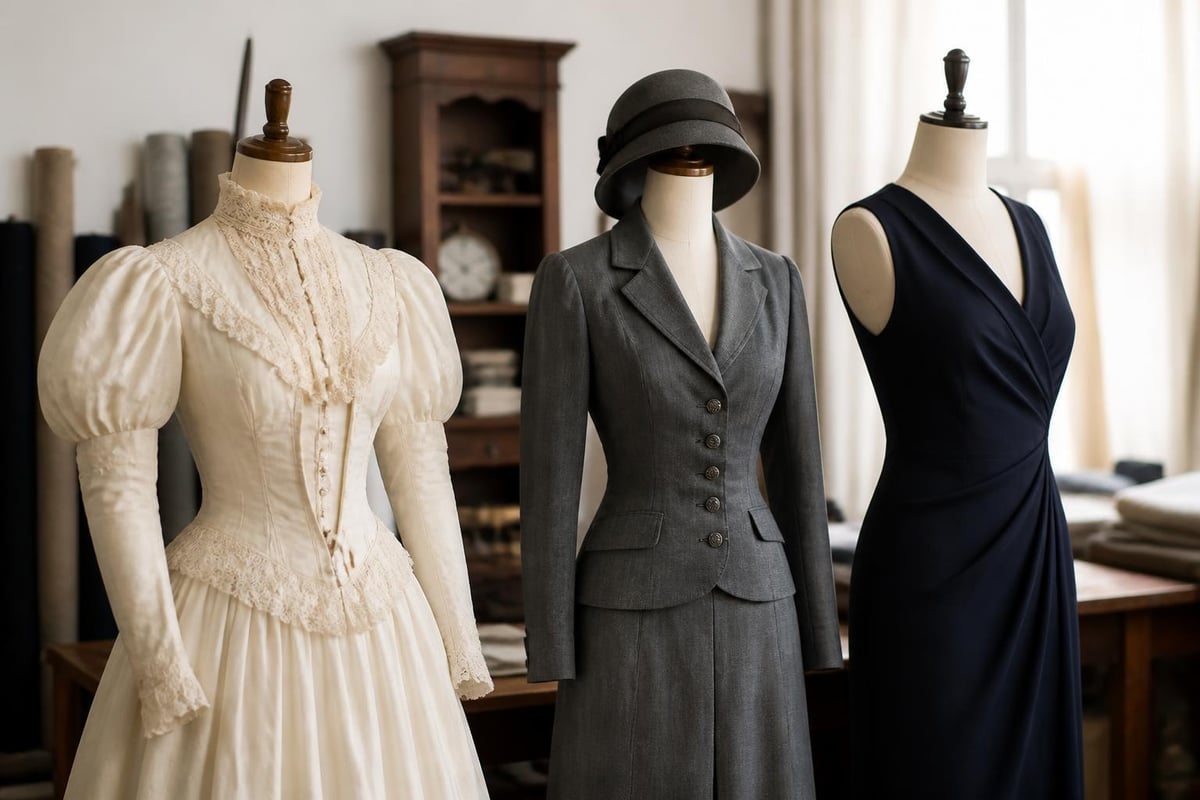
The journey of women’s tailoring throughout history reveals a fascinating narrative of social change and sartorial innovation. During the Victorian era, women's garments were primarily constructed by dressmakers who focused on draped designs rather than structured tailoring. The early 20th century marked a turning point when women began adopting more tailored silhouettes, particularly as they entered the workforce in greater numbers.
Breaking Traditional Boundaries
The 1920s and 1930s witnessed a revolution in ladies tailoring as designers like Coco Chanel introduced structured jackets and suits that borrowed elements from menswear while maintaining feminine sophistication. This period established the foundation for modern women's tailoring, emphasizing clean lines, quality construction, and attention to detail.
Interestingly, Savile Row’s connection to women extends beyond its famous street name. While the district became synonymous with men's bespoke tailoring, women increasingly sought out these master craftspeople for their own custom garments, recognizing the superior construction techniques and personalized service.
The mid-20th century brought new approaches to ladies tailoring, with detailed guidance on constructing women’s suits becoming more widely available. These resources helped democratize tailoring knowledge while maintaining high standards of craftsmanship.
Understanding the Unique Requirements of Ladies Tailoring
Ladies tailoring differs fundamentally from men's tailoring in several critical aspects. Women's bodies present more varied proportions, requiring tailors to master complex pattern adjustments and fitting techniques that accommodate diverse body shapes.
Body Measurement Complexities
Key measurement considerations include:
- Bust, waist, and hip proportions that vary significantly between individuals
- Shoulder slope angles that affect jacket construction
- Arm length and positioning relative to torso
- Back curvature and posture considerations
- Height variations affecting garment balance
The expertise required for ladies tailoring extends beyond simple measurements. A skilled tailor must understand how fabric behaves across curves, how to create structure without sacrificing comfort, and how to balance fashion-forward design with timeless elegance.
Fabric Selection and Draping
Choosing appropriate fabrics represents another dimension where ladies tailoring demands specialized knowledge. Women's garments often incorporate a wider range of textiles than traditional menswear, from delicate silks to structured wools.
| Type de tissu | Best Applications | Key Characteristics |
|---|---|---|
| Wool Crepe | Suits, blazers, trousers | Drapes well, resists wrinkles, professional appearance |
| Silk Charmeuse | Blouses, dresses, linings | Luxurious feel, beautiful drape, requires careful handling |
| Cotton Poplin | Shirts, summer suits | Crisp finish, breathable, easy to maintain |
| Linen Blends | Casual jackets, dresses | Textured appearance, comfortable, relaxed elegance |
Pattern Drafting and Construction Techniques
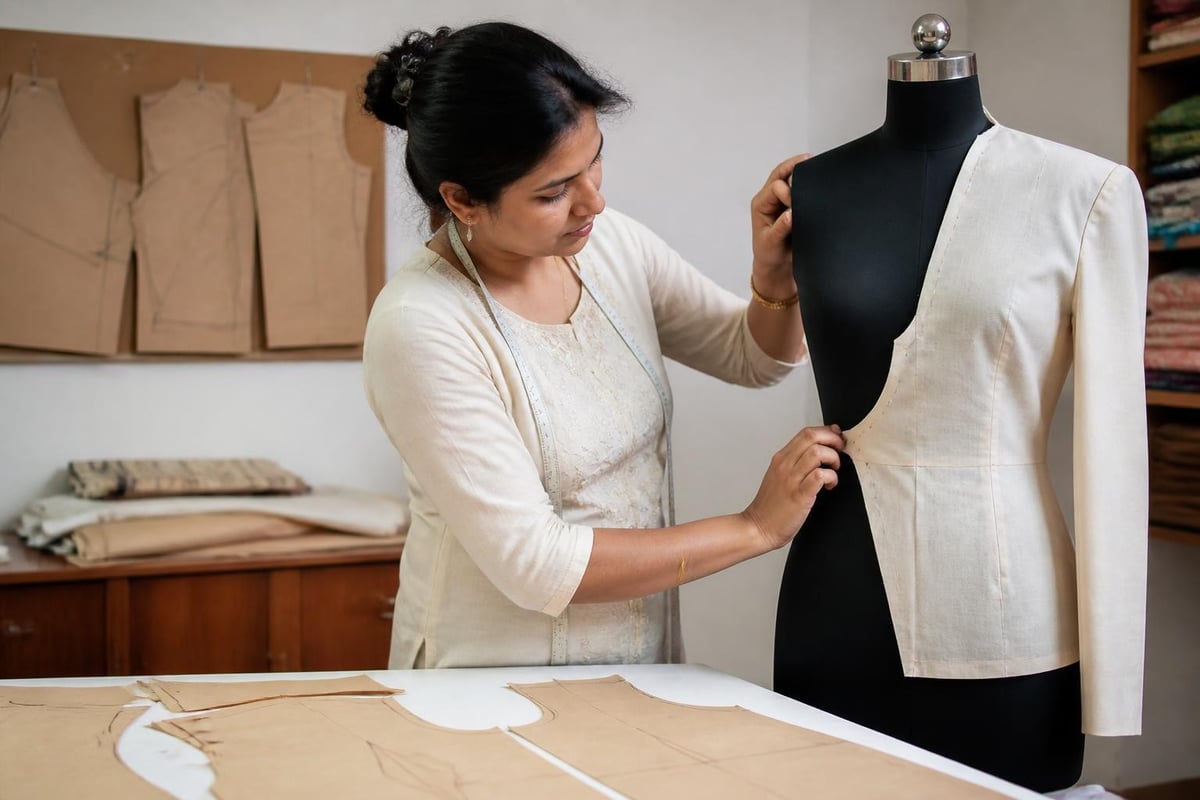
Modern ladies tailoring pattern drafting requires mastery of geometric principles and spatial reasoning. Creating patterns that translate two-dimensional fabric into three-dimensional garments fitting complex curves demands both technical skill and artistic vision.
The Foundation Block Method
Professional tailors develop foundation blocks, also called slopers, which serve as the basis for all custom patterns. These blocks capture an individual's unique measurements and become the template for creating various garment styles.
Steps in creating a foundation block:
- Take comprehensive body measurements including 15-25 distinct points
- Draft the basic bodice block accounting for ease and movement
- Develop sleeve, skirt, and trouser blocks as needed
- Test the block with muslin fitting garment
- Refine measurements based on fitting adjustments
- Create permanent block for future garment development
The precision involved in ladies tailoring extends to every seam, dart, and curve. Unlike mass-produced clothing that uses standardized sizing, bespoke tailoring accommodates individual asymmetries, posture variations, and personal preferences.
Advanced Construction Methods
Professional ladies tailoring incorporates techniques that ensure garments maintain their shape and appearance over time. Canvas interfacing hand-stitched into jacket fronts, properly constructed shoulder pads that enhance natural lines, and carefully set sleeves all contribute to the superior quality of custom garments.
Contemporary Applications and Style Categories
Modern ladies tailoring encompasses a remarkable range of garment styles, each requiring specific expertise and construction approaches. At Alex’s Fashion, the breadth of custom women's clothing reflects this diversity while maintaining consistent quality standards.
Professional Wardrobe Essentials
The corporate woman's wardrobe benefits immensely from bespoke tailoring. Custom suits, blazers, and trousers provide the polish and confidence necessary in professional settings while ensuring comfort throughout long workdays.
Popular professional garments include:
- Classic two-piece suits with fitted jackets and coordinating trousers or skirts
- Separates that allow mix-and-match versatility
- Tailored dresses suitable for business meetings and presentations
- Professional blouses with perfect collar and shoulder fit
- Structured coats and outerwear
Special Occasion Ladies Tailoring
Beyond everyday wear, ladies tailoring excels in creating memorable garments for significant events. Wedding suits, cocktail dresses, and formal evening wear all benefit from the precision and personalization that bespoke tailoring provides.
The advantage of custom construction becomes particularly evident in special occasion wear, where fit problems can diminish confidence during important moments. A tailored approach ensures every detail aligns with the wearer's vision and body shape.
The Fitting Process in Ladies Tailoring
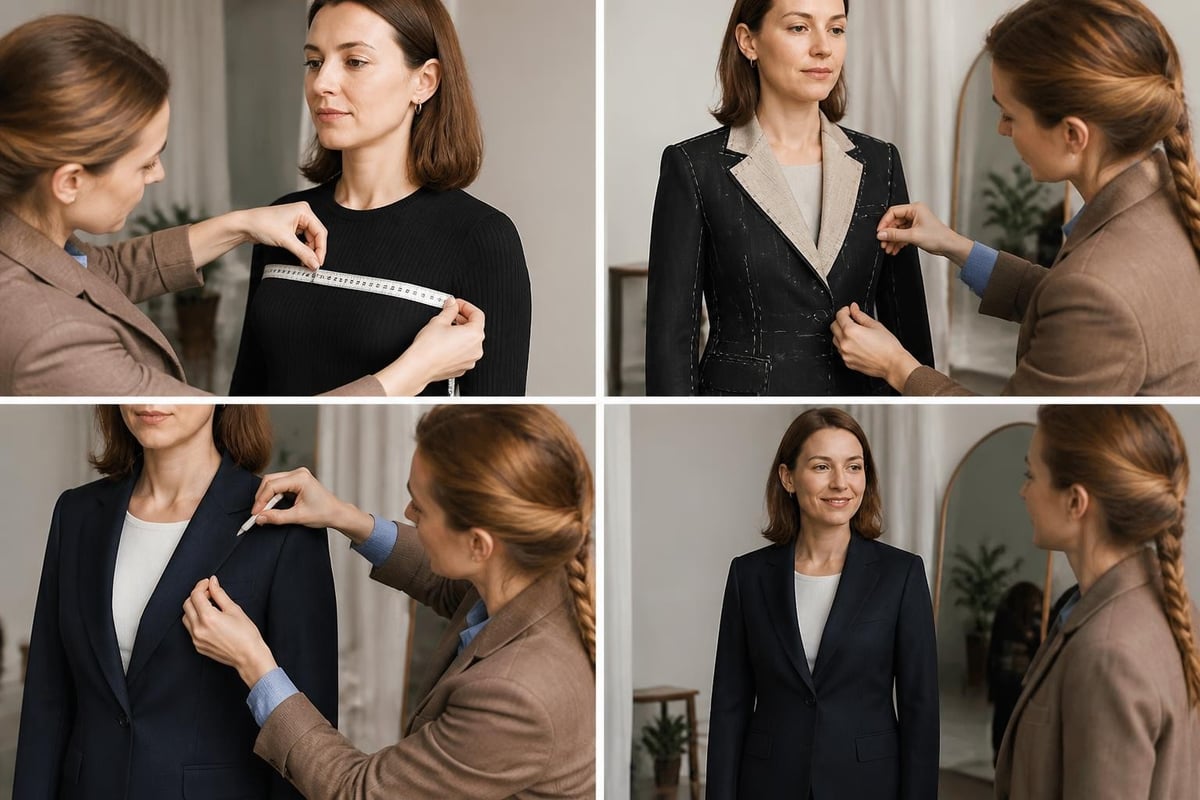
The craft of tailoring reaches its pinnacle during the fitting process, where theoretical patterns meet physical reality. Ladies tailoring typically requires multiple fittings to achieve the desired result, particularly for structured garments like suits and formal dresses.
First Fitting: The Basted Garment
During the initial fitting, garments are temporarily assembled with loose basting stitches. This allows the tailor to assess overall proportions, ease, and balance while making adjustments without damaging the fabric.
| Fitting Stage | Focus Areas | Typical Adjustments |
|---|---|---|
| First Fitting | Overall fit, length, balance | Major seam adjustments, dart repositioning |
| Second Fitting | Refined proportions, details | Fine-tuning curves, sleeve pitch, collar roll |
| Final Fitting | Finishing touches, comfort | Hem adjustments, button placement, final ease |
Addressing Common Fitting Challenges
Experienced tailors encounter recurring fitting challenges that require creative solutions. One shoulder sitting higher than the other, asymmetrical hip measurements, or posture-related adjustments all demand individualized approaches that mass production cannot address.
The relationship between tailor and client during fittings extends beyond mere measurements. Effective communication ensures the final garment reflects personal style preferences while maintaining proper construction principles. A skilled tailor guides clients toward choices that enhance their natural attributes while remaining honest about what works best for their body type.
Quality Markers in Bespoke Women's Garments
Distinguishing truly bespoke ladies tailoring from made-to-measure or ready-to-wear options requires understanding quality indicators. These details separate exceptional garments from ordinary clothing.
Interior Construction Details
Signs of superior ladies tailoring:
- Hand-stitched lapels with precision pick stitching
- Fully floating canvas construction in jackets
- Hand-sewn buttonholes with consistent thread tension
- French seams or bound seams for clean interior finish
- Quality lining fabrics that allow garments to move gracefully
- Reinforced stress points at pockets and closures
The interior of a well-tailored garment often reveals more about its quality than the exterior. Taking time to examine construction methods provides insight into the craftsmanship involved.
Fabric and Trim Quality
Premium ladies tailoring begins with exceptional materials. World-class fabrics from renowned mills provide the foundation for garments that maintain their appearance through years of wear. Natural fibers like wool, silk, and cotton typically outperform synthetic alternatives in both longevity and comfort.
Buttons, zippers, and other notions deserve equal attention. Mother-of-pearl buttons, robust metal zippers, and quality thread all contribute to the overall durability and aesthetic appeal of custom garments.
The Role of Personalization in Modern Ladies Tailoring
Contemporary ladies tailoring has evolved to embrace individual expression while honoring traditional craftsmanship. Women seeking custom garments today expect personalization that extends beyond fit to encompass style details reflecting their unique personality.
Design Collaboration
The collaborative relationship between tailor and client distinguishes bespoke services from other clothing options. At establishments like Alex's Fashion, this partnership begins with understanding the client's lifestyle, preferences, and wardrobe needs.
Personalization options include:
- Fabric selection from extensive collections
- Silhouette modifications to reflect personal style
- Unique design details like pocket styles or collar shapes
- Monogramming and custom embroidery
- Lining choices adding personal touches to garment interiors
Cultural Considerations
In diverse locations like Krabi, Thailand, ladies tailoring must navigate cultural preferences alongside universal principles of fit and construction. Understanding local climate needs, modesty requirements, and style preferences ensures garments serve their intended purpose while respecting cultural context.
Sustainability Through Quality Tailoring
The environmental impact of fashion has brought renewed attention to ladies tailoring as a sustainable alternative to fast fashion. Custom garments designed to last years rather than seasons represent a more responsible approach to building a wardrobe.
Investment Pieces Versus Disposable Fashion
A well-tailored jacket or suit represents an investment that pays dividends through extended wear. The cost per wearing of a quality bespoke garment often proves lower than cheaper alternatives requiring frequent replacement.
Sustainability benefits of ladies tailoring:
- Reduced waste through precise fabric cutting
- Longer garment lifespan due to quality construction
- Ability to repair and alter garments as body changes
- Timeless designs that transcend seasonal trends
- Support for skilled craftsmanship and traditional techniques
Selecting a Ladies Tailoring Service
Choosing the right tailor represents a crucial decision affecting garment quality and overall satisfaction. Research into women’s participation in tailoring highlights the importance of skilled practitioners who understand the nuances of creating custom women's clothing.
Evaluation Criteria
When selecting a ladies tailoring service, consider both technical competence and interpersonal factors. The best tailors combine exceptional skills with the ability to understand and interpret client preferences.
| Criterion | Ce qu'il faut rechercher | Questions to Ask |
|---|---|---|
| Expérience | Years in business, specialization in women's garments | How long have you specialized in ladies tailoring? |
| Portefeuille | Examples of previous work, variety of styles | May I see examples of similar garments? |
| Process | Clear explanation of steps, fitting schedule | How many fittings are typically required? |
| Communication | Responsive, understanding, professional | How will we communicate during the process? |
Comprendre les structures de prix
Quality ladies tailoring requires significant time, skill, and premium materials. Understanding pricing helps set realistic expectations while ensuring value for investment. Transparent pricing that explains cost components builds trust and helps clients make informed decisions.
Caring for Custom Tailored Garments
Protecting the investment in bespoke ladies tailoring extends beyond the final fitting. Proper care ensures garments maintain their appearance and structure for years.
Professional Maintenance
Custom garments benefit from professional cleaning services familiar with handling quality construction. Dry cleaners experienced with tailored clothing understand how to preserve shape, protect delicate details, and maintain fabric integrity.
Care recommendations for tailored garments:
- Steam rather than iron when possible to avoid shine
- Use padded hangers that support shoulder structure
- Allow garments to air between wearings
- Address small repairs promptly to prevent larger problems
- Store in breathable garment bags to protect from dust
- Schedule professional cleaning based on wear frequency rather than arbitrary timelines
Ladies tailoring represents the pinnacle of personalized clothing, combining centuries of craftsmanship evolution with contemporary style sensibilities to create garments that truly celebrate individual beauty and confidence. Whether you're seeking the perfect professional wardrobe, special occasion attire, or timeless pieces that transcend trends, the expertise and attention to detail offered by skilled tailors transforms the clothing experience. With over 30 years of experience creating custom garments for women, men, and children, Alex’s Fashion brings world-class fabrics and exceptional craftsmanship to every project, ensuring your bespoke garments reflect your unique style while providing the perfect fit that only custom tailoring can deliver.